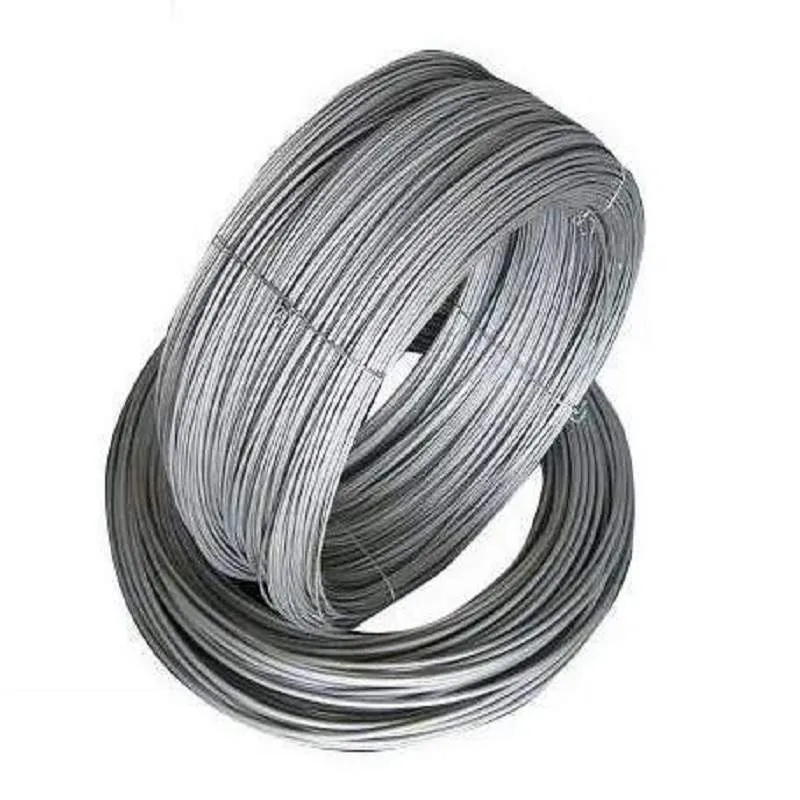
Class II Type B 15% Cr-Mo-LC Martensitic White Cast Iron Wire
Product Code : STI-IFe-020-CU
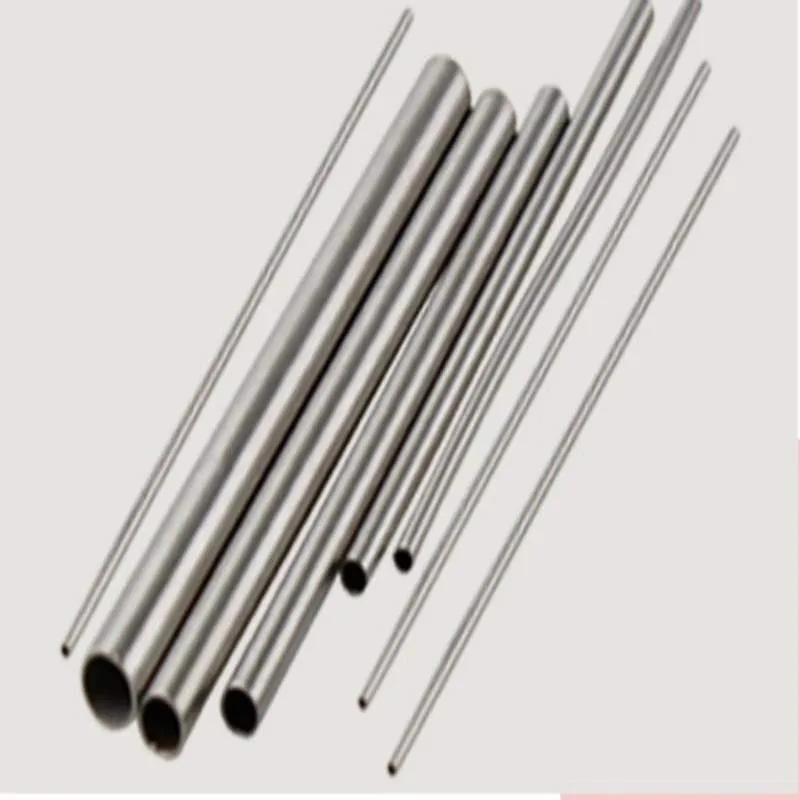
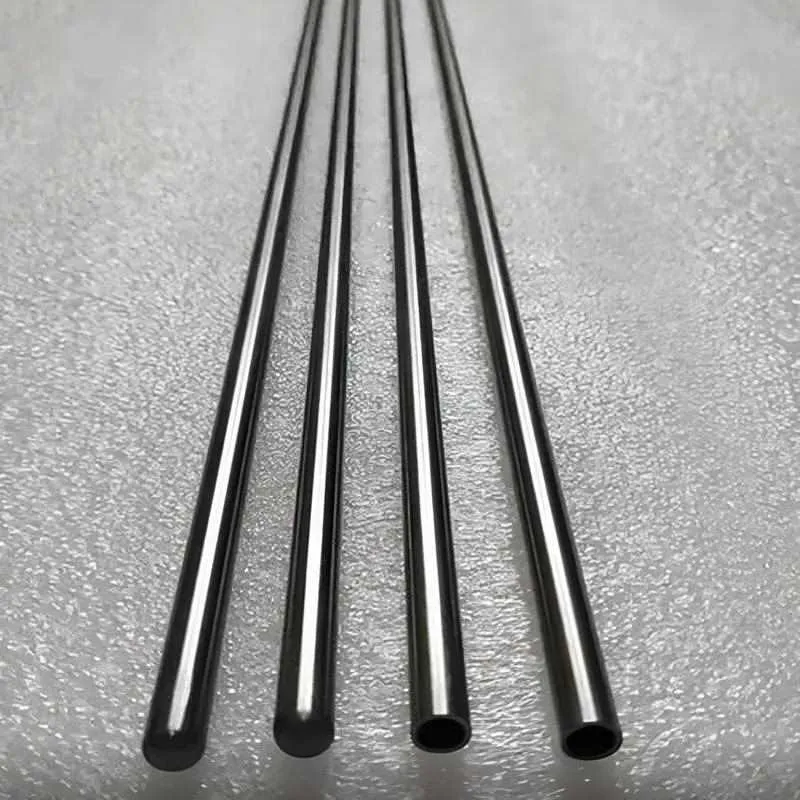
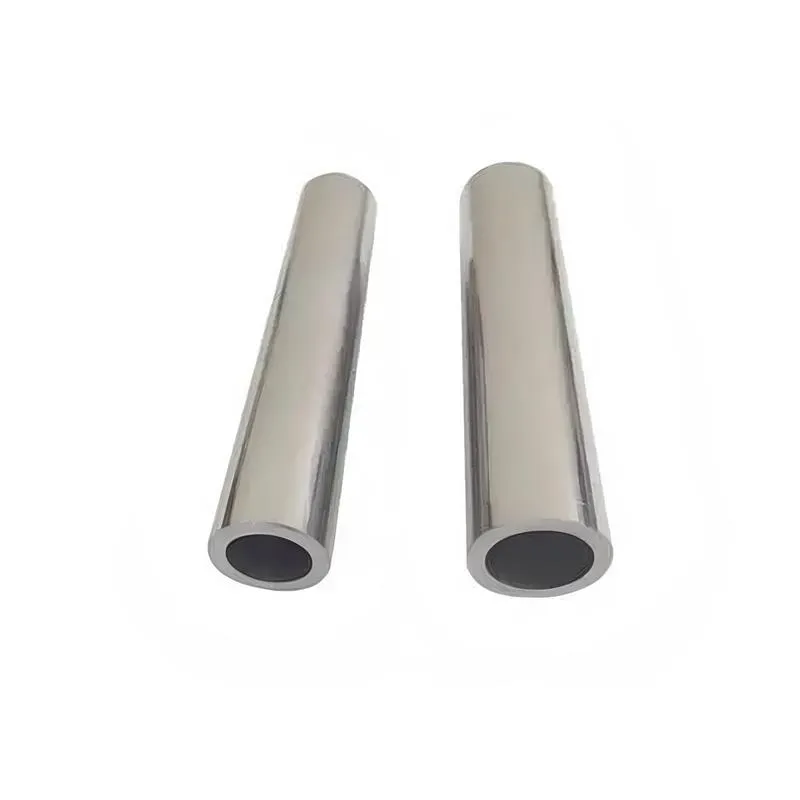
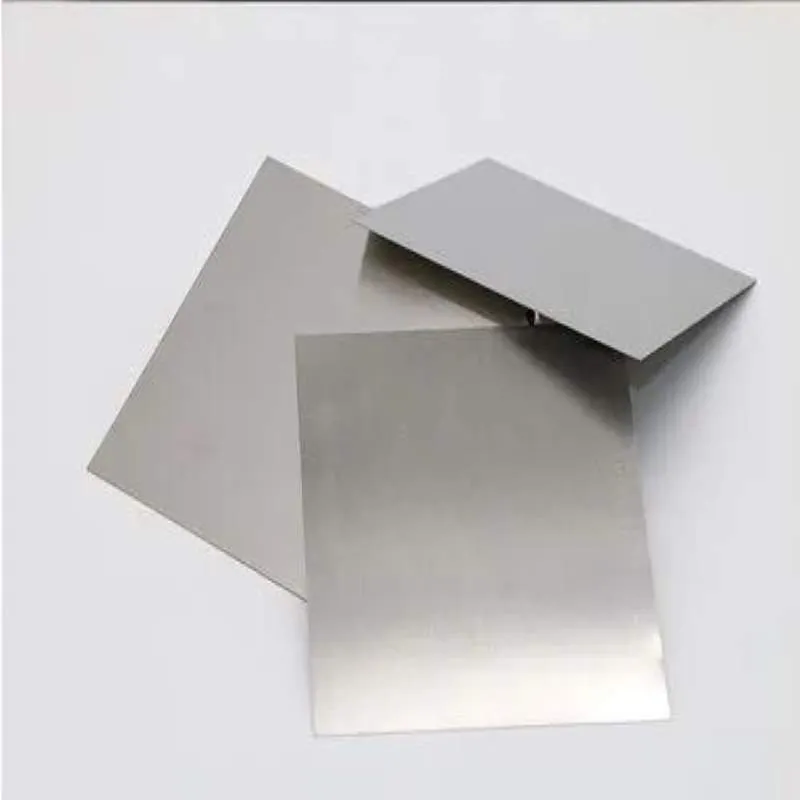
We provide Class II Type B 15% Cr-Mo-LC Martensitic White Cast Iron Wire is available in Bar (Round bar, Flat bar), Ribbon, Wire, Rods, Tube,Seamless Tube,Pipe, Ingots, Plate, Sheet, Strip and Forging Stock.,Purity, chemical composition, size, etc. can all be customized to meet specific requirements.
Please contact us if you need customized services. We will contact you with the price and availability in 24 hours.
Class II Type B 15% Cr-Mo-LC Martensitic White Cast Iron Wire Product Information
-:-
For detailed product information, please contact sales.
-:
Class II Type B 15% Cr-Mo-LC Martensitic White Cast Iron Wire Synonyms
-:-
For detailed product information, please contact sales.
-:
Class II Type B 15% Cr-Mo-LC Martensitic White Cast Iron Product Information
-:-
For detailed product information, please contact sales.
-:
## **Product Introduction: Class II Type B 15% Cr-Mo-LC Martensitic White Cast Iron**
Class II Type B 15% Cr-Mo-LC Martensitic White Cast Iron is a high-performance, alloy-optimized abrasion-resistant iron within the ASTM A532 standard, designed to deliver superior toughness and impact resistance alongside exceptional wear performance in severe environments. The "15% Cr-Mo-LC" designation indicates a **15% Chromium-Molybdenum** alloy with a **Low Carbon** content compared to the standard Type A grade. This specific chemistry is engineered to reduce the volume and coarseness of the hard chromium carbides, resulting in a finer and more uniform dispersion within a tough, martensitic matrix. This microstructure provides an outstanding balance, offering improved fracture toughness and resistance to spalling under heavy impact while maintaining very high hardness and excellent abrasion resistance. It is the material of choice for applications where extreme wear is coupled with high levels of mechanical or thermal shock.
This grade represents a strategic evolution from the standard 15% Cr white iron, prioritizing component integrity and total service life in the most punishing applications over pure maximum hardness.
---
### **1. Chemical Composition**
The composition is precisely controlled to achieve a lower carbide volume while ensuring adequate hardenability through molybdenum to form a fully martensitic matrix.
**Typical Composition Range (ASTM A532 Class II Type B):**
| Element | Content (%) | Primary Function |
| :--- | :--- | :--- |
| **Chromium (Cr)** | **14.0 - 18.0** | **Primary carbide former and corrosion resistor.** Forms hard (Cr,Fe)₇C₃ carbides. The high Cr content ensures good oxidation and corrosion resistance. The "LC" variant uses Cr more for matrix protection and finer carbide formation rather than excessive carbide volume. |
| **Molybdenum (Mo)** | **2.3 - 3.5** | **Critical hardenability agent.** Essential for achieving a fully martensitic matrix upon air quenching, especially in the presence of high chromium which retards transformation. It prevents pearlite formation in thick sections. |
| **Carbon (C)** | **2.4 - 2.8** | **Controlled carbide former (Low Carbon).** The defining **"LC"** characteristic. Lower carbon content reduces the volume fraction and size of primary and eutectic carbides, leading to a less continuous carbide network. This directly enhances toughness and impact resistance. |
| **Manganese (Mn)** | 0.5 - 1.5 | Aids in deoxidation and provides moderate hardenability support. |
| **Silicon (Si)** | 0.5 - 1.2 | Deoxidizer; kept low to prevent graphite formation. |
| **Nickel (Ni)** | **0 - 2.5** (Optional but common) | Frequently added (~1.0-2.0%) to further enhance hardenability, improve sub-zero temperature toughness, and stabilize the microstructure. |
| **Copper (Cu)** | 0 - 1.2 (Optional) | May be used to supplement hardenability. |
| **Iron (Fe)** | Balance | Base metal. |
**Microstructural Note:** After a standard destabilization heat treatment (e.g., 950-1020°C followed by air or forced air cooling), the target microstructure is a **martensitic matrix** with a **refined and somewhat isolated dispersion of (Cr,Fe)₇C₃ carbides**. The carbide volume fraction is typically 20-30%, lower and finer than in the higher-carbon Type A grade.
---
### **2. Physical & Mechanical Properties**
The properties reflect the optimized trade-off: slightly lower peak hardness for dramatically improved mechanical reliability.
| Property | Typical Value / Description |
| :--- | :--- |
| **Microstructure (Heat-Treated)** | **Martensitic matrix with a refined dispersion of M₇C₃ carbides.** |
| **Density** | ~7.6 - 7.7 g/cm³ |
| **Macrohardness** | **550 - 650 HB** (56 - 61 HRC) – Very high, though typically at the lower end of the range compared to Type A. The martensitic matrix ensures hardness is maintained. |
| **Compressive Strength** | **Very High** – Excellent load-bearing capability remains. |
| **Tensile Strength** | Low to Moderate (400 - 600 MPa) – Not a design parameter. |
| **Elongation** | **Negligible (< 0.5%)** – Remains brittle. |
| **Fracture Toughness (K_IC)** | **Improved (~20-30 MPa√m).** Significantly better than Class II Type A due to the lower carbon/finer carbides. Provides excellent resistance to crack propagation and chipping. |
| **Impact Resistance (Charpy Unnotched)** | **15 - 35 J** – Substantially better than Type A, making it suitable for severe, repetitive impact service (e.g., hammers, impactor bars). |
| **Thermal Shock Resistance** | **Very Good.** The finer microstructure and tougher matrix are less prone to cracking from rapid temperature changes. |
| **Abrasion Resistance** | **Excellent.** While its pure abrasion resistance in low-stress scratching may be slightly lower than the highest-carbon grades, its performance in high-stress gouging and grinding abrasion—where material removal often occurs via micro-cracking—is often superior due to its resistance to spalling. |
| **Corrosion/Oxidation Resistance** | **Very Good to Excellent.** The high chromium content provides excellent protection. |
| **Machinability** | **Extremely Poor.** Grinding only. |
---
### **3. Key Product Advantages & Characteristics**
* **Optimal Toughness-Hardness Balance:** Offers the best combination of impact resistance and wear resistance in the 15% Cr white iron family.
* **Superior Resistance to Spalling & Gross Fracture:** The refined carbide structure minimizes stress concentration points, greatly reducing the tendency for large-scale material breakage under impact.
* **Good Thermal Fatigue Resistance:** Suitable for applications involving moderate thermal cycling.
* **Excellent for High-Impact Abrasion:** Excels in applications where the wear mechanism involves both cutting/gouging and heavy pounding.
---
### **4. Product Applications**
This material is specified for the most demanding roles where impact-induced failure is the primary concern, not gradual wear.
* **Mining & Quarrying:** **Impactor crusher blow bars**, **hammer mill hammers**, **crusher rolls and jaws** in secondary/tertiary crushing stages, shovel teeth in highly abrasive rock.
* **Cement & Aggregates:** Clinker crusher hammers, impact crusher components, roller press segments in high-impact circuits.
* **Recycling & Scrap Processing:** Shredder hammers, anvils, and liners for ferrous scrap.
* **Pulp & Paper:** Refiner plates and discs where abrasive fillers and mechanical impact are combined.
* **Earth-Moving & Dredging:** Extremely wear-prone and high-impact components like cutter teeth and bucket lips in rocky or abrasive ground.
---
### **5. International Standards**
This grade is clearly defined under the primary ASTM standard.
| Standard | Title / Scope | Common Designations / Notes |
| :--- | :--- | :--- |
| **ASTM A532/A532M** | *Standard Specification for Abrasion-Resistant Cast Irons* | **Class II Type B** is the definitive standard for 15% Cr-Mo-LC martensitic white iron. |
| **ISO 21988** | *Abrasion-resistant cast irons* | Can be cross-referenced. Corresponding ISO grades will have similar Cr, Mo, and C ranges. |
| **BS 4844** | *Abrasion resisting white cast irons* (British, historical) | **Grade 2B** is the equivalent low-carbon, high-chromium grade. |
| **JIS G5511** | *Abrasion-resistant white cast irons* (Japanese) | The **SMC 500H** or similar "high toughness" proprietary grades often align with Type B chemistry and performance. |
| **DIN EN 12513** | *Founding - Abrasion resistant cast irons* (European) | A grade like **G-X 260 CrMoNi 15 2** could be comparable, emphasizing the lower carbon ("260" refers to approx. 2.6% C). |
**Specification Note:** Procurement is typically by specifying **"ASTM A532, Class II Type B"**. Due to its application in high-impact roles, supplementary requirements are critical:
* **Minimum Hardness:** Often specified (e.g., 600 HB min), but **toughness requirements are equally or more important**.
* **Impact Test Requirements:** A minimum Charpy unnotched impact energy value is frequently mandated.
* **Microstructural Control:** Specification of maximum allowed carbide size or network continuity may be included.
* **NDT:** Rigorous non-destructive testing to ensure internal soundness.
---
### **Conclusion**
Class II Type B 15% Cr-Mo-LC Martensitic White Cast Iron is the **engineered solution for the intersection of extreme abrasion and catastrophic impact**. Its **low-carbon, high-chromium-molybdenum chemistry** strategically tailors the microstructure to **maximize fracture toughness and spalling resistance** while retaining the core wear-fighting capabilities of hard chromium carbides. This makes it the preferred material for dynamic, high-stress components like impactor blow bars and shredder hammers, where sudden brittle fracture is more costly than gradual wear. By offering a predictable and reliable performance upgrade over standard high-chromium white irons under **ASTM A532**, it delivers extended service life and reduced unscheduled downtime in the most punishing industrial environments.
-:-
For detailed product information, please contact sales.
-:
Class II Type B 15% Cr-Mo-LC Martensitic White Cast Iron Specification
Dimensions
Size:
Diameter 20-1000 mm Length <6494 mm
Size:We can customized as required
Standard:
Per your request or drawing
We can customized as required
Properties(Theoretical)
Chemical Composition
-:-
For detailed product information, please contact sales.
-:
Class II Type B 15% Cr-Mo-LC Martensitic White Cast Iron Properties
-:-
For detailed product information, please contact sales.
-:
Applications of Class II Type B 15% Cr-Mo-LC Martensitic White Cast Iron Wire
-:-
For detailed product information, please contact sales.
-:
Chemical Identifiers Class II Type B 15% Cr-Mo-LC Martensitic White Cast Iron Wire
-:-
For detailed product information, please contact sales.
-:
Packing of Class II Type B 15% Cr-Mo-LC Martensitic White Cast Iron Wire
-:-
For detailed product information, please contact sales.
-:
Standard Packing:
-:-
For detailed product information, please contact sales.
-:
Typical bulk packaging includes palletized plastic 5 gallon/25 kg. pails, fiber and Steel Wire drums to 1 ton super sacks in full container (FCL) or truck load (T/L) quantities. Research and sample quantities and hygroscopic, oxidizing or other air sensitive materials may be packaged under argon or vacuum. Solutions are packaged in polypropylene, plastic or glass jars up to palletized 2965 gallon liquid totes Special package is available on request. E FORUs’ is carefully handled to minimize damage during storage and transportation and to preserve the quality of our products in their original condition