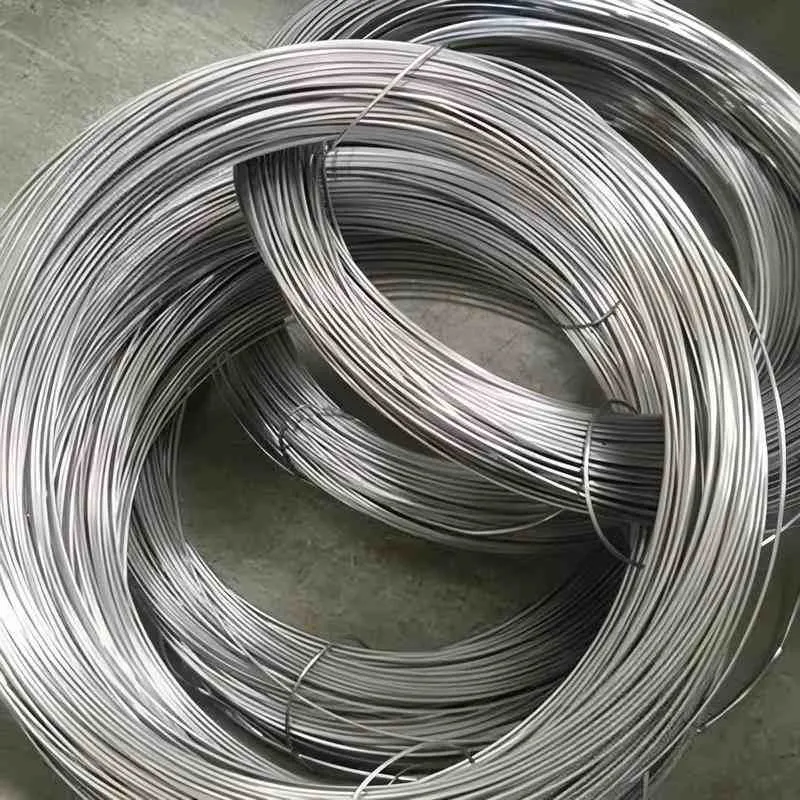
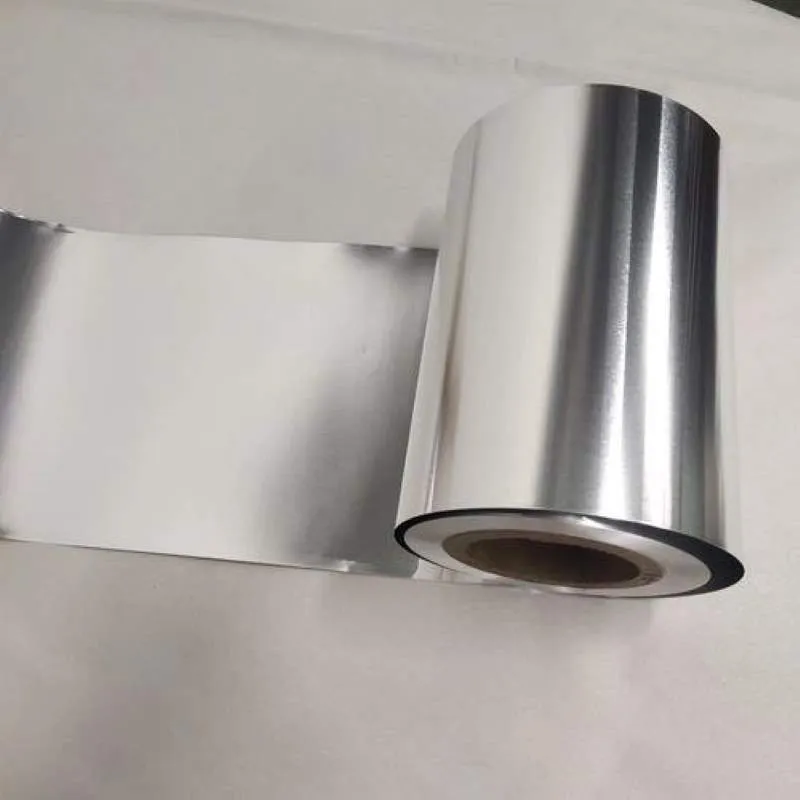
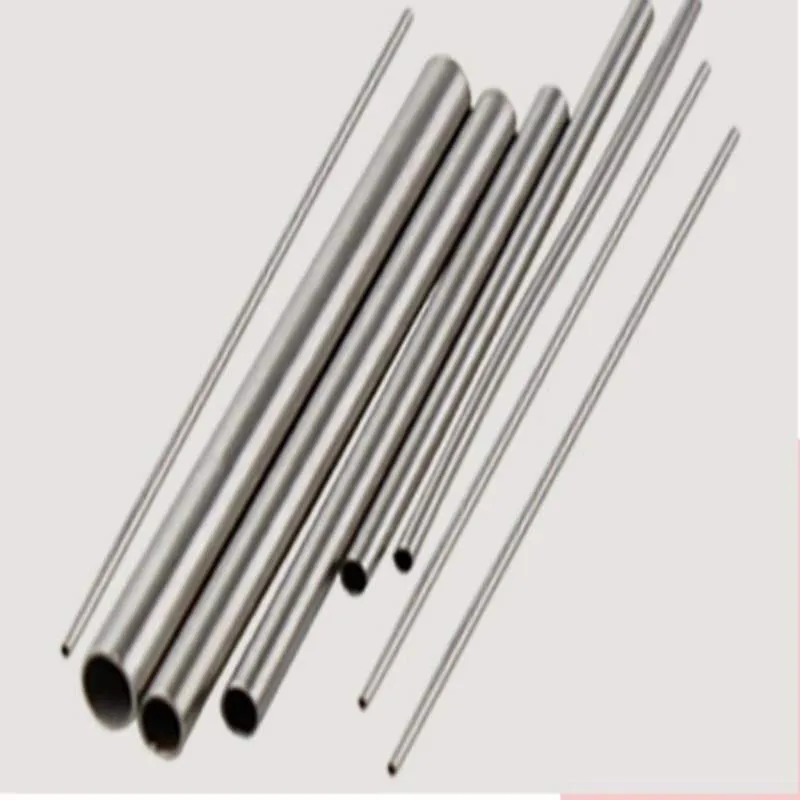
H40 Hot Work Tool Steel Wire
Product Code : STI-GSTI-044-CU
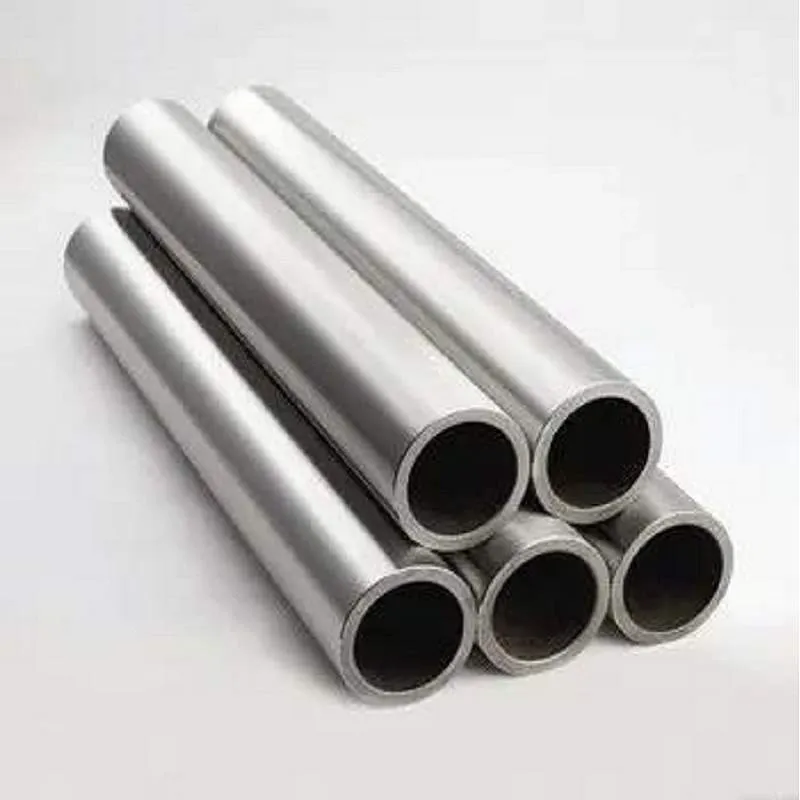
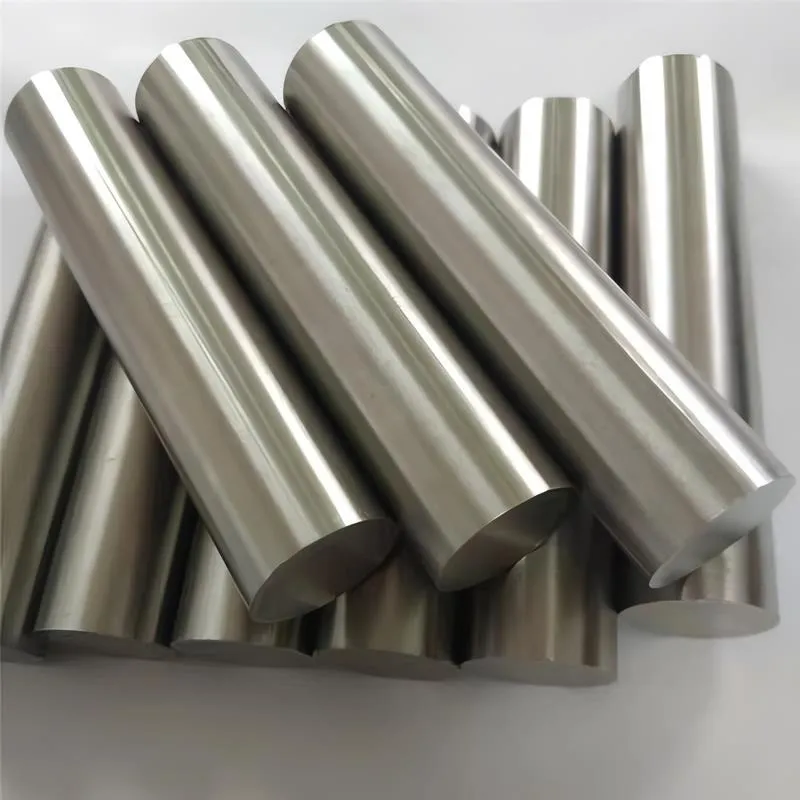
We provide H40 Hot Work Tool Steel Wire is available in Bar (Round bar, Flat bar), Ribbon, Wire, Rods, Tube,Seamless Tube,Pipe, Ingots, Plate, Sheet, Strip and Forging Stock.,Purity, chemical composition, size, etc. can all be customized to meet specific requirements.
Please contact us if you need customized services. We will contact you with the price and availability in 24 hours.
H40 Hot Work Tool Steel Wire Product Information
-:-
For detailed product information, please contact sales.
-:
H40 Hot Work Tool Steel Wire Synonyms
-:-
For detailed product information, please contact sales.
-:
H40 Hot Work Tool Steel Product Information
-:-
For detailed product information, please contact sales.
-:
# **Product Introduction: AISI Type H40 Hot Work Tool Steel**
## **Overview**
**AISI Type H40** is a **specialized molybdenum-tungsten hot work tool steel** that represents a unique niche within the hot work steel family. Characterized by its **balanced molybdenum and tungsten content with moderate chromium**, H40 is engineered to provide **good hot hardness, thermal fatigue resistance, and moderate toughness** for specific high-temperature applications. Unlike the mainstream chromium-based H10-H13 series or the tungsten-dominated H20-H26 series, H40 offers a transitional composition that bridges different alloying philosophies, making it suitable for applications requiring a specific balance of properties not fully met by either conventional series.
---
## **Chemical Composition (Typical Weight %)**
H40 features a distinctive molybdenum-tungsten-chromium balance.
| Element | Content (%) | Role in Hot Work Performance |
| :--- | :--- | :--- |
| **Molybdenum (Mo)** | **4.00 - 5.00** | **Primary high-temperature strengthening element.** Provides excellent hot hardness, enhances hardenability, and improves creep resistance at elevated temperatures. |
| **Tungsten (W)** | **2.00 - 3.00** | **Complementary high-temperature element.** Works synergistically with molybdenum to enhance hot hardness and thermal stability. |
| **Chromium (Cr)** | **3.00 - 4.00** | Provides oxidation resistance and contributes to hardenability and hot strength. |
| **Vanadium (V)** | **1.00 - 1.50** | **Significant vanadium content.** Forms hard vanadium carbides for wear resistance and refines grain structure. |
| **Carbon (C)** | **0.55 - 0.65** | **Higher carbon content.** Provides increased hardness and wear resistance compared to many hot work steels. |
| **Silicon (Si)** | 0.80 - 1.20 | Improves oxidation and thermal fatigue resistance. |
| **Manganese (Mn)** | 0.20 - 0.50 | Aids hardenability and deoxidization. |
| **Sulfur (S)** | ≤ 0.03 | - |
| **Phosphorus (P)** | ≤ 0.03 | - |
| **Cobalt (Co)** | **0%** | Notably absent; distinguishes H40 from cobalt-enhanced grades. |
| **Iron (Fe)** | **Balance** | Base metal. |
**Key Distinction:** H40's **combination of significant molybdenum (4-5%) with complementary tungsten (2-3%) and higher carbon (0.55-0.65%)** creates a unique material that differs fundamentally from both the chromium-molybdenum series (like H13) and the tungsten series (like H21). This represents an alternative alloying approach focusing on molybdenum as the primary high-temperature strengthener.
---
## **Physical & Mechanical Properties**
*Properties are for material in the hardened and tempered condition.*
| Property | Typical Value / Description |
| :--- | :--- |
| **Density** | ~7.95 g/cm³ |
| **Hardness (Annealed)** | 220 - 250 HB |
| **Hardness (Hardened & Tempered)** | **48 - 58 HRC** (Typically operated at 50-54 HRC) |
| **Hot Hardness (at 550°C / 1020°F)** | **~42-46 HRC** (Very good retention at moderate-high temperatures) |
| **Tensile Strength** | 1700 - 2050 MPa (at 52 HRC) |
| **Yield Strength (0.2%)** | 1500 - 1850 MPa (at 52 HRC) |
| **Elongation** | **4 - 8%** (at 52 HRC) |
| **Impact Toughness (Charpy)** | **10 - 18 J** (at 52 HRC) |
| **Thermal Fatigue Resistance** | **Good.** Molybdenum contributes to good resistance to heat checking. |
| **Thermal Conductivity** | **~26.0 W/m·K** at 20°C |
| **Coefficient of Thermal Expansion** | ~12.0 × 10⁻⁶/°C (20-500°C) |
| **Maximum Continuous Service Temperature** | **~580°C (1075°F)** |
| **Specific Heat Capacity** | 460 J/kg·K |
| **Machinability (Annealed)** | **Poor** (~40% of 1% carbon steel). Difficult due to high alloy content. |
| **Grindability** | **Poor to Very Poor.** Vanadium carbides make grinding challenging. |
---
## **Heat Treatment Guidelines**
Proper heat treatment is essential for H40's optimal performance.
| Process | Parameters | Special Considerations for H40 |
| :--- | :--- | :--- |
| **Annealing** | Heat to 870-900°C (1600-1650°F), slow furnace cool to 480°C (900°F) at ≤15°C/hr, then air cool. | Results in ~235 HB for machining. |
| **Stress Relieving** | 650-700°C (1200-1290°F) for 2-3 hrs, air cool. | Recommended after rough machining. |
| **Preheating** | **Double preheat:** 650°C (1200°F) and 850°C (1560°F). | Important to prevent thermal shock. |
| **Austenitizing** | **1050-1100°C (1920-2010°F).** Soak: 20-30 min/inch. | High temperature required; protective atmosphere recommended. |
| **Quenching** | **Oil quench** (preferred) or air quench for complex shapes. | Vigorous agitation recommended for oil quenching. |
| **Tempering** | **Double temper at 560-620°C (1040-1150°F)** for 2+ hours each. | High tempering temperatures develop optimal secondary hardening. |
---
## **Product Applications**
H40 is specialized for applications requiring good hot hardness with better wear resistance than conventional hot work steels.
### **Primary Hot Work Applications:**
#### **1. High-Temperature, High-Wear Applications:**
- **Hot forging dies** for abrasive materials
- **Extrusion tooling** for abrasive alloys
- **Die casting components** subject to both heat and wear
#### **2. Specialized Forming Operations:**
- **Hot stamping tools** requiring wear resistance
- **Hot shear blades** for abrasive materials
- **Tools for powder metallurgy** hot pressing
#### **3. Applications Leveraging H40's Unique Balance:**
- **Tools requiring higher hardness** than typical H13 applications
- **Components where both thermal fatigue and wear** are concerns
- **Applications previously using tungsten steels** but requiring better fabricability
### **Specific Industry Usage:**
- **Metal Forging** (particularly abrasive materials)
- **Extrusion Operations**
- **Die Casting** (specialized applications)
- **Heavy Equipment Manufacturing**
- **Specialty Tooling Applications**
---
## **International Standards & Cross-Reference**
H40 is a specialized grade with limited international equivalents.
| Standard | Designation | Equivalent / Similar Grade |
| :--- | :--- | :--- |
| **AISI/SAE (USA)** | **H40** | - |
| **UNS (USA)** | **T20840** (Presumed) | - |
| **ASTM (USA)** | A681 | Likely included but rarely specified |
| **Europe (EN)** | **No direct equivalent** | - |
| **Germany (DIN)** | **~1.2884** (Approximate) | X32CrMoCoV3-3-3 (Different composition) |
| **Japan (JIS)** | **No standard equivalent** | - |
| **ISO** | **No direct equivalent** | - |
**Important Note:** **AISI H40 is an extremely rare and specialized grade** with essentially no direct international equivalents. Its unique molybdenum-tungsten-chromium-vanadium balance places it outside standard international classifications. It represents a niche composition within the AISI system that was developed for specific applications but never gained widespread adoption.
---
## **Technical Comparison: H40 vs. Other Hot Work Steels**
| Property | **H40** | **H13 (UNS T20813)** | **H21 (UNS T20821)** |
| :--- | :--- | :--- | :--- |
| **Primary System** | **Mo-W-Cr-V** | **Cr-Mo-V** | **W-Cr-V** |
| **Molybdenum** | **4.00-5.00%** | 1.25-1.75% | 0% |
| **Tungsten** | **2.00-3.00%** | 0% | **8.00-10.00%** |
| **Carbon** | **0.55-0.65%** | 0.32-0.45% | 0.25-0.35% |
| **Hot Hardness (550°C)** | **~42-46 HRC** | ~38-42 HRC | ~40-44 HRC |
| **Wear Resistance** | **Best** (high C + V) | Good | Very Good |
| **Toughness (52 HRC)** | 10-18 J | **20-35 J** | 15-25 J |
| **Max Service Temp** | **~580°C (1075°F)** | ~540°C (1000°F) | ~650°C (1200°F) |
| **Primary Application** | **High wear at moderate-high temp** | **General-purpose** | **High-temperature forging** |
---
## **Advantages & Considerations**
### **Advantages:**
1. **Good Hot Hardness:** Excellent resistance to softening at moderate-high temperatures.
2. **Superior Wear Resistance:** Higher carbon and vanadium content provides better abrasion resistance than many hot work steels.
3. **Good Hardenability:** Molybdenum content ensures good through-hardening characteristics.
4. **Balanced Alloy Approach:** Represents an alternative to both pure chromium-molybdenum and pure tungsten philosophies.
### **Considerations & Limitations:**
1. **Limited Temperature Capability:** Maximum service temperature lower than tungsten-based grades.
2. **Reduced Toughness:** Lower impact resistance than mainstream grades like H13.
3. **Very Limited Availability:** Extremely rare; essentially a "special of specials" grade.
4. **Higher Cost:** Significant molybdenum and tungsten content increase material cost.
5. **Poor Fabricability:** Difficult to machine and grind.
6. **Documentation Scarcity:** Very limited technical data and application history available.
---
## **Historical & Modern Context**
### **Development Context:**
H40 was likely developed during the mid-20th century when metallurgists were exploring various alloy combinations for hot work applications. It represents one of many experimental compositions that were standardized but never achieved commercial success due to:
1. **Emergence of H13** as the dominant chromium-molybdenum-vanadium grade
2. **Cost considerations** favoring either chromium or tungsten approaches, not both
3. **Practical performance** not justifying the complexity and cost
### **Current Status:**
In modern tool steel practice, H40 is essentially obsolete. Its applications have been largely absorbed by:
1. **Premium H13 variants** with enhanced properties
2. **Specialized tungsten steels** for higher temperature applications
3. **Surface-engineered solutions** using coatings on standard substrates
4. **Alternative materials** including nickel-based alloys for extreme conditions
---
## **Practical Recommendations**
### **For Engineers Considering H40:**
1. **First consider H13** with appropriate heat treatment and hardness
2. **Evaluate H11** if better toughness is needed
3. **Consider H21** if higher temperature capability is required
4. **Investigate surface treatments** (nitriding, coatings) on standard grades
5. **Only specify H40** if historical compatibility or specific legacy requirements mandate it
### **If H40 Must Be Used:**
1. **Secure material early** due to limited availability
2. **Work with experienced suppliers** familiar with rare grades
3. **Document all processing parameters** carefully
4. **Consider premium melting practices** (ESR, VAR) if available
5. **Plan for higher costs** and longer lead times
---
## **Conclusion**
**AISI Type H40 Hot Work Tool Steel** represents a **historical curiosity and specialized niche material** within the hot work steel family. Its **unique molybdenum-tungsten-chromium-vanadium composition** with **higher carbon content** offers an interesting alternative alloying approach that never achieved mainstream adoption.
While theoretically offering a **specific balance of hot hardness and wear resistance**, H40's **practical limitations, extreme rarity, and essentially obsolete status** make it unsuitable for most modern applications. It serves primarily as a **metallurgical footnote** - an example of the many alloy variations explored during the development of modern tool steels.
For contemporary engineers and manufacturers, H40 is more valuable as a **case study in materials selection** than as a practical tooling material. It illustrates how even technically sound alloy designs can fail to gain traction due to commercial, practical, and evolutionary factors in materials technology.
The story of H40 reinforces important principles in materials engineering:
1. **Technical merit alone doesn't guarantee commercial success**
2. **Industry standards tend to converge on a few optimal compositions**
3. **Practical considerations (cost, availability, fabricability) often outweigh theoretical advantages**
4. **Materials evolution follows path-dependent trajectories shaped by many factors**
In today's manufacturing environment, engineers seeking H40-like properties would be better served by **modern alternatives** including advanced grades of H13, surface-engineered solutions, or completely different material systems better suited to their specific application requirements.
-:-
For detailed product information, please contact sales.
-:
H40 Hot Work Tool Steel Specification
Dimensions
Size:
Diameter 20-1000 mm Length <6700 mm
Size:We can customized as required
Standard:
Per your request or drawing
We can customized as required
Properties(Theoretical)
Chemical Composition
-:-
For detailed product information, please contact sales.
-:
H40 Hot Work Tool Steel Properties
-:-
For detailed product information, please contact sales.
-:
Applications of H40 Hot Work Tool Steel Wire
-:-
For detailed product information, please contact sales.
-:
Chemical Identifiers H40 Hot Work Tool Steel Wire
-:-
For detailed product information, please contact sales.
-:
Packing of H40 Hot Work Tool Steel Wire
-:-
For detailed product information, please contact sales.
-:
Standard Packing:
-:-
For detailed product information, please contact sales.
-:
Typical bulk packaging includes palletized plastic 5 gallon/25 kg. pails, fiber and Steel Wire drums to 1 ton super sacks in full container (FCL) or truck load (T/L) quantities. Research and sample quantities and hygroscopic, oxidizing or other air sensitive materials may be packaged under argon or vacuum. Solutions are packaged in polypropylene, plastic or glass jars up to palletized 3171 gallon liquid totes Special package is available on request. E FORUs’ is carefully handled to minimize damage during storage and transportation and to preserve the quality of our products in their original condition