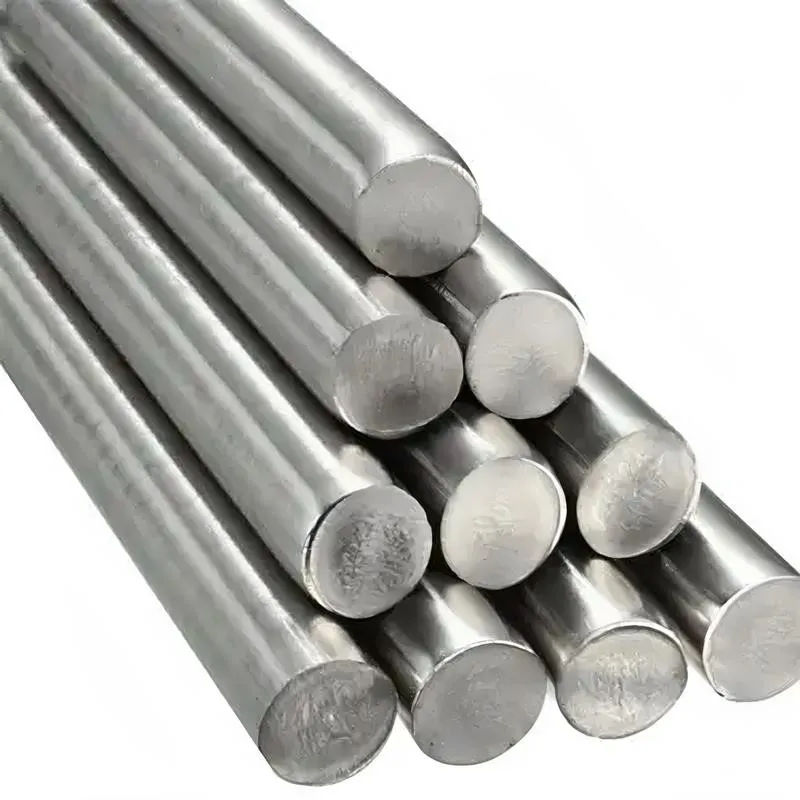
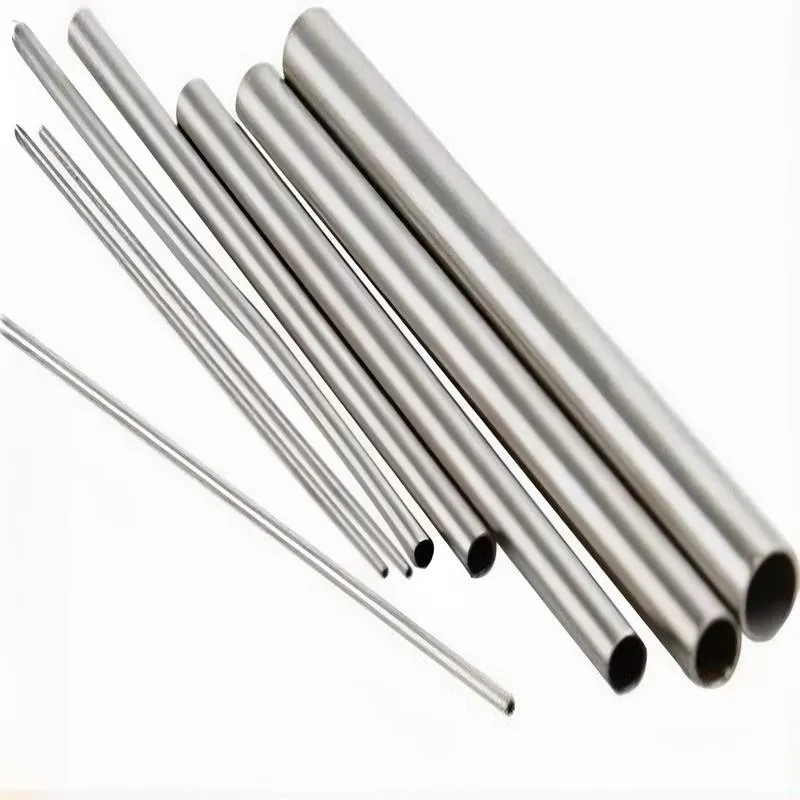
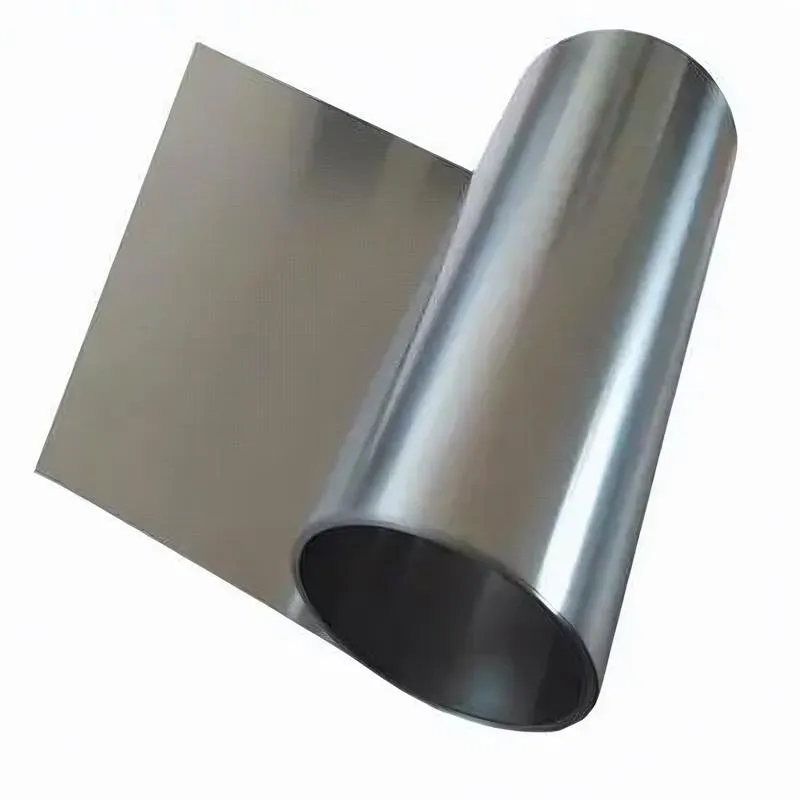
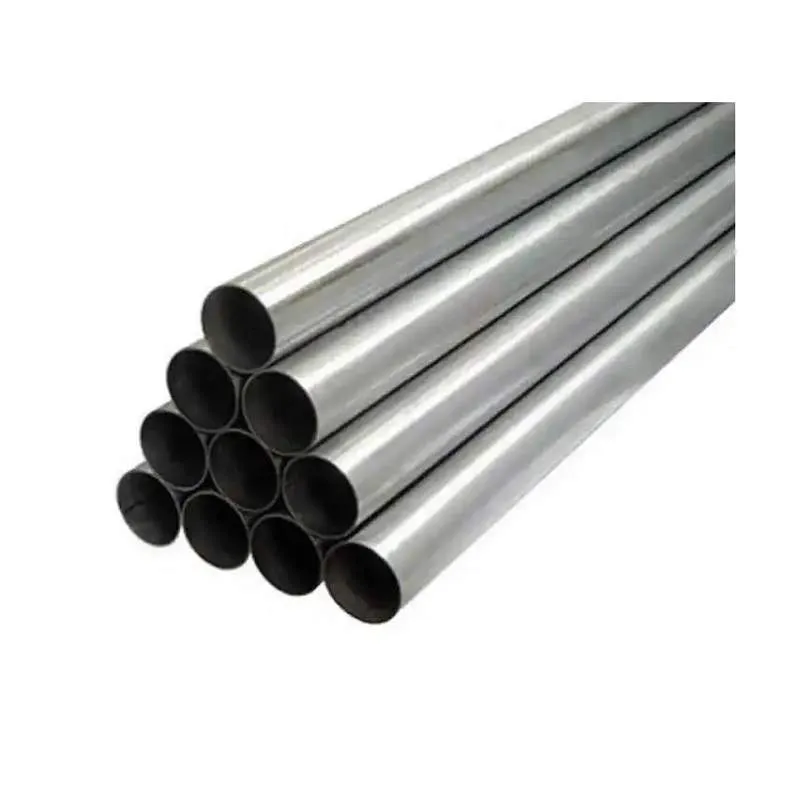
JIS SKD12 Tool Steel Rod/Bar
Product Code : STI-GSTI-144-CU
We provide JIS SKD12 Tool Steel Rod/Bar is available in Bar (Round bar, Flat bar), Ribbon, Wire, Rod/Bars, Tube,Seamless Tube,Pipe, Ingots, Plate, Sheet, Strip and Forging Stock.,Purity, chemical composition, size, etc. can all be customized to meet specific requirements.
Please contact us if you need customized services. We will contact you with the price and availability in 24 hours.
JIS SKD12 Tool Steel Rod Product Information
-:-
For detailed product information, please contact sales.
-:
JIS SKD12 Tool Steel Rod Synonyms
-:-
For detailed product information, please contact sales.
-:
JIS SKD12 Tool Steel Product Information
-:-
For detailed product information, please contact sales.
-:
### **Product Technical Datasheet: JIS SKD12 High-Carbon, High-Chromium Cold Work Tool Steel**
---
#### **1. Product Overview**
**JIS SKD12** is a **high-carbon, high-chromium, air-hardening cold work tool steel** specified under Japanese Industrial Standard (JIS) G 4404. It is a close variant of the widely used SKD11 (AISI D2) grade but is distinguished by a **significantly lower molybdenum content**. This compositional adjustment positions SKD12 as a **more cost-effective alternative** for applications that benefit from the high wear resistance and dimensional stability of the high-chromium tool steel family, but where the extreme performance characteristics (particularly deep hardenability and tempering resistance) of SKD11 are not strictly required. It offers a compelling balance of **good wear resistance, moderate toughness, and excellent polishability**.
---
#### **2. International Standard Cross-Reference**
SKD12 is a standard grade with well-defined equivalents, often seen as a leaner version of D2-type steels.
| Standard System | Equivalent / Similar Grade | Note |
| :--- | :--- | :--- |
| **JIS G 4404 (Japan)** | **SKD12** | Defining Standard |
| **AISI (USA)** | **D3** | The primary direct equivalent. |
| **DIN (Germany)** | **1.2080 / X210Cr12** | High-chromium steel with lower Mo. |
| **BS (UK)** | **BD3** | High-Carbon, High-Chromium Type. |
| **ISO** | **~210Cr12** | ISO chemical designation. |
| **GB (China)** | **Cr12** | China's equivalent with similar low-Mo composition. |
---
#### **3. Chemical Composition (Typical, weight % per JIS G 4404)**
The key differentiator from SKD11 is the minimal molybdenum and vanadium content.
| Element | Carbon (C) | Silicon (Si) | Manganese (Mn) | Chromium (Cr) | Molybdenum (Mo) | Vanadium (V) | Phosphorus (P) | Sulfur (S) |
| :--- | :--- | :--- | :--- | :--- | :--- | :--- | :--- | :--- |
| **Content (%)** | 1.90 - 2.20 | ≤ 0.40 | ≤ 0.60 | 11.00 - 13.00 | ≤ 0.50 (Typ.) | ≤ 0.30 (Typ.) | ≤ 0.030 | ≤ 0.030 |
**Function of Key Alloying Elements & Comparison to SKD11:**
* **Carbon (1.90-2.20%):** **Higher than SKD11.** This increases the volume of hard carbides, potentially offering even higher wear resistance in less-tough applications.
* **Chromium (11.00-13.00%):** Similar to SKD11, forms hard chromium carbides (M₇C₃) for wear resistance.
* **Molybdenum & Vanadium (Low):** The **critical difference**. The low levels of Mo (<0.5%) and V (<0.3%) result in:
* **Lower hardenability** – Less suitable for very thick sections.
* **Reduced secondary hardening response** – Lower hot hardness and tempering resistance.
* **Less refined grain structure** – Can impact toughness and polishability compared to SKD11.
* **Primary Carbide Type:** Like SKD11, it contains a high volume of large, blocky **chromium carbides**.
---
#### **4. Physical & Mechanical Properties**
* **Density:** ~7.70 g/cm³.
* **Thermal Conductivity:** Low (~20-22 W/m·K at 20°C).
* **Thermal Expansion Coefficient:** ~10.4 x 10⁻⁶ /K.
* **Machinability (Annealed State):** **Poor.** Similar to SKD11; the high carbon and chromium carbide content makes it abrasive and difficult to machine.
* **Grindability:** **Fair to Poor.** Requires careful technique to avoid cracking.
* **Hardenability:** **Good (Air-Hardening), but less than SKD11.** Suitable for through-hardening of medium to large sections, but maximum hardenable size is less than that of SKD11.
* **Dimensional Stability:** **Very Good.** Benefits from air hardening, though dimensional change can be slightly more pronounced than SKD11 due to different transformation characteristics.
* **Polishing & Finishing:** **Excellent.** Can achieve very fine mirror finishes, making it suitable for certain mold applications.
* **Typical Achievable Hardness:**
* **Annealed State:** ~ 220 - 255 HB
* **Hardened & Tempered State:** **58 - 62 HRC.** The high carbon allows it to reach high hardness, but with potentially greater brittleness.
---
#### **5. Heat Treatment Guidelines**
* **Forging:** Heat slowly to 1050-1100°C. Forge between 1050-850°C. Cool very slowly (in furnace or insulating medium).
* **Annealing:** Heat to 850-880°C, hold, then furnace cool very slowly to 500°C, then air cool.
* **Stress Relieving (after rough machining):** 600-650°C.
* **Hardening:**
1. **Preheating:** **Essential.** Preheat at 400-500°C and 800-850°C.
2. **Austenitizing:** **950-980°C.** **Note: Lower than SKD11.** Higher temperatures risk excessive grain growth and retained austenite.
3. **Quench:** Cool in **still air or forced air**. Oil quenching can be used for smaller sections but increases distortion risk.
* **Tempering:** **Double tempering is strongly recommended.**
* Temper immediately after quenching.
* **Typical Cycle:** **180-220°C** for 2+ hours, twice. Avoid high tempering temperatures (>400°C) as it lacks strong secondary hardening and will soften significantly.
* **Sub-Zero Treatment:** Can be beneficial to reduce retained austenite and stabilize dimensions, though less critical than for SKD11 if low tempering is used.
---
#### **6. Product Applications**
SKD12 is used in applications requiring high wear resistance and good stability, often where cost is a consideration and extreme toughness is not the primary driver.
* **Blankng and Piercing Dies:** For **ferrous and non-ferrous metals** in medium to high production runs, particularly where abrasive wear is the main failure mode.
* **Forming Rolls and Roller Dies:** For cold rolling and forming of metal sheets and wires.
* **Shear and Slitter Blades:** **Industrial knives and blades** for cutting paper, cardboard, plastics, and thin metals.
* **Molds:** **Plastic injection molds** for general-purpose and abrasive plastics where high polishability is required. Often used for mold inserts and cores.
* **Thread Rolling Dies:** For less severe thread rolling applications.
* **Wear Parts:** **Liners, guides, and wear plates** in machinery.
* **Gauges and Tools:** **Go/no-go gauges** and precision tools requiring dimensional stability.
---
#### **7. Advantages & Limitations**
| Advantages | Limitations |
| :--- | :--- |
| • **Very high wear and abrasion resistance** due to high carbon and chromium carbide content.
• **Good dimensional stability** from air hardening.
• **Excellent polishability** to a mirror finish.
• **More cost-effective** than SKD11/D2 due to lower alloy content.
• **Suitable for large, but not extreme, cross-sections.** | • **Lower toughness and impact resistance** compared to SKD11, making it more prone to chipping and cracking under shock loads.
• **Lower hardenability and tempering resistance** than SKD11.
• **Poor machinability and grindability.**
• **High carbon content can lead to carbide banding/segregation** in large sections, affecting isotropy.
• **Not corrosion resistant** (chromium is tied up in carbides). |
---
#### **8. Selection Guidance: SKD12 vs. SKD11**
* **Choose SKD12 (D3) when:** The application demands **maximum wear resistance on a budget**, involves **minimal shock**, and the **section size is within its hardenability limits**. It is a classic choice for **blanking dies for thin, abrasive materials**.
* **Choose SKD11 (D2) when:** You need a **better balance of wear resistance and toughness**, require **deeper hardenability for very thick sections**, need **better performance at slightly elevated temperatures (secondary hardening)**, or are making **complex tools subject to moderate shock**.
* **General Rule:** SKD11 is the more versatile, high-performance grade. SKD12 is a specialized, cost-focused grade for wear-dominated, low-shock applications.
**Conclusion:**
JIS SKD12 (AISI D3) is a **specialized, high-wear member of the high-chromium tool steel family.** Its defining characteristic is its **very high carbon content**, which prioritizes abrasion resistance above all else. While it sacrifices some toughness, hardenability, and thermal stability compared to SKD11, it remains a **highly effective and economical solution** for a well-defined range of cold-work tooling where wear is the sole or primary concern. For toolmakers working with abrasive materials under controlled conditions, SKD12 offers a **viable and cost-conscious alternative** to the more premium SKD11 grade.
-:-
For detailed product information, please contact sales.
-:
JIS SKD12 Tool Steel Specification
Dimensions
Size:
Diameter 20-1000 mm Length <6800 mm
Size:We can customized as required
Standard:
Per your request or drawing
We can customized as required
Properties(Theoretical)
Chemical Composition
-:-
For detailed product information, please contact sales.
-:
JIS SKD12 Tool Steel Properties
-:-
For detailed product information, please contact sales.
-:
Applications of JIS SKD12 Tool Steel Rod
-:-
For detailed product information, please contact sales.
-:
Chemical Identifiers JIS SKD12 Tool Steel Rod
-:-
For detailed product information, please contact sales.
-:
Packing of JIS SKD12 Tool Steel Rod
-:-
For detailed product information, please contact sales.
-:
Standard Packing:
-:-
For detailed product information, please contact sales.
-:
Typical bulk packaging includes palletized plastic 5 gallon/25 kg. pails, fiber and Steel Rod drums to 1 ton super sacks in full container (FCL) or truck load (T/L) quantities. Research and sample quantities and hygroscopic, oxidizing or other air sensitive materials may be packaged under argon or vacuum. Solutions are packaged in polypropylene, plastic or glass jars up to palletized 3271 gallon liquid totes Special package is available on request. E FORUs’ is carefully handled to minimize damage during storage and transportation and to preserve the quality of our products in their original condition