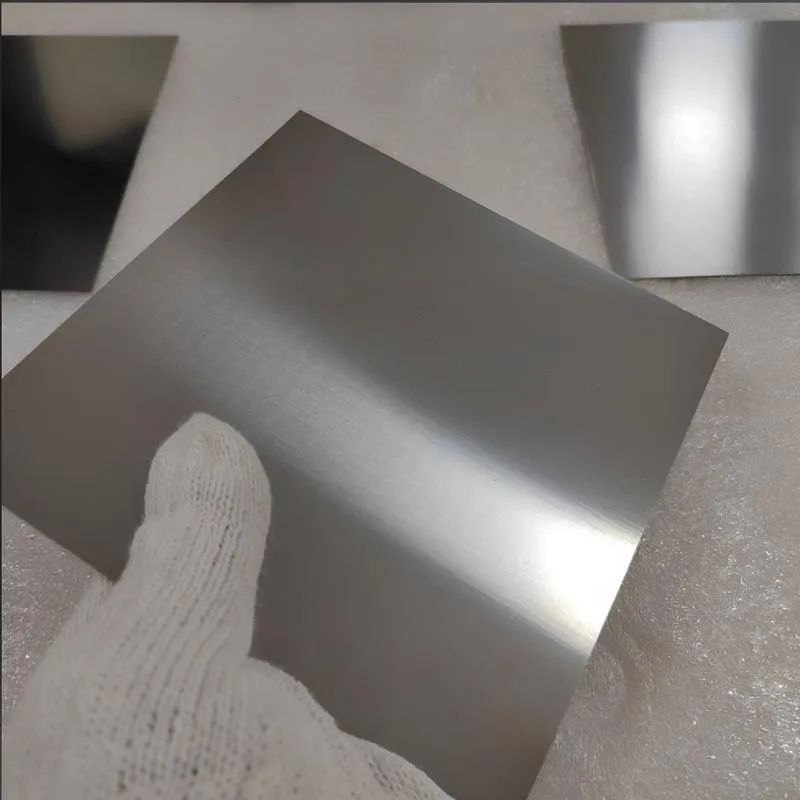
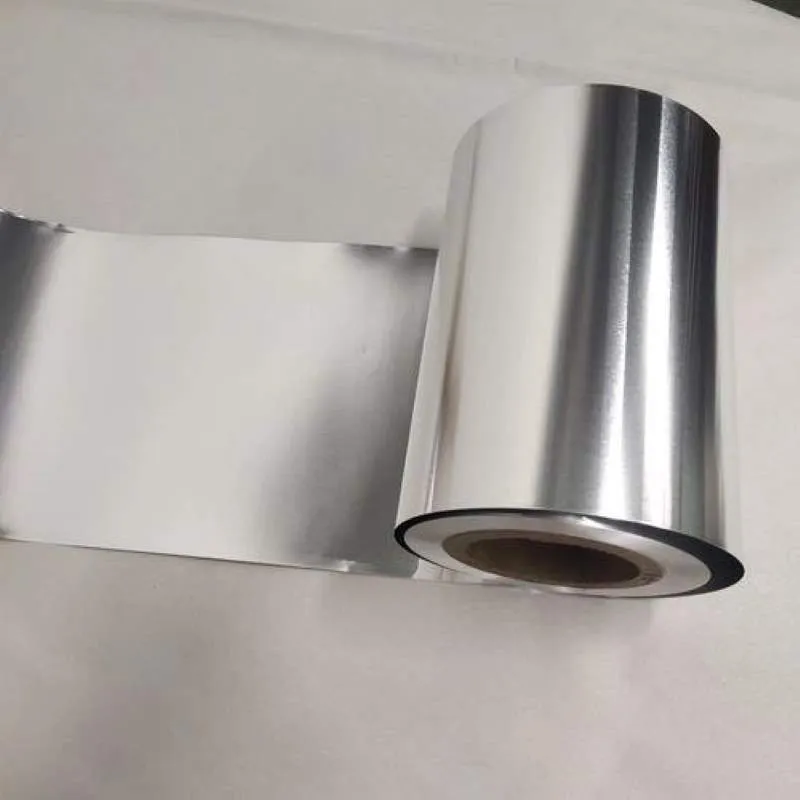
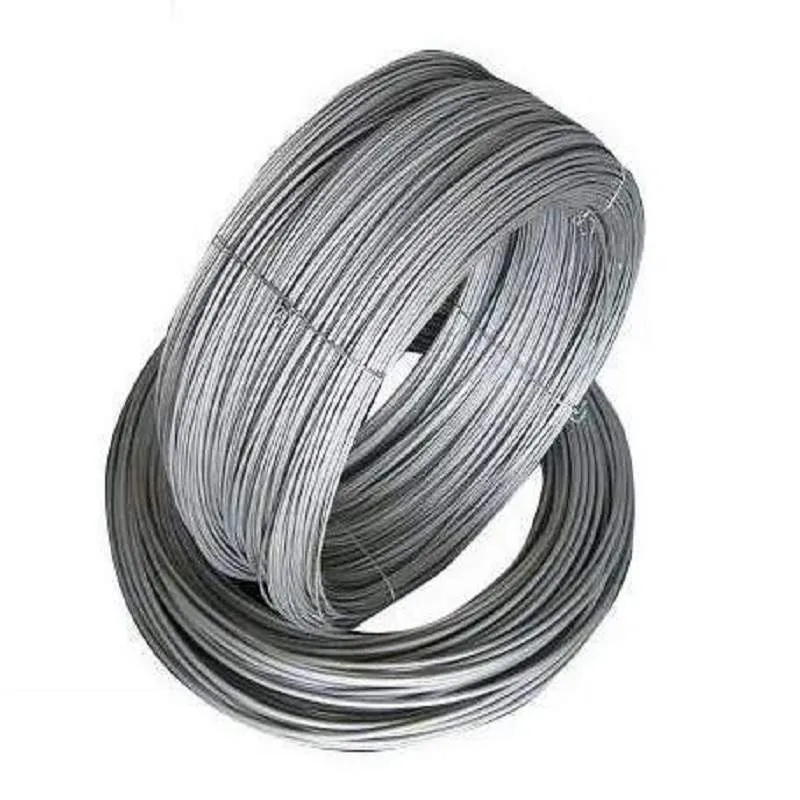
JIS SKS44 Water-Hardening Tool Steel Sheet,Plate
Product Code : STI-GSTI-171-CU
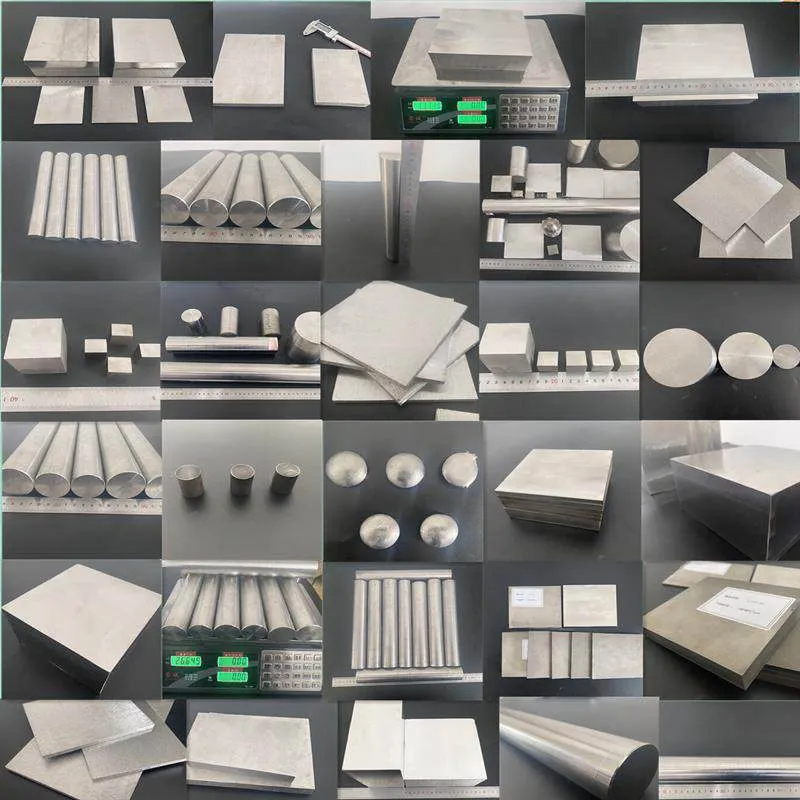
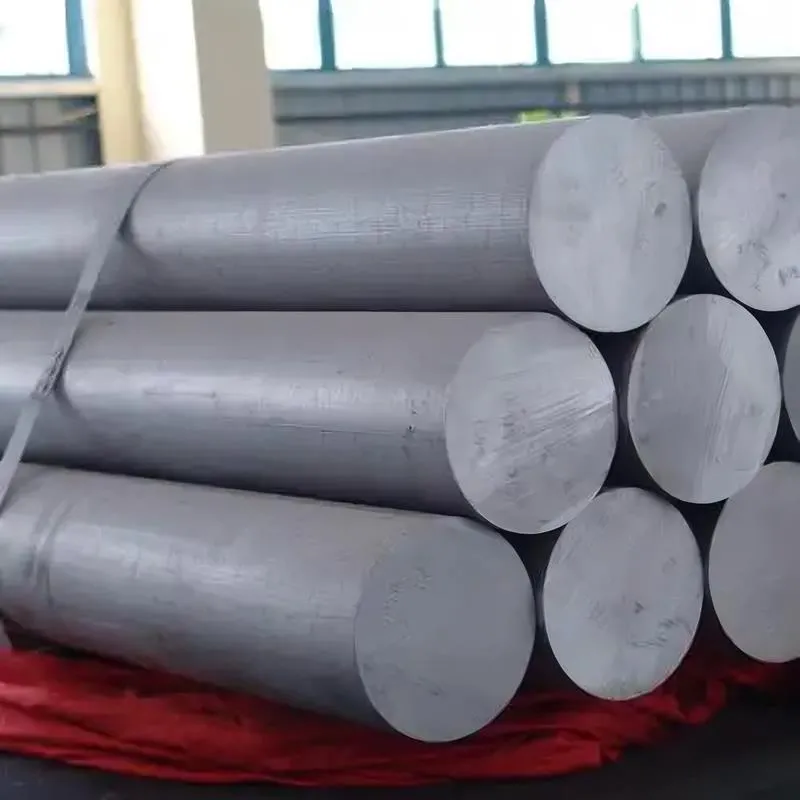
We provide JIS SKS44 Water-Hardening Tool Steel Sheet/Plate is available in Bar (Round bar, Flat bar), Ribbon, Wire, Rods, Tube,Seamless Tube,Pipe, Ingots, Plate, Sheet/Plate, Strip and Forging Stock.,Purity, chemical composition, size, etc. can all be customized to meet specific requirements.
Please contact us if you need customized services. We will contact you with the price and availability in 24 hours.
JIS SKS44 Water-Hardening Tool Steel Sheet/Plate Product Information
-:-
For detailed product information, please contact sales.
-:
JIS SKS44 Water-Hardening Tool Steel Sheet/Plate Synonyms
-:-
For detailed product information, please contact sales.
-:
JIS SKS44 Water-Hardening Tool Steel Product Information
-:-
For detailed product information, please contact sales.
-:
# **JIS SKS44 Water-Hardening Tool Steel**
**International Standard:** JIS G4404 (Japan Industrial Standard) - Tool Steels
---
## **1. Overview**
JIS SKS44 is a **medium-carbon, non-alloyed water-hardening tool steel** representing one of the lower-carbon variants within the traditional water-hardening family. Characterized by its **balanced carbon content, maximum toughness potential for a water-hardening steel, and traditional processing requirements**, SKS44 prioritizes impact resistance and shock absorption over maximum wear resistance. As a water-quenching steel, it provides an optimal balance for applications requiring reasonable hardness combined with the best possible toughness achievable through water-hardening technology.
---
## **2. Chemical Composition (Typical Weight %)**
| Element | Content (%) |
| :------ | :---------- |
| C | 0.65–0.75 |
| Si | ≤ 0.35 |
| Mn | 0.10–0.40 |
| Cr | ≤ 0.30 |
| W | — |
| V | — |
| P (max) | 0.030 |
| S (max) | 0.030 |
**Balance:** Iron (Fe).
**Key Characteristics:** SKS44 features a **moderate carbon content (0.65–0.75%)** with essentially no intentional alloying. This carbon level represents the lower end of the practical range for effective hardening via water quenching, providing the maximum achievable toughness within the water-hardening steel category. The absence of alloying elements results in very shallow hardenability but excellent potential for sharp, tough cutting edges when properly processed.
---
## **3. Physical & Mechanical Properties**
### **Physical Properties**
- **Density:** ~7.83 g/cm³
- **Thermal Conductivity:** ~51 W/m·K (at 20°C) – Higher than alloyed steels
- **Coefficient of Thermal Expansion:** ~12.2 ×10⁻⁶ /K (20–200°C)
- **Specific Heat Capacity:** ~0.47 kJ/kg·K
- **Electrical Resistivity:** Lower than alloyed tool steels
- **Magnetic Properties:** Strongly ferromagnetic
- **Thermal Diffusivity:** Good, aiding in heat dissipation during cutting
### **Mechanical Properties (Heat-Treated)**
- **Annealed Hardness:** 170–207 HB
- **Hardened & Tempered Hardness:** **55–60 HRC** (surface, on thin sections)
- Maximum achievable: ~60–61 HRC with optimal processing
- Typical working hardness: 56–58 HRC
- **Tensile Strength:** ~1600–1900 MPa (surface of fully hardened thin sections)
- **Yield Strength:** ~1400–1700 MPa
- **Elongation:** **Good for tool steel** – 8–12% (significantly better than higher-carbon water-hardening grades)
- **Impact Toughness (Charpy):** **Best among water-hardening steels** – Typically 20–35 J
- **Wear Resistance:** **Moderate to Good** – Limited by lower carbon content but sufficient for many applications
- **Compressive Strength:** ~2100–2400 MPa
- **Fatigue Strength:** Good – Better than higher-carbon water-hardening grades
- **Shear Strength:** ~900–1100 MPa
### **Hardenability Characteristics:**
- **Critical Diameter (Water Quench):** ~8–12 mm for 50% martensite at center
- **Hardness Gradient:** Very steep – significant hardness drop within 1–2 mm of surface
- **Effective Case Depth:** ~1.0–1.5 mm for >55 HRC
- **Full Hardness Depth:** Only achievable on sections < 3–4 mm
---
## **4. Heat Treatment Specifications**
### **1. Annealing**
- **Temperature:** 740–760°C
- **Process:** Heat uniformly, hold for 1–2 hours, furnace cool slowly (≤ 25°C/h) to 500°C, then air cool
- **Resulting Hardness:** 170–207 HB
- **Spheroidize Annealing:** 760–780°C for 4–6 hours, slow cool to 600°C at 10°C/h (optimal for cold forming)
### **2. Stress Relieving**
- **Temperature:** 600–650°C
- **Hold Time:** 1–2 hours
- **Purpose:** Critical before final hardening to minimize distortion and cracking
### **3. Hardening (Quenching)**
- **Preheating:** **Essential** – More critical than for higher-carbon grades due to lower hardenability
- **First Preheat:** 400–500°C (mandatory)
- **Second Preheat:** 700–750°C (highly recommended)
- **Austenitizing Temperature:** **780–830°C** (typically 800–820°C)
- Narrower range than higher-carbon grades
- Overheating causes rapid grain growth and embrittlement
- **Soaking Time:** Short – 5–15 minutes per 25mm at temperature
- Insufficient soaking = incomplete austenitization
- Excessive soaking = grain coarsening
- **Quenching Medium:** **Water, brine, or caustic solutions**
- **Water:** Most severe, highest hardness potential
- **Brine (5–10% NaCl):** Better uniformity, slightly less severe
- **Caustic (5–10% NaOH):** Fastest quench, most severe
- **Oil:** Possible but results in significantly lower hardness (~48–52 HRC)
- **Agitation:** Vigorous agitation essential
- **Quench Temperature:** Quench to below 100°C (40–60°C optimal)
- **Special Technique:** Interrupted quenching (water to ~200°C, then oil) can reduce cracking
### **4. Tempering**
- **Immediate Tempering Required:** Begin within 20–30 minutes after quenching
- **Temperature Range:**
- **Very Low (100–150°C):** For maximum hardness (59–60 HRC) – 1–2 hours
- **Low (150–200°C):** For good hardness with stress relief (57–59 HRC) – 1–2 hours
- **Medium (200–300°C):** For optimal toughness-hardness balance (55–57 HRC) – 1–2+ hours
- **High (300–400°C):** For maximum toughness (52–55 HRC) – 2+ hours
- **Avoid:** 250–350°C range (temper brittleness zone)
- **Hold Time:** 1–2 hours minimum, longer for thicker sections
- **Cycles:** Single temper usually sufficient; double tempering improves dimensional stability
- **Secondary Hardening:** Not exhibited – simple tempering response
### **5. Special Heat Treatment Techniques for SKS44:**
- **Austempering:** Isothermal transformation to bainite for maximum toughness
- **Martempering:** Interrupted quench for reduced distortion
- **Selective Hardening:** Only hardening cutting edges or wear surfaces
- **Differential Hardening:** Creating hard edge with tough back (traditional method)
---
## **5. Key Features & Advantages**
1. **Maximum Toughness for Water-Hardening Steel:** Best impact resistance in the water-hardening category
2. **Good Balance of Hardness and Toughness:** Can achieve useful hardness while maintaining reasonable toughness
3. **Low Cost:** Economical due to simple composition
4. **Excellent Edge Stability:** When properly hardened, edges resist chipping better than higher-carbon water-hardening grades
5. **Good Fatigue Resistance:** Better than higher-carbon water-hardening steels
6. **Traditional Processing:** Well-understood heat treatment behavior
7. **Good for Impact Applications:** Within the limitations of water-hardening technology
8. **Simple Quality Control:** Easy to verify composition and properties
**Limitations:**
- **Limited Maximum Hardness:** Cannot achieve very high hardness (>60 HRC)
- **Very Shallow Hardenability:** Only surface hardening on most sections
- **High Distortion and Cracking Risk:** Inherent to water quenching
- **Limited Wear Resistance:** Lower than higher-carbon tool steels
- **Narrow Processing Window:** Requires precise control for optimal results
- **Poor Dimensional Stability:** Significant and unpredictable size changes
- **Decarburization Sensitivity:** Must be protected during heating
---
## **6. Typical Applications**
SKS44 is used for **tools requiring reasonable hardness with maximum toughness within the water-hardening paradigm**, particularly where impact resistance is important.
### **Impact and Shock Tools:**
- **Cold Chisels:** For metal cutting and demolition
- **Punches and Drifts:** For metalworking
- **Blacksmith Tools:** Hot work tools (within temperature limits)
- **Masonry Tools:** Brick chisels, stone carving tools
- **Woodsplitting Wedges:** For log splitting
### **Cutting Tools (Heavy Duty):**
- **Woodworking Tools:** Axes, hatchets, adzes, froes
- **Pruning Tools:** Loppers, pruning saws, heavy-duty shears
- **Agricultural Tools:** Scythes, sickles, machetes
- **Butcher Tools:** Cleavers, bone saws
### **Blades Subject to Impact:**
- **Lawn Mower Blades:** Subject to stones and debris
- **Brush Cutter Blades:** For clearing vegetation
- **Industrial Knives:** For cutting materials with unpredictable inclusions
- **Paper Cutting Blades:** For heavy stock or contaminated materials
### **Forming and Stamping Tools:**
- **Simple Dies:** For soft materials where some toughness is needed
- **Stamping Tools:** For short-run production
- **Bending Tools:** For light gauge materials
### **Traditional and Artisan Tools:**
- **Japanese Woodworking Tools:** Where traditional materials are specified
- **Blacksmith-made Tools:** Where traditional methods are used
- **Historical Tool Replicas:** For authenticity
- **Artisan Knives:** Where specific heat treatment characteristics are desired
### **Special Applications:**
- **Springs:** Where high toughness is required
- **Wear Parts:** Subject to impact as well as wear
- **Machine Parts:** Simple components requiring hardness and toughness
- **Educational Projects:** Demonstrating traditional heat treatment
---
## **7. International Standard Equivalents**
| Standard | Grade Designation | Notes |
| :--------------- | :------------------ | :----------------------------------------- |
| **JIS** | SKS44 | Original specification (JIS G4404) |
| **AISI/SAE (USA)**| W1-0.70C | **Direct Equivalent** (Water-hardening 0.70% C) |
| **DIN (Germany)** | 1.1620 | C70W1 |
| **ISO** | TC70 | International designation |
| **BS (UK)** | BW1A (lower carbon variant) | British classification |
| **GB (China)** | T7/T7A | Similar characteristics |
| **UNS** | T72301 | Unified Numbering System (W1 series) |
| **Old Designations**| Crucible 0, Silver Steel | Historical names |
**Note:** SKS44 occupies the lower carbon range of water-hardening steels, optimized for toughness rather than maximum hardness.
---
## **8. Machining & Fabrication Guidelines**
### **Machining (In Annealed State):**
- **Excellent Machinability:** Among the easiest tool steels to machine
- **Tooling:** High-speed steel tools work excellently; carbide rarely needed
- **Cutting Speeds:** 35–50 m/min for turning with HSS
- **Feeds:** Can use moderate to heavy feeds
- **Chip Formation:** Long, continuous chips – effective chipbreakers needed
- **Surface Finish:** Can achieve excellent finishes
- **Drilling and Tapping:** Very good performance
### **Grinding:**
- **Very Good Grindability:** Grinds easily with minimal heat generation
- **Wheel Selection:** Aluminum oxide wheels (A46-KV or similar)
- **Coolant:** Recommended but less critical than for higher-carbon grades
- **Parameters:** Can use moderate infeeds (0.02–0.08 mm/pass)
- **Wheel Speed:** 25–35 m/s
- **Caution:** Still can overheat and cause grinding cracks if abused
### **Electrical Discharge Machining (EDM):**
- **Possible in Annealed State:** Generally not recommended in hardened state
- **Risk:** High probability of microcracking if EDM'd hardened
- **Alternative:** Machine in annealed state, then harden
- **Post-EDM:** If done, must completely remove white layer
### **Welding:**
- **Possible with Extreme Care:** Better than higher-carbon water-hardening steels
- **Preheat:** 400–450°C minimum
- **Filler:** Low-hydrogen electrodes, possibly with lower carbon content
- **Post-Weld:** Immediate annealing, then complete re-hardening cycle
- **Practical Advice:** Avoid welding if at all possible
### **Forging:**
- **Excellent Forgeability:** Can be hot forged easily
- **Forging Temperature:** 1050–850°C
- **Start:** 1050–1100°C maximum
- **Finish:** 850–900°C minimum
- **Cooling After Forging:** Very slow cooling essential (furnace cool or bury in lime/vermiculite)
- **Annealing:** Always required after forging
### **Cold Working:**
- **Good Cold Formability:** In annealed state
- **Applications:** Can be cold formed into simple shapes
- **Limitation:** High springback due to high yield strength
- **Intermediate Annealing:** May be required for complex forming
---
## **9. Surface Treatment & Finishing**
### **1. Traditional Hardening Methods:**
- **Differential Hardening:** Creating hard edge with tough back (clay coating method)
- **Edge Packing:** Using materials to protect non-cutting surfaces during heating
- **Selective Quenching:** Quenching only the cutting edge
### **2. Case Hardening:**
- **Sometimes Applied:** To increase surface carbon content
- **Methods:** Pack carburizing, gas carburizing
- **Result:** Higher surface hardness possible (~60–62 HRC)
- **Consideration:** May reduce core toughness
### **3. Surface Protection During Heating:**
- **Traditional Methods:** Charcoal packing, cast iron chips
- **Modern Methods:** Controlled atmosphere furnaces, vacuum
- **Salt Bath:** Excellent for temperature uniformity and surface protection
### **4. Final Finishes:**
- **Polishing:** Can achieve excellent polish on properly hardened surfaces
- **Black Oxide:** Traditional corrosion protection
- **Bluing:** Heat-based oxide coating for appearance and mild corrosion resistance
- **Lacquering:** For storage protection
### **5. Special Traditional Techniques:**
- **Japanese Water Quenching Methods:** Specific techniques for tools like chisels and plane blades
- **Clay Tempering:** For creating distinctive hardening patterns
- **Lead Bath Tempering:** For precise temperature control
---
## **10. Performance Comparison**
### **Within Water-Hardening Tool Steels:**
| Property | SKS44 (0.70C) | SKS43 (0.85C) | SKS4 (1.05C) | SKS45 (1.20C) |
|-----------------------|---------------|---------------|---------------|---------------|
| **Carbon Content** | 0.65–0.75% | 0.80–0.90% | 1.00–1.10% | 1.15–1.25% |
| **Max Hardness** | 59–60 HRC | 61–62 HRC | 63–64 HRC | 64–65 HRC |
| **Impact Toughness** | **Best** | Good | Poor | Very Poor |
| **Wear Resistance** | Moderate | Good | Very Good | Excellent |
| **Edge Stability** | **Best** | Very Good | Good | Poor |
| **Hardenability Depth**| Very Shallow | Very Shallow | Extremely Shallow | Extremely Shallow |
| **Distortion Risk** | Medium-High | High | Very High | Extremely High |
| **Primary Strength** | Toughness | Balance | Wear | Extreme Wear |
### **Compared to Modern Tool Steel Types:**
| Property | SKS44 (Water-H) | SKS3 (Oil-H) | SKS41 (Shock) | A2 (Air-H) |
|-----------------------|-----------------|---------------|---------------|---------------|
| **Material Cost** | **Lowest** | Low | Medium | Medium |
| **Impact Toughness** | Good | Very Good | **Excellent** | Good |
| **Wear Resistance** | Moderate | Very Good | Good | Excellent |
| **Max Hardness** | 60 HRC | 61 HRC | 58 HRC | 62 HRC |
| **Distortion Control**| Poor | Good | Good | **Excellent** |
| **Processing Simplicity**| Complex | Moderate | Moderate | Simple |
| **Hardenability** | Very Shallow | Moderate | Good | Deep |
| **Modern Relevance** | Limited | Good | Specialized | High |
---
## **11. Design Considerations for SKS44**
### **Optimal Geometry:**
- **Simple, Robust Designs:** Thick sections, generous radii
- **Avoid Stress Concentrations:** Large fillets (R ≥ 2mm), no sharp corners
- **Symmetry:** Helps control distortion during quenching
- **Minimal Section Changes:** Gradual transitions only
### **Section Size Guidelines:**
- **Optimal Thickness:** 4–8 mm
- **Maximum for Full Hardness:** 3–4 mm (through-hardening)
- **Effective Case Depth:** ~1.0–1.5 mm from surface
- **Large Tools:** Will have significant hardness gradient
### **Stress Management:**
- **Compressive Design:** Where possible, keep critical areas in compression
- **Surface Finish:** Critical – polished surfaces resist crack initiation
- **Residual Stresses:** High after water quenching – must be tempered properly
### **Distortion Control Strategies:**
1. **Symmetrical Machining:** Remove equal material from all sides
2. **Stress Relief:** Before final hardening
3. **Fixture Quenching:** Constrain in fixtures during quenching
4. **Martempering:** Reduce thermal gradients during cooling
5. **Allowance for Finishing:** 0.2–0.4 mm per side for post-hardening grinding
### **Tool Design Philosophy:**
- **Design for Resharpening:** Tools should accommodate repeated sharpening
- **Extra Material:** At cutting edges to allow for wear and resharpening
- **Simple Shapes:** That can withstand water quenching stresses
- **Traditional Patterns:** Often optimized through centuries of experience
---
## **12. Quality Control & Inspection**
### **Hardness Testing:**
- **Surface Hardness:** Rockwell C scale
- **Hardness Traverse:** Essential to verify case depth
- **File Testing:** Traditional method – file should skate on hardened areas
- **Multiple Readings:** Across tool surface to check uniformity
### **Microstructure Examination:**
- **Grain Size:** ASTM 8 or finer desired
- **Martensite Structure:** Should be fine, not coarse or twinned
- **Decarburization:** Must be minimal (<0.1 mm)
- **Carbide Distribution:** In annealed state – preferably spheroidized
### **Non-Destructive Testing:**
- **Visual Inspection:** For cracks after quenching (use 10× magnification)
- **Dye Penetrant:** For surface crack detection
- **Magnetic Particle:** Effective on hardened steel
- **Ring Test:** For tools like chisels – should ring clearly when struck
### **Performance Testing:**
- **Bend Test:** For toughness assessment (limited to annealed state)
- **Edge Testing:** Cutting tests on appropriate materials
- **Impact Testing:** For tools designed for impact service
- **Field Testing:** Most reliable for tool performance evaluation
### **Traditional Quality Methods:**
- **Spark Testing:** To verify carbon content
- **Fracture Test:** Examining the grain of a fractured test piece
- **Water Break Test:** To check surface cleanliness before heating
---
## **13. Historical Context & Traditional Use**
### **Historical Development:**
- **Ancient Origins:** Carbon steel tools date back millennia
- **Industrial Revolution:** Water-hardening steels were primary tool materials
- **Traditional Japanese Tools:** Many traditional Japanese woodworking tools use similar steels
- **Blacksmith Heritage:** Fundamental material in metalworking history
### **Traditional Processing Methods:**
- **Charcoal Furnaces:** Traditional heating method
- **Water Trough Designs:** Various traditional designs for quenching
- **Clay Coating:** For differential hardening (as seen in katana making)
- **Empirical Knowledge:** Heat treatment based on color and experience
### **Cultural Significance:**
- **Japanese Toolmaking:** SKS44-type steels are used in traditional Japanese chisels (nomi) and plane blades (kanna)
- **European Traditions:** Similar steels in traditional European edge tools
- **Artisan Craft:** Valued by craftspeople for specific working properties
### **Traditional Tool Patterns Optimized for SKS44:**
1. **Japanese Chisels:** Laminated construction with hard steel edge
2. **Woodworking Plane Irons:** Thick, laminated blades
3. **Axes and Hatchets:** Traditionally made from similar medium-carbon steels
4. **Cold Chisels:** Simple, robust designs
5. **Pruning Tools:** Heavy-duty designs for impact resistance
---
## **14. Summary & Selection Guidelines**
JIS SKS44 represents the **toughness-optimized end of the water-hardening steel spectrum**, offering the best impact resistance possible within this traditional steel family.
### **Select SKS44 When:**
1. **Maximum toughness** within water-hardening technology is required
2. Tools are subject to **impact or shock loading**
3. **Traditional materials and methods** are specified or desired
4. **Cost must be minimized** and simple steels are acceptable
5. Tools have **simple geometries** that can withstand water quenching
6. **Regular resharpening** is part of the tool use cycle
7. **Educational or historical demonstration** is needed
8. **Specific edge characteristics** of water-hardened medium-carbon steel are desired
### **Optimal Application Examples:**
- **Traditional woodworking tools** (chisels, plane irons, drawknives)
- **Impact tools** (cold chisels, punches, wedges)
- **Heavy-duty cutting tools** (axes, hatchets, machetes)
- **Agricultural tools** subject to impact
- **Traditional artisan tools** where material authenticity matters
- **Educational projects** in traditional metalworking
### **Avoid SKS44 When:**
1. **High wear resistance** is the primary requirement
2. **Complex geometries** are involved
3. **Precise dimensional control** after heat treatment is needed
4. **Modern production methods** and reliability are priorities
5. **Thick sections** need to be through-hardened
6. **Consistent performance** in production environments is critical
7. **Modern heat treatment facilities** are not available
8. **Safety concerns** preclude the risks of water quenching
### **Heat Treatment Philosophy:**
1. **Respect the limitations** of water-hardening technology
2. **Use traditional wisdom** where applicable – centuries of experience exist
3. **Control every variable** – temperature, time, quenching technique
4. **Expect and plan for** some distortion and potential failure
5. **Temper immediately and properly** – this is critical for toughness
6. **Consider selective hardening** – only harden what needs to be hard
### **Economic Considerations:**
While SKS44 has **very low material cost**, the true cost includes:
- High skill requirements for successful heat treatment
- Significant scrap rates in production environments
- Additional finishing operations (grinding to correct dimensions)
- Shorter tool life compared to modern steels
- Potential production losses from tool failure
For most modern applications, **oil-hardening steels like SKS3 provide better value** through:
- More forgiving heat treatment
- Lower scrap rates
- Better dimensional control
- Longer tool life
- More consistent performance
### **Traditional Craft Context:**
In traditional crafts, SKS44 and similar steels are valued for:
- **Authenticity:** Using historically appropriate materials
- **Specific working properties:** That craftspeople have learned to exploit
- **Repairability:** Often easier to rework than highly alloyed steels
- **Cultural continuity:** Maintaining traditional methods and materials
### **Modern Relevance:**
SKS44 maintains relevance in specific niches:
1. **Traditional toolmaking** where historical methods are preserved
2. **Artisan crafts** where material choice is part of the craft
3. **Educational contexts** teaching historical metallurgy
4. **Cost-sensitive applications** where modern steels are unavailable
5. **Specialized applications** where specific edge properties are desired
### **Final Recommendation:**
JIS SKS44 is a **specialist material for traditional and specific applications** where its unique combination of properties – maximum toughness within the water-hardening family, low cost, and traditional processing characteristics – aligns with specific needs.
For **modern industrial tooling**, oil-hardening or air-hardening steels almost always offer **superior performance, reliability, and total cost effectiveness**. However, for the **traditional crafts, historical replication, educational purposes, and specific niche applications** where SKS44's characteristics are specifically desired or required, it remains a valid choice with deep historical roots.
When working with SKS44, approach it with **respect for its traditional nature**, **understanding of its limitations**, and **appreciation for the skill required** to process it successfully. In the right hands and for the right applications, it can produce excellent tools; as a general-purpose modern tool steel, it has been largely superseded by more advanced materials.
The continued use of SKS44 speaks to the **enduring value of traditional materials and methods** in specific contexts, even as modern metallurgy has developed superior alternatives for most industrial applications.
-:-
For detailed product information, please contact sales.
-:
JIS SKS44 Water-Hardening Tool Steel Specification
Dimensions
Size:
Diameter 20-1000 mm Length <6827 mm
Size:We can customized as required
Standard:
Per your request or drawing
We can customized as required
Properties(Theoretical)
Chemical Composition
-:-
For detailed product information, please contact sales.
-:
JIS SKS44 Water-Hardening Tool Steel Properties
-:-
For detailed product information, please contact sales.
-:
Applications of JIS SKS44 Water-Hardening Tool Steel Sheet,Plate
-:-
For detailed product information, please contact sales.
-:
Chemical Identifiers JIS SKS44 Water-Hardening Tool Steel Sheet,Plate
-:-
For detailed product information, please contact sales.
-:
Packing of JIS SKS44 Water-Hardening Tool Steel Sheet/Plate
-:-
For detailed product information, please contact sales.
-:
Standard Packing:
-:-
For detailed product information, please contact sales.
-:
Typical bulk packaging includes palletized plastic 5 gallon/25 kg. pails, fiber and Steel Sheet/Plate drums to 1 ton super sacks in full container (FCL) or truck load (T/L) quantities. Research and sample quantities and hygroscopic, oxidizing or other air sensitive materials may be packaged under argon or vacuum. Solutions are packaged in polypropylene, plastic or glass jars up to palletized 3298 gallon liquid totes Special package is available on request. E FORUs’ is carefully handled to minimize damage during storage and transportation and to preserve the quality of our products in their original condition