JIS SKS5 Low Alloy Tool Steel
Product Code : STI-GSTI-056-CU
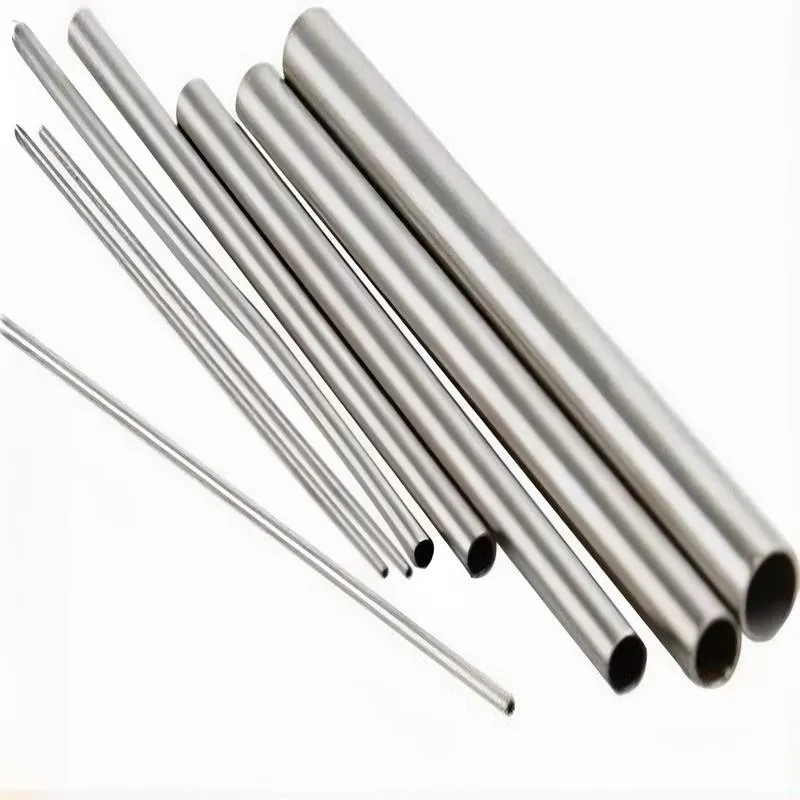
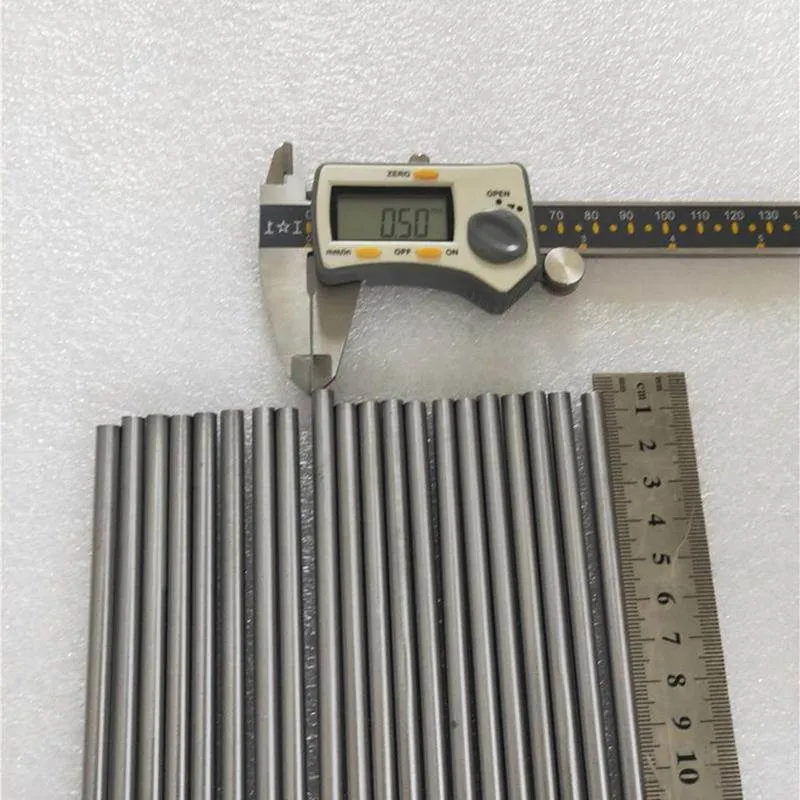
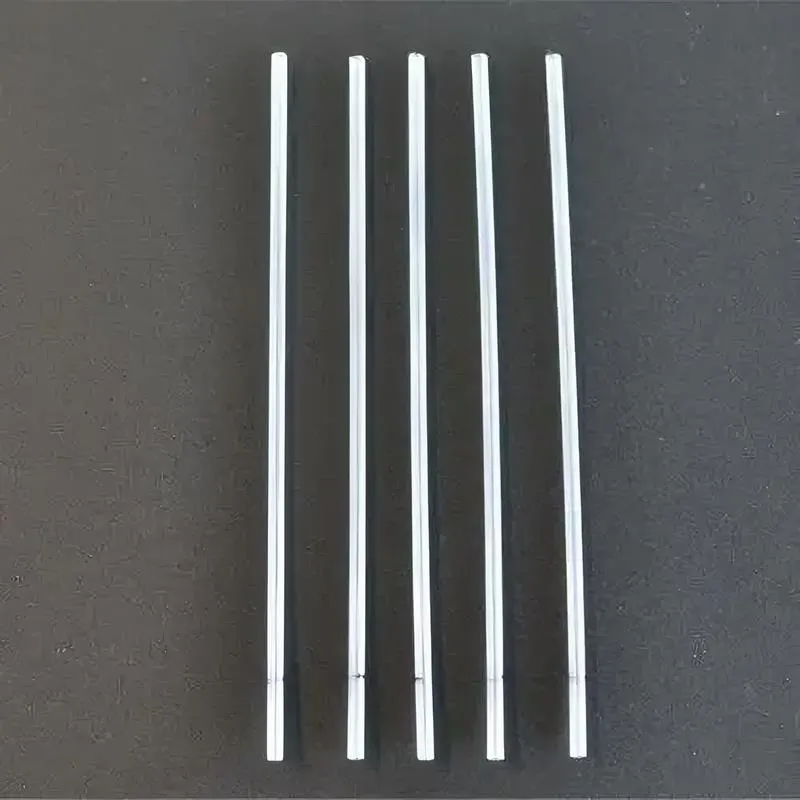
We provide JIS SKS5 Low Alloy Tool Steel is available in Bar (Round bar, Flat bar), Ribbon, Wire, Rods, Tube,Seamless Tube,Pipe, Ingots, Plate, Sheet, Strip and Forging Stock.,Purity, chemical composition, size, etc. can all be customized to meet specific requirements.
Please contact us if you need customized services. We will contact you with the price and availability in 24 hours.
JIS SKS5 Low Alloy Tool Steel Product Information
-:-
For detailed product information, please contact sales.
-:
JIS SKS5 Low Alloy Tool Steel Synonyms
-:-
For detailed product information, please contact sales.
-:
JIS SKS5 Low Alloy Tool Steel Product Information
-:-
For detailed product information, please contact sales.
-:
# **Product Introduction: JIS SKS5 Low-Alloy Tool Steel**
## **Overview**
JIS SKS5 is a **silicon-manganese alloyed** water-hardening tool steel classified under the Japanese Industrial Standards (JIS) system. As part of the **SKS series (Tool Steels for Special Purposes)**, SKS5 is specifically designed for applications requiring **high surface hardness and good toughness** while maintaining cost-effectiveness. Characterized by its **silicon content (0.35-0.60%)** and moderate carbon level, this grade offers a balanced combination of wear resistance, impact strength, and machinability, making it suitable for various cold work applications where water quenching is acceptable.
**Key Advantages:**
- **High Surface Hardness:** Capable of achieving 60-63 HRC with proper heat treatment
- **Good Toughness:** Superior impact resistance compared to plain carbon tool steels
- **Cost-Effective:** Economical choice for many tooling applications
- **Good Machinability:** Readily machinable in annealed condition
- **Simple Heat Treatment:** Water quenching provides hard surface with tough core
**Primary Considerations:**
- **Water Quenching Required:** Higher risk of distortion and cracking than oil-hardening grades
- **Shallow Hardenability:** Limited depth of hardening (typically <10mm)
- **Dimensional Stability:** Requires careful quenching technique for complex shapes
- **Not for High-Temperature Use:** Maximum service temperature approximately 150-200°C
## **International Designations & Standards**
| Standard System | Designation | Note |
|----------------|-------------|------|
| **JIS (Japan)** | SKS5 | Primary specification |
| **ISO (International)** | ~**90SiMnCrV6** | Similar silicon-manganese steel |
| **ASTM (USA)** | ~**S5** | Closest AISI equivalent (silicon-manganese shock steel) |
| **DIN (Germany)** | ~1.2108 | Similar composition tool steel |
| **BS (UK)** | ~**BS1** | Water-hardening tool steel equivalent |
| **GB (China)** | ~**9SiCr** | Similar silicon-chromium tool steel |
*Note: While SKS5 is standardized in Japan, functional equivalents exist in other systems. The silicon content distinguishes it from plain carbon water-hardening steels.*
---
## **1. Chemical Composition (Typical, Weight %)**
The silicon content is the distinguishing feature that enhances hardenability and toughness.
| Element | Content (%) | Role & Metallurgical Effect |
|---------|-------------|-----------------------------|
| **Carbon (C)** | 0.75 - 0.85 | Provides base hardness through martensite formation and carbide precipitation. Balanced for hardness and toughness. |
| **Silicon (Si)** | 0.35 - 0.60 | **Key alloying element.** Increases hardenability, improves toughness, enhances tempering resistance, and strengthens ferrite matrix. |
| **Manganese (Mn)** | 0.20 - 0.50 | Enhances hardenability, aids in deoxidation, and stabilizes austenite during heat treatment. |
| **Chromium (Cr)** | 0.20 - 0.50 | Improves hardenability, contributes to wear resistance through carbide formation. |
| **Vanadium (V)** | ≤0.20 (Optional) | When present, refines grain size and improves toughness. |
| **Phosphorus (P)** | ≤0.030 | Harmful impurity; kept low to prevent embrittlement. |
| **Sulfur (S)** | ≤0.030 | Impurity; controlled levels may improve machinability. |
| **Iron (Fe)** | Balance | Matrix element. |
**Metallurgical Note:** The silicon content in SKS5 provides several benefits:
- Increases hardenability without excessive alloy cost
- Improves resistance to temper softening
- Enhances strength of the ferrite matrix
- Contributes to solid solution strengthening
---
## **2. Physical & Mechanical Properties**
### **Physical Properties**
| Property | Typical Value | Conditions/Notes |
|----------|---------------|------------------|
| **Density** | 7.83 - 7.85 g/cm³ | At 20°C (68°F) |
| **Melting Range** | 1420 - 1440°C (2590 - 2625°F) | Liquidus to solidus range |
| **Thermal Conductivity** | 46 - 50 W/m·K | At 20°C (68°F) |
| **Specific Heat Capacity** | 460 - 480 J/kg·K | At 20°C (68°F) |
| **Coefficient of Thermal Expansion** | 11.8 - 12.3 × 10⁻⁶/K | 20-200°C (68-392°F) range |
| **Electrical Resistivity** | 0.25 - 0.30 μΩ·m | At 20°C (68°F) |
| **Elastic Modulus** | 205 - 210 GPa (29.7 - 30.5 × 10⁶ psi) | At room temperature |
### **Mechanical Properties (Heat-Treated Condition)**
| Property | Value Range | Heat Treatment Condition |
|----------|-------------|--------------------------|
| **Hardness (Annealed)** | 183 - 217 HB | Spheroidize annealed condition |
| **Hardness (Hardened)** | 60 - 63 HRC | Water quenched from 780-820°C, tempered at 150-200°C |
| **Tensile Strength** | 1900 - 2100 MPa (276 - 305 ksi) | At 61-63 HRC |
| **Yield Strength (0.2% offset)** | 1600 - 1800 MPa (232 - 261 ksi) | At 61-63 HRC |
| **Compressive Strength** | 2300 - 2600 MPa (334 - 377 ksi) | At 61-63 HRC |
| **Impact Toughness (Charpy)** | 10 - 18 J (7.4 - 13.3 ft·lb) | At 61-63 HRC, unnotched – **Better than plain carbon steels** |
| **Fatigue Endurance Limit** | 600 - 700 MPa (87 - 102 ksi) | Rotating bending, 10⁷ cycles |
| **Fracture Toughness (K₁c)** | 25 - 35 MPa√m | At 61-63 HRC |
### **Hardenability Characteristics**
| Section Thickness (mm) | Surface Hardness (HRC) | Core Hardness (HRC) | Effective Case Depth |
|------------------------|------------------------|---------------------|---------------------|
| **10** | 61-63 | 58-60 | Fully through-hardened |
| **20** | 61-63 | 55-58 | ~15mm effective depth |
| **30** | 61-63 | 50-55 | ~10mm effective depth |
| **50** | 60-62 | 45-50 | ~8mm effective depth |
*Note: Hardenability is shallow; maximum effective hardening depth approximately 10-15mm from quenched surface.*
---
## **3. Product Applications**
### **Primary Application Areas**
**1. Cutting and Shearing Tools:**
- Hand tools: chisels, punches, cold cuts
- Shear blades for metal, paper, and plastics
- Woodworking tools: plane blades, chisels
- Metal cutting saw blades (hand and power)
**2. Forming and Stamping Tools:**
- Blanking and piercing dies for thin materials
- Forming dies for light gauge metals
- Bending tools and fixtures
- Press brake dies for moderate production
**3. Wear-Resistant Components:**
- Lathe centers and dead centers
- Mandrels and arbors
- Guide pins and bushings
- Machine tool components requiring hard surfaces
**4. Agricultural and General Tools:**
- Pruning shears and cutting tools
- Garden tool blades
- General-purpose cutting implements
- Hardware tools requiring durability
### **Industry-Specific Applications**
| Industry | Typical SKS5 Components |
|----------|-------------------------|
| **Metal Fabrication** | Hand punches, chisels, light-duty shear blades |
| **Woodworking** | Hand plane blades, carving tools, bench chisels |
| **Hardware Manufacturing** | Cutting tools, pruning shears, general hardware |
| **General Manufacturing** | Jigs, fixtures, guide components |
| **Automotive Repair** | Body tools, specialty cutting implements |
### **Service Performance Summary**
| Application Condition | SKS5 Performance | Recommended Hardness |
|----------------------|------------------|----------------------|
| **Light to Moderate Impact** | Good | 60-62 HRC |
| **Abrasive Wear** | Good | 61-63 HRC |
| **Cutting Applications** | Very Good | 60-62 HRC |
| **Precision Work** | Fair to Good | 61-63 HRC |
| **Heavy Impact** | Fair | 58-60 HRC |
---
## **4. Heat Treatment Guidelines**
### **Annealing (Preparation for Machining)**
- **Process:** Full annealing or spheroidize annealing
- **Temperature:** 750-780°C (1380-1435°F)
- **Cooling:** Slow furnace cool at ≤20°C/hr to 500°C, then air cool
- **Resulting Hardness:** 183-217 HB (Brinell)
- **Microstructure:** Fine pearlite or spheroidized carbides
### **Hardening (Austenitizing & Quenching)**
1. **Preheating:** Recommended to reduce thermal shock
- Temperature: 400-500°C (750-930°F)
- Time: 10-20 minutes per inch
2. **Austenitizing:**
- **Temperature:** 780-820°C (1435-1510°F)
- **Soaking Time:** 15-25 minutes per inch of thickness
- **Atmosphere:** Oxidizing should be minimized
- **Grain Size:** ASTM 7-9 achievable
3. **Quenching:**
- **Medium:** **Water or brine solution** (5-10% salt)
- **Temperature:** 20-30°C (68-86°F) for water
- **Agitation:** Vigorous agitation recommended
- **Quench Technique:** For complex shapes, may quench in water to ~300°C then transfer to oil
- **Quench to:** 50-100°C (120-212°F) before tempering
### **Tempering (Critical for Performance)**
- **Time to Temper:** **Immediately** after quenching (within 30 minutes)
- **Standard Practice:** Single or double tempering
- Temperature: 150-250°C (300-480°F)
- Time: 1-2 hours per inch of thickness
- **Temperature-Hardness Relationship:**
- 150°C (300°F): 62-64 HRC
- 175°C (350°F): 61-63 HRC
- 200°C (400°F): 60-62 HRC
- 225°C (440°F): 59-61 HRC
- 250°C (480°F): 58-60 HRC
- 300°C (570°F): 55-57 HRC
### **Special Quenching Techniques**
1. **Interrupted Quench:** Water quench to 200-300°C, then air/oil cool
2. **Selective Hardening:** Heat only cutting edge or working surface
3. **Pack Quenching:** Wrap in wet cloth or use other methods for controlled cooling
---
## **5. Machining & Fabrication**
### **Machinability (Annealed Condition)**
- **Relative Machinability:** 70-75% (compared to 1% carbon steel = 100%)
- **Cutting Tool Recommendations:**
- **Carbide:** General purpose grades (C2-C6)
- **HSS:** M2 or equivalent
- **Cutting Parameters:**
- **Turning:** 50-70 m/min (165-230 SFM) with carbide
- **Milling:** 30-45 m/min (100-150 SFM) with carbide
- **Drilling:** 15-25 m/min (50-80 SFM) with HSS
- **Tool Geometry:** Standard geometry with positive rake
- **Coolant:** Soluble oil or emulsion
### **Grinding (Hardened Condition)**
- **Wheel Selection:** Aluminum oxide (A46-J8-V)
- **Parameters:** Moderate speeds, light feeds
- **Coolant:** Water-based coolant recommended
- **Caution:** Avoid excessive heat generation
### **Welding (Limited Application)**
- **Preheat:** 200-300°C (400-570°F)
- **Post-Weld Heat Treatment:** Full re-hardening recommended
- **Filler Metal:** Similar composition or austenitic stainless
- **Note:** Welding not generally recommended for cutting edges
---
## **6. Comparative Analysis**
### **vs. Other Water-Hardening Steels**
| Property | SKS5 | SK5 (Plain Carbon) | SKS4 (Higher Si) | AISI W1 |
|----------|------|-------------------|------------------|---------|
| **Silicon Content** | 0.35-0.60% | ≤0.35% | 0.80-1.20% | ≤0.40% |
| **Toughness** | Good | Fair | Very Good | Fair |
| **Hardenability** | Moderate | Low | Good | Low |
| **Tempering Resistance** | Good | Fair | Very Good | Fair |
| **Distortion in Quench** | Moderate | High | Moderate | High |
| **Typical Cost** | 1.1x | 1.0x | 1.2x | 1.0x |
### **vs. Oil-Hardening Alternatives**
| Aspect | SKS5 (Water) | SKS3 (Oil) | AISI O1 |
|--------|--------------|------------|---------|
| **Quenching Medium** | Water/Brine | Oil | Oil |
| **Distortion Risk** | High | Low | Low |
| **Surface Hardness** | 60-63 HRC | 58-62 HRC | 58-62 HRC |
| **Hardenability Depth** | Shallow | Deep | Deep |
| **Complex Shapes** | Not recommended | Good | Good |
| **Application Range** | Simple shapes | Complex tools | Complex tools |
---
## **7. Quality Control & Inspection**
### **Material Specifications**
- **Decarburization:** Maximum 0.15mm per side on tooling stock
- **Surface Quality:** Free from seams, cracks, and scale
- **Straightness:** Typically 2mm per meter maximum
- **Dimensions:** Standard tolerances per JIS G4404
### **Testing Requirements**
- **Hardness Testing:** Brinell or Rockwell as specified
- **Chemical Analysis:** Spectrographic or wet chemical
- **Visual Inspection:** Surface defects and decarburization
- **Dimensional Checks:** Per drawing requirements
---
## **8. Technical Recommendations**
### **Design Guidelines**
1. **Section Thickness:** Keep below 25mm for through-hardening
2. **Geometry:** Avoid sharp corners and sudden section changes
3. **Hardness Requirements:** Specify surface and core hardness separately
4. **Allowances:** Include grinding allowance (0.1-0.3mm per side)
### **Quenching Best Practices**
1. **Agitation:** Maintain vigorous water agitation
2. **Temperature Control:** Keep water below 30°C
3. **Orientation:** Quench longest dimension first
4. **Timing:** Transfer quickly from furnace to quench
### **Common Issues and Solutions**
| Problem | Cause | Prevention/Solution |
|---------|-------|---------------------|
| **Cracking** | Too rapid quench, complex shape | Use brine instead of water, interrupt quench |
| **Soft Spots** | Inadequate agitation, scale | Improve agitation, remove scale |
| **Excessive Warpage** | Uneven heating or cooling | Preheat, quench uniformly, consider stress relief |
| **Low Hardness** | Low austenitizing temperature | Increase temperature, verify with pyrometer |
### **Safety Considerations**
- **Quenching:** Steam and hot water hazards – use proper PPE
- **Machining:** Silicon content may produce fine dust – use ventilation
- **Handling:** Hardened tools have sharp edges
- **Disposal:** Recycle as steel scrap
---
## **Disclaimer**
This technical datasheet provides general information about JIS SKS5 tool steel based on standard specifications and typical applications. Actual properties and performance may vary depending on:
1. **Manufacturer's production practices** and quality control
2. **Specific heat treatment parameters** and equipment used
3. **Application conditions** and service requirements
4. **Tool design** and manufacturing quality
**Important Notes:**
- Water-hardening steels like SKS5 require skill and experience for proper heat treatment
- Consider oil-hardening alternatives for complex shapes or precision tools
- Always conduct trial heat treatment on sample pieces before processing production tools
- Consult with heat treatment specialists for critical applications
For the most current specifications and detailed technical data, refer to:
- JIS G4404 (Tool Steels)
- Manufacturer's technical datasheets
- Industry best practices for water-hardening tool steels
This information is provided for reference purposes and is subject to change as technology and standards evolve.
-:-
For detailed product information, please contact sales.
-:
JIS SKS5 Low Alloy Tool Steel Specification
Dimensions
Size:
Diameter 20-1000 mm Length <6712 mm
Size:We can customized as required
Standard:
Per your request or drawing
We can customized as required
Properties(Theoretical)
Chemical Composition
-:-
For detailed product information, please contact sales.
-:
JIS SKS5 Low Alloy Tool Steel Properties
-:-
For detailed product information, please contact sales.
-:
Applications of JIS SKS5 Low Alloy Tool Steel
-:-
For detailed product information, please contact sales.
-:
Chemical Identifiers JIS SKS5 Low Alloy Tool Steel
-:-
For detailed product information, please contact sales.
-:
Packing of JIS SKS5 Low Alloy Tool Steel
-:-
For detailed product information, please contact sales.
-:
Standard Packing:
-:-
For detailed product information, please contact sales.
-:
Typical bulk packaging includes palletized plastic 5 gallon/25 kg. pails, fiber and steel drums to 1 ton super sacks in full container (FCL) or truck load (T/L) quantities. Research and sample quantities and hygroscopic, oxidizing or other air sensitive materials may be packaged under argon or vacuum. Solutions are packaged in polypropylene, plastic or glass jars up to palletized 3183 gallon liquid totes Special package is available on request. E FORUs’ is carefully handled to minimize damage during storage and transportation and to preserve the quality of our products in their original condition