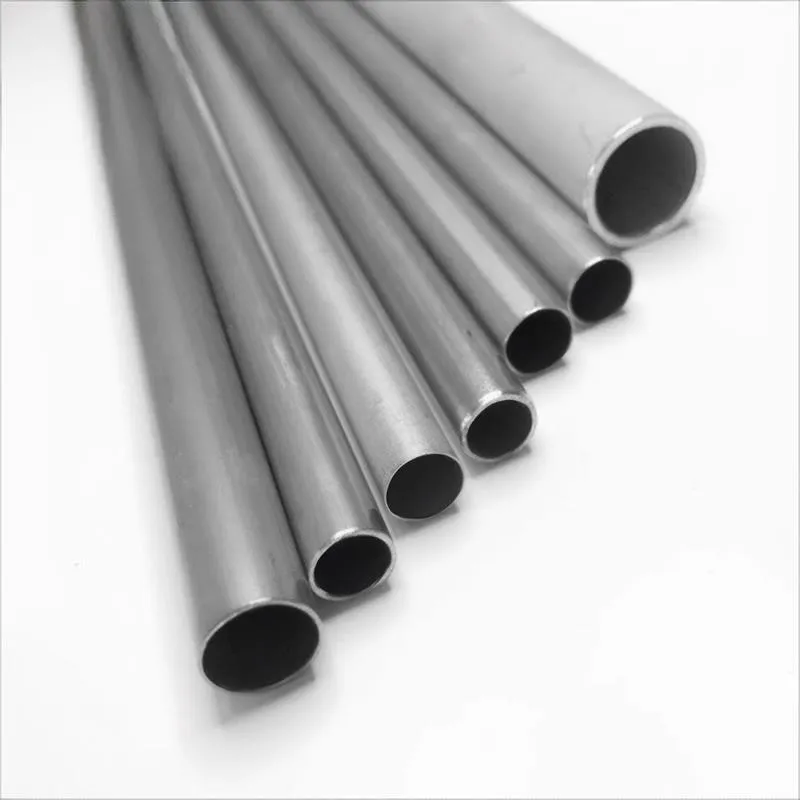
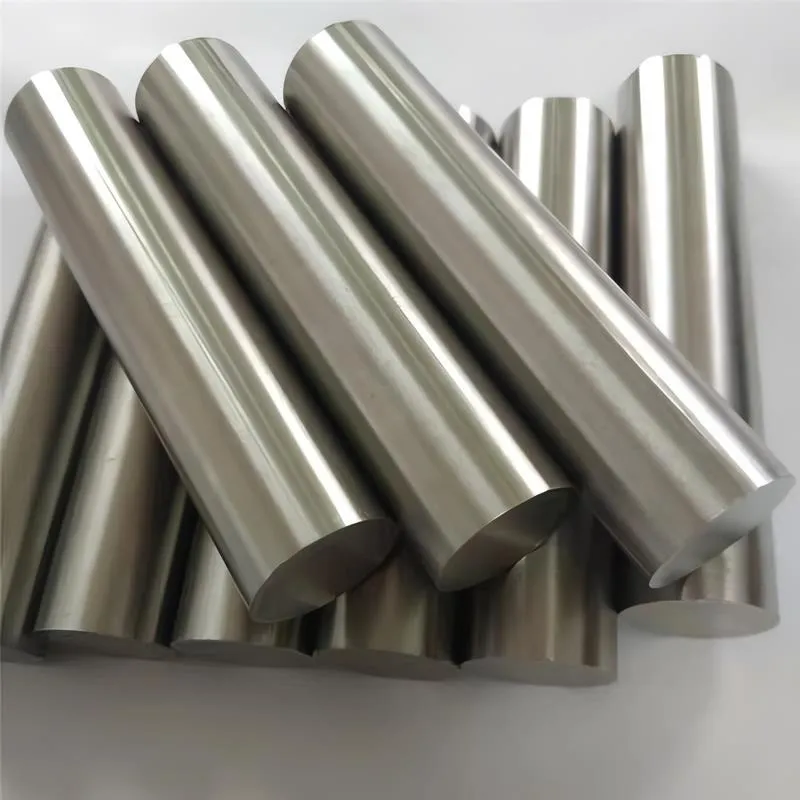
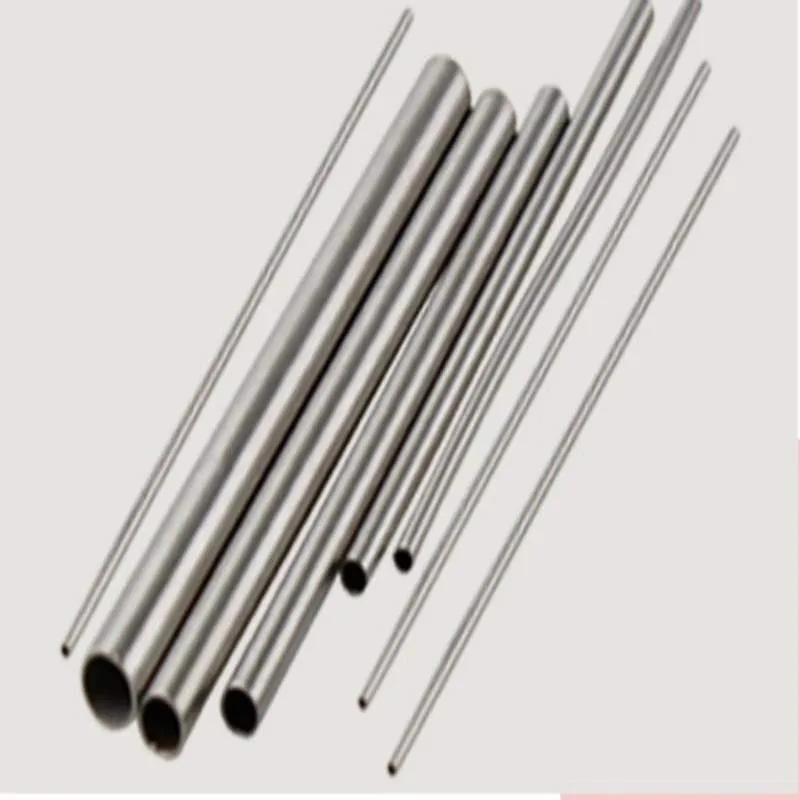
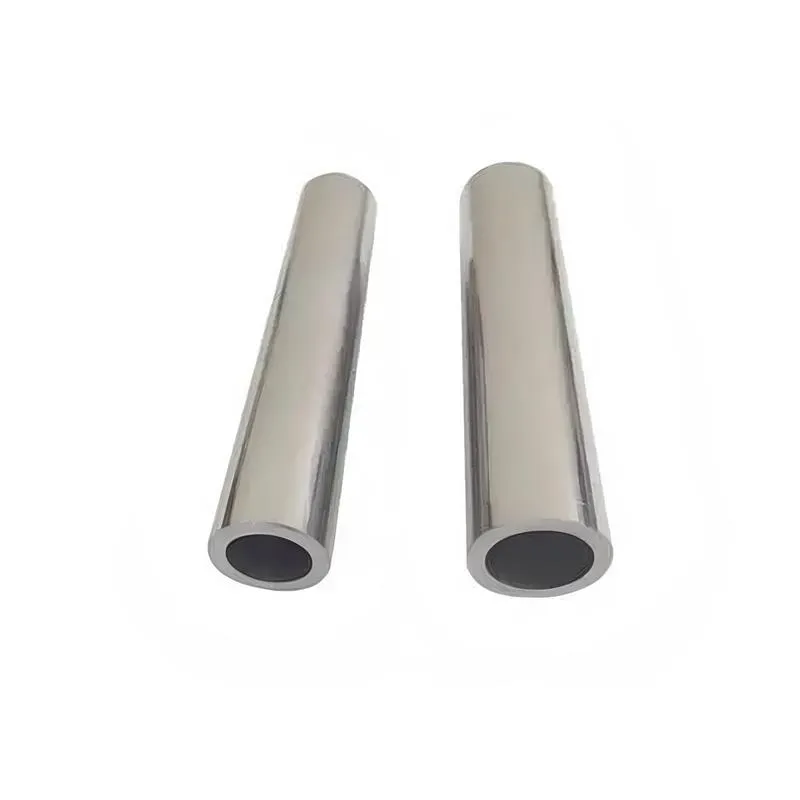
Low-C White Iron Tube,Pipe, abrasion resistant
Product Code : STI-IFe-001-CU
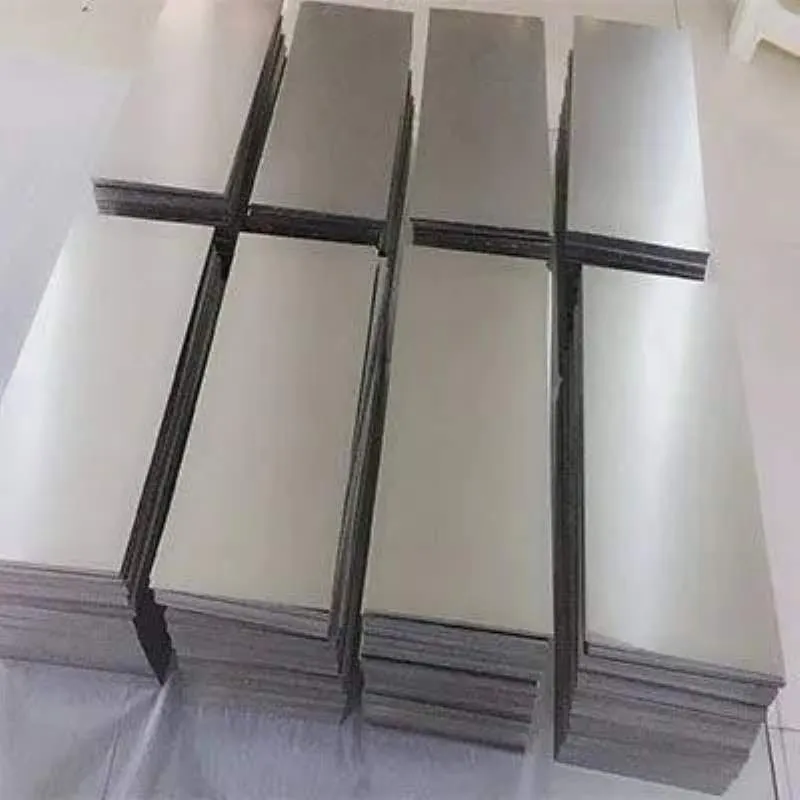
We provide Low-C White Iron Tube, abrasion resistant is available in Bar (Round bar, Flat bar), Ribbon, Wire, Rods, Tube,Seamless Tube,Pipe, Ingots, Plate, Sheet, Strip and Forging Stock.,Purity, chemical composition, size, etc. can all be customized to meet specific requirements.Low-C White Iron Pipe, abrasion resistant
Low-C White Iron Tube, abrasion resistant Product Information
-:-
For detailed product information, please contact sales.
-:
Low-C White Iron Tube, abrasion resistant Synonyms
-:-
For detailed product information, please contact sales.
-:
Low-C White Iron, abrasion resistant Product Information
-:-
For detailed product information, please contact sales.
-:
# **PRODUCT DATASHEET: LOW-CHROME WHITE IRON - PREMIUM ABRASION RESISTANT ALLOY**
## **EXECUTIVE SUMMARY**
**Low-Chrome White Iron** is a high-performance **abrasion-resistant cast iron** containing **2-4% chromium** as its primary alloying element, designed specifically for applications requiring **exceptional resistance to abrasive wear combined with good impact resistance**. This alloy represents the **optimal balance between cost-effectiveness and performance** in moderately abrasive environments where full high-chrome white irons would be economically excessive. Through precise control of chemical composition and heat treatment, Low-Chrome White Iron achieves a **predominantly martensitic matrix with uniformly distributed chromium carbides**, delivering superior wear life in mining, mineral processing, and industrial applications.
Characterized by its **high hardness (55-65 HRC), good fracture toughness, and excellent cost-to-performance ratio**, this material is engineered to outperform conventional manganese steels and carbon steels in many abrasive applications. The controlled chromium content ensures **adequate hardenability for section thicknesses up to 4 inches (100 mm)** while maintaining economic viability for large-scale wear component production.
---
## **METALLURGICAL DESIGN**
### **Microstructural Engineering**
Low-Chrome White Iron derives its wear resistance from a carefully engineered microstructure:
1. **Primary Chromium Carbides:** (Cr,Fe)₇C₃ carbides with hardness of 1200-1600 HV provide the primary abrasive resistance
2. **Martensitic Matrix:** Hardened to 55-65 HRC to support and protect the carbides
3. **Contained Austenite:** Typically <10% retained austenite for dimensional stability
4. **Fine Carbide Distribution:** Uniform dispersion prevents preferential wear paths
### **Solidification Characteristics**
- **Eutectic Structure:** Forms during final solidification with chromium-enriched carbides
- **Columnar vs. Equiaxed Growth:** Controlled through inoculation and cooling rates
- **Segregation Minimization:** Lower chromium content reduces micro-segregation tendency
- **Sound Castings:** Good fluidity and reduced shrinkage compared to high-chrome irons
### **Manufacturing Advantages**
- **Lower Melting Temperature:** Reduced energy consumption vs. high-chrome irons
- **Improved Machinability:** In annealed condition for final shaping
- **Better Weldability:** For repair and hardfacing applications
- **Cost-Effective Production:** Lower alloy costs with significant performance benefits
---
## **CHEMICAL COMPOSITION**
### **Standard Composition Ranges (Weight %)**
| Element | Minimum | Maximum | Typical | Metallurgical Function |
|---------|---------|---------|---------|------------------------|
| **Carbon (C)** | 2.8 | 3.6 | 3.2 | Carbide formation, hardness |
| **Chromium (Cr)** | 2.0 | 4.0 | 3.0 | Primary carbide former, hardenability |
| **Manganese (Mn)** | 0.5 | 1.5 | 1.0 | Austenite stabilization, deoxidation |
| **Silicon (Si)** | 0.3 | 1.2 | 0.8 | Graphitization control, fluidity |
| **Molybdenum (Mo)** | 0.3 | 1.0 | 0.6 | Hardenability, carbide refinement |
| **Nickel (Ni)** | 0.2 | 1.5 | 0.8 | Austenite stabilization, toughness |
| **Copper (Cu)** | 0.2 | 1.0 | 0.5 | Corrosion resistance, hardenability |
| **Phosphorus (P)** | — | 0.10 | 0.05 | Controlled for toughness |
| **Sulfur (S)** | — | 0.06 | 0.03 | Controlled for cleanliness |
### **Grade Variations**
| Grade | Cr Content | Mo Content | Key Characteristics | Typical Applications |
|-------|------------|------------|---------------------|----------------------|
| **LC-2** | 2.0-2.5% | 0.3-0.6% | Most economical, moderate abrasion | Slurry pumps, classifier shoes |
| **LC-3** | 2.5-3.5% | 0.5-0.8% | Balanced performance | Crusher liners, pulverizer hammers |
| **LC-4** | 3.5-4.0% | 0.7-1.0% | Maximum wear in category | Mill liners, impellers |
### **Optional Alloying Additions**
- **Vanadium:** 0.1-0.3% for secondary carbide formation
- **Boron:** 0.002-0.005% for enhanced hardenability
- **Niobium:** 0.05-0.15% for grain refinement
- **Titanium:** 0.05-0.15% for carbide modification
### **Comparative Chemistry**
| Element | Low-Cr White Iron | High-Cr White Iron | Ni-Hard Iron |
|---------|-------------------|---------------------|--------------|
| **Chromium** | 2-4% | 12-30% | 1.5-4.0% |
| **Nickel** | 0.2-1.5% | 0-2.5% | 3.0-5.0% |
| **Molybdenum** | 0.3-1.0% | 0.5-3.0% | 0-1.0% |
| **Cost Factor** | 1.0× | 1.8-2.5× | 1.5-2.0× |
---
## **PHYSICAL PROPERTIES**
### **Basic Physical Constants**
| Property | Value | Units | Test Standard |
|----------|-------|--------|----------------|
| **Density** | 0.260-0.265 | lb/in³ (7.2-7.35 g/cm³) | ASTM B311 |
| **Melting Range** | 2100-2250 | °F (1149-1232°C) | |
| **Modulus of Elasticity** | 25-28 × 10⁶ | psi (172-193 GPa) | ASTM E111 |
| **Shear Modulus** | 9.5-10.5 × 10⁶ | psi (65-72 GPa) | ASTM E143 |
| **Poisson's Ratio** | 0.26-0.28 | | ASTM E132 |
| **Thermal Conductivity** | 14-16 | BTU·in/(hr·ft²·°F) @ 212°F | ASTM E1225 |
| **Specific Heat** | 0.12-0.14 | BTU/(lb·°F) @ 68-212°F | ASTM E1269 |
| **Coefficient of Thermal Expansion** | 5.8-6.2 × 10⁻⁶ | /°F (20-200°C) | ASTM E228 |
| **Electrical Resistivity** | 70-85 | μΩ·cm | ASTM B193 |
| **Magnetic Response** | Ferromagnetic | | |
### **Thermal Properties for Heat Treatment**
| Temperature | Thermal Conductivity | Specific Heat | Thermal Diffusivity |
|-------------|----------------------|---------------|---------------------|
| **Annealing (1450°F/788°C)** | 15.0 BTU·in/(hr·ft²·°F) | 0.14 BTU/(lb·°F) | 0.045 in²/s |
| **Hardening (1800°F/982°C)** | 16.5 BTU·in/(hr·ft²°F) | 0.16 BTU/(lb·°F) | 0.050 in²/s |
| **Tempering (750°F/399°C)** | 15.5 BTU·in/(hr·ft²·°F) | 0.13 BTU/(lb·°F) | 0.047 in²/s |
### **Foundry Properties**
- **Pouring Temperature:** 2450-2600°F (1343-1427°C)
- **Fluidity:** Good (800-1000 mm spiral test)
- **Shrinkage:** 1.8-2.2% linear
- **Feeding Characteristics:** Requires adequate risering
- **Pattern Allowance:** 1.6-2.0% for machining
---
## **MECHANICAL PROPERTIES**
### **As-Cast Condition**
| Property | Value Range | Typical | Units |
|----------|-------------|---------|-------|
| **Hardness** | 450-550 | 500 | HB |
| **Tensile Strength** | 40-60 | 50 | ksi (275-415 MPa) |
| **Compressive Strength** | 200-250 | 225 | ksi (1380-1725 MPa) |
| **Transverse Strength** | 15-25 | 20 | ksi (103-172 MPa) |
| **Impact Energy** | 3-8 | 5 | ft-lb (4-11 J) |
### **Heat Treated Condition (Optimal)**
| Property | Low-Cr Grade | Medium-Cr Grade | High-Cr Grade | Units |
|----------|--------------|-----------------|---------------|-------|
| **Hardness** | 55-58 | 58-61 | 61-65 | HRC |
| **Tensile Strength** | 65-75 | 70-80 | 75-85 | ksi |
| **Compressive Strength** | 280-320 | 300-340 | 320-360 | ksi |
| **Transverse Strength** | 25-35 | 30-40 | 35-45 | ksi |
| **Impact Energy** | 6-10 | 5-8 | 4-7 | ft-lb |
### **Abrasion Resistance Performance**
#### **Laboratory Test Results**
| Test Method | Relative Wear Resistance | Comparison to AR400 | Comparison to Mn Steel |
|-------------|--------------------------|---------------------|------------------------|
| **Dry Sand/Rubber Wheel (ASTM G65)** | 2.5-3.5× | Superior | Superior |
| **Pin-on-Disc (ASTM G99)** | 3.0-4.0× | Superior | Superior |
| **Miller Number** | 280-350 | Excellent | Excellent |
| **Relative Wear Index** | 1.8-2.5× Mild Steel | - | - |
#### **Field Performance Data**
| Application | Expected Life Improvement | Key Wear Mechanism |
|-------------|--------------------------|---------------------|
| **Slurry Pump Components** | 3-4× Carbon Steel | Low-stress abrasion |
| **Crusher Liners** | 2-3× Mn Steel | Impact + abrasion |
| **Pulverizer Hammers** | 4-5× AR Plate | High-stress abrasion |
| **Classifier Shoes** | 3-4× Mild Steel | Erosion + abrasion |
| **Screw Conveyors** | 5-6× Carbon Steel | Abrasion + adhesion |
### **Fracture Toughness**
- **KIc:** 15-25 MPa√m (14-23 ksi√in)
- **Crack Initiation Resistance:** Good for white iron class
- **Crack Propagation Resistance:** Moderate
- **Notch Sensitivity:** Moderate - design to avoid stress concentrators
### **Fatigue Properties**
- **Endurance Limit (10⁷ cycles):** 25-35 ksi
- **Fatigue Ratio:** 0.35-0.45
- **Contact Fatigue Resistance:** Good for rolling/sliding applications
- **Thermal Fatigue:** Moderate - avoid rapid temperature cycling
### **Section Sensitivity**
| Section Thickness | Achievable Hardness | Microstructure | Recommended Applications |
|------------------|---------------------|----------------|--------------------------|
| **<1" (25 mm)** | 62-65 HRC | Fully martensitic | Thin wear plates, liners |
| **1-2" (25-50 mm)** | 60-63 HRC | Martensitic with fine carbides | Pump components, crusher parts |
| **2-3" (50-75 mm)** | 58-61 HRC | Martensitic, some pearlite | Thick liners, heavy sections |
| **3-4" (75-100 mm)** | 56-59 HRC | Mixed martensite/pearlite | Large castings, massive parts |
| **>4" (100 mm)** | 54-57 HRC | Requires special processing | Limited applications |
---
## **HEAT TREATMENT**
### **Annealing (For Machining)**
- **Temperature:** 1450-1550°F (788-843°C)
- **Time:** 2-4 hours per inch of section
- **Cooling:** Furnace cool to 900°F (482°C), then air cool
- **Resultant Hardness:** 350-450 HB
- **Microstructure:** Pearlitic matrix with spheroidized carbides
### **Stress Relieving**
- **Temperature:** 1050-1150°F (566-621°C)
- **Time:** 1-2 hours per inch
- **Purpose:** Reduce casting and machining stresses
- **Application:** After rough machining, before final hardening
### **Hardening**
#### **Standard Hardening Cycle**
1. **Preheat:** 1000-1200°F (538-649°C) - critical to prevent cracking
2. **Austenitize:** 1750-1850°F (954-1010°C)
3. **Soak Time:** 1-2 hours per inch at temperature
4. **Quenching:** Air cool for sections <2", oil quench for thicker sections
5. **Quench Temperature:** Cool to 150-200°F (66-93°C)
#### **Alternative Processes**
- **Austempering:** 450-550°F (232-288°C) salt bath for improved toughness
- **Marquenching:** Hot oil or salt bath for complex shapes
- **Interrupted Quench:** For maximum hardness in heavy sections
### **Tempering**
- **Temperature:** 350-500°F (177-260°C) for abrasion resistance
- **Time:** 2-4 hours per inch, minimum 2 hours
- **Purpose:** Stress relief, slight toughness improvement
- **Optional Double Temper:** For maximum dimensional stability
### **Sub-Critical Heat Treatment**
- **Temperature:** 950-1050°F (510-566°C)
- **Purpose:** Secondary hardening through carbide precipitation
- **Application:** For applications requiring maximum abrasion resistance
### **Heat Treatment Response Guide**
| Process | Hardness (HRC) | Toughness | Wear Resistance | Applications |
|---------|----------------|-----------|-----------------|--------------|
| **As-Cast** | 48-52 | Fair | Good | Non-critical parts |
| **Annealed** | 35-45 | Good | Poor | Machining condition |
| **Hardened Only** | 58-62 | Fair | Excellent | Maximum abrasion |
| **Hardened & Tempered** | 56-60 | Good | Very Good | General purpose |
| **Austempered** | 52-56 | Very Good | Good | Impact + abrasion |
---
## **FOUNDRY PROCESSING**
### **Melting Practice**
- **Furnace Types:** Electric arc, induction, or cupola with duplexing
- **Charge Materials:** Steel scrap, returns, ferroalloys
- **Temperature Control:** 2750-2850°F (1510-1566°C) superheat
- **Slag Control:** Basic slags for sulfur and phosphorus reduction
### **Molding Methods**
- **Green Sand:** For simple shapes, lower production costs
- **Chemically Bonded Sand:** For complex shapes, better surface finish
- **Shell Molding:** For high production, dimensional accuracy
- **Lost Foam:** For complex internal passages
### **Gating & Risering**
- **Gating Ratio:** 1:2:4 typical (sprue:runner:gate)
- **Riser Design:** Side risers with chills for directional solidification
- **Feeding Distance:** 4-6 times section thickness
- **Chill Application:** External chills for heavy sections
### **Quality Control**
- **Chemical Analysis:** Spectroscopic verification for each heat
- **Temperature Monitoring:** Continuous during pouring
- **Sand Testing:** Regular analysis of molding sand properties
- **Dimensional Inspection:** First article and periodic checks
---
## **MACHINING & FABRICATION**
### **Machinability in Annealed Condition**
#### **General Characteristics**
- **Hardness:** 350-450 HB (annealed condition)
- **Machinability Rating:** 20-30% of 1212 steel
- **Cutting Tool Life:** Short - requires frequent tool changes
- **Surface Finish:** Fair - grinding often required for final finish
- **Work Hardening:** Significant - maintain positive feed rates
#### **Recommended Cutting Parameters**
| Operation | Speed (SFM) | Feed | Depth of Cut | Tool Material |
|-----------|-------------|------|--------------|---------------|
| **Turning** | 60-100 | 0.008-0.015 IPR | 0.080-0.150" | C2/C5 Carbide |
| **Milling** | 50-80 | 0.003-0.006 IPT | 0.060-0.120" | Premium Carbide |
| **Drilling** | 30-50 | 0.003-0.006 IPR | Peck drilling | Carbide-tipped |
| **Tapping** | 10-20 | - | - | Carbide taps only |
| **Sawing** | 40-60 FPM | Light feed | - | Carbide grit blades |
### **Grinding (Primary finishing method)**
- **Wheel Selection:** Aluminum oxide or silicon carbide
- **Wheel Specification:** 24-46 grit, soft-medium bond
- **Coolant:** Water-based flood coolant essential
- **Infeed:** 0.001-0.003" per pass maximum
- **Dressing:** Frequent to maintain free-cutting action
### **Welding & Repair**
#### **Welding Characteristics**
- **Weldability:** Poor - high cracking tendency
- **Preheat Requirement:** 600-800°F (316-427°C) minimum
- **Post-Weld Heat Treatment:** Usually required
- **Recommended:** Avoid welding if possible
#### **Repair Methods**
1. **Crack Repair:** Generally not recommended
2. **Build-up:** Possible with proper procedures and consumables
3. **Hardfacing:** Acceptable for certain applications
4. **Mechanical Repair:** Bolted or pinned patches preferred
#### **Welding Consumables**
- **Matching Composition:** Special white iron electrodes
- **Austenitic Stainless:** 309L for dissimilar joints
- **Nickel-Base:** For maximum crack resistance
- **Hardfacing Alloys:** For wear surface restoration
---
## **INTERNATIONAL STANDARDS & SPECIFICATIONS**
### **Material Standards**
| Standard | Designation | Title / Description |
|----------|-------------|---------------------|
| **ASTM A532/A532M** | Class I Type A | Standard Specification for Abrasion-Resistant Cast Irons |
| **ISO 21988** | GX 300 CrMo 15 3 | Abrasion-resistant cast irons |
| **DIN** | G-X 300 CrMo 9 3 | German Standard |
| **JIS** | SCMnH 3 | Japanese Industrial Standard |
| **GB** | BTMCr15Mo2 | Chinese Standard (similar) |
| **AS 2027** | - | Australian Standard |
### **Industry Specifications**
- **Mining Industry:** OEM specifications for crusher parts, mill liners
- **Cement Industry:** Standards for raw mill and finish mill components
- **Power Generation:** Specifications for pulverizer and ash handling parts
- **Dredging:** Requirements for pump and pipeline components
### **Testing Standards**
- **ASTM A367:** Wedge Test for Chill of Gray Iron Castings
- **ASTM A247:** Evaluation of Microstructure of Graphite in Iron Castings
- **ASTM E10:** Brinell Hardness Test
- **ASTM E384:** Microindentation Hardness Testing
- **ASTM G65:** Dry Sand/Rubber Wheel Abrasion Test
### **Quality Standards**
- **ISO 9001:** Quality Management Systems
- **ISO/TS 16949:** Automotive quality (if applicable)
- **NADCAP:** For aerospace applications (rare)
- **Customer-Specific:** OEM requirements for critical components
---
## **APPLICATIONS**
### **Mining & Mineral Processing**
#### **Crushing & Grinding**
- **Crusher Liners:** Jaw, cone, and gyratory crusher wear parts
- **Mill Liners:** Ball mill, SAG mill, rod mill liners and lifters
- **Pulverizer Components:** Hammers, rings, grinding elements
- **Shredder Parts:** Hammers, caps, anvils for size reduction
#### **Material Handling**
- **Hopper Liners:** For abrasive ore and aggregate handling
- **Chute Liners:** Transfer points and loading areas
- **Skirtboard:** Conveyor loading zone protection
- **Bin Dischargers:** Vibratory and rotary discharger parts
### **Cement & Aggregate Industry**
- **Raw Mill Components:** Liners, grinding media, separator parts
- **Finish Mill Parts:** Grinding balls, liners, diaphragm plates
- **Crusher Wear Parts:** Hammers, blow bars, impact plates
- **Conveyor Components:** Idlers, pulleys, wear strips
### **Power Generation**
- **Coal Handling:** Pulverizer rolls, tires, tables, classifier cones
- **Ash Handling:** Slurry pump components, pipeline elbows, valves
- **Bottom Ash:** Crushers, conveyors, hopper liners
- **Flue Gas Desulfurization:** Absorber tower components, agitators
### **Dredging & Slurry Transport**
- **Dredge Pump Parts:** Impellers, liners, side plates, suction covers
- **Pipeline Components:** Elbows, reducers, tees, straight sections
- **Valve Components:** Gate valves, knife gate valves, check valves
- **Classifier Shoes:** For sand classification and dewatering
### **Recycling & Waste Processing**
- **Shredder Components:** Hammers, grates, anvils for metal recycling
- **Trommel Screens:** Segments, lifters, feed boxes
- **Magnetic Separators:** Housing liners, wear plates
- **Waste-to-Energy:** Grate bars, siftings, ash handling parts
### **Industrial Applications**
- **Shot Blast Equipment:** Blades, impellers, housing liners
- **Brick & Tile Manufacturing:** Extruder components, die liners
- **Ceramic Industry:** Ball mill liners, grinding media
- **Foundry:** Sand handling equipment, shakeout grids
### **Application-Specific Recommendations**
| Application | Recommended Grade | Hardness | Key Considerations |
|-------------|-------------------|----------|---------------------|
| **Slurry Pump Parts** | LC-3 | 58-62 HRC | Corrosion + abrasion resistance |
| **Crusher Liners** | LC-4 | 60-64 HRC | Impact + abrasion resistance |
| **Mill Liners** | LC-3 | 58-61 HRC | High-stress abrasion |
| **Pulverizer Hammers** | LC-4 | 61-65 HRC | Maximum wear resistance |
| **Classifier Shoes** | LC-2 | 56-60 HRC | Erosion + moderate abrasion |
| **Pipeline Elbows** | LC-3 | 58-62 HRC | Directional wear patterns |
---
## **DESIGN CONSIDERATIONS**
### **Section Design Guidelines**
- **Minimum Section:** 0.5" (12 mm) for castability
- **Maximum Section:** 4" (100 mm) without special processing
- **Section Transitions:** Gradual changes (3:1 ratio minimum)
- **Rib Design:** Avoid isolated heavy sections
### **Stress Concentration Avoidance**
- **Fillet Radii:** Minimum 0.25" (6 mm) at stress points
- **Sharp Corners:** Eliminate - use generous radii
- **Holes & Cutouts:** Position away from high-stress areas
- **Machined Features:** Avoid thin walls adjacent to heavy sections
### **Mounting & Attachment**
- **Bolt Holes:** Cast-in or drilled with adequate edge distance
- **Welded Attachments:** Generally not recommended
- **Mechanical Fastening:** Preferred method for assembly
- **Backing Materials:** Use resilient materials to absorb impact
### **Wear Pattern Considerations**
- **Directional Wear:** Design for uniform wear distribution
- **Replaceability:** Modular designs for easy replacement
- **Wear Allowance:** Include extra material in high-wear areas
- **Monitoring:** Design for wear measurement and monitoring
---
## **PERFORMANCE COMPARISONS**
### **vs. Other Abrasion-Resistant Materials**
| Material | Hardness | Wear Resistance | Impact Resistance | Cost Factor |
|----------|----------|-----------------|-------------------|-------------|
| **Low-Cr White Iron** | 55-65 HRC | Excellent | Good | 1.0× |
| **High-Cr White Iron** | 58-68 HRC | Superior | Fair | 1.8-2.5× |
| **Ni-Hard Iron** | 50-62 HRC | Very Good | Very Good | 1.5-2.0× |
| **Manganese Steel** | 45-55 HRC (work-hardened) | Good | Excellent | 0.8-1.2× |
| **AR400/500 Plate** | 400-500 HB | Good | Excellent | 0.6-0.9× |
| **Carbide Composites** | 70-75 HRC | Exceptional | Poor | 3.0-5.0× |
### **Economic Analysis**
| Factor | Low-Cr White Iron | High-Cr White Iron | Manganese Steel |
|--------|-------------------|---------------------|-----------------|
| **Material Cost** | $1.50-2.50/lb | $2.50-4.50/lb | $1.00-1.80/lb |
| **Manufacturing Cost** | Moderate | High | Low-Moderate |
| **Performance Life** | 2-3× MS | 3-5× MS | Baseline |
| **Total Cost/ton processed** | Lowest | Moderate | Highest |
| **ROI Period** | 3-6 months | 6-12 months | N/A |
### **Selection Guidelines**
- **Choose Low-Cr White Iron When:** Moderate to severe abrasion with some impact
- **Choose High-Cr White Iron When:** Extreme abrasion with minimal impact
- **Choose Manganese Steel When:** Severe impact with moderate abrasion
- **Choose AR Plate When:** Fabrication required with good impact resistance
- **Choose Composites When:** Extreme abrasion in thin sections
---
## **QUALITY ASSURANCE**
### **Inspection & Testing**
- **Chemical Analysis:** Each heat verified spectroscopically
- **Hardness Testing:** Multiple locations on each casting
- **Dimensional Inspection:** To drawing specifications
- **Visual Examination:** Surface quality, defects
- **Non-Destructive Testing:** UT, MT, RT as required
### **Microstructural Standards**
- **Carbide Structure:** Uniform distribution, no clusters
- **Matrix Structure:** Predominantly martensitic after heat treatment
- **Porosity:** Maximum 2% by area in critical sections
- **Inclusions:** Minimal, well-dispersed
### **Certification**
- **Material Certificates:** Chemical and mechanical properties
- **Heat Treatment Records:** Complete thermal history
- **Traceability:** Heat number to finished part
- **Compliance Statements:** To applicable standards
### **Statistical Process Control**
- **Process Monitoring:** Key parameters tracked continuously
- **Capability Studies:** Regular verification of process capability
- **Continuous Improvement:** Ongoing optimization of processes
- **Customer Feedback:** Incorporated into quality systems
---
## **INSTALLATION & MAINTENANCE**
### **Installation Guidelines**
- **Handling:** Use proper lifting points, avoid impact loading
- **Alignment:** Critical for uniform wear and performance
- **Fastening:** Follow recommended torque specifications
- **Backing Materials:** Use appropriate compounds or materials
### **Operation Recommendations**
- **Break-in Period:** Gradual loading recommended
- **Operating Limits:** Avoid extreme impact or thermal shock
- **Monitoring:** Regular inspection for wear and damage
- **Cleaning:** Remove buildup that could cause uneven wear
### **Maintenance Practices**
- **Regular Inspection:** Schedule based on operating conditions
- **Wear Measurement:** Document wear rates for predictive maintenance
- **Rotation/Replacement:** Plan for component rotation if applicable
- **Spare Parts Inventory:** Maintain critical spares based on lead times
### **Troubleshooting**
| Problem | Possible Causes | Solutions |
|---------|----------------|-----------|
| **Premature Wear** | Wrong material selection, improper heat treatment | Verify application conditions, check hardness |
| **Cracking** | Impact overload, thermal shock, design issues | Review operating conditions, modify design |
| **Spalling** | Subsurface defects, excessive stress | Improve casting quality, reduce stress concentrations |
| **Uneven Wear** | Poor alignment, material buildup, flow patterns | Check installation, modify design for even flow |
---
## **ENVIRONMENTAL & SAFETY**
### **Environmental Considerations**
- **Recyclability:** 100% recyclable as cast iron scrap
- **Foundry Emissions:** Controlled through modern pollution control systems
- **Coolant Management:** Proper handling of machining coolants
- **Waste Minimization:** Efficient gating systems reduce scrap
### **Safety Aspects**
- **Material Handling:** Standard precautions for heavy components
- **Machining:** Use appropriate PPE, especially during grinding
- **Installation:** Proper procedures for heavy component installation
- **Operation:** Design for safe operation and maintenance access
### **Regulatory Compliance**
- **OSHA Standards:** Compliance with applicable regulations
- **Environmental Regulations:** Meeting air and water quality standards
- **International Standards:** Compliance with global requirements
- **Industry-Specific:** Meeting sector-specific regulations
---
## **TECHNICAL SUPPORT**
### **Engineering Services**
- **Material Selection:** Assistance with grade selection for specific applications
- **Design Optimization:** Recommendations for component design
- **Failure Analysis:** Investigation of premature failures
- **Performance Improvement:** Suggestions for enhanced service life
### **Laboratory Services**
- **Metallurgical Analysis:** Microstructure, hardness, chemistry
- **Wear Testing:** Laboratory evaluation of wear resistance
- **Mechanical Testing:** Strength, toughness, fatigue properties
- **Field Testing:** In-service evaluation of new designs
### **Training & Education**
- **Material Characteristics:** Understanding white iron properties
- **Design Workshops:** Best practices for wear component design
- **Application Seminars:** Industry-specific training programs
- **Maintenance Training:** Proper installation and maintenance procedures
### **Contact Information**
**Technical Support Services**
Phone: [Insert appropriate contact]
Email: [Insert appropriate email]
Website: [Insert company website]
---
## **ORDERING INFORMATION**
### **Standard Products**
- **Casting Blanks:** Standard sizes for machining
- **Finished Parts:** To customer drawings and specifications
- **Pattern Equipment:** For high-volume production
- **Repair Parts:** For existing equipment
### **Custom Manufacturing**
- **Pattern Making:** For new component designs
- **Prototype Development:** For testing and evaluation
- **Production Castings:** Volume production capabilities
- **Heat Treatment:** Complete thermal processing services
### **Lead Times**
- **Standard Items:** 4-8 weeks
- **Custom Castings:** 8-16 weeks (depending on pattern requirements)
- **Heat Treatment:** Additional 1-2 weeks
- **Emergency Orders:** Expedited processing available
### **Packaging & Shipping**
- **Domestic:** Properly crated for protection
- **International:** Export packaging and documentation
- **Special Handling:** For oversized or delicate components
- **Just-in-Time:** Scheduled delivery programs available
---
## **DISCLAIMER**
### **Important Notices**
1. **Technical Data:** The information provided represents typical values and characteristics. Actual properties may vary based on specific processing, heat treatment, and testing methods.
2. **Application Suitability:** Users should evaluate material suitability for specific applications, including all service conditions and requirements.
3. **Design Responsibility:** Proper design is essential for optimal performance. Consultation with engineering staff is recommended.
4. **Installation & Maintenance:** Proper installation and maintenance are critical for achieving expected service life.
5. **Safety Responsibility:** Users are responsible for implementing appropriate safety procedures in all handling and processing operations.
### **Warranty Information**
The manufacturer warrants that material supplied will meet the chemical and physical specifications agreed upon at time of order. Performance in specific applications depends on proper design, installation, operation, and maintenance by the customer.
### **Revision Information**
**Document Number:** LC-WHITE-IRON-DS-2024-01
**Effective Date:** January 2024
**Next Review:** January 2025
---
*This datasheet is intended for informational purposes only. Specifications are subject to change without notice. Always consult with technical staff for specific application requirements.*
-:-
For detailed product information, please contact sales.
-:
Low-C White Iron, abrasion resistant Specification
Dimensions
Size:
Diameter 20-1000 mm Length <6475 mm
Size:We can customized as required
Standard:
Per your request or drawing
We can customized as required
Properties(Theoretical)
Chemical Composition
-:-
For detailed product information, please contact sales.
-:
Low-C White Iron, abrasion resistant Properties
-:-
For detailed product information, please contact sales.
-:
Applications of Low-C White Iron Tube, abrasion resistant
-:-
For detailed product information, please contact sales.
-:
Chemical Identifiers Low-C White Iron Tube, abrasion resistant
-:-
For detailed product information, please contact sales.
-:
Packing of Low-C White Iron Tube, abrasion resistant
-:-
For detailed product information, please contact sales.
-:
Standard Packing:
-:-
For detailed product information, please contact sales.
-:
Typical bulk packaging includes palletized plastic 5 gallon/25 kg. pails, fiber and Steel Tube drums to 1 ton super sacks in full container (FCL) or truck load (T/L) quantities. Research and sample quantities and hygroscopic, oxidizing or other air sensitive materials may be packaged under argon or vacuum. Solutions are packaged in polypropylene, plastic or glass jars up to palletized 2946 gallon liquid totes Special package is available on request. E FORUs’ is carefully handled to minimize damage during storage and transportation and to preserve the quality of our products in their original condition