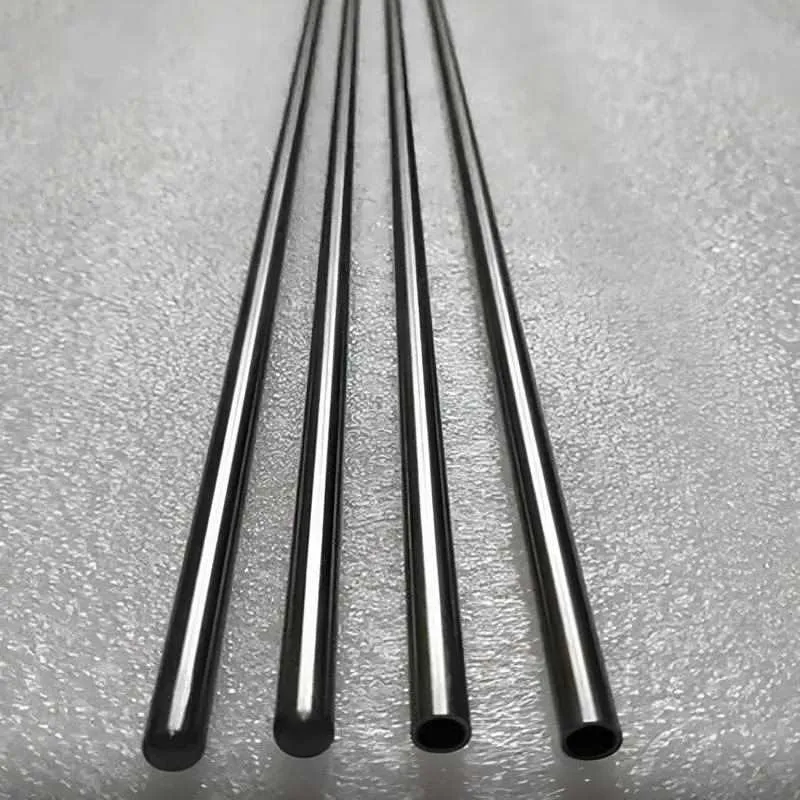
Markforged 3D Printed H13 Tool Steel, Heat Treated
Product Code : STI-GSTI-408-CU
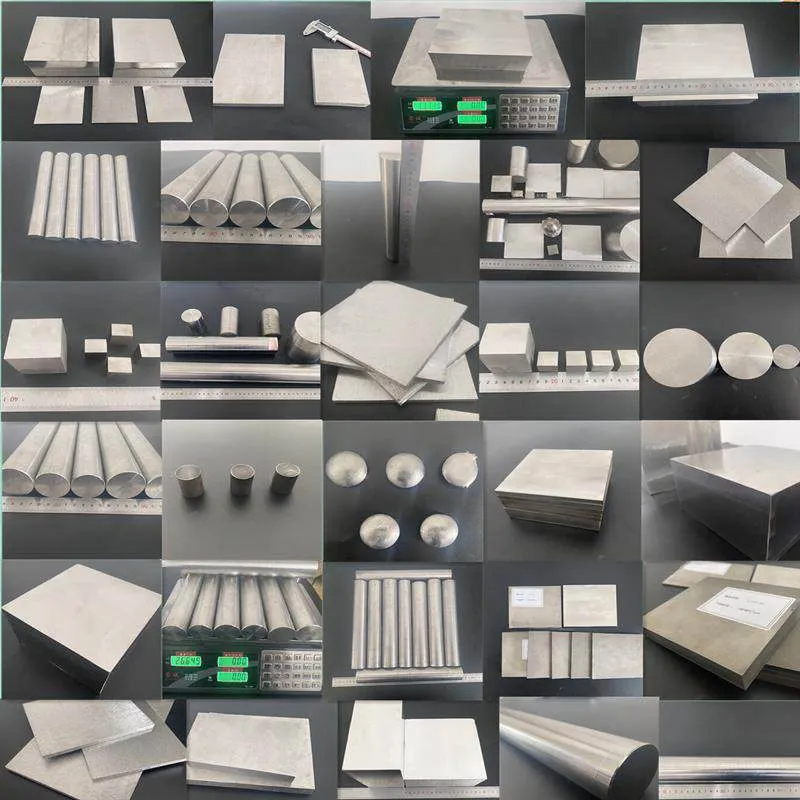
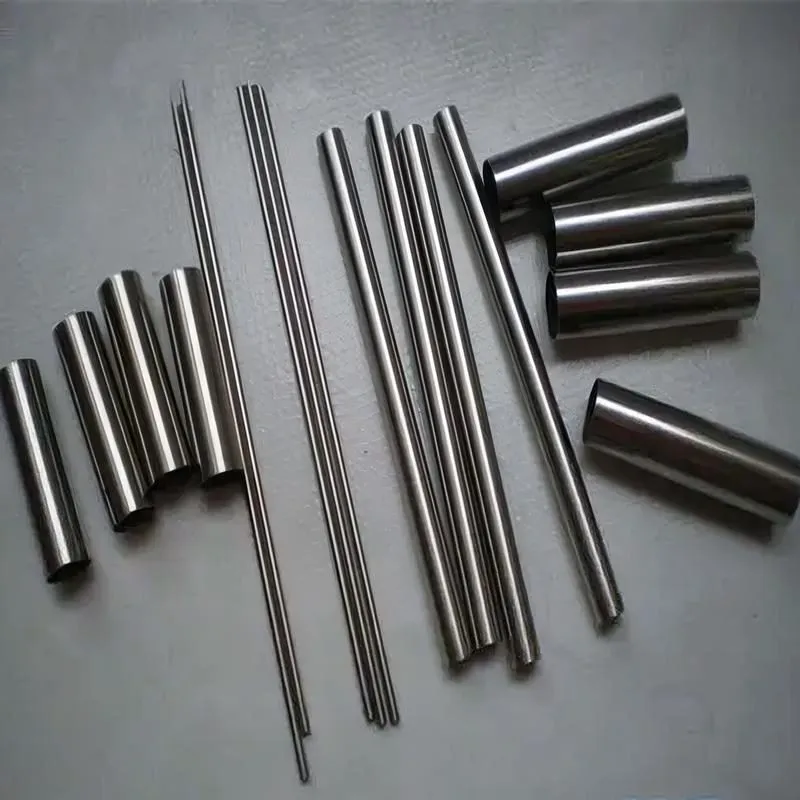
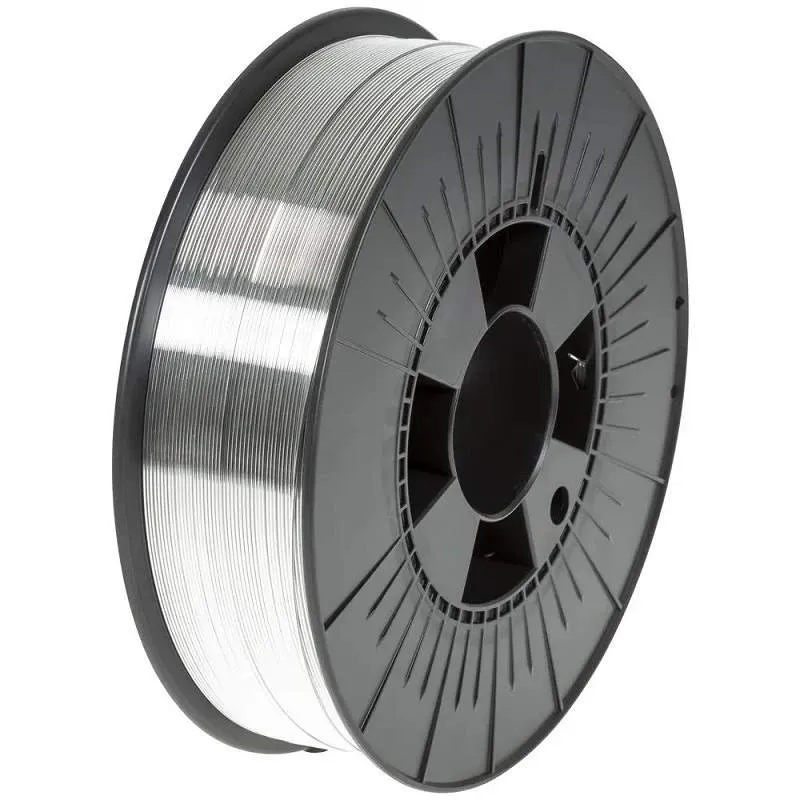
We provide Markforged 3D Printed H13 Tool Steel, Heat Treated is available in Bar (Round bar, Flat bar), Ribbon, Wire, Rods, Tube,Seamless Tube,Pipe, Ingots, Plate, Sheet, Strip and Forging Stock.,Purity, chemical composition, size, etc. can all be customized to meet specific requirements.
Please contact us if you need customized services. We will contact you with the price and availability in 24 hours.
Markforged 3D Printed H13 Tool Steel, Heat Treated Product Information
-:-
For detailed product information, please contact sales.
-:
Markforged 3D Printed H13 Tool Steel, Heat Treated Synonyms
-:-
For detailed product information, please contact sales.
-:
Markforged 3D Printed H13 Tool Steel, Heat Treated Product Information
-:-
For detailed product information, please contact sales.
-:
# **Product Introduction: Markforged 3D Printed H13 Tool Steel (Heat Treated)**
## **1. Overview**
**Markforged 3D Printed H13 Tool Steel (Heat Treated)** is a fully processed, **additively manufactured hot work tool steel** that has completed the entire digital manufacturing and thermal processing chain to achieve production-ready properties. This material leverages **Metal Fused Filament Fabrication (Metal FFF)** to create complex monolithic geometries, followed by **sintering and a full austenitize-quench-temper (AQT) heat treatment cycle** to develop the characteristic microstructure of **AISI H13 (UNS T20813)**. It delivers the **high-temperature strength, thermal fatigue resistance, and toughness** of traditional H13 in forms impossible to machine—most notably, tools with **conformal cooling channels**. This represents the complete digital transformation of H13, from design to hardened tool, ready for immediate use in demanding applications such as aluminum die casting, hot forging, and high-temperature plastic injection molding.
## **2. Manufacturing Process & Specifications**
This material is defined by a closed-loop digital workflow that includes final property development.
* **Complete Manufacturing Process:**
1. **Printing (Metal FFF):** Layer-by-layer extrusion of H13 tool steel powder-filled filament.
2. **Debinding & Sintering:** Removal of binder and fusion of metal particles into a >99% dense "brown" part.
3. **Final Heat Treatment (Performed by Markforged or Certified Partner):** A standardized **austenitize, quench, and double temper (AQT)** cycle in a controlled atmosphere furnace. This transforms the sintered microstructure into tempered martensite with secondary carbides, achieving specified mechanical properties.
4. **Optional Finishing:** May include shot peening, surface grinding, or polishing.
* **Material Classification:**
* **Type:** **Additively Manufactured and Heat-Treated H13 Tool Steel**.
* **Standard Reference:** Aims to meet the performance criteria of **ASTM A681 AISI H13 / UNS T20813** for hot work applications. Final properties are guaranteed per Markforged specification for the given process.
* **Key Distinction:** Unlike the "As-Sintered" version, this material is supplied **ready for production use** at a specified hardness, requiring no further heat treatment by the customer.
## **3. Chemical Composition (Weight %, Target)**
The chemistry targets the standard H13 specification after sintering and heat treatment.
| Element | Target Range (%) | Role in H13 |
|---------|------------------|------------|
| **Carbon (C)** | 0.32 – 0.45 | Provides base hardness and strength. |
| **Chromium (Cr)** | 4.75 – 5.50 | Imparts tempering resistance ("red hardness") and oxidation resistance. |
| **Molybdenum (Mo)** | 1.10 – 1.75 | Critical for high-temperature strength, toughness, and hardenability. |
| **Vanadium (V)** | 0.80 – 1.20 | Provides wear resistance via vanadium carbides and refines grain structure. |
| **Silicon (Si)** | 0.80 – 1.20 | Enhances oxidation and thermal fatigue resistance. |
| **Iron (Fe)** | Balance. | |
## **4. Typical Physical & Mechanical Properties (Heat Treated Condition)**
* **Final State:** **Hardened and Tempered,** ready for service.
* **Typical Achieved Hardness:** **44 – 48 HRC** (adjustable based on tempering parameters; common for die casting applications).
* **Ultimate Tensile Strength (UTS):** **1450 – 1650 MPa** (210,000 – 239,000 psi)
* **Yield Strength (0.2% Offset):** **1250 – 1450 MPa** (181,000 – 210,000 psi)
* **Elongation at Break:** **3 – 8%** (Exhibits the characteristic ductility of properly tempered H13).
* **Impact Toughness (Charpy V-Notch):** **25 – 40 J** (18 – 29 ft-lb) – **Good,** essential for resisting thermal shock and crack propagation.
* **Hot Hardness (540°C / 1000°F):** ~42-45 HRC.
* **Thermal Conductivity:** Comparable to wrought H13 (~24-28 W/m·K).
* **Density:** >99.5% (Near-full density is critical for thermal and mechanical performance).
* **Key Performance Feature – Thermal Fatigue Resistance:** **Excellent.** Inherited from the H13 alloy design, crucial for die casting and cyclic heating applications.
## **5. Product Application**
This material is used for **final production tooling** where geometric complexity and thermal management are critical.
* **Advanced Die Casting & Molding Inserts:**
* **Aluminum die casting cores and cavities** with **high-efficiency conformal cooling channels** to reduce cycle time and minimize warpage.
* **Hot runner system components** (nozzles, manifolds) for engineering plastics.
* **Injection molds for high-temperature plastics** (PEEK, PEI, PPS).
* **Hot Forging & Extrusion Tooling:**
* **Forging die inserts** with internal cooling for extended life.
* **Complex extrusion die components.**
* **Consolidated & Lightweight Tooling:**
* **Monolithic tools** that replace multi-piece assemblies, improving accuracy and reducing maintenance.
* **Topology-optimized support structures and tool holders.**
## **6. Key Features & Advantages**
* **Production-Ready Out-of-Box:** Eliminates the need for customer heat treatment, reducing risk and accelerating time-to-production.
* **Unprecedented Thermal Management:** Conformal cooling channels can follow the exact contour of the tool surface, dramatically improving heat extraction, reducing cycle times by up to 50%, and improving part quality.
* **Design Freedom & Part Consolidation:** Enables single-piece construction of tools that would otherwise require complex assembly, brazing, or impossible machining.
* **Material & Time Efficiency:** Near-net-shape production minimizes waste of expensive tool steel and can shorten lead times from weeks to days.
* **Maintains H13 Performance:** Delivers the essential high-temperature strength, toughness, and thermal fatigue resistance expected from H13 in service.
## **7. Critical Design & Usage Considerations**
* **Anisotropic Properties:** Mechanical properties can be directionally dependent (stronger in XY print plane). Critical loads should be aligned within the print plane where possible.
* **Surface Finish:** As-built surfaces have a layer texture. Critical sealing or part-forming surfaces will require post-processing machining or polishing.
* **Residual Stress & Distortion:** The heat treatment process can induce distortion, especially in thin-walled or asymmetrical designs. Design for uniform cross-sections and consider stress relief steps.
* **Quality Assurance:** Implement NDT (e.g., dye penetrant) for critical tools to check for sintering or heat treatment artifacts in non-visible internal channels.
* **Not a Universal Replacement:** It is a **strategic enhancement** for tools where cooling, weight, or complexity are limiting factors. Simple, solid blocks are often more economical via traditional means.
**Summary:**
Markforged 3D Printed H13 Tool Steel (Heat Treated) represents the pinnacle of **digital toolmaking.** It is not merely a substitute for conventional H13 but a performance multiplier, enabling tool designs that fundamentally improve manufacturing efficiency through superior thermal control and geometric optimization. For applications like die casting or high-temperature molding, where cooling time dominates the cycle and tool life is limited by thermal fatigue, this material offers a revolutionary advantage. It successfully merges the proven metallurgy of H13 with the transformative potential of additive manufacturing, delivering hardened, complex tools that are ready to perform in the most demanding production environments.
-:-
For detailed product information, please contact sales.
-:
Markforged 3D Printed H13 Tool Steel, Heat Treated Specification
Dimensions
Size:
Diameter 20-1000 mm Length <7064 mm
Size:We can customized as required
Standard:
Per your request or drawing
We can customized as required
Properties(Theoretical)
Chemical Composition
-:-
For detailed product information, please contact sales.
-:
Markforged 3D Printed H13 Tool Steel, Heat Treated Properties
-:-
For detailed product information, please contact sales.
-:
Applications of Markforged 3D Printed H13 Tool Steel, Heat Treated
-:-
For detailed product information, please contact sales.
-:
Chemical Identifiers Markforged 3D Printed H13 Tool Steel, Heat Treated
-:-
For detailed product information, please contact sales.
-:
Packing of Markforged 3D Printed H13 Tool Steel, Heat Treated
-:-
For detailed product information, please contact sales.
-:
Standard Packing:
-:-
For detailed product information, please contact sales.
-:
Typical bulk packaging includes palletized plastic 5 gallon/25 kg. pails, fiber and steel drums to 1 ton super sacks in full container (FCL) or truck load (T/L) quantities. Research and sample quantities and hygroscopic, oxidizing or other air sensitive materials may be packaged under argon or vacuum. Solutions are packaged in polypropylene, plastic or glass jars up to palletized 3535 gallon liquid totes Special package is available on request. E FORUs’ is carefully handled to minimize damage during storage and transportation and to preserve the quality of our products in their original condition