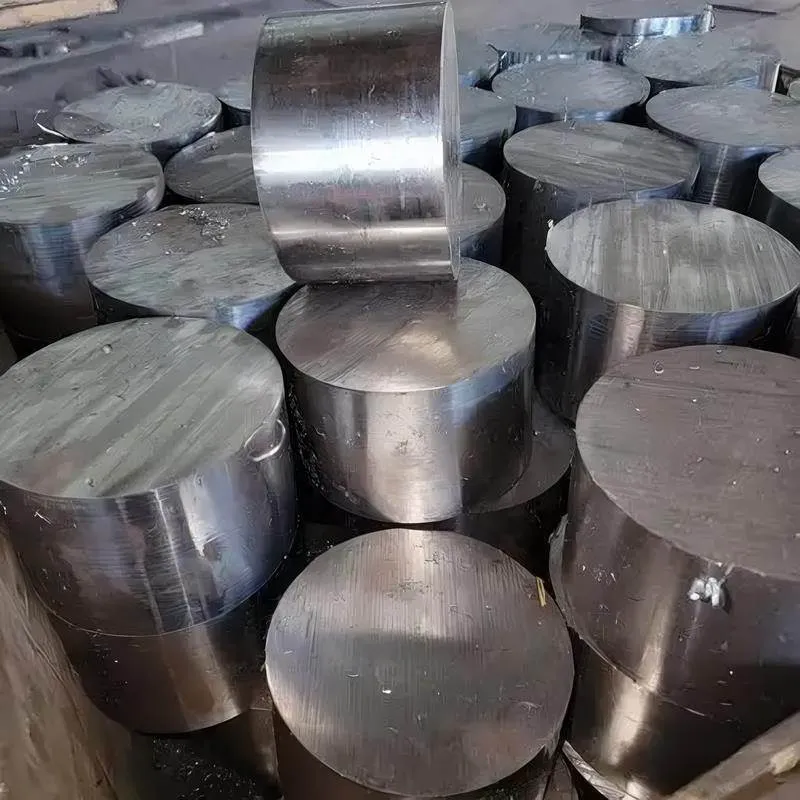
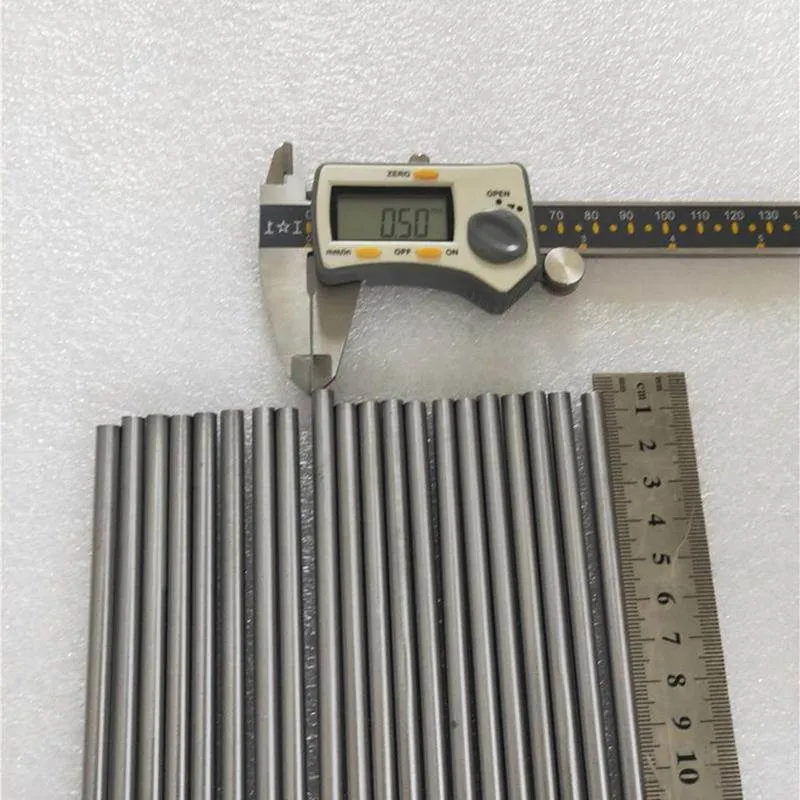
Meehanite,CRS Corrosion Resisting Cast Iron Rod/Bar
Product Code : STI-IFe-161-CU
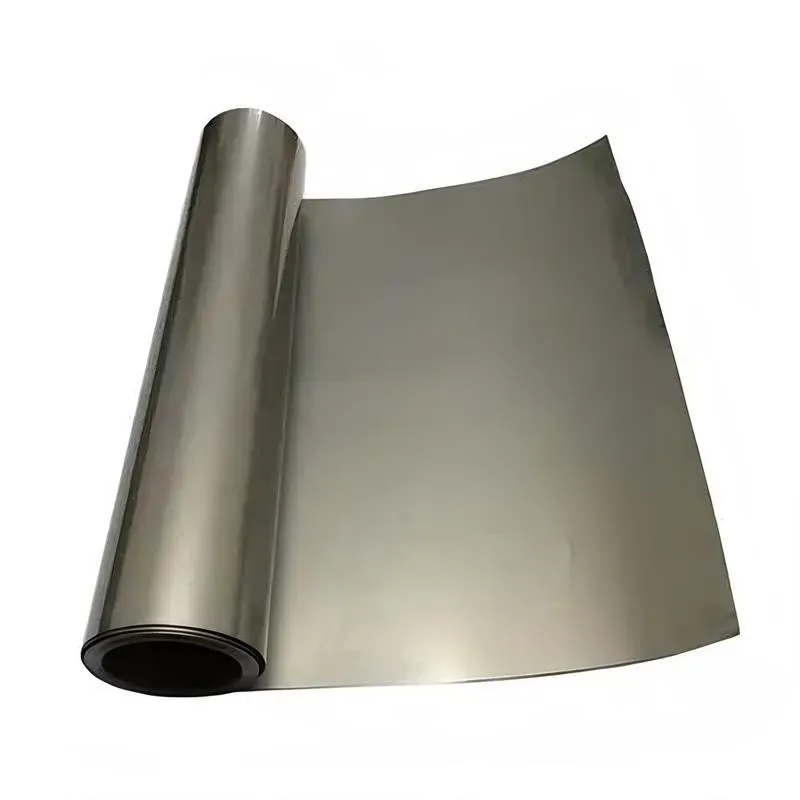
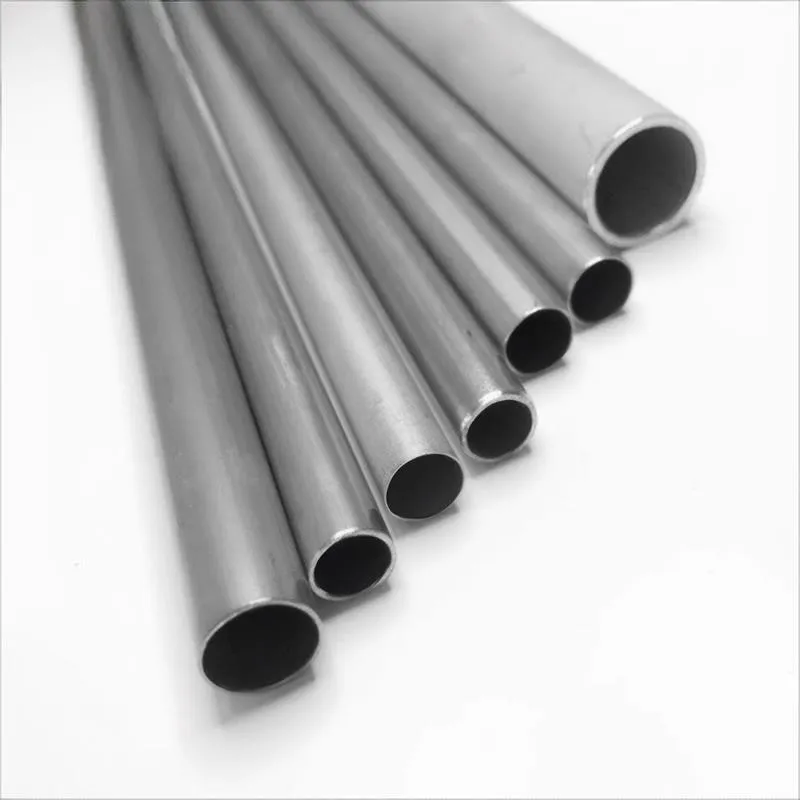
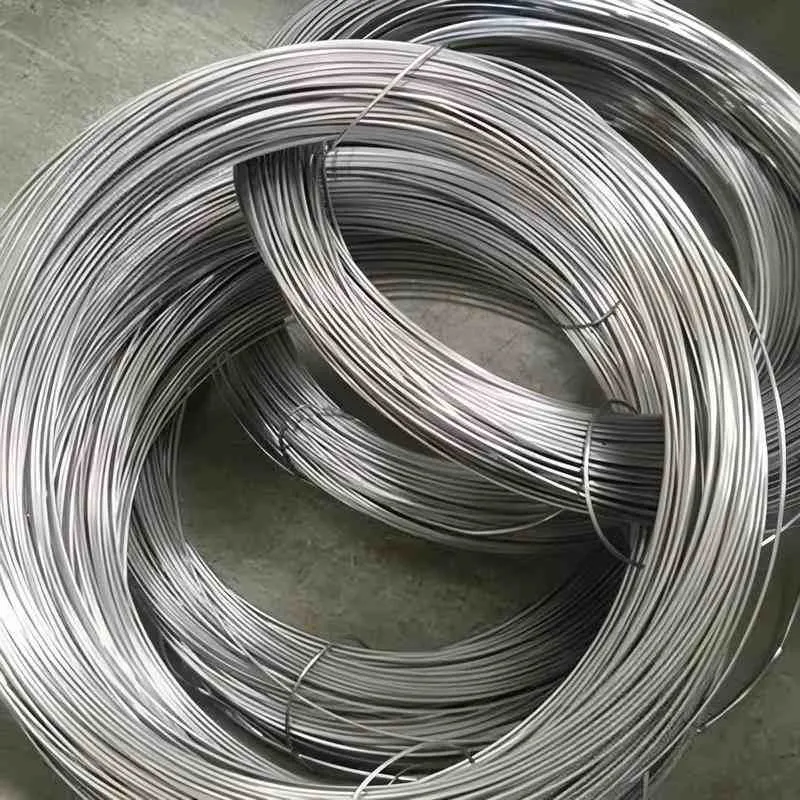
We provide Meehanite CRS Corrosion Resisting Cast Iron Rod/Bar is available in Bar (Round bar, Flat bar), Ribbon, Wire, Rod/Bars, Tube,Seamless Tube,Pipe, Ingots, Plate, Sheet, Strip and Forging Stock.,Purity, chemical composition, size, etc. can all be customized to meet specific requirements.
Please contact us if you need customized services. We will contact you with the price and availability in 24 hours.
Meehanite CRS Corrosion Resisting Cast Iron Rod Product Information
-:-
For detailed product information, please contact sales.
-:
Meehanite CRS Corrosion Resisting Cast Iron Rod Synonyms
-:-
For detailed product information, please contact sales.
-:
Meehanite CRS Corrosion Resisting Cast Iron Product Information
-:-
For detailed product information, please contact sales.
-:
## **Meehanite CRS Series: Corrosion & Scaling Resistant High-Silicon Cast Iron**
### **1. Product Overview**
Meehanite CRS represents an advanced generation of high-silicon cast iron engineered for applications requiring simultaneous resistance to **both aggressive corrosion and elevated temperature scaling**. The "CRS" designation stands for **Corrosion and Scaling Resistant**, distinguishing it from standard high-silicon corrosion-resistant grades by offering enhanced performance in environments involving **thermal cycling, oxidation at high temperatures, and chemical attack**. This alloy combines the renowned corrosion resistance of high-silicon irons with improved microstructural stability and scaling resistance, making it suitable for dual-challenge environments where heat and corrosion coexist.
This specialized material addresses the limitations of standard high-silicon irons in applications involving temperature fluctuations and oxidizing atmospheres, providing a unique solution for industries processing hot corrosive media.
---
### **2. Chemical Composition**
The CRS composition builds upon traditional high-silicon formulas with strategic alloying additions that enhance both high-temperature stability and corrosion resistance:
**Base Composition:**
- **Silicon (Si):** 14.0–15.5% (Forms protective SiO₂ layer)
- **Carbon (C):** 0.7–1.2% (Optimized for strength and castability)
- **Manganese (Mn):** 0.5–1.0%
**Enhanced Alloying Elements:**
- **Chromium (Cr):** 4.0–6.0% (Critical for scaling resistance and enhanced passivation)
- **Molybdenum (Mo):** 1.5–3.0% (Improves pitting resistance and high-temperature strength)
- **Nickel (Ni):** 0.5–1.5% (Optional, improves toughness and thermal shock resistance)
- **Copper (Cu):** 0.3–0.8% (Enhances sulfuric acid resistance)
**Impurity Control:**
- **Phosphorus (P):** < 0.10%
- **Sulfur (S):** < 0.04%
**Microstructural Characteristics:**
- Primary ferritic matrix with chromium-molybdenum carbides
- Fine, uniformly distributed graphite structure
- Complex intermetallic silicide phases stabilized by chromium
- Dense, adherent oxide scale formation capability
---
### **3. Physical & Mechanical Properties**
#### **Physical Properties:**
- **Density:** 7.0–7.2 g/cm³
- **Melting Range:** 1150–1200°C (2100–2190°F)
- **Thermal Conductivity:** 16–22 W/m·K (at 20°C)
- **Specific Heat:** 0.46–0.52 kJ/kg·K
- **Thermal Expansion Coefficient:** 10.5–11.5 × 10⁻⁶/°C (20–400°C)
- **Electrical Resistivity:** 80–100 μΩ·cm
#### **Mechanical Properties (Room Temperature):**
- **Tensile Strength:** 140–190 MPa
- **Compressive Strength:** 600–750 MPa
- **Modulus of Elasticity:** 100–120 GPa
- **Elongation:** < 1%
- **Hardness:** 350–450 HB
- **Fracture Toughness:** 12–18 MPa√m
- **Fatigue Strength:** 60–80 MPa (10⁷ cycles)
#### **Elevated Temperature Performance:**
- **Maximum Continuous Service:** 400–450°C (750–840°F) in corrosive environments
- **Scaling Resistance:** Excellent up to 850°C (1560°F) in oxidizing atmospheres
- **Thermal Cycling Resistance:** Good resistance to thermal shock compared to standard high-silicon irons
- **Creep Resistance:** Moderate, suitable for moderately loaded applications at elevated temperatures
#### **Corrosion Performance:**
- **Oxidizing Acids:** Excellent resistance to nitric, chromic, and concentrated sulfuric acids
- **Reducing Acids:** Good resistance to dilute sulfuric and hydrochloric acids (especially with Mo addition)
- **Chloride Solutions:** Superior pitting and crevice corrosion resistance compared to standard high-silicon grades
- **Alkaline Media:** Limited resistance to hot concentrated alkalis
- **Erosion-Corrosion:** Good resistance to slurry and high-velocity fluids
---
### **4. Product Applications**
#### **Chemical Processing at Elevated Temperatures:**
- **Hot Acid Handling:** Pump casings, valves, and piping systems for acids at elevated temperatures
- **Reactor Components:** Liners, agitators, and baffles for exothermic chemical reactions
- **Heat Exchanger Parts:** Tube sheets, headers, and distribution plates in corrosive service
#### **Energy & Power Generation:**
- **Flue Gas Desulfurization:** Hot gas ducting, dampers, and scrubber components
- **Waste Incineration:** Ash handling systems, quench tanks, and gas cooling components
- **Geothermal Energy:** Brine handling pumps and valves
#### **Metallurgical & Mineral Processing:**
- **Acid Leaching Systems:** Pressure vessels, autoclaves, and associated piping
- **Smelter Gas Cleaning:** Wet electrostatic precipitator components, quench systems
- **Pickling Lines:** Heating coils, tanks, and circulation systems for hot acids
#### **Environmental Engineering:**
- **Thermal Oxidation Systems:** Components handling hot corrosive off-gases
- **Wastewater Thermal Treatment:** Heat recovery systems in corrosive environments
- **Biomass Processing:** Equipment handling hot acidic process streams
#### **Specialized Manufacturing:**
- **High-Temperature Electroplating:** Anode baskets, heating elements, and tank components
- **Chemical Vapor Deposition:** Reactor components and exhaust systems
- **Catalyst Production:** Equipment for catalyst preparation and regeneration
---
### **5. International & Relevant Standards**
#### **Material Specifications:**
- **ASTM A518M Grade 4:** *High-Silicon Chromium-Molybdenum Iron* (Custom specification often referenced for CRS-type alloys)
- **DIN 1695 G-X 300 CrMoSi 15 5 2:** *German standard for alloyed high-silicon cast iron*
- **ISO 2893:** *High silicon cast irons* (Historical reference, though specific CRS grades may exceed these specifications)
#### **Performance Testing Standards:**
- **ASTM G48:** *Test Methods for Pitting and Crevice Corrosion Resistance of Stainless Steels and Related Alloys*
- **ASTM G31:** *Practice for Laboratory Immersion Corrosion Testing of Metals*
- **ISO 3651-2:** *Determination of resistance to intergranular corrosion*
#### **Application-Specific Standards:**
- **API 610:** *Centrifugal Pumps for Petroleum, Petrochemical and Natural Gas Industries* (Annex H for corrosive service materials)
- **ANSI/ASME B16.1:** *Gray Iron Pipe Flanges and Flanged Fittings* (For component design)
- **ISO 13709/API 610:** *Pump standards referencing corrosion-resistant materials*
#### **Manufacturing & Quality Standards:**
- **ASTM A781/A781M:** *Standard Specification for Castings, Steel and Alloy, Common Requirements, for General Industrial Use*
- **ISO 4990:** *Steel castings — General technical delivery requirements*
---
### **6. Design & Application Guidelines**
#### **Advantages:**
1. **Dual Resistance:** Exceptional combined corrosion and scaling resistance
2. **Cost-Effectiveness:** More economical than high-nickel alloys for many applications
3. **Wear Resistance:** Good abrasion resistance in corrosive slurries
4. **Dimensional Stability:** Maintains shape and dimensions in thermal cycling
5. **Long Service Life:** Proven durability in aggressive environments
#### **Limitations & Considerations:**
- **Brittleness:** Low impact resistance and fracture toughness
- **Machining Difficulty:** Can only be ground or machined with specialized tools
- **Thermal Shock Sensitivity:** Requires careful thermal management
- **Design Constraints:** Components must be cast to near-net shape
- **Joining Challenges:** Not weldable by conventional methods
#### **Selection Criteria:**
1. **Service Temperature:** Maximum 450°C for continuous corrosive service
2. **Chemical Environment:** Compatibility with specific process media must be verified
3. **Mechanical Stresses:** Limited to low-stress applications
4. **Thermal Cycling:** Rate and frequency must be controlled
5. **Fabrication Method:** Casting design must accommodate material characteristics
---
### **7. Comparative Performance**
**vs. Standard High-Silicon Iron (ASTM A518 Grade 3):**
- Superior scaling resistance at elevated temperatures
- Better thermal shock resistance
- Enhanced chloride pitting resistance
- Slightly improved mechanical properties
**vs. Nickel-Chromium Alloys (Hastelloy, Inconel):**
- Lower cost (typically 30-50% of nickel alloys)
- Better wear resistance in abrasive-corrosive environments
- Comparable corrosion resistance in many oxidizing acids
- More limited temperature capability and ductility
**vs. Stainless Steels (316L, 904L):**
- Superior corrosion resistance in concentrated oxidizing acids
- Better erosion-corrosion resistance
- Lower mechanical strength and fabrication flexibility
---
### **8. Technical Development & Variants**
**CRS-HT Variant:** Higher temperature version with adjusted chromium and silicon for service up to 500°C
**CRS-Mo Enhanced:** Higher molybdenum content (up to 4%) for severe chloride environments
**CRS-LC Variant:** Lower carbon version for improved thermal shock resistance
---
### **Conclusion**
Meehanite CRS represents a specialized engineering solution for applications where conventional materials fail due to the combined effects of corrosion and elevated temperature exposure. By combining the proven corrosion resistance of high-silicon cast iron with enhanced scaling resistance through strategic alloying, this material fills a unique niche in chemical processing, energy, and environmental applications. While its mechanical limitations require careful design consideration, its proven performance in dual-challenge environments makes it a technically sound and economically viable choice for specific demanding applications. For critical service, prototype testing under actual process conditions is strongly recommended.
-:-
For detailed product information, please contact sales.
-:
Meehanite CRS Corrosion Resisting Cast Iron Specification
Dimensions
Size:
Diameter 20-1000 mm Length <6637 mm
Size:We can customized as required
Standard:
Per your request or drawing
We can customized as required
Properties(Theoretical)
Chemical Composition
-:-
For detailed product information, please contact sales.
-:
Meehanite CRS Corrosion Resisting Cast Iron Properties
-:-
For detailed product information, please contact sales.
-:
Applications of Meehanite CRS Corrosion Resisting Cast Iron Rod
-:-
For detailed product information, please contact sales.
-:
Chemical Identifiers Meehanite CRS Corrosion Resisting Cast Iron Rod
-:-
For detailed product information, please contact sales.
-:
Packing of Meehanite CRS Corrosion Resisting Cast Iron Rod
-:-
For detailed product information, please contact sales.
-:
Standard Packing:
-:-
For detailed product information, please contact sales.
-:
Typical bulk packaging includes palletized plastic 5 gallon/25 kg. pails, fiber and Steel Rod drums to 1 ton super sacks in full container (FCL) or truck load (T/L) quantities. Research and sample quantities and hygroscopic, oxidizing or other air sensitive materials may be packaged under argon or vacuum. Solutions are packaged in polypropylene, plastic or glass jars up to palletized 3108 gallon liquid totes Special package is available on request. E FORUs’ is carefully handled to minimize damage during storage and transportation and to preserve the quality of our products in their original condition