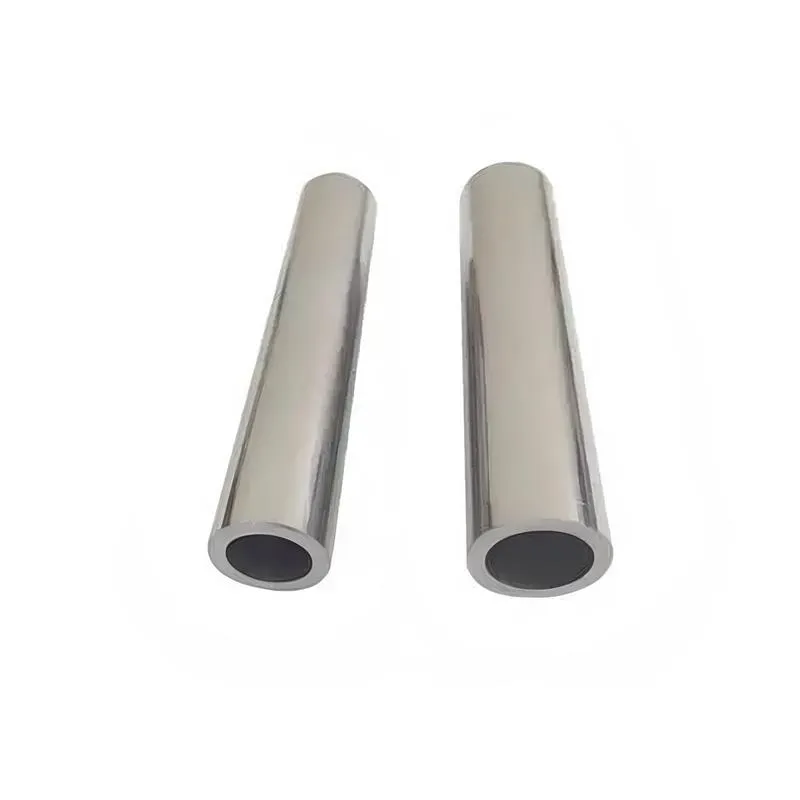
MetalTek,MTEK HC-250 Cast UNS F45009 Abrasion Resistant Cast Iron Tube,Pipe
Product Code : STI-IFe-165-CU
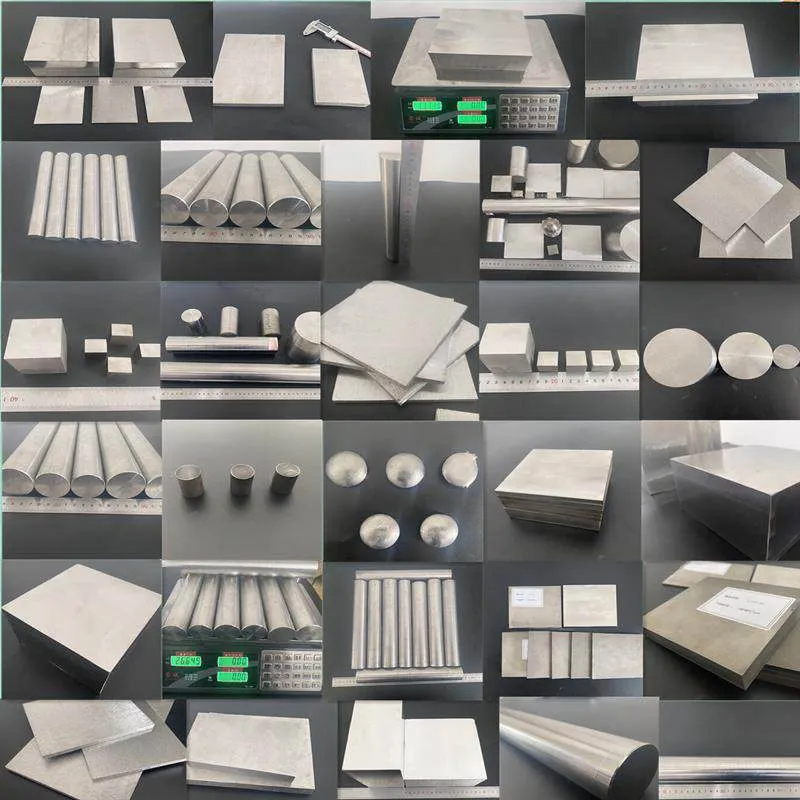
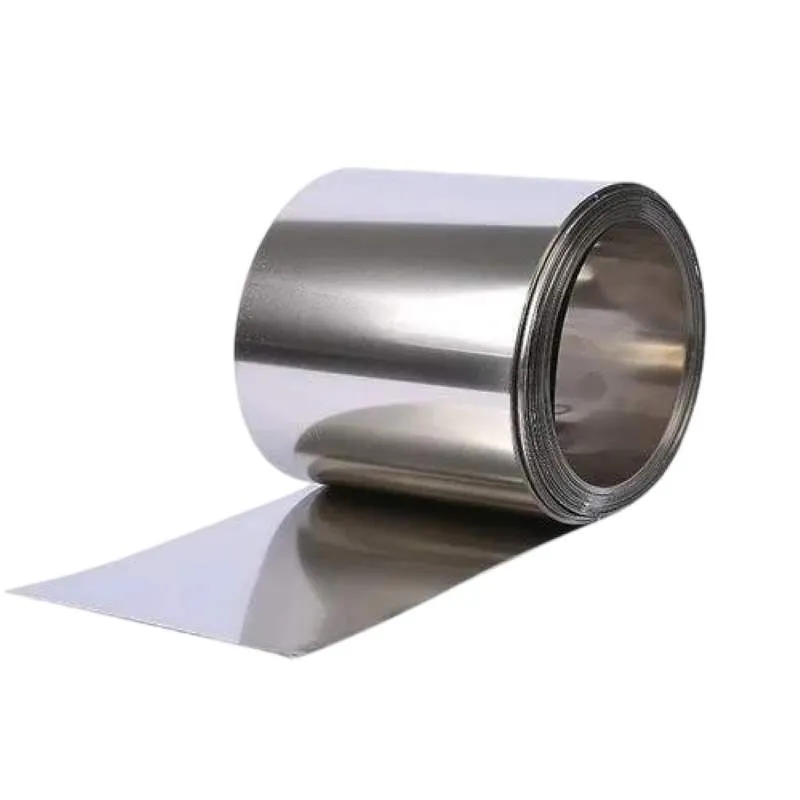
We provide MetalTek MTEK HC-250 Cast UNS F45009 Abrasion Resistant Cast Iron Tube is available in Bar (Round bar, Flat bar), Ribbon, Wire, Rods, Tube,Seamless Tube,Pipe, Ingots, Plate, Sheet, Strip and Forging Stock.,Purity, chemical composition, size, etc. can all be customized to meet specific requirements.MetalTek,MTEK HC-250 Cast UNS F45009 Abrasion Resistant Cast Iron Pipe
Please contact us if you need customized services. We will contact you with the price and availability in 24 hours.
MetalTek MTEK HC-250 Cast UNS F45009 Abrasion Resistant Cast Iron Tube Product Information
-:-
For detailed product information, please contact sales.
-:
MetalTek MTEK HC-250 Cast UNS F45009 Abrasion Resistant Cast Iron Tube Synonyms
-:-
For detailed product information, please contact sales.
-:
MetalTek MTEK HC-250 Cast UNS F45009 Abrasion Resistant Cast Iron Product Information
-:-
For detailed product information, please contact sales.
-:
## **MetalTek MTEK HC-250 (UNS F45009) Ultra High-Chromium, High-Carbon Abrasion Resistant Cast Iron**
### **1. Product Overview**
**MetalTek MTEK HC-250**, standardized under **UNS F45009**, represents the premium grade within the high-chromium white cast iron family, engineered for **maximum abrasion resistance in the most severe industrial wear environments**. The "HC-250" designation signifies **High-Chromium** alloy with a **target hardness of 250 HB above baseline Class III irons**, typically achieving **66-70 HRC (725-850 HB)** in production. This alloy pushes the boundaries of wear performance through an optimized balance of ultra-high carbide volume fraction and sophisticated matrix metallurgy.
As an evolution beyond standard HC-225 formulations, MTEK HC-250 incorporates precise alloying refinements to deliver extended service life in applications involving **extreme high-stress abrasion, severe impact-abrasion, and erosive wear conditions** where total cost of ownership outweighs initial material investment.
---
### **2. Chemical Composition**
MTEK HC-250 features a scientifically refined chemical composition that maximizes both primary carbide formation and secondary matrix strengthening mechanisms.
| Element | Composition Range (%) | Metallurgical Function |
|---------|----------------------|-----------------------|
| **Carbon (C)** | 3.6 – 4.2 | Drives hypereutectic carbide formation; achieves 40-48% carbide volume fraction for ultimate abrasion resistance. |
| **Chromium (Cr)** | 25.0 – 30.0 | Forms primary M₇C₃ carbides with optimized morphology; enhances matrix corrosion/oxidation resistance at elevated temperatures. |
| **Molybdenum (Mo)** | 2.5 – 4.0 | Provides deep hardenability for heavy sections; forms secondary Mo₂C carbides for matrix strengthening and thermal stability. |
| **Nickel (Ni)** | 1.2 – 2.5 | Ensures complete martensitic transformation in ultra-heavy sections (>150mm); stabilizes austenite during casting. |
| **Manganese (Mn)** | 0.8 – 1.8 | Supports austenite stability and hardenability; counteracts sulfur impurities. |
| **Silicon (Si)** | 0.3 – 0.7 | Controlled deoxidizer; optimized to prevent pearlite formation while avoiding graphite precipitation. |
| **Vanadium (V)** | 0.1 – 0.5 | Optional addition for grain refinement and formation of ultra-hard VC carbides that enhance micro-abrasion resistance. |
| **Boron (B)** | 0 – 0.005 | Trace addition for hardenability enhancement and carbide morphology refinement. |
| **Sulfur (S)** | ≤ 0.04 | Strictly controlled impurity. |
| **Phosphorus (P)** | ≤ 0.04 | Strictly controlled impurity. |
**Microstructural Characteristics:**
- **Carbide Phase:** 40-48% volume fraction of primary M₇C₃ chromium carbides with refined blocky morphology
- **Matrix Structure:** Full martensitic matrix with minimal retained austenite (<5%)
- **Secondary Hardening:** Fine dispersion of Mo₂C and possible VC carbides within martensitic matrix
- **Carbide Network:** Semi-continuous carbide network providing exceptional wear resistance but requiring careful thermal management
---
### **3. Physical & Mechanical Properties**
#### **Physical Properties:**
- **Density:** 7.68 – 7.78 g/cm³
- **Solidus Temperature:** 1210 – 1250 °C
- **Liquidus Temperature:** 1300 – 1350 °C
- **Thermal Conductivity:** 17 – 21 W/m·K (20-400°C)
- **Coefficient of Thermal Expansion:** 8.8 – 9.8 × 10⁻⁶ /°C (20-400°C)
- **Specific Heat Capacity:** 0.46 – 0.50 kJ/kg·K
#### **Mechanical Properties (Heat-Treated Condition):**
- **Macro-Hardness:** **66 – 70 HRC** (725 – 850 HBW)
- **Microhardness (Carbides):** 1400 – 1800 HV (M₇C₃ phase)
- **Microhardness (Matrix):** 750 – 900 HV (martensitic matrix)
- **Abrasion Resistance (ASTM G65):** **25-40% superior** to standard Class III Type A alloys; benchmark performance in severe abrasion testing
- **Compressive Strength:** 2400 – 2800 MPa
- **Compressive Yield Strength (0.2%):** 2100 – 2400 MPa
- **Tensile Strength:** 550 – 750 MPa
- **Modulus of Elasticity:** 205 – 215 GPa
- **Impact Toughness (Charpy Unnotched):** **2 – 8 J** (extremely brittle)
- **Fracture Toughness (K_IC):** 12 – 18 MPa√m
- **Rotating Beam Fatigue Strength:** 180 – 240 MPa (10⁷ cycles)
#### **Wear Performance Characteristics:**
- **Relative Wear Resistance Index:** 1.8 – 2.2 × standard Ni-Hard IV
- **Gouging Abrasion Resistance:** Exceptional performance in ASTM G81 testing
- **Erosion Resistance:** Excellent at angles <30° (cutting wear dominated); good at 90° angles
- **High-Temperature Hardness Retention:** Maintains >60 HRC to 450°C
#### **Heat Treatment Protocol:**
1. **Stress Relief (As-Cast):** 480 – 520°C / 2-4 hours
2. **Destabilization:** 980 – 1010°C / 4-8 hours (section dependent)
3. **Quenching:** Forced air or still air (oil quenching available for specific applications)
4. **Multiple Stage Tempering:**
- Primary temper: 200 – 250°C / 4-6 hours
- Secondary temper: 450 – 480°C / 4-8 hours (optional for stress relief)
- Final temper: 200 – 220°C / 2-4 hours
5. **Deep Cryogenic Treatment:** Optional at -80 to -120°C for maximum retained austenite transformation
---
### **4. Product Applications**
#### **Extreme Duty Mining & Mineral Processing:**
- **Ultra-Abrasive Slurry Handling:** Impellers, volutes, and liners for iron ore, copper concentrate, and oil sands slurries with >70% solids content
- **Tertiary & Quaternary Crushing:** Cone crusher mantles/concaves for hard, abrasive ores (taconite, quartzite)
- **High-Pressure Grinding Rolls (HPGR):** Roll surfaces for cement clinker and diamond ore processing
- **SAG Mill Liners** for high-impact grinding circuits
#### **Cement & Clinker Processing:**
- **Clinker Crusher Hammers & Impact Plates** for >6000 tpd production lines
- **Vertical Roller Mill (VRM) Components:** Rollers and table segments for high-efficiency grinding
- **Cooler Grate Plates** in high-temperature zones
#### **Power Generation (Severe Conditions):**
- **Low-NOx Burner Nozzles** and components in pulverized coal systems
- **Biomass & Waste-to-Energy Plant Components:** Grate systems, ash handling equipment
#### **Specialized Industrial Applications:**
- **Shot Blasting Machine Components:** Turbine blades, impellers for high-production facilities
- **Brick & Clay Processing:** Extruder screws, die liners for abrasive ceramic materials
- **Pulp & Paper:** Refiner plates for secondary fiber processing with high contaminant levels
---
### **5. International & Relevant Standards**
#### **Material Specifications:**
- **ASTM A532/A532M:** Aligns with **Class III Type A** specifications but exceeds minimum requirements through proprietary processing
- **UNS Designation: F45009** - Specific classification for ultra-high chromium cast irons
- **ISO 21988:** Comparable to **GX 350 CrMo 29 2-1** specification ranges
- **DIN EN 12513:** **G-X 350 CrMoNi 29 2-1-1** represents the closest standardized equivalent
- **JIS G5511:** Exceeds standard specifications for chromium cast irons
#### **Application & Testing Standards:**
- **ASTM G65-16:** Standard Test Method for Measuring Abrasion Using the Dry Sand/Rubber Wheel Apparatus
- **ASTM G81-97a:** Standard Test Method for Jaw Crusher Gouging Abrasion Test
- **ASTM E384-22:** Standard Test Method for Microindentation Hardness of Materials
- **ASTM E562-19:** Standard Test Method for Determining Volume Fraction by Systematic Manual Point Count
- **ISO 13583-1:** Centrifugally cast steel and alloy products for resistance to abrasion and corrosion
#### **Quality Assurance Standards:**
- **ASTM A781/A781M:** Standard Specification for Castings, Steel and Alloy, Common Requirements
- **ISO 4990:** Steel castings — General technical delivery requirements
- **NAVSEA T9074-AS-GIB-010/278:** Military specification for hardness requirements
---
### **6. Technical Advantages & Design Limitations**
#### **Key Advantages:**
1. **Maximum Wear Life:** Industry-leading abrasion resistance through optimized carbide volume and matrix hardness
2. **Heavy Section Capability:** Maintains consistent properties in sections up to 300mm through advanced alloy design
3. **Thermal Stability:** Retains hardness and microstructure at elevated operating temperatures
4. **Corrosion-Abrasion Synergy:** Superior performance in acidic or corrosive slurries compared to lower-alloy alternatives
#### **Critical Limitations:**
1. **Extreme Brittleness:** Requires careful handling and installation; cannot withstand impact loading
2. **Thermal Shock Sensitivity:** Maximum recommended temperature gradient of 50°C/minute during heating/cooling
3. **Zero Machinability:** Components must be cast to final dimensions; grinding is the only feasible finishing method
4. **High Residual Stress:** Requires sophisticated heat treatment protocols to prevent cracking
#### **Design & Application Guidelines:**
- **Minimum Section Thickness:** 25mm to ensure proper carbide formation
- **Maximum Section Thickness:** 300mm for controlled solidification
- **Wall Transition Ratios:** 1.5:1 maximum for adjacent sections
- **Fillet Radii:** Minimum 10mm on all internal corners
- **Support Structure Requirements:** Continuous, rigid backing with 100% surface contact
- **Fastening Methods:** Mechanical retention preferred over welding; specialized welding procedures required if necessary
- **Quality Validation:** 100% ultrasonic testing recommended for critical components >50mm thickness
---
### **7. Comparative Performance Data**
**Relative Wear Life Comparison (Field Data):**
- 1.3–1.5 × HC-225/UNS F45005
- 1.8–2.2 × Standard Class III Type A (UNS F45000)
- 2.5–3.0 × Ni-Hard IV
- 4.0–5.0 × ASTM A532 Class I (Ni-Hard I)
**Cost-Performance Analysis:**
- **Initial Cost Premium:** 25–40% over standard high-chromium irons
- **Life Extension Factor:** 30–60% in severe applications
- **Typical ROI Period:** 6–18 months in high-wear applications
- **Total Cost of Ownership:** 15–30% reduction over 3-year period
---
### **8. Manufacturing Considerations**
#### **Foundry Requirements:**
- **Melting Practice:** Electric arc furnace or induction melting with precise temperature control
- **Pouring Temperature:** 1380–1420°C with protective atmosphere
- **Molding Methods:** No-bake sand or ceramic molding for dimensional accuracy
- **Pattern Allowance:** 1.8–2.2% linear contraction allowance
- **Quality Control:** Spectrochemical analysis for each heat, microstructural evaluation for each casting lot
#### **Non-Destructive Testing:**
- **Ultrasonic Testing:** Per ASTM A609 for heavy sections
- **Dye Penetrant Inspection:** Per ASTM E165 for surface defects
- **Radiographic Testing:** Per ASTM E94 for critical applications
---
### **9. Technical Support & Engineering Services**
MetalTek provides comprehensive application engineering support for MTEK HC-250, including:
- **Wear Analysis & Material Selection Consultation**
- **Component Design & Pattern Engineering**
- **Heat Treatment Optimization for specific applications**
- **Field Performance Monitoring & Life Prediction**
- **Failure Analysis & Redesign Services**
---
### **10. Conclusion**
MetalTek MTEK HC-250 (UNS F45009) represents the pinnacle of abrasion-resistant cast iron technology, delivering unmatched wear resistance for the most demanding industrial applications. Through its optimized high-carbon, high-chromium composition and sophisticated heat treatment protocols, this alloy provides exceptional value in applications where extended service life and reduced downtime are critical. While requiring careful design consideration due to its inherent brittleness, HC-250 offers superior total cost of ownership in properly engineered applications involving extreme abrasion, making it the material of choice for critical wear components in mining, mineral processing, cement production, and heavy industrial operations.
**For optimal performance, consultation with MetalTek engineering teams during the design phase is strongly recommended to ensure proper application, design, and manufacturing of HC-250 components.**
-:-
For detailed product information, please contact sales.
-:
MetalTek MTEK HC-250 Cast UNS F45009 Abrasion Resistant Cast Iron Specification
Dimensions
Size:
Diameter 20-1000 mm Length <6641 mm
Size:We can customized as required
Standard:
Per your request or drawing
We can customized as required
Properties(Theoretical)
Chemical Composition
-:-
For detailed product information, please contact sales.
-:
MetalTek MTEK HC-250 Cast UNS F45009 Abrasion Resistant Cast Iron Properties
-:-
For detailed product information, please contact sales.
-:
Applications of MetalTek MTEK HC-250 Cast UNS F45009 Abrasion Resistant Cast Iron Tube
-:-
For detailed product information, please contact sales.
-:
Chemical Identifiers MetalTek MTEK HC-250 Cast UNS F45009 Abrasion Resistant Cast Iron Tube
-:-
For detailed product information, please contact sales.
-:
Packing of MetalTek MTEK HC-250 Cast UNS F45009 Abrasion Resistant Cast Iron Tube
-:-
For detailed product information, please contact sales.
-:
Standard Packing:
-:-
For detailed product information, please contact sales.
-:
Typical bulk packaging includes palletized plastic 5 gallon/25 kg. pails, fiber and Steel Tube drums to 1 ton super sacks in full container (FCL) or truck load (T/L) quantities. Research and sample quantities and hygroscopic, oxidizing or other air sensitive materials may be packaged under argon or vacuum. Solutions are packaged in polypropylene, plastic or glass jars up to palletized 3112 gallon liquid totes Special package is available on request. E FORUs’ is carefully handled to minimize damage during storage and transportation and to preserve the quality of our products in their original condition