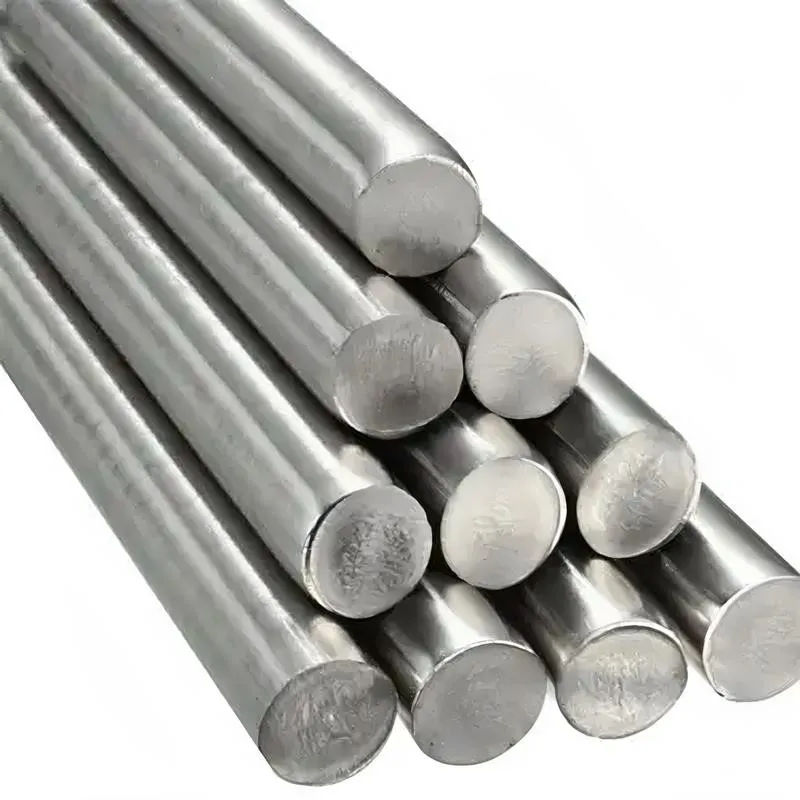
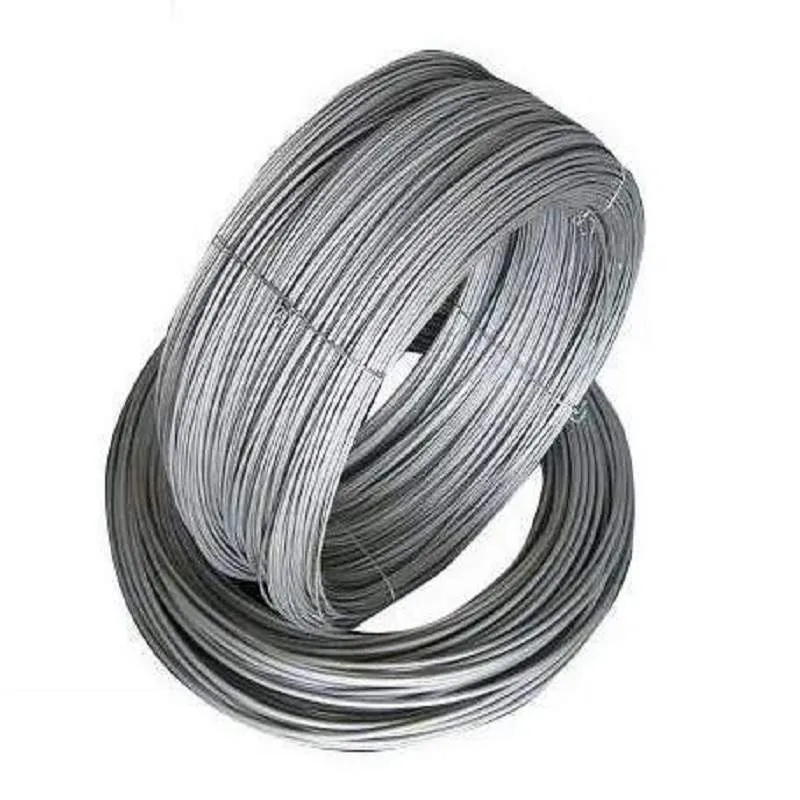
SAE J2477 AD 1200 Automotive Austempered Ductile Iron Rod/Bar
Product Code : STI-IFe-095-CU
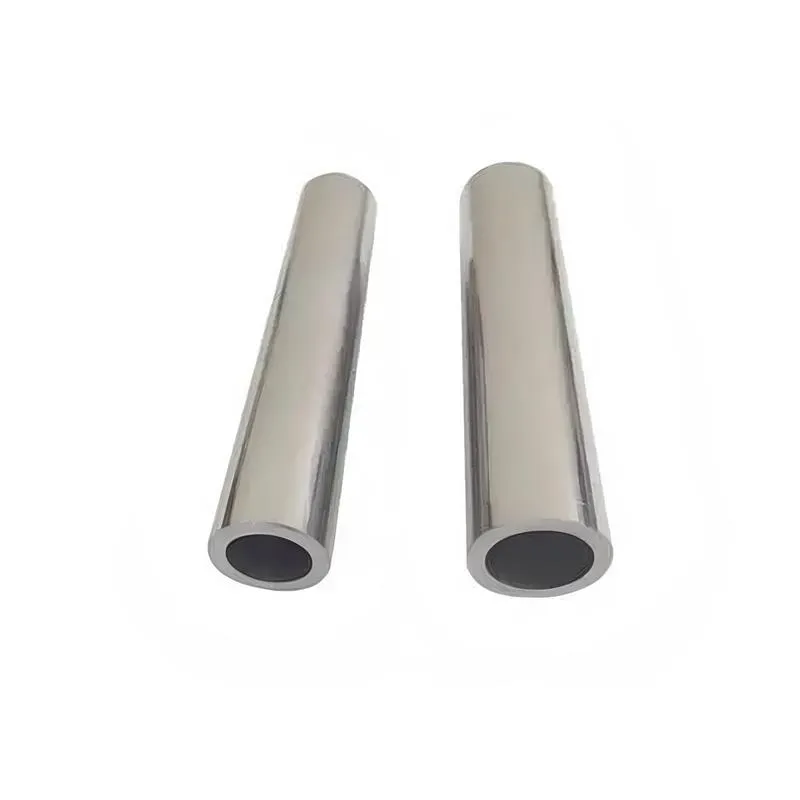
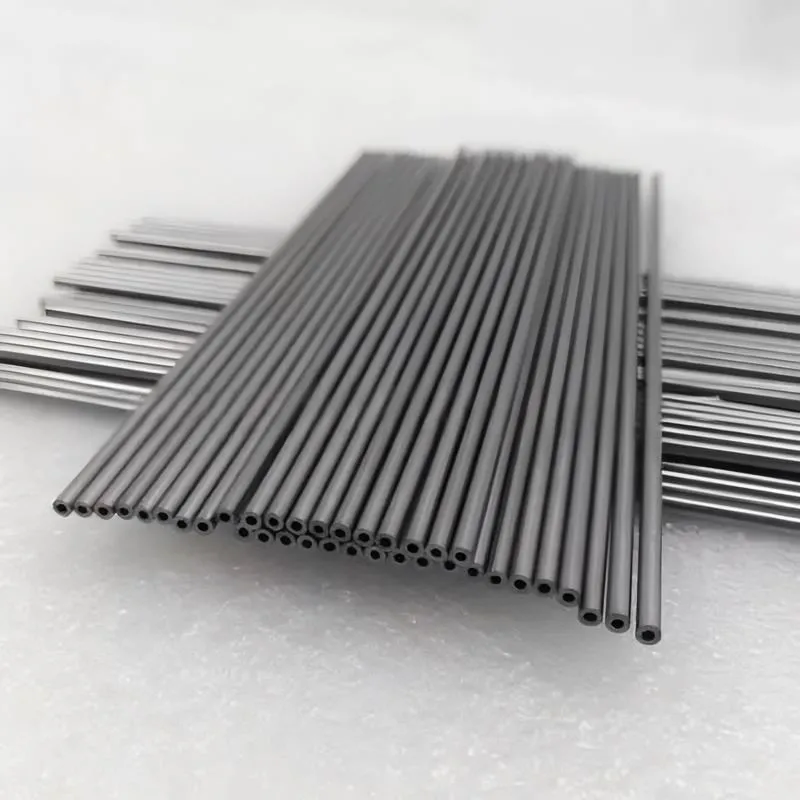
We provide SAE J2477 AD 1200 Automotive Austempered Ductile Iron Rod/Bar is available in Bar (Round bar, Flat bar), Ribbon, Wire, Rod/Bars, Tube,Seamless Tube,Pipe, Ingots, Plate, Sheet, Strip and Forging Stock.,Purity, chemical composition, size, etc. can all be customized to meet specific requirements.
Please contact us if you need customized services. We will contact you with the price and availability in 24 hours.
SAE J2477 AD 1200 Automotive Austempered Ductile Iron Rod Product Information
-:-
For detailed product information, please contact sales.
-:
SAE J2477 AD 1200 Automotive Austempered Ductile Iron Rod Synonyms
-:-
For detailed product information, please contact sales.
-:
SAE J2477 AD 1200 Automotive Austempered Ductile Iron Product Information
-:-
For detailed product information, please contact sales.
-:
# **Product Technical Data Sheet: SAE J2477 AD 1200 Automotive Austempered Ductile Iron (ADI)**
---
## **1. Product Overview**
**SAE J2477 AD 1200** represents the **ultimate performance tier** of standardized automotive-grade Austempered Ductile Iron, achieving mechanical properties that **directly challenge ultra-high-strength alloy steels** in demanding vehicle applications. With a minimum tensile strength of **1200 MPa (174 ksi)**, this exceptional material operates at the practical limits of ADI technology, delivering **unprecedented strength-to-weight ratio** combined with critical damage tolerance. Through precisely controlled low-temperature austempering, AD 1200 develops a **nanoscale ausferritic microstructure** that provides a unique combination of **extreme strength, meaningful ductility, and fatigue performance** superior to many quenched and tempered steels of equivalent hardness. This grade is engineered for revolutionary applications in next-generation vehicle architectures where maximizing performance while minimizing mass is paramount.
---
## **2. Governing Standards & Specifications**
This specification defines the performance frontier for automotive ADI, with connections to the highest international grades.
* **Primary Standard:**
* **SAE J2477** - *Austempered Ductile (Nodular) Iron Castings (Automotive)*
* **Performance Equivalents:**
* **ASTM A897/A897M:** Directly equivalent to **Grade 1200/850/04** (1200 MPa UTS, 850 MPa YS, 4% elongation).
* **ISO 17804:** Corresponds to **ADI 1200-850-04** or **JS/1200/4/380/12**.
* **Automotive Implementation Requirements:**
* **IATF 16949** with advanced quality planning.
* **Comprehensive PPAP** with extensive material and process validation.
* **Key Referenced Testing Standards:**
* **Tensile Test:** ASTM E8 (with high-precision extensometry)
* **Hardness:** ASTM E18 (Rockwell C), ASTM E10 (Brinell)
* **Fracture Toughness:** ASTM E1820 (JIC testing may be specified)
* **Microstructure:** ASTM A247, supplemented with SEM/TEM analysis
* **Fatigue Testing:** ASTM E466 and component-specific protocols
---
## **3. Typical Chemical Composition (Base Iron)**
Achieving consistent AD 1200 properties requires laboratory-grade chemistry control and optimized alloy design.
| Element | Target Range (%) | Metallurgical Imperative for AD 1200 |
| :--- | :--- | :--- |
| **Carbon (C)** | 3.3 - 3.6 | Aggressively controlled to balance matrix strengthening with ausferrite formation capability; reduced graphite content compared to lower grades. |
| **Silicon (Si)** | **2.2 - 2.5** | **Precisely optimized** - sufficient to suppress carbide formation at ultra-low temperatures but minimized to prevent excessive austenite stabilization that would reduce strength. |
| **Manganese (Mn)** | **≤ 0.15** | **Near-elimination** - any segregation creates brittle micro-constituents that destroy toughness at this strength level. |
| **Molybdenum (Mo)** | **0.45 - 0.70** | **Critical hardenability element** - ensures full ausferritic transformation at the lowest practical austempering temperatures. |
| **Copper (Cu)** | **1.0 - 1.5** | **Primary alloy** - provides deep, uniform hardenability and significant solid solution strengthening. |
| **Nickel (Ni)** | **1.2 - 2.0** | **Essential** - guarantees through-hardening in production castings and improves the toughness of the ultra-fine microstructure. |
| **Chromium (Cr)** | 0.2 - 0.4 | May be added for enhanced hardenability and wear resistance. |
| **Vanadium (V)** | 0.05 - 0.15 | Sometimes added for grain refinement and precipitation strengthening. |
| **Magnesium (Mg)** | 0.04 - 0.07 | Ensures exceptional nodularity (>94%). |
| **Trace Elements** | **Ultra-low levels** | P, S, Sn, Sb controlled at levels comparable to high-purity steels. |
---
## **4. Physical & Mechanical Properties**
AD 1200 delivers performance characteristics that redefine the capabilities of cast automotive components.
| Property | SAE J2477 AD 1200 Requirement / Typical Value | Automotive Performance Impact |
| :--- | :--- | :--- |
| **Tensile Strength (UTS), min.** | **1200 MPa (174 ksi)** | Strength level comparable to premium ultra-high-strength steels (e.g., 300M, AerMet® alloys). |
| **Yield Strength (0.2% YS), min.** | **850 MPa (123 ksi)** | Exceptional resistance to plastic deformation; enables more aggressive lightweight designs. |
| **Elongation, min.** | **4%** | **Critical minimum ductility** - provides essential fracture resistance and distinguishes it from brittle materials. Achieving consistent 4% elongation is the primary technical challenge. |
| **Hardness (Brinell)** | **388 - 477 HBW** | Typically 400-430 HBW (~41-44 HRC). Provides outstanding wear and contact fatigue resistance. |
| **Modulus of Elasticity** | ~165 - 175 GPa | Maintains high stiffness. |
| **Charpy Impact (Unnotched)** | **20 - 40 J (Typical)** | Respectable energy absorption considering extreme strength. |
| **Charpy Impact (V-notch)** | **Typically 8 - 14 J @ 23°C** | Moderate fracture toughness; **highly notch-sensitive** design required. |
| **Fatigue Endurance Limit** | **~540 - 660 MPa** (≈ 0.45-0.55 x UTS) | **Exceptional fatigue resistance** - often exceeds quenched & tempered steels at equivalent hardness due to compressive surface stresses and microstructural advantages. |
| **Density** | **~7.1 g/cm³** | **Approximately 10% lighter than steel**, enabling significant mass reduction in safety-critical components. |
| **Damping Capacity** | **~2-3 times greater than steel** | Provides measurable NVH benefits despite high strength. |
| **Microstructure** | **Nanoscale Ausferrite** with minimal retained austenite (typically 10-20%). Achieved via **austempering at 180-230°C (355-445°F)**. | The extremely fine, low-temperature structure approaches lower bainite in morphology, providing exceptional strength. |
---
## **5. Product Applications in Advanced Automotive**
AD 1200 is specified for breakthrough applications in next-generation vehicle systems.
* **Electric Vehicle & Advanced Powertrains:**
* **High-torque reduction gears** and **planetary gear sets** in multi-speed EV transmissions.
* **E-axle differential components** for high-performance electric vehicles.
* **Motor rotor hubs** and **high-stress power electronics mounts**.
* **Performance & Motorsport Applications:**
* **Formula 1 and motorsport transmission gears**, **sequential gearbox components**.
* **High-performance suspension uprights** and **wheel hubs** in top-tier racing.
* **Safety-Critical Structural Components:**
* **Advanced brake calipers** for high-performance and heavy-duty applications.
* **Steering system components** in autonomous and high-performance vehicles.
* **Commercial Vehicle Innovations:**
* **Ultra-high-strength gear components** in next-generation heavy-duty transmissions.
* **Aerospace Ground Support & Defense:**
* **Specialized vehicle components** where weight and strength are critical.
---
## **6. Austempering Process & Manufacturing Technology**
* **Heat Treatment Process:** Requires industrial precision at the technological frontier.
* **Austenitizing:** 890-920°C with precise atmosphere control to prevent decarburization.
* **Quenching & Austempering:** Extremely rapid quench to **180-230°C** salt bath, held for 2.5-5+ hours.
* **Cooling:** Precisely controlled air cooling to manage residual stresses.
* **Process Criticality:** The **extremely narrow processing window** demands:
* **Advanced salt bath technology** with ±3°C uniformity.
* **Real-time process monitoring** and **adaptive control systems**.
* **Advanced simulation** of transformation kinetics for each component geometry.
* **Manufacturing Strategy:**
* **Near-net-shape casting** with minimal machining allowance.
* **Hard machining** exclusively with **PCBN (polycrystalline cubic boron nitride)** or **advanced ceramic tooling**.
* **Two-stage processing**: Rough machining in soft condition, austempering, then finish grinding/EDM.
* **Quality Challenges:** Consistent achievement of **4% minimum elongation** while maintaining 1200 MPa UTS represents the state-of-the-art in ADI production technology.
---
## **7. Quality Assurance & Validation Requirements**
**Specify:** **"Austempered Ductile Iron Castings, SAE J2477 AD 1200."**
**Mandatory Requirements for Automotive Implementation:**
1. **Complete Digital Thread:** Full traceability from melt chemistry to final component performance.
2. **Comprehensive Material Certification:**
* Full chemistry with trace element quantification.
* Mechanical properties from both separately cast bars **and** from multiple locations on actual production castings.
* **Advanced microstructure characterization** including SEM analysis of ausferrite morphology and retained austenite quantification via XRD.
3. **Extended PPAP Validation (Level 4-5):**
* **Process capability studies** demonstrating Cpk ≥ 1.67 for all critical properties.
* **Component-level fatigue testing** to validate design life.
* **Microstructural mapping** across multiple production batches.
* **Statistical analysis** of property distributions.
4. **100% Non-Destructive Evaluation:**
* **Fluorescent Penetrant Inspection (FPI)** on all surfaces.
* **Ultrasonic Testing (UT)** for internal soundness in high-integrity areas.
* **Residual stress analysis** on first articles.
5. **Process Validation:**
* **Heat treat recipe validation** for each distinct component geometry.
* **Microstructural consistency** verification across the entire production envelope.
---
## **8. Value Proposition & Implementation Strategy**
**SAE J2477 AD 1200 enables transformative automotive engineering:**
* **Direct Replacement of Ultra-High-Strength Steel Forgings** with 10% weight reduction and potential system cost savings.
* **Superior Fatigue Performance** enabling extended service intervals and reduced warranty risk.
* **Design Integration** of multiple components into single, complex castings impossible with forging technology.
* **Performance Enhancement** through mass reduction in rotating and unsprung components.
**Critical Implementation Guidelines:**
* **Early Supplier Involvement:** Essential during design phase.
* **Generous Design Geometry:** Minimum fillet radius R = 4-6mm in high-stress areas.
* **Surface Integrity Management:** Specified surface finish Ra ≤ 0.8 µm on fatigue-critical surfaces.
* **Comprehensive Validation:** Component-level testing under simulated service conditions is mandatory.
* **Cost-Benefit Analysis:** Justified for applications where performance or weight savings drive system value.
**SAE J2477 AD 1200 represents the pinnacle of high-volume automotive material innovation, offering a technological pathway to unprecedented performance in next-generation vehicle systems where every gram and every newton-meter count.**
-:-
For detailed product information, please contact sales.
-:
SAE J2477 AD 1200 Automotive Austempered Ductile Iron Specification
Dimensions
Size:
Diameter 20-1000 mm Length <6570 mm
Size:We can customized as required
Standard:
Per your request or drawing
We can customized as required
Properties(Theoretical)
Chemical Composition
-:-
For detailed product information, please contact sales.
-:
SAE J2477 AD 1200 Automotive Austempered Ductile Iron Properties
-:-
For detailed product information, please contact sales.
-:
Applications of SAE J2477 AD 1200 Automotive Austempered Ductile Iron Rod
-:-
For detailed product information, please contact sales.
-:
Chemical Identifiers SAE J2477 AD 1200 Automotive Austempered Ductile Iron Rod
-:-
For detailed product information, please contact sales.
-:
Packing of SAE J2477 AD 1200 Automotive Austempered Ductile Iron Rod
-:-
For detailed product information, please contact sales.
-:
Standard Packing:
-:-
For detailed product information, please contact sales.
-:
Typical bulk packaging includes palletized plastic 5 gallon/25 kg. pails, fiber and Steel Rod drums to 1 ton super sacks in full container (FCL) or truck load (T/L) quantities. Research and sample quantities and hygroscopic, oxidizing or other air sensitive materials may be packaged under argon or vacuum. Solutions are packaged in polypropylene, plastic or glass jars up to palletized 3041 gallon liquid totes Special package is available on request. E FORUs’ is carefully handled to minimize damage during storage and transportation and to preserve the quality of our products in their original condition