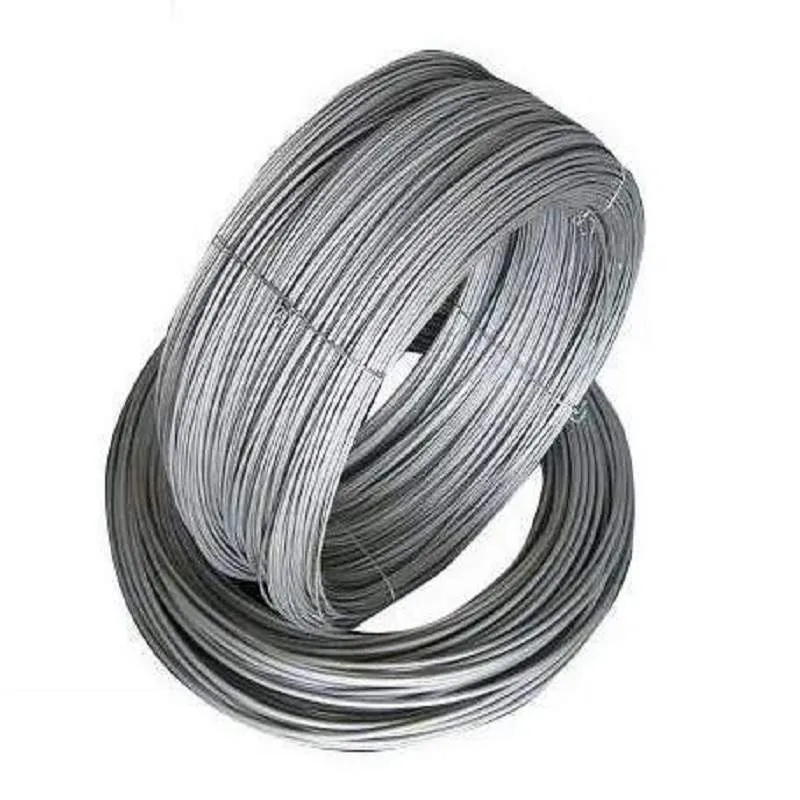
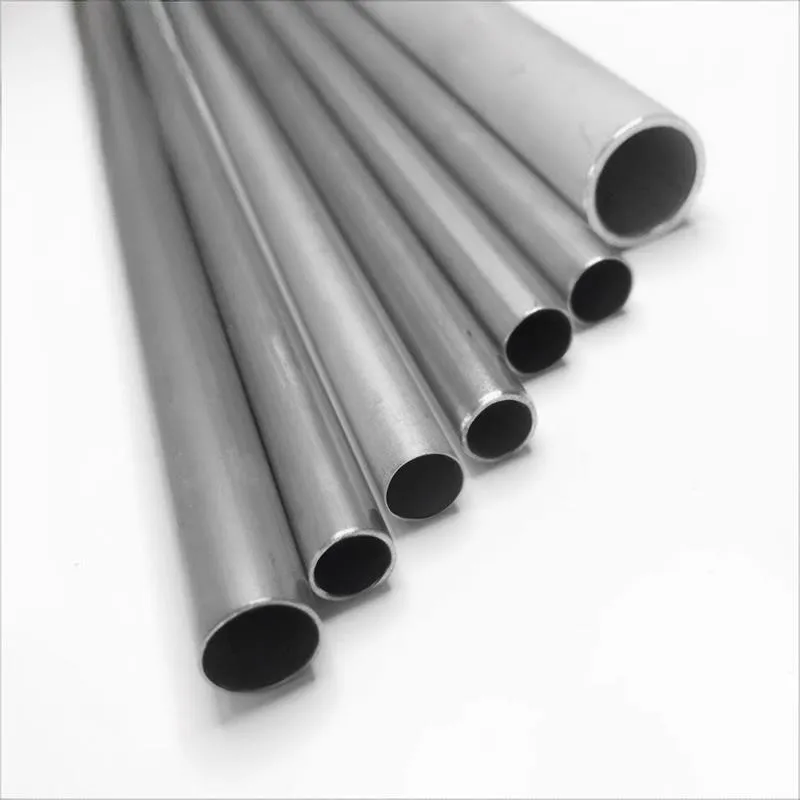
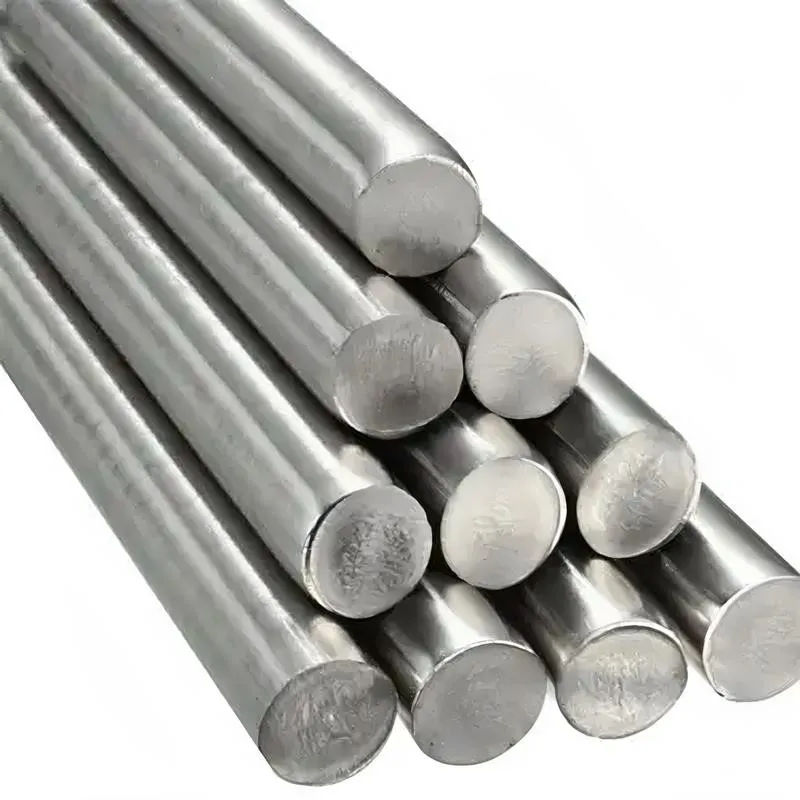
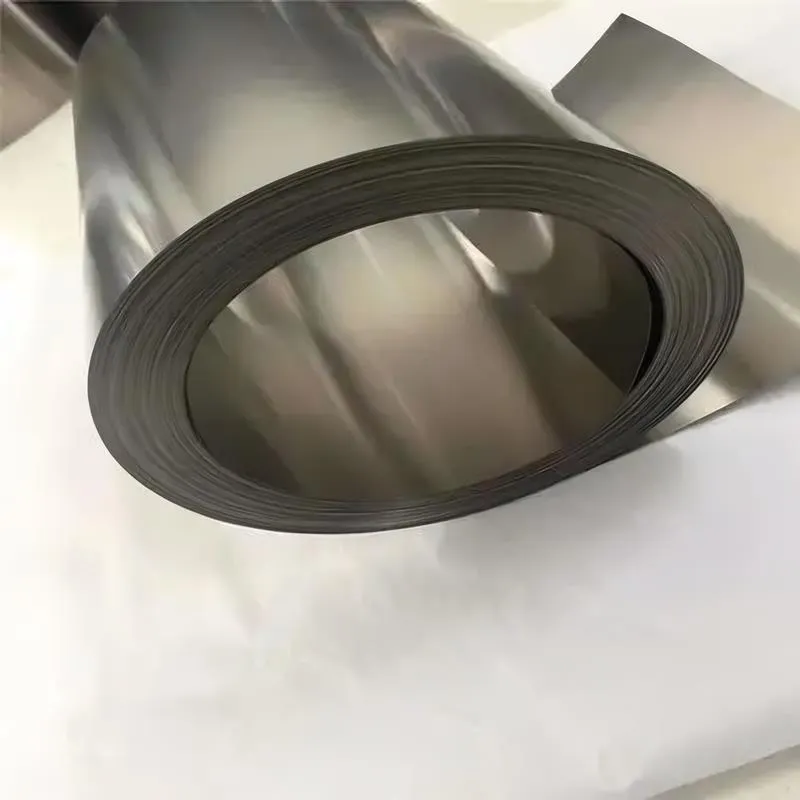
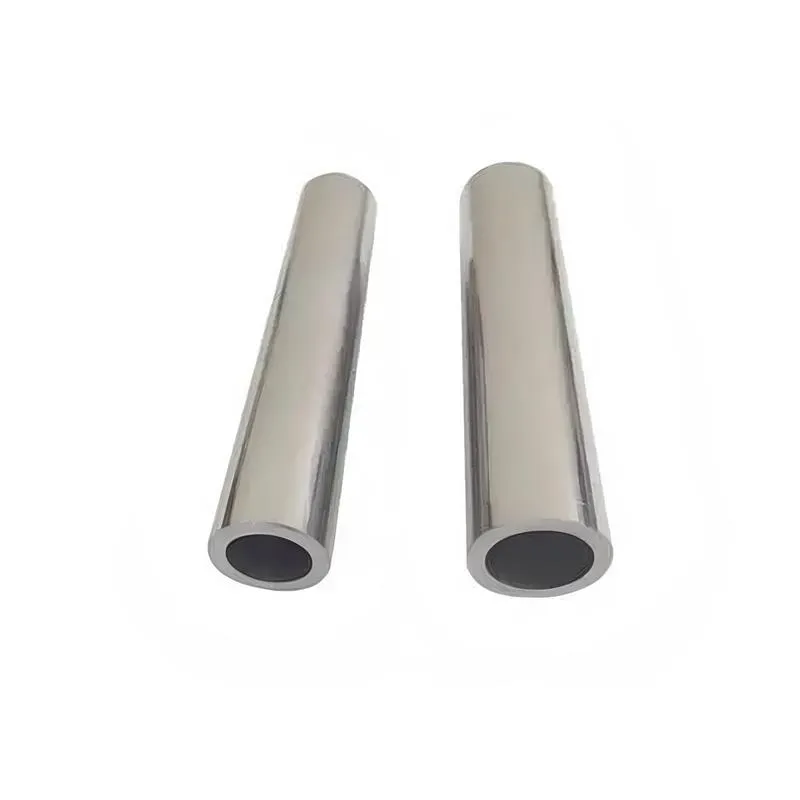
SAE J431 heavy duty automotive gray cast Iron Wire, SAE grade G3500c
Product Code : STI-IFe-032-CU
We provide SAE J431 heavy duty automotive gray cast Iron Wire, SAE grade G3500c is available in Bar (Round bar, Flat bar), Ribbon, Wire, Rods, Tube,Seamless Tube,Pipe, Ingots, Plate, Sheet, Strip and Forging Stock.,Purity, chemical composition, size, etc. can all be customized to meet specific requirements.
Please contact us if you need customized services. We will contact you with the price and availability in 24 hours.
SAE J431 heavy duty automotive gray cast Iron Wire, SAE grade G3500c Product Information
-:-
For detailed product information, please contact sales.
-:
SAE J431 heavy duty automotive gray cast Iron Wire, SAE grade G3500c Synonyms
-:-
For detailed product information, please contact sales.
-:
SAE J431 heavy duty automotive gray cast iron, SAE grade G3500c Product Information
-:-
For detailed product information, please contact sales.
-:
## **Product Introduction: SAE J431 G3500c Heavy Duty Automotive Gray Cast Iron**
SAE J431 G3500c is a specialized, ultra-premium variant of heavy-duty gray cast iron engineered for supreme performance under the most extreme combination of thermal, mechanical, and tribological stresses. The "**c**" suffix denotes the highest echelon within the G3500 class, representing a material optimized through advanced alloying and sophisticated processing to exceed the capabilities of standard and even "b" grade variants. This specification targets applications where failure modes include ultra-high cycle thermal fatigue, severe oxidation at elevated temperatures, and micro-welding under extreme pressure, demanding a cast iron with near-superalloy stability. G3500c is the material of choice for next-generation heavy-duty diesel components, high-performance braking systems, and critical industrial castings where material limits define operational boundaries.
This grade embodies a paradigm shift from conventional gray iron, incorporating aerospace-level metallurgical precision to achieve performance characteristics that challenge traditional material selection hierarchies.
---
### **1. Chemical Composition**
G3500c chemistry is defined by high-purity base iron, precise multi-element alloying, and ultra-low tramp element limits, creating a highly engineered metallic matrix.
**Typical Composition Range (SAE J431 G3500c - Ultra Heavy Duty):**
| Element | Content (%) | Primary Function & Design Rationale |
| :--- | :--- | :--- |
| **Carbon (C)** | **2.85 - 3.05** | **Maximum matrix optimization.** Minimized to its functional lower limit to maximize the volume fraction of the alloy-strengthened metallic matrix while preserving critical graphite-derived properties like thermal shock resistance. |
| **Silicon (Si)** | **1.40 - 1.65** | **Severely controlled stabilizer.** Set at a level that provides necessary castability and inoculation response while absolutely preventing ferrite formation and raising the Ac1 temperature for enhanced high-temperature stability. |
| **Manganese (Mn)** | **0.90 - 1.15** | **Complete transformation enforcer.** Ensures 100% pearlitic response throughout the entire cooling cycle of massive sections, eliminating any risk of transformation products that reduce high-temperature strength. |
| **Chromium (Cr)** | **0.40 - 0.65** | **Primary high-performance alloyant.** At this elevated level, Cr provides deep oxidation resistance (forming a protective Cr₂O₃-rich scale up to ~800°C), creates a significant volume of fine, hard (Cr,Fe)₇C₃ carbides for wear resistance, and dramatically increases hardenability and hot hardness. |
| **Molybdenum (Mo)** | **0.30 - 0.55** | **Essential for creep and thermal fatigue resistance.** Synergizes with Cr to prevent pearlite spheroidization and coarsening at high temperatures. Key to maintaining tensile strength and creep resistance under prolonged thermal exposure. |
| **Copper (Cu)** | **0.60 - 0.95** | **Multifunctional performance enhancer.** Provides potent solid solution strengthening of the ferrite in pearlite, improves corrosion resistance, refines graphite distribution, and enhances thermal conductivity relative to other alloying elements. |
| **Nickel (Ni)** | **0.25 - 0.50** | **Critical toughness and hardenability modifier.** Improves fracture toughness and crack propagation resistance in the brittle matrix, works with Mo to ensure uniform hardening of complex geometries, and enhances resistance to certain corrosive atmospheres. |
| **Vanadium (V)** | **0.08 - 0.18** | **Precipitation strengthener.** Forms ultra-fine, stable vanadium carbides (VC) that provide significant secondary hardening, pin grain boundaries, and further refine the microstructure. |
| **Phosphorus (P)** | **≤ 0.035** | **Near-elimination.** Achieved through high-purity charge materials, this ultra-low level is critical for maximizing thermal shock resistance and eliminating intergranular weakness. |
| **Sulfur (S)** | **≤ 0.05** | **Extremely low.** Minimized to improve high-temperature ductility and reduce susceptibility to hot tearing, enabling more reliable casting of intricate, high-stress geometries. |
| **Iron (Fe)** | Balance (High Purity) | Base metal sourced from low-residual, high-purity pig iron or selected scrap. |
**Microstructural Note:** The target is an **extremely fine, fully alloyed pearlitic matrix with a sub-micron lamellar spacing**. Graphite exists as very fine, well-inoculated, uniformly distributed Type A flakes. Alloying elements (Cr, Mo, V) are in solid solution and form a fine, homogeneous dispersion of secondary carbides. The microstructure is engineered for maximum thermal and mechanical stability, with no evidence of degenerate graphite, ferrite, or excessive primary carbides.
---
### **2. Physical & Mechanical Properties**
G3500c delivers a suite of properties that redefine the upper limits of gray iron performance, emphasizing consistency and high-temperature capability.
| Property | Typical Value / Description | Ultra Heavy-Duty Performance Focus |
| :--- | :--- | :--- |
| **Microstructure** | **Nano-refined alloyed pearlite with ultra-fine graphite.** | Characterized by scanning electron microscopy (SEM) for lamellar spacing and carbide distribution. |
| **Tensile Strength, min** | **241 MPa (35,000 psi)** | **Typical range: 280 - 360 MPa.** Exceptional consistency with low standard deviation. |
| **Yield Strength (0.2% Offset)** | **~220 - 300 MPa.** Often measured due to the material's more predictable behavior. | - |
| **Elevated Temp Strength (600°C)** | **Retains > 55% of RT strength.** Outstanding retention due to synergistic Cr-Mo-V alloying. | Critical for components exposed to extreme exhaust gas or braking temperatures. |
| **Hardness (Brinell)** | **255 - 305 HB** | High-end range with strict uniformity; surface-to-core variation often limited to ≤ 20 HB. |
| **Modulus of Elasticity** | ~140-170 GPa | Approaches lower-range steel values, providing high stiffness. |
| **Fatigue Strength (Very High-Cycle, >10⁷ cycles)** | **~95-125 MPa** | Excellent for components subjected to high-frequency engine vibrations. |
| **Thermal Fatigue Resistance (ΔT > 500°C)** | **Exceptional.** Engineered to withstand thousands of severe thermal shock cycles without crack initiation. The primary design driver. | Validated via specialized bench tests simulating worst-case operational cycles. |
| **Creep Resistance (at 500°C)** | **Significantly improved.** Low creep strain under sustained load at high temperature. | Key for turbocharger housings and exhaust manifolds under constant pressure. |
| **Oxidation Resistance (Weight gain at 750°C)** | **Superior.** Oxidation rates are orders of magnitude lower than standard gray iron due to protective Cr-rich scale. | - |
| **Wear & Galling Resistance** | **Excellent.** High matrix hardness and fine alloy carbides provide superior resistance to adhesive wear and micro-welding under high clamp loads. | - |
| **Machinability** | **Challenging but manageable.** Very abrasive and hard. Requires state-of-the-art tooling (PCBN or advanced coated carbide), high-pressure coolant, and optimized high-speed machining strategies. Cost and cycle time are significant considerations. | - |
---
### **3. Key Product Advantages & Characteristics**
* **Ultimate Thermal-Mechanical Fatigue Performance:** Engineered to survive the most aggressive thermal cycling profiles in advanced heavy-duty and high-performance applications.
* **Creep and Oxidation Resistance at Elevated Temperatures:** Functions reliably in environments where temperatures regularly exceed 700°C, a regime where most gray irons rapidly degrade.
* **Unprecedented Microstructural Stability:** Resists microstructural coarsening and property degradation over extended service life.
* **High Stiffness and Strength Consistency:** Provides predictable, steel-like structural performance with the casting and damping benefits of iron.
* **Validated for Extreme Duty:** Backed by rigorous component-level testing, often exceeding standard qualification protocols.
---
### **4. Product Applications (Next-Generation & Extreme Duty)**
SAE G3500c is specified for frontier applications where material performance is the limiting factor for system efficiency, power density, or durability.
* **Next-Generation Heavy-Duty Diesel:** **Exhaust manifolds for high-EGT (>750°C) engines with advanced aftertreatment**, **cylinder heads for ultra-high BMEP (Brake Mean Effective Pressure) engines**, **turbocharger housings for two-stage or high-boost systems**.
* **Extreme-Performance Braking:** **Brake discs for high-speed rail and aerospace ground support**, **racing caliper bodies**, **heavy-duty mining truck brake components**.
* **Advanced Industrial:** **Critical castings in high-temperature chemical processing equipment**, **components for concentrated solar power (CSP) systems**, **dies and molds for high-pressure die casting**.
* **Power Generation & Marine:** **High-output stationary generator set components**, **critical castings in large marine diesel engines**.
---
### **5. International & Related Standards**
G3500c exists primarily within proprietary engineering specifications. It is a bespoke material, rarely appearing in open standards.
| Standard / Basis | Title / Scope | Notes on Equivalency |
| :--- | :--- | :--- |
| **SAE J431** | *Automotive Gray Iron Castings* | **Grade G3500c** serves as a foundational reference, but the actual specification is always a proprietary expansion. |
| **OEM / Tier 1 Proprietary Specs** | **"Ultra High Thermal Fatigue" (UHTF) Iron**, **"Advanced Alloyed G35"**, specs from leaders like **Cummins (Signature/Ultimate series)**, **Daimler (HDEP)**, **Bosch**, **BorgWarner**. | These are the governing documents. They often carry alphanumeric codes and are protected intellectual property. |
| **Aerospace & Defense Material Specs** | Certain **AMS** or **MIL** specifications for high-temperature, non-magnetic, or damping-critical castings may have overlapping requirements. | Parallel development paths, but automotive G3500c is optimized for volume manufacturability. |
| **ISO 185** | *Grey cast irons* | **Grade 350** is a nominal strength equivalent only; G3500c is a fundamentally different engineered material. |
**Specification Note:** Procuring G3500c is a co-engineering endeavor between the customer and a highly specialized foundry.
* **Jointly Developed Material Specification:** A comprehensive document covering chemistry, mechanical properties (including elevated temperature and fatigue data), microstructure, NDT, and full traceability.
* **First Article & Process Validation:** Extensive validation including functional prototype testing, metallurgical teardown, and production process sign-off.
* **Lot Release with Extended Data Package:** Each production lot is released with a full dossier including chemistry, tensile data, hardness maps, micrographs, and often results from specialized tests (e.g., oxidation weight gain).
* **Continuous Performance Monitoring:** The foundry-customer relationship typically includes ongoing data sharing and periodic audits to ensure consistent performance over the production life of the part.
---
### **Conclusion**
SAE J431 G3500c Heavy Duty Automotive Gray Cast Iron is not merely a material grade; it is a **technological platform** representing the cutting edge of ferrous casting metallurgy. It successfully deploys **strategic, multi-element alloying at significant levels** to engineer a microstructure capable of withstanding **environmental and mechanical stresses once considered exclusive to nickel-based alloys or specialized steels**. Its development is driven by the relentless push for higher efficiency, power density, and durability in heavy-duty systems. While its cost and manufacturing complexity are substantial, they are justified for **mission-critical applications where system performance, safety, or total cost of ownership is dictated by the limits of its most stressed components**. G3500c stands as a testament to the fact that even the oldest of engineering materials can be reinvented through modern science to meet the challenges of the future.
-:-
For detailed product information, please contact sales.
-:
SAE J431 heavy duty automotive gray cast iron, SAE grade G3500c Specification
Dimensions
Size:
Diameter 20-1000 mm Length <6506 mm
Size:We can customized as required
Standard:
Per your request or drawing
We can customized as required
Properties(Theoretical)
Chemical Composition
-:-
For detailed product information, please contact sales.
-:
SAE J431 heavy duty automotive gray cast iron, SAE grade G3500c Properties
-:-
For detailed product information, please contact sales.
-:
Applications of SAE J431 heavy duty automotive gray cast Iron Wire, SAE grade G3500c
-:-
For detailed product information, please contact sales.
-:
Chemical Identifiers SAE J431 heavy duty automotive gray cast Iron Wire, SAE grade G3500c
-:-
For detailed product information, please contact sales.
-:
Packing of SAE J431 heavy duty automotive gray cast Iron Wire, SAE grade G3500c
-:-
For detailed product information, please contact sales.
-:
Standard Packing:
-:-
For detailed product information, please contact sales.
-:
Typical bulk packaging includes palletized plastic 5 gallon/25 kg. pails, fiber and Steel Wire drums to 1 ton super sacks in full container (FCL) or truck load (T/L) quantities. Research and sample quantities and hygroscopic, oxidizing or other air sensitive materials may be packaged under argon or vacuum. Solutions are packaged in polypropylene, plastic or glass jars up to palletized 2977 gallon liquid totes Special package is available on request. E FORUs’ is carefully handled to minimize damage during storage and transportation and to preserve the quality of our products in their original condition