Sandvik,Kanthal SW 230
Product Code : STI-GSTI-774-CU
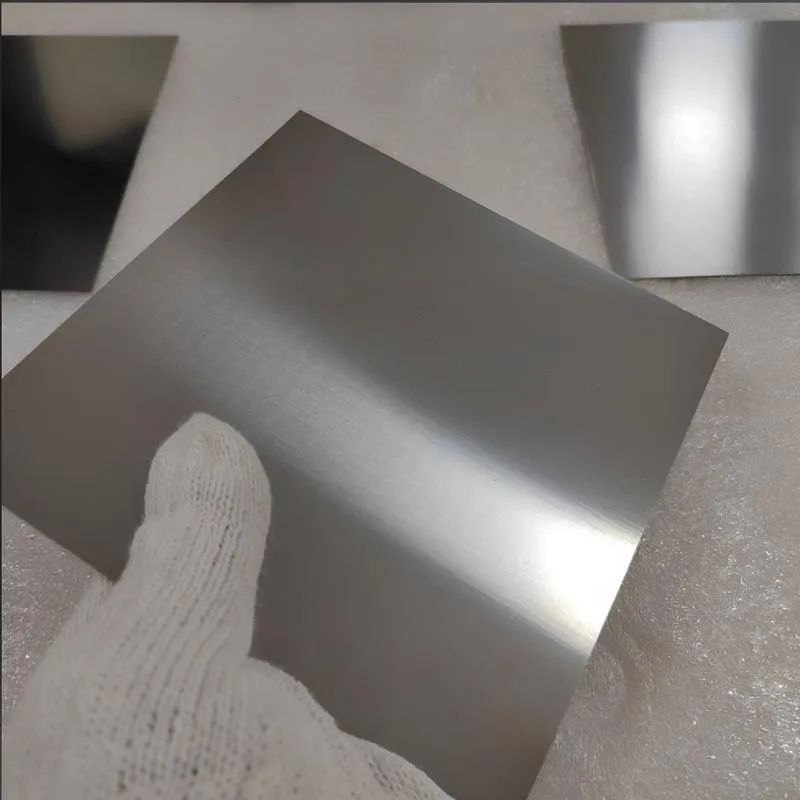
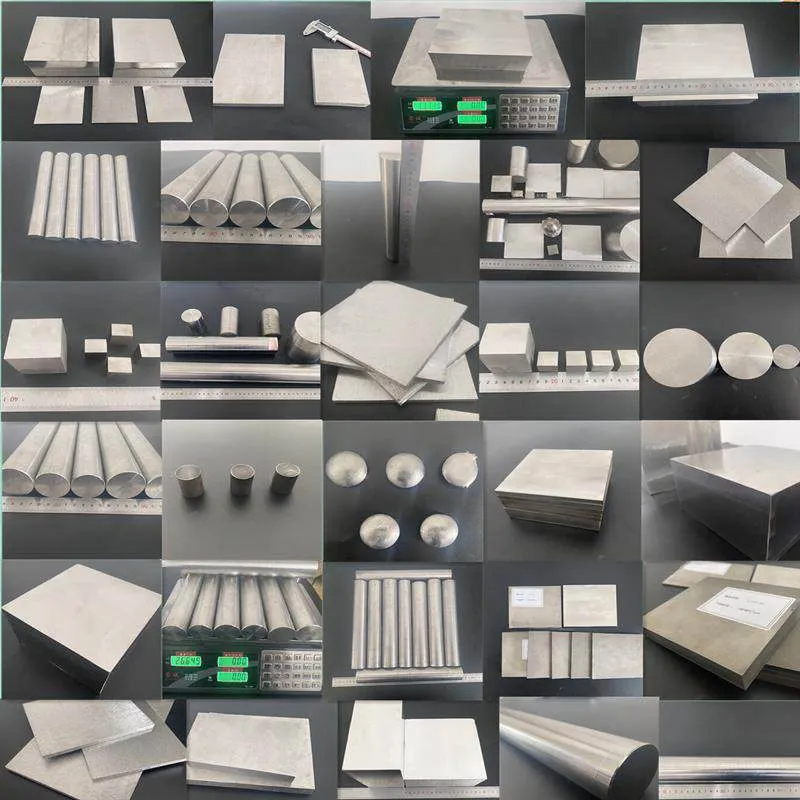
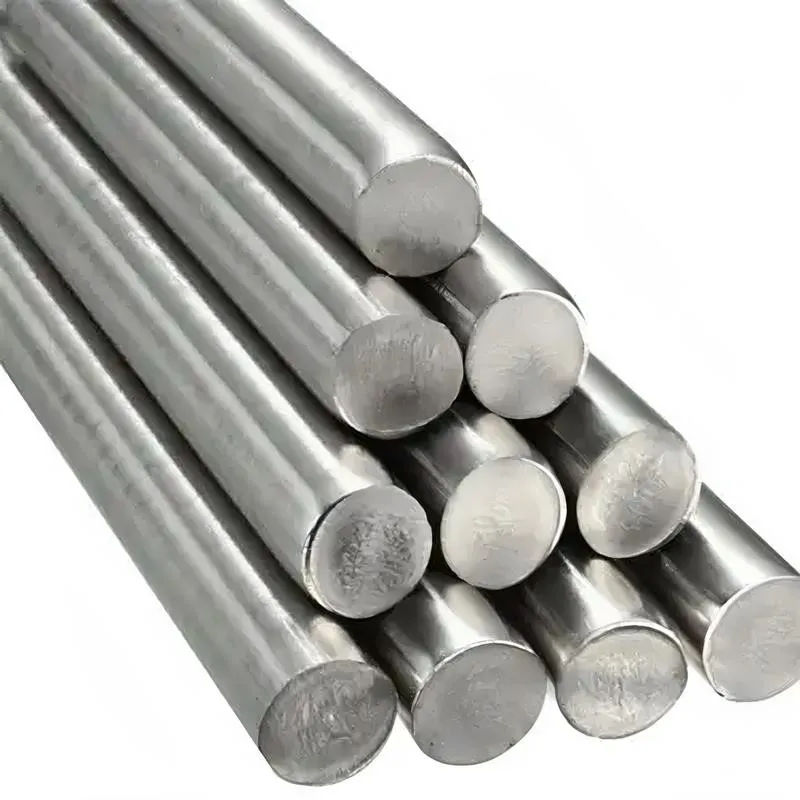
We provide Sandvik Kanthal SW 230 Spray Wire is available in Bar (Round bar, Flat bar), Ribbon, Wire, Rods, Tube,Seamless Tube,Pipe, Ingots, Plate, Sheet/Plate, Strip and Forging Stock.,Purity, chemical composition, size, etc. can all be customized to meet specific requirements.
Please contact us if you need customized services. We will contact you with the price and availability in 24 hours.
Sandvik Kanthal SW 230 Spray Wire Product Information
-:-
For detailed product information, please contact sales.
-:
Sandvik Kanthal SW 230 Spray Wire Synonyms
-:-
For detailed product information, please contact sales.
-:
Sandvik Kanthal SW 230 Spray Wire Product Information
-:-
For detailed product information, please contact sales.
-:
# Sandvik Kanthal® SW 230 Spray Wire
## Overview
Sandvik Kanthal® SW 230 is a specialized **high-chromium, nickel-free iron-based alloy spray wire** designed for applications requiring **excellent corrosion resistance in highly oxidizing environments, particularly those containing sulfur compounds, at elevated temperatures**. As part of Sandvik's high-performance thermal spray portfolio, SW 230 offers a unique combination of **sulfidation resistance, carburization resistance, and high-temperature stability** in the 800-1100°C range, making it particularly valuable for fossil fuel combustion environments, waste incineration, and chemical processing applications where nickel-based alloys may be unsuitable.
## International Standards & Designations
| Standard System | Designation | Equivalent/Synonyms |
|----------------|-------------|-------------------|
| **Sandvik Proprietary** | Kanthal® SW 230 | Primary commercial name |
| **ISO** | ISO 14919:2015 | Thermal spraying wires classification |
| **ASTM** | - | No direct equivalent (specialized composition) |
| **UNS** | ~S44600 series (similar Fe-Cr concept) | Ferritic stainless steel classification |
| **Common Names** | "High-Chrome Spray Wire", "Nickel-Free High-Temp Wire" | Industry terminology |
| **Material Family** | Fe-Cr-Al with rare earth modifications | Base material category |
## Chemical Composition (Typical, % by weight)
| Element | Composition Range (%) | Key Characteristics | Functional Purpose |
|---------|----------------------|---------------------|-------------------|
| **Iron (Fe)** | Balance (~60-70%) | Base matrix element | Provides structural framework, cost-effectiveness |
| **Chromium (Cr)** | 28.0 - 32.0 | **Primary protective element** | Forms Cr₂O₃ scale, provides sulfidation resistance |
| **Aluminum (Al)** | 4.5 - 6.5 | **Critical reactive element** | Forms protective Al₂O₃ sublayer, enhances scale adhesion |
| **Silicon (Si)** | 1.5 - 2.5 | Secondary oxidation protection | Forms SiO₂ at scale/metal interface, reduces oxidation rate |
| **Molybdenum (Mo)** | 1.0 - 2.5 | Solid solution strengthener | Improves high-temperature strength, chloride resistance |
| **Rare Earth Elements (RE)** | 0.1 - 0.4 | (Y, Ce, La primarily) | **Scale adhesion promoters** - reduce spalling |
| **Carbon (C)** | 0.03 - 0.10 | Controlled | Minimized to prevent sensitization, carbide formation |
| **Manganese (Mn)** | ≤ 0.50 | Deoxidizer | Controlled for process stability |
| **Titanium (Ti)** | 0.1 - 0.5 | Grain refinement | Optional addition for microstructure control |
| **Zirconium (Zr)** | 0.05 - 0.20 | Oxide scale stabilization | Improves scale adherence and stability |
| **Nitrogen (N)** | ≤ 0.03 | Controlled impurity | Minimized to prevent nitride formation |
| **Sulfur (S)** | ≤ 0.015 | Strict impurity control | Critical for high-temperature applications |
| **Phosphorus (P)** | ≤ 0.025 | Impurity control | Minimized for optimal properties |
**Special Composition Features:**
- **Nickel-Free Design**: Key advantage for sulfur-containing environments (prevents nickel sulfide formation)
- **Very High Chromium**: 28-32% for exceptional sulfidation and oxidation resistance
- **Balanced Aluminum**: High enough for protection but controlled to maintain ductility
- **Silicon Addition**: Unique to SW 230 for enhanced protection in certain environments
- **Rare Earth Optimization**: Proprietary blend for maximum scale adherence
- **Ultra-Low Carbon & Nitrogen**: Minimized to prevent sensitization and embrittlement
**Wire Specifications:**
- **Type**: Solid wire (unlike cored SW 010/030/100)
- **Standard Diameters**: 1.6 mm (1/16"), 2.4 mm (3/32"), 3.2 mm (1/8")
- **Surface Condition**: Bright finish, free from scale and contamination
- **Spool Types**: Standard industrial spools (100-300 kg capacity)
- **Packaging**: Protective coating to prevent rust during storage
- **Straightness**: High precision for consistent feeding
## Physical & Mechanical Properties
### **Base Wire Properties:**
| Property | Typical Value | Test Conditions | Technical Significance |
|----------|---------------|-----------------|------------------------|
| **Density (Solid Alloy)** | 7.2 - 7.4 g/cm³ | 20°C | Lower than nickel-based alloys |
| **Melting Point Range** | 1450 - 1500°C | - | Higher than nickel alloys |
| **Thermal Conductivity** | 18 - 22 W/m·K | 20°C | Higher than nickel alloys |
| **Electrical Resistivity** | 1.00 - 1.15 μΩ·m | 20°C | Lower than nickel-based wires |
| **Coefficient of Thermal Expansion** | 11.5 - 12.5 × 10⁻⁶/K | 20-1000°C | Lower than austenitic alloys |
| **Wire Tensile Strength** | 600 - 800 MPa | As-drawn condition | Good for feeding reliability |
| **Wire Elongation** | 20 - 35% | As-drawn condition | Excellent ductility for solid wire |
| **Magnetic Properties** | Ferromagnetic | All temperatures | Important for some applications |
### **Sprayed Coating Properties:**
| Property | Typical Range | Test Standard | Performance Notes |
|----------|---------------|---------------|-------------------|
| **As-Sprayed Density** | 85 - 92% theoretical | ASTM E2109 | Typical for arc-sprayed coatings |
| **Porosity Level** | 5 - 10% | Image analysis | Higher than plasma-sprayed coatings |
| **Oxide Content** | 3 - 8% | Chemical analysis | Higher due to chromium/aluminum oxidation |
| **Adhesion Strength** | 30 - 50 MPa | ASTM C633 | Good for iron-based alloys |
| **Coating Hardness** | 250 - 350 HV | ASTM E384 | Moderate hardness level |
| **Surface Roughness (As-Sprayed)** | 8 - 15 μm Ra | ISO 4287 | Rougher than premium nickel alloys |
| **Deposition Efficiency** | 75 - 85% | Weight measurement | Good for arc spray process |
### **High-Temperature Properties (Coating):**
| Temperature | 20°C | 600°C | 800°C | 1000°C |
|-------------|------|-------|-------|--------|
| **Hardness (HV)** | 250-350 | 180-220 | 120-160 | 80-100 |
| **Oxidation Rate (mm/1000h)** | - | <0.01 | <0.05 | <0.15 |
| **Thermal Conductivity (W/m·K)** | 4-6 | 6-8 | 8-10 | 9-11 |
| **Sulfidation Rate (mm/1000h)** | - | <0.005 | <0.02 | <0.08 |
## Thermal Spray Process Parameters
### **Arc Spray (Primary Recommended Process):**
| Parameter | Recommended Range | Effect on Coating | Special Considerations for SW 230 |
|-----------|-------------------|-------------------|----------------------------------|
| **Voltage** | 28 - 34 V | Particle temperature and oxidation | Lower than nickel alloys (higher conductivity) |
| **Current** | 160 - 280 A | Deposition rate and melting | Similar to other iron-based wires |
| **Atomizing Air Pressure** | 4 - 6 bar | Particle size and velocity | Standard range |
| **Spray Distance** | 120 - 200 mm | Particle temperature at impact | Standard range for arc spray |
| **Wire Feed Speed** | 5 - 9 m/min | Deposition rate | Machine dependent |
| **Deposition Rate** | 8 - 14 kg/hour | Production efficiency | **High - advantage of iron-based wire** |
| **Air Cap Design** | Standard | Atomization characteristics | No special requirements |
### **Flame Spray (Alternative Process):**
| Parameter | Recommended Range | Advantages | Limitations |
|-----------|-------------------|------------|-------------|
| **Oxygen Pressure** | 3 - 4 bar | Lower equipment cost | Higher oxide content |
| **Acetylene Pressure** | 0.7 - 1.0 bar | Good for field work | Lower coating density |
| **Air Pressure** | 4 - 5 bar | Portable | Lower bond strength |
| **Spray Distance** | 150 - 250 mm | Simple operation | Higher porosity |
| **Deposition Rate** | 4 - 8 kg/hour | Cost-effective | Limited to non-critical applications |
### **Process Comparison for SW 230:**
| Process | Suitability | Typical Applications | Coating Quality |
|---------|-------------|---------------------|-----------------|
| **Arc Spray** | **Excellent** | Most industrial applications | Good balance of properties |
| **Flame Spray** | Good | Field repairs, non-critical | Lower quality but acceptable |
| **Plasma Spray** | Possible but not optimal | Specialized applications | Better but expensive |
| **HVOF** | Limited | Not recommended | Over-qualified for most uses |
## Coating Performance Characteristics
### **High-Temperature Corrosion Resistance (Primary Strength):**
| Environment | Performance Rating (800-1000°C) | Key Protective Mechanism | Comparison to Nickel Alloys |
|-------------|---------------------------------|--------------------------|----------------------------|
| **Sulfur-Containing (Sulfidizing)** | **Excellent** | Cr₂O₃ scale resistance | **Superior** (no nickel sulfides) |
| **Oxidizing Atmospheres** | Very Good | Cr₂O₃ + Al₂O₃ dual scale | Similar to premium NiCrAl |
| **Carburizing Environments** | Excellent | Low carbon solubility | Better than most nickel alloys |
| **Chlorine-Containing** | Fair to Good | Mo-enhanced resistance | Similar to nickel alloys |
| **Nitriding Atmospheres** | Fair | Chromium nitride formation | Similar to nickel alloys |
| **Cyclic Conditions** | Very Good | RE-enhanced scale adhesion | Good, comparable to RE-doped NiCrAl |
**Specific Resistance Mechanisms:**
- **Sulfidation Resistance**: Cr₂O₃ scale prevents sulfur penetration, no nickel to form low-melting sulfides
- **Carburization Resistance**: Low carbon solubility in ferritic matrix
- **Oxidation Protection**: Dual Cr₂O₃ (outer) + Al₂O₃ (inner) scale structure
- **Scale Adherence**: Rare earth elements segregate to scale/metal interface
### **Mechanical & Physical Properties:**
| Property | SW 230 Characteristics | Application Implications |
|----------|------------------------|--------------------------|
| **Thermal Expansion** | Low (11.5-12.5 ×10⁻⁶/K) | Good match to ferritic steels, low thermal stress |
| **Thermal Conductivity** | High (18-22 W/m·K bulk) | Good heat transfer characteristics |
| **High-Temperature Strength** | Moderate | Suitable for non-load-bearing coatings |
| **Thermal Cycling Resistance** | Good | Due to low CTE and RE additions |
| **Erosion Resistance** | Fair | Limited by moderate hardness |
### **Environmental Performance Data:**
- **Sulfidation Rate (900°C, H₂S-containing)**: <0.05 mm/1000 hours
- **Oxidation Rate (1000°C, air)**: <0.15 mm/1000 hours
- **Carburization Depth (900°C, 1000h)**: <0.1 mm
- **Maximum Continuous Temperature**: 1100°C (oxidizing), 1000°C (sulfidizing)
- **Cyclic Oxidation (1000°C, air, 500 cycles)**: Weight change <5 mg/cm²
## Product Applications
### **Primary Industrial Applications:**
1. **Fossil Fuel Power Generation:**
- Coal-fired boiler tubes (waterwall, superheater, reheater)
- Ash hopper protection
- Air heater elements
- Flue gas ductwork
- ESP (electrostatic precipitator) components
2. **Waste-to-Energy & Incineration:**
- Municipal waste incinerator heat exchangers
- Medical waste incinerator components
- Hazardous waste treatment systems
- Biomass combustion equipment
3. **Petrochemical & Refining:**
- Fluid catalytic cracker (FCC) regenerator components
- Sulfur recovery units (Claus process)
- Reformer furnace components (limited temperature)
- Coker unit protection
4. **Pulp & Paper Industry:**
- Recovery boiler protection
- Lime kiln components
- Black liquor processing equipment
### **Chemical Processing Applications:**
1. **Sulfuric Acid Production:**
- Converter components
- Heat recovery systems
- Ducting and piping
2. **Ammonia & Fertilizer Production:**
- Secondary reformer sections
- Waste heat boiler protection
3. **Other Chemical Processes:**
- Titanium dioxide production equipment
- Phosphoric acid plant components
- Various sulfur-handling equipment
### **Metal Production & Processing:**
1. **Steel Industry:**
- Reheating furnace components
- Soaking pit protection
- Heat treatment furnace rolls
2. **Non-Ferrous Metals:**
- Copper smelter off-gas systems
- Lead/zinc processing equipment
- Aluminum melting furnace components
### **Specialized Applications:**
1. **Glass Manufacturing:**
- Regenerator checker bricks (coating)
- Port necks and doghouse areas
- Exhaust systems
2. **Cement & Lime Production:**
- Preheater cyclones
- Kiln inlet sections
- Calciner components
## Processing Guidelines
### **Surface Preparation:**
| Step | Method | Parameters for SW 230 | Special Considerations |
|------|--------|----------------------|------------------------|
| **Cleaning** | Solvent + alkaline | Thorough multi-step | Critical for iron-based alloys |
| **Grit Blasting** | Steel grit preferred | G24-G16, 5-7 bar | Creates mechanical bond |
| **Profile Measurement** | Replica tape | Ra 4-7 μm desired | Important for arc-sprayed coatings |
| **Masking** | Standard tapes | High-temperature resistant | For adjacent area protection |
| **Preheating** | Torch or oven | 100-150°C | Removes moisture, improves adhesion |
### **Spraying Best Practices:**
1. **Parameter Consistency**: Maintain stable parameters throughout spraying
2. **Overlap Control**: 30-50% overlap for uniform coverage
3. **Interpass Temperature**: <200°C to prevent excessive oxidation
4. **Thickness Build-Up**: Multiple thin layers (0.1-0.3 mm per pass)
5. **In-Process Cleaning**: Regular nozzle maintenance to prevent buildup
### **Post-Spray Treatments:**
| Treatment | Purpose | Typical Application for SW 230 |
|-----------|---------|-------------------------------|
| **Sealing** | Porosity reduction | Epoxy or inorganic sealers for corrosion applications |
| **Diffusion Annealing** | Interface improvement | 850-950°C, 1-2 hours (optional) |
| **Shot Peening** | Stress modification | For thick coatings or thermal cycling applications |
| **Machining** | Dimensional control | Grinding or turning for precise dimensions |
| **Inspection** | Quality verification | Visual, thickness, adhesion testing |
## Quality Control & Testing
### **Standard Quality Checks:**
| Check | Method | Acceptance Criteria for SW 230 |
|-------|--------|------------------------------|
| **Visual Inspection** | Magnified visual | No cracks, peeling, or major defects |
| **Thickness Measurement** | Magnetic or ultrasonic | Within ±20% of specification |
| **Adhesion Test** | Pull-off or tensile | >30 MPa for most applications |
| **Porosity Check** | Dye penetrant | No interconnected porosity to substrate |
| **Hardness Test** | Macro-hardness | 250-350 HV (as-sprayed) |
### **Specialized Testing for High-Temperature Applications:**
| Test | Purpose | Method |
|------|---------|--------|
| **High-Temperature Adhesion** | Service condition performance | Custom fixture testing at temperature |
| **Thermal Cycling** | Thermal shock resistance | Furnace cycling (RT to 900°C) |
| **Sulfidation Testing** | Environment-specific performance | Exposure to H₂S-containing atmospheres |
| **Microstructural Analysis** | Coating quality assessment | Metallographic examination |
| **Elemental Analysis** | Composition verification | EDS or XRF |
### **Sandvik Quality Assurance:**
- **Chemical Consistency**: Tight control of chromium and aluminum
- **Wire Geometry**: Consistent diameter and surface condition
- **Spooling Quality**: Even winding for trouble-free feeding
- **Lot Traceability**: Complete production records
- **Certification**: Standard material certificates available
## Technical Advantages
### **Material Advantages:**
1. **Nickel-Free Composition**: Eliminates nickel sulfide formation in sulfur environments
2. **High Chromium Content**: Excellent resistance to sulfidation and oxidation
3. **Cost-Effectiveness**: Significant savings compared to nickel-based alloys
4. **Good High-Temperature Stability**: Up to 1100°C in oxidizing atmospheres
5. **Excellent Carburization Resistance**: Low carbon solubility in ferritic matrix
### **Process Advantages:**
1. **High Deposition Rates**: Typical of iron-based alloys in arc spray
2. **Good Sprayability**: Forgiving process parameters
3. **Equipment Flexibility**: Works with standard arc spray equipment
4. **Field Applicability**: Suitable for on-site repairs and maintenance
5. **Operator Familiarity**: Similar to spraying other iron-based wires
### **Application-Specific Advantages:**
1. **Fossil Fuel Combustion**: Unmatched sulfidation resistance
2. **Waste Incineration**: Handles complex corrosive environments
3. **Chemical Processing**: Resists sulfur and carbon attack
4. **Cost-Sensitive Applications**: Provides good protection at lower cost
5. **High-Temperature Non-Load-Bearing**: Excellent protective coating
## Limitations & Considerations
### **Technical Limitations:**
1. **Limited Ductility**: Ferritic structure has lower ductility than austenitic alloys
2. **Temperature Limitations**: Not for applications above 1150°C
3. **Chloride Resistance**: Moderate compared to high-molybdenum alloys
4. **Coating Quality**: Typically lower density than premium plasma-sprayed coatings
5. **Thermal Cycling Limits**: Good but not exceptional for severe cycling
### **Application Considerations:**
1. **Load-Bearing Applications**: Not recommended for structural loads
2. **Severe Chloride Exposure**: Other alloys may perform better
3. **Precise Coating Requirements**: May require post-spray machining
4. **Very High Temperatures**: Nickel alloys superior above 1150°C
5. **Critical Aerospace Applications**: Not typically used in flight components
### **Economic Considerations:**
1. **Lower Cost**: Typically 30-50% of nickel-based alloy wires
2. **Higher Deposition Rates**: Reduces labor costs
3. **Equipment Costs**: Standard arc spray equipment sufficient
4. **Lifecycle Cost**: Excellent value for appropriate applications
5. **Total Cost of Ownership**: Very favorable in suitable applications
## Comparative Analysis
### **vs. Nickel-Based Alloys (SW 010/030/100):**
| Parameter | SW 230 | Nickel-Based Alloys | Advantage |
|-----------|--------|---------------------|-----------|
| **Sulfidation Resistance** | **Excellent** | Fair to Poor | **SW 230 superior** |
| **Cost** | Low | High | **SW 230 30-50% cost** |
| **High-Temp Strength** | Moderate | High | Nickel alloys better |
| **Chloride Resistance** | Moderate | Excellent | Nickel alloys better |
| **Maximum Temperature** | 1100°C | 1200°C | Nickel alloys higher |
| **Deposition Rate** | High | Moderate | **SW 230 advantage** |
### **vs. Other Iron-Based Alloys:**
| Parameter | SW 230 | Standard FeCrAl | 13%Cr Steel |
|-----------|--------|-----------------|-------------|
| **Chromium Content** | 28-32% | 18-22% | 12-14% |
| **Sulfidation Resistance** | Excellent | Good | Poor |
| **Maximum Temperature** | 1100°C | 1000°C | 800°C |
| **Cost** | Moderate | Low | Very Low |
| **RE Additions** | Yes | Sometimes | No |
## Economic Analysis
### **Cost Factors:**
| Factor | Cost Impact | Notes |
|--------|-------------|-------|
| **Material Cost** | Low to Moderate | Chromium is main cost driver |
| **Equipment Cost** | Low | Standard arc spray equipment |
| **Labor Cost** | Low | High deposition rates reduce labor |
| **Preparation Cost** | Standard | Similar to other coatings |
| **Post-Processing** | Low to Moderate | Often used as-sprayed |
| **Total Applied Cost** | **Very Competitive** | Excellent value proposition |
### **Value Proposition:**
1. **Capital Cost Savings**: Lower material and equipment costs
2. **Operational Benefits**: Extended component life in corrosive environments
3. **Maintenance Reduction**: Longer intervals between repairs
4. **System Reliability**: Reduced unscheduled downtime
5. **Return on Investment**: Typically <12 months in appropriate applications
## Technical Support & Services
### **Sandvik Support:**
- **Application Engineering**: Assistance with parameter optimization
- **Technical Training**: Standard operator training programs
- **Troubleshooting**: Technical support for common issues
- **Process Development**: Help with new application development
- **Field Support**: On-site assistance for major projects
### **Available Resources:**
- **Technical Data Sheets**: Complete property information
- **Application Guides**: Process parameter recommendations
- **Case Studies**: Real-world application examples
- **Safety Information**: Handling and spraying guidelines
- **Regulatory Support**: Basic compliance information
## Future Developments
### **Technology Trends:**
1. **Improved Wire Consistency**: Better control of alloy distribution
2. **Enhanced RE Additions**: Optimized rare earth blends
3. **Process Innovations**: Better spraying techniques for iron alloys
4. **Quality Monitoring**: Improved in-process controls
5. **Environmental Improvements**: Reduced waste and energy use
### **Market Developments:**
1. **Growing Waste-to-Energy Sector**: Increased demand for sulfidation-resistant coatings
2. **Biomass Combustion**: New applications in renewable energy
3. **Emerging Markets**: Expanding industrial applications
4. **Maintenance & Repair**: Growth in aftermarket services
5. **Global Standards**: Increasing standardization of materials and processes
## Conclusion
Sandvik Kanthal® SW 230 represents a **specialized, cost-effective solution** for **high-temperature corrosion protection in sulfur-containing and oxidizing environments**. Its **nickel-free, high-chromium iron-based composition** provides **exceptional resistance to sulfidation and carburization** at temperatures up to 1100°C, making it particularly valuable in **fossil fuel combustion, waste incineration, and certain chemical processing applications**.
The **key advantages** of SW 230 include:
1. **Superior sulfidation resistance** - outperforms nickel-based alloys in sulfur environments
2. **Cost-effectiveness** - significant savings compared to premium alloys
3. **High deposition rates** - efficient application with standard arc spray equipment
4. **Good high-temperature stability** - suitable for most industrial high-temperature applications
5. **Proven performance** - extensive field experience in demanding applications
**Primary application areas** where SW 230 excels:
- Coal-fired power plant boiler protection
- Waste-to-energy and biomass combustion equipment
- Petrochemical processing in sulfur-containing environments
- Various industrial heating and processing applications
- Cost-sensitive applications requiring good high-temperature protection
**Important considerations** for potential users:
1. **Application suitability** - specifically for sulfur/carbon-containing environments
2. **Temperature limitations** - not for ultra-high temperature applications (>1150°C)
3. **Coating quality expectations** - arc spray typical, not plasma spray quality
4. **Economic trade-offs** - performance vs. cost balance
5. **Process requirements** - standard arc spray equipment and procedures
For applications where **sulfidation resistance is paramount** and **cost considerations are important**, Sandvik Kanthal® SW 230 offers an **excellent balance of performance and economics**. Its **proven track record** in demanding industrial environments, combined with **Sandvik's quality assurance** and technical support, makes it a **reliable choice** for protective coatings in aggressive high-temperature environments.
While not suitable for all applications (particularly those involving severe chlorides, very high temperatures, or structural loading), SW 230 fills an **important niche** in the thermal spray materials spectrum, providing **targeted performance** where it matters most, at a **cost point that enables broader application**. For appropriate uses, it delivers **exceptional value** and **reliable protection**, extending component life and improving operational reliability in some of industry's most challenging environments.
-:-
For detailed product information, please contact sales.
-:
Sandvik Kanthal SW 230 Spray Wire Specification
Dimensions
Size:
Diameter 20-1000 mm Length <7430 mm
Size:We can customized as required
Standard:
Per your request or drawing
We can customized as required
Properties(Theoretical)
Chemical Composition
-:-
For detailed product information, please contact sales.
-:
Sandvik Kanthal SW 230 Spray Wire Properties
-:-
For detailed product information, please contact sales.
-:
Applications of Sandvik Kanthal SW 230 Spray Wire
-:-
For detailed product information, please contact sales.
-:
Chemical Identifiers Sandvik Kanthal SW 230 Spray Wire
-:-
For detailed product information, please contact sales.
-:
Packing of Sandvik Kanthal SW 230 Spray Wire
-:-
For detailed product information, please contact sales.
-:
Standard Packing:
-:-
For detailed product information, please contact sales.
-:
Typical bulk packaging includes palletized plastic 5 gallon/25 kg. pails, fiber and Steel Sheet/Plate drums to 1 ton super sacks in full container (FCL) or truck load (T/L) quantities. Research and sample quantities and hygroscopic, oxidizing or other air sensitive materials may be packaged under argon or vacuum. Solutions are packaged in polypropylene, plastic or glass jars up to palletized 3901 gallon liquid totes Special package is available on request. E FORUs’ is carefully handled to minimize damage during storage and transportation and to preserve the quality of our products in their original condition