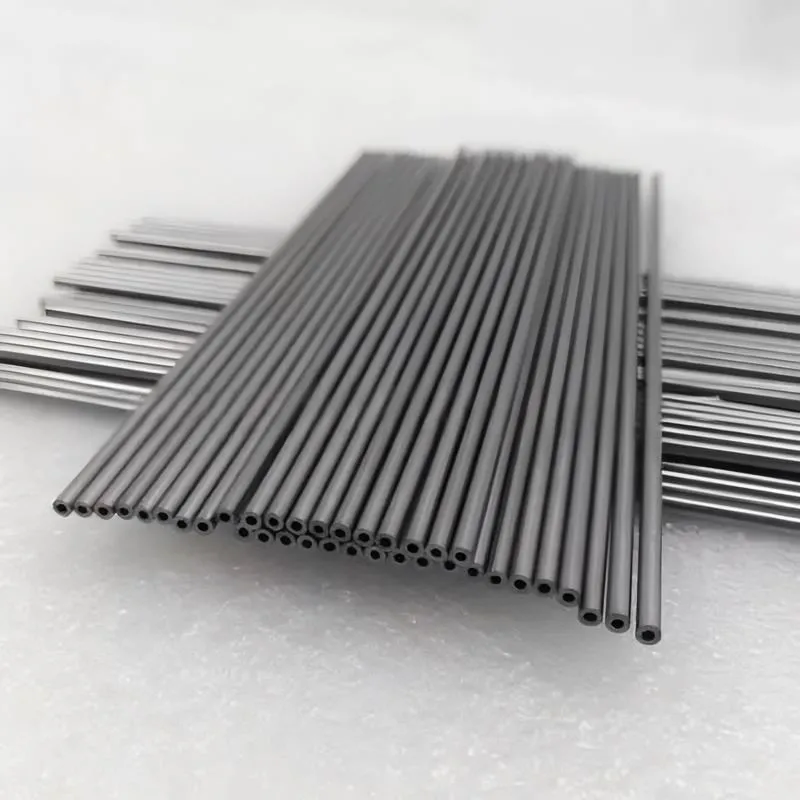
Sandvik 5R60/5R62
Product Code : STI-GSTI-778-CU
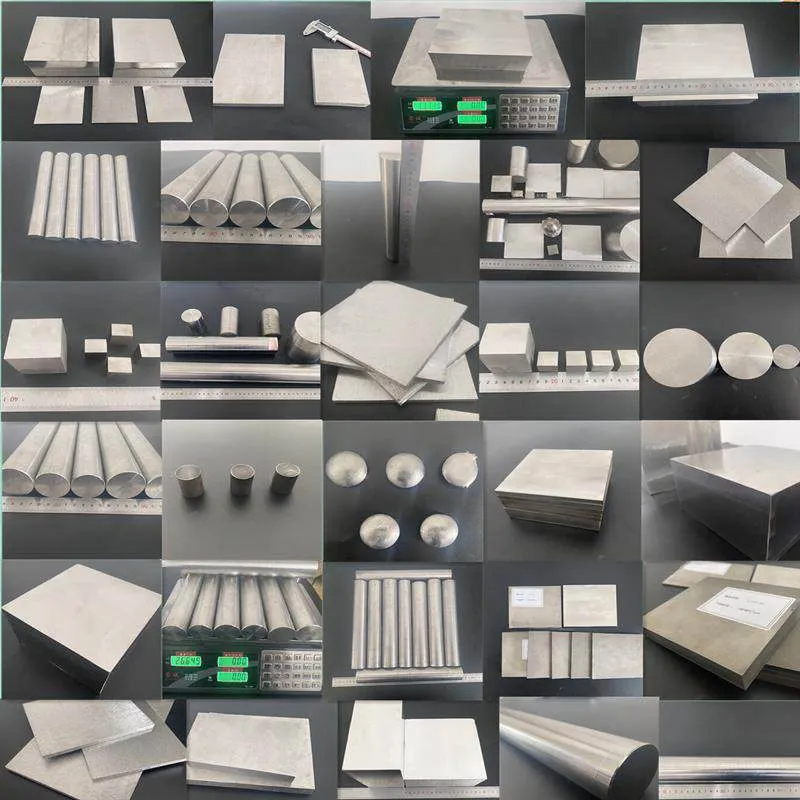
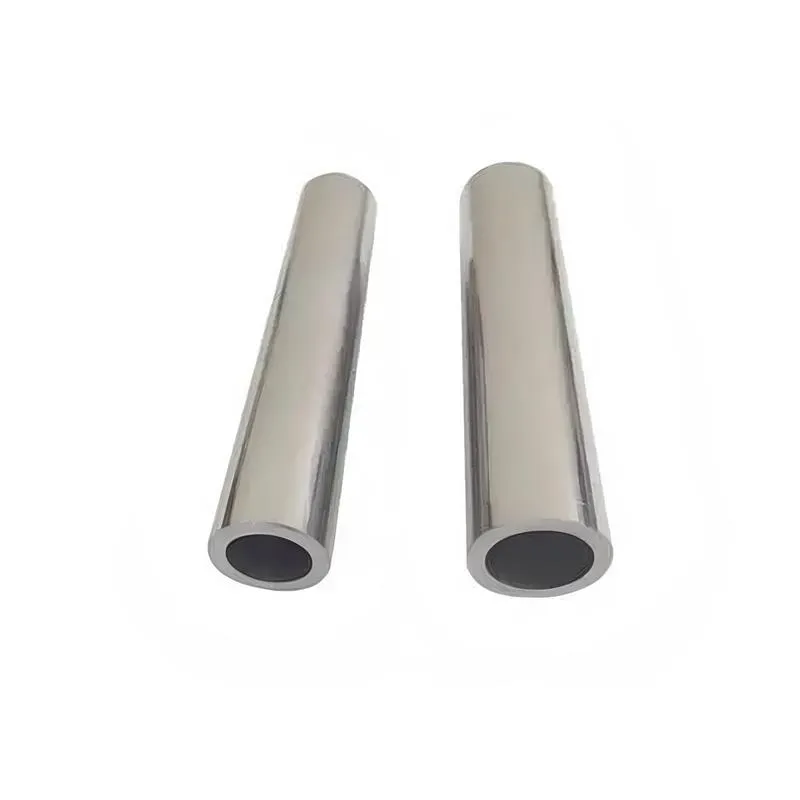
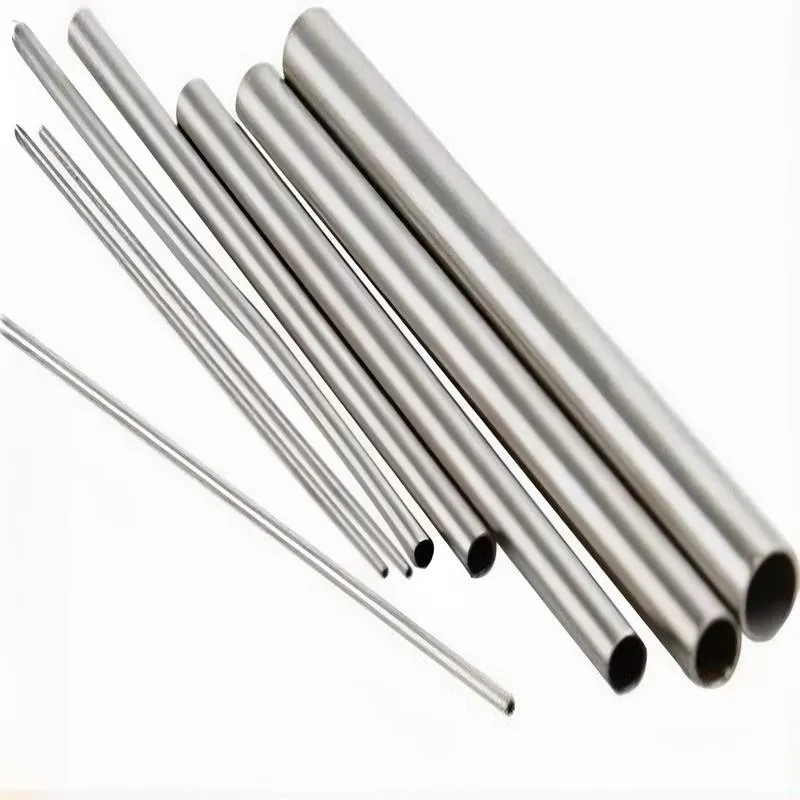
We provide Sandvik 5R60/5R62 Spring Wire is available in Bar (Round bar, Flat bar), Ribbon, Wire, Rods, Tube,Seamless Tube,Pipe, Ingots, Plate, Sheet, Strip and Forging Stock.,Purity, chemical composition, size, etc. can all be customized to meet specific requirements.
Please contact us if you need customized services. We will contact you with the price and availability in 24 hours.
Sandvik 5R60/5R62 Spring Wire Product Information
-:-
For detailed product information, please contact sales.
-:
Sandvik 5R60/5R62 Spring Wire Synonyms
-:-
For detailed product information, please contact sales.
-:
Sandvik 5R60/5R62 Spring Wire Product Information
-:-
For detailed product information, please contact sales.
-:
# Sandvik 5R60/5R62 Premium High-Strength Cold-Drawn Spring Steel Wire
## Overview
Sandvik 5R60 (standard grade) and 5R62 (improved corrosion-resistant variant) are **patented, cold-drawn, oil-tempered silicon-manganese alloy spring steel wires** representing the pinnacle of high-performance cold-drawn spring wire technology. These grades offer **exceptional strength, superior fatigue resistance, and excellent relaxation properties**, making them ideal for demanding spring applications where maximum performance, reliability, and compact design are essential. The 5R series represents Sandvik's premium offering in the cold-drawn spring wire market, with extensive use in automotive, industrial, and precision applications.
## International Standards & Designations
| Standard System | Designation | Equivalent/Synonyms |
|----------------|-------------|-------------------|
| **Sandvik Proprietary** | 5R60 / 5R62 | Primary commercial names |
| **ISO** | ISO 8458-3:2018 | Cold-drawn non-alloy and alloy steel wire for mechanical springs |
| **EN** | EN 10270-2:2011 | SH and DH grade steel wire for mechanical springs |
| **SAE** | SAE 1065 / 1070 (modified) | Similar base composition with enhanced properties |
| **DIN** | Similar to DIN 17223-2 | German standard for spring steel wire |
| **JIS** | JIS G 3561 (SWP-B) | Japanese piano wire standard (similar quality level) |
| **Common Names** | "Ultra-High Strength Spring Wire", "Premium Oil-Tempered Wire" | Industry terminology |
## Chemical Composition (Typical, % by weight)
| Element | 5R60 Range (%) | 5R62 Range (%) | Functional Purpose |
|---------|----------------|----------------|-------------------|
| **Carbon (C)** | 0.60 - 0.70 | 0.62 - 0.72 | Primary strengthening element, forms pearlite/martensite |
| **Silicon (Si)** | 0.15 - 0.35 | 0.15 - 0.35 | Deoxidizer, improves elastic limit |
| **Manganese (Mn)** | 0.60 - 0.90 | 0.70 - 1.00 | Increases hardenability, refines grain structure |
| **Phosphorus (P)** | ≤ 0.025 | ≤ 0.020 | Impurity control (minimized) |
| **Sulfur (S)** | ≤ 0.025 | ≤ 0.020 | Impurity control (minimized) |
| **Chromium (Cr)** | ≤ 0.15 | 0.40 - 0.70 | (5R62 only) Enhances hardenability and corrosion resistance |
| **Nickel (Ni)** | ≤ 0.15 | ≤ 0.15 | Residual element |
| **Copper (Cu)** | ≤ 0.20 | ≤ 0.20 | Residual element |
| **Molybdenum (Mo)** | ≤ 0.05 | ≤ 0.05 | Residual element |
| **Vanadium (V)** | Optional (trace) | Optional (trace) | Grain refinement (if specified) |
| **Iron (Fe)** | Balance | Balance | Base element |
**Key Composition Differences:**
- **5R60**: Standard high-carbon silicon-manganese alloy optimized for maximum strength and fatigue resistance
- **5R62**: Chromium-enhanced variant (0.40-0.70% Cr) offering improved hardenability and modest corrosion resistance
- **Ultra-Clean Steel**: Exceptionally low phosphorus and sulfur (<0.025%) for superior fatigue performance
- **Controlled Residuals**: Tight control of nickel, copper, and molybdenum for consistency
- **Optional Vanadium**: Available for applications requiring maximum fatigue resistance
**Special Manufacturing Features:**
- **Patented Process**: Creates fine, uniform pearlitic microstructure before cold drawing
- **Multi-Stage Cold Drawing**: Progressive reductions with intermediate treatments
- **Oil Tempering**: Final heat treatment optimizes strength-toughness balance
- **Surface Processing**: Special treatments for ultra-smooth, decarb-free surface
- **Precise Dimensional Control**: Tight diameter and ovality tolerances
**Wire Specifications:**
- **Diameter Range**: 0.10 mm to 8.0 mm (comprehensive availability)
- **Strength Levels**: Multiple tempers available (see mechanical properties)
- **Surface Condition**: Bright finish, optional coatings available
- **Dimensional Tolerances**: ±0.001 mm for fine diameters, ±0.5% for larger sizes
- **Spool Types**: Precision wound with controlled tension
- **Packaging**: VCI (Vapor Corrosion Inhibitor) protected for storage
## Physical Properties
### **Basic Physical Properties (Both Grades):**
| Property | Typical Value | Test Conditions | Application Significance |
|----------|---------------|-----------------|-------------------------|
| **Density** | 7.85 g/cm³ | 20°C | Standard for carbon steels |
| **Melting Point** | 1430 - 1480°C | - | Processing consideration |
| **Thermal Conductivity** | 48 W/m·K | 20°C | Good heat dissipation |
| **Specific Heat Capacity** | 480 J/kg·K | 20°C | Thermal management |
| **Electrical Resistivity** | 0.20 μΩ·m | 20°C | Standard for carbon steel |
| **Modulus of Elasticity** | 206 GPa | 20°C | Spring rate calculation basis |
| **Shear Modulus** | 79 GPa | 20°C | Torsional spring design |
| **Coefficient of Thermal Expansion** | 11.7 × 10⁻⁶/K | 20-200°C | Important for temperature applications |
| **Magnetic Properties** | Ferromagnetic | All conditions | Standard for ferritic steels |
### **Temperature-Dependent Properties:**
| Temperature | Modulus (GPa) | Strength Retention | Maximum Recommended |
|-------------|---------------|-------------------|----------------------|
| **20°C** | 206 | 100% | Reference temperature |
| **100°C** | 202 | 98% | Typical operating range |
| **150°C** | 198 | 95% | High temperature operation |
| **200°C** | 194 | 92% | Maximum for continuous service |
| **250°C** | 190 | 88% | Short-term only |
## Mechanical Properties
### **Standard Property Ranges by Diameter (5R60):**
| Wire Diameter (mm) | Tensile Strength (MPa) | Torsion Test (revs) | Fatigue Limit (MPa) |
|--------------------|------------------------|---------------------|---------------------|
| **0.10 - 0.50** | 2400 - 2800 | ≥ 50 | 750 - 850 |
| **0.51 - 1.00** | 2300 - 2700 | ≥ 45 | 700 - 800 |
| **1.01 - 2.00** | 2200 - 2600 | ≥ 40 | 650 - 750 |
| **2.01 - 3.00** | 2100 - 2500 | ≥ 35 | 600 - 700 |
| **3.01 - 5.00** | 2000 - 2400 | ≥ 30 | 550 - 650 |
| **5.01 - 8.00** | 1900 - 2300 | ≥ 25 | 500 - 600 |
### **5R62 Enhanced Properties:**
| Wire Diameter (mm) | Tensile Strength (MPa) | Improvement vs 5R60 | Special Characteristics |
|--------------------|------------------------|---------------------|------------------------|
| **0.10 - 0.50** | 2450 - 2850 | +2-3% | Better hardenability in larger diameters |
| **0.51 - 1.00** | 2350 - 2750 | +2-3% | Improved fatigue performance |
| **1.01 - 3.00** | 2250 - 2650 | +2-3% | Enhanced corrosion resistance |
| **>3.00** | 2150 - 2550 | +3-5% | Superior section uniformity |
### **Spring-Specific Mechanical Properties:**
| Property | 5R60 Typical | 5R62 Typical | Test Method |
|----------|--------------|--------------|-------------|
| **Fatigue Limit (rotating bending)** | 600-800 MPa | 620-820 MPa | ISO 1143 |
| **Torsional Fatigue Strength** | 450-600 MPa | 470-620 MPa | Custom test |
| **Relaxation at 150°C (100h)** | < 3% | < 2.5% | ISO 15630 |
| **Set Resistance** | Excellent | Excellent | Spring test |
| **Spring Elastic Limit** | 0.45 × UTS | 0.46 × UTS | Spring design practice |
| **Impact Toughness** | 20-40 J | 25-45 J | Charpy V-notch |
### **Comparative Fatigue Performance:**
| Grade | Fatigue Strength Ratio (σ_D/UTS) | Relative Fatigue Life | Best Application |
|-------|----------------------------------|----------------------|------------------|
| **5R60** | 0.30 - 0.35 | Reference | General high-performance |
| **5R62** | 0.32 - 0.36 | 10-15% improvement | Critical fatigue applications |
| **Standard Oil-Tempered** | 0.25 - 0.30 | 70-80% of 5R60 | Cost-sensitive applications |
## Manufacturing & Processing Characteristics
### **Production Process Flow:**
| Process Stage | Key Parameters | Quality Features |
|---------------|----------------|------------------|
| **Steelmaking** | Electric arc + ladle refining | Ultra-low P, S (<0.025%) |
| **Continuous Casting** | Electromagnetic stirring | Uniform composition |
| **Hot Rolling** | Controlled temperature schedule | Fine grain structure |
| **Patenting** | 850-920°C → 450-550°C lead bath | Fine pearlitic structure |
| **Acid Pickling** | Controlled process | Scale-free surface |
| **Multi-Stage Drawing** | Progressive reductions | Gradual work hardening |
| **Oil Tempering** | 400-500°C oil bath | Optimal strength-toughness |
| **Surface Finishing** | Special polishing/brightening | Ultra-smooth surface |
### **Spring Manufacturing Guidelines:**
| Process | Recommended Parameters | Special Considerations |
|---------|------------------------|------------------------|
| **Coiling** | Room temperature | Moderate springback, good formability |
| **Stress Relieving** | 250-350°C for 30-60 min | Essential for stability |
| **Shot Peening** | Highly recommended | Dramatically improves fatigue life |
| **Presetting** | To solid height | Reduces set, stabilizes dimensions |
| **Surface Protection** | Phosphating, plating, coating | Essential for corrosion resistance |
| **Heat Treatment** | Typically not required | Used in as-supplied condition |
### **Microstructural Characteristics:**
- **Grain Size**: ASTM 10-12 (very fine)
- **Microstructure**: Fine tempered martensite with uniform carbides
- **Decarburization**: Essentially decarb-free (<0.001 mm depth)
- **Inclusion Rating**: ASTM E45 A ≤1.0, B ≤1.0, C ≤0.5, D ≤1.0
- **Surface Condition**: Ra < 0.4 μm (mirror-like finish)
## Product Applications
### **Automotive & Transportation:**
1. **Fuel Systems:**
- High-pressure fuel injector springs
- Common rail system components
- Fuel pump springs
- Emission control valve springs
2. **Engine Components:**
- Valve springs (secondary applications)
- Turbocharger actuator springs
- EGR valve springs
- Timing chain tensioners
3. **Transmission & Drivetrain:**
- Clutch springs (heavy-duty)
- Transmission valve body springs
- CV joint springs
- Differential preload springs
### **Industrial Equipment:**
1. **Hydraulic Systems:**
- High-pressure valve springs
- Pump components
- Accumulator springs
- Safety valve springs
2. **Manufacturing Machinery:**
- Press brake tools and dies
- Injection molding machine components
- Stamping press springs
- Robotic actuator springs
3. **Heavy Equipment:**
- Construction machinery springs
- Mining equipment components
- Agricultural machinery springs
### **Precision & Instrumentation:**
1. **Measuring Instruments:**
- Precision gauge springs
- Test equipment components
- Laboratory instrument springs
- Calibration device springs
2. **Electrical Components:**
- Relay and contactor springs
- Switch components
- Connector contact springs
- Circuit breaker springs
### **Consumer Products:**
1. **Power Tools:**
- Impact driver components
- Saw blade tension springs
- Drill chuck springs
- Fastener tool components
2. **Sporting Goods:**
- High-performance fishing reels
- Archery equipment springs
- Firearm components
- Exercise equipment springs
### **Aerospace & Defense:**
1. **Aircraft Components:**
- Landing gear components
- Control surface actuators
- Engine accessory springs
- Safety system components
2. **Defense Applications:**
- Weapon system springs
- Optical equipment springs
- Communication device components
- Navigation system springs
## Performance Characteristics
### **Fatigue Performance (Key Advantage):**
| Condition | Fatigue Limit (MPa) | Cycles to Failure | Improvement vs Standard |
|-----------|---------------------|-------------------|-------------------------|
| **Standard Testing (R=-1)** | 600-800 | >10⁷ | +20-30% |
| **With Shot Peening** | 700-900 | >10⁷ | +40-50% |
| **At 150°C** | 550-750 | >10⁷ | +25-35% |
| **Corrosion Protected** | 500-700 | >10⁷ | +15-25% |
| **Actual Spring Service** | 450-650 | >10⁸ | Verified in field applications |
### **High-Temperature Performance:**
| Temperature | Strength Retention | Relaxation (100h) | Maximum Service Life |
|-------------|-------------------|-------------------|---------------------|
| **100°C** | 98% | < 2% | >10,000 hours |
| **150°C** | 95% | < 3% | >5,000 hours |
| **200°C** | 92% | < 5% | >1,000 hours |
| **250°C** | 88% | < 8% | <500 hours (short-term) |
### **Corrosion Performance Comparison:**
| Environment | 5R60 Performance | 5R62 Performance | Protection Required |
|-------------|------------------|------------------|-------------------|
| **Indoor Atmosphere** | Fair (with protection) | Good (with protection) | Light coating |
| **Outdoor Atmosphere** | Poor | Fair | Heavy coating/plating |
| **Humid Conditions** | Poor | Fair to Good | Complete protection |
| **Industrial Atmosphere** | Poor | Fair | Full protection system |
| **Note**: Both grades require corrosion protection for outdoor/industrial use |
## Quality Control & Testing
### **Comprehensive Testing Protocol:**
| Test Category | Specific Tests | Frequency | Standards |
|---------------|---------------|-----------|-----------|
| **Chemical Analysis** | Full elemental analysis | Per heat | ISO 5725, ASTM E415 |
| **Mechanical Testing** | Tensile, torsion, hardness | Per batch | ISO 6892, ISO 7800 |
| **Metallurgical** | Microstructure, decarb, grain size | Per heat | ASTM E112, E1077 |
| **Surface Quality** | Visual, roughness, defects | 100% inspection | ISO 8501, ISO 4287 |
| **Dimensional** | Diameter, ovality, straightness | Statistical | ISO 286, ISO 6316 |
| **Non-Destructive** | Eddy current, ultrasonic | 100% for critical grades | ASTM E309, E1004 |
### **Specialized Spring Testing:**
1. **Fatigue Testing Suite**:
- Rotating bending fatigue (Wöhler curves)
- Axial tension-compression fatigue
- Torsional fatigue evaluation
- Spring life testing under simulated conditions
2. **Environmental Testing**:
- Elevated temperature performance
- Corrosion fatigue with protection systems
- Stress relaxation at temperature
3. **Application-Specific Testing**:
- Spring rate consistency testing
- Set and drift testing
- Dynamic performance evaluation
### **Sandvik's Premium Quality Features:**
- **Statistical Process Control**: Real-time monitoring of all critical parameters
- **Full Traceability**: Complete history from melt to finished wire
- **Enhanced Surface Quality**: Superior to industry standards
- **Consistency Assurance**: Batch-to-batch reproducibility within tight limits
- **Technical Certification**: Comprehensive 3.1/3.2 certificates available
## Technical Advantages
### **Material Advantages:**
1. **Exceptional Strength Levels**: Among highest available for cold-drawn spring wire
2. **Superior Fatigue Resistance**: Excellent for high-cycle applications
3. **Good Relaxation Resistance**: Maintains load over time at moderate temperatures
4. **Excellent Formability**: Good cold forming characteristics despite high strength
5. **Consistent Properties**: Reproducible batch-to-batch performance
### **Processing Advantages:**
1. **Ultra-Clean Steel**: Minimized inclusions for improved fatigue life
2. **Superior Surface Quality**: Essentially decarb-free, ultra-smooth surface
3. **Precise Dimensional Control**: Industry-leading tolerances
4. **Optimized Microstructure**: Fine, uniform structure throughout cross-section
5. **Controlled Residual Stresses**: Beneficial stress profile from processing
### **Application-Specific Advantages:**
1. **High-Stress Applications**: Allows maximum stress utilization
2. **Compact Design**: High strength enables smaller spring dimensions
3. **Dynamic Applications**: Excellent for high-cycle fatigue conditions
4. **Precision Applications**: Consistent properties for critical functions
5. **Reliability**: Proven performance in demanding applications
## Limitations & Considerations
### **Technical Limitations:**
1. **Corrosion Resistance**: Requires protection for most applications (both grades)
2. **Temperature Limit**: Maximum ~200°C continuous service
3. **Cost**: Premium over standard spring wires
4. **Specialized Application**: Optimized for high-performance uses
5. **Processing Requirements**: Requires proper spring manufacturing techniques
### **5R60 vs 5R62 Selection Guide:**
| Consideration | Choose 5R60 | Choose 5R62 |
|---------------|-------------|-------------|
| **Maximum Strength** | Primary choice | Slightly lower maximum |
| **Corrosion Concern** | Not suitable | Better with protection |
| **Cost Sensitivity** | Lower cost option | Premium for enhanced properties |
| **Hardenability** | Standard | Better for larger sections |
| **Fatigue Critical** | Excellent | Slightly better |
### **Economic Considerations:**
1. **Material Cost**: Premium over standard grades (justified by performance)
2. **Processing Cost**: Similar to other high-quality spring wires
3. **Lifecycle Cost**: Often lower due to extended service life
4. **Performance Value**: Enables improved product performance and reliability
5. **Total Cost of Ownership**: Favorable for performance-critical applications
## Comparative Analysis
### **vs. Standard Oil-Tempered Wires:**
| Parameter | Sandvik 5R60/62 | Standard Oil-Tempered | Improvement |
|-----------|-----------------|----------------------|-------------|
| **Tensile Strength** | 1900-2800 MPa | 1600-2200 MPa | +15-30% |
| **Fatigue Limit** | 500-850 MPa | 400-650 MPa | +20-30% |
| **Surface Quality** | Ra < 0.4 μm | Ra 0.8-1.2 μm | 50-70% smoother |
| **Decarb Depth** | < 0.001 mm | 0.005-0.020 mm | Essentially eliminated |
| **Inclusion Rating** | Superior | Standard | Significant improvement |
### **vs. Other Premium Spring Wires:**
| Material | Strength | Fatigue | Temperature | Corrosion | Cost Relative |
|----------|----------|---------|-------------|-----------|---------------|
| **5R60/62** | Very High | Excellent | Good | Poor* | 1.0 (Reference) |
| **SWOSC-V** | High | Excellent | Good | Poor* | 1.2-1.5 |
| **Inconel X-750** | High | Excellent | Excellent | Excellent | 5.0-8.0 |
| **17-7 PH** | High | Very Good | Good | Good | 2.0-3.0 |
| *With proper protection systems |
## Technical Support & Services
### **Sandvik Support Structure:**
1. **Application Engineering**: Spring design optimization assistance
2. **Material Selection**: Guidance on 5R60 vs 5R62 selection
3. **Processing Guidance**: Manufacturing parameter recommendations
4. **Troubleshooting**: Problem-solving for production issues
5. **Testing Support**: Assistance with qualification and validation
### **Available Resources:**
- **Technical Data Sheets**: Comprehensive property information
- **Application Guides**: Industry-specific recommendations
- **Design Manuals**: Spring design guidelines and calculators
- **Case Studies**: Successful application examples
- **Training Programs**: Technical training for spring manufacturers
## Future Developments
### **Material Innovations:**
1. **Enhanced Alloy Designs**: Further optimization of properties
2. **Improved Cleanliness**: Even lower inclusion content
3. **Surface Engineering**: Advanced surface treatments and coatings
4. **Process Optimization**: Better control of microstructure
5. **Sustainability**: Reduced environmental impact in production
### **Market Trends:**
1. **Performance Demands**: Increasing requirements for spring materials
2. **Miniaturization**: Need for higher strength in smaller sizes
3. **Reliability Focus**: Longer service life expectations
4. **Global Standards**: Harmonization of specifications and testing
5. **New Applications**: Expanding use in emerging technologies
## Conclusion
Sandvik 5R60 and 5R62 represent the **pinnacle of cold-drawn, oil-tempered spring wire technology**, offering **exceptional strength, superior fatigue resistance, and reliable performance** for the most demanding spring applications. These grades provide **industry-leading properties** that enable spring designers to achieve **maximum performance in minimum space**, with **proven reliability** in critical applications across multiple industries.
**Key advantages** of the 5R series include:
1. **Exceptional strength levels** enabling compact, high-performance spring designs
2. **Superior fatigue resistance** for long service life in dynamic applications
3. **Excellent surface quality** with essentially decarb-free condition
4. **Consistent properties** with batch-to-batch reproducibility
5. **Proven performance** in demanding automotive, industrial, and precision applications
**Primary application areas** where 5R60/62 excel:
- High-pressure fuel injection systems
- Precision instrument springs
- Heavy-duty industrial equipment
- Automotive transmission and engine components
- Any application requiring maximum spring performance
**Critical considerations** for material selection:
1. **5R60**: Optimal for maximum strength and general high-performance applications
2. **5R62**: Preferred when enhanced hardenability or slightly better corrosion resistance is needed
3. **Corrosion protection**: Essential for both grades in most applications
4. **Proper processing**: Shot peening and stress relieving highly recommended
5. **Design optimization**: Necessary to fully utilize material capabilities
For applications where **spring performance, reliability, and space constraints** are critical, Sandvik 5R60 and 5R62 offer **technologically superior solutions** that have been proven in some of the world's most demanding applications. Their **track record in automotive fuel systems, precision instruments, and critical industrial equipment** demonstrates their capability to deliver **exceptional performance under extreme conditions**.
While the **premium cost** of 5R60/62 may not be justified for all applications, for **high-performance systems, critical components, and applications where spring failure has significant consequences**, these materials provide **exceptional value** through improved reliability, extended service life, and enhanced system performance. The materials' **proven ability to withstand extreme operating conditions** makes them the **preferred choice** for engineers and designers seeking the ultimate in spring wire performance and reliability.
-:-
For detailed product information, please contact sales.
-:
Sandvik 5R60/5R62 Spring Wire Specification
Dimensions
Size:
Diameter 20-1000 mm Length <7434 mm
Size:We can customized as required
Standard:
Per your request or drawing
We can customized as required
Properties(Theoretical)
Chemical Composition
-:-
For detailed product information, please contact sales.
-:
Sandvik 5R60/5R62 Spring Wire Properties
-:-
For detailed product information, please contact sales.
-:
Applications of Sandvik 5R60/5R62 Spring Wire
-:-
For detailed product information, please contact sales.
-:
Chemical Identifiers Sandvik 5R60/5R62 Spring Wire
-:-
For detailed product information, please contact sales.
-:
Packing of Sandvik 5R60/5R62 Spring Wire
-:-
For detailed product information, please contact sales.
-:
Standard Packing:
-:-
For detailed product information, please contact sales.
-:
Typical bulk packaging includes palletized plastic 5 gallon/25 kg. pails, fiber and steel drums to 1 ton super sacks in full container (FCL) or truck load (T/L) quantities. Research and sample quantities and hygroscopic, oxidizing or other air sensitive materials may be packaged under argon or vacuum. Solutions are packaged in polypropylene, plastic or glass jars up to palletized 3905 gallon liquid totes Special package is available on request. E FORUs’ is carefully handled to minimize damage during storage and transportation and to preserve the quality of our products in their original condition