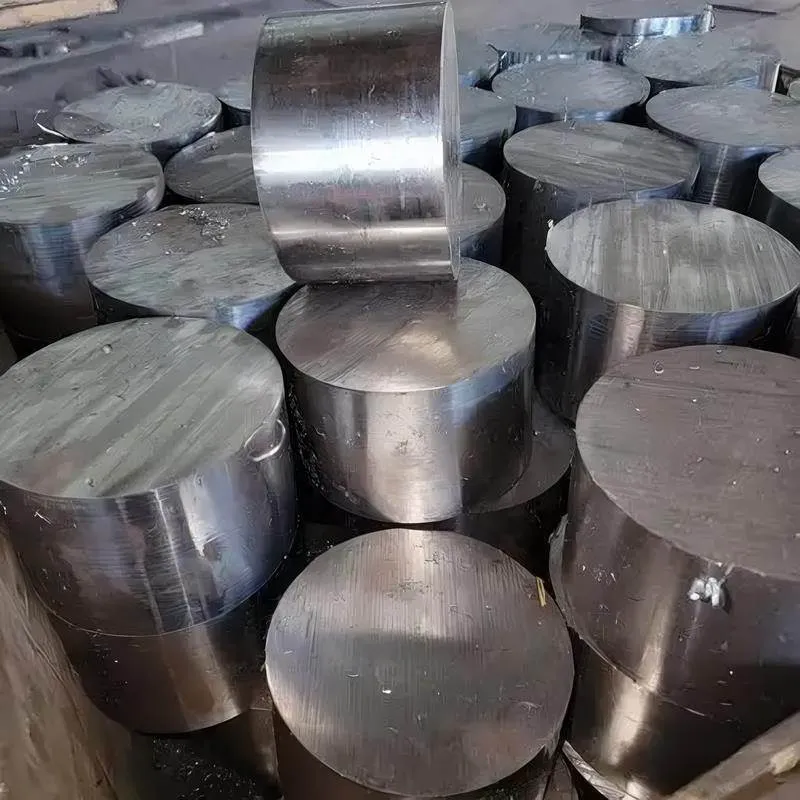
UNS F34100 Cast Iron Rod/Bar
Product Code : STI-IFe-118-CU
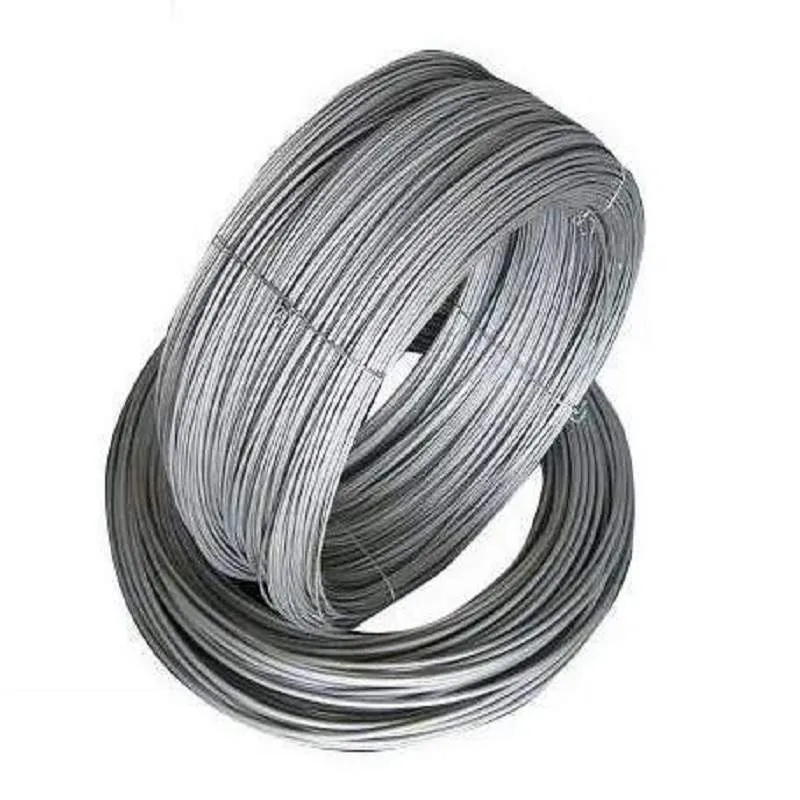
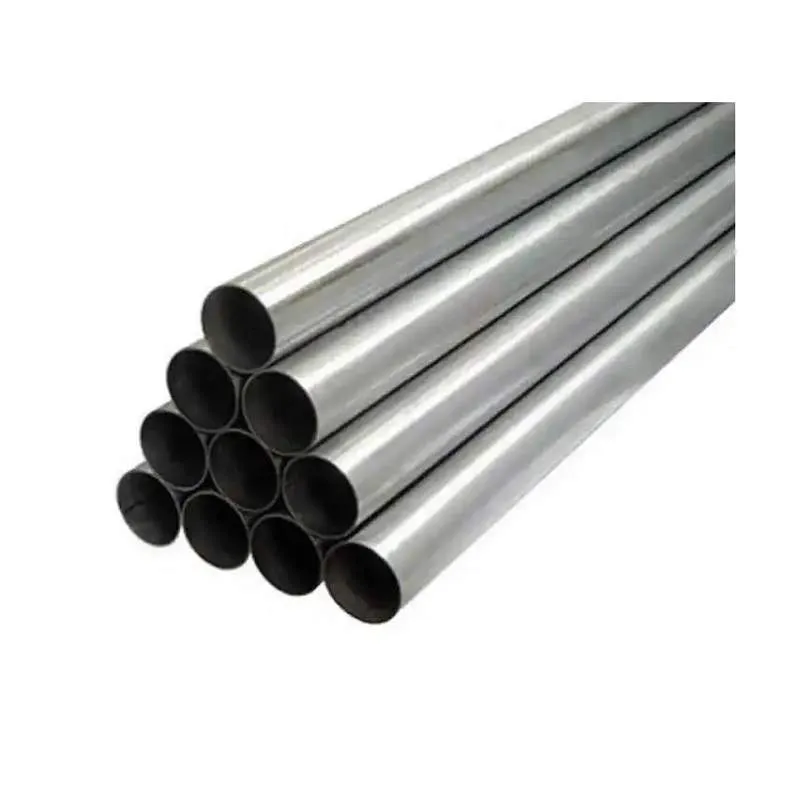
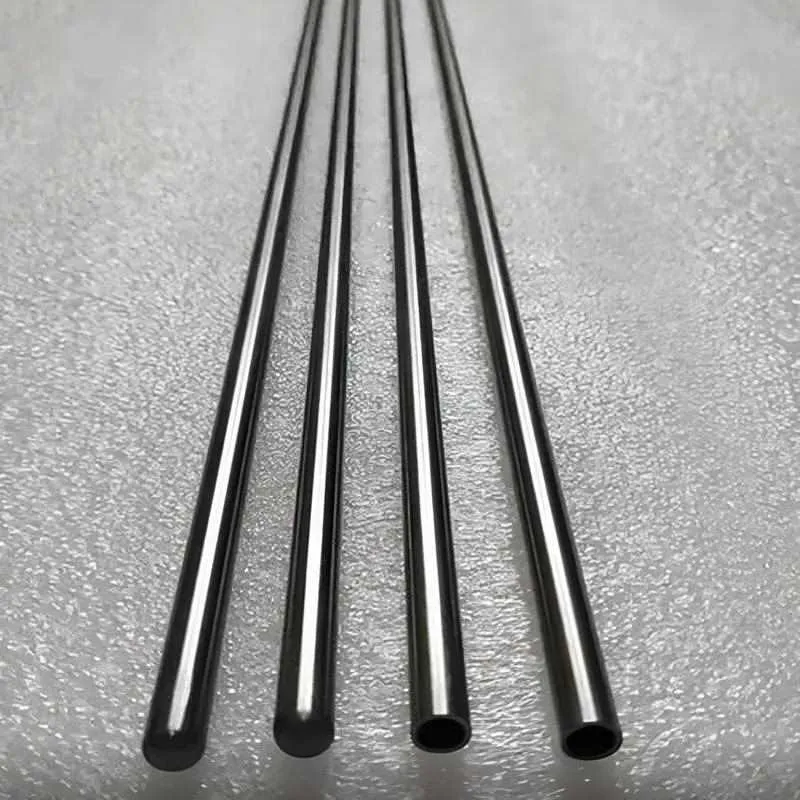
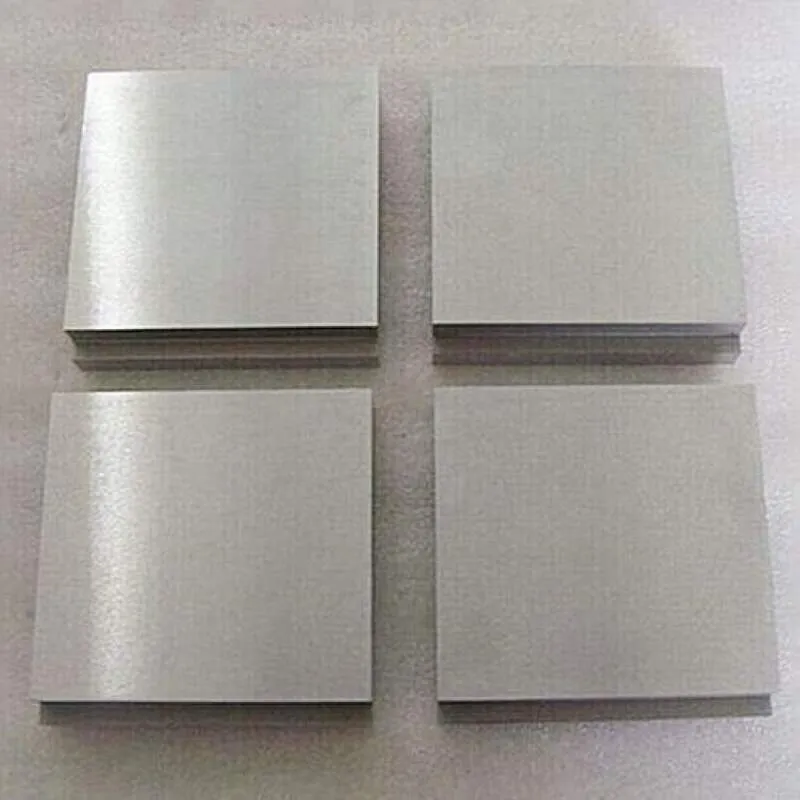
We provide UNS F34100 Cast Iron Rod/Bar is available in Bar (Round bar, Flat bar), Ribbon, Wire, Rod/Bars, Tube,Seamless Tube,Pipe, Ingots, Plate, Sheet, Strip and Forging Stock.,Purity, chemical composition, size, etc. can all be customized to meet specific requirements.
Please contact us if you need customized services. We will contact you with the price and availability in 24 hours.
UNS F34100 Cast Iron Rod Product Information
-:-
For detailed product information, please contact sales.
-:
UNS F34100 Cast Iron Rod Synonyms
-:-
For detailed product information, please contact sales.
-:
UNS F34100 Cast Iron Product Information
-:-
For detailed product information, please contact sales.
-:
## **UNS F34100 Cast Iron - Technical Specification**
### **1. Product Overview**
**UNS F34100** is a specialized designation within the Unified Numbering System (UNS) for a **medium-carbon, high-silicon grade of malleable cast iron**. This material occupies a unique position in the cast iron family, characterized by its **exceptional combination of moderate strength, superior machinability, and excellent vibration damping properties**. The "F34100" designation specifically identifies a malleable iron formulation engineered with elevated silicon content to achieve specific mechanical and physical characteristics that bridge the gap between traditional gray irons and standard malleable irons.
This grade is particularly noted for its **refined graphite structure within a predominantly ferritic matrix**, resulting from controlled heat treatment and chemical composition. F34100 offers manufacturers a material solution that provides **good castability, consistent mechanical properties, and enhanced thermal stability** compared to conventional malleable irons, making it suitable for applications requiring dimensional stability under thermal cycling conditions.
### **2. International Standards & Equivalents**
#### **Primary Governing Standards:**
- **ASTM A47/A47M**: *Standard Specification for Ferritic Malleable Iron Castings* (Primary reference)
- **ASTM A197/A197M**: *Specification for Cupola Malleable Iron* (Traditional production method)
- **SAE J158**: *Malleable Iron Castings* (Automotive applications)
#### **International Grade Equivalents:**
| **Standard** | **Equivalent Grade** | **Tensile Strength Range** | **Notes** |
|--------------|----------------------|----------------------------|-----------|
| **ASTM A47** | **Grade 30008** | ~300 MPa | Closest equivalent |
| **ISO 5922** | **JMB 300-8** | 300 MPa | International standard |
| **EN 1562** | **EN-GJMB-300-8** | 300 MPa | European standard |
| **JIS G 5705** | **FCMB 300** | 300 MPa | Japanese industrial standard |
| **GB/T 9440** | **JMB 300** | 300 MPa | Chinese national standard |
| **DIN 1692** | **GTS-30** | 300 MPa | German standard equivalent |
#### **UNS System Context:**
- **F34XXX Series**: Designates specialized malleable cast irons with modified compositions
- **F34100**: Specifically identifies medium-strength, high-silicon malleable iron
- **Numerical Significance**: The "4100" range indicates specialized silicon-modified compositions
- **Related UNS Codes**:
- F33100: Standard ferritic malleable iron
- F33800: High-strength pearlitic malleable iron
- F35XXX: Austenitic malleable irons
### **3. Chemical Composition**
#### **Specialized Composition Ranges (Weight %):**
| **Element** | **Typical Range** | **Target Range** | **Metallurgical Function** |
|-------------|-------------------|------------------|---------------------------|
| **Carbon (C)** | 2.30-2.80 | 2.40-2.70 | Balanced for strength and castability |
| **Silicon (Si)** | **1.80-2.40** | **1.90-2.20** | **Elevated for improved properties** |
| **Manganese (Mn)** | 0.30-0.60 | 0.35-0.50 | Standard level for sulfur control |
| **Phosphorus (P)** | ≤ 0.10 | ≤ 0.08 | Controlled for toughness |
| **Sulfur (S)** | ≤ 0.10 | ≤ 0.08 | Controlled for machinability |
| **Chromium (Cr)** | ≤ 0.08 | ≤ 0.06 | Limited to prevent graphitization inhibition |
| **Copper (Cu)** | 0.10-0.40 | 0.20-0.35 | Optional for corrosion resistance |
| **Nickel (Ni)** | 0.05-0.25 | 0.10-0.20 | Optional for toughness enhancement |
| **Molybdenum (Mo)** | ≤ 0.05 | ≤ 0.03 | Minimal to avoid hardenability increase |
#### **Silicon-Enhanced Design Philosophy:**
- **Silicon-Carbon Ratio**: Typically 0.75-0.95 (higher than standard grades)
- **Carbon Equivalent**: 3.9-4.3% (calculated with high Si factor)
- **Graphitization Potential**: Enhanced due to elevated silicon content
- **Matrix Control**: Silicon promotes ferrite formation and stability
- **Thermal Properties**: Improved thermal conductivity and stability
#### **Key Composition Features:**
1. **High Silicon Advantage**:
- Accelerates graphitization during annealing
- Improves fluidity during casting
- Enhances thermal conductivity
- Increases yield strength through solid solution strengthening
- Improves corrosion resistance in certain environments
2. **Balanced Carbon Content**:
- Sufficient carbon for proper graphitization
- Optimized for strength and ductility balance
- Controlled to prevent excessive carbide formation
3. **Low Alloy Approach**:
- Minimal alloying elements for cost-effectiveness
- Focus on silicon as primary modifying element
- Reduced sensitivity to section size variations
### **4. Physical & Mechanical Properties**
#### **Minimum Requirements (ASTM A47 Equivalent):**
| **Property** | **Minimum Value** | **Typical Range** | **Test Standard** |
|--------------|------------------|-------------------|------------------|
| **Tensile Strength** | 300 MPa (43,500 psi) | 300-350 MPa | ASTM E8 |
| **Yield Strength (0.2%)** | 200 MPa (29,000 psi) | 200-240 MPa | ASTM E8 |
| **Elongation** | 8% in 50 mm | 8-12% | ASTM E8 |
| **Brinell Hardness** | 120-170 HB | 130-150 HB | ASTM E10 |
#### **Comprehensive Property Profile:**
**Mechanical Properties:**
- **Tensile Strength**: 300-350 MPa (43,500-50,750 psi)
- **Yield Strength**: 200-240 MPa (29,000-34,800 psi)
- **Yield Ratio**: 0.67-0.72
- **Elongation**: 8-12% in 50 mm
- **Reduction of Area**: 15-25%
- **Modulus of Elasticity**: 165-175 GPa (23.9-25.4 × 10⁶ psi)
- **Shear Modulus**: 64-68 GPa
- **Poisson's Ratio**: 0.26-0.28
- **Compressive Strength**: 450-550 MPa
- **Shear Strength**: 200-250 MPa
**Hardness & Wear Characteristics:**
- **Brinell Hardness**: 120-170 HB (typically 130-150 HB)
- **Rockwell Hardness**: 70-85 HRB equivalent
- **Vickers Hardness**: 130-170 HV
- **Microhardness (Matrix)**: 140-160 HV
- **Abrasion Resistance**: Moderate - better than gray iron
- **Scuffing Resistance**: Fair with proper lubrication
- **Wear Coefficient**: 2.5-3.5 × 10⁻⁶ mm³/N·m (ASTM G65)
**Fatigue & Impact Properties:**
- **Fatigue Limit (10⁷ cycles)**: 120-150 MPa (rotating bending)
- **Fatigue Ratio**: 0.40-0.45
- **Charpy V-Notch Impact**: 15-25 J at 20°C
- **Fracture Toughness (K₁c)**: 45-60 MPa√m
- **Transition Temperature**: -20 to 0°C
- **Damping Capacity**: Excellent - 7-9× better than steel
**Physical & Thermal Properties:**
- **Density**: 7.20-7.30 g/cm³ (slightly lower due to silicon)
- **Melting Range**: 1150-1200°C
- **Thermal Conductivity**: 46-52 W/m·K at 20°C
- **Specific Heat**: 500-540 J/kg·K
- **Thermal Expansion**: 10.8-11.6 × 10⁻⁶/°C (20-200°C)
- **Electrical Resistivity**: 0.30-0.38 μΩ·m
- **Magnetic Properties**: Ferromagnetic
- **Thermal Stability**: Excellent, minimal growth at elevated temperatures
### **5. Microstructure & Heat Treatment**
#### **Heat Treatment Process:**
1. **Full Annealing Cycle**:
- **Stage 1 - Graphitization**: 900-950°C for 15-40 hours
- **Stage 2 - Ferritization**: 700-730°C for 10-25 hours
- **Cooling**: Controlled furnace cooling
- **Total Time**: 25-65 hours depending on section size
2. **Silicon Enhancement Effects**:
- Accelerates graphitization, reducing cycle time
- Promotes complete ferrite formation
- Improves microstructure uniformity
- Reduces sensitivity to cooling rate variations
#### **Final Microstructure:**
- **Matrix**: 95-100% ferritic
- **Graphite Form**: Well-dispersed temper carbon aggregates
- **Aggregate Size**: 15-40 μm
- **Aggregate Shape**: Regular, well-rounded nodules
- **Matrix Grain Size**: ASTM 5-7
- **Silicon Distribution**: Uniform in ferrite matrix
- **No Pearlite or Cementite**: <2% maximum
- **Inclusion Content**: ≤1.0% by volume
#### **Microstructural Advantages:**
1. **Refined Structure**: Silicon promotes finer graphite aggregates
2. **Uniform Distribution**: Even dispersion throughout matrix
3. **Stable Matrix**: Ferrite remains stable under thermal cycling
4. **Consistent Properties**: Reduced section sensitivity
### **6. Manufacturing & Processing Characteristics**
#### **Foundry Requirements:**
- **Melting**: Cupola or electric furnace suitable
- **Charge Materials**: Silicon-adjusted charge calculations
- **Inoculation**: Standard inoculation practices effective
- **Pouring Temperature**: 1380-1420°C optimal
- **Molding**: All standard molding methods applicable
- **Fluidity**: Excellent due to high silicon content
#### **Machinability Characteristics:**
- **Machinability Rating**: 95-110% relative to B1112 steel
- **Cutting Speed**: 130-190 m/min with HSS tools
- **Feed Rate**: 0.20-0.40 mm/rev
- **Tool Life**: Excellent, minimal tool wear
- **Surface Finish**: 1.6-2.5 μm Ra easily achievable
- **Chip Formation**: Short, broken chips ideal for automation
- **Power Requirements**: Low, efficient machining
#### **Heat Treatment Response:**
- **Consistent Transformation**: Predictable graphitization
- **Reduced Cycle Time**: 10-20% shorter than standard grades
- **Energy Efficiency**: Lower temperature requirements
- **Process Window**: Wider acceptable parameter ranges
#### **Casting Characteristics:**
- **Fluidity Index**: 40-50 inches (superior to standard grades)
- **Shrinkage**: 0.9-1.3% linear
- **Hot Strength**: Adequate for most applications
- **Feeding Requirements**: Standard feeding practices
- **Surface Finish**: Good as-cast appearance
### **7. Product Applications**
#### **Automotive & Transportation:**
- **Engine Components**:
- Exhaust manifolds and brackets
- Engine mounts and brackets
- Timing chain covers
- Oil pump housings
- Water pump components
- **Chassis & Suspension**:
- Steering gear housings
- Brake system brackets
- Suspension linkage brackets
- Bearing caps and housings
- **Transmission & Drivetrain**:
- Transmission extension housings
- Transfer case components
- Differential covers
- Drive shaft center supports
#### **Industrial Machinery:**
- **Power Transmission**:
- Gearbox housings and covers
- Motor brackets and bases
- Coupling guards
- Drive system components
- **Material Handling**:
- Conveyor system brackets
- Hoist and crane components
- Forklift structural brackets
- Material transfer system parts
- **Process Equipment**:
- Pump housings and bases
- Compressor brackets
- Valve bodies (non-critical)
- Mixing equipment components
#### **Electrical & Power Generation:**
- **Electrical Equipment**:
- Motor end bells and frames
- Transformer bases and brackets
- Switchgear components
- Electrical enclosure parts
- **Power Generation**:
- Generator mounting brackets
- Turbine accessory brackets
- Cooling system components
- Support structure elements
#### **General Manufacturing:**
- **Machine Tool Components**:
- Machine bases and beds
- Column and housing castings
- Bracket and support elements
- Guard and cover components
- **Tooling & Fixtures**:
- Jig and fixture bases
- Inspection fixture components
- Assembly line fixtures
- Special machine bases
#### **Specialized Applications:**
- **Thermal Management Components**: Heat sinks, thermal plates
- **Vibration Sensitive Applications**: Damping elements, isolation bases
- **Dimensional Stability Critical Parts**: Gauge bases, reference plates
- **Complex Geometry Components**: Intricate housings, manifold castings
### **8. Design Engineering Guidelines**
#### **Section Size Limitations:**
- **Optimal Wall Thickness**: 4-25 mm
- **Maximum Uniform Section**: 40 mm
- **Minimum Practical Section**: 3 mm
- **Property Uniformity**: ±8% across design section
- **Coring Capability**: Good for complex internal passages
#### **Design Stress Recommendations:**
- **Static Design Stress**: 80-110 MPa (11,600-16,000 psi)
- **Fatigue Design Stress**: 50-75 MPa (7,250-10,900 psi)
- **Impact Applications**: Well-suited due to good toughness
- **Safety Factors**: 2.0-2.8 for general applications
- **Thermal Cycling**: Excellent resistance to thermal fatigue
#### **Geometric Considerations:**
- **Fillet Radii**: Minimum 2 mm, preferred 3+ mm
- **Section Transitions**: Moderate changes acceptable
- **Rib Design**: Height/width ratio ≤ 5:1
- **Boss Design**: Diameter ≤ 2.5× wall thickness
- **Hole Placement**: Minimum 1.2× diameter from edges
- **Draft Angles**: Standard 1-3° sufficient
#### **Thermal Design Advantages:**
1. **Low Thermal Expansion**: Good for dimensional stability
2. **High Thermal Conductivity**: Efficient heat dissipation
3. **Thermal Shock Resistance**: Good for cyclic applications
4. **Minimal Growth**: Stable at elevated temperatures
### **9. Quality Assurance & Testing**
#### **Standard Testing Requirements:**
1. **Chemical Analysis**: Each heat (spectroscopic methods)
2. **Mechanical Testing**: Tensile tests from separately cast bars
3. **Hardness Testing**: Multiple locations per casting
4. **Microstructural Examination**: Verification of proper structure
5. **Dimensional Verification**: Per drawing requirements
6. **Visual Inspection**: Surface quality assessment
#### **Specialized Testing (When Required):**
- **Thermal Cycling Tests**: For temperature-sensitive applications
- **Vibration Damping Tests**: For dynamic applications
- **Wear Testing**: For friction/wear applications
- **Corrosion Testing**: For specific environment applications
- **Non-Destructive Testing**: UT, MT, RT as specified
#### **Certification Requirements:**
- **Material Certificate**: Chemical and mechanical properties
- **Heat Treatment Records**: Annealing cycle documentation
- **Statistical Process Control**: Cp ≥ 1.33, Cpk ≥ 1.00
- **Traceability**: Heat/lot identification maintained
- **First Article Inspection**: Comprehensive dimensional reports
#### **Quality Control Advantages:**
1. **Consistent Chemistry**: Easier to maintain with silicon control
2. **Predictable Properties**: Reduced variability in mechanical properties
3. **Good Castability**: Lower scrap rates than some specialty grades
4. **Process Stability**: Wider processing windows
### **10. Comparative Analysis**
#### **vs. Standard Malleable Irons:**
| **Property** | **F34100 vs. F33100** | **Advantage/Disadvantage** |
|--------------|------------------------|---------------------------|
| **Tensile Strength** | 5-10% lower | Minor disadvantage |
| **Yield Strength** | Similar or slightly higher | Neutral |
| **Elongation** | Similar | Neutral |
| **Hardness** | Similar | Neutral |
| **Machinability** | 10-15% better | Significant advantage |
| **Thermal Conductivity** | 15-20% better | Major advantage |
| **Damping Capacity** | Similar | Neutral |
| **Cost** | Similar | Neutral |
#### **vs. Alternative Materials:**
- **Gray Iron (Class 35)**: Better ductility, similar strength, better machinability
- **Ductile Iron (65-45-12)**: Lower strength, better impact, similar machinability
- **Aluminum Alloys (A356-T6)**: Higher density, better thermal properties, lower cost
- **Steel Castings (1020)**: Better damping, lower cost, different manufacturing
#### **Silicon-Enhanced Advantages:**
1. **Processing Benefits**:
- Reduced annealing time
- Lower energy consumption
- Wider processing windows
- Improved yield rates
2. **Performance Benefits**:
- Enhanced thermal properties
- Improved machinability
- Better corrosion resistance in some environments
- Superior dimensional stability
3. **Economic Benefits**:
- Lower machining costs
- Reduced scrap rates
- Longer tool life
- Efficient energy usage
### **11. Economic & Technical Considerations**
#### **Cost Factors:**
- **Material Cost**: Similar to standard malleable irons
- **Processing Cost**: 5-10% lower due to reduced annealing time
- **Machining Cost**: 10-20% lower than standard grades
- **Tooling Cost**: Similar to other cast irons
- **Total Cost**: Competitive advantage in machined components
#### **Technical Trade-offs:**
- **Strength vs. Machinability**: Optimized for machinability
- **Thermal Properties vs. Cost**: Excellent value for thermal applications
- **Manufacturability**: Easier to process than many alternatives
- **Application Range**: Broad but specific to advantages
#### **Supply Chain Considerations:**
- **Supplier Availability**: Good, standard foundries can produce
- **Lead Times**: Similar to standard malleable irons
- **Technical Support**: Standard metallurgical knowledge sufficient
- **Global Availability**: Widely available
#### **Life Cycle Considerations:**
1. **Manufacturing Phase**:
- Efficient casting and machining
- Good material utilization
- Low energy requirements
2. **Service Phase**:
- Good durability in intended applications
- Low maintenance requirements
- Good reliability
3. **End-of-Life**:
- 100% recyclable
- Standard recycling infrastructure
- No special handling requirements
### **12. Technical Limitations**
#### **Material Constraints:**
- **Maximum Service Temperature**: 450°C continuous (higher than standard)
- **Weldability**: Poor, not recommended
- **Corrosion Resistance**: Similar to other cast irons
- **Impact Resistance**: Good but not for severe impact
- **Size Limitations**: Maximum ~50 kg single casting
#### **Strength Limitations:**
- **Not for High-Stress Applications**: Moderate strength limits use
- **Fatigue Limits**: Adequate but not exceptional
- **Wear Applications**: Moderate wear resistance only
- **Heavy Impact**: Not recommended for severe service
#### **Processing Limitations:**
- **Annealing Required**: Still requires extended heat treatment
- **Size Restrictions**: Limited by furnace capacity
- **Complexity Limits**: Standard casting limitations apply
- **Surface Treatments**: Standard methods applicable
#### **Design Limitations:**
- **Stress Concentrations**: Sensitive to sharp features
- **Thin Sections**: Minimum 3 mm practical
- **Heavy Sections**: Maximum 40 mm for uniform properties
- **Special Features**: Standard design rules apply
### **13. Future Developments & Trends**
#### **Technical Advancements:**
1. **Process Optimization**: Further reduction in annealing time
2. **Alloy Refinement**: Enhanced properties through microalloying
3. **Quality Improvements**: Better consistency through advanced controls
4. **Sustainability Focus**: Reduced energy consumption
#### **Market Trends:**
- **Lightweighting Support**: Enabling weight reduction in systems
- **Electrification Applications**: Components in electric vehicle systems
- **Energy Efficiency**: Thermal management applications
- **Cost Reduction**: Replacement for more expensive materials
#### **Research Directions:**
- **Microstructure Control**: Optimizing silicon distribution
- **Property Enhancement**: Improving specific characteristics
- **Process Innovation**: New manufacturing approaches
- **Application Expansion**: New uses in emerging technologies
#### **Sustainability Initiatives:**
1. **Energy Reduction**: Lower heat treatment requirements
2. **Material Efficiency**: High yield manufacturing
3. **Recyclability**: Excellent recycling characteristics
4. **Life Cycle Benefits**: Durable, long-service components
### **14. Implementation Guidelines**
#### **When to Specify F34100:**
1. **Machining Intensive Applications**: Where machining cost is significant
2. **Thermal Management Components**: Requiring good thermal properties
3. **Vibration Sensitive Designs**: Benefiting from good damping
4. **Complex Geometry Parts**: Where castability is important
5. **Cost-Sensitive Projects**: Where total cost matters
#### **Specification Requirements:**
1. **Clear Standards Reference**: ASTM A47 or equivalent
2. **Property Requirements**: Minimum tensile and elongation
3. **Special Requirements**: Any unique needs (thermal, etc.)
4. **Testing Protocol**: Required verification methods
5. **Acceptance Criteria**: Quality standards
#### **Supplier Selection Criteria:**
1. **Experience**: Proven capability with silicon-enhanced grades
2. **Quality Systems**: Appropriate certifications
3. **Technical Support**: Metallurgical expertise
4. **Capacity**: Ability to meet volume requirements
5. **Cost Structure**: Competitive pricing
#### **Design Optimization Tips:**
1. **Leverage Advantages**: Focus on machinability and thermal benefits
2. **Avoid Limitations**: Design around strength constraints
3. **Optimize Geometry**: Use casting design best practices
4. **Consider Processing**: Design for efficient heat treatment
5. **Validate Thoroughly**: Test under actual service conditions
### **15. Conclusion**
**UNS F34100** represents a **strategically optimized version of traditional malleable cast iron** that delivers enhanced machinability and thermal properties through controlled silicon addition. This grade fills an important niche in the materials selection spectrum, offering manufacturers a **cost-effective, high-performance material** for applications where machining efficiency, thermal management, or dimensional stability are critical design considerations.
The silicon-enhanced formulation of F34100 provides tangible benefits throughout the manufacturing process, from improved castability and reduced heat treatment time to superior machinability and extended tool life. These advantages translate directly to **lower production costs, improved quality consistency, and enhanced component performance** in suitable applications.
While F34100 may not offer the ultimate strength of higher-alloy grades, its balanced property profile makes it an **excellent choice for a wide range of industrial components** where the combination of good mechanical properties, excellent manufacturability, and specific physical characteristics provides optimal value.
#### **Strategic Value Proposition:**
1. **Manufacturing Efficiency**: Reduced costs through better machinability
2. **Performance Reliability**: Consistent properties in service
3. **Design Flexibility**: Enables complex geometries
4. **Economic Viability**: Competitive total cost of ownership
#### **Future Outlook:**
As manufacturing continues to evolve toward greater efficiency and sustainability, F34100 is well-positioned to maintain and potentially expand its role in industrial applications. Its **energy-efficient processing, excellent recyclability, and manufacturing advantages** align well with modern industrial priorities.
For engineers and designers seeking a **reliable, cost-effective material solution** that offers specific advantages in machinability and thermal properties, **UNS F34100 provides a proven, capable option** that balances performance, manufacturability, and economic viability in a wide range of applications.
-:-
For detailed product information, please contact sales.
-:
UNS F34100 Cast Iron Specification
Dimensions
Size:
Diameter 20-1000 mm Length <6593 mm
Size:We can customized as required
Standard:
Per your request or drawing
We can customized as required
Properties(Theoretical)
Chemical Composition
-:-
For detailed product information, please contact sales.
-:
UNS F34100 Cast Iron Properties
-:-
For detailed product information, please contact sales.
-:
Applications of UNS F34100 Cast Iron Rod
-:-
For detailed product information, please contact sales.
-:
Chemical Identifiers UNS F34100 Cast Iron Rod
-:-
For detailed product information, please contact sales.
-:
Packing of UNS F34100 Cast Iron Rod
-:-
For detailed product information, please contact sales.
-:
Standard Packing:
-:-
For detailed product information, please contact sales.
-:
Typical bulk packaging includes palletized plastic 5 gallon/25 kg. pails, fiber and Steel Rod drums to 1 ton super sacks in full container (FCL) or truck load (T/L) quantities. Research and sample quantities and hygroscopic, oxidizing or other air sensitive materials may be packaged under argon or vacuum. Solutions are packaged in polypropylene, plastic or glass jars up to palletized 3064 gallon liquid totes Special package is available on request. E FORUs’ is carefully handled to minimize damage during storage and transportation and to preserve the quality of our products in their original condition