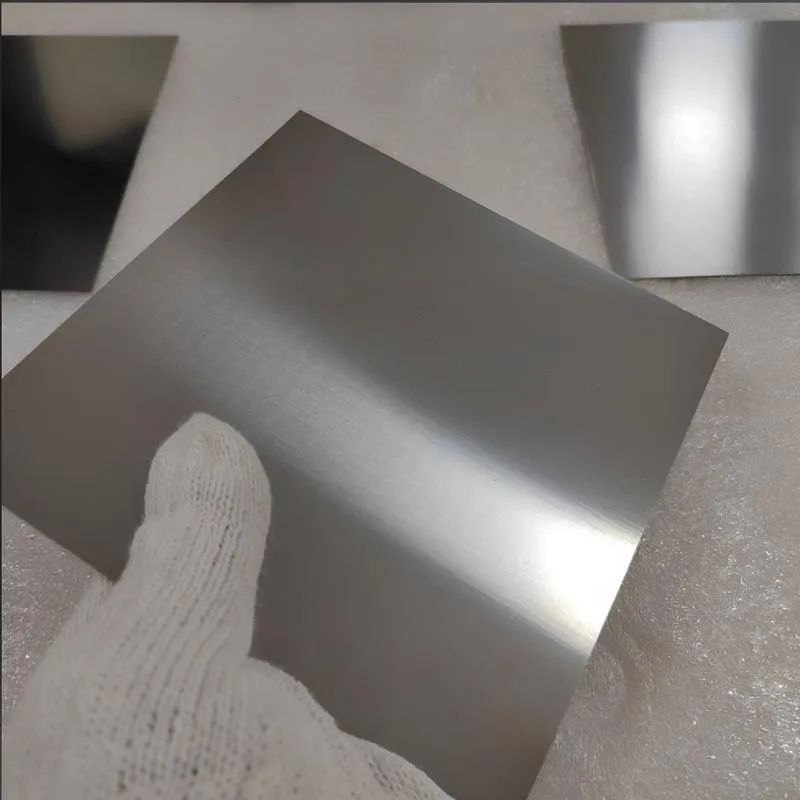
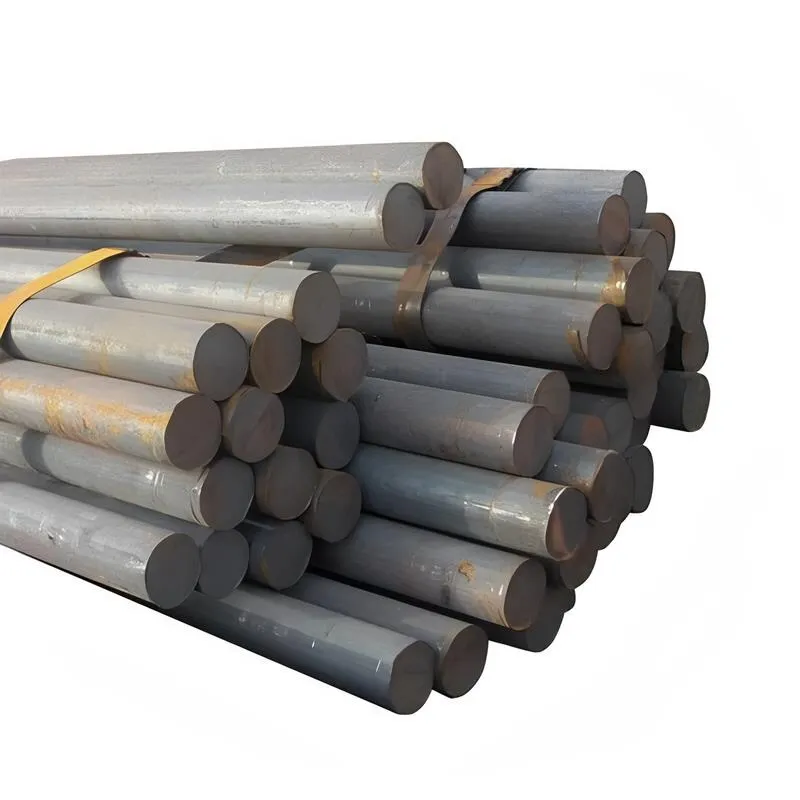
X25CrNi2520 Austenitic Stainless Steel Sheet,Plate,for medical instruments
Product Code : STI-GSTI-754-CU
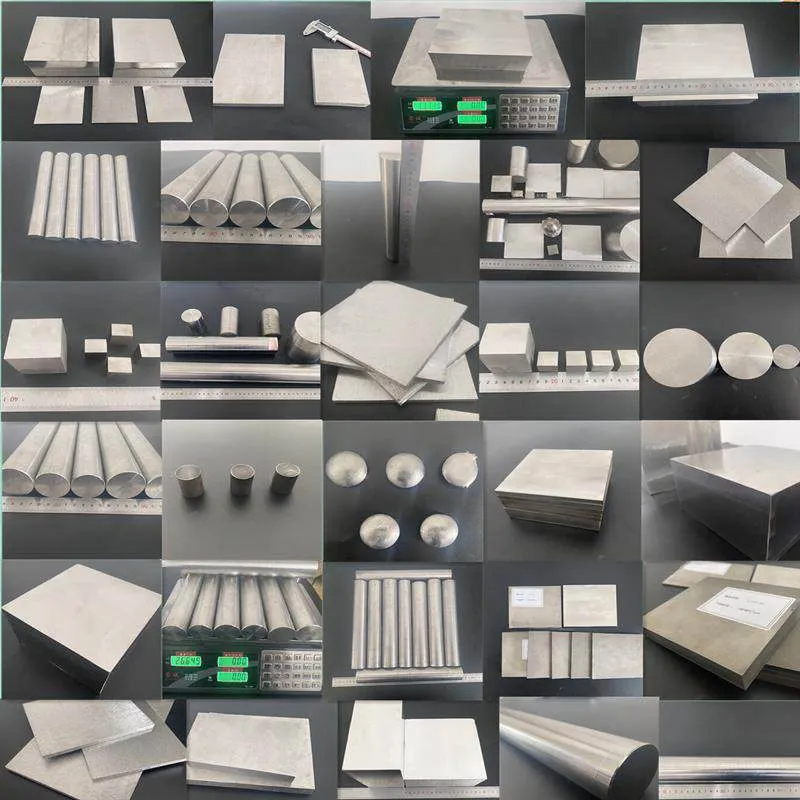
We provide X25CrNi2520 Austenitic Stainless Steel Sheet/Plate for medical instruments is available in Bar (Round bar, Flat bar), Ribbon, Wire, Rods, Tube,Seamless Tube,Pipe, Ingots, Plate, Sheet/Plate, Strip and Forging Stock.,Purity, chemical composition, size, etc. can all be customized to meet specific requirements.
Please contact us if you need customized services. We will contact you with the price and availability in 24 hours.
X25CrNi2520 Austenitic Stainless Steel Sheet/Plate for medical instruments Product Information
-:-
For detailed product information, please contact sales.
-:
X25CrNi2520 Austenitic Stainless Steel Sheet/Plate for medical instruments Synonyms
-:-
For detailed product information, please contact sales.
-:
X25CrNi2520 Austenitic Stainless Steel for medical instruments Product Information
-:-
For detailed product information, please contact sales.
-:
# X25CrNi25-20 Austenitic Stainless Steel for Medical Instruments
## Overview
X25CrNi25-20 (also commonly referred to as 310S or UNS S31008 in general industry, but with a specific medical/chemical application focus) is a high-alloy austenitic stainless steel characterized by its exceptionally high chromium and nickel content. While **not typically classified as a primary medical implant steel** under common orthopedic standards (like ISO 5832), its outstanding high-temperature stability, superior corrosion resistance, and excellent resistance to oxidation make it suitable for specialized, high-performance medical instruments and equipment, particularly those subjected to extreme conditions.
## International Standards & Designations
* **EN 10088-3:** 1.4845 (A common European designation for high-temperature applications)
* **UNS S31008:** Unified Numbering System (general-purpose 310S)
* **ASTM A240/A240M:** Standard Specification for 310S grade (for plate, sheet, and strip)
* **ASTM A276/A276M:** Standard Specification for 310S grade (for bars and shapes)
* **ISO 4955:** Heat-resisting steels and alloys
* **Note on Medical Standards:** This alloy is less commonly directly referenced in core surgical instrument material standards (like **ISO 7153-1**) compared to 304/316 or martensitic grades. Its application is driven by specific performance needs rather than generic instrument specifications.
## Chemical Composition (Typical, % by weight)
| Element | Content (%) |
| :--- | :--- |
| **Carbon (C)** | 0.20 – 0.25 |
| **Chromium (Cr)** | 24.0 – 26.0 |
| **Nickel (Ni)** | 19.0 – 21.0 |
| **Silicon (Si)** | ≤ 1.50 |
| **Manganese (Mn)** | ≤ 2.00 |
| **Phosphorus (P)** | ≤ 0.045 |
| **Sulfur (S)** | ≤ 0.030 |
| **Iron (Fe)** | Balance |
**Key Alloying Elements Significance:**
* **High Chromium (24-26%):** Provides exceptional resistance to oxidation and scaling at high temperatures, forming a stable and protective chromium oxide (Cr₂O₃) layer. Also enhances general corrosion resistance.
* **High Nickel (19-21%):** Strongly stabilizes the austenitic microstructure, providing excellent ductility, toughness, and resistance to thermal cycling. It also improves resistance to chloride stress corrosion cracking.
* **Elevated Carbon (0.20-0.25%):** Provides solid solution strengthening and improves high-temperature creep strength compared to low-carbon variants (e.g., 310L). It is balanced to avoid excessive carbide precipitation.
## Physical Properties (Annealed Condition)
| Property | Value |
| :--- | :--- |
| **Density** | 7.98 g/cm³ |
| **Melting Point** | ~1400 – 1450 °C |
| **Thermal Conductivity** | 14.2 W/m·K (at 20°C) |
| **Specific Heat Capacity** | 500 J/kg·K (at 20°C) |
| **Electrical Resistivity** | 0.78 µΩ·m |
| **Modulus of Elasticity** | ~200 GPa |
| **Coefficient of Thermal Expansion** | 14.4 – 15.9 x 10⁻⁶/K (20-100°C) |
| **Magnetic Permeability** | Essentially non-magnetic (Austenitic) |
## Mechanical Properties (Annealed Condition)
| Property | Value (Typical) |
| :--- | :--- |
| **Tensile Strength (Rm)** | 515 – 620 MPa |
| **Yield Strength (Rp0.2)** | ≥ 205 MPa |
| **Elongation at Break (A)** | ≥ 40% |
| **Hardness (Brinell)** | ≤ 217 HBW |
| **Hardness (Rockwell B)** | ≤ 95 HRB |
| **Impact Toughness** | High |
## Heat Treatment
* **Solution Annealing:** The standard treatment involves heating to **1040 – 1120°C**, holding sufficiently to dissolve carbides, followed by rapid cooling (water quenching). This restores maximum corrosion resistance and softness for further fabrication.
* **Stress Relieving:** Can be performed at 850 – 900°C for components subject to high-temperature service.
* **No Phase Hardening:** Cannot be hardened by heat treatment; any increase in strength is achieved through cold working.
## Product Applications in the Medical Field
Given its premium cost and specialized properties, X25CrNi25-20 is reserved for demanding medical applications where standard 316L or even high-performance nickel alloys might be challenged.
1. **Sterilization and Laboratory Equipment:**
* Components for **high-temperature dry-heat sterilizers** (e.g., chambers, trays, racks) operating above 180°C.
* **Autoclave and washer-disinfector** internal components exposed to superheated steam, aggressive cleaning chemistries, and thermal cycling.
* **Laboratory furnace and oven** parts (liners, muffles, heating element supports) used in medical research or diagnostics.
2. **Specialized Surgical Instruments:**
* Instruments requiring **repeated flaming or direct heat sterilization** in the field or in specific surgical procedures.
* **Microsurgery tools** for procedures involving high-intensity light sources or localized heating, where thermal stability is critical to maintain precision.
3. **Medical Device Manufacturing & Processing:**
* **Fixtures, jigs, and furnace components** used in the high-temperature brazing, sintering, or heat treatment of other medical devices (e.g., ceramic or metal implant components).
* Components for **chemical vapor deposition (CVD)** or other coating systems used to apply biocompatible layers to implants.
4. **Dental Technology:**
* High-temperature furnace components used in **dental porcelain firing** and alloy processing.
## Corrosion Resistance
* **General & Oxidation Resistance:** **Outstanding.** The high chromium content provides superior resistance to oxidation, scaling, and sulfidation at temperatures up to **1100°C** in intermittent service and **1050°C** in continuous service. This is its primary advantage.
* **Aqueous Corrosion:** Very good resistance to a wide range of chemicals, including many organic acids, alkaline solutions, and nitrate compounds. Performance is generally superior to 304/316 in many oxidizing environments.
* **Chloride Resistance:** Good resistance to chloride pitting and stress corrosion cracking due to the high nickel content, though not as high as super-austenitic or duplex grades specifically designed for chloride service.
* **Medical/ Sterilization Environment:** Exceptionally resistant to degradation from all standard sterilization methods (steam, dry heat, chemical, radiation) and hospital disinfectants.
## Fabrication and Processing
* **Machinability:** Poor. Its high work-hardening rate, toughness, and strength at high temperatures make it challenging to machine. Requires powerful machinery, rigid setups, sharp carbide tools, slow speeds, and heavy feeds.
* **Forming:** Good hot workability at 1050-1200°C. Cold forming is possible but requires more force than standard austenitics and may need intermediate annealing due to rapid work hardening.
* **Welding:** Good weldability using matching filler metal (e.g., ER310) or high-nickel alloys. Preheating is not usually required. Post-weld annealing is recommended for optimal corrosion resistance in welded assemblies, especially for high-temperature service.
* **Surface Finish:** Can be polished to a high luster. Passivation with nitric acid is beneficial to enhance the chromium oxide layer.
## Advantages and Limitations for Medical Use
**Advantages:**
* **Unmatched High-Temperature Strength & Oxidation Resistance:** Ideal for extreme thermal cycles.
* **Excellent Long-Term Stability:** Minimal scaling or deformation under continuous heat exposure.
* **Superior Corrosion Resistance:** In many aggressive chemical and thermal environments.
* **Good Ductility and Toughness:** At both room and elevated temperatures.
**Limitations/Considerations:**
* **High Cost:** Due to significant nickel and chromium content.
* **Lower Room-Temperature Yield Strength:** Compared to cold-worked 316L or martensitic grades.
* **Not a Standard "Implant" Alloy:** Its biocompatibility for long-term implantation is less documented than 316L or CoCr alloys, though it is generally considered inert. Specific testing per ISO 10993 would be required for implant contact.
* **Machining Difficulties:** Increases manufacturing cost for complex components.
## Conclusion
X25CrNi25-20 is a **specialist, high-performance austenitic stainless steel** that finds niche but critical applications within the medical technology sector. Its value lies not in replacing standard surgical steels like 316L for general instruments, but in enabling medical equipment and processes that operate at the **extremes of temperature and corrosion**. For sterilization systems, high-temperature processing equipment, and specialized instruments where thermal failure or corrosion of standard materials is a risk, X25CrNi25-20 provides a reliable, durable, and high-performance solution. Its selection is justified by stringent technical requirements that override its higher material and processing costs.
-:-
For detailed product information, please contact sales.
-:
X25CrNi2520 Austenitic Stainless Steel for medical instruments Specification
Dimensions
Size:
Diameter 20-1000 mm Length <7410 mm
Size:We can customized as required
Standard:
Per your request or drawing
We can customized as required
Properties(Theoretical)
Chemical Composition
-:-
For detailed product information, please contact sales.
-:
X25CrNi2520 Austenitic Stainless Steel for medical instruments Properties
-:-
For detailed product information, please contact sales.
-:
Applications of X25CrNi2520 Austenitic Stainless Steel Sheet,Plate for medical instruments
-:-
For detailed product information, please contact sales.
-:
Chemical Identifiers X25CrNi2520 Austenitic Stainless Steel Sheet,Plate for medical instruments
-:-
For detailed product information, please contact sales.
-:
Packing of X25CrNi2520 Austenitic Stainless Steel Sheet/Plate for medical instruments
-:-
For detailed product information, please contact sales.
-:
Standard Packing:
-:-
For detailed product information, please contact sales.
-:
Typical bulk packaging includes palletized plastic 5 gallon/25 kg. pails, fiber and Steel Sheet/Plate drums to 1 ton super sacks in full container (FCL) or truck load (T/L) quantities. Research and sample quantities and hygroscopic, oxidizing or other air sensitive materials may be packaged under argon or vacuum. Solutions are packaged in polypropylene, plastic or glass jars up to palletized 3881 gallon liquid totes Special package is available on request. E FORUs’ is carefully handled to minimize damage during storage and transportation and to preserve the quality of our products in their original condition