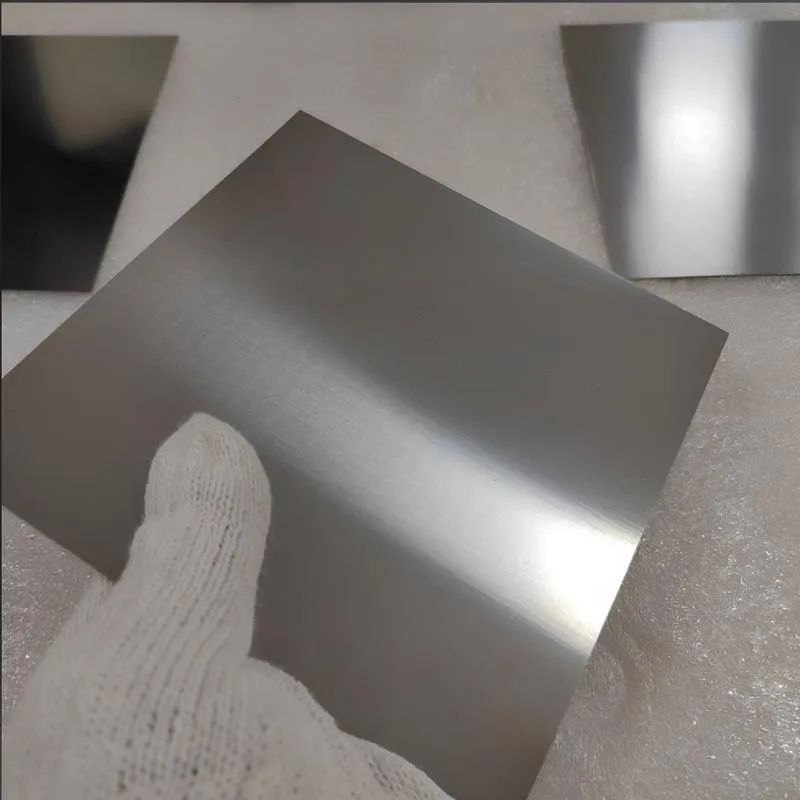
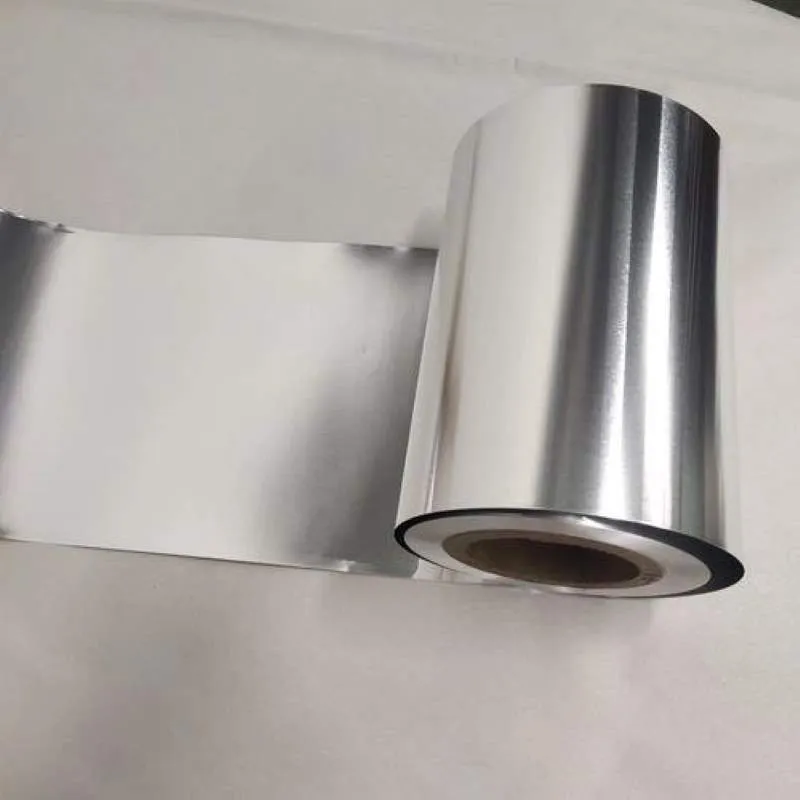
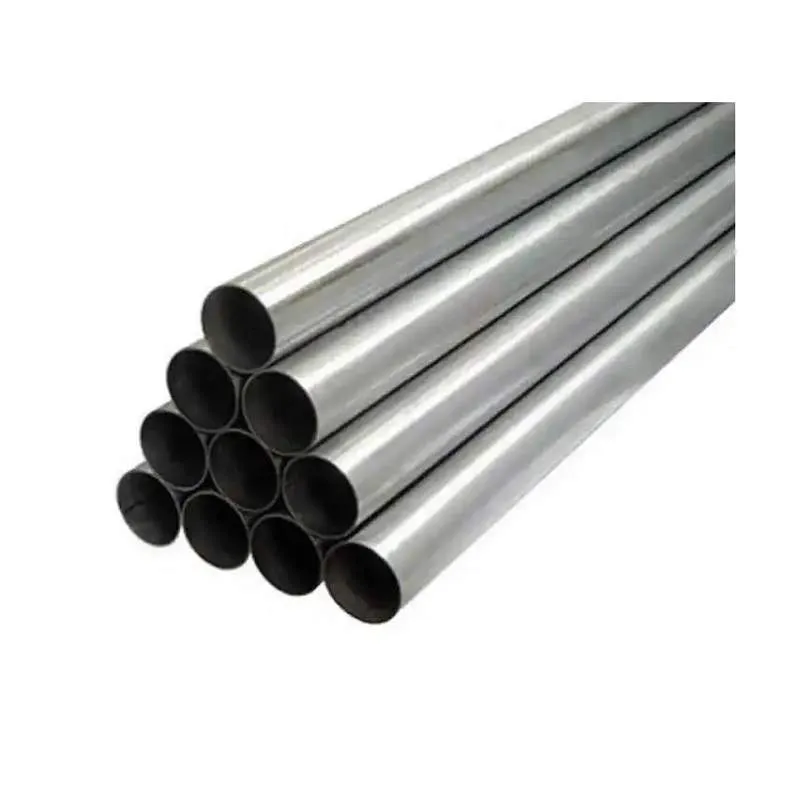
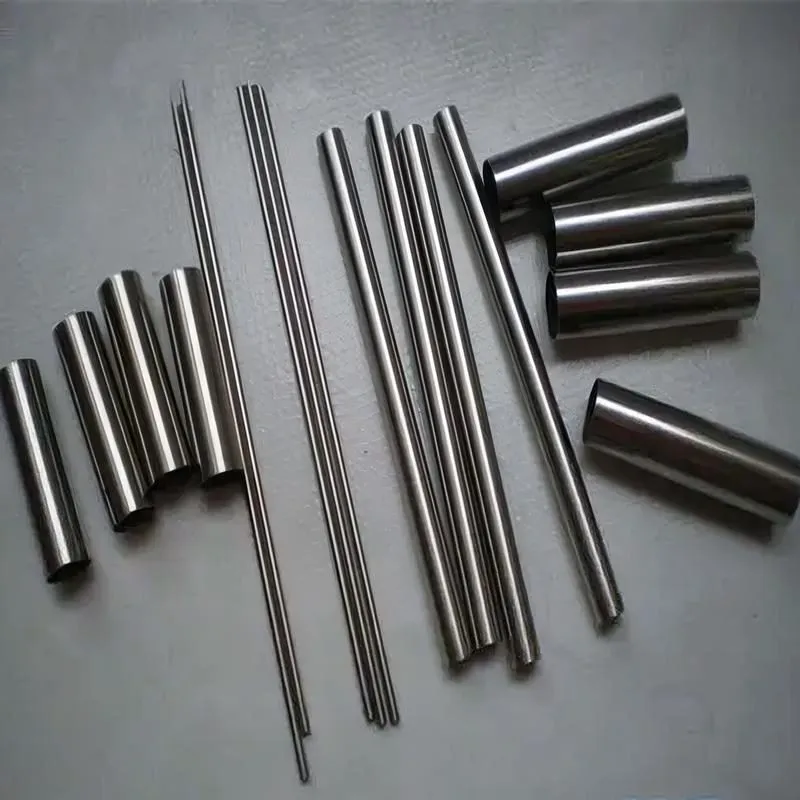
X2CrNiMo18164 Austenitic Stainless Steel Sheet,Plate,for medical instruments
Product Code : STI-GSTI-758-CU
We provide X2CrNiMo18164 Austenitic Stainless Steel Sheet/Plate for medical instruments is available in Bar (Round bar, Flat bar), Ribbon, Wire, Rods, Tube,Seamless Tube,Pipe, Ingots, Plate, Sheet/Plate, Strip and Forging Stock.,Purity, chemical composition, size, etc. can all be customized to meet specific requirements.
Please contact us if you need customized services. We will contact you with the price and availability in 24 hours.
X2CrNiMo18164 Austenitic Stainless Steel Sheet/Plate for medical instruments Product Information
-:-
For detailed product information, please contact sales.
-:
X2CrNiMo18164 Austenitic Stainless Steel Sheet/Plate for medical instruments Synonyms
-:-
For detailed product information, please contact sales.
-:
X2CrNiMo18164 Austenitic Stainless Steel for medical instruments Product Information
-:-
For detailed product information, please contact sales.
-:
# X2CrNiMo18-16-4 Super-Austenitic Stainless Steel for Medical Instruments
## Overview
X2CrNiMo18-16-4 is a premium super-austenitic stainless steel engineered to deliver exceptional corrosion resistance and mechanical performance in the most demanding medical environments. Characterized by its high molybdenum content, balanced chromium-nickel composition, and ultra-low carbon content, this alloy represents the pinnacle of corrosion-resistant stainless steels for medical applications requiring uncompromising performance against aggressive biological fluids, sterilization chemicals, and long-term implant compatibility.
## International Standards
- **EN 10088-3:** 1.4449 (Primary European designation)
- **ISO 7153-1:** Surgical instruments - Materials - Part 1: Metals
- **ASTM F2229:** Standard Specification for Wrought, Nitrogen Strengthened 23Manganese-21Chromium-1Molybdenum Low-Nickel Stainless Steel Alloy Bar and Wire for Surgical Implants (comparable performance grade)
- **ISO 5832-9:** Implants for surgery - Metallic materials - Part 9: Wrought high nitrogen stainless steel
- **ASTM A276/A276M:** Standard Specification for Stainless Steel Bars and Shapes
- **UNS S34565:** Similar super-austenitic grade designation
- **ISO 15156-3/NACE MR0175:** Materials for use in H₂S-containing environments in oil and gas production (indicating exceptional corrosion resistance)
## Chemical Composition (Typical, % by weight)
| Element | Content Range (%) | Medical Grade Target (%) |
|---------|-------------------|--------------------------|
| **Carbon (C)** | ≤ 0.030 | ≤ 0.020 |
| **Chromium (Cr)** | 17.5–18.5 | 18.0–18.3 |
| **Nickel (Ni)** | 15.5–16.5 | 16.0–16.3 |
| **Molybdenum (Mo)** | 3.8–4.5 | 4.0–4.2 |
| **Nitrogen (N)** | 0.12–0.22 | 0.15–0.20 |
| **Manganese (Mn)** | ≤ 2.00 | 1.0–1.8 |
| **Silicon (Si)** | ≤ 1.00 | ≤ 0.50 |
| **Phosphorus (P)** | ≤ 0.040 | ≤ 0.020 |
| **Sulfur (S)** | ≤ 0.015 | ≤ 0.005 |
| **Copper (Cu)** | ≤ 1.00 | 0.3–0.8 (optional) |
| **Iron (Fe)** | Balance | Balance |
**Key Alloying Elements Significance:**
- **Molybdenum (3.8–4.5%):** Exceptionally high molybdenum content provides superior resistance to pitting and crevice corrosion in chloride environments, making it ideal for medical applications involving saline solutions and aggressive disinfectants.
- **Chromium (17.5–18.5%):** Ensures robust passive film formation for general corrosion resistance.
- **Nickel (15.5–16.5%):** High nickel content stabilizes the austenitic structure, improves ductility, and enhances resistance to stress corrosion cracking.
- **Nitrogen (0.12–0.22%):** Provides solid solution strengthening, increases yield strength, and synergizes with molybdenum to dramatically improve localized corrosion resistance.
- **Ultra-Low Carbon (≤0.030%):** Prevents sensitization during welding or thermal processing, maintaining corrosion resistance in heat-affected zones.
## Physical Properties (Annealed Condition)
| Property | Value |
|----------|-------|
| **Density** | 8.00 g/cm³ |
| **Melting Point** | 1370–1400 °C |
| **Thermal Conductivity** | 14.5 W/m·K (at 20°C) |
| **Specific Heat Capacity** | 500 J/kg·K (at 20°C) |
| **Electrical Resistivity** | 0.85 μΩ·m |
| **Modulus of Elasticity** | 200 GPa |
| **Magnetic Permeability** | <1.02 (practically non-magnetic) |
| **Coefficient of Thermal Expansion** | 15.5 × 10⁻⁶/K (20–100°C) |
## Mechanical Properties (Annealed Condition)
| Property | Minimum Requirement | Typical Medical Grade Value |
|----------|---------------------|----------------------------|
| **Tensile Strength (Rm)** | ≥ 650 MPa | 700–850 MPa |
| **Yield Strength (Rp0.2)** | ≥ 350 MPa | 380–480 MPa |
| **Elongation at Break (A)** | ≥ 35% | 40–50% |
| **Reduction of Area (Z)** | ≥ 45% | 55–65% |
| **Hardness (Brinell)** | ≤ 240 HBW | 210–230 HBW |
| **Hardness (Rockwell B)** | ≤ 100 HRB | 95–100 HRB |
| **Fatigue Strength (10⁷ cycles)** | 320–380 MPa | 350–400 MPa |
| **Impact Toughness (Charpy V)** | >120 J | 140–180 J |
## Heat Treatment
- **Solution Annealing:** 1100–1180°C followed by rapid water quenching to dissolve all precipitates and ensure homogeneous austenitic structure with maximum corrosion resistance.
- **Stress Relieving:** 450–550°C for components requiring stress relief without significant loss of corrosion resistance.
- **Stabilization Annealing:** Not typically required due to ultra-low carbon content.
- **No Phase Transformation:** Cannot be hardened by quenching; strength enhancement achieved through cold working.
## Corrosion Resistance
X2CrNiMo18-16-4 offers **exceptional corrosion resistance**, ranking among the highest of all stainless steels available for medical applications.
### **Quantitative Corrosion Metrics:**
- **Pitting Resistance Equivalent Number (PREN):** **PREN = %Cr + 3.3 × %Mo + 16 × %N**
- Typical PREN: **36–42** (compared to 25 for 316L and 32 for 317L)
- This exceptionally high PREN indicates superior resistance to localized pitting corrosion.
- **Critical Pitting Temperature (CPT) in 6% FeCl₃:** Typically >50°C (often exceeds test method limits).
- **Critical Crevice Temperature (CCT):** Significantly higher than all standard austenitic grades.
### **Medical Environment Performance:**
- **Outstanding Resistance:** Physiological saline, Ringer's solution, blood products, and synovial fluid.
- **Superior Performance:** Against chlorinated disinfectants, peroxide-based sterilants, formaldehyde, and glutaraldehyde solutions.
- **Excellent Stability:** During repeated autoclave cycles (steam sterilization at 134°C) and dry heat sterilization.
- **Minimal Metal Ion Release:** Particularly important for long-term implant applications and patients with metal sensitivities.
## Product Applications in Medical Field
This super-austenitic alloy is specified for the most demanding medical applications where failure is not an option.
### **Primary Medical Applications:**
1. **Critical Surgical Instruments:** Microsurgical tools, cardiovascular instruments, and neurosurgical devices requiring maximum corrosion resistance.
2. **Long-Term Implantable Devices:** Bone fixation devices, spinal implants, and trauma implants where exceptional biocompatibility and corrosion resistance are paramount.
3. **Orthopedic Instruments:** Revision surgery tools, implant insertion instruments, and components exposed to aggressive biological environments.
4. **Dental Implants and Instruments:** Premium dental implants, surgical guides, and instruments for implantology.
5. **Medical Device Components:** Housings and internal components for active implantable medical devices (pacemakers, neurostimulators).
6. **Specialized Equipment:** Components for dialysis machines, heart-lung machines, and other critical care equipment.
7. **Research and Laboratory Equipment:** Components exposed to aggressive chemicals and sterilization protocols.
### **Advantages for Specific Medical Uses:**
- **Superior Biocompatibility:** Reduced metal ion release compared to conventional stainless steels.
- **Extended Device Longevity:** Exceptional corrosion resistance extends the functional life of reusable instruments and permanent implants.
- **Enhanced Safety Profile:** Reduced risk of corrosion-related failures in critical applications.
- **MRI Compatibility:** Non-magnetic properties ensure safety in magnetic resonance imaging environments.
## Fabrication and Processing Characteristics
### **Machinability:**
- **Challenging** due to high strength, work hardening tendency, and abrasiveness from alloying elements.
- **Recommended Machining Parameters:**
- **Cutting Speed:** 10–20 m/min for turning operations
- **Feed Rate:** 0.15–0.25 mm/rev
- **Depth of Cut:** Moderate to heavy cuts preferred
- **Tooling:** Premium carbide inserts with specialized coatings (TiAlN, AlCrN)
- **Coolant:** High-pressure coolant systems recommended
### **Forming and Welding:**
- **Cold Forming:** Requires higher forces than conventional austenitics; intermediate annealing may be necessary for severe forming operations.
- **Hot Working:** Excellent forgeability in the temperature range 1150–950°C.
- **Welding Characteristics:**
- Good weldability with proper procedures
- Recommended methods: TIG (GTAW), plasma, laser
- Filler metals: Over-alloyed grades (ERNiCrMo-3, ERNiCrMo-10)
- Post-weld annealing generally not required due to low carbon content
### **Surface Finishing:**
- **Electropolishing:** Highly recommended to enhance corrosion resistance, improve cleanability, and provide optimal surface characteristics for medical applications.
- **Passivation:** Nitric acid passivation per ASTM A967 to ensure complete passive film formation.
- **Surface Roughness:** Can achieve medical-grade finishes (Ra < 0.2 μm) suitable for implant applications.
## Biocompatibility and Regulatory Compliance
### **Biocompatibility Testing:**
- **ISO 10993 Series Compliance:** Typically passes all relevant tests for long-term implant applications
- **Cytotoxicity:** Non-cytotoxic (ISO 10993-5)
- **Sensitization:** Low sensitization potential (ISO 10993-10)
- **Implantation:** Excellent tissue compatibility (ISO 10993-6)
- **Genotoxicity:** Non-genotoxic (ISO 10993-3)
### **Metal Ion Release:**
- **Nickel Release:** <0.1 μg/cm²/week under simulated physiological conditions
- **Chromium Release:** <0.05 μg/cm²/week
- **Molybdenum Release:** <0.02 μg/cm²/week
### **Regulatory Pathway:**
- **FDA:** 510(k) or PMA submission with complete material characterization
- **EU MDR:** Technical documentation including material suitability justification
- **Japan PMDA:** Compliance with JPAL requirements
- **China NMPA:** Registration with complete material testing data
## Quality Assurance for Medical Manufacturing
### **Material Certification:**
- EN 10204 3.2 Certificate with full traceability
- Chemical analysis from ladle and product samples
- Mechanical property certification including impact testing
- Corrosion test results (ASTM G48 Method A, ASTM G150)
- Microcleanliness report (ASTM E45, SEP 1571)
### **Special Requirements for Medical Grade:**
- **Vacuum Melting:** Often specified for implant grades (VIM/VAR)
- **Inclusion Control:** Maximum inclusion rating per ASTM E45 (typically Type A, B, C, D ≤1.0)
- **Grain Size:** ASTM 5–8 for optimal mechanical properties
- **Delta Ferrite:** <0.5% to ensure non-magnetic properties
## Comparison with Other Medical Stainless Steels
| Property | X2CrNiMo18-16-4 (1.4449) | X2CrNiMo17-12-2 (316L) | X2CrNiMoN17-13-3 (316LN) | CoCrMo Alloy (ISO 5832-12) |
|----------|--------------------------|------------------------|---------------------------|----------------------------|
| **Mo Content** | 3.8–4.5% | 2.0–2.5% | 2.5–3.0% | 5–7% |
| **PREN Value** | 36–42 | 24–26 | 29–34 | N/A |
| **Yield Strength** | 380–480 MPa | 220–300 MPa | 320–400 MPa | 450–650 MPa |
| **Corrosion Resistance** | **Exceptional** | Very Good | Excellent | Excellent |
| **MRI Compatibility** | Excellent | Excellent | Excellent | Limited |
| **Cost Factor** | 3.0–4.0× | 1.0 (Baseline) | 1.5–2.0× | 5.0–8.0× |
| **Primary Medical Use** | Premium implants & instruments | General instruments | High-strength instruments | Joint replacements |
## Limitations and Special Considerations
### **Material Limitations:**
- **High Cost:** Premium pricing due to high alloy content and specialized manufacturing
- **Machining Challenges:** Requires specialized tooling and expertise
- **Availability:** Limited suppliers capable of producing medical-grade material
- **Fabrication Complexity:** Requires experienced manufacturers familiar with super-austenitic alloys
### **Design Considerations:**
- **Thermal Expansion:** Higher than ferritic steels but similar to other austenitics
- **Galvanic Compatibility:** May accelerate corrosion of less noble metals in contact
- **Surface Finish Requirements:** Critical for optimal performance in medical applications
- **Joining Methods:** Requires specialized welding procedures
## Future Developments and Research
### **Advanced Processing:**
- **Additive Manufacturing:** Special powder formulations for 3D printing of complex medical components
- **Surface Modification:** Nanostructured surfaces for enhanced osseointegration and antibacterial properties
- **Hybrid Manufacturing:** Combining traditional and additive manufacturing for optimized component production
### **Clinical Research:**
- **Long-Term Implant Studies:** Ongoing evaluation of 10+ year performance in orthopedic applications
- **Pediatric Applications:** Investigation of suitability for growing skeletons
- **Oncology Devices:** Evaluation for radiation therapy compatibility
## Economic and Environmental Considerations
### **Life Cycle Cost Analysis:**
- **Initial Cost:** High material and manufacturing costs
- **Life Cycle Value:** Extended service life and reduced revision rates may justify premium cost for critical applications
- **Recyclability:** 100% recyclable with proper separation from other materials
### **Environmental Impact:**
- **Manufacturing:** Higher energy requirements for melting and processing
- **Use Phase:** Reduced environmental impact through extended product life
- **End of Life:** Fully recyclable through standard stainless steel recycling streams
## Conclusion
X2CrNiMo18-16-4 represents the **pinnacle of stainless steel technology for medical applications**, offering unparalleled corrosion resistance combined with excellent mechanical properties and biocompatibility. While its premium cost and processing challenges limit its use to applications where its exceptional performance is truly necessary, it provides an optimal solution for the most demanding medical environments.
For critical surgical instruments, long-term implants, and medical devices operating in aggressive biological environments, X2CrNiMo18-16-4 offers a level of performance and reliability that justifies its position as a premium medical alloy. Its exceptional resistance to pitting and crevice corrosion, combined with good mechanical properties and proven biocompatibility, make it a valuable material for medical device manufacturers seeking to push the boundaries of performance and longevity.
As medical technology continues to advance toward more complex devices and longer implant durations, super-austenitic stainless steels like X2CrNiMo18-16-4 will play an increasingly important role in enabling next-generation medical innovations while ensuring patient safety and device reliability in the most challenging clinical applications.
-:-
For detailed product information, please contact sales.
-:
X2CrNiMo18164 Austenitic Stainless Steel for medical instruments Specification
Dimensions
Size:
Diameter 20-1000 mm Length <7414 mm
Size:We can customized as required
Standard:
Per your request or drawing
We can customized as required
Properties(Theoretical)
Chemical Composition
-:-
For detailed product information, please contact sales.
-:
X2CrNiMo18164 Austenitic Stainless Steel for medical instruments Properties
-:-
For detailed product information, please contact sales.
-:
Applications of X2CrNiMo18164 Austenitic Stainless Steel Sheet,Plate for medical instruments
-:-
For detailed product information, please contact sales.
-:
Chemical Identifiers X2CrNiMo18164 Austenitic Stainless Steel Sheet,Plate for medical instruments
-:-
For detailed product information, please contact sales.
-:
Packing of X2CrNiMo18164 Austenitic Stainless Steel Sheet/Plate for medical instruments
-:-
For detailed product information, please contact sales.
-:
Standard Packing:
-:-
For detailed product information, please contact sales.
-:
Typical bulk packaging includes palletized plastic 5 gallon/25 kg. pails, fiber and Steel Sheet/Plate drums to 1 ton super sacks in full container (FCL) or truck load (T/L) quantities. Research and sample quantities and hygroscopic, oxidizing or other air sensitive materials may be packaged under argon or vacuum. Solutions are packaged in polypropylene, plastic or glass jars up to palletized 3885 gallon liquid totes Special package is available on request. E FORUs’ is carefully handled to minimize damage during storage and transportation and to preserve the quality of our products in their original condition