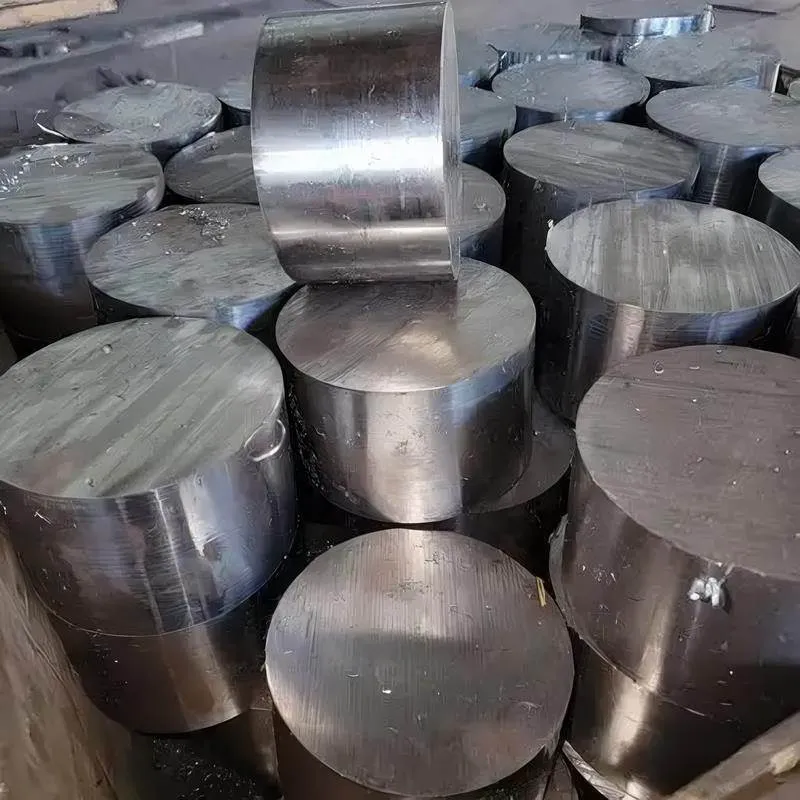
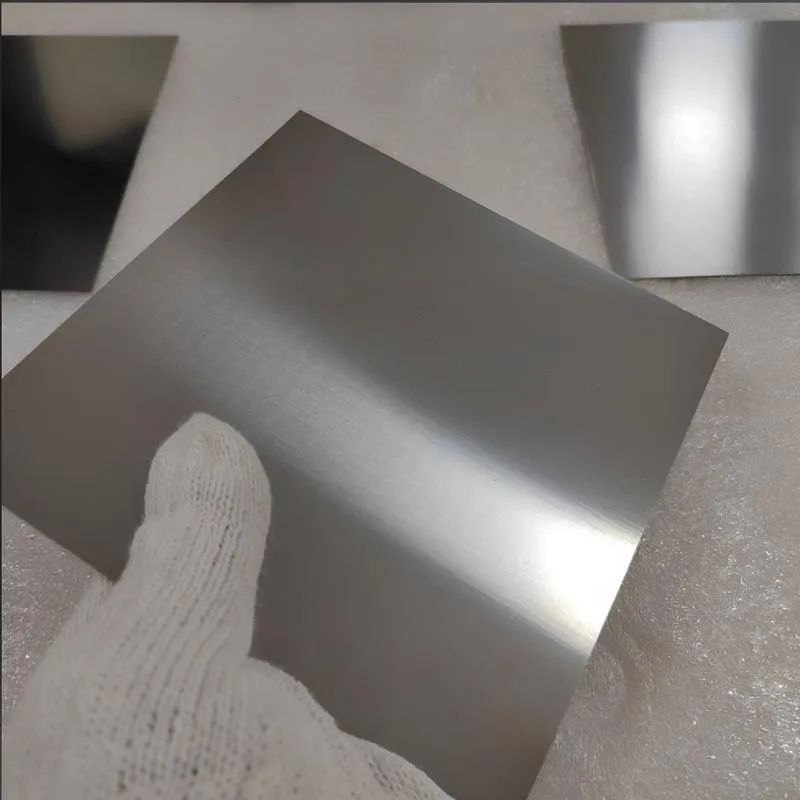
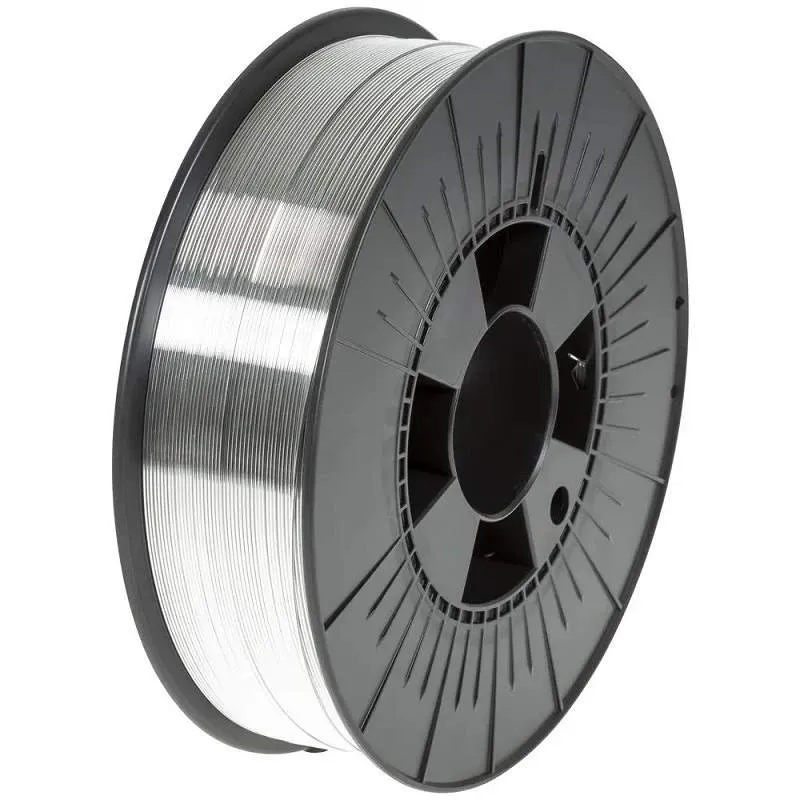
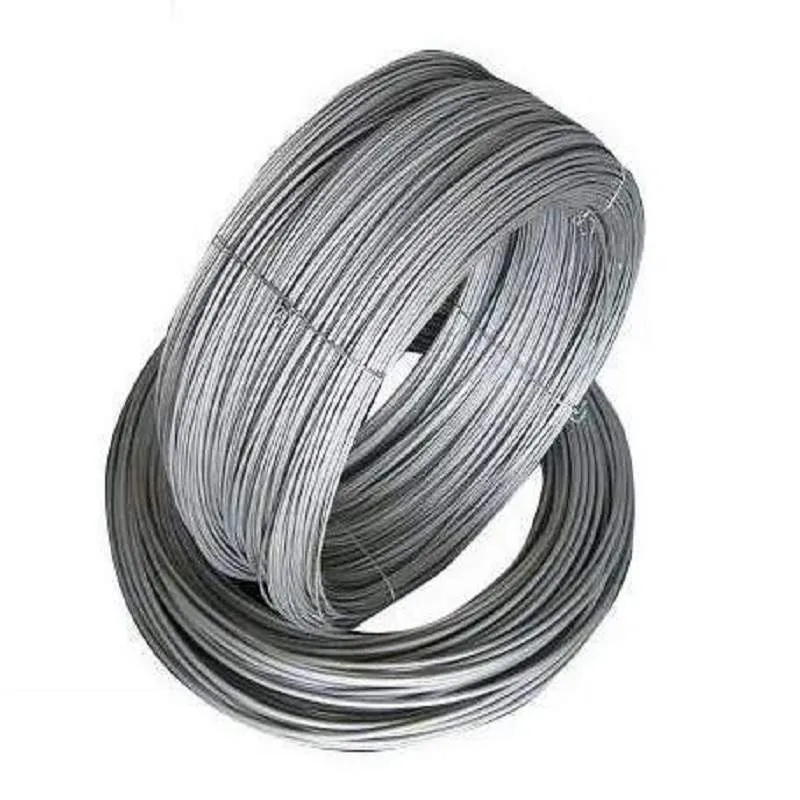
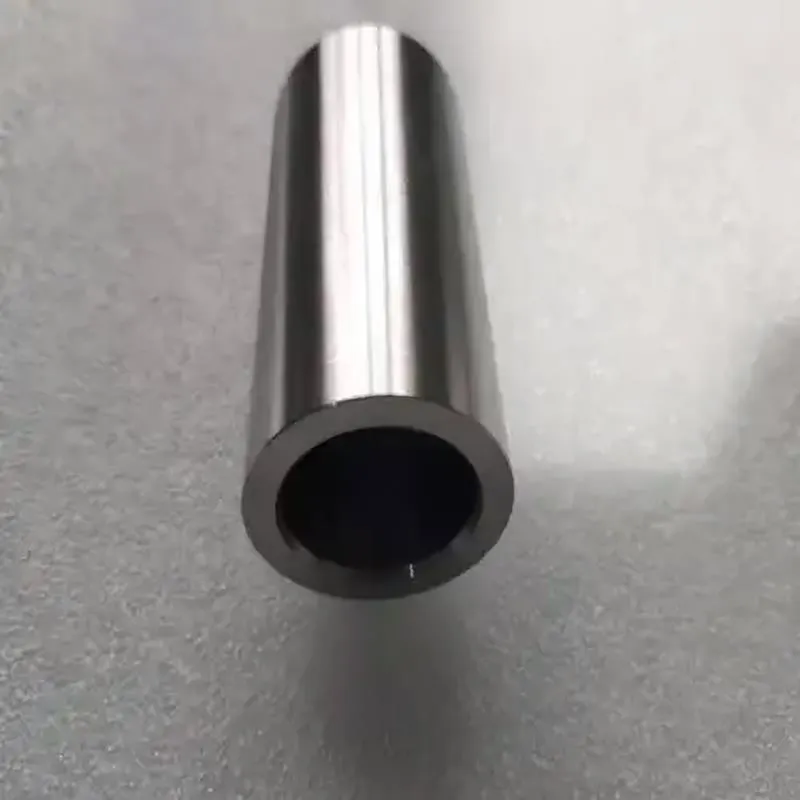
X65CrMo17 Martensitic stainless Steel Rod/Bar
Product Code : STI-GSTI-765-CU
We provide X65CrMo17 Martensitic stainless Steel Rod/Bar is available in Bar (Round bar, Flat bar), Ribbon, Wire, Rod/Bars, Tube,Seamless Tube,Pipe, Ingots, Plate, Sheet, Strip and Forging Stock.,Purity, chemical composition, size, etc. can all be customized to meet specific requirements.
Please contact us if you need customized services. We will contact you with the price and availability in 24 hours.
X65CrMo17 Martensitic stainless Steel Rod Product Information
-:-
For detailed product information, please contact sales.
-:
X65CrMo17 Martensitic stainless Steel Rod Synonyms
-:-
For detailed product information, please contact sales.
-:
X65CrMo17 Martensitic stainless steel Product Information
-:-
For detailed product information, please contact sales.
-:
# X65CrMo17 Martensitic Stainless Steel
## Overview
X65CrMo17 is a high-carbon, molybdenum-enhanced martensitic stainless steel designed for applications requiring exceptional hardness, excellent wear resistance, and moderate corrosion resistance. As a member of the 440C family (similar to AISI 440C but with European compositional nuances), this alloy is primarily hardened through heat treatment to achieve high surface hardness and durability, making it particularly suitable for precision components, cutting tools, and wear parts where hardness and edge retention are paramount.
## International Standards & Designations
| Standard System | Designation | Equivalent/Synonym |
|----------------|-------------|-------------------|
| **European (EN)** | **1.4125** (Primary designation) | - |
| **ISO** | X65CrMo17 | - |
| **UNS** | S44004 (approximate for 440C family) | - |
| **AISI** | 440C (approximate) | - |
| **DIN** | 1.4125 | - |
| **Japanese (JIS)** | SUS440C (similar) | - |
| **Chinese (GB)** | 9Cr18Mo (similar) | - |
| **Common Names** | - | High-carbon martensitic stainless, bearing steel |
## Chemical Composition (Typical, % by weight)
| Element | Minimum (%) | Maximum (%) | Optimal Range (%) | Function |
|---------|-------------|-------------|-------------------|----------|
| **Carbon (C)** | 0.60 | 0.70 | 0.62-0.68 | Primary hardening element |
| **Chromium (Cr)** | 16.00 | 18.00 | 16.5-17.5 | Corrosion resistance & hardenability |
| **Molybdenum (Mo)** | 0.40 | 0.80 | 0.50-0.70 | Secondary hardening, carbide formation |
| **Manganese (Mn)** | - | 1.00 | 0.30-0.70 | Deoxidizer, hardenability |
| **Silicon (Si)** | - | 1.00 | 0.30-0.70 | Deoxidizer |
| **Phosphorus (P)** | - | 0.045 | ≤0.030 | Impurity control |
| **Sulfur (S)** | - | 0.030 | ≤0.015 | Impurity control |
| **Vanadium (V)** | - | 0.20 | Optional (0.10-0.15) | Grain refinement |
| **Nickel (Ni)** | - | 1.00 | ≤0.60 | Residual element |
| **Iron (Fe)** | Balance | Balance | Balance | Base element |
**Key Composition Features:**
- **Very high carbon content** (0.60-0.70%) enables maximum hardness through martensite formation
- **High chromium content** (16-18%) provides good corrosion resistance and hardenability
- **Molybdenum addition** (0.4-0.8%) enhances hardenability, promotes fine carbide distribution, and improves toughness
- **Clean steel practice** minimizes impurities (P, S) for better mechanical properties
## Physical Properties (Annealed Condition)
| Property | Value | Test Condition | Notes |
|----------|-------|----------------|-------|
| **Density** | 7.70 g/cm³ | 20°C | Typical for martensitic stainless |
| **Melting Point** | 1370-1420°C | - | - |
| **Thermal Conductivity** | 24.0 W/m·K | 20°C | Better than austenitic grades |
| **Specific Heat Capacity** | 460 J/kg·K | 20°C | - |
| **Electrical Resistivity** | 0.65 μΩ·m | 20°C | - |
| **Modulus of Elasticity** | 215 GPa | 20°C | Higher than austenitic grades |
| **Magnetic Permeability** | Strongly magnetic | All conditions | Ferromagnetic |
| **Coefficient of Thermal Expansion** | 10.4 × 10⁻⁶/K | 20-100°C | Lower than austenitic grades |
| **Thermal Diffusivity** | 6.8 mm²/s | 20°C | Good heat dissipation |
## Mechanical Properties
### **Annealed Condition:**
| Property | Minimum Value | Typical Range | Standard |
|----------|---------------|---------------|----------|
| **Tensile Strength (Rm)** | 600 MPa | 650-850 MPa | EN 10088-3 |
| **Yield Strength (Rp0.2)** | 350 MPa | 400-550 MPa | EN 10088-3 |
| **Elongation at Break (A₅)** | 8% | 10-15% | EN 10088-3 |
| **Reduction of Area (Z)** | 20% | 25-40% | - |
| **Hardness (Brinell)** | 220 HBW max | 200-240 HBW | EN 10088-3 |
| **Hardness (Rockwell)** | 97 HRB max | 95-100 HRB | - |
| **Impact Toughness** | 15 J | 20-35 J | 20°C, Charpy V |
### **Hardened & Tempered Condition (Typical):**
| Tempering Temperature | Hardness (HRC) | Tensile Strength | Yield Strength | Impact Toughness |
|-----------------------|----------------|------------------|----------------|------------------|
| **200°C** | 58-60 HRC | 2000-2200 MPa | 1800-2000 MPa | 5-10 J |
| **300°C** | 56-58 HRC | 1900-2100 MPa | 1700-1900 MPa | 10-15 J |
| **400°C** | 54-56 HRC | 1800-2000 MPa | 1600-1800 MPa | 15-25 J |
| **500°C** | 50-52 HRC | 1600-1800 MPa | 1400-1600 MPa | 25-40 J |
*Maximum achievable hardness: **60-62 HRC** with optimal heat treatment*
## Heat Treatment
### **Annealing:**
- **Full Annealing:** 800-850°C, slow furnace cool (≤20°C/hour) to 600°C, then air cool
- **Process Annealing:** 750-800°C, air cool or slow cool
- **Purpose:** Soften for machining, relieve stresses, prepare for hardening
### **Hardening (Austenitizing & Quenching):**
1. **Preheating:** 750-800°C (to minimize thermal stress)
2. **Austenitizing Temperature:** 1000-1060°C
- **Optimal:** 1020-1040°C
- **Holding time:** 15-30 minutes per 25 mm thickness
3. **Quenching Medium:**
- **Oil quenching:** Most common (50-80°C oil temperature)
- **Air quenching:** For thin sections or controlled distortion
- **Press quenching:** For dimensional stability
### **Tempering:**
- **Essential:** Must be tempered immediately after quenching (within 2 hours)
- **Temperature Range:** 150-550°C (typically 200-400°C for most applications)
- **Multiple Tempers:** Often double or triple tempered for optimal properties
1. First temper: 150-200°C (stress relief)
2. Second temper: Primary temper at selected temperature
3. Third temper: Optional, for additional stabilization
### **Sub-Zero Treatment (Optional):**
- **Temperature:** -70 to -100°C
- **Duration:** 2-4 hours
- **Purpose:** Convert retained austenite to martensite, increase dimensional stability, enhance wear resistance
- **Timing:** Between quenching and tempering
## Microstructure & Metallurgy
### **Microstructural Features:**
- **Primary carbides:** M₂₃C₆ chromium carbides and M₇C₃ carbides
- **Secondary carbides:** Fine Mo-rich carbides
- **Matrix:** Tempered martensite with possible retained austenite (2-8%)
- **Grain size:** ASTM 8-10 (fine) with proper heat treatment
### **Carbide Characteristics:**
| Carbide Type | Composition | Size | Distribution | Effect on Properties |
|--------------|-------------|------|--------------|---------------------|
| **Primary** | (Cr,Fe)₂₃C₆ | 1-10 μm | Clustered/network | Wear resistance, reduces toughness |
| **Secondary** | Mo-rich fine carbides | 0.1-0.5 μm | Uniform | Precipitation hardening, strength |
| **Undissolved** | Various | Variable | Throughout matrix | Hardness, abrasion resistance |
## Corrosion Resistance
### **General Performance:**
- **Moderate corrosion resistance** – superior to tool steels but inferior to austenitic stainless steels
- **Good resistance** to: Atmospheric exposure, fresh water, steam, mild chemicals
- **Limited resistance** to: Chloride solutions, acids, saltwater
- **Pitting Resistance Equivalent (PRE):** ~18-20 (Cr% only, as Mo content is low)
### **Specific Environments:**
| Environment | Resistance Level | Notes |
|-------------|-----------------|-------|
| **Atmospheric** | Good | Urban, industrial, rural |
| **Fresh Water** | Good | No significant corrosion at ambient temperature |
| **Sea Water** | Poor to Fair | Not recommended for continuous immersion |
| **Acids** | Poor to Fair | Depends on concentration and temperature |
| **Alkalis** | Good | Mild alkaline solutions |
| **Organic Solvents** | Good | Alcohols, hydrocarbons |
### **Corrosion Protection Strategies:**
1. **Passivation:** Nitric acid treatment enhances surface chromium oxide layer
2. **Surface Treatments:** Chrome plating, nitriding, PVD coatings
3. **Proper Heat Treatment:** Avoid overtempering which reduces chromium in solution
4. **Design:** Avoid crevices, ensure good drainage
## Product Applications
### **Industrial Applications:**
1. **Cutting Tools & Blades:**
- High-quality kitchen knives and professional cutlery
- Surgical blades and scalpels (with proper biocompatibility validation)
- Industrial cutting blades
- Paper cutting knives
2. **Bearings & Wear Parts:**
- Ball bearings and roller bearings
- Bearing races and balls
- Valve seats and plugs
- Pump shafts and sleeves
3. **Molds & Tooling:**
- Plastic injection molds
- Die casting components
- Forming tools and dies
- Machine tool components
4. **Precision Instruments:**
- Measuring instruments
- Gauge blocks
- Precision shafts
- Surgical instrument components
### **Specialized Applications:**
- **Aerospace:** Landing gear components, actuator parts
- **Automotive:** Fuel injection components, transmission parts
- **Food Processing:** Cutting blades, mixing elements
- **Chemical Processing:** Valves, fittings (in mild environments)
## Fabrication Characteristics
### **Machinability:**
- **Annealed Condition:** Fair to Poor (25-35% of free-cutting steel)
- **Hardened Condition:** Very Poor – requires grinding or EDM
- **Machining Challenges:**
- High work hardening tendency
- Abrasive carbides cause rapid tool wear
- Requires rigid setups and sharp tools
### **Recommended Machining Practices (Annealed):**
| Operation | Cutting Speed | Feed Rate | Tool Material | Notes |
|-----------|---------------|-----------|---------------|-------|
| **Turning** | 20-35 m/min | 0.15-0.25 mm/rev | Carbide (C2-C4) | Positive rake, sharp edges |
| **Drilling** | 8-15 m/min | 0.10-0.18 mm/rev | HSS-Co or carbide | Peck drilling recommended |
| **Milling** | 15-25 m/min | 0.10-0.20 mm/tooth | Carbide end mills | Climb milling preferred |
| **Grinding** | 25-35 m/s | - | Al₂O₃ or CBN wheels | Coolant essential |
### **Forming Operations:**
- **Cold Forming:** Limited – only simple bends in annealed condition
- **Hot Working:** Good between 1050-900°C
- **Forging:** Suitable with proper temperature control
- **Precautions:** Anneal after severe cold working
### **Welding Characteristics:**
- **Weldability:** Poor – not generally recommended
- **If welding required:**
- Preheating: 300-400°C mandatory
- Post-weld heat treatment: Full anneal followed by re-hardening
- Filler metals: Overmatching alloys (austenitic stainless or nickel alloys)
- Methods: TIG (GTAW) with low heat input
### **Surface Treatments:**
1. **Grinding & Polishing:** Can achieve mirror finishes (Ra < 0.1 μm)
2. **Electropolishing:** Limited application due to carbide exposure
3. **Coatings:** TiN, TiCN, DLC for enhanced surface properties
4. **Nitriding:** For surface hardening (caution: may affect corrosion resistance)
## Quality Control & Testing
### **Material Certification:**
- **EN 10204 3.1 Certificate:** Chemical and mechanical properties
- **Hardness Testing:** Rockwell C scale for hardened material
- **Microscopic Examination:** Carbide distribution, grain size, cleanliness
- **Non-Destructive Testing:** MPI, ultrasound as required
### **Special Tests:**
1. **Hardness Uniformity:** Through-section hardness mapping
2. **Dimensional Stability:** After heat treatment cycles
3. **Wear Testing:** Pin-on-disk or other relevant methods
4. **Corrosion Testing:** Salt spray or humidity tests for specific applications
## Comparison with Similar Grades
| Property | X65CrMo17 (1.4125) | X46Cr13 (1.4034) | X105CrMo17 (1.4122) | M2 High-Speed Steel |
|----------|-------------------|-------------------|---------------------|---------------------|
| **Carbon Content** | 0.60-0.70% | 0.43-0.50% | 0.95-1.10% | ~0.85% |
| **Hardness (max)** | 60-62 HRC | 56-58 HRC | 62-64 HRC | 64-66 HRC |
| **Toughness** | Good | Better | Lower | Lowest |
| **Corrosion Resistance** | Good | Good | Moderate | Poor |
| **Primary Use** | Bearings, knives | General purpose | High wear applications | Cutting tools |
| **Cost Factor** | 1.0 | 0.8 | 1.1 | 1.5 |
## Limitations & Special Considerations
### **Material Limitations:**
1. **Size Limitations:** Through-hardening limited to ~100 mm diameter
2. **Distortion:** Significant during heat treatment – requires allowance
3. **Notch Sensitivity:** High in hardened condition
4. **Temperature Limits:** Properties degrade above 400°C
### **Design Guidelines:**
1. **Section Thickness:** Uniform sections preferred
2. **Radii:** Generous fillets and radii (minimum 1 mm)
3. **Stress Concentrations:** Avoid sharp corners and notches
4. **Dimensional Allowance:** 0.2-0.5% for heat treatment distortion
### **Heat Treatment Considerations:**
- **Decarburization:** Protect surfaces during austenitizing
- **Quenching Cracks:** Risk increases with complex shapes
- **Tempering Embrittlement:** Avoid 375-575°C range for extended times
- **Retained Austenite:** Control through proper tempering or sub-zero treatment
## Economic Aspects
### **Cost Factors:**
- **Material Cost:** Moderate (higher than standard martensitic, lower than tool steels)
- **Processing Cost:** High (specialized heat treatment required)
- **Tooling Cost:** Moderate to High (due to machining difficulty)
- **Life Cycle Cost:** Favorable for wear applications
### **Production Recommendations:**
- **Batch Sizes:** Medium to large for economic heat treatment
- **Alternative Processes:** Powder metallurgy versions available for better carbide distribution
- **Secondary Operations:** Minimize through design
## Technical Developments
### **Recent Improvements:**
1. **ESR/VAR Melting:** For improved cleanliness and carbide distribution
2. **Powder Metallurgy Variants:** More uniform carbide size and distribution
3. **Surface Engineering:** Advanced PVD coatings for enhanced performance
4. **Process Control:** Improved heat treatment monitoring and control
### **Research Directions:**
- **Nanostructured variants** for improved toughness
- **Composite materials** with enhanced properties
- **Additive manufacturing** compatibility studies
- **Smart heat treatments** using simulation and modeling
## Conclusion
X65CrMo17 represents a high-performance martensitic stainless steel that delivers an exceptional combination of hardness, wear resistance, and moderate corrosion resistance. Its high carbon and chromium content, supplemented by molybdenum, enables it to achieve hardness levels up to 62 HRC while maintaining sufficient toughness for demanding applications.
The alloy's primary strength lies in its ability to provide outstanding wear resistance and edge retention, making it the material of choice for cutting tools, bearings, and precision components subjected to abrasive conditions. While its corrosion resistance is not equivalent to austenitic stainless steels, it provides adequate protection for many industrial environments.
Successful application of X65CrMo17 requires careful attention to heat treatment processes, as its properties are highly dependent on proper thermal processing. The material's tendency to distort during hardening necessitates appropriate design allowances and may require post-heat-treatment machining or grinding.
For engineers and designers, X65CrMo17 offers a balanced solution when both hardness and some degree of corrosion resistance are required. Its performance justifies its use in applications where tool steels would corrode too quickly or where standard martensitic stainless steels lack sufficient hardness. With proper processing and application understanding, X65CrMo17 provides reliable, long-lasting performance in some of the most demanding mechanical applications.
-:-
For detailed product information, please contact sales.
-:
X65CrMo17 Martensitic stainless steel Specification
Dimensions
Size:
Diameter 20-1000 mm Length <7421 mm
Size:We can customized as required
Standard:
Per your request or drawing
We can customized as required
Properties(Theoretical)
Chemical Composition
-:-
For detailed product information, please contact sales.
-:
X65CrMo17 Martensitic stainless steel Properties
-:-
For detailed product information, please contact sales.
-:
Applications of X65CrMo17 Martensitic stainless Steel Rod
-:-
For detailed product information, please contact sales.
-:
Chemical Identifiers X65CrMo17 Martensitic stainless Steel Rod
-:-
For detailed product information, please contact sales.
-:
Packing of X65CrMo17 Martensitic stainless Steel Rod
-:-
For detailed product information, please contact sales.
-:
Standard Packing:
-:-
For detailed product information, please contact sales.
-:
Typical bulk packaging includes palletized plastic 5 gallon/25 kg. pails, fiber and Steel Rod drums to 1 ton super sacks in full container (FCL) or truck load (T/L) quantities. Research and sample quantities and hygroscopic, oxidizing or other air sensitive materials may be packaged under argon or vacuum. Solutions are packaged in polypropylene, plastic or glass jars up to palletized 3892 gallon liquid totes Special package is available on request. E FORUs’ is carefully handled to minimize damage during storage and transportation and to preserve the quality of our products in their original condition