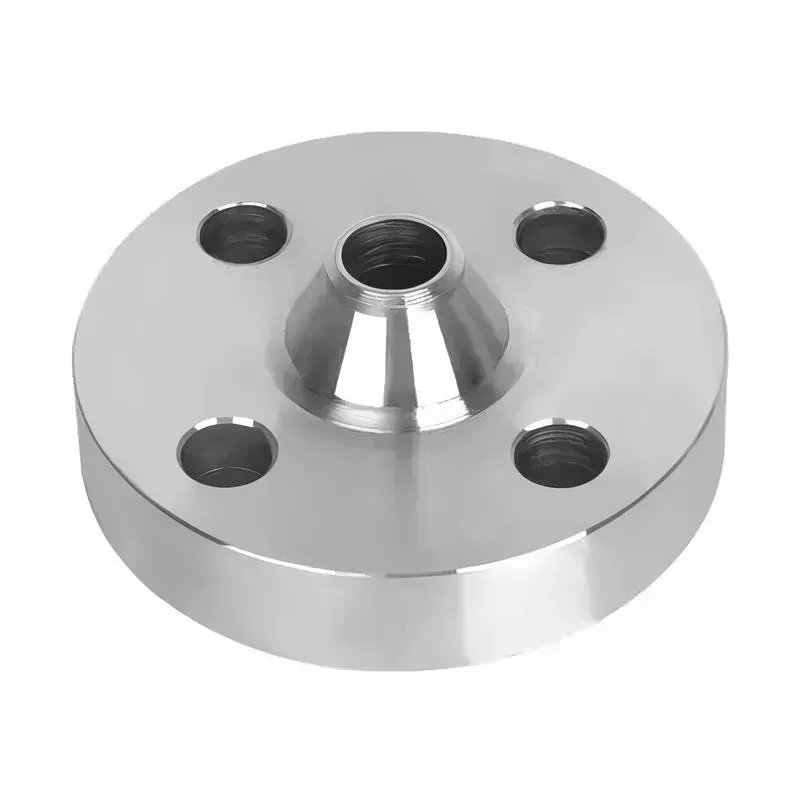
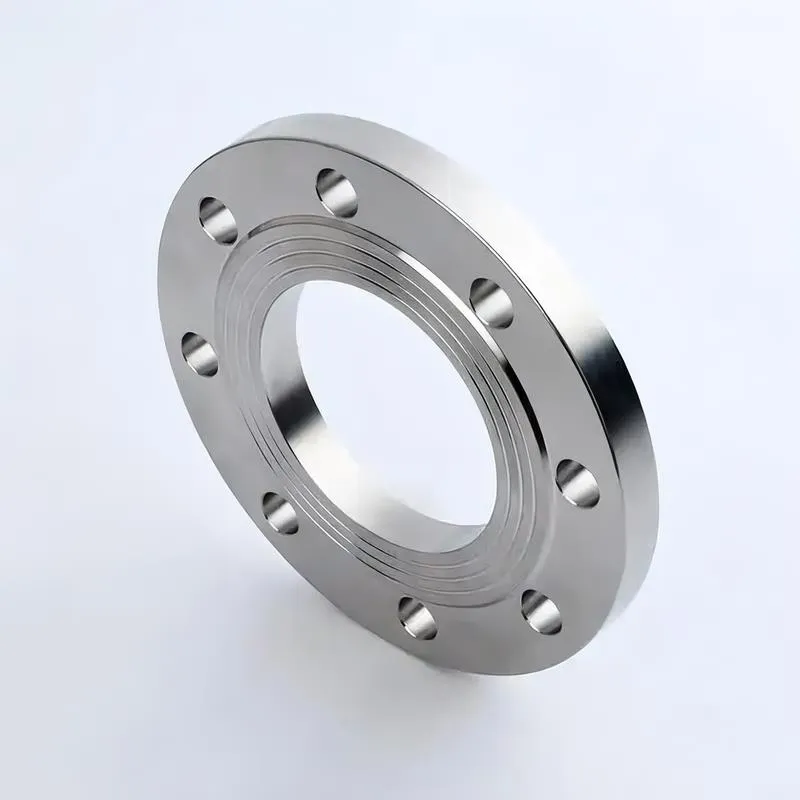
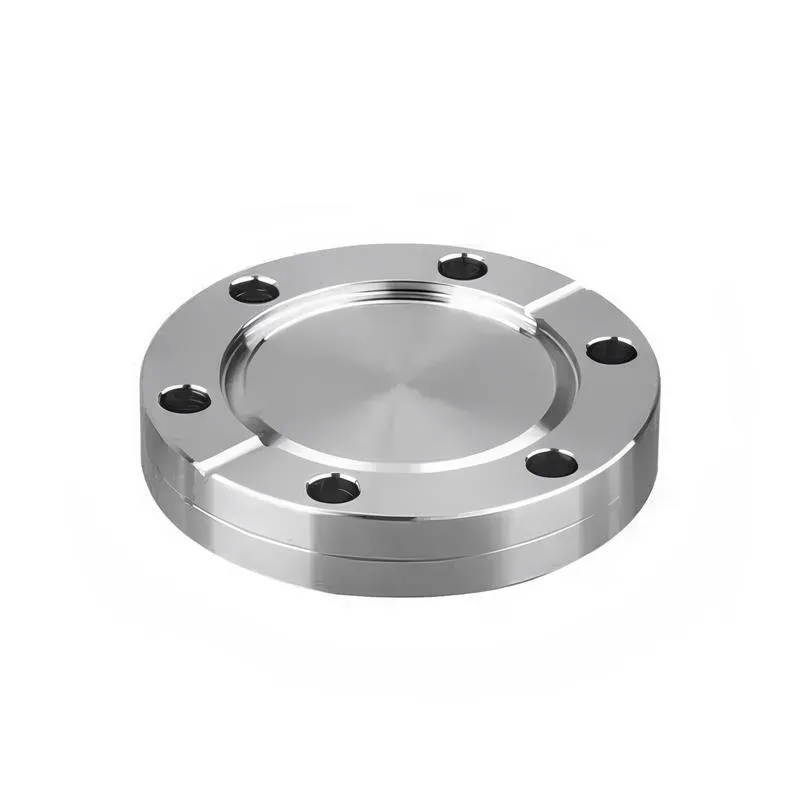
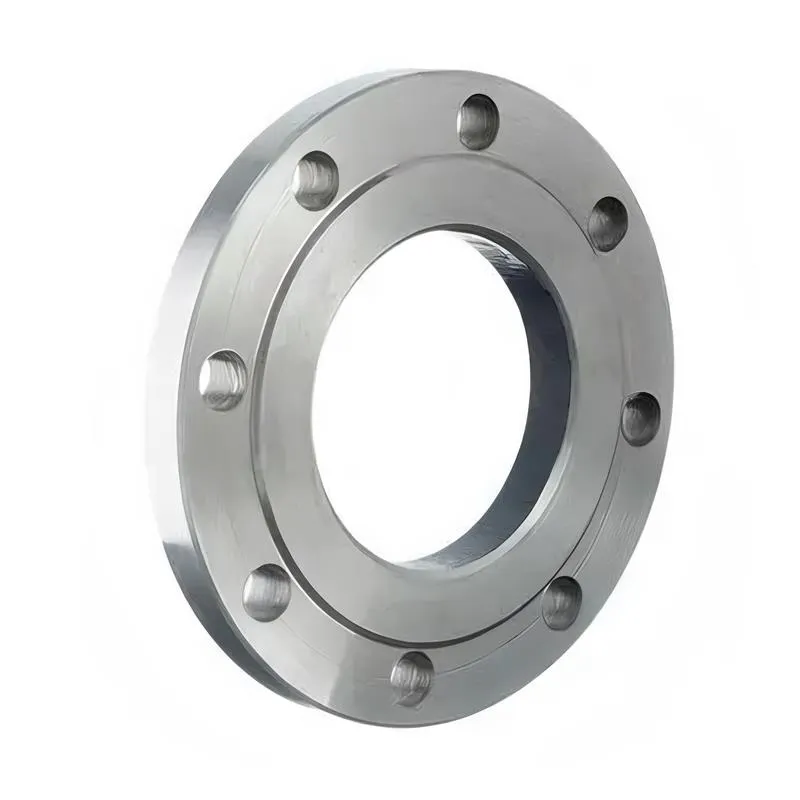
1,We Manufacturing processes are primarily classified into four types:
1:Forging,
2:Casting,
3:Cutting,
4:Rolling.
2,We can manufacture in accordance with these standards.
Standards:
GB Series (Chinese Standards), JB Series (Machinery Standards), HG Series (Chemical Industry Standards), ASME B16.5 (American Standards), BS4504 (British Standards), DIN (German Standards), and JIS (Japanese Standards).
Internationally, there are two primary systems of pipe flange standards: the European system, represented by the German DIN standards (including those of the former Soviet Union), and the American system, represented by the US ANSI pipe flange standards. Other common standards include: the Chinese Ministry of Machinery Industry standards (JB series), the Ministry of Chemical Industry standards (HG series), the Chinese National Standard *GB/T 9112–9124-2010 Steel Pipe Flanges*, as well as US standards (ASME B16.5), British standards (BS4504), German standards (DIN), Japanese standards (JIS), and marine standards (CBM), among others.
The nominal pressure ratings for the PN series are designated by "PN" and comprise the following nine levels: PN2.5, PN6, PN10, PN16, PN25, PN40, PN63, PN100, and PN160.
The nominal pressure ratings for the Class series are designated by "Class" and comprise the following six levels: Class150, Class300, Class600, Class900, Class1500, and Class2500.
Flange Classification
1. **According to Chemical Industry Standards:** Flanges are classified as follows:
Plate Flat Welding Flange (PL), Necked Flat Welding Flange (SO), Necked Butt Welding Flange (WN), Integral Flange (IF), Socket Welding Flange (SW), Threaded Flange (Th), Butt Welding Ring Loose Flange (PJ/SE), Blind Flange (BL), Flat Welding Ring Loose Flange (PJ/PJ), and Lined Blind Flange (BL(s)).
2. **According to Petrochemical (SH) Industry Standards:** Flanges are classified as follows:
Threaded Flange (PL), Butt Welding Flange (WN), Flat Welding Flange (SO), Socket Welding Flange (SW), Loose Flange (LJ), and Blind Flange (no specific designation).
3. **According to Machinery (JB) Industry Standards:** Flanges are classified as follows:
Integral Flange, Butt Welding Flange, Plate Flat Welding Flange, Butt Welding Ring Plate Loose Flange, Flat Welding Ring Plate Loose Flange, Lap Joint Ring Plate Loose Flange, and Blind Flange.
4. **According to Connection Method/Type:** Flanges are classified as follows:
Plate Flat Welding Flange, Necked Flat Welding Flange, Necked Butt Welding Flange, Socket Welding Flange, Threaded Flange, Blind Flange, Necked Butt Welding Ring Loose Flange, Flat Welding Ring Loose Flange, Ring-Type Joint (RTJ) Flange and Blind Flange, Large-Diameter Plate Flange, Large-Diameter High-Neck Flange, Figure-8 Blind Plate, Butt Welding Ring Loose Flange, etc.
5. **According to the Component Being Connected:** Flanges can be classified into Vessel Flanges and Pipe Flanges.
6. **According to Structural Type:** Flanges include Integral Flanges, Threaded Flanges, Flat Welding Flanges, Butt Welding Flanges, Lap Joint (Loose/Swivel) Flanges, and Blind Flanges.
A flange—also referred to as a flange plate or rim—is a component used to connect shafts to one another, or, more commonly, to join the ends of pipes. Flanges are also utilized at the inlet and outlet ports of equipment to facilitate connections between two devices—for instance, the flange on a speed reducer. A "flange connection" or "flanged joint" refers to a detachable joint assembly comprising three interconnected elements—a flange, a gasket, and bolts—that together form a sealed structural unit. In the context of piping systems, a "pipe flange" specifically denotes a flange used for plumbing within the installation; when applied to equipment, it refers to the inlet or outlet flange of that specific device. Flanges feature a series of holes through which bolts are inserted to securely fasten the two flanges together, while a gasket placed between the flanges ensures a leak-proof seal. Flanges are broadly categorized into three types: threaded (screw-in) flanges, welded flanges, and clamp-type flanges. Flanges are invariably used in pairs; threaded flanges are suitable for low-pressure piping applications, whereas welded flanges are required for systems operating at pressures exceeding 4 kilograms per square centimeter. A sealing gasket is inserted between the two flange plates, which are then firmly secured using bolts. The thickness of a flange—as well as the specifications of the bolts used to fasten it—vary depending on the specific pressure rating required for the application. When connecting equipment such as water pumps or valves to piping systems, the corresponding connection points on these devices are often manufactured in the shape of a matching flange; this method of attachment is also referred to as a "flange connection." Generally, any connecting component that utilizes bolts to join and seal the perimeters of two flat surfaces—such as the joints in ventilation ducts—is termed a "flange"; such components may collectively be classified as "flange-type parts." However, since such a connection often constitutes merely a *portion* of a larger device—for instance, the interface between a flange and a water pump—it would be inappropriate to classify the entire water pump itself as a "flange-type part." Conversely, smaller components—such as valves—that feature such flanged interfaces may indeed be appropriately categorized as "flange-type parts."
-:-
For detailed product information, please contact sales.
-:
Bethlehem Steel Flange RQC ASTM A678 RQC60 N >2-1/2 to 4 in. thick, Steel Flange plate Product Information
-:-
For detailed product information, please contact sales.
-:
Bethlehem Steel Flange RQC ASTM A678 RQC60 N >2-1/2 to 4 in. thick, Steel Flange plate Synonyms
-:-
For detailed product information, please contact sales.
-:
Bethlehem Steel RQC ASTM A678 RQC60 N >2-1/2 to 4 in. thick, steel plate Product Information
-:-
For detailed product information, please contact sales.
-:
## **Product Datasheet: Bethlehem Steel RQC ASTM A678 RQC60 N Ultra-Heavy Plate**
**Product Overview**
Bethlehem Steel RQC ASTM A678 RQC60 N Ultra-Heavy Plate represents the maximum thickness capability within the normalized RQC product line, engineered for monumental structural applications where extreme section mass, reliable strength, and fabricability are paramount. The **"N" suffix** explicitly denotes delivery in the **normalized condition**, a critical heat treatment for achieving property uniformity in ultra-thick sections. This process—involving prolonged austenitizing followed by controlled air cooling—transforms the steel's microstructure into a homogeneous, fine-grained ferrite-pearlite aggregate. Designed to deliver a certified **60 ksi minimum yield strength** with guaranteed through-thickness toughness and excellent weldability, this plate addresses the unique challenges of constructing with steel over four inches thick. It is available in thicknesses from **over 2-1/2 inches (63.5 mm) to 4 inches (101.6 mm)**.
**Key International Standards & Specifications**
* **Performance Framework:** **ASTM A678 / A678M** - The "RQC60 N" designation utilizes the RQC brand's reputation for quality, though its normalized condition is a distinct pathway from the standard's quenched and tempered mandate.
* **Proprietary Certification:** **"RQC60 N Ultra-Heavy"** was Bethlehem Steel's trademark for this exceptional product, signifying a plate that had undergone specialized ingot casting, forging/rolling, and precisely controlled normalization.
* **Mandatory Enhanced Requirements:** Due to the extreme thickness, certification was exhaustive and non-negotiable:
* **ASTM A6 S1 (Charpy V-Notch Impact Testing):** Guaranteed at specified temperatures (typically **+32°F to 0°F / 0°C to -18°C**) with testing mandated at **multiple through-thickness locations (Surface, T/4, and T/2 (Mid-Thickness))**.
* **ASTM A6 S4 (Ultrasonic Examination):** Performed to **ASTM A578 Acceptance Level A** (most stringent), ensuring exceptional internal soundness free of significant discontinuities.
* **ASTM A6 S5 (Fine Austenitic Grain Practice):** A foundational requirement.
* **ASTM A770 (Through-Thickness Tension Testing):** Often invoked via purchaser specification to verify ductility in the Z-direction and resistance to lamellar tearing.
* **Industry Application:** Specified for the primary load-bearing elements in the world's most massive welded structures, where post-weld heat treatment was feasible and the cost/performance ratio of normalized steel was optimal.
**Chemical Composition (Weight % - Typical RQC60 N Ultra-Heavy Plate Aim)**
Chemistry is meticulously crafted for deep hardenability during normalization, strength through microalloying, and supreme cleanliness to prevent segregation in the massive ingot.
| Element | Typical RQC60 N Ultra-Heavy Plate Aim / Range | Key Purpose |
| :--- | :--- | :--- |
| **Carbon (C)** | 0.20 - 0.25% | Elevated to ensure yield strength is maintained at the slow-cooling mid-thickness of the ultra-heavy plate. |
| **Manganese (Mn)** | 1.30 - 1.60% | Maximized within specification for hardenability to compensate for the normalization cooling curve's "nose" in thick sections. |
| **Phosphorus (P)** | ≤ 0.012% | Ultra-low to mitigate centerline segregation and embrittlement. |
| **Sulfur (S)** | ≤ 0.004% | Calcium-treated for shape control; ultra-low to maximize through-thickness (Z-direction) ductility. |
| **Silicon (Si)** | 0.15 - 0.30% | For deoxidation. |
| **Aluminum (Al)** | 0.02 - 0.05% | For fine grain practice. |
| **Niobium (Nb)** | 0.03 - 0.06% | Critical for inhibiting austenite grain growth during the prolonged soak, ensuring fine final grain size. |
| **Vanadium (V)** | 0.06 - 0.12% | Higher level to drive precipitation strengthening throughout the thick section during normalization. |
| **Nitrogen (N)** | Controlled | Balanced with V for optimal precipitate formation. |
| **Carbon Equivalent (C.E. IIW)** | Typically 0.50 - 0.58 | Reflects the necessary chemistry for through-thickness strength; mandates careful welding procedure development. |
**Physical & Mechanical Properties**
*Note: Governed by tests at the quarter-thickness (T/4) location, with supplemental tests at mid-thickness (T/2).*
| Property | RQC60 N Ultra-Heavy Plate Requirement | Typical Performance |
| :--- | :--- | :--- |
| **Yield Strength (Min, at T/4)** | 60 ksi (415 MPa) | 60 - 65 ksi (415 - 448 MPa) |
| **Tensile Strength (at T/4)** | 75 - 95 ksi (515 - 655 MPa) | 78 - 85 ksi (538 - 586 MPa) |
| **Elongation in 2" (Min, at T/4)** | 16% | 18 - 22% |
| **Reduction of Area (at T/4)** | -- | Good for normalized ultra-heavy plate. |
| **Through-Thickness Reduction of Area (Z-direction)** | Often specified (e.g., ≥ 25% per A770) | Certified to meet purchaser requirements, demonstrating resistance to lamellar tearing. |
| **Modulus of Elasticity** | ~29,000 ksi (200 GPa) | ~29,000 ksi (200 GPa) |
| **Density** | 0.284 lb/in³ (7.85 g/cm³) | 0.284 lb/in³ (7.85 g/cm³) |
| **Charpy V-Notch Toughness (at T/4 & T/2)** | **Good & Consistent (e.g., 20-30 ft-lb @ 0°F / -18°C)** | Demonstrates reliable fracture resistance at the core of the thickest normalized plate achievable. |
| **Key Feature** | **Monolithic Normalized Integrity:** Achieves certified, uniform mechanical properties and structural soundness through the entire cross-section of ultra-heavy plate, enabling the construction of gargantuan, highly stressed welded assemblies with predictable performance. |
**Product Applications**
This material was reserved for the foundational components of the world's largest engineered structures.
* **Heavy Civil & Power Infrastructure:** Thick core walls and shell plates for nuclear reactor containment buildings, turbine pedestals, and massive hydroelectric dam gate supports.
* **Mining Mega-Machinery:** Main frames, tubs, and revolving frames for super-sized draglines and electric mining shovels.
* **Large-Diameter Pressure Vessels:** Shell courses for coal gasifiers, Fischer-Tropsch reactors, and other extreme-service process vessels where post-weld heat treatment is standard.
* **Shipbuilding & Drydock Construction:** Stem pieces, stern frames, and rudder stocks for the largest naval and commercial vessels.
* **Heavy Forging & Press Bases:** Anvil blocks and press frames requiring immense structural integrity.
**Advantages & Fabrication Notes**
* **Fabrication of Colossal Scale:** Working with this plate required industrial-scale planning.
* **Welding:** Utilized **Electro-Slag Welding (ESW)** or **Submerged Arc Welding (SAW)** with tandem wires for deep joints. Mandatory **Post-Weld Heat Treatment (PWHT)** was required to relieve monumental residual stresses and temper the HAZ.
* **Thermal Cutting & Machining:** Required staged cutting sequences and stress-relief passes to manage thermal distortion. Heavy machining was common.
* **Predictable Behavior in Service:** The normalized condition provides a stable, stress-relieved microstructure with low risk of delayed hydrogen-assisted cracking or distortion after fabrication, assuming proper PWHT.
* **Cost-Effective Monolith:** For applications not requiring Arctic-grade toughness, it provided the most economically viable material solution for achieving certified strength in ultra-thick sections.
* **Legacy of Capability:** Producing normalized plate of this thickness with guaranteed through-properties was a hallmark of integrated mill capability. Modern equivalents are rare, typically produced as **"Class 4" normalized plates** to **ASTM A6** with extensive supplementary requirements, or as proprietary grades from mills with ultra-heavy plate facilities.
**Disclaimer:**
This datasheet documents a historical **Bethlehem Steel** capability at the zenith of normalized plate production. Procuring an equivalent today requires a direct partnership with one of the few remaining global mills equipped for such work. The performance specification must be exceptionally detailed, mandating: **minimum yield at T/4, tensile range, Charpy values at multiple through-thickness locations, maximum CE, Z-direction property guarantees (A770), and ultrasonic testing to Level A.** Fabrication requires a master **Welding Procedure Specification (WPS)** and **PWHT schedule**, qualified on a full-thickness mock-up. The mill's certification package, including macroetch reports and cooling rate data from normalization, is as critical as the chemistry and strength data.
-:-
For detailed product information, please contact sales.
-:
Bethlehem Steel RQC ASTM A678 RQC60 N >2-1/2 to 4 in. thick, steel plate Specification
Dimensions
Size:
Diameter 20-1000 mm Length <4674 mm
Size:We can customized as required
Standard:
Per your request or drawing
We can customized as required
Properties(Theoretical)
Chemical Composition
-:-
For detailed product information, please contact sales.
-:
Bethlehem Steel RQC ASTM A678 RQC60 N >2-1/2 to 4 in. thick, steel plate Properties
-:-
For detailed product information, please contact sales.
-:
Applications of Bethlehem Steel Flange RQC ASTM A678 RQC60 N >2-1/2 to 4 in. thick, Steel Flange plate
-:-
For detailed product information, please contact sales.
-:
Chemical Identifiers Bethlehem Steel Flange RQC ASTM A678 RQC60 N >2-1/2 to 4 in. thick, Steel Flange plate
-:-
For detailed product information, please contact sales.
-:
Packing of Bethlehem Steel Flange RQC ASTM A678 RQC60 N >2-1/2 to 4 in. thick, Steel Flange plate
-:-
For detailed product information, please contact sales.
-:
Standard Packing:
-:-
For detailed product information, please contact sales.
-:
Typical bulk packaging includes palletized plastic 5 gallon/25 kg. pails, fiber and Steel Flange drums to 1 ton super sacks in full container (FCL) or truck load (T/L) quantities. Research and sample quantities and hygroscopic, oxidizing or other air sensitive materials may be packaged under argon or vacuum. Solutions are packaged in polypropylene, plastic or glass jars up to palletized 1145 gallon liquid totes Special package is available on request. E FORUs’ is carefully handled to minimize damage during storage and transportation and to preserve the quality of our products in their original condition