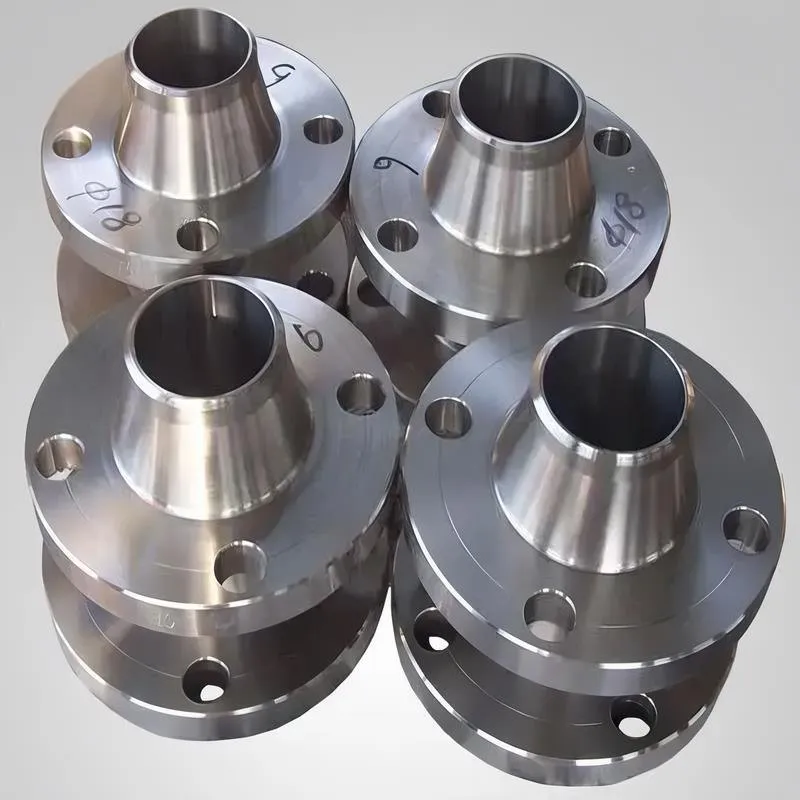
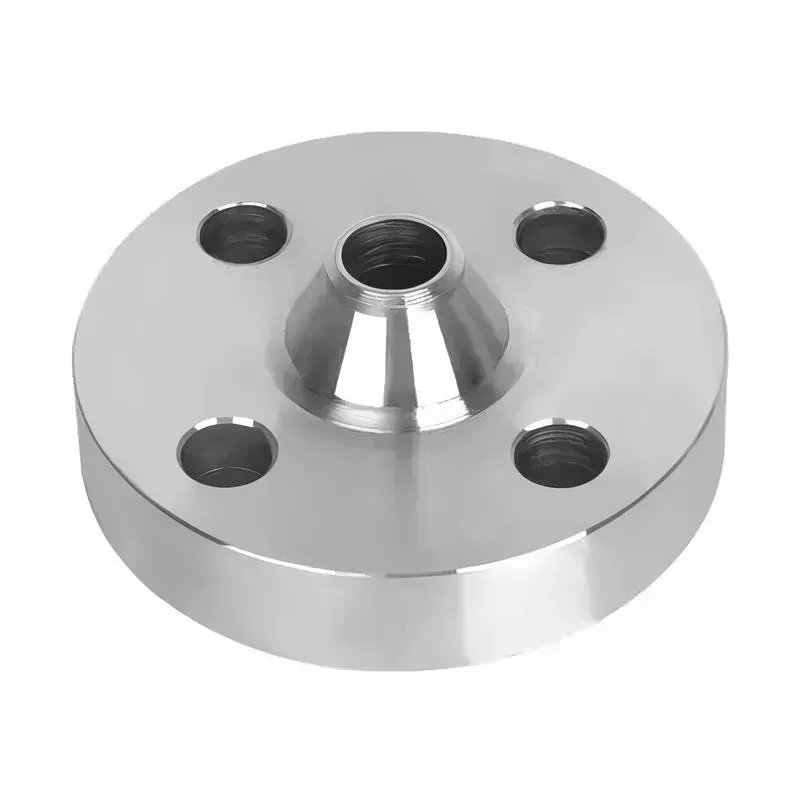
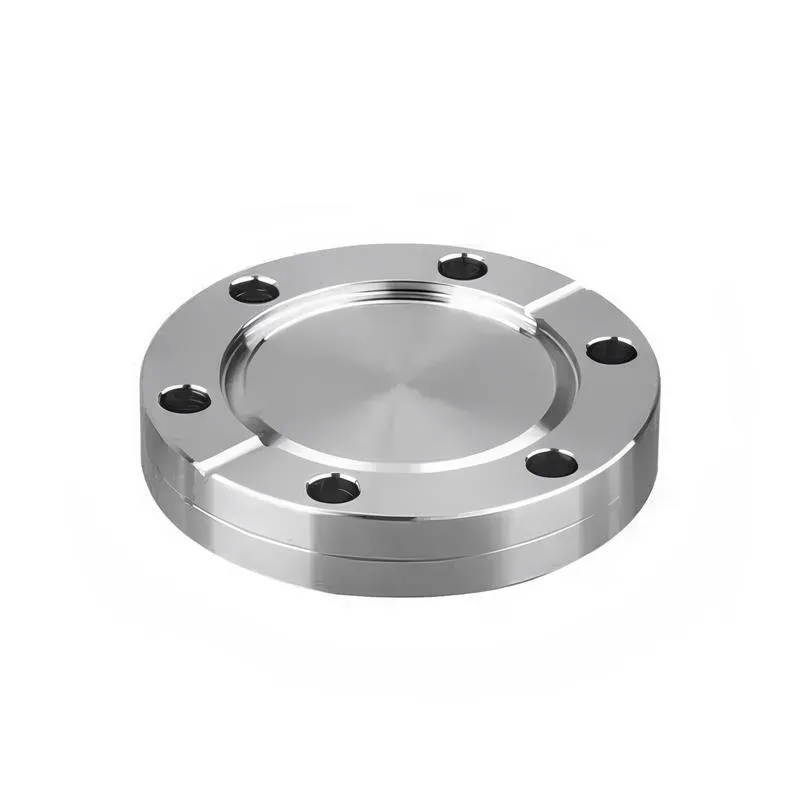
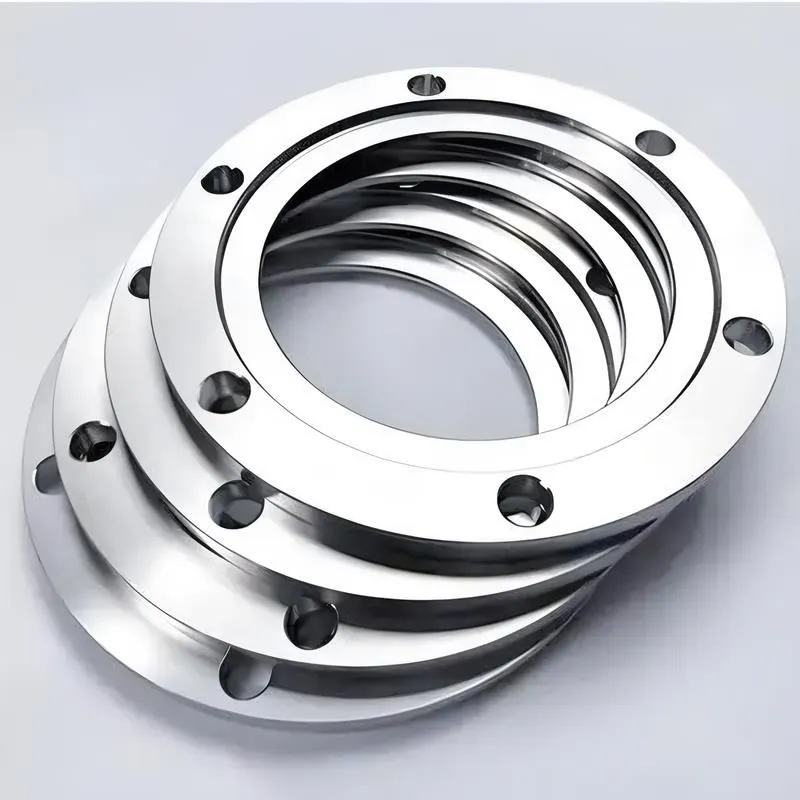
1,We Manufacturing processes are primarily classified into four types:
1:Forging,
2:Casting,
3:Cutting,
4:Rolling.
2,We can manufacture in accordance with these standards.
Standards:
GB Series (Chinese Standards), JB Series (Machinery Standards), HG Series (Chemical Industry Standards), ASME B16.5 (American Standards), BS4504 (British Standards), DIN (German Standards), and JIS (Japanese Standards).
Internationally, there are two primary systems of pipe flange standards: the European system, represented by the German DIN standards (including those of the former Soviet Union), and the American system, represented by the US ANSI pipe flange standards. Other common standards include: the Chinese Ministry of Machinery Industry standards (JB series), the Ministry of Chemical Industry standards (HG series), the Chinese National Standard *GB/T 9112–9124-2010 Steel Pipe Flanges*, as well as US standards (ASME B16.5), British standards (BS4504), German standards (DIN), Japanese standards (JIS), and marine standards (CBM), among others.
The nominal pressure ratings for the PN series are designated by "PN" and comprise the following nine levels: PN2.5, PN6, PN10, PN16, PN25, PN40, PN63, PN100, and PN160.
The nominal pressure ratings for the Class series are designated by "Class" and comprise the following six levels: Class150, Class300, Class600, Class900, Class1500, and Class2500.
Flange Classification
1. **According to Chemical Industry Standards:** Flanges are classified as follows:
Plate Flat Welding Flange (PL), Necked Flat Welding Flange (SO), Necked Butt Welding Flange (WN), Integral Flange (IF), Socket Welding Flange (SW), Threaded Flange (Th), Butt Welding Ring Loose Flange (PJ/SE), Blind Flange (BL), Flat Welding Ring Loose Flange (PJ/PJ), and Lined Blind Flange (BL(s)).
2. **According to Petrochemical (SH) Industry Standards:** Flanges are classified as follows:
Threaded Flange (PL), Butt Welding Flange (WN), Flat Welding Flange (SO), Socket Welding Flange (SW), Loose Flange (LJ), and Blind Flange (no specific designation).
3. **According to Machinery (JB) Industry Standards:** Flanges are classified as follows:
Integral Flange, Butt Welding Flange, Plate Flat Welding Flange, Butt Welding Ring Plate Loose Flange, Flat Welding Ring Plate Loose Flange, Lap Joint Ring Plate Loose Flange, and Blind Flange.
4. **According to Connection Method/Type:** Flanges are classified as follows:
Plate Flat Welding Flange, Necked Flat Welding Flange, Necked Butt Welding Flange, Socket Welding Flange, Threaded Flange, Blind Flange, Necked Butt Welding Ring Loose Flange, Flat Welding Ring Loose Flange, Ring-Type Joint (RTJ) Flange and Blind Flange, Large-Diameter Plate Flange, Large-Diameter High-Neck Flange, Figure-8 Blind Plate, Butt Welding Ring Loose Flange, etc.
5. **According to the Component Being Connected:** Flanges can be classified into Vessel Flanges and Pipe Flanges.
6. **According to Structural Type:** Flanges include Integral Flanges, Threaded Flanges, Flat Welding Flanges, Butt Welding Flanges, Lap Joint (Loose/Swivel) Flanges, and Blind Flanges.
A flange—also referred to as a flange plate or rim—is a component used to connect shafts to one another, or, more commonly, to join the ends of pipes. Flanges are also utilized at the inlet and outlet ports of equipment to facilitate connections between two devices—for instance, the flange on a speed reducer. A "flange connection" or "flanged joint" refers to a detachable joint assembly comprising three interconnected elements—a flange, a gasket, and bolts—that together form a sealed structural unit. In the context of piping systems, a "pipe flange" specifically denotes a flange used for plumbing within the installation; when applied to equipment, it refers to the inlet or outlet flange of that specific device. Flanges feature a series of holes through which bolts are inserted to securely fasten the two flanges together, while a gasket placed between the flanges ensures a leak-proof seal. Flanges are broadly categorized into three types: threaded (screw-in) flanges, welded flanges, and clamp-type flanges. Flanges are invariably used in pairs; threaded flanges are suitable for low-pressure piping applications, whereas welded flanges are required for systems operating at pressures exceeding 4 kilograms per square centimeter. A sealing gasket is inserted between the two flange plates, which are then firmly secured using bolts. The thickness of a flange—as well as the specifications of the bolts used to fasten it—vary depending on the specific pressure rating required for the application. When connecting equipment such as water pumps or valves to piping systems, the corresponding connection points on these devices are often manufactured in the shape of a matching flange; this method of attachment is also referred to as a "flange connection." Generally, any connecting component that utilizes bolts to join and seal the perimeters of two flat surfaces—such as the joints in ventilation ducts—is termed a "flange"; such components may collectively be classified as "flange-type parts." However, since such a connection often constitutes merely a *portion* of a larger device—for instance, the interface between a flange and a water pump—it would be inappropriate to classify the entire water pump itself as a "flange-type part." Conversely, smaller components—such as valves—that feature such flanged interfaces may indeed be appropriately categorized as "flange-type parts."
-:-
For detailed product information, please contact sales.
-:
AISI 1116 Steel Flange, cold drawn Product Information
-:-
For detailed product information, please contact sales.
-:
AISI 1116 Steel Flange, cold drawn Synonyms
-:-
For detailed product information, please contact sales.
-:
AISI 1116 Steel, cold drawn Product Information
-:-
For detailed product information, please contact sales.
-:
### **Product Data Sheet: AISI 1116 Steel, Cold Drawn**
#### **1. Overview**
AISI 1116 is a low-carbon, **re-phosphorized and re-sulfurized free-machining steel** supplied in the cold drawn condition. This material is engineered to provide **exceptional machinability** while maintaining a degree of formability superior to more heavily resulfurized grades. The combined addition of sulfur and a controlled amount of phosphorus significantly enhances chip-breaking characteristics during high-speed machining operations. The cold drawing process imparts a smooth, bright surface finish, tight dimensional tolerances, and increased yield strength through work hardening. AISI 1116 is a premier choice for high-volume production of precision, non-critical components where machining speed, surface finish, and tool life are paramount.
---
#### **2. Chemical Composition (AISI/SAE Standard)**
| Element | Content (%) |
| :--- | :--- |
| **Carbon (C)** | 0.14 - 0.20 |
| **Manganese (Mn)** | 1.00 - 1.30 |
| **Phosphorus (P)** | **0.07 - 0.12** |
| **Sulfur (S)** | **0.16 - 0.23** |
| **Iron (Fe)** | Balance |
**Key Distinction:** This grade is defined by its dual additions of **phosphorus (P)** and **sulfur (S)** at specified ranges. Phosphorus increases strength and further improves machinability, while sulfur forms the chip-breaking manganese sulfide inclusions. This combination offers a balance of improved machinability over basic grades like 1018, but typically less than the extreme machinability of leaded steels like 12L14.
---
#### **3. Typical Physical & Mechanical Properties (As Cold Drawn)**
*Properties are for the cold drawn, work-hardened state.*
| Property | Typical Value / Description |
| :--- | :--- |
| **Condition** | Cold Drawn (Work Hardened) |
| **Tensile Strength** | **480 - 620 MPa (70 - 90 ksi)** |
| **Yield Strength (0.2% Offset)** | **415 - 550 MPa (60 - 80 ksi)** |
| **Elongation (in 50 mm)** | **~ 12 - 18%** |
| **Hardness** | **85 - 100 HRB** (Rockwell B) / **~ 160 - 210 HB** |
| **Machinability** | **Excellent (~135-150% of AISI 1212).** The combination of sulfur (MnS inclusions) and phosphorus provides superb chip formation, allowing for high cutting speeds, excellent surface finish, and extended tool life. |
| **Surface Finish** | Smooth, bright, scale-free finish typical of cold drawing. |
| **Dimensional Tolerance** | Tight, consistent tolerances per standards like ASTM A29 for cold-finished bars. |
| **Cold Formability** | **Fair.** The higher manganese and phosphorus increase strength but reduce ductility compared to grades like 1018. Suitable for light to moderate bending and forming. |
| **Weldability** | **Very Poor.** The high sulfur and phosphorus content make it extremely susceptible to **hot cracking (solidification cracking)** and porosity. **Welding is strongly discouraged.** |
| **Hardenability** | **Very Low.** Not suitable for through-hardening. Can be case hardened (carburized) to create a hard wear surface over a machinable core. |
---
#### **4. Key Characteristics & Metallurgical Behavior**
* **Dual Free-Machining Additives:** The synergy of sulfur (MnS inclusions) and phosphorus (which increases hardness and brittleness of the ferrite matrix) creates one of the best non-leaded free-machining structures.
* **Enhanced Strength from Cold Work & Chemistry:** The cold drawing and the higher manganese/phosphorus content provide a higher as-supplied strength compared to standard low-carbon free-machining steels like 1108.
* **Bright Finish and Precision:** The cold drawing process ensures excellent surface quality and dimensional consistency, reducing the need for secondary finishing operations.
* **Severe Welding Limitations:** The high levels of sulfur and phosphorus are severe contaminants for fusion welding, making this grade unsuitable for any welded fabrication.
---
#### **5. Primary Product Applications**
This product is ideal for high-volume, precision machining of components that will not be welded or subjected to high stress.
* **High-Volume Screw Machine Parts:** **Complex shafts, fittings, connectors, bushings, and spacers** produced on Swiss-style and multi-spindle automatic screw machines.
* **Automotive Non-Critical Components:** Various **sensor housings, electrical connectors, valve guides, and small brackets** where machinability is critical.
* **Hydraulic & Pneumatic Fittings:** **Precision ferrules, couplings, and valve bodies** requiring excellent machined surface finishes for sealing.
* **Fasteners & Hardware:** **Specialty bolts, set screws, and threaded components** manufactured via cold heading and secondary machining.
* **General Machined Components:** Any part where minimizing machining time and maximizing tool life are primary economic drivers.
---
#### **6. Relevant International & Industry Standards**
| Standard System | Standard Designation | Title / Scope |
| :--- | :--- | :--- |
| **AISI / SAE / UNS (USA)** | **1116, SAE J403, UNS G11160** | Standard Free-Machining Steel Grade |
| **ASTM (USA)** | **ASTM A29/A29M** | Specification for Steel Bars, Carbon and Alloy, Hot-Wrought and Cold-Finished |
| **ASTM (USA)** | **ASTM A108** | Specification for Steel Bars, Carbon, Cold-Finished, Standard Quality |
| **DIN / EN (Germany/EU)** | **1.0718 / 10S20** | EN 10087: Free-cutting steels. A close equivalent (may have slight P/S variation). |
| **JIS (Japan)** | **SUM22** or **SUM22L** | Free Cutting Steel (Closest common equivalent, though chemistry differs). |
| **GB (China)** | **Y20** | Free-Cutting Steel (GB/T 8731). |
---
### **Processing Pathway & Selection Guide**
1. **Material Selection:** Choose AISI 1116 cold drawn for **complex, high-precision parts** made via **high-speed machining** where welding is not required and strength requirements are moderate.
2. **Fabrication:** Optimized for **turning, drilling, milling, threading, and grinding**. Can undergo **light cold forming** (bending, coining) if necessary.
3. **Heat Treatment:** Generally not performed for through-hardening. Can be **stress relieved** (~260-315°C / 500-600°F) for dimensional stability or **carburized** for wear resistance on selected surfaces.
4. **Finishing:** An excellent substrate for **plating (zinc, nickel), painting, or anodizing** due to its smooth surface.
5. **Joining:** Use **mechanical fastening (threads, press fits)** or **adhesive bonding**. **Avoid fusion welding.**
**Summary:** **AISI 1116 cold drawn is a high-performance, non-leaded free-machining steel.** It delivers an outstanding balance of **superb machinability, good strength, and excellent dimensional precision**, making it a cost-effective choice for the high-volume production of intricate components. Its value is realized through **dramatically reduced machining cycles, superior surface finishes, and lower total part cost**. While its weldability is non-existent and its applications are limited to non-structural roles, it remains a staple material in the precision machining, automotive, and fluid power industries where manufacturing efficiency is key.
-:-
For detailed product information, please contact sales.
-:
AISI 1116 Steel, cold drawn Specification
Dimensions
Size:
Diameter 20-1000 mm Length <4924 mm
Size:We can customized as required
Standard:
Per your request or drawing
We can customized as required
Properties(Theoretical)
Chemical Composition
-:-
For detailed product information, please contact sales.
-:
AISI 1116 Steel, cold drawn Properties
-:-
For detailed product information, please contact sales.
-:
Applications of AISI 1116 Steel Flange, cold drawn
-:-
For detailed product information, please contact sales.
-:
Chemical Identifiers AISI 1116 Steel Flange, cold drawn
-:-
For detailed product information, please contact sales.
-:
Packing of AISI 1116 Steel Flange, cold drawn
-:-
For detailed product information, please contact sales.
-:
Standard Packing:
-:-
For detailed product information, please contact sales.
-:
Typical bulk packaging includes palletized plastic 5 gallon/25 kg. pails, fiber and Steel Flange drums to 1 ton super sacks in full container (FCL) or truck load (T/L) quantities. Research and sample quantities and hygroscopic, oxidizing or other air sensitive materials may be packaged under argon or vacuum. Solutions are packaged in polypropylene, plastic or glass jars up to palletized 1395 gallon liquid totes Special package is available on request. E FORUs’ is carefully handled to minimize damage during storage and transportation and to preserve the quality of our products in their original condition