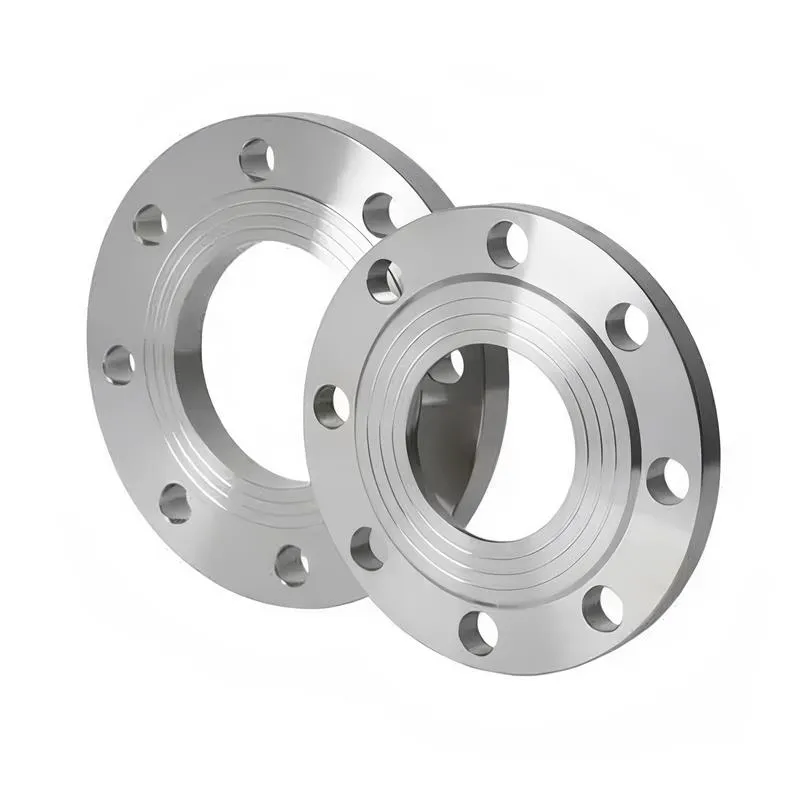
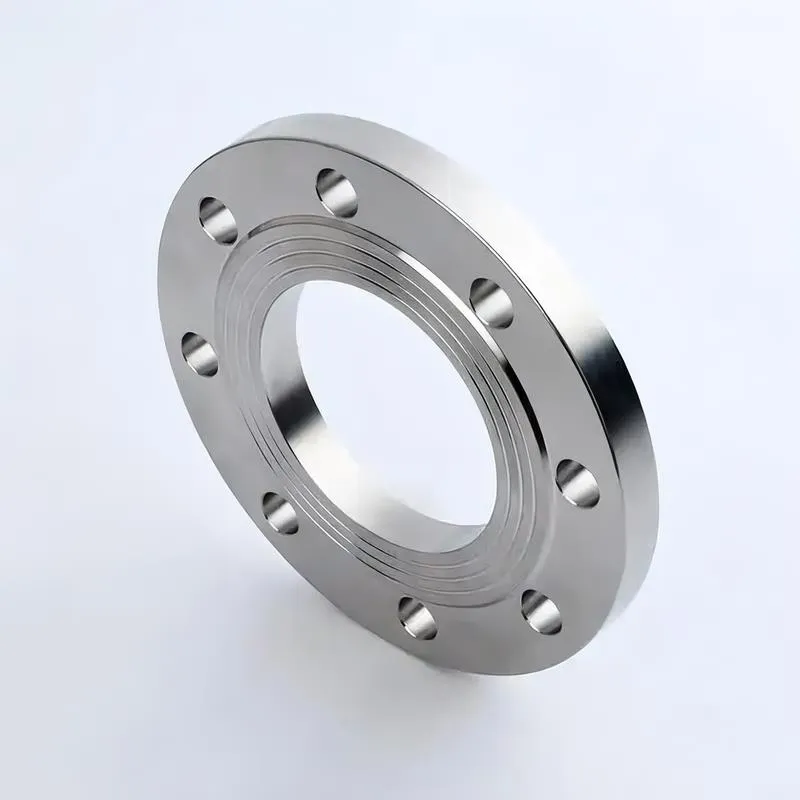
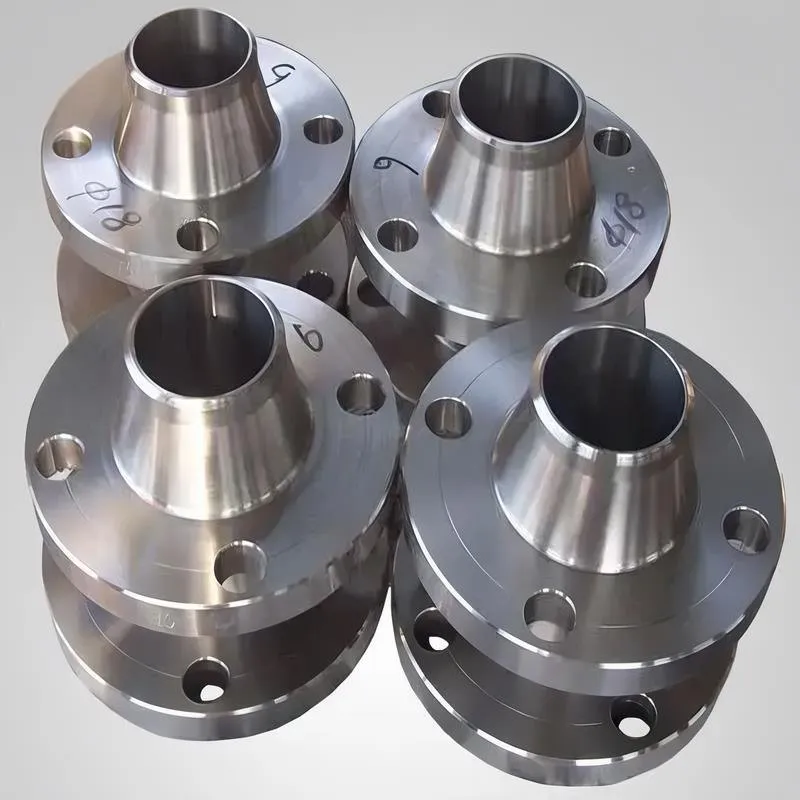
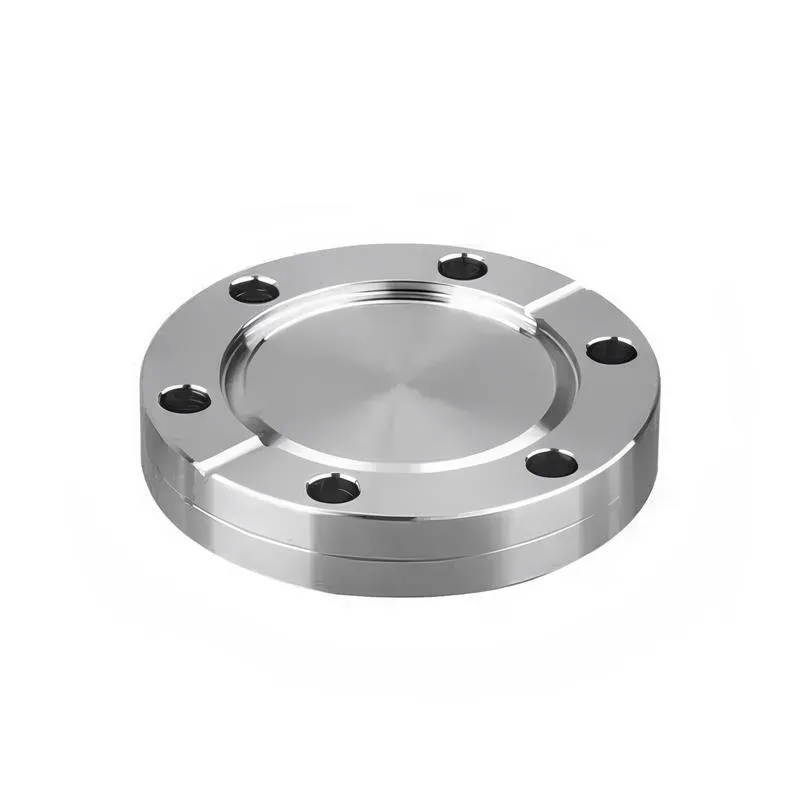
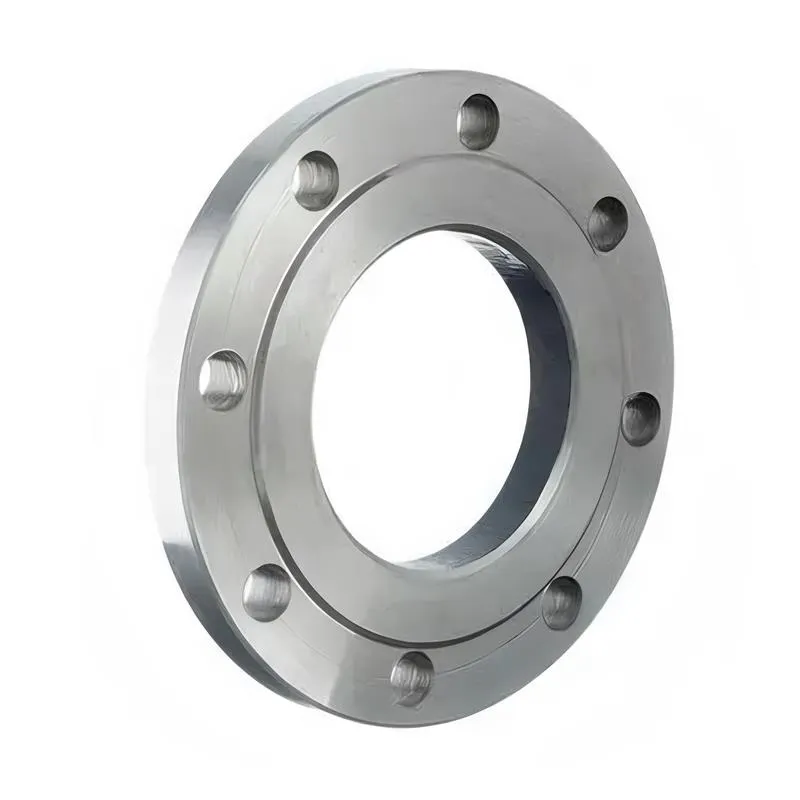
1,We Manufacturing processes are primarily classified into four types:
1:Forging,
2:Casting,
3:Cutting,
4:Rolling.
2,We can manufacture in accordance with these standards.
Standards:
GB Series (Chinese Standards), JB Series (Machinery Standards), HG Series (Chemical Industry Standards), ASME B16.5 (American Standards), BS4504 (British Standards), DIN (German Standards), and JIS (Japanese Standards).
Internationally, there are two primary systems of pipe flange standards: the European system, represented by the German DIN standards (including those of the former Soviet Union), and the American system, represented by the US ANSI pipe flange standards. Other common standards include: the Chinese Ministry of Machinery Industry standards (JB series), the Ministry of Chemical Industry standards (HG series), the Chinese National Standard *GB/T 9112–9124-2010 Steel Pipe Flanges*, as well as US standards (ASME B16.5), British standards (BS4504), German standards (DIN), Japanese standards (JIS), and marine standards (CBM), among others.
The nominal pressure ratings for the PN series are designated by "PN" and comprise the following nine levels: PN2.5, PN6, PN10, PN16, PN25, PN40, PN63, PN100, and PN160.
The nominal pressure ratings for the Class series are designated by "Class" and comprise the following six levels: Class150, Class300, Class600, Class900, Class1500, and Class2500.
Flange Classification
1. **According to Chemical Industry Standards:** Flanges are classified as follows:
Plate Flat Welding Flange (PL), Necked Flat Welding Flange (SO), Necked Butt Welding Flange (WN), Integral Flange (IF), Socket Welding Flange (SW), Threaded Flange (Th), Butt Welding Ring Loose Flange (PJ/SE), Blind Flange (BL), Flat Welding Ring Loose Flange (PJ/PJ), and Lined Blind Flange (BL(s)).
2. **According to Petrochemical (SH) Industry Standards:** Flanges are classified as follows:
Threaded Flange (PL), Butt Welding Flange (WN), Flat Welding Flange (SO), Socket Welding Flange (SW), Loose Flange (LJ), and Blind Flange (no specific designation).
3. **According to Machinery (JB) Industry Standards:** Flanges are classified as follows:
Integral Flange, Butt Welding Flange, Plate Flat Welding Flange, Butt Welding Ring Plate Loose Flange, Flat Welding Ring Plate Loose Flange, Lap Joint Ring Plate Loose Flange, and Blind Flange.
4. **According to Connection Method/Type:** Flanges are classified as follows:
Plate Flat Welding Flange, Necked Flat Welding Flange, Necked Butt Welding Flange, Socket Welding Flange, Threaded Flange, Blind Flange, Necked Butt Welding Ring Loose Flange, Flat Welding Ring Loose Flange, Ring-Type Joint (RTJ) Flange and Blind Flange, Large-Diameter Plate Flange, Large-Diameter High-Neck Flange, Figure-8 Blind Plate, Butt Welding Ring Loose Flange, etc.
5. **According to the Component Being Connected:** Flanges can be classified into Vessel Flanges and Pipe Flanges.
6. **According to Structural Type:** Flanges include Integral Flanges, Threaded Flanges, Flat Welding Flanges, Butt Welding Flanges, Lap Joint (Loose/Swivel) Flanges, and Blind Flanges.
A flange—also referred to as a flange plate or rim—is a component used to connect shafts to one another, or, more commonly, to join the ends of pipes. Flanges are also utilized at the inlet and outlet ports of equipment to facilitate connections between two devices—for instance, the flange on a speed reducer. A "flange connection" or "flanged joint" refers to a detachable joint assembly comprising three interconnected elements—a flange, a gasket, and bolts—that together form a sealed structural unit. In the context of piping systems, a "pipe flange" specifically denotes a flange used for plumbing within the installation; when applied to equipment, it refers to the inlet or outlet flange of that specific device. Flanges feature a series of holes through which bolts are inserted to securely fasten the two flanges together, while a gasket placed between the flanges ensures a leak-proof seal. Flanges are broadly categorized into three types: threaded (screw-in) flanges, welded flanges, and clamp-type flanges. Flanges are invariably used in pairs; threaded flanges are suitable for low-pressure piping applications, whereas welded flanges are required for systems operating at pressures exceeding 4 kilograms per square centimeter. A sealing gasket is inserted between the two flange plates, which are then firmly secured using bolts. The thickness of a flange—as well as the specifications of the bolts used to fasten it—vary depending on the specific pressure rating required for the application. When connecting equipment such as water pumps or valves to piping systems, the corresponding connection points on these devices are often manufactured in the shape of a matching flange; this method of attachment is also referred to as a "flange connection." Generally, any connecting component that utilizes bolts to join and seal the perimeters of two flat surfaces—such as the joints in ventilation ducts—is termed a "flange"; such components may collectively be classified as "flange-type parts." However, since such a connection often constitutes merely a *portion* of a larger device—for instance, the interface between a flange and a water pump—it would be inappropriate to classify the entire water pump itself as a "flange-type part." Conversely, smaller components—such as valves—that feature such flanged interfaces may indeed be appropriately categorized as "flange-type parts."
-:-
For detailed product information, please contact sales.
-:
AISI Type W2 Tool Steel Flange, water quenched at 775°C (1425°F), and tempered Product Information
-:-
For detailed product information, please contact sales.
-:
AISI Type W2 Tool Steel Flange, water quenched at 775°C (1425°F), and tempered Synonyms
-:-
For detailed product information, please contact sales.
-:
AISI Type W2 Tool Steel, water quenched at 775°C (1425°F), and tempered Product Information
-:-
For detailed product information, please contact sales.
-:
# Technical Datasheet: AISI Type W2 Tool Steel
## Standard Heat Treatment: Water Quenched from 775°C (1425°F) with Standard Tempering
---
### **1. Product Overview**
**AISI W2** is a **vanadium-modified, water-hardening carbon tool steel** that represents an evolutionary improvement over basic W1 steel. When processed through the conventional heat treatment of **austenitizing at 775°C (1425°F) followed by water quenching and appropriate tempering**, it achieves a superior combination of **hardness, wear resistance, and toughness** compared to standard carbon tool steels. The key differentiator is the deliberate addition of **vanadium (0.15-0.35%)**, which refines the grain structure during heat treatment and enables the formation of fine, hard vanadium carbides.
This treatment regimen produces a steel with excellent cutting edge retention, good depth of hardening, and improved resistance to overheating during austenitizing. W2 maintains the traditional water-hardening characteristics while offering enhanced performance for demanding cutting and forming applications.
---
### **2. Key International Standards & Designations**
| Country/System | Standard Designation | Equivalent/Specification |
| :--- | :--- | :--- |
| **USA (AISI/SAE)** | **AISI Type W2** | Carbon-Vanadium Tool Steel (C1095 with V) |
| **USA (ASTM)** | **ASTM A686** | Standard Specification for Carbon Tool Steel |
| **ISO** | **ISO 4957:2018** | **1.1645** / C105W2 |
| **Europe (EN)** | **EN ISO 4957:2018** | **1.1645** |
| **Germany (DIN/W-Nr.)** | **1.1645** | C100W2 |
| **Japan (JIS)** | **JIS G4401** | **SK105V** (equivalent) |
| **United Kingdom (BS)** | **BW2** | - |
| **China (GB)** | **GB/T 1298-2008** | **T10AV** (modified) |
*Note: W2 typically contains 0.95-1.10% carbon with vanadium addition, distinguishing it from W1.*
---
### **3. Chemical Composition (Typical Range)**
| Element | Weight % (Standard W2 Range) | Metallurgical Function |
| :--- | :--- | :--- |
| **Carbon (C)** | 0.95 - 1.10 | Primary hardening element. Provides maximum hardness potential. |
| **Vanadium (V)** | **0.15 - 0.35** | **Key Differentiator:** Forms fine VC carbides, refines grain structure, increases wear resistance and toughness. |
| **Manganese (Mn)** | 0.20 - 0.40 | Limited to maintain characteristic shallow hardenability. |
| **Silicon (Si)** | 0.15 - 0.35 | Deoxidizer, provides solid solution strengthening. |
| **Phosphorus (P)** | ≤ 0.025 | Impurity (strictly controlled). |
| **Sulfur (S)** | ≤ 0.025 | Impurity (controlled). |
| **Chromium (Cr)** | ≤ 0.15 | Residual element. |
| **Other Alloys** | Trace only | Minimized to maintain water-hardening characteristics. |
**Metallurgical Advantages of Vanadium Addition:**
- **Grain Refinement:** Vanadium carbines pin austenite grain boundaries during heating, preventing excessive grain growth
- **Secondary Hardening:** Contributes to hardness retention during tempering
- **Wear Resistance:** Hard vanadium carbides (2800-3000 HV) significantly improve abrasion resistance
- **Overheating Resistance:** Allows slightly higher austenitizing temperatures without grain coarsening
---
### **4. Physical & Mechanical Properties (775°C Water Quench + Tempering)**
#### **4.1 Recommended Heat Treatment Cycle**
* **Preheating:** 550-650°C (1020-1200°F) - **Essential** to reduce thermal shock
* **Austenitizing:** **775°C (1425°F)** ±10°C - Soak time: 15-25 minutes per inch
* **Quenching Media:** **Water or brine** (5-10% NaCl solution recommended)
* **Quenching Technique:** Vigorous agitation to break vapor blanket
* **Tempering Options:**
- **Low Temperature (150-200°C):** Maximum hardness, lower toughness
- **Medium Temperature (250-350°C):** Balanced properties (most common)
- **High Temperature (400-450°C):** Maximum toughness, spring applications
#### **4.2 Mechanical Properties vs. Tempering Temperature**
| Tempering Temp (°C) | Hardness (HRC) | Tensile Strength (MPa) | Yield Strength (MPa) | Impact Toughness (J) |
| :--- | :--- | :--- | :--- | :--- |
| **As-Quenched** | 65-67 | - | - | 5-8 |
| **200** | 63-65 | 2200-2400 | 1900-2100 | 10-15 |
| **300** | 60-62 | 2000-2200 | 1700-1900 | 15-25 |
| **400** | 56-58 | 1800-2000 | 1500-1700 | 25-35 |
#### **4.3 Key Performance Characteristics**
- **Maximum Hardness:** 65-67 HRC (as-quenched)
- **Hardenability Depth:** 4-8mm in water (improved over W1)
- **Wear Resistance:** **Excellent** - Superior to W1 due to vanadium carbides
- **Toughness:** **Good** for achieved hardness level
- **Dimensional Stability:** **Poor** - Significant distortion expected
- **Temperature Resistance:** Softens above 200°C
#### **4.4 Physical Properties**
- **Density:** 7.83-7.85 g/cm³
- **Thermal Conductivity:** 45-48 W/m·K (20°C)
- **Specific Heat:** 460-480 J/kg·K
- **Coefficient of Thermal Expansion:** 11.3 × 10⁻⁶/K (20-200°C)
- **Electrical Resistivity:** 0.18-0.20 μΩ·m
- **Modulus of Elasticity:** 200-205 GPa
---
### **5. Typical Product Applications**
#### **Primary Applications:**
- **Cutting Tools:** Lathe tools, planer tools, shaper tools for machining soft metals
- **Woodworking Tools:** High-quality chisels, plane irons, carving tools
- **Hand Tools:** Punches, chisels, drifts, pry bars requiring hard edges
- **Cold Work Tools:** Blanking dies, forming tools for non-ferrous metals
- **Agricultural Tools:** Cultivator points, knife sections
#### **Specialized Applications:**
- **Spring Making Tools:** For forming and bending springs
- **Engraving Tools:** Where fine, durable edges are required
- **Measuring Tools:** Surface plates, straight edges
- **Traditional Bladesmithing:** For pattern-welded steels
---
### **6. Processing & Manufacturing Guidelines**
#### **6.1 Machinability (Annealed State - 180-200 HB)**
- **Rating:** 80-85% of free-machining steel
- **Surface Finish:** Excellent
- **Tool Recommendations:** HSS with positive rake, sharp edges
- **Cutting Speeds:** 30-40 m/min for turning
#### **6.2 Heat Treatment Best Practices**
1. **Atmosphere Control:** Neutral or slightly carburizing to prevent decarb
2. **Temperature Uniformity:** ±5°C tolerance recommended
3. **Quenching Protocol:**
- Transfer time from furnace to quench: <5 seconds
- Quench until hand-warm (~50°C)
- Immediate tempering (<1 hour)
4. **Double Tempering:** Recommended for complex shapes
#### **6.3 Grinding & Finishing**
- **Wheel Selection:** Aluminum oxide (A46-J-V)
- **Coolant:** Essential to prevent overheating
- **Grinding Parameters:** Light cuts, moderate speeds
---
### **7. Comparative Performance Analysis**
| Property | W2 (775°C WQ) | W1 (775°C WQ) | O1 (790°C OQ) |
| :--- | :--- | :--- | :--- |
| **Max Hardness** | 65-67 HRC | 65-66 HRC | 64-65 HRC |
| **Wear Resistance** | **Best** | Good | Very Good |
| **Toughness** | Very Good | Good | Excellent |
| **Grain Size** | Finer (ASTM 9-10) | Fine (ASTM 8-9) | Fine (ASTM 8-9) |
| **Overheating Resistance** | **Best** | Poor | Good |
| **Distortion** | High | Very High | Moderate |
| **Cost** | Moderate | Low | Moderate |
**Advantages of W2 with This Treatment:**
1. **Sharper Cutting Edges:** Finer grain enables superior edge acuity
2. **Better Overheating Tolerance:** Vanadium prevents grain growth
3. **Improved Wear Life:** Vanadium carbides extend tool life
4. **Good Balance:** Between performance and cost
**Limitations:**
1. **Quench Cracking Risk:** High without proper design
2. **Size Limitations:** Maximum ~15mm for through-hardening
3. **Skill Required:** Experienced heat treater needed
4. **Corrosion:** Requires protection
---
### **8. Quality Control & Testing**
#### **8.1 Standard Tests**
- **Hardness Profile:** Multiple depth measurements
- **Microstructure:** Grain size (ASTM E112), carbide distribution
- **Decarburization:** Maximum 0.1mm per side
- **Bend Testing:** For tool bit applications (90° bend)
#### **8.2 Failure Analysis Indicators**
- **Grain Boundary Oxidation:** Overheating during austenitizing
- **Excessive Retained Austenite:** Insufficient tempering
- **Quench Cracks:** Inadequate preheat or design flaws
- **Soft Spots:** Poor quenching technique
---
### **9. Historical & Modern Context**
#### **Development History:**
W2 emerged in the early 20th century as metallurgists discovered that small vanadium additions (0.15-0.35%) to carbon tool steels yielded:
- **30-50% longer tool life** in cutting applications
- **Reduced scrap rates** from overheating during heat treatment
- **Improved consistency** in mass production
#### **Modern Relevance:**
Despite advances in alloy steels, W2 remains important for:
- **Specialty cutting tools** where ultimate sharpness is required
- **Tool and die maintenance** applications
- **Custom knife making** (particularly in damascus patterns)
- **Educational purposes** in metallurgy programs
---
### **10. Technical Specifications Summary**
#### **10.1 Design Guidelines:**
- **Maximum Section:** 15mm diameter (water), 25mm (brine)
- **Fillet Radii:** Minimum 3mm
- **Avoid:** Sharp corners, sudden section changes
- **Holes/Notches:** Position away from edges
#### **10.2 Recommended Processing Sequence:**
1. Rough machine (allow 0.75mm per side)
2. Stress relieve at 650°C if complex
3. Final machining
4. Preheating (550°C → 650°C)
5. Austenitize at 775°C ±10°C
6. Water quench with agitation
7. Temper within 1 hour
8. Final grinding (0.05-0.10mm stock)
9. Surface protection
#### **10.3 Safety Considerations:**
- **Quenching Hazard:** Steam explosions possible with water
- **Thermal Stress:** Parts may fracture during quenching
- **Eye Protection:** Essential during heat treatment
- **Fire Safety:** Proper quenching tank design required
---
### **11. Case Studies & Application Notes**
#### **Case Study 1: Woodworking Chisels**
- **Application:** Bench chisels for hardwoods
- **Treatment:** 775°C WQ + 300°C temper
- **Result:** HRC 61-62, excellent edge retention, good toughness
- **Life Expectancy:** 3-5x resharpening cycles vs. W1
#### **Case Study 2: Cold Heading Punch**
- **Application:** Forming copper rivets
- **Treatment:** 775°C WQ + 200°C temper
- **Result:** HRC 64-65, high wear resistance
- **Production:** 50,000 pieces before resharpening
#### **Case Study 3: Engraving Tool**
- **Application:** Steel die engraving
- **Treatment:** 775°C WQ + 150°C temper
- **Result:** HRC 65-66, extremely fine edge
- **Performance:** Superior detail reproduction
---
### **12. Conclusion**
**AISI W2 tool steel, water quenched from 775°C with appropriate tempering, represents an optimal balance in traditional tool steel technology.** The vanadium addition transforms this from a basic carbon steel into a **high-performance material** that maintains the simplicity of water hardening while offering significantly improved:
1. **Edge Quality:** Finer grain enables sharper, more durable edges
2. **Consistency:** Reduced sensitivity to heat treatment variations
3. **Tool Life:** Vanadium carbides provide exceptional wear resistance
4. **Forgiving Nature:** Better overheating tolerance than W1
**Critical Success Factors:**
- **Proper Design:** Accommodates quenching stresses
- **Precise Execution:** Temperature control within ±10°C
- **Immediate Tempering:** Prevents delayed cracking
- **Surface Protection:** Essential against corrosion
**Modern Applications:**
While largely replaced by oil-hardening steels for general tooling, W2 in this specific treatment remains **unmatched for certain applications:**
- **High-sharpness cutting tools** where edge quality is paramount
- **Custom hand tools** requiring optimal balance of properties
- **Specialty applications** where water hardening is specified
- **Educational demonstrations** of traditional tool steel heat treatment
For applications requiring **maximum hardness with good toughness, excellent wear resistance, and fine cutting edges** - and where the limitations of water quenching can be accommodated through proper design and processing - W2 steel treated at 775°C continues to offer **exceptional performance and value.**
---
**Technical Notes:**
* All specifications assume proper heat treatment equipment and practices
* Actual results may vary based on specific furnace characteristics and quenching techniques
* For production applications, prototyping and testing are strongly recommended
* Consult with qualified metallurgist for critical applications
* Safety protocols must be followed during heat treatment operations
-:-
For detailed product information, please contact sales.
-:
AISI Type W2 Tool Steel, water quenched at 775°C (1425°F), and tempered Specification
Dimensions
Size:
Diameter 20-1000 mm Length <5217 mm
Size:We can customized as required
Standard:
Per your request or drawing
We can customized as required
Properties(Theoretical)
Chemical Composition
-:-
For detailed product information, please contact sales.
-:
AISI Type W2 Tool Steel, water quenched at 775°C (1425°F), and tempered Properties
-:-
For detailed product information, please contact sales.
-:
Applications of AISI Type W2 Tool Steel Flange, water quenched at 775°C (1425°F), and tempered
-:-
For detailed product information, please contact sales.
-:
Chemical Identifiers AISI Type W2 Tool Steel Flange, water quenched at 775°C (1425°F), and tempered
-:-
For detailed product information, please contact sales.
-:
Packing of AISI Type W2 Tool Steel Flange, water quenched at 775°C (1425°F), and tempered
-:-
For detailed product information, please contact sales.
-:
Standard Packing:
-:-
For detailed product information, please contact sales.
-:
Typical bulk packaging includes palletized plastic 5 gallon/25 kg. pails, fiber and Steel Flange drums to 1 ton super sacks in full container (FCL) or truck load (T/L) quantities. Research and sample quantities and hygroscopic, oxidizing or other air sensitive materials may be packaged under argon or vacuum. Solutions are packaged in polypropylene, plastic or glass jars up to palletized 1688 gallon liquid totes Special package is available on request. E FORUs’ is carefully handled to minimize damage during storage and transportation and to preserve the quality of our products in their original condition