1,We Manufacturing processes are primarily classified into four types:
1:Forging,
2:Casting,
3:Cutting,
4:Rolling.
2,We can manufacture in accordance with these standards.
Standards:
GB Series (Chinese Standards), JB Series (Machinery Standards), HG Series (Chemical Industry Standards), ASME B16.5 (American Standards), BS4504 (British Standards), DIN (German Standards), and JIS (Japanese Standards).
Internationally, there are two primary systems of pipe flange standards: the European system, represented by the German DIN standards (including those of the former Soviet Union), and the American system, represented by the US ANSI pipe flange standards. Other common standards include: the Chinese Ministry of Machinery Industry standards (JB series), the Ministry of Chemical Industry standards (HG series), the Chinese National Standard *GB/T 9112–9124-2010 Steel Pipe Flanges*, as well as US standards (ASME B16.5), British standards (BS4504), German standards (DIN), Japanese standards (JIS), and marine standards (CBM), among others.
The nominal pressure ratings for the PN series are designated by "PN" and comprise the following nine levels: PN2.5, PN6, PN10, PN16, PN25, PN40, PN63, PN100, and PN160.
The nominal pressure ratings for the Class series are designated by "Class" and comprise the following six levels: Class150, Class300, Class600, Class900, Class1500, and Class2500.
Flange Classification
1. **According to Chemical Industry Standards:** Flanges are classified as follows:
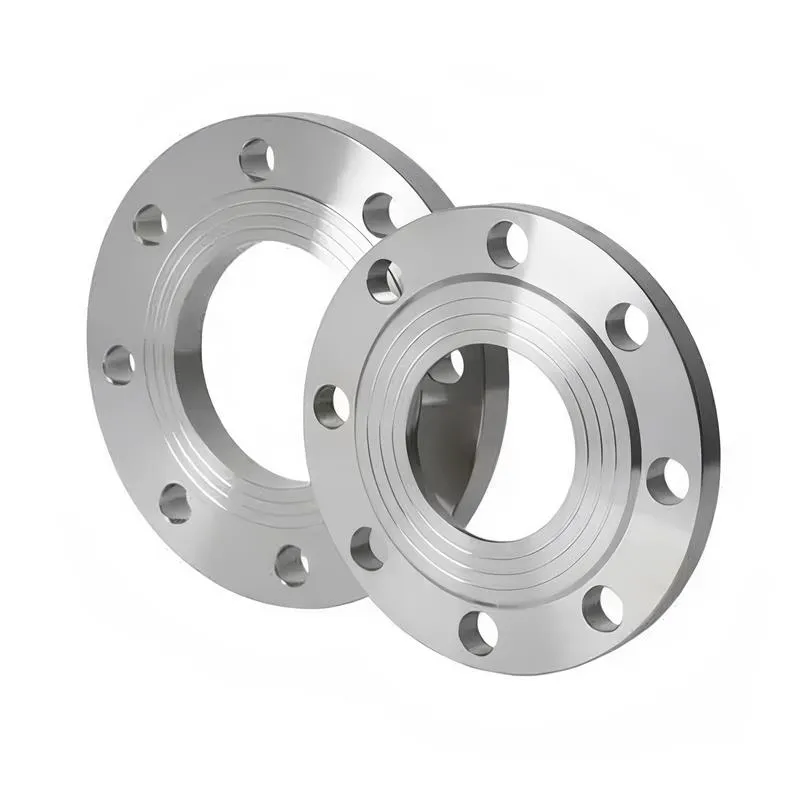
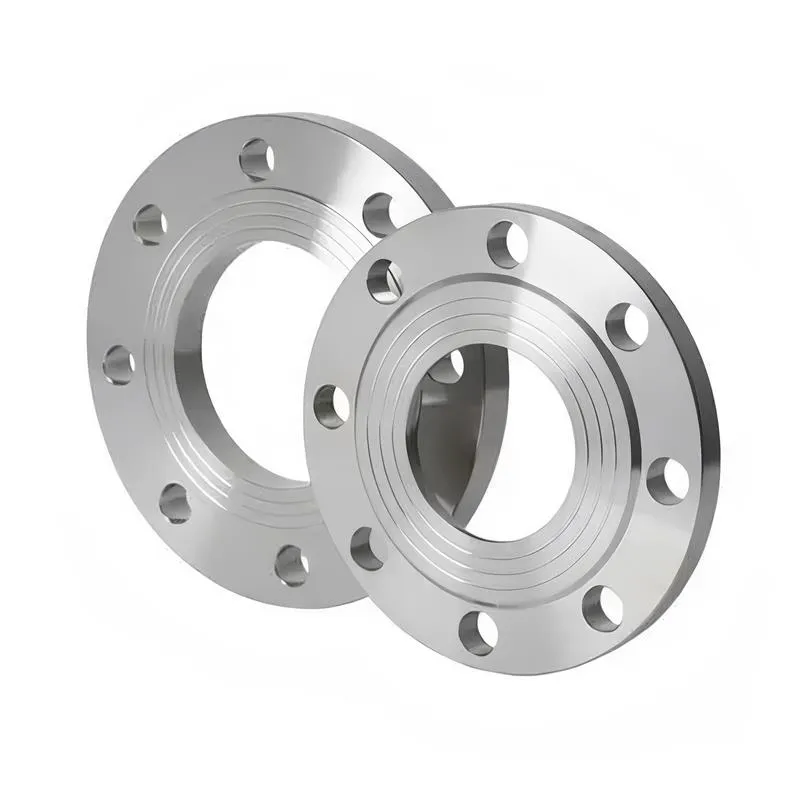
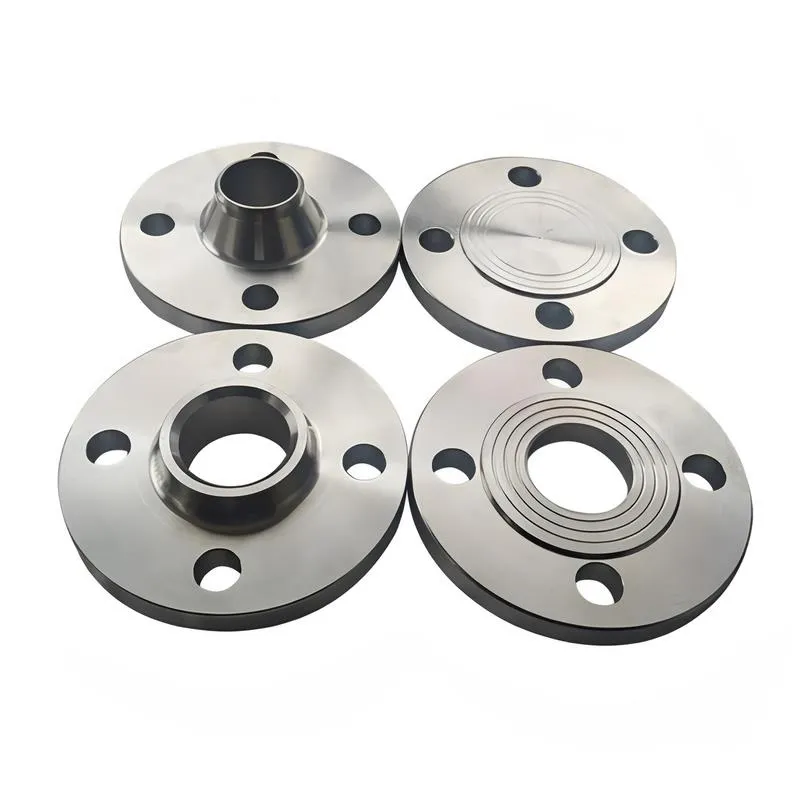
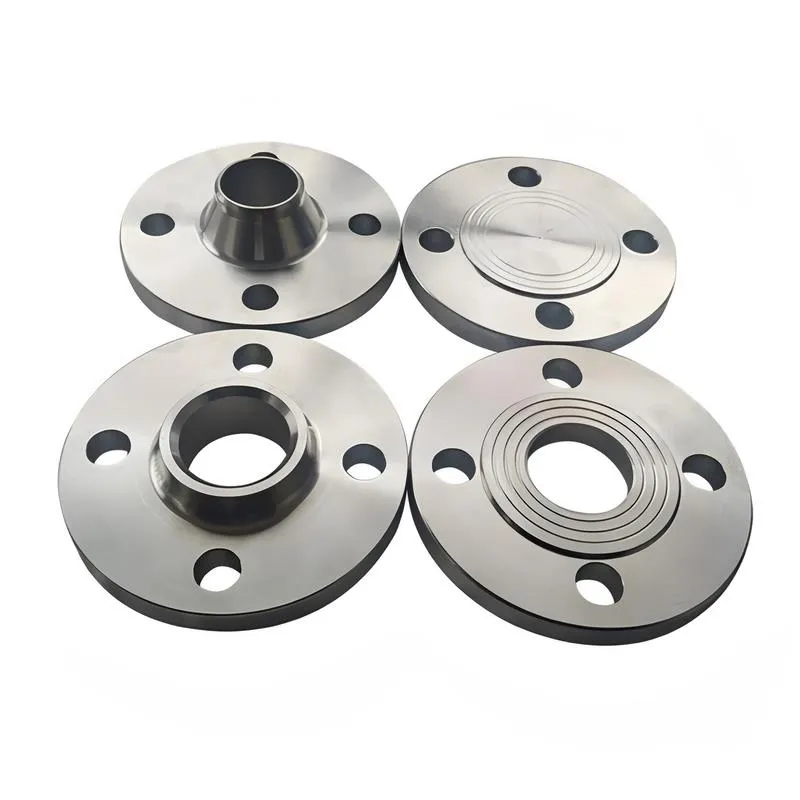
Plate Flat Welding Flange (PL), Necked Flat Welding Flange (SO), Necked Butt Welding Flange (WN), Integral Flange (IF), Socket Welding Flange (SW), Threaded Flange (Th), Butt Welding Ring Loose Flange (PJ/SE), Blind Flange (BL), Flat Welding Ring Loose Flange (PJ/PJ), and Lined Blind Flange (BL(s)).
2. **According to Petrochemical (SH) Industry Standards:** Flanges are classified as follows:
Threaded Flange (PL), Butt Welding Flange (WN), Flat Welding Flange (SO), Socket Welding Flange (SW), Loose Flange (LJ), and Blind Flange (no specific designation).
3. **According to Machinery (JB) Industry Standards:** Flanges are classified as follows:
Integral Flange, Butt Welding Flange, Plate Flat Welding Flange, Butt Welding Ring Plate Loose Flange, Flat Welding Ring Plate Loose Flange, Lap Joint Ring Plate Loose Flange, and Blind Flange.
4. **According to Connection Method/Type:** Flanges are classified as follows:
Plate Flat Welding Flange, Necked Flat Welding Flange, Necked Butt Welding Flange, Socket Welding Flange, Threaded Flange, Blind Flange, Necked Butt Welding Ring Loose Flange, Flat Welding Ring Loose Flange, Ring-Type Joint (RTJ) Flange and Blind Flange, Large-Diameter Plate Flange, Large-Diameter High-Neck Flange, Figure-8 Blind Plate, Butt Welding Ring Loose Flange, etc.
5. **According to the Component Being Connected:** Flanges can be classified into Vessel Flanges and Pipe Flanges.
6. **According to Structural Type:** Flanges include Integral Flanges, Threaded Flanges, Flat Welding Flanges, Butt Welding Flanges, Lap Joint (Loose/Swivel) Flanges, and Blind Flanges.
A flange—also referred to as a flange plate or rim—is a component used to connect shafts to one another, or, more commonly, to join the ends of pipes. Flanges are also utilized at the inlet and outlet ports of equipment to facilitate connections between two devices—for instance, the flange on a speed reducer. A "flange connection" or "flanged joint" refers to a detachable joint assembly comprising three interconnected elements—a flange, a gasket, and bolts—that together form a sealed structural unit. In the context of piping systems, a "pipe flange" specifically denotes a flange used for plumbing within the installation; when applied to equipment, it refers to the inlet or outlet flange of that specific device. Flanges feature a series of holes through which bolts are inserted to securely fasten the two flanges together, while a gasket placed between the flanges ensures a leak-proof seal. Flanges are broadly categorized into three types: threaded (screw-in) flanges, welded flanges, and clamp-type flanges. Flanges are invariably used in pairs; threaded flanges are suitable for low-pressure piping applications, whereas welded flanges are required for systems operating at pressures exceeding 4 kilograms per square centimeter. A sealing gasket is inserted between the two flange plates, which are then firmly secured using bolts. The thickness of a flange—as well as the specifications of the bolts used to fasten it—vary depending on the specific pressure rating required for the application. When connecting equipment such as water pumps or valves to piping systems, the corresponding connection points on these devices are often manufactured in the shape of a matching flange; this method of attachment is also referred to as a "flange connection." Generally, any connecting component that utilizes bolts to join and seal the perimeters of two flat surfaces—such as the joints in ventilation ducts—is termed a "flange"; such components may collectively be classified as "flange-type parts." However, since such a connection often constitutes merely a *portion* of a larger device—for instance, the interface between a flange and a water pump—it would be inappropriate to classify the entire water pump itself as a "flange-type part." Conversely, smaller components—such as valves—that feature such flanged interfaces may indeed be appropriately categorized as "flange-type parts."
-:-
For detailed product information, please contact sales.
-:
Crucible Steel Flange CPM® S90V® (420V®) Tool Steel Flange Product Information
-:-
For detailed product information, please contact sales.
-:
Crucible Steel Flange CPM® S90V® (420V®) Tool Steel Flange Synonyms
-:-
For detailed product information, please contact sales.
-:
Crucible Steel CPM® S90V® (420V®) Tool Steel Product Information
-:-
For detailed product information, please contact sales.
-:
# **Technical Datasheet: Crucible Steel CPM® S90V® (420V®) Tool Steel**
---
## **1. Product Overview**
**Crucible CPM® S90V®** (marketed as **420V®** in specific industries) is a premium **powder metallurgy (PM), martensitic stainless tool steel** engineered to deliver an **exceptional combination of wear resistance, corrosion resistance, and edge retention**. It represents one of the highest-performance stainless tool steels available, distinguished by its very high vanadium content (~9%) which forms a substantial volume of hard vanadium carbides within a corrosion-resistant chromium matrix. The "S" designation in S90V indicates its **stainless steel classification**, while the "90V" reflects its high vanadium content, and "420V" references its corrosion resistance similar to 420 stainless but with vastly superior wear properties.
This material bridges the gap between **high-wear tool steels and corrosion-resistant stainless steels**, making it ideal for applications where both extreme abrasion resistance and protection from corrosive environments are critical. Its exceptional edge-holding capability, particularly in cutlery applications, has made it a benchmark for premium blades and cutting tools.
---
## **2. Key International Standards & Designations**
| Country/System | Standard Designation | Equivalent/Closest Specification |
| :--- | :--- | :--- |
| **USA (Crucible)** | **CPM® S90V® / 420V®** | Proprietary PM Stainless Tool Steel |
| **USA (AISI/SAE)** | **- -** | No direct AISI equivalent (Custom 420 Mod) |
| **USA (ASTM)** | **- -** | Proprietary grade |
| **ISO** | **- -** | No direct equivalent |
| **Common Industry Names** | Super Stainless, High-Vanadium Stainless Tool Steel | - |
| **Comparable Grades** | **Bohler M390, Carpenter CTS-204P, Uddeholm Elmax** | Similar PM high-chromium, high-vanadium steels |
**Note:** CPM S90V is a proprietary alloy without direct international standard equivalents. It is part of a family of advanced PM stainless tool steels designed for maximum performance.
---
## **3. Chemical Composition (Typical %)**
The composition is strategically balanced to maximize both corrosion resistance (through chromium) and wear resistance (through vanadium carbides).
| Element | Weight % (Typical) | Metallurgical Function & Significance |
| :--- | :--- | :--- |
| **Carbon (C)** | 2.30 | High carbon content necessary to form vanadium carbides (VC) and provide matrix hardening. The carbon is primarily tied up in carbides, which actually enhances corrosion resistance by reducing free carbon in the matrix. |
| **Chromium (Cr)** | 14.00 | **Primary corrosion resistance element.** Ensures the steel is **fully stainless** by maintaining a passive chromium oxide layer. Also contributes to hardenability and forms some chromium carbides. |
| **Vanadium (V)** | **9.00** | **The defining wear element.** Forms a very high volume (~15-20%) of extremely hard **vanadium carbides (MC type, ~2800 HV)**. These carbides provide exceptional resistance to abrasive wear and enable superior edge retention. |
| **Molybdenum (Mo)** | 1.00 | Enhances hardenability, improves toughness, and increases resistance to pitting corrosion in chloride environments. |
| **Other Elements** | Si, Mn, Ni (trace) | Standard alloying additions for processing and properties. |
**Key Microstructural Features via CPM Process:**
- **Carbide Uniformity:** Vanadium carbides are fine (typically 2-5 µm) and uniformly dispersed, eliminating the large, brittle carbide networks that would form in a wrought version of this chemistry.
- **Corrosion-Optimized Matrix:** The high chromium content in the matrix, combined with carbon being locked in stable carbides, provides excellent corrosion resistance.
- **Isotropic Properties:** Uniform behavior in all directions due to absence of segregation.
---
## **4. Physical & Mechanical Properties**
### **4.1 Standard Heat Treatment**
* **Annealing:** Heat to 870-900°C (1600-1650°F), slow cool. Annealed hardness: **~240-260 HB**.
* **Preheating:** Recommended at 650°C (1200°F) and 850°C (1560°F) for complex parts.
* **Austenitizing:** **1120-1160°C (2050-2120°F).** High temperature required to put sufficient carbon and chromium into solution. Vacuum or controlled atmosphere furnace required to prevent decarburization.
* **Quenching:** **Air cool or high-pressure gas quench.** Oil quenching is possible but less common.
* **Tempering:** **Double or triple tempering recommended.** Temper at **205-540°C (400-1000°F)** depending on desired hardness/toughness balance. Common range is **425-540°C (800-1000°F)**.
* **Expected Hardness:** **58-61 HRC** (typical for knife/blade applications). Can achieve up to **62-63 HRC** with lower tempering temperatures.
### **4.2 Mechanical Properties (Hardened & Tempered @ 500°C to ~60 HRC)**
| Property | Value / Rating (Typical) | Performance Context |
| :--- | :--- | :--- |
| **Hardness** | **58 - 61 HRC** (operating range) | High hardness combined with exceptional wear resistance. |
| **Abrasive Wear Resistance** | **Exceptional / Best-in-Class (Stainless Steel)** | **Far superior to conventional stainless steels** like 440C. Comparable to premium non-stainless tool steels in many wear tests. |
| **Corrosion Resistance** | **Excellent** | Superior to 440C and similar to high-end stainless steels. Resists rust and staining in most environments. Not as corrosion-resistant as austenitic stainless (e.g., 316) but excellent for tool steel. |
| **Impact Toughness** | **Moderate** | Lower than less alloyed stainless steels but adequate for most cutting and wear applications. The fine PM structure improves toughness over a hypothetical wrought version. |
| **Edge Retention** | **Outstanding** | **Primary advantage.** The high volume of hard vanadium carbides allows edges to stay sharp much longer than with conventional stainless steels. |
| **Grindability** | **Fair to Poor** | The hard vanadium carbides are abrasive to grinding wheels. **Diamond or CBN abrasive is recommended** for efficient grinding. |
### **4.3 Physical Properties (Approximate)**
* Density: ~7.60 g/cm³
* Thermal Conductivity: ~22 W/m·K
* Coefficient of Thermal Expansion: 10.5 x 10⁻⁶/K
* Modulus of Elasticity: 205 GPa
---
## **5. Typical Product Applications**
CPM S90V is specified for **high-end applications where wear resistance, edge retention, and corrosion resistance must be maximized simultaneously.**
* **Premium Cutlery & Blades:**
* **High-performance knives** (folding, fixed, kitchen) where edge retention is paramount.
* **Surgical and dental instruments** requiring sharpness retention and sterilization compatibility.
* **Barber shears and salon scissors** for cutting hair and synthetic materials.
* **Industrial Cutting Tools:**
* **Slitter knives and cutters** for abrasive materials in corrosive environments (e.g., food processing, marine applications).
* **Pump components and valves** handling abrasive-corrosive slurries.
* **Mold & Tooling:**
* **Plastic injection molds** for corrosive or abrasive plastics where superior polish and release properties are needed.
* **Thread guides and wear parts** in textile and chemical processing.
---
## **6. Processing & Manufacturing Guidelines**
* **Machinability (Annealed):** **Poor.** The hard vanadium carbides are abrasive to cutting tools. Use **carbide or CBN tooling** with rigid setups. **EDM is often preferred** for complex shapes.
* **Grindability:** **Fair to Poor.** **Diamond or CBN grinding wheels are strongly recommended** for any significant material removal. Conventional aluminum oxide wheels will glaze quickly.
* **EDM Machining:** Excellent method. Provides good accuracy and surface finish. A stress relief temper after EDM is recommended.
* **Polishing:** Can achieve a **very high polish** (mirror finish) due to its fine, uniform microstructure. This is valuable for plastic molds and high-end cutlery.
* **Heat Treatment Note:** The high austenitizing temperature requires careful control to avoid excessive grain growth while ensuring proper solutioning of carbides.
---
## **7. Comparative Performance & Selection Notes**
| Criterion | **CPM S90V (420V)** | **440C Stainless** | **CPM 20CV (M390-type)** | **CPM 154** |
| :--- | :--- | :--- | :--- | :--- |
| **Vanadium Content** | **~9%** | 0% | ~4% | ~0.5% |
| **Wear/Edge Retention** | **Best** | Fair | Excellent | Good |
| **Corrosion Resistance** | Excellent | Good | Excellent | Very Good |
| **Toughness** | Moderate | Good | Moderate | **Best** |
| **Ease of Sharpening** | Difficult | Easy | Moderate | Easy |
| **Primary Market** | **Ultimate Edge Retention** | General Purpose | Balanced Performance | **Toughness + Corrosion** |
**When to Choose CPM S90V:**
1. **Maximum possible edge retention in a stainless steel** is the primary requirement (e.g., high-end cutlery).
2. The application involves **cutting abrasive materials** in a **corrosive or wet environment**.
3. The component requires both **excellent wear resistance and good corrosion resistance** (e.g., marine or chemical processing equipment).
4. A **high polish and excellent release properties** are needed for mold applications.
**Considerations:**
- **Difficult to Sharpen:** The same vanadium carbides that provide wear resistance make sharpening challenging; diamond or CBN sharpening tools are recommended.
- **Cost:** Premium material with higher cost than conventional stainless steels.
---
## **8. Conclusion**
**Crucible CPM® S90V® (420V®) represents the pinnacle of wear-resistant stainless tool steel technology.** It successfully achieves what was once thought difficult: **combining the extreme wear resistance of high-vanadium tool steels with the corrosion resistance of stainless steels.**
Its exceptional performance is characterized by:
- **Outstanding edge retention** for long service life between sharpenings.
- **Excellent corrosion resistance** suitable for demanding environments.
- **Superior polishability** for aesthetic and functional surface requirements.
For applications where **performance cannot be compromised by either wear or corrosion**—such as in premium cutlery, specialized industrial tools, and high-end molds—**CPM S90V offers an unparalleled solution.** While it demands appropriate manufacturing techniques and comes at a premium price, its performance justifies the investment for applications where total cost of ownership, longevity, and reliability are critical factors.
---
-:-
For detailed product information, please contact sales.
-:
Crucible Steel CPM® S90V® (420V®) Tool Steel Specification
Dimensions
Size:
Diameter 20-1000 mm Length <5238 mm
Size:We can customized as required
Standard:
Per your request or drawing
We can customized as required
Properties(Theoretical)
Chemical Composition
-:-
For detailed product information, please contact sales.
-:
Crucible Steel CPM® S90V® (420V®) Tool Steel Properties
-:-
For detailed product information, please contact sales.
-:
Applications of Crucible Steel Flange CPM® S90V® (420V®) Tool Steel Flange
-:-
For detailed product information, please contact sales.
-:
Chemical Identifiers Crucible Steel Flange CPM® S90V® (420V®) Tool Steel Flange
-:-
For detailed product information, please contact sales.
-:
Packing of Crucible Steel Flange CPM® S90V® (420V®) Tool Steel Flange
-:-
For detailed product information, please contact sales.
-:
Standard Packing:
-:-
For detailed product information, please contact sales.
-:
Typical bulk packaging includes palletized plastic 5 gallon/25 kg. pails, fiber and Steel Flange drums to 1 ton super sacks in full container (FCL) or truck load (T/L) quantities. Research and sample quantities and hygroscopic, oxidizing or other air sensitive materials may be packaged under argon or vacuum. Solutions are packaged in polypropylene, plastic or glass jars up to palletized 1709 gallon liquid totes Special package is available on request. E FORUs’ is carefully handled to minimize damage during storage and transportation and to preserve the quality of our products in their original condition