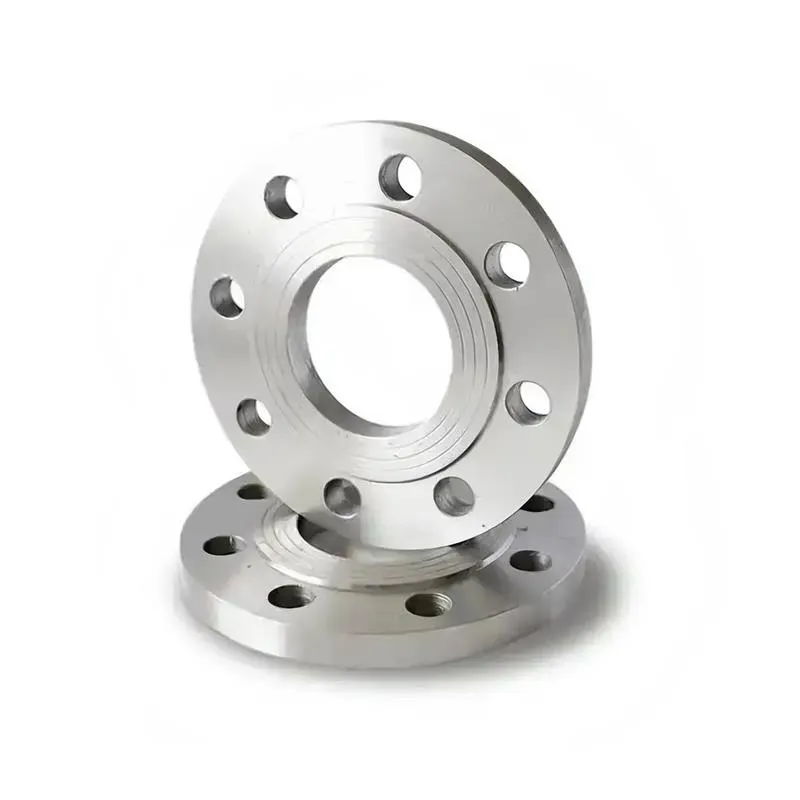
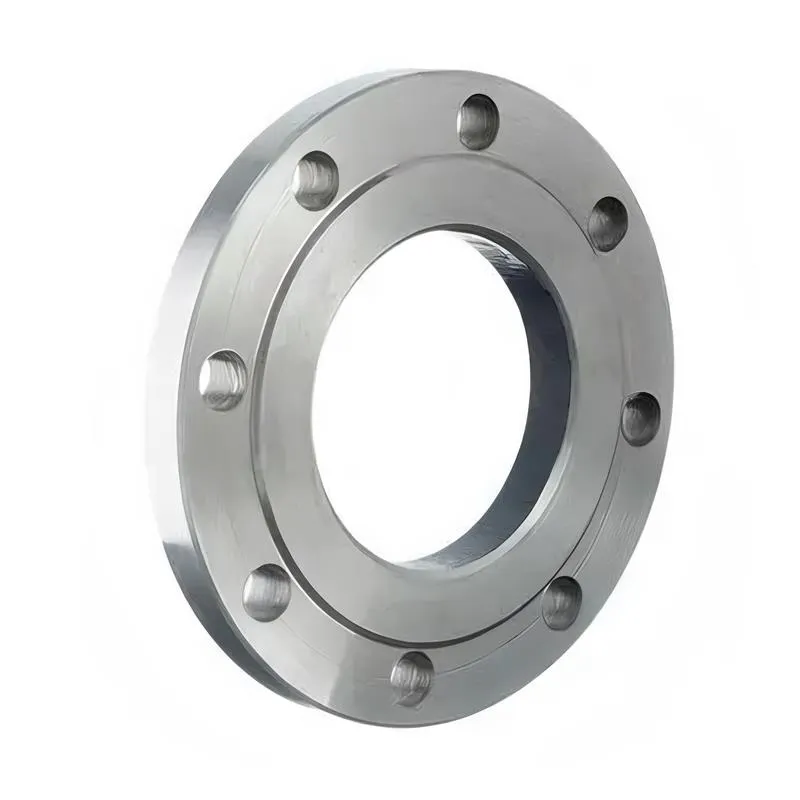
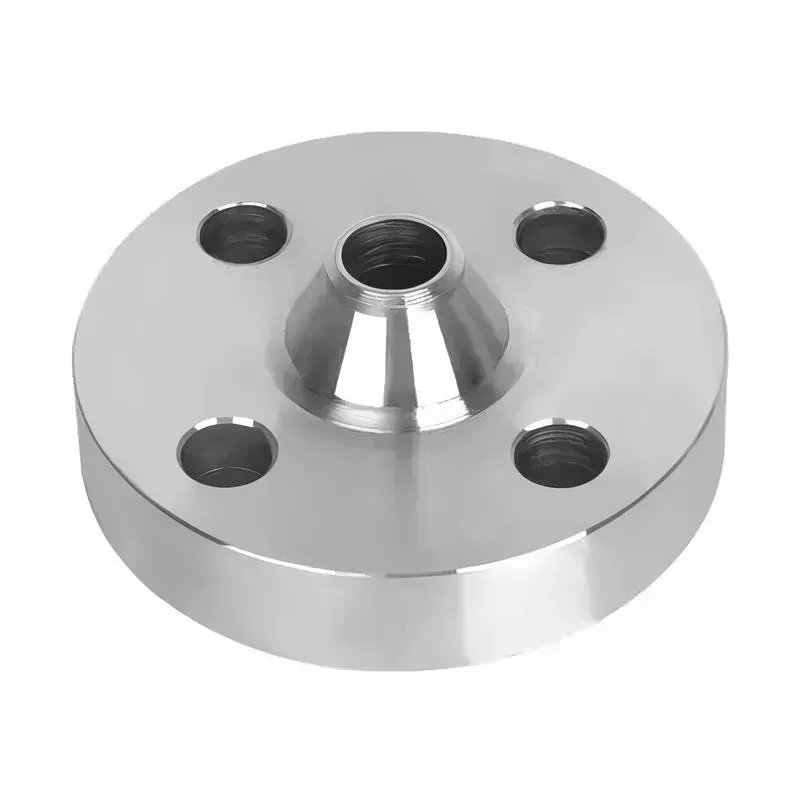
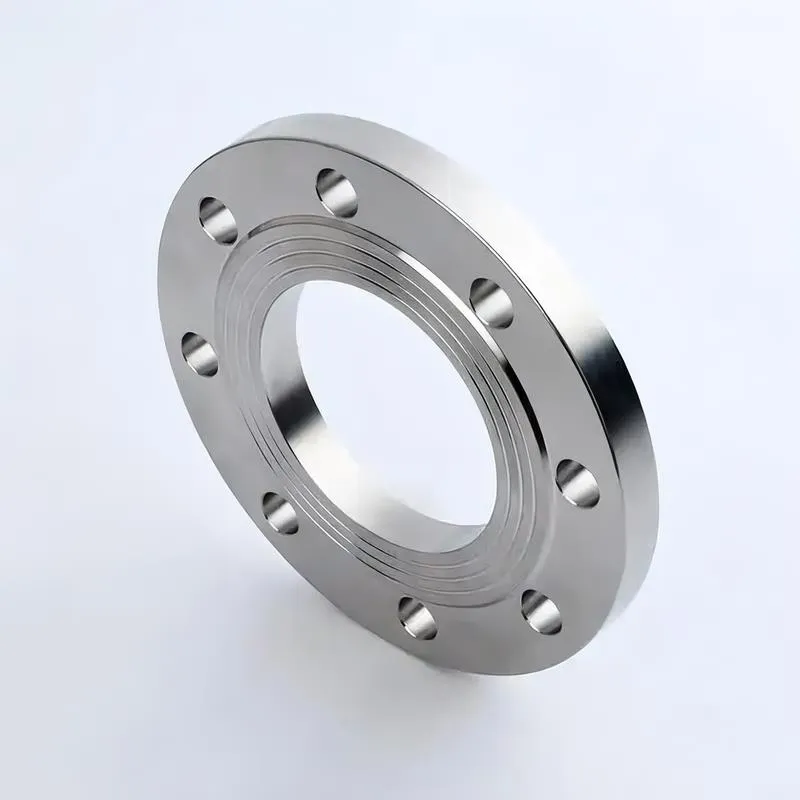
1,We Manufacturing processes are primarily classified into four types:
1:Forging,
2:Casting,
3:Cutting,
4:Rolling.
2,We can manufacture in accordance with these standards.
Standards:
GB Series (Chinese Standards), JB Series (Machinery Standards), HG Series (Chemical Industry Standards), ASME B16.5 (American Standards), BS4504 (British Standards), DIN (German Standards), and JIS (Japanese Standards).
Internationally, there are two primary systems of pipe flange standards: the European system, represented by the German DIN standards (including those of the former Soviet Union), and the American system, represented by the US ANSI pipe flange standards. Other common standards include: the Chinese Ministry of Machinery Industry standards (JB series), the Ministry of Chemical Industry standards (HG series), the Chinese National Standard *GB/T 9112–9124-2010 Steel Pipe Flanges*, as well as US standards (ASME B16.5), British standards (BS4504), German standards (DIN), Japanese standards (JIS), and marine standards (CBM), among others.
The nominal pressure ratings for the PN series are designated by "PN" and comprise the following nine levels: PN2.5, PN6, PN10, PN16, PN25, PN40, PN63, PN100, and PN160.
The nominal pressure ratings for the Class series are designated by "Class" and comprise the following six levels: Class150, Class300, Class600, Class900, Class1500, and Class2500.
Flange Classification
1. **According to Chemical Industry Standards:** Flanges are classified as follows:
Plate Flat Welding Flange (PL), Necked Flat Welding Flange (SO), Necked Butt Welding Flange (WN), Integral Flange (IF), Socket Welding Flange (SW), Threaded Flange (Th), Butt Welding Ring Loose Flange (PJ/SE), Blind Flange (BL), Flat Welding Ring Loose Flange (PJ/PJ), and Lined Blind Flange (BL(s)).
2. **According to Petrochemical (SH) Industry Standards:** Flanges are classified as follows:
Threaded Flange (PL), Butt Welding Flange (WN), Flat Welding Flange (SO), Socket Welding Flange (SW), Loose Flange (LJ), and Blind Flange (no specific designation).
3. **According to Machinery (JB) Industry Standards:** Flanges are classified as follows:
Integral Flange, Butt Welding Flange, Plate Flat Welding Flange, Butt Welding Ring Plate Loose Flange, Flat Welding Ring Plate Loose Flange, Lap Joint Ring Plate Loose Flange, and Blind Flange.
4. **According to Connection Method/Type:** Flanges are classified as follows:
Plate Flat Welding Flange, Necked Flat Welding Flange, Necked Butt Welding Flange, Socket Welding Flange, Threaded Flange, Blind Flange, Necked Butt Welding Ring Loose Flange, Flat Welding Ring Loose Flange, Ring-Type Joint (RTJ) Flange and Blind Flange, Large-Diameter Plate Flange, Large-Diameter High-Neck Flange, Figure-8 Blind Plate, Butt Welding Ring Loose Flange, etc.
5. **According to the Component Being Connected:** Flanges can be classified into Vessel Flanges and Pipe Flanges.
6. **According to Structural Type:** Flanges include Integral Flanges, Threaded Flanges, Flat Welding Flanges, Butt Welding Flanges, Lap Joint (Loose/Swivel) Flanges, and Blind Flanges.
A flange—also referred to as a flange plate or rim—is a component used to connect shafts to one another, or, more commonly, to join the ends of pipes. Flanges are also utilized at the inlet and outlet ports of equipment to facilitate connections between two devices—for instance, the flange on a speed reducer. A "flange connection" or "flanged joint" refers to a detachable joint assembly comprising three interconnected elements—a flange, a gasket, and bolts—that together form a sealed structural unit. In the context of piping systems, a "pipe flange" specifically denotes a flange used for plumbing within the installation; when applied to equipment, it refers to the inlet or outlet flange of that specific device. Flanges feature a series of holes through which bolts are inserted to securely fasten the two flanges together, while a gasket placed between the flanges ensures a leak-proof seal. Flanges are broadly categorized into three types: threaded (screw-in) flanges, welded flanges, and clamp-type flanges. Flanges are invariably used in pairs; threaded flanges are suitable for low-pressure piping applications, whereas welded flanges are required for systems operating at pressures exceeding 4 kilograms per square centimeter. A sealing gasket is inserted between the two flange plates, which are then firmly secured using bolts. The thickness of a flange—as well as the specifications of the bolts used to fasten it—vary depending on the specific pressure rating required for the application. When connecting equipment such as water pumps or valves to piping systems, the corresponding connection points on these devices are often manufactured in the shape of a matching flange; this method of attachment is also referred to as a "flange connection." Generally, any connecting component that utilizes bolts to join and seal the perimeters of two flat surfaces—such as the joints in ventilation ducts—is termed a "flange"; such components may collectively be classified as "flange-type parts." However, since such a connection often constitutes merely a *portion* of a larger device—for instance, the interface between a flange and a water pump—it would be inappropriate to classify the entire water pump itself as a "flange-type part." Conversely, smaller components—such as valves—that feature such flanged interfaces may indeed be appropriately categorized as "flange-type parts."
-:-
For detailed product information, please contact sales.
-:
Ovako 100Cr6 803Z Steel Flange, Q/T (bainite) Product Information
-:-
For detailed product information, please contact sales.
-:
Ovako 100Cr6 803Z Steel Flange, Q/T (bainite) Synonyms
-:-
For detailed product information, please contact sales.
-:
Ovako 100Cr6 803Z Steel, Q/T (bainite) Product Information
-:-
For detailed product information, please contact sales.
-:
# **Ovako 100Cr6 803Z Steel – Q/T (Quenched & Tempered to Bainitic Structure)**
## **Product Overview**
Ovako 100Cr6 803Z Q/T (Bainite) represents the **ultimate evolution in premium bearing steel technology**. By subjecting the ultra-clean **100Cr6 803Z** base material to a precisely controlled isothermal heat treatment, a predominantly **lower bainitic microstructure** is achieved. This advanced thermomechanical processing unlocks a **revolutionary combination of properties**: exceptional strength and hardness are now paired with fracture toughness and fatigue resistance that far exceed those attainable in traditional martensitic states. The **803Z** grade's unparalleled micro-cleanliness is fundamental to this achievement, ensuring the bainitic transformation occurs uniformly and free from detrimental inclusions, resulting in the most reliable and durable material for extreme mechanical applications.
## **Key Features & Benefits**
* **Unprecedented Toughness at High Hardness:** Bainitic 100Cr6 803Z achieves a formidable hardness range of **58-62 HRC** while delivering **2-3 times higher impact toughness** compared to its martensitic counterpart at similar hardness. This virtually eliminates the risk of brittle fracture and catastrophic failure under severe shock or overload conditions.
* **Superlative Rolling Contact Fatigue (RCF) Performance:** The fine, acicular lower bainite structure inherently resists crack propagation. Combined with the near-perfect cleanliness of the 803Z substrate—which removes primary fatigue initiation sites—this material demonstrates the **highest possible L10/L50 fatigue life** with minimal statistical scatter, setting the benchmark for bearing longevity.
* **Exceptional Dimensional Stability & Minimal Distortion:** The isothermal transformation process generates significantly lower internal stresses than a martensitic quench. This results in **near-net-shape stability**, allowing for tighter manufacturing tolerances, reduced grinding stock, and superior geometric precision in the finished component.
* **Enhanced Resistance to Stress Corrosion & Hydrogen Embrittlement:** The bainitic microstructure provides inherently greater resistance to these environmentally assisted failure mechanisms than tempered martensite, offering extended service life and reliability in challenging operational environments (e.g., maritime, aerospace).
* **Optimal Wear & Fatigue Balance:** While offering slightly lower pure abrasive wear resistance than the hardest martensite, its superior toughness provides unmatched resistance to surface damage modes like pitting, spalling, and micro-cracking under high contact stresses.
## **International Standards & Designations**
This is a top-tier, process-optimized material typically governed by stringent customer or industry-specific specifications due to its premium performance.
| Base Material Standard | Metallurgical Condition | Ovako Designation | Comparable/Related Specifications |
| :--- | :--- | :--- | :--- |
| **EN 1.3505 (100Cr6)** | Quenched & Tempered to Bainite | **100Cr6 803Z Q/T (Bainite)** | Specified under **exacting proprietary standards** for wind energy (e.g., DNV GL), aerospace, and advanced machinery.
It defines the upper performance limit for bearing steels in standards like **ISO 281**.
Considered a **"Bainitic Hardened" premium grade** exceeding all standard classifications. |
## **Chemical Composition (Typical - %)**
The chemistry is that of the ultra-clean 100Cr6 803Z, where purity enables the bainitic transformation's full potential.
| Element | Content (%) | Role in Bainitic Condition |
| :--- | :--- | :--- |
| **Carbon (C)** | 0.98 - 1.10 | Provides solid solution strengthening in the bainitic ferrite and ensures sufficient carbon for fine carbide precipitation, forming the basis for high strength. |
| **Chromium (Cr)** | 1.35 - 1.60 | Delays transformation kinetics, enabling the controlled bainitic process; promotes the formation of fine, stable (Cr,Fe)₂₃C₆ and (Cr,Fe)₃C carbides within the bainitic laths for wear resistance. |
| **Manganese (Mn)** | 0.25 - 0.45 | Ensures sufficient hardenability to avoid pearlite formation during cooling to the bainite transformation temperature range. |
| **Silicon (Si)** | 0.15 - 0.35 | **Critically important:** Strongly inhibits the precipitation of cementite during bainitic transformation, leading to carbon enrichment of the surrounding austenite. This results in stable, thin films of **retained austenite** between bainitic ferrite laths, a key contributor to exceptional toughness. |
| **Phosphorus (P)** | **≤ 0.008** | Kept at ultra-low levels to prevent any grain boundary embrittlement, preserving the high toughness of the bainitic structure. |
| **Sulfur (S)** | **≤ 0.001** | **Extremely low – a core feature of 803Z.** Essential for eliminating MnS inclusions that would otherwise become fatal flaws in the high-stress subsurface zone, maximizing fatigue life. |
| **Oxygen [O]** | **< 6 ppm** | Ultra-low oxygen minimizes oxide inclusions, ensuring homogeneity and integrity of the fine bainitic microstructure. |
| **Iron (Fe)** | Balance | |
## **Physical & Mechanical Properties (Bainitic Q/T Condition)**
* **Hardness:** **58 - 62 HRC** (Typical target: **60-61 HRC**)
* **Ultimate Tensile Strength (UTS):** ~2100 - 2300 MPa
* **Yield Strength (0.2% offset):** ~1700 - 1900 MPa
* **Fracture Toughness (KIC):** **Exceptionally high for the hardness level**, typically **30-40 MPa√m**.
* **Impact Toughness (Charpy V-notch):** Typically **18-30 J** at room temperature.
* **Rolling Contact Fatigue (RCF) Life (L10):** **The highest attainable**, often demonstrating an order-of-magnitude improvement over standard martensitic grades in high-stress tests.
* **Dimensional Change during Treatment:** Exceptionally low, typically < 0.03%.
* **Microstructure:** Fine, acicular **lower bainite** with intra-lath carbides, interlath **retained austenite** films, and a uniform dispersion of primary carbides. The structure is remarkably homogeneous due to the 803Z purity.
## **Typical Applications**
This material is reserved for the most critical applications where ultimate reliability, safety, and performance under extreme conditions are paramount.
* **Critical Wind Turbine Components:** **Main shaft bearings** and **gearbox bearings** in multi-megawatt offshore turbines, where failure leads to catastrophic economic loss and inaccessible repair.
* **Aerospace Gearing & Bearings:** Critical gears in helicopter main transmissions, jet engine gearboxes, and flight control actuators where power-to-weight ratio and absolute reliability are essential.
* **Advanced Defense Systems:** Components in tracked vehicle transmissions, naval gearing, and high-performance aerospace bearings.
* **High-Performance Motorsports:** Transmission gears, differential components, and wheel bearings in top-tier racing where failure is not an option.
* **Precision Machine Tool Spindles:** For ultra-high-speed milling and grinding spindles requiring exceptional dynamic stiffness and fatigue resistance.
## **Processing Guidelines**
* **Supply Condition:** Supplied as **finished or semi-finished components** in the final bainitic condition. **Absolutely no further heat treatment is allowed.**
* **Machining (Post-Heat Treatment):** Only **finishing operations** are possible: **Precision grinding, honing, and superfinishing**. The material's high toughness may require optimized grinding parameters but also provides greater resistance to grinding damage.
* **Joining & Welding:** **Strictly prohibited.** The engineered microstructure is irreversibly damaged by the heat of welding.
* **Stress Relieving:** If significant stock removal is done via grinding, a **very low-temperature stabilization bake** (≤ 150°C) may be applied, but only under guidance from the material supplier.
## **Summary**
**Ovako 100Cr6 803Z Steel in the Q/T Bainitic condition** is not merely a material but a **technological solution for extreme engineering challenges**. It successfully breaks the historical inverse relationship between hardness and toughness, offering both in abundance. Leveraging the flawless canvas of 803Z cleanliness, the bainitic transformation creates a microstructure engineered for maximum damage tolerance and longevity. It is the definitive choice for engineers designing the core rotating components of systems where failure consequences are measured in millions of dollars, mission success, or human safety—representing the absolute frontier of bearing and gear steel performance.
-:-
For detailed product information, please contact sales.
-:
Ovako 100Cr6 803Z Steel, Q/T (bainite) Specification
Dimensions
Size:
Diameter 20-1000 mm Length <5258 mm
Size:We can customized as required
Standard:
Per your request or drawing
We can customized as required
Properties(Theoretical)
Chemical Composition
-:-
For detailed product information, please contact sales.
-:
Ovako 100Cr6 803Z Steel, Q/T (bainite) Properties
-:-
For detailed product information, please contact sales.
-:
Applications of Ovako 100Cr6 803Z Steel Flange, Q/T (bainite)
-:-
For detailed product information, please contact sales.
-:
Chemical Identifiers Ovako 100Cr6 803Z Steel Flange, Q/T (bainite)
-:-
For detailed product information, please contact sales.
-:
Packing of Ovako 100Cr6 803Z Steel Flange, Q/T (bainite)
-:-
For detailed product information, please contact sales.
-:
Standard Packing:
-:-
For detailed product information, please contact sales.
-:
Typical bulk packaging includes palletized plastic 5 gallon/25 kg. pails, fiber and Steel Flange drums to 1 ton super sacks in full container (FCL) or truck load (T/L) quantities. Research and sample quantities and hygroscopic, oxidizing or other air sensitive materials may be packaged under argon or vacuum. Solutions are packaged in polypropylene, plastic or glass jars up to palletized 1729 gallon liquid totes Special package is available on request. E FORUs’ is carefully handled to minimize damage during storage and transportation and to preserve the quality of our products in their original condition