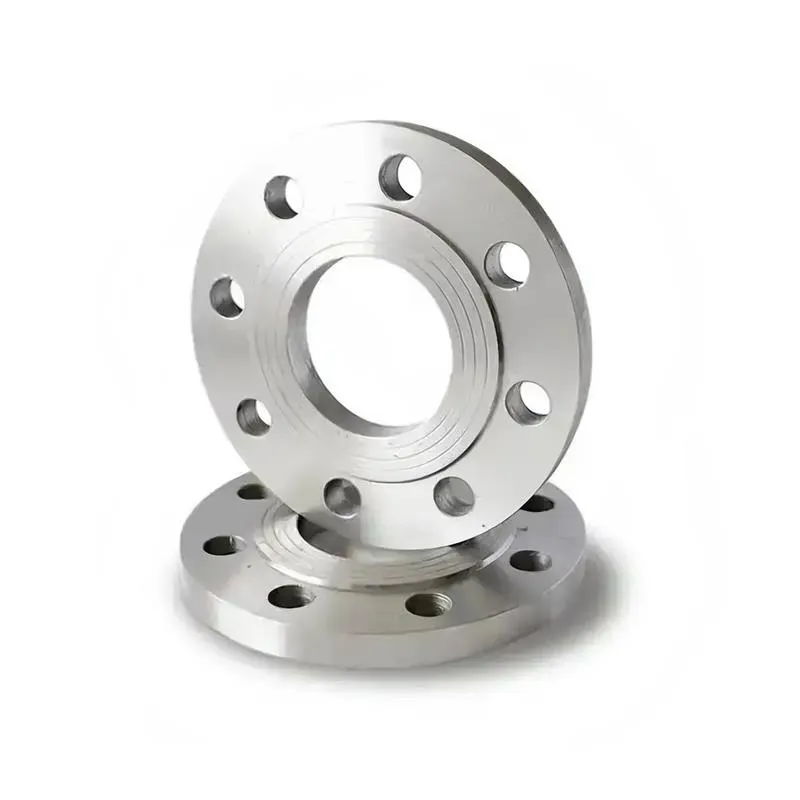
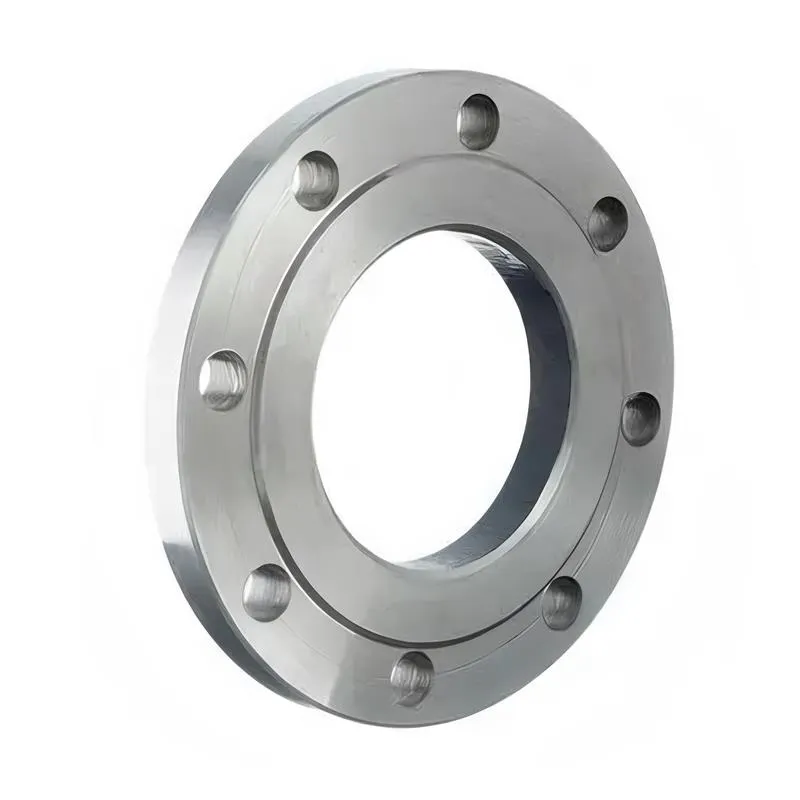
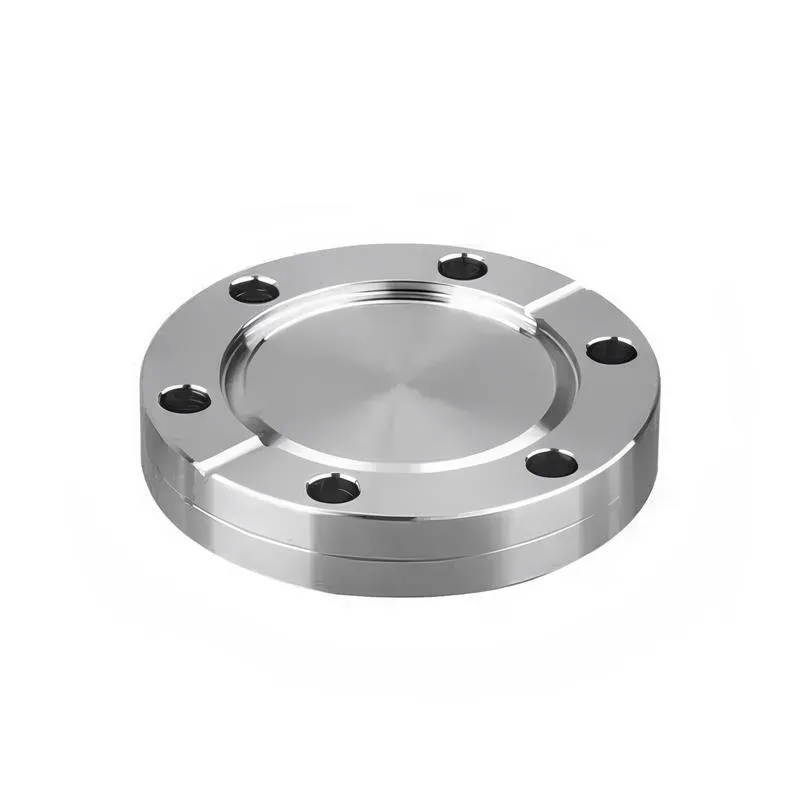
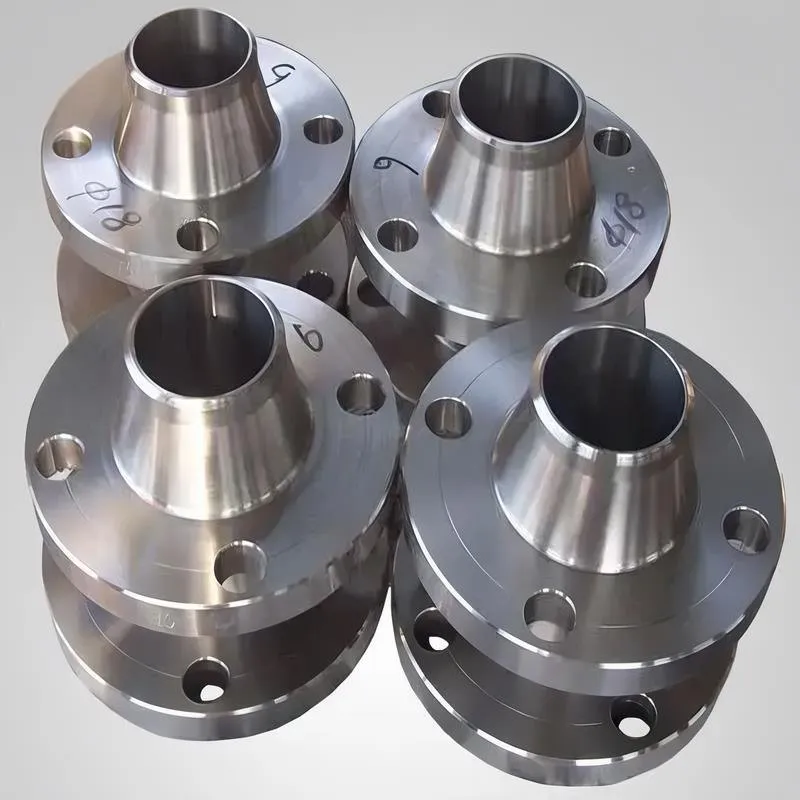
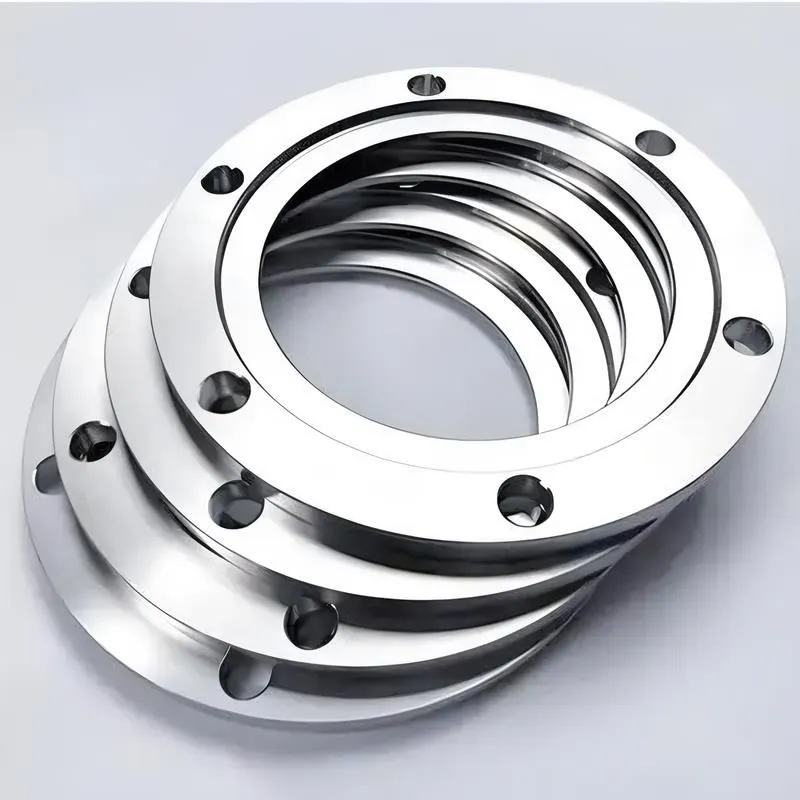
1,We Manufacturing processes are primarily classified into four types:
1:Forging,
2:Casting,
3:Cutting,
4:Rolling.
2,We can manufacture in accordance with these standards.
Standards:
GB Series (Chinese Standards), JB Series (Machinery Standards), HG Series (Chemical Industry Standards), ASME B16.5 (American Standards), BS4504 (British Standards), DIN (German Standards), and JIS (Japanese Standards).
Internationally, there are two primary systems of pipe flange standards: the European system, represented by the German DIN standards (including those of the former Soviet Union), and the American system, represented by the US ANSI pipe flange standards. Other common standards include: the Chinese Ministry of Machinery Industry standards (JB series), the Ministry of Chemical Industry standards (HG series), the Chinese National Standard *GB/T 9112–9124-2010 Steel Pipe Flanges*, as well as US standards (ASME B16.5), British standards (BS4504), German standards (DIN), Japanese standards (JIS), and marine standards (CBM), among others.
The nominal pressure ratings for the PN series are designated by "PN" and comprise the following nine levels: PN2.5, PN6, PN10, PN16, PN25, PN40, PN63, PN100, and PN160.
The nominal pressure ratings for the Class series are designated by "Class" and comprise the following six levels: Class150, Class300, Class600, Class900, Class1500, and Class2500.
Flange Classification
1. **According to Chemical Industry Standards:** Flanges are classified as follows:
Plate Flat Welding Flange (PL), Necked Flat Welding Flange (SO), Necked Butt Welding Flange (WN), Integral Flange (IF), Socket Welding Flange (SW), Threaded Flange (Th), Butt Welding Ring Loose Flange (PJ/SE), Blind Flange (BL), Flat Welding Ring Loose Flange (PJ/PJ), and Lined Blind Flange (BL(s)).
2. **According to Petrochemical (SH) Industry Standards:** Flanges are classified as follows:
Threaded Flange (PL), Butt Welding Flange (WN), Flat Welding Flange (SO), Socket Welding Flange (SW), Loose Flange (LJ), and Blind Flange (no specific designation).
3. **According to Machinery (JB) Industry Standards:** Flanges are classified as follows:
Integral Flange, Butt Welding Flange, Plate Flat Welding Flange, Butt Welding Ring Plate Loose Flange, Flat Welding Ring Plate Loose Flange, Lap Joint Ring Plate Loose Flange, and Blind Flange.
4. **According to Connection Method/Type:** Flanges are classified as follows:
Plate Flat Welding Flange, Necked Flat Welding Flange, Necked Butt Welding Flange, Socket Welding Flange, Threaded Flange, Blind Flange, Necked Butt Welding Ring Loose Flange, Flat Welding Ring Loose Flange, Ring-Type Joint (RTJ) Flange and Blind Flange, Large-Diameter Plate Flange, Large-Diameter High-Neck Flange, Figure-8 Blind Plate, Butt Welding Ring Loose Flange, etc.
5. **According to the Component Being Connected:** Flanges can be classified into Vessel Flanges and Pipe Flanges.
6. **According to Structural Type:** Flanges include Integral Flanges, Threaded Flanges, Flat Welding Flanges, Butt Welding Flanges, Lap Joint (Loose/Swivel) Flanges, and Blind Flanges.
A flange—also referred to as a flange plate or rim—is a component used to connect shafts to one another, or, more commonly, to join the ends of pipes. Flanges are also utilized at the inlet and outlet ports of equipment to facilitate connections between two devices—for instance, the flange on a speed reducer. A "flange connection" or "flanged joint" refers to a detachable joint assembly comprising three interconnected elements—a flange, a gasket, and bolts—that together form a sealed structural unit. In the context of piping systems, a "pipe flange" specifically denotes a flange used for plumbing within the installation; when applied to equipment, it refers to the inlet or outlet flange of that specific device. Flanges feature a series of holes through which bolts are inserted to securely fasten the two flanges together, while a gasket placed between the flanges ensures a leak-proof seal. Flanges are broadly categorized into three types: threaded (screw-in) flanges, welded flanges, and clamp-type flanges. Flanges are invariably used in pairs; threaded flanges are suitable for low-pressure piping applications, whereas welded flanges are required for systems operating at pressures exceeding 4 kilograms per square centimeter. A sealing gasket is inserted between the two flange plates, which are then firmly secured using bolts. The thickness of a flange—as well as the specifications of the bolts used to fasten it—vary depending on the specific pressure rating required for the application. When connecting equipment such as water pumps or valves to piping systems, the corresponding connection points on these devices are often manufactured in the shape of a matching flange; this method of attachment is also referred to as a "flange connection." Generally, any connecting component that utilizes bolts to join and seal the perimeters of two flat surfaces—such as the joints in ventilation ducts—is termed a "flange"; such components may collectively be classified as "flange-type parts." However, since such a connection often constitutes merely a *portion* of a larger device—for instance, the interface between a flange and a water pump—it would be inappropriate to classify the entire water pump itself as a "flange-type part." Conversely, smaller components—such as valves—that feature such flanged interfaces may indeed be appropriately categorized as "flange-type parts."
-:-
For detailed product information, please contact sales.
-:
AISI M1008 Merchant Quality Carbon Steel Flange, Composition Spec Product Information
-:-
For detailed product information, please contact sales.
-:
AISI M1008 Merchant Quality Carbon Steel Flange, Composition Spec Synonyms
-:-
For detailed product information, please contact sales.
-:
AISI M1008 Merchant Quality Carbon Steel, Composition Spec Product Information
-:-
For detailed product information, please contact sales.
-:
# **AISI M1008 Merchant Quality Carbon Steel: Composition Specification**
## **Product Overview**
AISI M1008 Merchant Quality Carbon Steel represents a standardized composition specification within the broader AISI 10xx series, specifically designated for merchant product applications where consistent chemical composition takes precedence over rigorous mechanical property guarantees. The "M" prefix denotes "Merchant Quality," indicating this specification primarily defines chemical composition ranges rather than specific mechanical performance requirements, making it particularly suitable for general-purpose applications where material consistency and weldability are more critical than precise strength specifications.
This steel falls into the low-carbon category with maximum 0.10% carbon content, providing an optimal balance between moderate strength, excellent weldability, and good formability. Merchant Quality steels like M1008 are commonly supplied as stock items through steel service centers and distributors for applications where specific mechanical properties are not contractually specified but chemical consistency is required for predictable manufacturing performance.
---
## **Chemical Composition Specification**
### **Standard Composition Ranges (Weight %)**
| Element | Minimum | Maximum | Typical Merchant Range |
|---------|---------|---------|-----------------------|
| Carbon (C) | 0.05 | 0.10 | 0.07-0.09 |
| Manganese (Mn) | 0.30 | 0.50 | 0.35-0.45 |
| Phosphorus (P) | - | 0.030 | 0.010-0.020 |
| Sulfur (S) | - | 0.035 | 0.015-0.025 |
| Silicon (Si) | - | 0.10 | 0.05-0.08 |
| Iron (Fe) | Balance | Balance | Balance |
### **Optional Elements & Residuals**
* **Deoxidation Practice:** Typically semi-killed or aluminum-killed (0.02-0.06% Al optional)
* **Residual Elements (Maximum Limits):**
* Copper (Cu): 0.20%
* Nickel (Ni): 0.20%
* Chromium (Cr): 0.15%
* Molybdenum (Mo): 0.05%
* Tin (Sn): 0.03%
* **Nitrogen Content:** Typically 0.005-0.009% (not specified)
* **Aluminum:** 0.02-0.06% when specified for killed steel
### **Key Composition Characteristics**
* **Carbon Control:** Narrow range ensuring consistent weldability and formability
* **Manganese-Carbon Ratio:** Approximately 4:1 to 5:1 for optimal balance
* **Impurity Control:** Standard commercial levels of phosphorus and sulfur
* **Composition Consistency:** Primary focus of Merchant Quality specification
* **Deoxidation Options:** Flexible to accommodate different manufacturing processes
---
## **Physical & Mechanical Properties**
### **Physical Properties (Typical)**
| Property | Value Range | Condition/Notes |
|----------|-------------|-----------------|
| Density | 7.87 g/cm³ | At 20°C |
| Melting Point | 1,510-1,525°C | Solidus temperature |
| Thermal Conductivity | 51.5-52.0 W/m·K | At 20°C |
| Coefficient of Thermal Expansion | 11.7 × 10⁻⁶/K | 20-100°C range |
| Electrical Resistivity | 0.124-0.126 μΩ·m | At 20°C |
| Modulus of Elasticity | 200-205 GPa | Static loading |
| Poisson's Ratio | 0.29-0.30 | Elastic range |
### **Expected Mechanical Properties (As-Hot Rolled)**
*Note: Merchant Quality does not guarantee specific mechanical properties, but these ranges are typical for the composition:*
| Property | Typical Range | Condition |
|----------|---------------|-----------|
| Yield Strength (Rp0.2) | 240-300 MPa | Hot-rolled condition |
| Tensile Strength (Rm) | 350-420 MPa | Hot-rolled condition |
| Elongation (50mm) | 25-35% | Hot-rolled condition |
| Reduction of Area | 55-65% | Hot-rolled condition |
| Brinell Hardness (HB) | 105-130 | 3000 kg load |
| Charpy V-Notch Impact | 60-90 J | Room temperature |
### **Property Variability Factors**
* **Processing Effects:** Properties vary with hot-rolling conditions
* **Section Size:** Thicker sections typically show lower strength
* **Cooling Rate:** Affects final grain structure and properties
* **Decarburization:** Surface properties may differ from core
* **Anisotropy:** Directional properties from rolling process
### **Typical Property Ranges by Processing**
| Processing Condition | Yield Strength | Tensile Strength | Elongation |
|---------------------|----------------|------------------|------------|
| Hot-Rolled (as-rolled) | 240-300 MPa | 350-420 MPa | 25-35% |
| Cold-Drawn (drawn) | 290-350 MPa | 370-440 MPa | 15-25% |
| Annealed (soft) | 200-250 MPa | 320-380 MPa | 30-40% |
| Normalized | 250-310 MPa | 360-430 MPa | 25-35% |
---
## **Manufacturing & Processing Characteristics**
### **Hot Working Properties**
* **Forging Temperature:** 1150-1260°C optimal range
* **Hot Rolling Temperature:** 870-925°C finishing temperature
* **Scale Formation:** Typical hot-rolled mill scale
* **Hot Formability:** Excellent at proper temperatures
* **Heat Treatment Response:** Good response to normalizing and annealing
### **Cold Working Capability**
* **Cold Forming:** Good for moderate deformation
* **Bending:** Minimum radius approximately 1× thickness
* **Work Hardening Rate:** Moderate (n ≈ 0.18-0.22)
* **Intermediate Annealing:** May be required for severe forming
* **Springback:** Moderate, predictable
### **Machinability**
* **Relative Machinability:** 65-70% (compared to 1212 steel)
* **Chip Formation:** Continuous, stringy chips
* **Surface Finish:** Good with proper tooling
* **Recommended Cutting Speed:** 60-90 m/min
* **Tool Materials:** High-speed steel or carbide
### **Welding Characteristics**
* **Weldability:** Excellent (CE ≈ 0.18-0.22)
* **Preheat Requirements:** None for thickness <25 mm
* **Recommended Processes:** SMAW, GMAW, GTAW, resistance welding
* **Filler Metals:** ER70S-3, ER70S-6, E7018
* **Post-Weld Treatment:** Generally not required
### **Heat Treatment Response**
* **Annealing:** 650-700°C for full softening
* **Normalizing:** 870-920°C for grain refinement
* **Stress Relieving:** 550-600°C
* **Not Hardenable:** Cannot be through-hardened
* **Case Hardening:** Suitable for carburizing
---
## **Product Forms & Availability**
### **Standard Product Forms**
* **Hot-Rolled Bars:** Rounds, squares, flats, hexagons
* **Structural Shapes:** Angles, channels, beams (when specified)
* **Sheets & Plates:** Various thicknesses
* **Wire Products:** In coil or straight lengths
* **Forging Stock:** Billets and blooms
### **Common Sizes (Merchant Stock)**
* **Rounds:** 6-100 mm diameter
* **Flats:** 3-50 mm thick, 25-300 mm wide
* **Squares:** 6-75 mm sides
* **Hexagons:** 6-50 mm across flats
* **Angles:** 25×25 to 150×150 mm
### **Surface Conditions**
* **Hot-Rolled:** With mill scale
* **Pickled & Oiled:** Scale removed
* **Cold-Drawn:** Bright finish
* **Rough Turned:** For machining stock
* **Black:** As-rolled condition
### **Quality Designations**
* **Merchant Quality:** Standard chemical specification
* **Commercial Quality:** General purpose applications
* **Structural Quality:** For non-critical structures
* **Forging Quality:** For hot forging applications
---
## **Product Applications**
### **General Fabrication**
* **Structural Components:** Frames, supports, brackets
* **Machine Parts:** Non-critical components, housings
* **Hardware Items:** Bolts, nuts, fasteners (after processing)
* **Agricultural Equipment:** Implements, structural parts
* **Material Handling:** Pallets, racks, containers
### **Construction & Infrastructure**
* **Building Components:** Non-structural elements
* **Bridge Components:** Non-critical parts
* **Formwork & Scaffolding:** Temporary structures
* **Reinforcement:** Secondary reinforcing elements
* **Architectural Elements:** Decorative metalwork
### **Automotive & Transportation**
* **Non-critical Components:** Brackets, supports, mounts
* **Suspension Parts:** Non-structural elements
* **Chassis Components:** Secondary structural parts
* **Fastener Stock:** Raw material for fastener production
* **Trim & Hardware:** Decorative and functional hardware
### **Industrial Equipment**
* **Machine Frames:** Non-precision equipment bases
* **Guards & Covers:** Safety equipment components
* **Conveyor Components:** Rollers, frames, supports
* **Tooling Components:** Jigs, fixtures, workholding
* **General Hardware:** Hinges, brackets, supports
### **Consumer Products**
* **Furniture Components:** Frames, structural parts
* **Appliance Parts:** Non-critical internal components
* **Recreational Equipment:** Non-structural components
* **Hand Tools:** Tool bodies, handles (after processing)
* **Storage Products:** Shelving, racks, containers
---
## **International Standards & Equivalents**
### **North American Standards**
* **AISI:** M1008 (Merchant Quality)
* **SAE:** 1008 (composition equivalent)
* **ASTM:** A29 (general requirements for bars)
* **ASTM:** A576 (specification for bars)
* **UNS:** G10080
* **CSA:** G100.8 (Canadian equivalent)
### **European Equivalents**
* **EN:** DC01 (1.0330) - similar properties
* **DIN:** RRSt 14
* **BS:** 040A08
* **NF:** XC10
* **Material Number:** 1.0307
### **Asian Standards**
* **JIS:** SPCC, S10C
* **GB:** 08, 10 (China)
* **KS:** SM10C (Korea)
* **IS:** 1079 (India)
### **ISO Standards**
* **ISO 3574:** Commercial quality steel sheet
* **ISO 4954:** Cold rolled steel strips
* **ISO 683-1:** Non-alloy steels for heat treatment
### **Important Distinctions**
* **Merchant Quality vs. Structural Quality:** M1008 is composition-based, not property-guaranteed
* **Regional Variations:** Exact equivalents may have different property requirements
* **Testing Requirements:** Merchant Quality typically requires only chemical analysis
* **Certification:** Usually requires chemical certification only
---
## **Quality Control & Testing**
### **Standard Testing Requirements**
* **Chemical Analysis:** Required for each heat/lot
* Method: Spectroscopic or wet chemical
* Frequency: Each melt/heat
* Reporting: Full elemental analysis
* **Visual Inspection:** Surface quality assessment
* **Dimensional Checks:** Sample measurements
### **Optional Testing (When Specified)**
* **Tensile Testing:** If mechanical properties required
* **Bend Testing:** For formability assessment
* **Hardness Testing:** For consistency checks
* **Macroetch Testing:** For internal quality
* **Non-Destructive Testing:** UT, MT, PT if specified
### **Certification Requirements**
* **Mill Test Certificate:** Typically Type 2.2 per EN 10204
* **Chemical Analysis Certificate:** Mandatory for each heat
* **Heat/Lot Traceability:** Basic traceability required
* **Origin Certification:** Country of origin documentation
* **Compliance Statements:** As required by purchase order
### **Acceptance Criteria**
* **Chemical Composition:** Must fall within specified ranges
* **Surface Quality:** Free from excessive defects
* **Dimensions:** Within standard tolerances
* **Internal Quality:** No harmful imperfections
* **Marking & Identification:** Properly identified
---
## **Technical Advantages**
### **For Manufacturers**
* **Consistent Chemistry:** Predictable material behavior
* **Good Weldability:** Easy joining with common processes
* **Adequate Formability:** Suitable for most bending and forming
* **Cost-Effective:** Economical for general applications
* **Wide Availability:** Readily available from distributors
### **For Fabricators**
* **Forgiving Material:** Tolerates process variations
* **Easy Processing:** Machines and forms readily
* **Good Surface Quality:** Acceptable for most applications
* **Predictable Performance:** Well-understood material
* **Minimal Special Requirements:** Standard procedures apply
### **For Designers**
* **Design Flexibility:** Suitable for various applications
* **Material Consistency:** Reliable performance
* **Code Acceptance:** Accepted in many applications
* **Technical Data Available:** Well-documented material
* **Industry Experience:** Extensive use history
---
## **Limitations & Considerations**
### **Design Limitations**
* **Not for Critical Applications:** Where properties must be guaranteed
* **Strength Limitations:** Lower than alloy steels
* **Fatigue Performance:** Not optimized for cyclic loading
* **Temperature Limitations:** Properties degrade above 300°C
* **Corrosion Resistance:** Requires protection in corrosive environments
### **Processing Considerations**
* **Property Variability:** Mechanical properties not guaranteed
* **Section Size Effects:** Properties vary with thickness
* **Directional Properties:** Anisotropic from rolling
* **Surface Condition:** Mill scale must be considered
* **Heat Treatment Limitations:** Cannot be through-hardened
### **Application Restrictions**
* **Not for Pressure Applications:** Unless specifically tested
* **Limited for Dynamic Loading:** Fatigue properties not guaranteed
* **Structural Limitations:** For secondary structures only
* **Temperature-Sensitive Applications:** Limited high-temperature use
* **Corrosive Environments:** Requires protective coatings
---
## **Selection Guidelines**
### **When to Select M1008**
* General fabrication where properties are not critical
* Applications where weldability is primary concern
* Cost-sensitive projects with moderate requirements
* Prototype development and testing
* Educational and training applications
* Non-critical structural components
### **When to Consider Alternatives**
* Critical structural applications
* Applications requiring guaranteed properties
* High-stress or fatigue applications
* Pressure-containing components
* High-temperature service
* Corrosive environments without protection
### **Quality Level Selection**
| Application Type | Recommended Quality | Rationale |
|-----------------|-------------------|-----------|
| General fabrication | M1008 (Merchant) | Cost-effective, adequate properties |
| Welded structures | M1008 (Merchant) | Excellent weldability |
| Machined components | As required | Consider machinability requirements |
| Formed parts | DQ or DQSK | Better formability needed |
| Critical applications | Specified grade | Property guarantees required |
---
## **Economic Considerations**
### **Cost Factors**
* **Material Cost:** Lower than property-guaranteed grades
* **Processing Cost:** Standard processing methods apply
* **Inventory Cost:** Lower due to availability
* **Testing Cost:** Minimal (chemical only)
* **Total Cost:** Often most economical for general applications
### **Value Proposition**
* **Adequate Performance:** For most general applications
* **Predictable Behavior:** Consistent chemistry ensures reliability
* **Minimal Risk:** For non-critical applications
* **Supply Chain Efficiency:** Readily available
* **Total Cost of Ownership:** Often lowest for suitable applications
### **Market Position**
* **Volume Production:** Cost-effective for high volumes
* **Distributor Stock:** Commonly carried item
* **Global Availability:** Sourced worldwide
* **Price Stability:** Relatively stable pricing
* **Competitive Landscape:** Multiple suppliers available
---
## **Environmental & Sustainability**
### **Environmental Impact**
* **Production Energy:** Standard for carbon steel production
* **Recycled Content:** Typically 25-35%
* **Recyclability:** 100% recyclable
* **Carbon Footprint:** Standard for steel production
* **Waste Generation:** Minimal during production
### **Sustainability Factors**
* **Life Cycle Assessment:** Favorable compared to alternatives
* **End-of-Life Recovery:** High recovery rate
* **Energy Efficiency:** Good in use phase (if properly designed)
* **Resource Efficiency:** Efficient material utilization possible
* **Environmental Compliance:** Meets standard regulations
### **Regulatory Compliance**
* **REACH:** Compliant
* **RoHS:** Compliant
* **International Standards:** Meets global requirements
* **Industry Standards:** Accepted in multiple industries
* **Safety Standards:** Complies with relevant safety regulations
---
## **Ordering & Specification**
### **Standard Order Information**
* **Grade Designation:** AISI M1008
* **Product Form:** Specify (bar, sheet, etc.)
* **Dimensions:** Complete size information
* **Condition:** As-rolled, pickled, etc.
* **Quantity:** Weight or number of pieces
* **Testing Requirements:** Chemical analysis mandatory
* **Certification:** Mill test certificate required
* **Marking:** Standard or special marking
### **Special Requirements**
* **Additional Testing:** If properties required
* **Special Processing:** Heat treatment, etc.
* **Packaging:** Special packaging instructions
* **Delivery:** Timing and logistics requirements
* **Documentation:** Special certification needs
### **Technical Support**
* **Material Selection Assistance:** Available from suppliers
* **Processing Recommendations:** Standard guidelines available
* **Application Engineering:** For specific applications
* **Troubleshooting Support:** For processing issues
* **Technical Documentation:** Available from standards organizations
---
## **Why Choose AISI M1008 Merchant Quality?**
### **For Cost-Effective Solutions**
* **Optimal Value:** Maximum performance per cost unit
* **Budget Management:** Predictable material costs
* **Project Economics:** Favorable for budget-sensitive projects
* **Total Cost Optimization:** Often the most economical choice
### **For Manufacturing Flexibility**
* **Process Compatibility:** Works with standard methods
* **Supplier Options:** Multiple sources available
* **Inventory Management:** Easy to stock and manage
* **Production Planning:** Predictable material behavior
### **For Technical Requirements**
* **Adequate Properties:** Sufficient for many applications
* **Consistent Performance:** Reliable in service
* **Technical Support:** Well-documented material
* **Industry Acceptance:** Widely used and accepted
### **For Supply Chain Management**
* **Availability:** Readily available
* **Lead Times:** Typically short
* **Supply Security:** Multiple sources
* **Logistics:** Standard handling and shipping
* **Inventory:** Easy to maintain stock
---
*Note: AISI M1008 Merchant Quality is suitable for applications where chemical composition consistency is important but specific mechanical property guarantees are not required. For applications with critical performance requirements, consider specifying grades with guaranteed mechanical properties or additional testing requirements. Always consult with material engineers or suppliers for applications with specific performance needs.*
-:-
For detailed product information, please contact sales.
-:
AISI M1008 Merchant Quality Carbon Steel, Composition Spec Specification
Dimensions
Size:
Diameter 20-1000 mm Length <5400 mm
Size:We can customized as required
Standard:
Per your request or drawing
We can customized as required
Properties(Theoretical)
Chemical Composition
-:-
For detailed product information, please contact sales.
-:
AISI M1008 Merchant Quality Carbon Steel, Composition Spec Properties
-:-
For detailed product information, please contact sales.
-:
Applications of AISI M1008 Merchant Quality Carbon Steel Flange, Composition Spec
-:-
For detailed product information, please contact sales.
-:
Chemical Identifiers AISI M1008 Merchant Quality Carbon Steel Flange, Composition Spec
-:-
For detailed product information, please contact sales.
-:
Packing of AISI M1008 Merchant Quality Carbon Steel Flange, Composition Spec
-:-
For detailed product information, please contact sales.
-:
Standard Packing:
-:-
For detailed product information, please contact sales.
-:
Typical bulk packaging includes palletized plastic 5 gallon/25 kg. pails, fiber and Steel Flange drums to 1 ton super sacks in full container (FCL) or truck load (T/L) quantities. Research and sample quantities and hygroscopic, oxidizing or other air sensitive materials may be packaged under argon or vacuum. Solutions are packaged in polypropylene, plastic or glass jars up to palletized 1871 gallon liquid totes Special package is available on request. E FORUs’ is carefully handled to minimize damage during storage and transportation and to preserve the quality of our products in their original condition