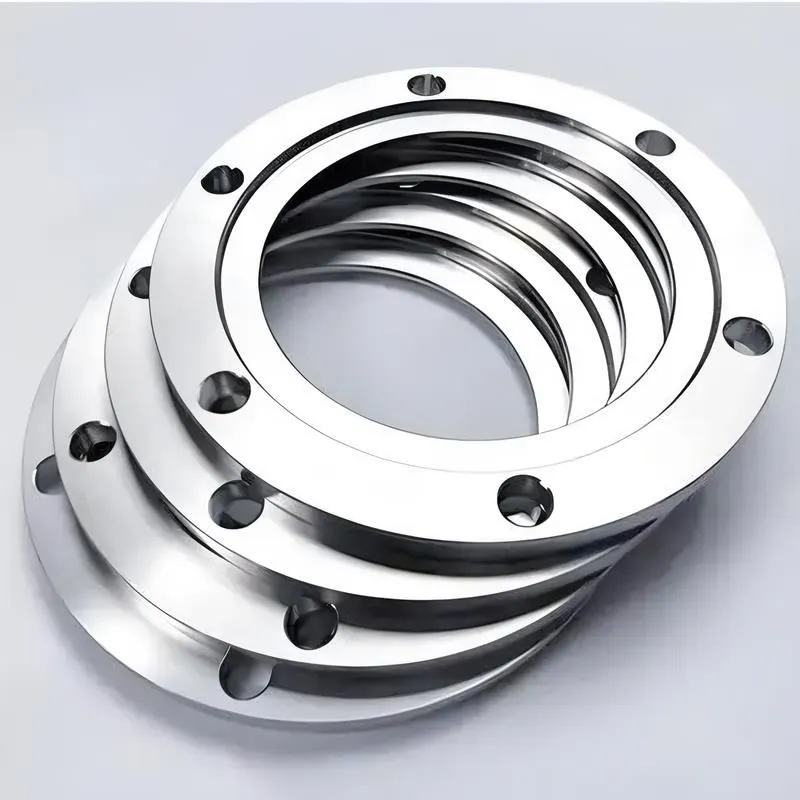
1,We Manufacturing processes are primarily classified into four types:
1:Forging,
2:Casting,
3:Cutting,
4:Rolling.
2,We can manufacture in accordance with these standards.
Standards:
GB Series (Chinese Standards), JB Series (Machinery Standards), HG Series (Chemical Industry Standards), ASME B16.5 (American Standards), BS4504 (British Standards), DIN (German Standards), and JIS (Japanese Standards).
Internationally, there are two primary systems of pipe flange standards: the European system, represented by the German DIN standards (including those of the former Soviet Union), and the American system, represented by the US ANSI pipe flange standards. Other common standards include: the Chinese Ministry of Machinery Industry standards (JB series), the Ministry of Chemical Industry standards (HG series), the Chinese National Standard *GB/T 9112–9124-2010 Steel Pipe Flanges*, as well as US standards (ASME B16.5), British standards (BS4504), German standards (DIN), Japanese standards (JIS), and marine standards (CBM), among others.
The nominal pressure ratings for the PN series are designated by "PN" and comprise the following nine levels: PN2.5, PN6, PN10, PN16, PN25, PN40, PN63, PN100, and PN160.
The nominal pressure ratings for the Class series are designated by "Class" and comprise the following six levels: Class150, Class300, Class600, Class900, Class1500, and Class2500.
Flange Classification
1. **According to Chemical Industry Standards:** Flanges are classified as follows:
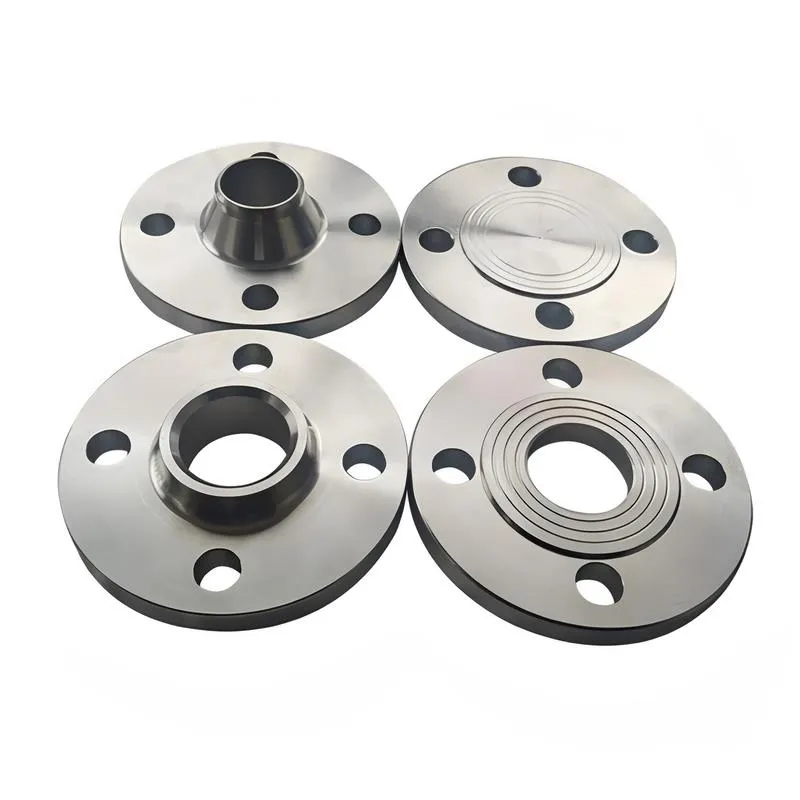
Plate Flat Welding Flange (PL), Necked Flat Welding Flange (SO), Necked Butt Welding Flange (WN), Integral Flange (IF), Socket Welding Flange (SW), Threaded Flange (Th), Butt Welding Ring Loose Flange (PJ/SE), Blind Flange (BL), Flat Welding Ring Loose Flange (PJ/PJ), and Lined Blind Flange (BL(s)).
2. **According to Petrochemical (SH) Industry Standards:** Flanges are classified as follows:
Threaded Flange (PL), Butt Welding Flange (WN), Flat Welding Flange (SO), Socket Welding Flange (SW), Loose Flange (LJ), and Blind Flange (no specific designation).
3. **According to Machinery (JB) Industry Standards:** Flanges are classified as follows:
Integral Flange, Butt Welding Flange, Plate Flat Welding Flange, Butt Welding Ring Plate Loose Flange, Flat Welding Ring Plate Loose Flange, Lap Joint Ring Plate Loose Flange, and Blind Flange.
4. **According to Connection Method/Type:** Flanges are classified as follows:
Plate Flat Welding Flange, Necked Flat Welding Flange, Necked Butt Welding Flange, Socket Welding Flange, Threaded Flange, Blind Flange, Necked Butt Welding Ring Loose Flange, Flat Welding Ring Loose Flange, Ring-Type Joint (RTJ) Flange and Blind Flange, Large-Diameter Plate Flange, Large-Diameter High-Neck Flange, Figure-8 Blind Plate, Butt Welding Ring Loose Flange, etc.
5. **According to the Component Being Connected:** Flanges can be classified into Vessel Flanges and Pipe Flanges.
6. **According to Structural Type:** Flanges include Integral Flanges, Threaded Flanges, Flat Welding Flanges, Butt Welding Flanges, Lap Joint (Loose/Swivel) Flanges, and Blind Flanges.
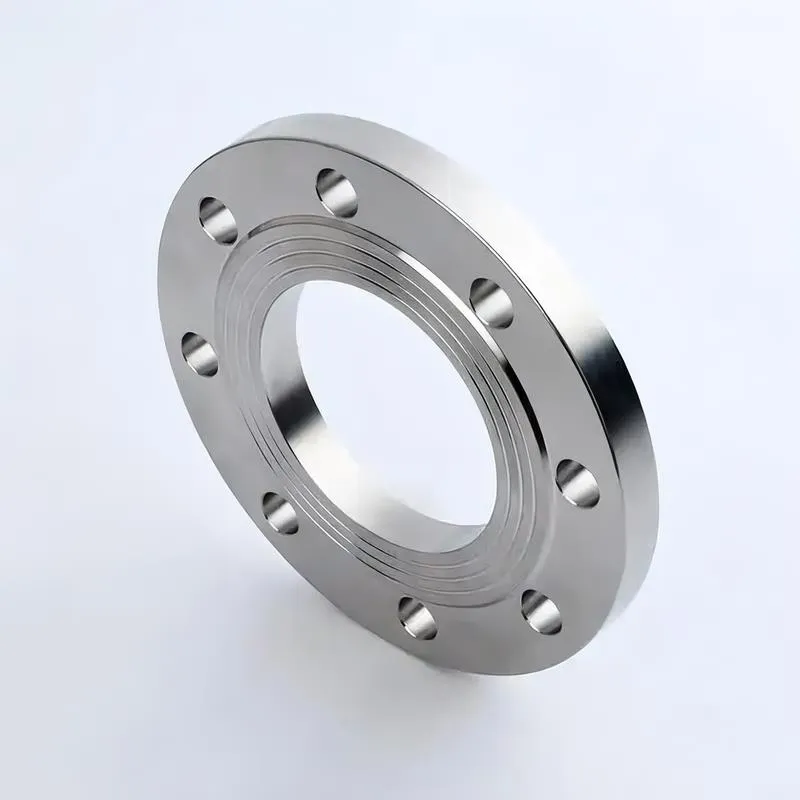
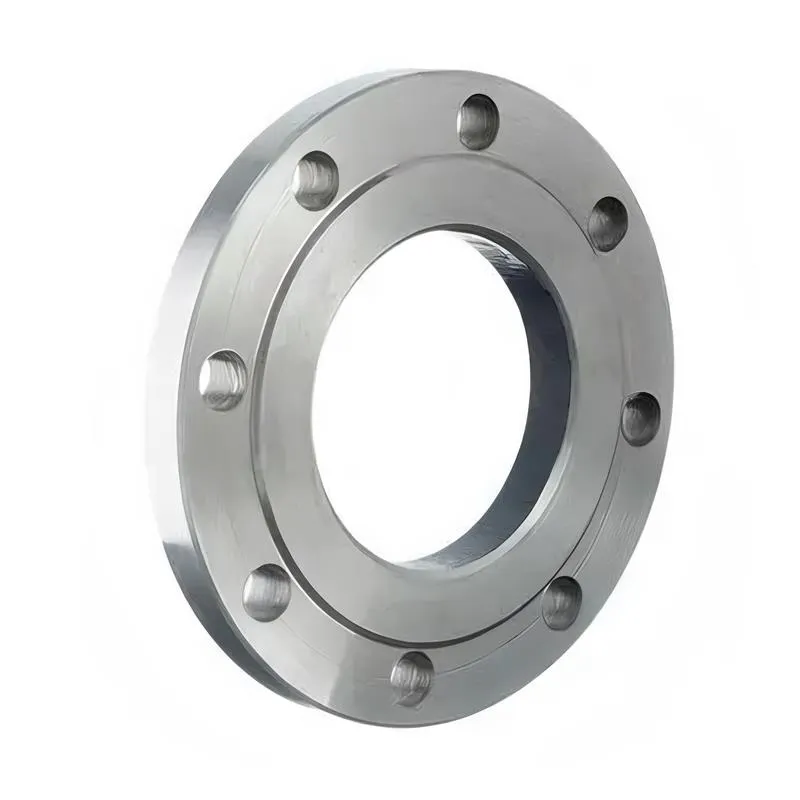
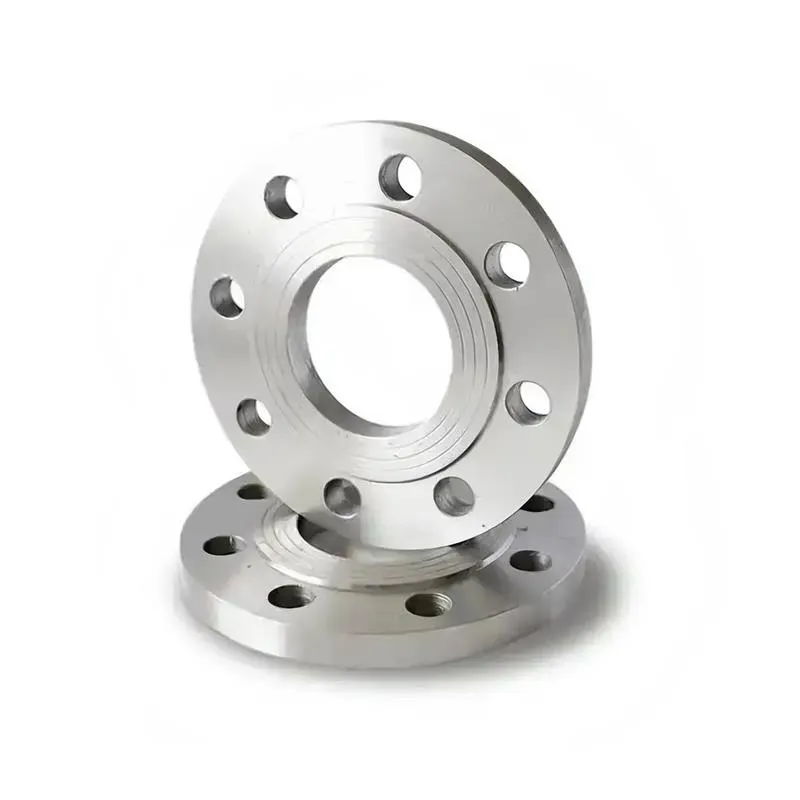
A flange—also referred to as a flange plate or rim—is a component used to connect shafts to one another, or, more commonly, to join the ends of pipes. Flanges are also utilized at the inlet and outlet ports of equipment to facilitate connections between two devices—for instance, the flange on a speed reducer. A "flange connection" or "flanged joint" refers to a detachable joint assembly comprising three interconnected elements—a flange, a gasket, and bolts—that together form a sealed structural unit. In the context of piping systems, a "pipe flange" specifically denotes a flange used for plumbing within the installation; when applied to equipment, it refers to the inlet or outlet flange of that specific device. Flanges feature a series of holes through which bolts are inserted to securely fasten the two flanges together, while a gasket placed between the flanges ensures a leak-proof seal. Flanges are broadly categorized into three types: threaded (screw-in) flanges, welded flanges, and clamp-type flanges. Flanges are invariably used in pairs; threaded flanges are suitable for low-pressure piping applications, whereas welded flanges are required for systems operating at pressures exceeding 4 kilograms per square centimeter. A sealing gasket is inserted between the two flange plates, which are then firmly secured using bolts. The thickness of a flange—as well as the specifications of the bolts used to fasten it—vary depending on the specific pressure rating required for the application. When connecting equipment such as water pumps or valves to piping systems, the corresponding connection points on these devices are often manufactured in the shape of a matching flange; this method of attachment is also referred to as a "flange connection." Generally, any connecting component that utilizes bolts to join and seal the perimeters of two flat surfaces—such as the joints in ventilation ducts—is termed a "flange"; such components may collectively be classified as "flange-type parts." However, since such a connection often constitutes merely a *portion* of a larger device—for instance, the interface between a flange and a water pump—it would be inappropriate to classify the entire water pump itself as a "flange-type part." Conversely, smaller components—such as valves—that feature such flanged interfaces may indeed be appropriately categorized as "flange-type parts."
-:-
For detailed product information, please contact sales.
-:
ASTM A424 Steel Flange, type II, composition B, drawing quality Product Information
-:-
For detailed product information, please contact sales.
-:
ASTM A424 Steel Flange, type II, composition B, drawing quality Synonyms
-:-
For detailed product information, please contact sales.
-:
ASTM A424 Steel, type II, composition B, drawing quality Product Information
-:-
For detailed product information, please contact sales.
-:
# **Product Technical Datasheet: ASTM A424 Type II, Composition B - Drawing Quality (DQ) Steel Sheet for Porcelain Enameling**
## **1. Product Overview**
**ASTM A424 Type II, Composition B (Drawing Quality)** is a **premium nickel-enhanced steel sheet** specifically engineered for **demanding two-coat porcelain enameling applications** requiring both **excellent deep-drawing formability** and **superior ground coat adherence**. As the highest formability grade within the Type II classification, this steel combines precise nickel-controlled chemistry (0.15-0.25% Ni) with optimized microstructure to deliver outstanding performance for complex formed components undergoing ground coat plus cover coat enameling processes.
## **2. Governing International Standards**
- **Primary Standard:** **ASTM A424/A424M** - Standard Specification for Steel Sheet for Porcelain Enameling
- **Standard Status:** Current active specification (latest revision)
- **Type Classification:** Type II - For two-coat enameling systems (ground coat + cover coat)
- **Composition Designation:** Composition B - Nickel-enhanced chemistry
- **Quality Tier:** Drawing Quality (DQ) - Premium formability classification
- **Key Distinction:** Nickel content differentiates Composition B from Composition A (phosphorus-based)
- **Related Standards:**
- **ASTM A1008** - For mechanical property reference
- **ASTM C347** - Test Method for Adherence of Porcelain Enamel and Ceramic Coatings
- **EN 10209** - Cold rolled low carbon steel flat products for vitreous enamelling
- **ISO 5002** - Cold-reduced carbon steel sheet of higher yield strength with improved formability
## **3. Chemical Composition**
Composition B DQ features stringent chemical controls for premium formability and enameling performance:
| Element | Specification Range (%) | DQ Typical Range (%) | Metallurgical Function |
|---------|-------------------------|----------------------|------------------------|
| **Carbon (C)** | 0.04 - 0.08 | **0.04 - 0.06** | Controlled for minimal fish-scaling risk and optimal formability |
| **Manganese (Mn)** | 0.30 - 0.50 | 0.35 - 0.45 | Solid solution strengthener, controlled for consistency |
| **Phosphorus (P)** | ≤ 0.020 | **≤ 0.015** | Very low to prevent embrittlement and ensure ductility |
| **Sulfur (S)** | ≤ 0.040 | **≤ 0.015** | Ultra-low for improved cleanliness and formability |
| **Silicon (Si)** | Trace - 0.03 | ≤ 0.02 | Minimized for superior surface quality |
| **Nickel (Ni)** | **0.15 - 0.25** | **0.18 - 0.22** | **Critical:** Enhances ground coat adherence through interface formation |
| **Aluminum (Al)** | - | 0.03 - 0.06 | Grain refinement and deoxidation control |
| **Nitrogen (N)** | - | **≤ 0.006** | Low level for non-aging characteristics |
| **Copper (Cu)** | Optional (≤0.20) | ≤ 0.10 | Residual control, optional for corrosion resistance |
**Key DQ Composition Features:**
- **Precision Nickel Control:** 0.18-0.22% Ni ensures consistent adherence enhancement
- **Ultra-Low Impurities:** P ≤ 0.015%, S ≤ 0.015% for premium ductility
- **Optimized Carbon:** 0.04-0.06% balances formability with fish-scaling resistance
- **Low Nitrogen:** ≤0.006% prevents strain aging effects
- **Fine Grain Practice:** Aluminum addition for ASTM 8-10 grain size
## **4. Physical & Mechanical Properties**
### **Base Metal Properties (As-Supplied):**
- **Tensile Strength:** 40 - 50 ksi (275 - 345 MPa)
- **Yield Strength (0.2% Offset):** 25 - 35 ksi (170 - 240 MPa)
- **Yield Point Elongation:** **Absent** (non-aging characteristic, essential for DQ)
- **Total Elongation (2"):** 38 - 48%
- **Uniform Elongation:** 22 - 28%
- **Hardness (Rockwell B):** 45 - 60 HRB
- **Strain Hardening Exponent (n):** **0.20 - 0.24**
### **Advanced Formability Characteristics:**
- **r-value (Normal Anisotropy):** **1.6 - 2.0** (excellent deep drawing capability)
- **Δr-value (Planar Anisotropy):** 0.2 - 0.6 (controlled earing tendency)
- **Limiting Drawing Ratio (LDR):** **2.0 - 2.2** (severe drawing capability)
- **Minimum Bend Radius:** **1.0 × thickness** for 90° bend
- **Erichsen Index:** 10.0 - 11.5 mm (superior stretch formability)
- **Hole Expansion Ratio:** ≥ 100% (excellent edge stretching capability)
### **Enameling Performance Properties:**
- **Ground Coat Adherence:** **Excellent** (ASTM C347: Class 1 minimum)
- **Fish-Scale Resistance:** Very Good to Excellent with proper firing control
- **Thermal Expansion Coefficient:** 12.4 - 12.8 × 10⁻⁶/°C
- **Firing Temperature Compatibility:** 780 - 850°C (1436 - 1562°F)
- **Nickel Bloom Effect:** Enhanced enamel color depth and uniformity
- **Warpage Resistance:** Excellent due to uniform mechanical properties
### **Physical Constants:**
- **Density:** 7.86 g/cm³ (slightly higher due to nickel content)
- **Modulus of Elasticity:** 29 × 10⁶ psi (200 GPa)
- **Poisson's Ratio:** 0.29
- **Thermal Conductivity:** 48 - 50 W/m·K
- **Specific Heat Capacity:** 450 J/kg·K
- **Electrical Resistivity:** 0.18 μΩ·m
## **5. Microstructural Characteristics**
### **Advanced Microstructure:**
- **Grain Size:** ASTM 8-10 (10-22 μm) - consistently fine
- **Grain Shape:** Equiaxed ferrite grains
- **Inclusion Content:** Very low (≤0.3% non-metallics, Type A ≤1.0 thin)
- **Texture:** Strong {111} recrystallization texture for deep drawing
- **Second Phases:** Minimal pearlite or carbides due to low carbon
### **Surface Characteristics:**
- **Surface Roughness (Ra):** 0.8 - 1.2 μm (controlled for enamel adhesion)
- **Decarburization:** ≤0.001" (0.025 mm) maximum
- **Scale Adherence:** Minimal, easily removed during pickling
## **6. Manufacturing Process Excellence**
### **Advanced Production Route:**
1. **Steelmaking:** Basic Oxygen Furnace (BOF) with hot metal pretreatment
2. **Secondary Refining:** Ladle furnace treatment with precise alloy additions
3. **Continuous Casting:** With electromagnetic stirring for homogeneity
4. **Hot Rolling:** Controlled finish rolling at 880-920°C
5. **Pickling:** Advanced HCl continuous lines
6. **Cold Rolling:** 70-85% reduction for optimal texture development
7. **Continuous Annealing:** 720-760°C with rapid cooling
8. **Temper Rolling:** 0.8-1.2% extension for flatness and surface texture
### **DQ-Specific Quality Controls:**
- **Chemistry Precision:** ±0.005% for critical elements (C, Ni)
- **Temperature Control:** ±10°C in annealing section
- **Flatness Control:** ≤3 I-units premium standard
- **Surface Inspection:** Automated surface scanning systems
- **Lot Traceability:** Complete traceability from melt to final coil
## **7. Key Performance Advantages**
### **Superior Formability:**
1. **Exceptional Deep Drawing:** Enables complex geometries with high depth-to-diameter ratios
2. **Consistent Springback:** Predictable elastic recovery for accurate tooling design
3. **Non-Aging Stability:** Properties remain stable over extended storage periods
4. **Reduced Earing:** Controlled planar anisotropy minimizes trim waste
5. **Excellent Stretchability:** High uniform elongation for complex stretch forms
### **Enhanced Enameling Performance:**
1. **Premium Adherence:** Nickel promotes strong chemical bonding at steel-enamel interface
2. **Color Enhancement:** Contributes to richer, more uniform enamel colors
3. **Thermal Stability:** Minimal distortion during multiple firing cycles
4. **Process Robustness:** Tolerant to normal enameling process variations
5. **Durability:** Excellent resistance to thermal cycling and impact
### **Production Benefits:**
1. **High Yield:** Reduced scrap rates in forming operations
2. **Extended Tool Life:** Reduced galling and die wear
3. **Design Freedom:** Enables innovative part geometries
4. **Consistent Quality:** Batch-to-batch uniformity in production
## **8. Typical Applications**
### **Premium Appliance Components:**
- **Complex Oven Cavities:** Deep-drawn with intricate features and enamel finish
- **Range/Stove Doors:** Severe forming operations with premium enamel surfaces
- **Refrigerator Liners:** Large, complex drawn parts requiring durable finishes
- **Dishwasher Tubs:** Deep draws with integrated drain features and enamel coating
### **Architectural Elements:**
- **Curved Facade Panels:** Compound-curved architectural elements with enamel finish
- **Custom Column Covers:** Deep-drawn architectural features requiring durable coating
- **Decorative Building Elements:** Complex three-dimensional forms with enamel surfaces
### **Premium Sanitaryware:**
- **High-End Bathtubs:** Deep-drawn single-piece construction with enamel finish
- **Integral Sink/Bowl Combinations:** Complex forming with premium enamel surface
- **Shower Receptors:** Deep-drawn with integrated drain features and enamel coating
### **Industrial & Specialty Applications:**
- **Chemical Processing Vessels:** Corrosion-resistant lined equipment requiring complex forms
- **Food Processing Equipment:** Sanitary, cleanable complex shapes with enamel surfaces
- **Laboratory Equipment:** Precision formed components requiring chemical resistance
- **Commercial Kitchen Equipment:** Heavy-duty components with durable enamel finishes
## **9. Forming & Fabrication Guidelines**
### **Advanced Forming Parameters:**
- **Maximum Drawing Depth:** Severe draws possible with proper tool design
- **Blank Holder Pressure:** Requires optimization for material flow control
- **Draw Radius:** Minimum 4× material thickness for critical areas
- **Lubrication:** Use enameling-compatible lubricants
- **Draw Speed:** Moderate to high speeds acceptable
### **Premium Tooling Requirements:**
- **Die Materials:** D2, DC53, or premium powder metallurgy tool steels
- **Surface Finish:** Mirror polish (Ra < 0.4 μm) for critical forming areas
- **Clearances:** 8-12% per side for drawing operations
- **Wear Resistance:** Consider advanced coatings (TiN, TiCN, DLC) for high-volume production
- **Maintenance:** Regular polishing and inspection schedule
### **Press Shop Best Practices:**
- **Press Selection:** Double-action or triple-action presses recommended for complex draws
- **Tryout Procedures:** Progressive die tryout with grid analysis
- **Blank Preparation:** Laser cutting preferred for complex blank shapes
- **In-Process Inspection:** Regular dimensional checks using CMM or optical systems
- **Process Monitoring:** Implement SPC for critical forming parameters
## **10. Porcelain Enameling Process**
### **Two-Coat System Application:**
**Ground Coat Stage (Critical for Composition B):**
- **Surface Preparation:** Multi-stage alkaline cleaning followed by acid activation
- **Ground Coat Application:** Spray application for uniform coverage
- **Thickness:** 0.10-0.15 mm (4-6 mils)
- **Firing Parameters:** 810-840°C with controlled oxidizing atmosphere
- **Adherence Mechanism:** Nickel-iron oxide interface formation
- **Quality Check:** Adherence testing after ground coat firing
**Cover Coat Stage:**
- **Application Methods:** Wet spraying over fired ground coat
- **Thickness:** 0.15-0.25 mm (6-10 mils)
- **Firing Parameters:** 780-820°C
- **Final Properties:** Durable, chemical-resistant, aesthetically pleasing surface
- **Color Enhancement:** Nickel contributes to color depth and uniformity
### **Process Optimization for DQ Material:**
- **Heating Rates:** 100-200°C/minute for consistent results
- **Atmosphere Control:** Slightly oxidizing atmosphere preferred
- **Cooling Control:** Gradual cooling to prevent thermal shock
- **Handling Protocols:** Careful handling between coating and firing stages
- **Quality Gates:** Multiple inspection points throughout the process
## **11. Quality Control & Testing Protocol**
### **Steel Quality Verification:**
- **Chemical Analysis:** Glow discharge spectroscopy for precise surface chemistry
- **Mechanical Testing:** Full tensile testing including r/n-value determination
- **Microstructural Analysis:** Grain size measurement and inclusion rating
- **Surface Analysis:** SEM/EDS for surface chemistry and topography
### **Formability Testing Suite:**
- **Swift Cup Test:** LDR determination and material comparison
- **Erichsen Test:** Stretch forming capability assessment
- **Fukui Conical Cup Test:** Comprehensive drawability evaluation
- **Forming Limit Diagram:** Complete FLD development for specific applications
- **Bending Tests:** Various bend tests for edge formability assessment
### **Enameling Performance Testing:**
- **ASTM C347:** Quantitative adherence testing (impact or bend methods)
- **ASTM C743:** Accelerated fish-scale resistance testing
- **Thermal Shock Testing:** 20+ cycles without failure requirement
- **Chemical Resistance:** Comprehensive acid and alkali resistance testing
- **Color Consistency:** Spectrophotometric color measurement and analysis
## **12. Comparison with Other Premium Grades**
| Property | Type II Comp B DQ | Type II Comp A DQ | Type I DQ |
|----------|-------------------|-------------------|-----------|
| **Nickel Content** | **0.15-0.25%** | Not required | Not required |
| **Adherence Mechanism** | **Nickel-enhanced** | Phosphorus-based | Direct bond |
| **Color Quality** | **Enhanced** | Standard | Standard |
| **r-value** | **1.6-2.0** | 1.5-2.0 | 1.8-2.4 |
| **Enamel System** | Two-coat | Two-coat | Single-coat |
| **Thermal Resistance** | **Excellent** | Very Good | Good |
| **Relative Cost** | High | High | Highest |
## **13. Economic & Value Considerations**
### **Cost Analysis:**
- **Material Premium:** 30-50% over commercial quality grades
- **Tooling Investment:** Higher initial cost offset by extended tool life
- **Production Efficiency:** Higher first-pass yield reduces overall production cost
- **Scrap Reduction:** Lower material waste through controlled earing
- **Total Cost of Ownership:** Often favorable for complex, high-volume applications
### **Value Proposition:**
- **Design Innovation:** Enables previously impossible part geometries
- **Reduced Assembly:** Fewer components and joining operations required
- **Quality Enhancement:** Superior enamel finish and durability
- **Brand Enhancement:** Premium material choice for high-end products
- **Long-Term Reliability:** Extended product life through superior corrosion resistance
## **14. Design Guidelines for Optimal Performance**
### **Part Design Optimization:**
- **Draft Angles:** 1-2° minimum for deep drawn features
- **Corner Radii:** ≥4× material thickness for severe draws
- **Wall Thickness Transitions:** Gradual changes to avoid localized thinning
- **Feature Placement:** Strategic placement of complex features relative to material flow
### **Enameling-Specific Design Considerations:**
- **Edge Coverage:** Design for complete enamel coverage on all exposed edges
- **Thermal Mass Distribution:** Uniform sections for consistent firing results
- **Attachment Points:** Design features compatible with enameling process
- **Final Inspection:** Plan for comprehensive quality verification
## **15. Storage, Handling & Logistics**
### **Premium Handling Protocols:**
- **Storage Conditions:** Temperature and humidity controlled environment (20±5°C, ≤60% RH)
- **Shelf Life:** 12 months with proper storage conditions
- **Surface Protection:** Enamel-compatible oil coating with controlled thickness
- **Handling Procedures:** Clean gloves, protective packaging for interleaving
- **Identification:** Complete traceability with heat/lot coding throughout supply chain
### **Logistics Considerations:**
- **Packaging:** Premium packaging to prevent surface damage
- **Transportation:** Controlled environment transport for premium finishes
- **Documentation:** Comprehensive mill certificates including all test results
- **Quality Documentation:** Complete data package for regulatory compliance
## **16. Global Standards & Equivalents**
### **International Standards Alignment:**
- **Europe:** EN 10209 DD13 with nickel modification (similar performance characteristics)
- **Japan:** JIS G 3141 SPCE with nickel enhancement
- **China:** GB/T 5213 08Al with nickel addition for enameling
- **International:** Represents premium tier in global enameling steel market
### **Market Positioning:**
- **Technology Leader:** Represents advanced enameling steel technology
- **Premium Applications:** Specifically developed for demanding applications
- **Global Availability:** Produced by leading specialty steel manufacturers worldwide
## **17. Technical Summary & Recommendations**
**ASTM A424 Type II, Composition B (Drawing Quality)** represents the **pinnacle of formable nickel-enhanced enameling steel technology**, combining **exceptional deep-drawing capability** with **optimized ground coat adherence chemistry**. Its precise nickel-controlled composition (0.18-0.22% Ni) within an ultra-low impurity matrix provides the ideal balance for the most demanding applications requiring both severe forming operations and durable two-coat porcelain enamel finishes.
This premium grade enables manufacturers to produce **complex, deeply drawn components** with **superior two-coat porcelain enamel systems**, offering significant advantages in design innovation, production efficiency, and end-product quality. While commanding a substantial price premium over commercial quality grades, its **exceptional formability extends tool life, improves production yields, and enables design breakthroughs** that justify the investment for premium applications.
### **Selection Recommendations:**
1. **When to Specify:** For premium appliances, architectural elements, sanitaryware, and industrial equipment requiring both complex forming and superior two-coat enamel finishes
2. **Design Considerations:** Utilize advanced forming simulation to maximize material benefits
3. **Process Optimization:** Implement comprehensive SPC throughout forming and enameling processes
4. **Quality Investment:** Allocate resources for thorough testing and validation
5. **Supplier Partnership:** Develop close relationships with mills for technical support and consistency
For manufacturers competing in premium markets where product differentiation, durability, and aesthetic excellence are critical success factors, **ASTM A424 Type II Composition B DQ provides a technically superior material solution** that delivers measurable value through enhanced manufacturability, reduced total production costs, and premium product quality that commands market recognition and customer preference.
-:-
For detailed product information, please contact sales.
-:
ASTM A424 Steel, type II, composition B, drawing quality Specification
Dimensions
Size:
Diameter 20-1000 mm Length <5895 mm
Size:We can customized as required
Standard:
Per your request or drawing
We can customized as required
Properties(Theoretical)
Chemical Composition
-:-
For detailed product information, please contact sales.
-:
ASTM A424 Steel, type II, composition B, drawing quality Properties
-:-
For detailed product information, please contact sales.
-:
Applications of ASTM A424 Steel Flange, type II, composition B, drawing quality
-:-
For detailed product information, please contact sales.
-:
Chemical Identifiers ASTM A424 Steel Flange, type II, composition B, drawing quality
-:-
For detailed product information, please contact sales.
-:
Packing of ASTM A424 Steel Flange, type II, composition B, drawing quality
-:-
For detailed product information, please contact sales.
-:
Standard Packing:
-:-
For detailed product information, please contact sales.
-:
Typical bulk packaging includes palletized plastic 5 gallon/25 kg. pails, fiber and Steel Flange drums to 1 ton super sacks in full container (FCL) or truck load (T/L) quantities. Research and sample quantities and hygroscopic, oxidizing or other air sensitive materials may be packaged under argon or vacuum. Solutions are packaged in polypropylene, plastic or glass jars up to palletized 2366 gallon liquid totes Special package is available on request. E FORUs’ is carefully handled to minimize damage during storage and transportation and to preserve the quality of our products in their original condition