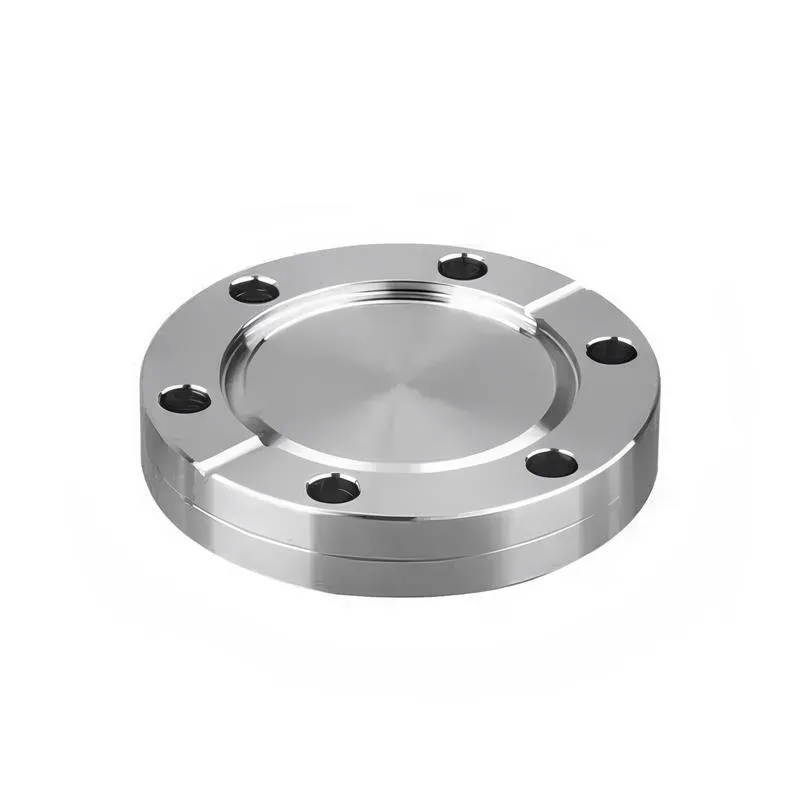
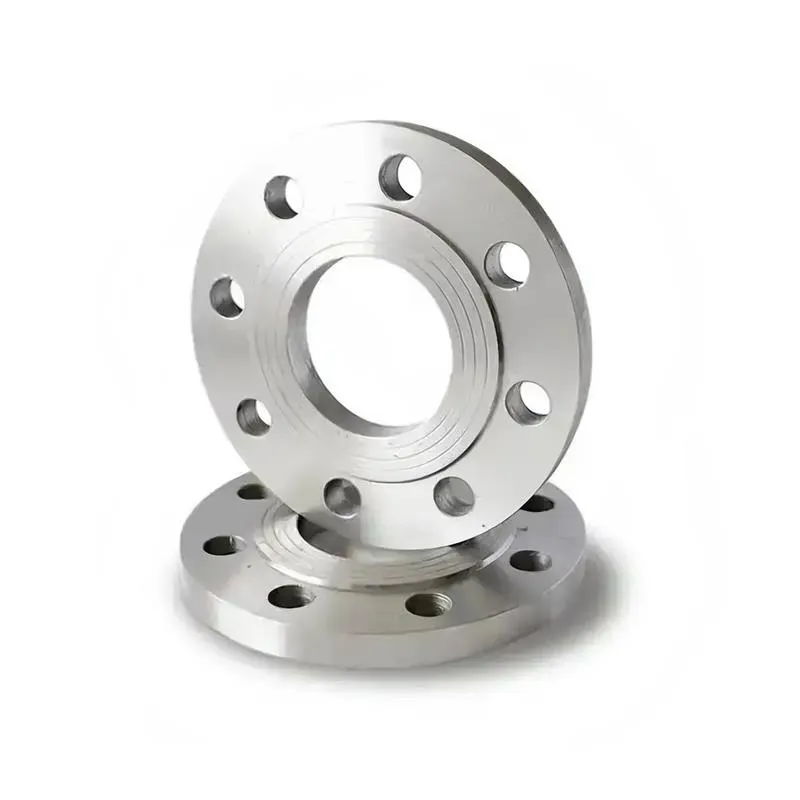
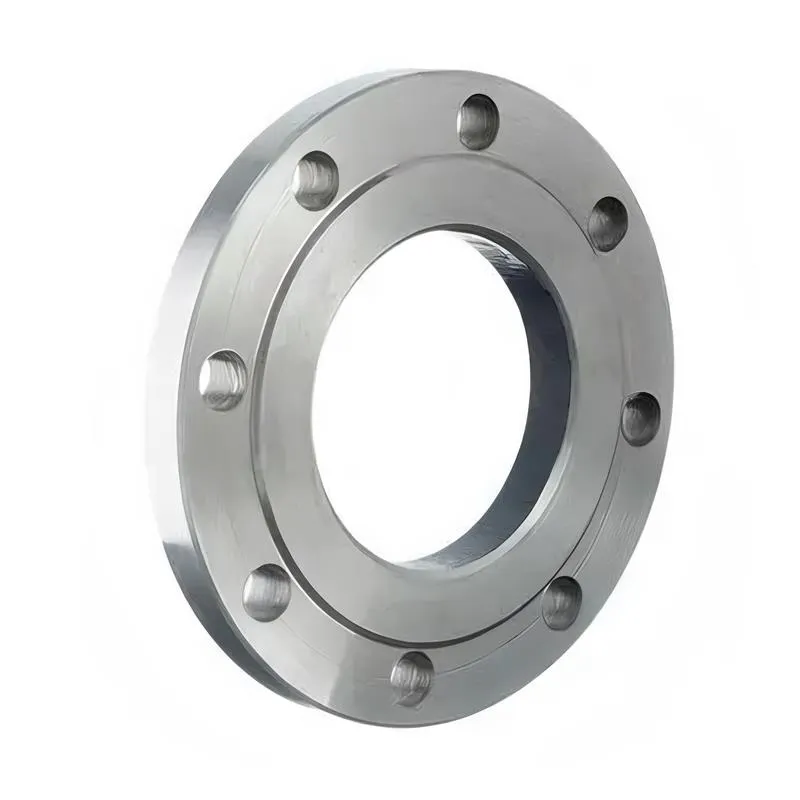
1,We Manufacturing processes are primarily classified into four types:
1:Forging,
2:Casting,
3:Cutting,
4:Rolling.
2,We can manufacture in accordance with these standards.
Standards:
GB Series (Chinese Standards), JB Series (Machinery Standards), HG Series (Chemical Industry Standards), ASME B16.5 (American Standards), BS4504 (British Standards), DIN (German Standards), and JIS (Japanese Standards).
Internationally, there are two primary systems of pipe flange standards: the European system, represented by the German DIN standards (including those of the former Soviet Union), and the American system, represented by the US ANSI pipe flange standards. Other common standards include: the Chinese Ministry of Machinery Industry standards (JB series), the Ministry of Chemical Industry standards (HG series), the Chinese National Standard *GB/T 9112–9124-2010 Steel Pipe Flanges*, as well as US standards (ASME B16.5), British standards (BS4504), German standards (DIN), Japanese standards (JIS), and marine standards (CBM), among others.
The nominal pressure ratings for the PN series are designated by "PN" and comprise the following nine levels: PN2.5, PN6, PN10, PN16, PN25, PN40, PN63, PN100, and PN160.
The nominal pressure ratings for the Class series are designated by "Class" and comprise the following six levels: Class150, Class300, Class600, Class900, Class1500, and Class2500.
Flange Classification
1. **According to Chemical Industry Standards:** Flanges are classified as follows:
Plate Flat Welding Flange (PL), Necked Flat Welding Flange (SO), Necked Butt Welding Flange (WN), Integral Flange (IF), Socket Welding Flange (SW), Threaded Flange (Th), Butt Welding Ring Loose Flange (PJ/SE), Blind Flange (BL), Flat Welding Ring Loose Flange (PJ/PJ), and Lined Blind Flange (BL(s)).
2. **According to Petrochemical (SH) Industry Standards:** Flanges are classified as follows:
Threaded Flange (PL), Butt Welding Flange (WN), Flat Welding Flange (SO), Socket Welding Flange (SW), Loose Flange (LJ), and Blind Flange (no specific designation).
3. **According to Machinery (JB) Industry Standards:** Flanges are classified as follows:
Integral Flange, Butt Welding Flange, Plate Flat Welding Flange, Butt Welding Ring Plate Loose Flange, Flat Welding Ring Plate Loose Flange, Lap Joint Ring Plate Loose Flange, and Blind Flange.
4. **According to Connection Method/Type:** Flanges are classified as follows:
Plate Flat Welding Flange, Necked Flat Welding Flange, Necked Butt Welding Flange, Socket Welding Flange, Threaded Flange, Blind Flange, Necked Butt Welding Ring Loose Flange, Flat Welding Ring Loose Flange, Ring-Type Joint (RTJ) Flange and Blind Flange, Large-Diameter Plate Flange, Large-Diameter High-Neck Flange, Figure-8 Blind Plate, Butt Welding Ring Loose Flange, etc.
5. **According to the Component Being Connected:** Flanges can be classified into Vessel Flanges and Pipe Flanges.
6. **According to Structural Type:** Flanges include Integral Flanges, Threaded Flanges, Flat Welding Flanges, Butt Welding Flanges, Lap Joint (Loose/Swivel) Flanges, and Blind Flanges.
A flange—also referred to as a flange plate or rim—is a component used to connect shafts to one another, or, more commonly, to join the ends of pipes. Flanges are also utilized at the inlet and outlet ports of equipment to facilitate connections between two devices—for instance, the flange on a speed reducer. A "flange connection" or "flanged joint" refers to a detachable joint assembly comprising three interconnected elements—a flange, a gasket, and bolts—that together form a sealed structural unit. In the context of piping systems, a "pipe flange" specifically denotes a flange used for plumbing within the installation; when applied to equipment, it refers to the inlet or outlet flange of that specific device. Flanges feature a series of holes through which bolts are inserted to securely fasten the two flanges together, while a gasket placed between the flanges ensures a leak-proof seal. Flanges are broadly categorized into three types: threaded (screw-in) flanges, welded flanges, and clamp-type flanges. Flanges are invariably used in pairs; threaded flanges are suitable for low-pressure piping applications, whereas welded flanges are required for systems operating at pressures exceeding 4 kilograms per square centimeter. A sealing gasket is inserted between the two flange plates, which are then firmly secured using bolts. The thickness of a flange—as well as the specifications of the bolts used to fasten it—vary depending on the specific pressure rating required for the application. When connecting equipment such as water pumps or valves to piping systems, the corresponding connection points on these devices are often manufactured in the shape of a matching flange; this method of attachment is also referred to as a "flange connection." Generally, any connecting component that utilizes bolts to join and seal the perimeters of two flat surfaces—such as the joints in ventilation ducts—is termed a "flange"; such components may collectively be classified as "flange-type parts." However, since such a connection often constitutes merely a *portion* of a larger device—for instance, the interface between a flange and a water pump—it would be inappropriate to classify the entire water pump itself as a "flange-type part." Conversely, smaller components—such as valves—that feature such flanged interfaces may indeed be appropriately categorized as "flange-type parts."
-:-
For detailed product information, please contact sales.
-:
AISI 8650H Steel Flange, annealed, 25 mm (1 in.) round Product Information
-:-
For detailed product information, please contact sales.
-:
AISI 8650H Steel Flange, annealed, 25 mm (1 in.) round Synonyms
-:-
For detailed product information, please contact sales.
-:
AISI 8650H Steel, annealed, 25 mm (1 in.) round Product Information
-:-
For detailed product information, please contact sales.
-:
# Technical Data Sheet: AISI 8650H Alloy Steel
## H-Grade, Annealed Condition - 25 mm (1 inch) Round Bar
---
### 1. Product Identification
**Designation:** AISI 8650H / UNS H86500
**Condition:** Annealed (Full Anneal)
**Form:** Round Bar
**Diameter:** 25.0 mm (1.00 inch) ±0.08 mm (±0.003 inch)
**Material Classification:** Hardenability-Controlled Nickel-Chromium-Molybdenum Medium-High Carbon Alloy Steel
**Key Characteristics:** AISI 8650H in the annealed condition represents the optimal starting material for manufacturing components that will undergo subsequent heat treatment. The "H" designation guarantees controlled hardenability within SAE J1268 bands, ensuring predictable and consistent response to quenching and tempering operations. Supplied as 25 mm round bar in fully annealed state, this material offers excellent machinability, uniform microstructure, and dimensional stability for precision manufacturing. The annealed condition provides the softest possible state for this alloy, maximizing tool life and enabling complex machining operations prior to final heat treatment.
---
### 2. International Standards Compliance
**Primary Specifications:**
- **UNS:** H86500
- **ASTM Standards:**
- **A304:** Standard Specification for Steel Bars, Alloy, Subject to End-Quench Hardenability Requirements
- **A914/A914M:** Steel Bars Subject to Restricted Hardenability Requirements
- **A29/A29M:** Steel Bars, Carbon and Alloy, Hot-Wrought and Cold-Finished (Annealed Condition)
- **SAE/AISI Standards:**
- **SAE J1268:** Hardenability Bands for H-Grade Steels
- **SAE J404:** Chemical Compositions of SAE Alloy Steels
- **ISO Standards:**
- **ISO 683-11:** Heat-treatable steels, alloy steels and free-cutting steels
- **European Standards:**
- **EN 10083-3:** Steels for quenching and tempering
- Similar to annealed 1.6546H (34CrNiMo6H)
**Annealing Specification:**
- Full anneal per standard industry practice
- Hardness guaranteed ≤229 HB (typically 187-217 HB)
- Microstructural requirements: Uniformly soft with controlled grain size
---
### 3. Chemical Composition (H-Grade Controlled)
**Guaranteed Composition Ranges (Weight %):**
| Element | H-Grade Range | Typical Value | H-Grade Control Purpose | Annealing Significance |
|---------|---------------|---------------|-------------------------|------------------------|
| **Carbon (C)** | 0.47 - 0.54% | 0.50% | Controlled for consistent hardenability | Determines annealing temperature and final hardness |
| **Manganese (Mn)** | 0.70 - 1.05% | 0.87% | Primary hardenability control element | Affects annealing response and machinability |
| **Silicon (Si)** | 0.15 - 0.35% | 0.25% | Controlled for consistent effects | Deoxidizer, affects scale formation during annealing |
| **Nickel (Ni)** | 0.35 - 0.75% | 0.55% | Controlled within narrower bands | Improutes toughness in annealed state |
| **Chromium (Cr)** | 0.35 - 0.65% | 0.50% | Ensures consistent hardenability | Affects carbide formation during annealing |
| **Molybdenum (Mo)** | 0.15 - 0.25% | 0.20% | Critical for temper embrittlement control | Slows transformation during annealing |
| **Phosphorus (P)** | ≤ 0.035% | 0.020% | Minimized for improved toughness | Controlled for consistency |
| **Sulfur (S)** | ≤ 0.040% | 0.025% | Standard grade; may be controlled | May be increased for improved machinability variants |
| **Iron (Fe)** | Balance | Balance | Matrix element | - |
**H-Grade Specific Control Points for Annealed Material:**
- Carbon centered around 0.50% ±0.02% for consistent annealing response
- Manganese controlled within specific range to ensure predictable hardenability after final heat treatment
- Nickel content optimized for toughness development in final hardened state
- All elements maintained within tighter ranges than standard 8650
**Optimal Chemistry for Annealed Machining Stock:**
- Carbon: 0.48-0.52% (balanced for machinability and hardenability)
- Manganese: 0.85-0.95% (optimized for chip control and hardenability)
- Sulfur: May be specified up to 0.08% for improved machinability (resulfurized variant)
---
### 4. Annealing Process & Microstructure
**Standard Full Annealing Process:**
1. **Heating:** 830-855°C (1525-1575°F) in controlled atmosphere furnace
2. **Soaking:** 2-3 hours for 25 mm diameter bars
3. **Cooling:** Furnace cool at 10-30°C/hour (18-54°F/hour) to 595°C (1100°F)
4. **Final Cooling:** Air cool to room temperature
5. **Atmosphere:** Protective to limit decarburization to ≤0.25 mm maximum
**Alternative Process Annealing (if specified):**
- Temperature: 650-705°C (1200-1300°F)
- Time: 2-4 hours
- Cooling: Air cool
- Result: Slightly higher hardness but faster processing
**Spheroidize Annealing (Special Request):**
- Temperature: 650-705°C (1200-1300°F) with extended time or cycling
- Result: Spheroidized carbides in ferrite matrix
- Hardness: 170-200 HB (softest condition)
- Benefit: Optimal machinability for severe forming operations
**Microstructural Characteristics:**
- **Primary Structure:** Coarse lamellar pearlite in ferrite matrix (full anneal)
- **Alternative:** Spheroidized carbides in ferrite (spheroidize anneal)
- **Grain Size:** ASTM 5-7 typically
- **Carbide Morphology:** Lamellar or spheroidal depending on annealing cycle
- **Banding:** Minimal due to H-grade composition control
- **Inclusion Content:** ASTM E45 Method D, ≤2.0 typical
**H-Grade Annealing Advantages:**
- Consistent microstructure batch-to-batch
- Uniform hardness throughout cross-section
- Predictable response to subsequent heat treatment
- Reduced machining variation
---
### 5. Mechanical Properties (Annealed Condition)
**Guaranteed Properties for 25 mm Diameter:**
| Property | Value Range | Test Standard | H-Grade Consistency Benefit |
|----------|-------------|---------------|----------------------------|
| **Hardness** | 187-229 HB | ASTM E10 | ±10 HB maximum variation |
| | 89-97 HRB | ASTM E18 | - |
| **Tensile Strength** | 620-760 MPa | ASTM A370 | 90-110 ksi |
| **Yield Strength (0.2%)** | 415-550 MPa | ASTM A370 | 60-80 ksi |
| **Elongation (in 50 mm)** | 20-28% | ASTM A370 | Consistent ductility |
| **Reduction of Area** | 50-65% | ASTM A370 | Reliable formability |
| **Charpy V-Notch (20°C)** | 50-90 J | ASTM E23 | 37-66 ft-lb |
| **Machinability Rating** | 55-60% | - | Compared to 100% for B1112 steel |
**Typical Property Distribution:**
- **Most Common Hardness:** 197-207 HB (93-95 HRB)
- **Typical Tensile Strength:** 690 MPa (100 ksi)
- **Typical Yield Strength:** 485 MPa (70 ksi)
- **Consistency:** Batch-to-batch variation ≤5%
**Physical Properties:**
| Property | Value | Units | Conditions |
|----------|-------|-------|------------|
| **Density** | 7.85 | g/cm³ | At 20°C |
| **Melting Range** | 1410-1455 | °C | Liquidus to solidus |
| **Thermal Conductivity** | 41.0 | W/m·K | At 100°C |
| **Specific Heat Capacity** | 460 | J/kg·K | At 100°C |
| **Coefficient of Thermal Expansion** | 11.5 × 10⁻⁶ | /°C | 20-100°C range |
| **Modulus of Elasticity** | 205 | GPa | At 20°C |
| **Shear Modulus** | 80 | GPa | At 20°C |
| **Electrical Resistivity** | 0.24 | μΩ·m | At 20°C |
**Geometric Properties (25 mm Round):**
- **Diameter Tolerance:** ±0.08 mm (±0.003 inch) per ASTM A29
- **Straightness:** ≤1 mm per meter length
- **Surface Finish:** 3.2-6.3 μm Ra (125-250 μinch)
- **Surface Condition:** Free of scale, light rust preventive applied
- **Decarburization:** ≤0.25 mm (0.010 inch) maximum depth
---
### 6. Hardenability Characteristics
**SAE J1268 Hardenability Band for 8650H (As-Quenched):**
| Distance from Quenched End | Rockwell C Hardness Range | Implication for 25 mm Round |
|----------------------------|---------------------------|----------------------------|
| 1.5 mm (1/16") | 49-61 HRC | Surface hardness potential |
| 5.0 mm (3/16") | 45-57 HRC | - |
| 9.5 mm (3/8") | 39-51 HRC | 1/4 radius position |
| 12.7 mm (1/2") | 36-48 HRC | Mid-radius position |
| 25.4 mm (1") | 27-39 HRC | Center of 25 mm round |
**H-Grade Hardenability Advantages in Annealed State:**
- **Predictable Response:** Guaranteed hardenability after final heat treatment
- **Consistent Results:** Reduced variation in final hardened properties
- **Design Confidence:** Engineers can specify with certainty
- **Reduced Testing:** Less extensive verification needed after hardening
**Expected Properties After Standard Heat Treatment (Q845°C + T540°C):**
- **Tensile Strength:** 1035-1170 MPa (150-170 ksi)
- **Yield Strength:** 930-1070 MPa (135-155 ksi)
- **Hardness:** 32-38 HRC
- **Impact Toughness:** 25-40 J (18-30 ft-lb)
---
### 7. Machinability & Formability
**Machinability Characteristics:**
- **Rating:** 55-60% of B1112 free-machining steel
- **Tool Materials:** High-speed steel (HSS) excellent, carbide optional
- **Recommended Cutting Parameters:**
- **Turning:** 40-70 m/min (130-230 SFM) with HSS
- **Turning:** 80-120 m/min (260-390 SFM) with carbide
- **Drilling:** 15-25 m/min (50-80 SFM) with HSS drills
- **Milling:** 30-50 m/min (100-165 SFM) with HSS
- **Feed Rates:** 0.15-0.35 mm/rev (0.006-0.014 ipr) for turning
- **Depth of Cut:** Up to 6 mm (0.250") depending on setup rigidity
- **Chip Formation:** Continuous chips; chip breakers recommended
- **Surface Finish:** Can achieve Ra 1.6-3.2 μm (63-125 μin) with proper technique
- **Tool Life:** Excellent due to soft condition
**Improved Machinability Variants:**
- **Resulfurized 8650H:** Sulfur increased to 0.08-0.15% for chip breaking
- **Calcium-Treated:** Improved chip control and tool life
- **Lead-Added:** Traditional improvement (less common due to environmental concerns)
**Forming & Cold Working:**
- **Cold Bending:** Good for moderate bends (minimum bend radius ~2t)
- **Cold Heading:** Suitable with proper die design and lubrication
- **Cold Forging:** Possible with intermediate annealing for severe deformation
- **Shearing & Blanking:** Good with proper tool clearance (5-10% of thickness)
- **Thread Rolling:** Excellent for thread forming operations
**Hot Working Recommendations:**
- **Forging Temperature:** 1150-900°C (2100-1650°F)
- **Finishing Temperature:** ~900°C (1650°F) minimum
- **Cooling After Hot Working:** Slow cool or anneal to prevent cracking
---
### 8. Material Characteristics in Annealed State
**Advantages of Annealed AISI 8650H:**
1. **Excellent Machinability:** Soft condition allows high-speed machining
2. **Predictable Hardening Response:** H-grade ensures consistent results
3. **Good Formability:** Can be bent, formed, and shaped before hardening
4. **Dimensional Stability:** Minimal distortion during subsequent heat treatment
5. **Cost-Effective Manufacturing:** Reduced tool wear and faster machining
6. **Quality Consistency:** H-grade reduces batch-to-batch variation
7. **Versatile Starting Condition:** Suitable for various manufacturing processes
**Limitations in Annealed State:**
1. **Low Strength:** Not suitable for final application without heat treatment
2. **Poor Wear Resistance:** Soft surface susceptible to damage
3. **Limited Load Capacity:** Cannot carry significant loads
4. **Surface Sensitivity:** Easily scratched or damaged during handling
**H-Grade Specific Benefits:**
- Reduced scrap and rework in manufacturing
- More consistent machining performance batch-to-batch
- Predictable growth and distortion during heat treatment
- Reduced need for extensive testing after hardening
- Supply chain consistency from multiple qualified suppliers
---
### 9. Applications (as Annealed Stock)
**Primary Use:** Raw material for high-volume manufacturing of components requiring subsequent heat treatment
**Automotive Component Manufacturing:**
- Transmission gear blanks (high-volume production)
- Crankshaft and camshaft forgings
- Axle shaft blanks for trucks and heavy vehicles
- Steering component blanks
- Suspension part forgings
**Industrial Machinery Components:**
- Large gear blanks for industrial gearboxes
- Shaft stock for pumps and compressors
- Bearing race blanks
- Tool holder blanks
- Machine tool component stock
**Oil & Gas Industry:**
- Valve component blanks
- Tool joint blanks for drill strings
- Pump shaft stock
- Downhole tool blanks
- Wellhead component stock
**Aerospace & Defense:**
- Landing gear component blanks (secondary structures)
- Actuator component stock
- Missile component blanks
- Special fastener blanks
- Armor component stock (before hardening)
**Agricultural Equipment:**
- Gear blanks for tractors and harvesters
- Driveline component stock
- Implement component blanks
- PTO shaft stock
**General Manufacturing:**
- Die and mold blanks
- Tooling component stock
- Special fastener blanks
- Custom component manufacturing stock
**Typical Manufacturing Sequence:**
1. Receive annealed 8650H stock
2. Machine to near-final dimensions (allow 0.5-1.0 mm for heat treatment cleanup)
3. Heat treat (austenitize, quench, and temper to specified condition)
4. Finish machine (grinding, honing, etc. as required)
5. Apply surface treatments if specified
6. Final inspection and assembly
**Why Choose H-Grade for These Applications:**
- Consistent heat treatment response in high-volume production
- Reduced quality control costs
- Improved component reliability
- Better utilization of material capabilities in design
---
### 10. Subsequent Heat Treatment Potential
**Standard Heat Treatment from Annealed State:**
**Austenitizing Options:**
1. **Standard:** 845-855°C (1550-1575°F) - 30-45 minutes per inch
2. **Refined:** 830-845°C (1525-1550°F) - for finer grain size
3. **Special:** 800°C (1470°F) - for minimal distortion (requires verification)
**Quenching:**
- **Medium:** Oil quench preferred for 25 mm diameter
- **Agitation:** Moderate to vigorous for uniform cooling
- **Temperature:** 40-80°C (100-180°F) oil temperature
**Tempering Options:**
- **Low Temperature (205-315°C):** High hardness (45-55 HRC), high strength
- **Medium Temperature (425-540°C):** Balanced properties (30-45 HRC)
- **High Temperature (595-650°C):** High toughness (24-32 HRC)
**Expected Results from Annealed Starting Condition:**
- More consistent properties than from as-rolled material
- Reduced distortion compared to normalized starting condition
- Predictable dimensional changes
- Excellent response to case hardening processes
**H-Grade Advantages During Heat Treatment:**
- Consistent hardenability regardless of production batch
- Predictable depth of hardening
- Reduced property variation in final component
- Lower rejection rates in production
---
### 11. Quality Assurance & Testing
**H-Grade Specific Testing Requirements:**
1. **Jominy Hardenability Test:** Each heat tested per ASTM A255
2. **Enhanced Chemical Analysis:** Full composition with statistical reporting
3. **Hardness Testing:** Multiple locations with statistical analysis
4. **Microstructural Examination:** Grain size and uniformity verification
**Standard Testing for Annealed Material:**
- **Hardness:** Brinell testing at both ends and middle
- **Chemical Analysis:** Spectrographic verification
- **Dimensional Verification:** Diameter, roundness, straightness
- **Surface Inspection:** Visual examination for defects
- **Microstructural Check:** Sample examination if specified
**Certification Requirements:**
- **Mill Test Certificate:** EN 10204 3.2 mandatory for H-grade
- **Hardenability Test Report:** Jominy curve for each heat
- **Chemical Certificate:** Full composition report
- **Annealing Records:** Temperature and time documentation
- **Traceability:** Complete from melt to final annealed product
**Acceptance Criteria for 25 mm Annealed Round:**
- **Hardness:** 187-229 HB maximum
- **Decarburization:** ≤0.25 mm (0.010 inch) depth
- **Surface Condition:** Free of seams, laps, and excessive scale
- **Dimensions:** Per ASTM A29 tolerances
- **Straightness:** ≤1 mm per meter
**Quality Control Points:**
- Raw material verification and testing
- Annealing process control and monitoring
- Final inspection and testing
- Documentation review and approval
- Packaging and identification verification
---
### 12. Storage, Handling & Packaging
**Storage Conditions:**
- **Environment:** Dry, covered storage with controlled humidity (<60% RH)
- **Temperature:** Ambient conditions (15-25°C ideal)
- **Duration:** 12-18 months maximum without special protection
- **Stacking:** Properly supported to prevent bending (max 1.5m between supports)
**Packaging for 25 mm Round Bars:**
- **Standard:** Bundled with steel straps, ends protected
- **Enhanced:** Individual wrapping or VCI (Vapor Corrosion Inhibitor) paper
- **Identification:** Clearly marked with grade, heat number, and dimensions
- **Weight:** Typically 3000-6000 mm lengths, approximately 3.85 kg/m
**Surface Protection:**
- **As-Annealed:** Light mill scale typically present
- **Enhanced Protection:** Oil or rust preventive coating applied
- **Special Requirements:** Pickled and oiled or phosphate coated available
- **Clean Condition:** Scale-free finish available (additional cost)
**Handling Guidelines:**
- **Lifting:** Use appropriate equipment (non-metallic slings recommended)
- **Transportation:** Secured to prevent movement and damage
- **Surface Care:** Avoid impacts that could cause surface damage
- **Identification:** Maintain throughout handling and storage
**Shelf Life & Maintenance:**
- **Indoor Storage:** 12-18 months with basic protection
- **Long-Term Storage:** Special rust preventive required
- **Inspection:** Regular visual checks for corrosion
- **Re-protection:** Reapply protective coating if storage exceeds 6 months
---
### 13. Technical Recommendations
**Design Guidelines for Components from Annealed Stock:**
1. **Allow for Heat Treatment Growth:** 0.1-0.3% dimensional increase typical
2. **Consider Distortion:** Design symmetrical where possible
3. **Surface Finish:** Specify required finish after heat treatment
4. **Corner Radii:** Minimum R3 mm to minimize stress concentrations
5. **Section Uniformity:** Avoid drastic changes in cross-section
**Manufacturing Recommendations:**
- **Machining Sequence:** Complete as much machining as possible in annealed state
- **Stress Relief:** Consider before final machining for precision components
- **Quality Verification:** Establish check points throughout process
- **Documentation:** Maintain complete manufacturing records
**Procurement Specification Example:**
```plaintext
MATERIAL: AISI 8650H Alloy Steel
FORM: Round bar, 25.0 mm diameter ±0.08 mm
CONDITION: Full annealed, hardness 187-229 HB maximum
LENGTH: 3000-6000 mm random lengths
CHEMISTRY: Per AISI 8650H requirements
HARDENABILITY: Must meet SAE J1268 band for 8650H
SURFACE: Free of excessive scale, light rust preventive applied
STRAIGHTNESS: ≤1 mm per meter
DECARBURIZATION: ≤0.25 mm maximum depth
CERTIFICATION: EN 10204 3.2 with Jominy test report
TESTING: Hardness test at both ends and middle
PACKAGING: Bundled, protected ends, clearly identified
```
**Safety Factors for Design:**
- **Note:** Annealed material should NOT be used in final applications
- **For Manufacturing Only:** Design for handling and machining loads only
- **Final Design:** Must be based on heat-treated properties
- **Temporary Use:** If used temporarily, apply appropriate safety factors (≥4.0)
**Environmental & Safety:**
- **Machining:** Standard steel machining precautions
- **Heat Treatment:** Professional heat treater recommended
- **Disposal:** Fully recyclable as steel scrap
- **Safety Data:** MSDS available from suppliers
---
### 14. Economic & Manufacturing Considerations
**Cost Analysis:**
- **Material Cost:** 5-10% premium over standard 8650
- **Machining Cost:** Lower due to excellent machinability
- **Tooling Cost:** Reduced tool wear in soft condition
- **Heat Treatment Cost:** Standard for alloy steel
- **Quality Cost:** Reduced due to H-grade consistency
- **Total Cost:** Often lower despite material premium
**Manufacturing Advantages:**
- Faster machining speeds and feeds possible
- Reduced setup time for new batches
- More predictable manufacturing schedules
- Lower scrap and rework rates
- Improved utilization of automated equipment
**Justification for H-Grade Annealed Material:**
- **High-Volume Production:** Consistency reduces total cost
- **Critical Components:** Reliability justifies premium
- **Multiple Suppliers:** Identical material from different sources
- **Design Optimization:** Can utilize material more efficiently
- **Reduced Testing:** Lower quality control costs
**Comparison with Alternatives:**
- **vs. Standard 8650 Annealed:** Better consistency, predictable hardening
- **vs. Pre-hardened Material:** Better machinability, more design flexibility
- **vs. Lower Alloy Steels:** Better hardenability, higher performance potential
- **vs. More Expensive Alloys:** Cost-effective for many applications
---
**Disclaimer:** This technical data sheet provides information about AISI 8650H alloy steel in the annealed condition as 25 mm round bar. This material is intended as manufacturing stock for components that will undergo subsequent heat treatment. The annealed condition is NOT suitable for final applications requiring strength or wear resistance. Always consult with materials engineering professionals for specific application requirements and conduct appropriate testing for critical applications.
---
**Document Control**
- **Document:** TDS-8650H-ANN-25mm
- **Revision:** 1.0
- **Date:** March 2024
- **Prepared By:** Materials Engineering Department
- **Approved By:** Quality Assurance Manager
- **Quality System:** ISO 9001:2015, IATF 16949 Certified
- **Special Note:** H-grade material requires specific controls and documentation
-:-
For detailed product information, please contact sales.
-:
AISI 8650H Steel, annealed, 25 mm (1 in.) round Specification
Dimensions
Size:
Diameter 20-1000 mm Length <6369 mm
Size:We can customized as required
Standard:
Per your request or drawing
We can customized as required
Properties(Theoretical)
Chemical Composition
-:-
For detailed product information, please contact sales.
-:
AISI 8650H Steel, annealed, 25 mm (1 in.) round Properties
-:-
For detailed product information, please contact sales.
-:
Applications of AISI 8650H Steel Flange, annealed, 25 mm (1 in.) round
-:-
For detailed product information, please contact sales.
-:
Chemical Identifiers AISI 8650H Steel Flange, annealed, 25 mm (1 in.) round
-:-
For detailed product information, please contact sales.
-:
Packing of AISI 8650H Steel Flange, annealed, 25 mm (1 in.) round
-:-
For detailed product information, please contact sales.
-:
Standard Packing:
-:-
For detailed product information, please contact sales.
-:
Typical bulk packaging includes palletized plastic 5 gallon/25 kg. pails, fiber and Steel Flange drums to 1 ton super sacks in full container (FCL) or truck load (T/L) quantities. Research and sample quantities and hygroscopic, oxidizing or other air sensitive materials may be packaged under argon or vacuum. Solutions are packaged in polypropylene, plastic or glass jars up to palletized 2840 gallon liquid totes Special package is available on request. E FORUs’ is carefully handled to minimize damage during storage and transportation and to preserve the quality of our products in their original condition