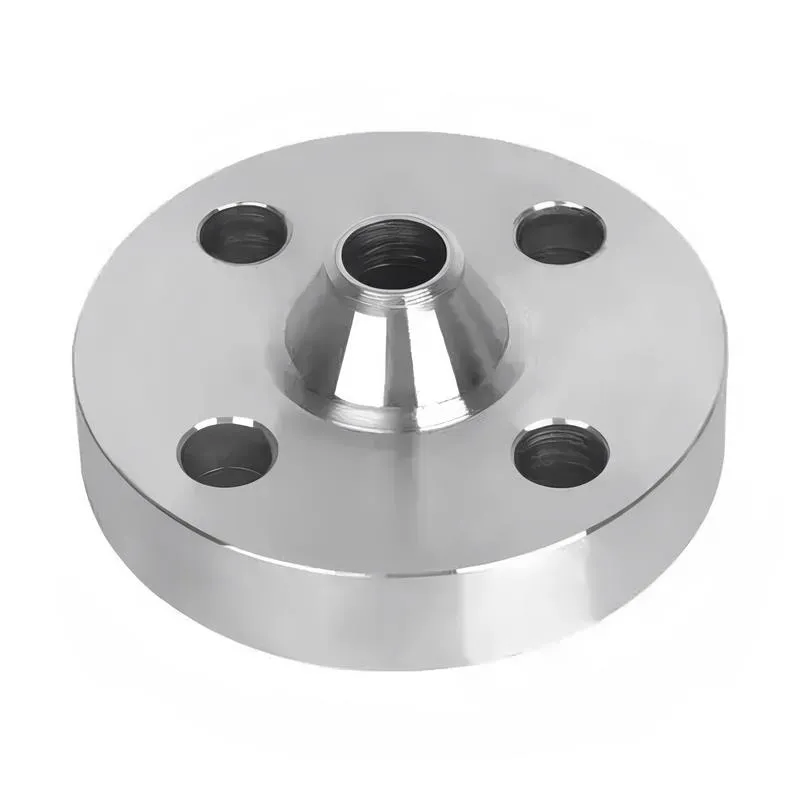
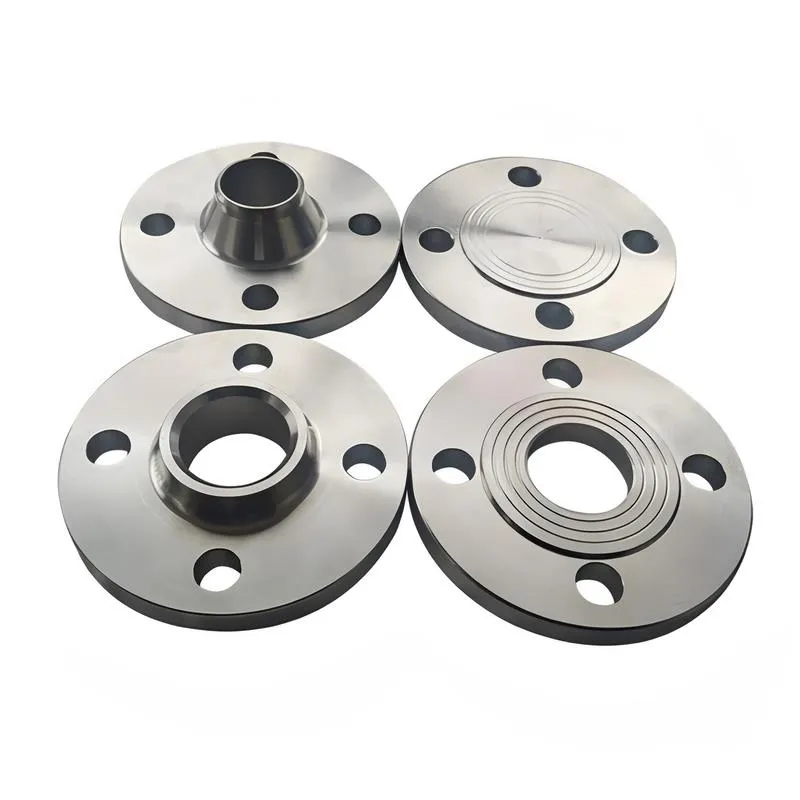
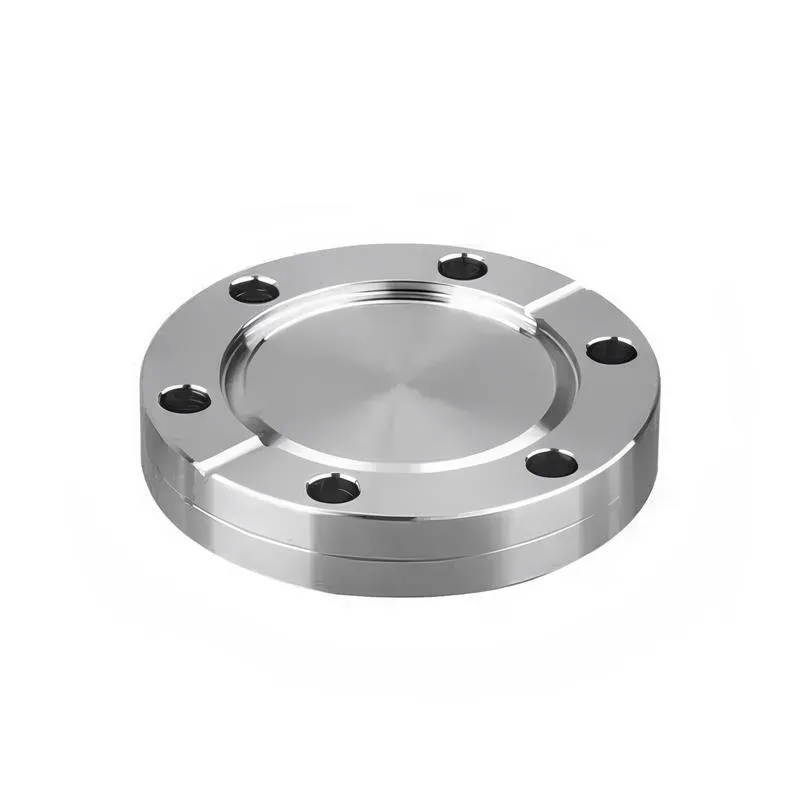
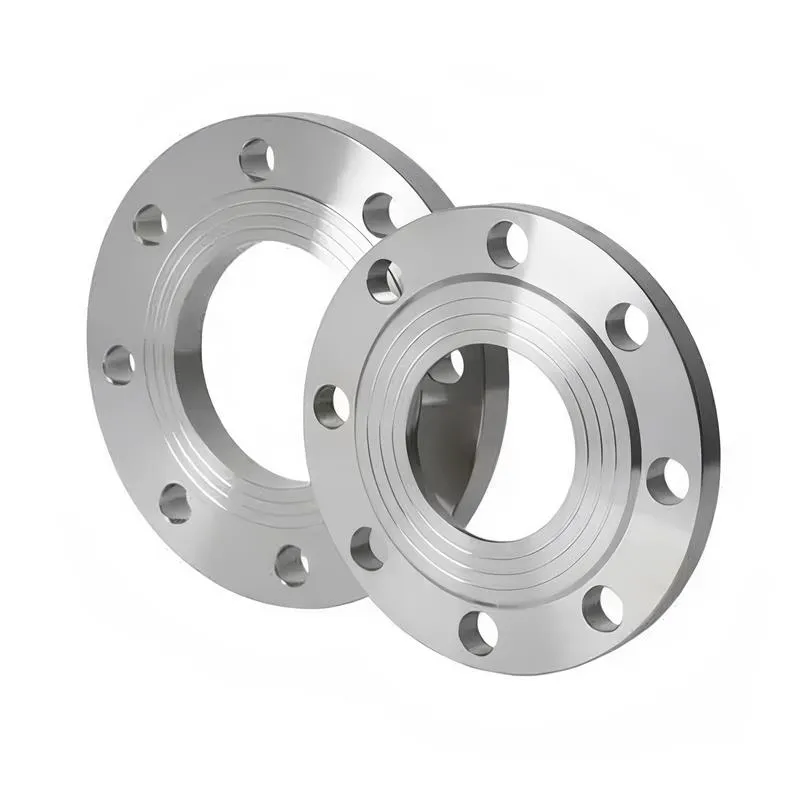
1,We Manufacturing processes are primarily classified into four types:
1:Forging,
2:Casting,
3:Cutting,
4:Rolling.
2,We can manufacture in accordance with these standards.
Standards:
GB Series (Chinese Standards), JB Series (Machinery Standards), HG Series (Chemical Industry Standards), ASME B16.5 (American Standards), BS4504 (British Standards), DIN (German Standards), and JIS (Japanese Standards).
Internationally, there are two primary systems of pipe flange standards: the European system, represented by the German DIN standards (including those of the former Soviet Union), and the American system, represented by the US ANSI pipe flange standards. Other common standards include: the Chinese Ministry of Machinery Industry standards (JB series), the Ministry of Chemical Industry standards (HG series), the Chinese National Standard *GB/T 9112–9124-2010 Steel Pipe Flanges*, as well as US standards (ASME B16.5), British standards (BS4504), German standards (DIN), Japanese standards (JIS), and marine standards (CBM), among others.
The nominal pressure ratings for the PN series are designated by "PN" and comprise the following nine levels: PN2.5, PN6, PN10, PN16, PN25, PN40, PN63, PN100, and PN160.
The nominal pressure ratings for the Class series are designated by "Class" and comprise the following six levels: Class150, Class300, Class600, Class900, Class1500, and Class2500.
Flange Classification
1. **According to Chemical Industry Standards:** Flanges are classified as follows:
Plate Flat Welding Flange (PL), Necked Flat Welding Flange (SO), Necked Butt Welding Flange (WN), Integral Flange (IF), Socket Welding Flange (SW), Threaded Flange (Th), Butt Welding Ring Loose Flange (PJ/SE), Blind Flange (BL), Flat Welding Ring Loose Flange (PJ/PJ), and Lined Blind Flange (BL(s)).
2. **According to Petrochemical (SH) Industry Standards:** Flanges are classified as follows:
Threaded Flange (PL), Butt Welding Flange (WN), Flat Welding Flange (SO), Socket Welding Flange (SW), Loose Flange (LJ), and Blind Flange (no specific designation).
3. **According to Machinery (JB) Industry Standards:** Flanges are classified as follows:
Integral Flange, Butt Welding Flange, Plate Flat Welding Flange, Butt Welding Ring Plate Loose Flange, Flat Welding Ring Plate Loose Flange, Lap Joint Ring Plate Loose Flange, and Blind Flange.
4. **According to Connection Method/Type:** Flanges are classified as follows:
Plate Flat Welding Flange, Necked Flat Welding Flange, Necked Butt Welding Flange, Socket Welding Flange, Threaded Flange, Blind Flange, Necked Butt Welding Ring Loose Flange, Flat Welding Ring Loose Flange, Ring-Type Joint (RTJ) Flange and Blind Flange, Large-Diameter Plate Flange, Large-Diameter High-Neck Flange, Figure-8 Blind Plate, Butt Welding Ring Loose Flange, etc.
5. **According to the Component Being Connected:** Flanges can be classified into Vessel Flanges and Pipe Flanges.
6. **According to Structural Type:** Flanges include Integral Flanges, Threaded Flanges, Flat Welding Flanges, Butt Welding Flanges, Lap Joint (Loose/Swivel) Flanges, and Blind Flanges.
A flange—also referred to as a flange plate or rim—is a component used to connect shafts to one another, or, more commonly, to join the ends of pipes. Flanges are also utilized at the inlet and outlet ports of equipment to facilitate connections between two devices—for instance, the flange on a speed reducer. A "flange connection" or "flanged joint" refers to a detachable joint assembly comprising three interconnected elements—a flange, a gasket, and bolts—that together form a sealed structural unit. In the context of piping systems, a "pipe flange" specifically denotes a flange used for plumbing within the installation; when applied to equipment, it refers to the inlet or outlet flange of that specific device. Flanges feature a series of holes through which bolts are inserted to securely fasten the two flanges together, while a gasket placed between the flanges ensures a leak-proof seal. Flanges are broadly categorized into three types: threaded (screw-in) flanges, welded flanges, and clamp-type flanges. Flanges are invariably used in pairs; threaded flanges are suitable for low-pressure piping applications, whereas welded flanges are required for systems operating at pressures exceeding 4 kilograms per square centimeter. A sealing gasket is inserted between the two flange plates, which are then firmly secured using bolts. The thickness of a flange—as well as the specifications of the bolts used to fasten it—vary depending on the specific pressure rating required for the application. When connecting equipment such as water pumps or valves to piping systems, the corresponding connection points on these devices are often manufactured in the shape of a matching flange; this method of attachment is also referred to as a "flange connection." Generally, any connecting component that utilizes bolts to join and seal the perimeters of two flat surfaces—such as the joints in ventilation ducts—is termed a "flange"; such components may collectively be classified as "flange-type parts." However, since such a connection often constitutes merely a *portion* of a larger device—for instance, the interface between a flange and a water pump—it would be inappropriate to classify the entire water pump itself as a "flange-type part." Conversely, smaller components—such as valves—that feature such flanged interfaces may indeed be appropriately categorized as "flange-type parts."
-:-
For detailed product information, please contact sales.
-:
JIS SKS4 Tool Steel Flange Product Information
-:-
For detailed product information, please contact sales.
-:
JIS SKS4 Tool Steel Flange Synonyms
-:-
For detailed product information, please contact sales.
-:
JIS SKS4 Tool Steel Product Information
-:-
For detailed product information, please contact sales.
-:
# **JIS SKS4 Tool Steel (Carbon Water-Hardening Tool Steel)**
**International Standard:** JIS G4404 (Japan Industrial Standard) - Tool Steels
---
## **1. Overview**
JIS SKS4 is a **high-carbon, non-alloyed water-hardening tool steel** belonging to the simplest category of tool steels. Characterized by its **minimal alloy content, shallow hardenability, and high surface hardness potential**, SKS4 represents the traditional approach to tool steel where maximum hardness at the cutting edge is prioritized over toughness or dimensional stability. As a water-hardening grade, it requires rapid quenching in water or brine to achieve full hardness, making it suitable for simple geometries and applications where extreme hardness and low cost are primary considerations.
---
## **2. Chemical Composition (Typical Weight %)**
| Element | Content (%) |
| :------ | :---------- |
| C | 1.00–1.10 |
| Si | ≤ 0.35 |
| Mn | ≤ 0.50 |
| Cr | ≤ 0.30 |
| W | — |
| V | — |
| P (max) | 0.030 |
| S (max) | 0.030 |
**Balance:** Iron (Fe).
**Key Characteristics:** SKS4 is essentially a **plain high-carbon steel** with minimal intentional alloying. The carbon content at 1.00–1.10% is sufficient to form hard martensite upon quenching but results in limited hardenability. The absence of significant alloying elements (Cr, W, Mo, V) makes it inexpensive but also limits its depth of hardening and necessitates rapid quenching in water or brine.
---
## **3. Physical & Mechanical Properties**
### **Physical Properties**
- **Density:** ~7.85 g/cm³
- **Thermal Conductivity:** ~52 W/m·K (at 20°C) – Higher than alloyed tool steels
- **Coefficient of Thermal Expansion:** ~12.0 ×10⁻⁶ /K (20–200°C)
- **Specific Heat Capacity:** ~0.47 kJ/kg·K
- **Electrical Resistivity:** Lower than alloyed tool steels
- **Magnetic Properties:** Strongly ferromagnetic
### **Mechanical Properties (Heat-Treated)**
- **Annealed Hardness:** 187–229 HB
- **Hardened & Tempered Hardness:** **60–64 HRC** (surface, on thin sections)
- Core hardness significantly lower on thicker sections (>6mm)
- **Tensile Strength:** ~2000–2300 MPa (at surface of fully hardened thin sections)
- **Yield Strength:** ~1800–2100 MPa
- **Elongation:** **Very Low** – Typically <5%
- **Impact Toughness (Charpy):** **Poor to Fair** – 5–15 J (brittle compared to alloyed steels)
- **Wear Resistance:** **Good (at surface)** – Due to high hardness but limited by low toughness
- **Compressive Strength:** ~2500–2800 MPa (surface of fully hardened material)
- **Fatigue Strength:** Poor due to low toughness
---
## **4. Heat Treatment Specifications**
### **1. Annealing**
- **Temperature:** 740–760°C
- **Process:** Heat uniformly, hold for 1–2 hours per inch of thickness, furnace cool slowly to 500°C, then air cool
- **Resulting Hardness:** 187–229 HB (pearlitic structure)
- **Full Annealing:** 760–780°C followed by slow cooling
### **2. Stress Relieving**
- **Temperature:** 600–650°C
- **Hold Time:** 1–2 hours
- **Purpose:** Reduce machining stresses before final hardening
### **3. Hardening (Quenching)**
- **Preheating:** **Critical** to prevent thermal shock cracking
- **First Preheat:** 400–500°C (essential)
- **Second Preheat:** 700–750°C (recommended for uniform heating)
- **Austenitizing Temperature:** **770–820°C** (typically 780–800°C)
- **Soaking Time:** Short – 5–15 minutes per 25mm at temperature (overheating causes grain growth)
- **Quenching Medium:** **Water or brine** (5–10% NaCl solution at 20–40°C)
- Oil quenching possible but results in lower hardness
- **Agitation:** Vigorous agitation essential for uniform cooling
- **Quench Temperature:** Quench to below 100°C (preferably to 40–60°C)
### **4. Tempering**
- **Immediate Tempering Required:** Begin immediately after quenching (within 30 minutes)
- **Temperature Range:**
- **Very Low (100–150°C):** For maximum hardness (62–64 HRC)
- **Low (150–200°C):** For some stress relief while maintaining high hardness (60–63 HRC)
- **Higher (200–350°C):** For reduced hardness with some toughness improvement
- **Hold Time:** 1–2 hours minimum, longer for thicker sections
- **Cycles:** Single temper usually sufficient
- **Caution:** Avoid tempering in 250–350°C range (temper brittleness zone)
### **5. Special Considerations:**
- **High Distortion/Cracking Risk:** Water quenching causes significant stresses
- **Shallow Case Only:** Full hardness only at surface, rapid hardness drop with depth
- **Grain Growth Sensitivity:** Overheating causes rapid grain coarsening
- **Decarburization:** Highly susceptible during heating – protective atmosphere essential
---
## **5. Key Features & Advantages**
1. **Low Cost:** Most economical tool steel due to minimal alloy content
2. **Very High Surface Hardness:** Can achieve 64 HRC on properly hardened thin sections
3. **Good Wear Resistance at Surface:** When fully hardened, provides good abrasion resistance
4. **Easy to Machine in Annealed State:** Softer than many alloyed tool steels
5. **Simple Heat Treatment:** Basic equipment requirements (but precise control needed)
6. **Good for Simple Shapes:** Suitable for tools with uniform cross-sections
7. **Traditional Material:** Long history of use with well-understood characteristics
**Limitations:**
- **Poor Toughness:** Very brittle, prone to chipping and fracture
- **Shallow Hardenability:** Hardness drops rapidly below surface
- **High Distortion:** Severe warping and size changes during water quenching
- **Cracking Sensitivity:** High risk of quench cracks in complex shapes
- **Limited Section Size:** Not suitable for thick sections (>12mm for full hardness)
- **Poor Thermal Stability:** Cannot be used at elevated temperatures
- **Dimensional Instability:** Significant size changes during heat treatment
---
## **6. Typical Applications**
SKS4 is used for **simple cutting tools and components** where high surface hardness and low cost are prioritized over toughness and dimensional stability.
### **Cutting Tools (Primary Application):**
- **Hand Tools:** Chisels, punches, screwdrivers (for soft materials)
- **Woodworking Tools:** Planer blades, chisels, carving tools
- **Metal Cutting Tools:** Lathe tools for soft metals, hand taps for non-ferrous materials
- **Shear Blades:** For cutting paper, cardboard, textiles, soft plastics
- **Knives:** Industrial cutting blades for non-abrasive materials
### **Measuring Tools:**
- **Gauges:** Simple plug gauges, thread gauges (small sizes)
- **Calipers and Rules:** Hardened measuring surfaces
- **Templates:** For layout and inspection
### **Wear Parts:**
- **Wear Plates:** Thin sections subject to abrasion
- **Bushings and Bearings:** For light duty applications
- **Guide Pins:** For low-stress applications
### **Special Applications:**
- **Springs:** Small, hardened springs
- **Surgical and Dental Instruments:** Where sharp edges are needed
- **Agricultural Tools:** Cutting edges for harvesting equipment
- **Textile Tools:** Cutters and blades for fabric processing
### **Application Guidelines:**
- **Best for:** Simple shapes with uniform cross-sections
- **Avoid for:** Complex shapes, thick sections, or impact applications
- **Ideal for:** Tools where cost is primary consideration and service conditions are mild
- **Suitable for:** Low-production or hand-made tools
---
## **7. International Standard Equivalents**
| Standard | Grade Designation | Notes |
| :--------------- | :------------------ | :----------------------------------------- |
| **JIS** | SKS4 | Original specification (JIS G4404) |
| **AISI/SAE (USA)**| W1-1.0C | **Direct Equivalent** (Water-hardening 1.0% C) |
| **DIN (Germany)** | 1.1645 | C100W1 |
| **ISO** | TC105 | International designation |
| **BS (UK)** | BW1B | British water-hardening grade |
| **GB (China)** | T10A | Similar carbon content |
| **UNS** | T72301 | Unified Numbering System |
**Note:** Water-hardening steels are designated differently across standards but share the characteristic of minimal alloy content and water quenching requirement.
---
## **8. Machining & Fabrication Guidelines**
### **Machining (In Annealed State):**
- **Excellent Machinability:** Among the easiest tool steels to machine
- **Tooling:** High-speed steel tools work very well; carbide not usually necessary
- **Cutting Speeds:** Can use high speeds
- **Feeds:** Moderate to heavy feeds possible
- **Chip Control:** Long, stringy chips typical – use chipbreakers
- **Surface Finish:** Can achieve good finishes easily
### **Grinding:**
- **Good Grindability:** But caution needed due to low toughness
- **Wheel Selection:** Aluminum oxide wheels (A46-JV or similar)
- **Coolant:** Essential to prevent overheating and cracking
- **Parameters:** Light infeeds recommended to prevent thermal shock
- **Stress Relief:** Consider low-temperature tempering after heavy grinding
### **Electrical Discharge Machining (EDM):**
- **Possible but Not Ideal:** White layer is particularly hard and brittle
- **Parameters:** Use conservative settings
- **Post-EDM:** Must grind off white layer completely
- **Risk:** High probability of microcracking in hardened state
### **Welding:**
- **Not Recommended:** Extremely high risk of cracking
- **If Absolutely Necessary:** High preheat (400°C+), specialized electrodes, immediate post-weld annealing
- **Practical Approach:** Avoid welding – make as one piece or use mechanical fastening
### **Forming & Forging:**
- **Forging Temperature:** 1050–850°C
- **Start:** 1050°C maximum
- **Finish:** 850°C minimum
- **Cooling:** Very slow cooling after forging (furnace cool or bury in lime/ashes)
- **Annealing:** Always anneal after forging before machining
---
## **9. Surface Treatment**
### **1. Selective Hardening:**
- **Localized Heating:** For hardening only cutting edges
- **Methods:** Torch heating, induction heating, salt bath
- **Benefits:** Reduces distortion of entire tool
- **Applications:** Cutting tools where only edge needs hardness
### **2. Carburizing (Case Hardening):**
- **Not Typically Done:** Already high carbon content
- **Possible:** For special applications requiring ultra-high surface carbon
- **Risk:** Excessive carbon can cause cementite networks at grain boundaries
### **3. Nitriding:**
- **Limited Application:** May cause excessive surface brittleness
- **If Used:** Low temperature (480–520°C), shallow case (0.05–0.15mm)
- **Consideration:** Core properties may be affected by nitriding temperature
### **4. Coatings:**
- **Phosphate Coating:** Common for corrosion resistance and appearance
- **Chrome Plating:** For corrosion resistance (decorative chrome only)
- **Black Oxide:** Traditional finish for tools
### **5. Special Processes:**
- **Lead Bath Treatment:** For precise temperature control during heating
- **Salt Bath Hardening:** For more uniform heating than furnace
- **Pack Hardening:** Traditional method using charcoal for surface protection
---
## **10. Performance Comparison**
### **Within Water-Hardening Tool Steels:**
| Property | SKS4 (W1-1.0C) | Lower Carbon W1 | W2 (V-added) | Oil-Hardening (O1) |
|-----------------------|----------------|-----------------|----------------|--------------------|
| **Carbon Content** | 1.00–1.10% | 0.70–0.90% | 0.95–1.10% | 0.95–1.10% |
| **Max Hardness** | 64 HRC | 62 HRC | 64 HRC | 62 HRC |
| **Hardenability Depth**| Very Shallow | Very Shallow | Slightly Deeper | Moderate |
| **Toughness** | Very Poor | Poor-Fair | Poor | Good |
| **Distortion** | Very High | Very High | High | Low |
| **Cost** | **Lowest** | Low | Low-Medium | Medium |
### **Compared to Other Tool Steel Types:**
| Property | SKS4 (Water-H) | SKS2 (Oil-H) | SKD11 (Air-H) | SKH51 (HSS) |
|-----------------------|----------------|---------------|---------------|---------------|
| **Quenching Medium** | Water | Oil | Air | Oil/Air |
| **Max Hardness** | 64 HRC | 62 HRC | 62 HRC | 66 HRC |
| **Toughness** | Very Poor | Good | Fair | Good |
| **Wear Resistance** | Good (surface) | Very Good | Excellent | Excellent |
| **Distortion** | Very High | Low | Very Low | Low |
| **Hardenability** | Shallow | Moderate | Deep | Deep |
| **Cost** | **Lowest** | Low | High | High |
| **Application Level** | Basic | General | Premium | Specialized |
---
## **11. Design Considerations**
### **Section Size Limitations:**
- **Full Hardening:** Up to 3–6mm diameter for through-hardening
- **Case Hardening Only:** 6–12mm (hard case, soft core)
- **Not Suitable:** For sections >12mm requiring full hardness
- **Rule of Thumb:** Maximum diameter (mm) = 65/HRC desired
### **Geometry Restrictions:**
- **Avoid:** Sharp corners, abrupt section changes, thin webs
- **Required:** Generous radii (minimum 1.5mm), gradual transitions
- **Ideal:** Simple, symmetrical shapes
- **Poor:** Complex, asymmetrical shapes
### **Stress Concentration Factors:**
- **Highly Sensitive:** To notches, holes, threads in hardened state
- **Design Rule:** Place all stress raisers before hardening or avoid entirely
- **Alternative:** Machine after hardening (grinding only)
### **Dimensional Changes:**
- **During Hardening:** Unpredictable – 0.1–0.5% possible
- **During Tempering:** Additional changes
- **Practical Approach:** Harden first, then grind to final dimensions
- **Allowance:** 0.2–0.5mm per side for finish grinding
### **Selective Hardening Design:**
- **For Cutting Tools:** Design with extra material at cutting edge for hardening
- **For Wear Surfaces:** Localized hardening of contact areas only
- **Methods:** Induction, flame, or bath hardening of specific zones
---
## **12. Quality Control & Inspection**
### **Hardness Testing:**
- **Surface Hardness:** Rockwell C scale (multiple readings)
- **Hardness Profile:** Microhardness traverse from surface to core
- **Case Depth:** By hardness or metallographic examination
### **Microstructure Examination:**
- **Annealed Condition:** Pearlite (preferably spheroidized)
- **Hardened Condition:** Martensite (fine, untempered for max hardness)
- **Grain Size:** Critical – ASTM 7 or finer required (coarse grain = brittle)
- **Decarburization:** Check surface for carbon loss
### **Non-Destructive Testing:**
- **Visual Inspection:** For cracks after quenching (dye enhance if needed)
- **Magnetic Particle:** For surface cracks (effective on hardened steel)
- **Dimensional Checks:** Critical due to distortion
### **Performance Testing:**
- **Bend Test:** For toughness assessment
- **File Test:** Quick hardness check (file should skate on hardened surface)
- **Service Testing:** Actual use testing for critical applications
---
## **13. Historical Context & Modern Relevance**
### **Historical Significance:**
- **Origins:** One of the oldest tool steel types, dating to industrial revolution
- **Traditional Use:** Blacksmith tools, cutting edges before alloy steels
- **Manufacturing:** Originally made by crucible process, now electric arc furnace
- **Heat Treatment:** Traditional methods included brine quenching, lead baths
### **Modern Manufacturing:**
- **Melting:** Electric arc furnace with basic slag practice
- **Deoxidation:** Aluminum killed for grain control
- **Product Forms:** Round bars, flats, squares (limited sizes due to hardenability)
- **Quality:** Modern controls improve consistency over historical material
### **Current Relevance:**
- **Niche Applications:** Where cost is primary driver
- **Educational Use:** Teaching basic heat treatment principles
- **Traditional Crafts:** Blacksmithing, blade making
- **Developing Regions:** Where advanced steels are unavailable or too expensive
- **Specialist Applications:** Where very high surface hardness is needed on simple shapes
### **Comparison with Modern Alternatives:**
- **Versus O1 (SKS2):** O1 offers better toughness, less distortion, slightly lower cost per finished tool
- **Versus A2 (SKD12):** A2 offers much better dimensional stability, deeper hardening
- **Versus D2 (SKD11):** D2 offers vastly better wear resistance
- **Economic Analysis:** While material cost is low, scrap rate and finishing costs often make total cost higher than oil-hardening grades
---
## **14. Summary & Selection Guidelines**
JIS SKS4 represents the **most basic category of tool steel** – the traditional water-hardening grade that trades off toughness, dimensional stability, and hardenability for low cost and very high surface hardness.
### **Select SKS4 When:**
1. **Minimal material cost** is the absolute priority
2. Tools are **simple in geometry** (uniform cross-section, no complex features)
3. **Very high surface hardness** (62–64 HRC) is required
4. Only **thin sections** (<6mm) need to be fully hardened
5. Tools will be used for **light duty, non-impact applications**
6. **Traditional methods** are being used or preserved
7. Tools are **disposable or short-life** items
8. **Educational or training purposes** require demonstrating basic heat treatment
### **Optimal Application Examples:**
- **Simple cutting tools** for soft materials (wood, plastic, soft metals)
- **Hand tools** that are regularly resharpened or replaced
- **Low-volume production** where tool cost must be minimized
- **Prototyping** where tool geometry may change frequently
- **Educational projects** teaching heat treatment fundamentals
- **Traditional craftsmanship** where historical methods are valued
### **Avoid SKS4 When:**
1. **Tool reliability** is important
2. **Complex geometries** are involved
3. **Thick sections** (>6mm) need full hardness
4. **Impact or shock loading** will occur
5. **Dimensional precision** is required after heat treatment
6. **Production quantities** justify better tooling investment
7. **Tool failure** would cause significant downtime or safety issues
8. **Modern alternatives** are available and affordable
### **Heat Treatment Philosophy:**
- **Accept:** That distortion and size change will occur
- **Plan:** For final grinding after hardening
- **Control:** Heating and quenching very carefully
- **Expect:** Some scrap due to cracking or excessive distortion
- **Traditional Approach:** Often more successful than attempting precision
### **Economic Reality:**
While SKS4 has the **lowest material cost**, the total cost of finished tools often exceeds that of oil-hardening grades due to:
- Higher scrap rates from cracking and distortion
- Additional machining/grinding to correct dimensions
- Shorter tool life in service
- More frequent tool replacement
- Potential production losses from tool failure
### **Modern Perspective:**
In most industrial applications, **oil-hardening grades like SKS2/SKS3 have largely replaced water-hardening steels** because:
1. They offer better toughness and less distortion
2. The total cost per finished tool is often lower despite higher material cost
3. They allow more complex tool designs
4. They provide more reliable performance
5. They reduce production risks
### **Final Recommendation:**
JIS SKS4 should be considered a **specialist material for specific applications** rather than a general-purpose tool steel. Its use is justified primarily in:
- **Cost-driven applications** where material cost dominates
- **Simple tool geometries** that minimize quenching stresses
- **Traditional or historical contexts** where authenticity matters
- **Educational settings** demonstrating fundamental metallurgy
- **Situations** where no better alternative is available
For most modern tooling applications, **oil-hardening grades (SKS2, SKS3) or air-hardening grades (SKD series) offer better value** through improved performance, reliability, and total cost of ownership. However, for the specific niches where SKS4's characteristics align perfectly with requirements, it remains a valid and economical choice with a centuries-long history of proven, if limited, application.
-:-
For detailed product information, please contact sales.
-:
JIS SKS4 Tool Steel Specification
Dimensions
Size:
Diameter 20-1000 mm Length <6824 mm
Size:We can customized as required
Standard:
Per your request or drawing
We can customized as required
Properties(Theoretical)
Chemical Composition
-:-
For detailed product information, please contact sales.
-:
JIS SKS4 Tool Steel Properties
-:-
For detailed product information, please contact sales.
-:
Applications of JIS SKS4 Tool Steel Flange
-:-
For detailed product information, please contact sales.
-:
Chemical Identifiers JIS SKS4 Tool Steel Flange
-:-
For detailed product information, please contact sales.
-:
Packing of JIS SKS4 Tool Steel Flange
-:-
For detailed product information, please contact sales.
-:
Standard Packing:
-:-
For detailed product information, please contact sales.
-:
Typical bulk packaging includes palletized plastic 5 gallon/25 kg. pails, fiber and Steel Flange drums to 1 ton super sacks in full container (FCL) or truck load (T/L) quantities. Research and sample quantities and hygroscopic, oxidizing or other air sensitive materials may be packaged under argon or vacuum. Solutions are packaged in polypropylene, plastic or glass jars up to palletized 3295 gallon liquid totes Special package is available on request. E FORUs’ is carefully handled to minimize damage during storage and transportation and to preserve the quality of our products in their original condition