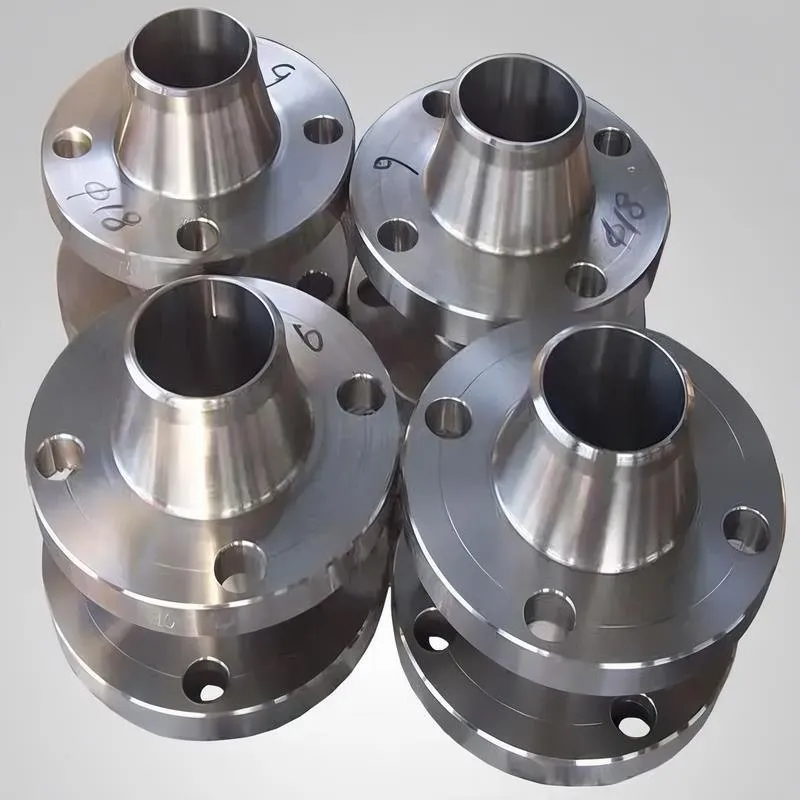
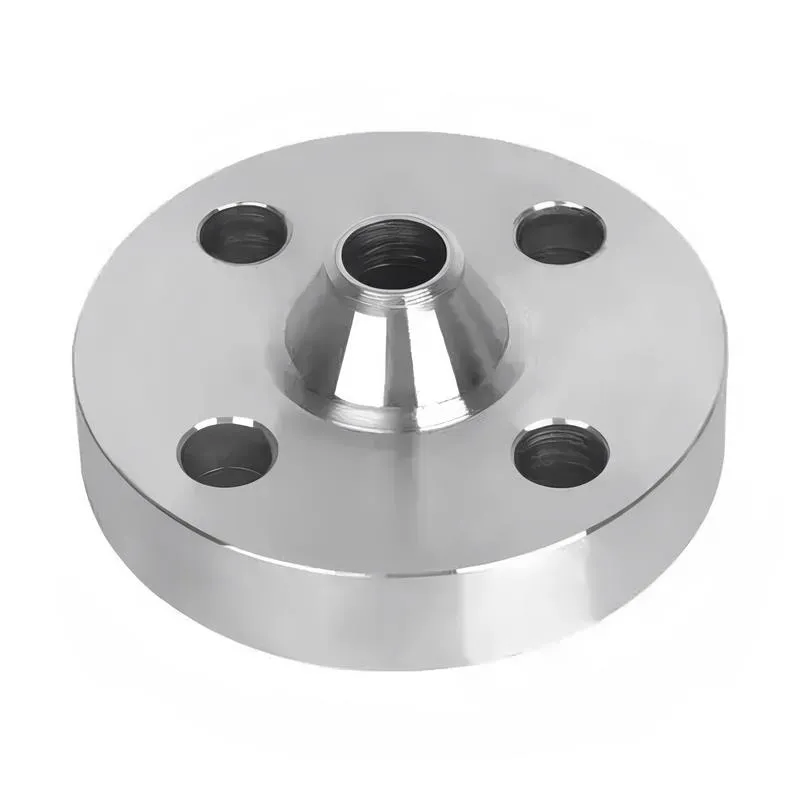
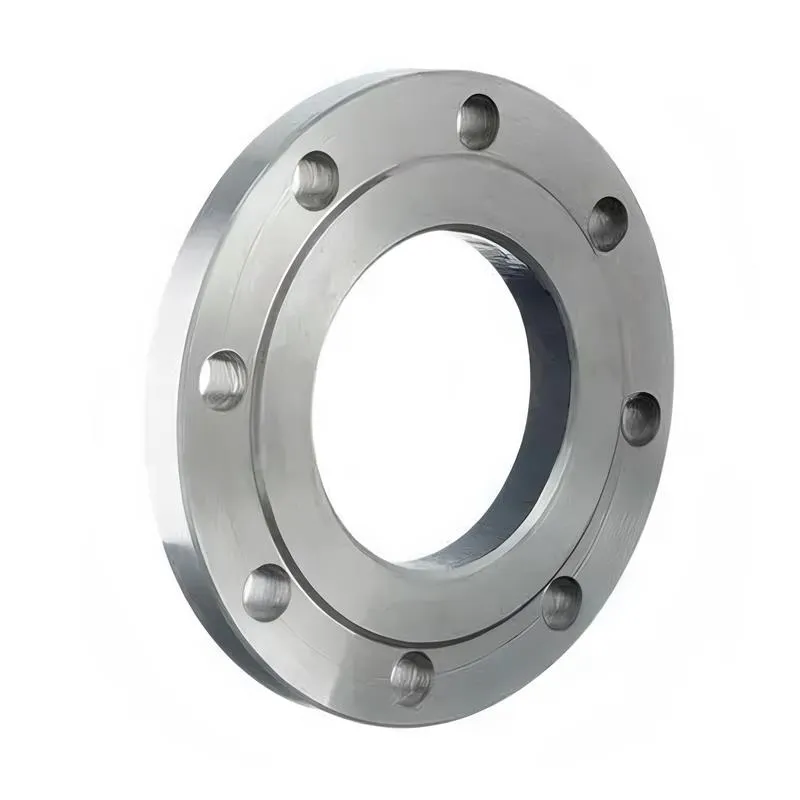
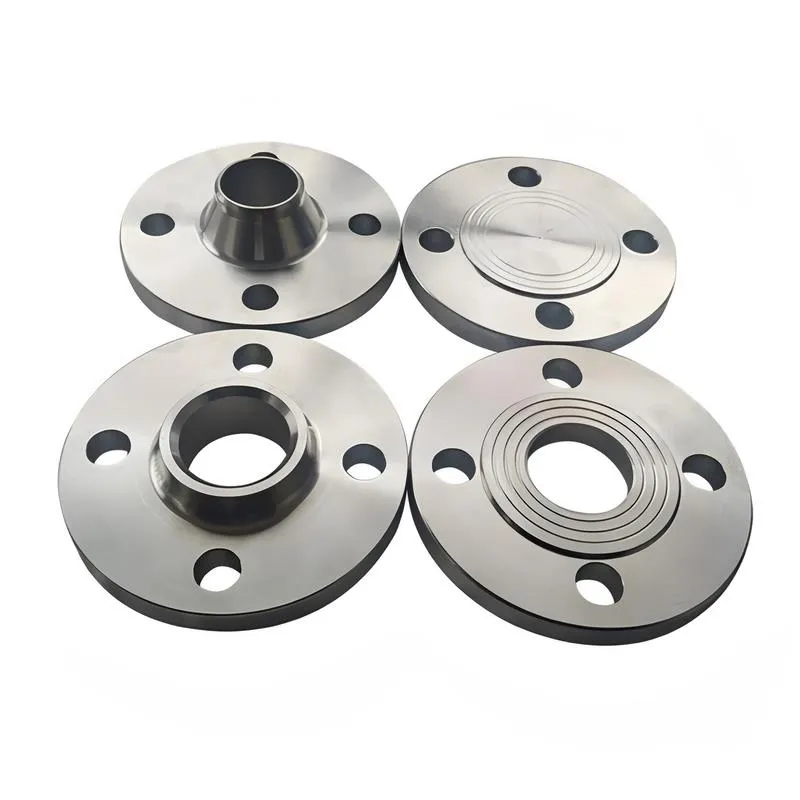
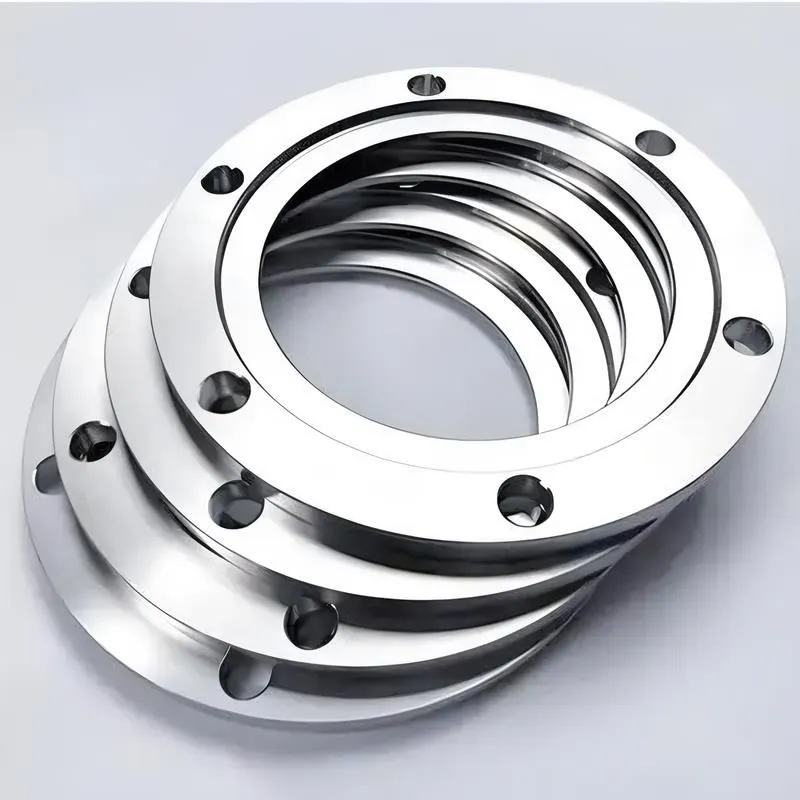
1,We Manufacturing processes are primarily classified into four types:
1:Forging,
2:Casting,
3:Cutting,
4:Rolling.
2,We can manufacture in accordance with these standards.
Standards:
GB Series (Chinese Standards), JB Series (Machinery Standards), HG Series (Chemical Industry Standards), ASME B16.5 (American Standards), BS4504 (British Standards), DIN (German Standards), and JIS (Japanese Standards).
Internationally, there are two primary systems of pipe flange standards: the European system, represented by the German DIN standards (including those of the former Soviet Union), and the American system, represented by the US ANSI pipe flange standards. Other common standards include: the Chinese Ministry of Machinery Industry standards (JB series), the Ministry of Chemical Industry standards (HG series), the Chinese National Standard *GB/T 9112–9124-2010 Steel Pipe Flanges*, as well as US standards (ASME B16.5), British standards (BS4504), German standards (DIN), Japanese standards (JIS), and marine standards (CBM), among others.
The nominal pressure ratings for the PN series are designated by "PN" and comprise the following nine levels: PN2.5, PN6, PN10, PN16, PN25, PN40, PN63, PN100, and PN160.
The nominal pressure ratings for the Class series are designated by "Class" and comprise the following six levels: Class150, Class300, Class600, Class900, Class1500, and Class2500.
Flange Classification
1. **According to Chemical Industry Standards:** Flanges are classified as follows:
Plate Flat Welding Flange (PL), Necked Flat Welding Flange (SO), Necked Butt Welding Flange (WN), Integral Flange (IF), Socket Welding Flange (SW), Threaded Flange (Th), Butt Welding Ring Loose Flange (PJ/SE), Blind Flange (BL), Flat Welding Ring Loose Flange (PJ/PJ), and Lined Blind Flange (BL(s)).
2. **According to Petrochemical (SH) Industry Standards:** Flanges are classified as follows:
Threaded Flange (PL), Butt Welding Flange (WN), Flat Welding Flange (SO), Socket Welding Flange (SW), Loose Flange (LJ), and Blind Flange (no specific designation).
3. **According to Machinery (JB) Industry Standards:** Flanges are classified as follows:
Integral Flange, Butt Welding Flange, Plate Flat Welding Flange, Butt Welding Ring Plate Loose Flange, Flat Welding Ring Plate Loose Flange, Lap Joint Ring Plate Loose Flange, and Blind Flange.
4. **According to Connection Method/Type:** Flanges are classified as follows:
Plate Flat Welding Flange, Necked Flat Welding Flange, Necked Butt Welding Flange, Socket Welding Flange, Threaded Flange, Blind Flange, Necked Butt Welding Ring Loose Flange, Flat Welding Ring Loose Flange, Ring-Type Joint (RTJ) Flange and Blind Flange, Large-Diameter Plate Flange, Large-Diameter High-Neck Flange, Figure-8 Blind Plate, Butt Welding Ring Loose Flange, etc.
5. **According to the Component Being Connected:** Flanges can be classified into Vessel Flanges and Pipe Flanges.
6. **According to Structural Type:** Flanges include Integral Flanges, Threaded Flanges, Flat Welding Flanges, Butt Welding Flanges, Lap Joint (Loose/Swivel) Flanges, and Blind Flanges.
A flange—also referred to as a flange plate or rim—is a component used to connect shafts to one another, or, more commonly, to join the ends of pipes. Flanges are also utilized at the inlet and outlet ports of equipment to facilitate connections between two devices—for instance, the flange on a speed reducer. A "flange connection" or "flanged joint" refers to a detachable joint assembly comprising three interconnected elements—a flange, a gasket, and bolts—that together form a sealed structural unit. In the context of piping systems, a "pipe flange" specifically denotes a flange used for plumbing within the installation; when applied to equipment, it refers to the inlet or outlet flange of that specific device. Flanges feature a series of holes through which bolts are inserted to securely fasten the two flanges together, while a gasket placed between the flanges ensures a leak-proof seal. Flanges are broadly categorized into three types: threaded (screw-in) flanges, welded flanges, and clamp-type flanges. Flanges are invariably used in pairs; threaded flanges are suitable for low-pressure piping applications, whereas welded flanges are required for systems operating at pressures exceeding 4 kilograms per square centimeter. A sealing gasket is inserted between the two flange plates, which are then firmly secured using bolts. The thickness of a flange—as well as the specifications of the bolts used to fasten it—vary depending on the specific pressure rating required for the application. When connecting equipment such as water pumps or valves to piping systems, the corresponding connection points on these devices are often manufactured in the shape of a matching flange; this method of attachment is also referred to as a "flange connection." Generally, any connecting component that utilizes bolts to join and seal the perimeters of two flat surfaces—such as the joints in ventilation ducts—is termed a "flange"; such components may collectively be classified as "flange-type parts." However, since such a connection often constitutes merely a *portion* of a larger device—for instance, the interface between a flange and a water pump—it would be inappropriate to classify the entire water pump itself as a "flange-type part." Conversely, smaller components—such as valves—that feature such flanged interfaces may indeed be appropriately categorized as "flange-type parts."
-:-
For detailed product information, please contact sales.
-:
Carpenter No. 610® High Carbon, High Chrome Tool Steel Flange (Air-Wear) (AISI D2) Product Information
-:-
For detailed product information, please contact sales.
-:
Carpenter No. 610® High Carbon, High Chrome Tool Steel Flange (Air-Wear) (AISI D2) Synonyms
-:-
For detailed product information, please contact sales.
-:
Carpenter No. 610® High Carbon, High Chrome Tool Steel (Air-Wear) (AISI D2) Product Information
-:-
For detailed product information, please contact sales.
-:
# **Carpenter No. 610® High Carbon, High Chrome Tool Steel (Air-Wear) (AISI D2)**
## **Premium Air-Hardening, High-Carbon, High-Chromium Tool Steel for Superior Wear Resistance**
---
### **Product Overview**
Carpenter No. 610® is a premium air-hardening, high-carbon, high-chromium cold work tool steel corresponding to the AISI D2 classification. Renowned as the industry benchmark for wear-resistant tool steels, this alloy delivers **exceptional abrasion resistance, high compressive strength, and excellent dimensional stability** through its optimized chemistry containing approximately 12% chromium and 1.5% molybdenum. Characterized by a high volume of hard chromium and vanadium carbides in its microstructure, No. 610 provides superior performance in long-run production tooling where wear resistance is paramount. Its air-hardening nature ensures minimal distortion during heat treatment, making it ideal for complex, precision tooling.
---
### **Key Advantages**
- **Exceptional Wear Resistance**: High volume of hard carbides provides outstanding abrasion resistance
- **Excellent Dimensional Stability**: Minimal distortion during air hardening for precision tooling
- **High Compressive Strength**: Superior load-bearing capacity under compression
- **Good Resistance to Tempering**: Maintains hardness at elevated operating temperatures
- **Deep Hardening Characteristics**: Through-hardens in air up to substantial sections
- **Good Machinability in Annealed State**: Better than many high-alloy tool steels
- **Excellent Surface Finish**: Capable of superior polishing for critical applications
- **Versatile Performance**: Suitable for a wide range of demanding tooling applications
---
### **Chemical Composition (%)**
| Element | Carbon (C) | Chromium (Cr) | Molybdenum (Mo) | Vanadium (V) | Silicon (Si) | Manganese (Mn) |
|---------|------------|---------------|-----------------|--------------|--------------|----------------|
| **Content** | 1.40-1.60 | 11.00-13.00 | 0.70-1.20 | 0.50-1.10 | 0.10-0.60 | 0.20-0.60 |
*Additional Elements:*
- Nickel (Ni): ≤0.30%
- Tungsten (W): ≤0.50%
- Copper (Cu): ≤0.25%
- Phosphorus (P): ≤0.030%
- Sulfur (S): ≤0.030%
*Note: The balanced chemistry promotes formation of hard M₇C₃ and MC-type carbides (chromium and vanadium carbides) for maximum wear resistance while maintaining good toughness.*
---
### **Physical & Mechanical Properties**
#### **Physical Properties**
- **Density**: 7.70 g/cm³ (0.278 lb/in³)
- **Melting Point**: 1370-1420°C (2500-2590°F)
- **Thermal Conductivity**: 20.5 W/m·K at 20°C
- **Coefficient of Thermal Expansion**: 10.2 × 10⁻⁶/°C (20-100°C)
- **Modulus of Elasticity**: 210 GPa (30.5 × 10⁶ psi)
- **Specific Heat**: 460 J/kg·K at 20°C
- **Electrical Resistivity**: 0.54 μΩ·m at 20°C
#### **Mechanical Properties**
**Annealed Condition (typical):**
- Hardness: 200-240 HB
- Ultimate Tensile Strength: 690-830 MPa (100-120 ksi)
- Yield Strength: 415-550 MPa (60-80 ksi)
- Elongation: 8-12%
- Reduction of Area: 25-35%
- Machinability Rating: 45% (relative to 1% carbon steel, 100%)
**Hardened and Tempered Condition:**
- **Typical Hardness Range**: **58-62 HRC** (optimal 59-61 HRC for most applications)
- Ultimate Tensile Strength: 1950-2200 MPa (283-319 ksi)
- Yield Strength: 1700-2000 MPa (247-290 ksi)
- Elongation: 2-4%
- Reduction of Area: 5-10%
- **Impact Toughness (Charpy V-notch)**: 10-18 J (7-13 ft-lb) at 60 HRC
- **Compressive Strength**: 2500-3000 MPa (363-435 ksi) (exceptional)
- Transverse Rupture Strength: 2900-3400 MPa (421-493 ksi)
- **Abrasion Resistance**: 2-3× better than A2 steel at equivalent hardness
**Hardenability Characteristics:**
- Fully hardenable in air up to 100mm (4 inches) diameter
- Surface hardness of 62-64 HRC achievable on hardening
- Through-hardness typically 1-3 HRC points lower than surface
- Dimensional change: typically +0.02% to +0.06% on hardening (excellent stability)
- Minimal distortion even in complex, asymmetrical shapes
#### **Heat Treatment Parameters**
1. **Annealing:**
- Temperature: 870-900°C (1600-1650°F)
- Cooling: Slow furnace cool to 540°C (1000°F) at 15°C (25°F)/hour, then air cool
- Resulting hardness: 200-240 HB
- *Critical: Very slow cooling through 760-700°C (1400-1290°F) to prevent carbide precipitation*
2. **Stress Relieving (after rough machining):**
- Temperature: 650-675°C (1200-1250°F) for 1-2 hours
- Air cool
3. **Preheating (ESSENTIAL):**
- First stage: 550-650°C (1025-1200°F)
- Second stage: 800-850°C (1475-1560°F)
- Soak time: 30-60 minutes per inch of thickness
4. **Austenitizing:**
- Temperature: 980-1020°C (1795-1870°F)
- Soak time: 30-60 minutes per inch of thickness
- *Critical: Avoid temperatures above 1040°C (1900°F) to prevent excessive grain growth and retained austenite*
5. **Quenching:**
- Medium: Still air or forced air (air hardening)
- Cooling rate: Approximately 10-20°C (18-36°F) per minute
- *For complex shapes: Use interrupted cooling at 400-500°C (750-930°F)*
- Cool to below 50°C (120°F) before tempering
6. **Tempering:**
- **Tempering required within 2-3 hours of quenching**
- Temperature range: 150-550°C (300-1020°F)
- **Double or triple tempering mandatory** for maximum dimensional stability
- Typical tempering response:
- 150°C (300°F): 62-64 HRC
- 200°C (390°F): 61-63 HRC
- 250°C (480°F): 60-62 HRC
- 300°C (570°F): 58-60 HRC
- 400°C (750°F): 56-58 HRC
- 500°C (930°F): 52-54 HRC
- Duration: 2 hours minimum per temper, 1-2 hours per inch of thickness
- Between tempers: Cool to room temperature
- *For maximum hardness and stability: Consider sub-zero treatment (-80°C / -110°F) after first temper*
---
### **International Standards & Cross-References**
| Standard System | Designation | Notes |
|----------------|-------------|-------|
| **Carpenter** | No. 610®, Air-Wear | Proprietary name for premium D2 steel |
| **AISI** | D2 | Standard high-carbon, high-chromium air-hardening steel |
| **UNS** | T30402 | Unified Numbering System |
| **ISO** | 1.2379 | High-carbon, high-chromium tool steel |
| **European (EN)** | X153CrMoV12 | Equivalent designation (1.2379) |
| **German (DIN)** | 1.2379 | Standard designation |
| **British (BS)** | BD2 | British specification |
| **Japanese (JIS)** | SKD11 | Equivalent high-Cr steel |
| **French (AFNOR)** | Z160CDV12 | French equivalent |
| **Swedish (SS)** | 2312 | Swedish standard |
| **Common Equivalents** | K110, Sverker 21, XW-42 | Commercial equivalents |
---
### **Typical Applications**
#### **1. Cutting and Blanking Tools**
- **Long-Run Blanking Dies**: For abrasive materials (stainless steel, silicon steel, composites)
- **Precision Shear Blades**: For fine blanking and shaving operations
- **Slitter Knives**: For metal coil processing and precision slitting
- **Punching Tools**: For high-volume hole punching in tough materials
- **Notching Tools**: For precision notching applications
- **Thread Rolling Dies**: For hard materials
#### **2. Forming and Stamping Tools**
- **Cold Forming Dies**: For high-strength materials
- **Stamping Dies**: For high-production automotive and appliance parts
- **Drawing Dies**: For deep drawing of stainless steels
- **Roll Forming Tools**: For continuous forming operations
- **Embossing and Coining Dies**: For precision surface patterning
#### **3. Wear Parts and Components**
- **Wear Plates and Liners**: For abrasive material handling systems
- **Guide Rails and Ways**: For precision machinery
- **Bushings and Bearings**: For low-speed, high-load applications
- **Gauges and Fixtures**: Master gauges and inspection tools requiring wear resistance
- **Machine Tool Components**: Slides, gibs, and wear surfaces
#### **4. Plastic and Rubber Processing**
- **Injection Mold Components**: Cavities and cores for abrasive filled plastics (glass, mineral)
- **Extrusion Dies**: For filled plastic compounds
- **Calender Rolls**: For rubber and plastic sheet production
- **Mold Inserts**: For high-wear areas in production molds
#### **5. Specialized Industrial Applications**
- **Paper Industry Tools**: Cutting blades for abrasive papers and boards
- **Textile Industry**: Cutting tools for synthetic fibers and composites
- **Food Processing**: Cutting blades for processing equipment
- **Printing Industry**: Cutting and creasing rules for high-volume production
---
### **Machining & Fabrication Guidelines**
#### **In Annealed Condition (200-240 HB)**
- **Machinability**: Fair (45% of 1% carbon steel)
- **Recommended Cutting Tools**: Carbide tools strongly recommended
- **Turning Speeds**: 35-55 SFM with carbide, 15-25 SFM with HSS
- **Milling Speeds**: 30-45 SFM with carbide
- **Drilling Speeds**: 15-25 SFM with carbide drills
- **Coolant**: Essential for extended tool life and chip control
- **Chip Characteristics**: Produces short, abrasive chips; use positive rake carbide tools
#### **Grinding and Finishing**
- **Hardened State Grinding**: Requires careful technique due to high hardness and abrasiveness
- **Wheel Selection**: Use aluminum oxide (32A-46H-V) or CBN wheels
- **Grinding Parameters**: Light passes (0.005-0.015mm / 0.0002-0.0006in) with ample coolant
- **Surface Finish**: Capable of achieving exceptional mirror finishes (0.1μm Ra or better)
- **Polishing**: Excellent response to diamond compound polishing
- **Electrical Discharge Machining (EDM)**: Suitable; requires post-EDM stress relief
---
### **Surface Treatment Compatibility**
#### **Recommended Treatments**
- **Nitriding**: Gas or plasma nitriding for extreme surface hardness (70-72 HRC)
- **Hard Chrome Plating**: For additional wear and corrosion resistance
- **Titanium Nitride (TiN) and TiCN Coatings**: PVD coatings for cutting applications
- **Black Oxide**: For corrosion resistance and appearance
- **Electroless Nickel**: For corrosion protection in specific applications
#### **Benefits of Surface Treatments**
- **Extended Tool Life**: 100-300% improvement with appropriate treatments
- **Enhanced Wear Resistance**: Surface hardness up to 72 HRC with nitriding
- **Corrosion Protection**: Improved resistance to rust and chemical attack
- **Reduced Friction**: Better material flow in forming applications
- **Anti-Galling Properties**: Reduced adhesion in metal-to-metal contact
---
### **Comparison with Similar Tool Steels**
| Property | No. 610 (D2) | A2 | D3 (Oil-Hard) | M2 (HSS) |
|----------|--------------|----|---------------|----------|
| **Wear Resistance** | Excellent | Very Good | Excellent | Very Good |
| **Toughness** | Fair | Good | Fair | Good |
| **Maximum Hardness (HRC)** | 62-64 | 62-64 | 64-66 | 64-66 |
| **Dimensional Stability** | Excellent | Excellent | Very Good | Good |
| **Machinability** | Fair | Good | Fair | Fair |
| **Distortion Control** | Excellent | Excellent | Good | Fair |
| **Primary Application** | High-wear tools | General tooling | High-wear, oil-hard | Cutting tools |
| **Heat Treatment** | Air-hardening | Air-hardening | Oil-hardening | Complex |
| **Cost Factor** | Medium-High | Medium | Medium | Medium |
---
### **Design and Manufacturing Considerations**
#### **Optimal Design Practices**
- **Generous Radii**: Minimum 1.5mm (0.060") on internal corners
- **Avoid Thin Sections**: Minimum 3mm (1/8") for through-hardening
- **Uniform Sections**: To ensure even hardening and minimize distortion
- **Stress Relief Features**: Proper reliefs and transitions
- **Symmetrical Designs**: To balance thermal stresses during air cooling
#### **Heat Treatment Best Practices**
1. **Thorough Preheating**: Critical due to high alloy content
2. **Controlled Austenitizing**: Avoid excessive temperatures and times
3. **Uniform Heating**: Ensure even temperature throughout the part
4. **Controlled Cooling**: Still air for simple shapes, forced air for uniformity
5. **Multiple Tempers**: Essential for maximum dimensional stability
6. **Consider Sub-Zero Treatment**: For applications requiring maximum hardness and stability
#### **Common Pitfalls to Avoid**
- Insufficient preheating (risk of thermal shock and cracking)
- Overheating during austenitizing (excessive retained austenite and grain growth)
- Inadequate tempering (insufficient transformation of retained austenite)
- Uneven cooling during quenching (causes distortion and residual stresses)
- Using contaminated atmosphere during heating (surface degradation)
---
### **Economic Justification**
#### **Cost-Benefit Analysis**
- **Extended Tool Life**: Superior wear resistance reduces tool change frequency
- **Higher Productivity**: Longer production runs between maintenance
- **Better Part Quality**: Consistent performance and dimensional accuracy
- **Reduced Downtime**: Fewer tool changes and sharpening operations
- **Versatile Application**: One material for multiple high-wear applications
**Typical ROI**: 3-12 months in high-volume production applications
#### **Total Cost Factors**
1. **Material Cost**: Higher than standard tool steels but cost-effective for wear applications
2. **Manufacturing Cost**: Higher machining costs than simpler steels
3. **Heat Treatment Cost**: Standard air hardening (moderate cost)
4. **Tool Performance**: Exceptional for wear applications
5. **Maintenance**: Requires proper grinding equipment and techniques
---
### **Industry-Specific Applications**
#### **Metal Stamping and Forming**
- **Progressive Dies**: For high-volume automotive and electronics stamping
- **Fine Blanking Tools**: For precision blanking applications
- **Draw Dies**: For deep drawing of stainless steels
- **Lamination Dies**: For electrical steel and transformer laminations
#### **Plastics and Rubber**
- **Injection Molds**: For glass-filled, mineral-filled, and abrasive plastics
- **Compression Molds**: For abrasive rubber compounds
- **Extrusion Tools**: For filled plastic compounds
- **Blow Mold Components**: For abrasive container materials
#### **Paper and Converting**
- **Rotary Die Cutting**: For high-volume packaging materials
- **Slitting Tools**: For paper, film, and foil processing
- **Creasing Rules**: For carton and box making
- **Perforating Tools**: For high-volume ticket and label production
#### **Precision Manufacturing**
- **Gauges and Fixtures**: For quality control in high-volume production
- **Machine Components**: For wear-resistant parts in precision equipment
- **Cutting Tools**: For specialized material processing
---
### **Technical Specifications & Quality Assurance**
#### **Quality Standards**
- **Micro-Cleanliness**: Meets or exceeds ASTM E45 requirements
- **Carbide Distribution**: Uniform, fine carbide structure
- **Decarburization**: Controlled to ≤0.25mm (0.010") per side
- **Hardness Uniformity**: Consistent through specified sections
- **Ultrasonic Testing**: Available for critical applications
#### **Available Forms**
- **Round Bars**: 10mm to 300mm diameter
- **Flat Bars and Plates**: Various thicknesses up to 250mm
- **Forgings**: Custom shapes and sizes
- **Blocks**: Up to 400mm thickness
- **Pre-finished Blanks**: Ground, stress-relieved, or rough machined
- **Sheets**: For thin gauge applications
#### **Certification**
- Mill test certificates with full chemical analysis
- Hardness and microstructure reports
- Microcleanliness ratings (ASTM E45)
- Traceability to heat and melt numbers
- Compliance with international standards (ISO, ASTM, etc.)
---
### **Safety and Environmental Considerations**
#### **Material Safety**
- Contains chromium - follow appropriate handling procedures
- Grinding dust requires proper ventilation and collection
- Material safety data sheets available
- Standard steel handling precautions apply
#### **Regulatory Compliance**
- ROHS compliant
- REACH registered
- Conforms to international environmental standards
- Suitable for food contact applications with proper surface treatment and certification
---
### **Conclusion**
Carpenter No. 610® (AISI D2) represents the gold standard in air-hardening, wear-resistant tool steels, offering an optimal balance of exceptional abrasion resistance, dimensional stability, and versatile performance. Its position as one of the most widely specified tool steels worldwide is testament to its reliable performance across countless industrial applications.
**Key Advantages Summary:**
1. **Exceptional Wear Resistance**: Superior abrasion resistance for long-run applications
2. **Excellent Dimensional Stability**: Minimal distortion for precision tooling
3. **High Compressive Strength**: Outstanding load-bearing capacity
4. **Versatile Performance**: Suitable for diverse demanding applications
5. **Proven Reliability**: Decades of proven performance in industry
For toolmakers and manufacturers requiring maximum wear resistance in precision tooling applications, No. 610 provides a reliable, proven solution that delivers consistent performance through extended production runs. While requiring careful heat treatment and machining practices, its performance advantages in wear-critical applications consistently justify its specification.
When the application demands a tool steel that can withstand severe abrasive wear, maintain dimensional accuracy through heat treatment, and provide reliable, predictable performance in demanding production environments, Carpenter No. 610 stands as the engineered solution backed by Carpenter's metallurgical expertise and quality assurance. Its status as an industry benchmark is well-earned through consistent performance and proven results across global manufacturing sectors.
---
*For specific application recommendations, heat treatment guidelines, or technical assistance, consult with Carpenter Technology's technical services team. Always refer to the latest technical data sheets for current specifications and processing recommendations.*
-:-
For detailed product information, please contact sales.
-:
Carpenter No. 610® High Carbon, High Chrome Tool Steel (Air-Wear) (AISI D2) Specification
Dimensions
Size:
Diameter 20-1000 mm Length <6940 mm
Size:We can customized as required
Standard:
Per your request or drawing
We can customized as required
Properties(Theoretical)
Chemical Composition
-:-
For detailed product information, please contact sales.
-:
Carpenter No. 610® High Carbon, High Chrome Tool Steel (Air-Wear) (AISI D2) Properties
-:-
For detailed product information, please contact sales.
-:
Applications of Carpenter No. 610® High Carbon, High Chrome Tool Steel Flange (Air-Wear) (AISI D2)
-:-
For detailed product information, please contact sales.
-:
Chemical Identifiers Carpenter No. 610® High Carbon, High Chrome Tool Steel Flange (Air-Wear) (AISI D2)
-:-
For detailed product information, please contact sales.
-:
Packing of Carpenter No. 610® High Carbon, High Chrome Tool Steel Flange (Air-Wear) (AISI D2)
-:-
For detailed product information, please contact sales.
-:
Standard Packing:
-:-
For detailed product information, please contact sales.
-:
Typical bulk packaging includes palletized plastic 5 gallon/25 kg. pails, fiber and Steel Flange drums to 1 ton super sacks in full container (FCL) or truck load (T/L) quantities. Research and sample quantities and hygroscopic, oxidizing or other air sensitive materials may be packaged under argon or vacuum. Solutions are packaged in polypropylene, plastic or glass jars up to palletized 3411 gallon liquid totes Special package is available on request. E FORUs’ is carefully handled to minimize damage during storage and transportation and to preserve the quality of our products in their original condition