1,We Manufacturing processes are primarily classified into four types:
1:Forging,
2:Casting,
3:Cutting,
4:Rolling.
2,We can manufacture in accordance with these standards.
Standards:
GB Series (Chinese Standards), JB Series (Machinery Standards), HG Series (Chemical Industry Standards), ASME B16.5 (American Standards), BS4504 (British Standards), DIN (German Standards), and JIS (Japanese Standards).
Internationally, there are two primary systems of pipe flange standards: the European system, represented by the German DIN standards (including those of the former Soviet Union), and the American system, represented by the US ANSI pipe flange standards. Other common standards include: the Chinese Ministry of Machinery Industry standards (JB series), the Ministry of Chemical Industry standards (HG series), the Chinese National Standard *GB/T 9112–9124-2010 Steel Pipe Flanges*, as well as US standards (ASME B16.5), British standards (BS4504), German standards (DIN), Japanese standards (JIS), and marine standards (CBM), among others.
The nominal pressure ratings for the PN series are designated by "PN" and comprise the following nine levels: PN2.5, PN6, PN10, PN16, PN25, PN40, PN63, PN100, and PN160.
The nominal pressure ratings for the Class series are designated by "Class" and comprise the following six levels: Class150, Class300, Class600, Class900, Class1500, and Class2500.
Flange Classification
1. **According to Chemical Industry Standards:** Flanges are classified as follows:
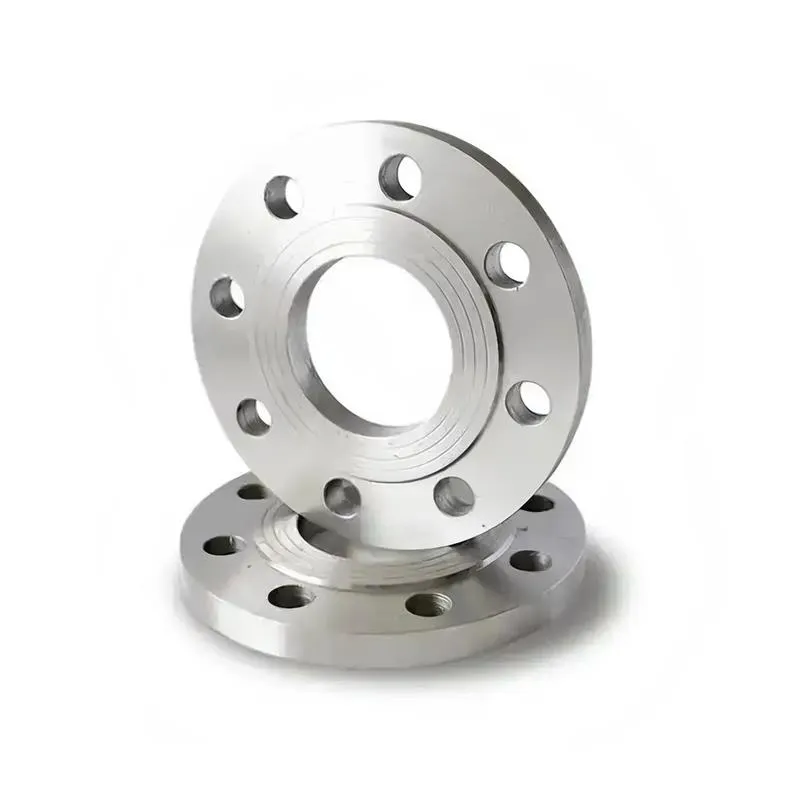
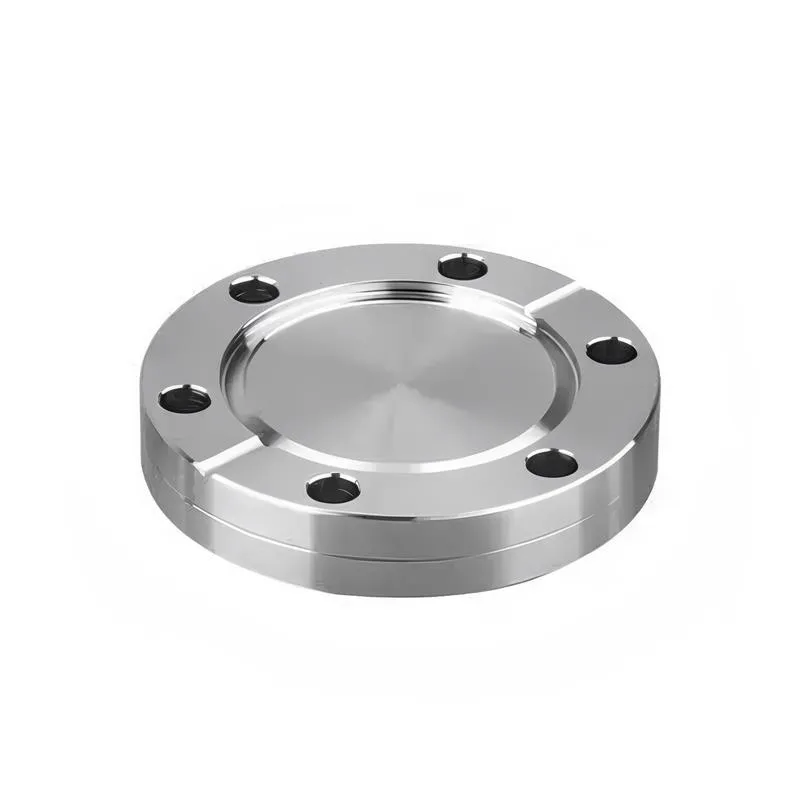
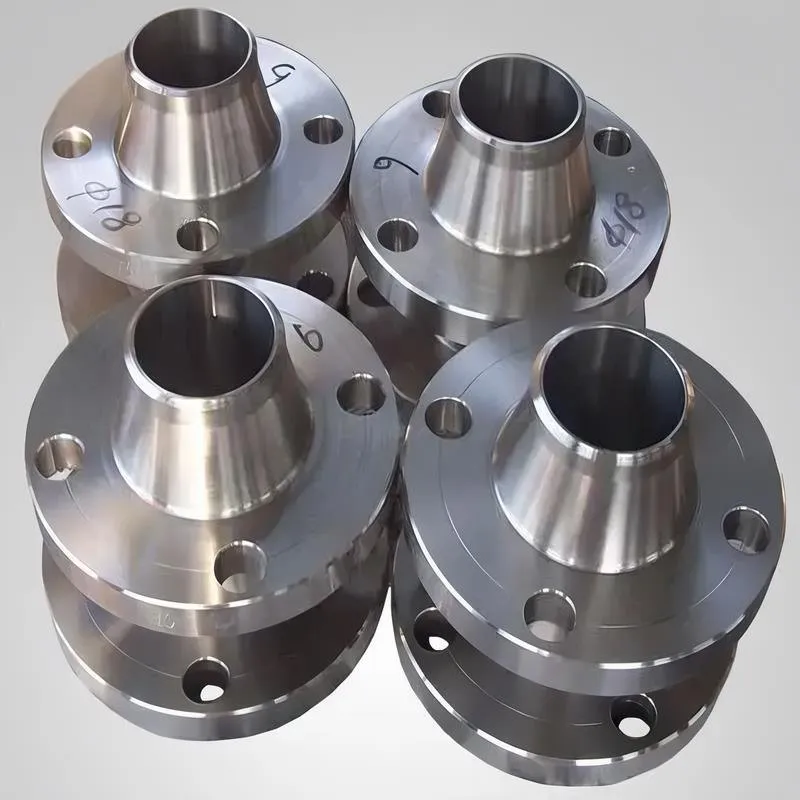
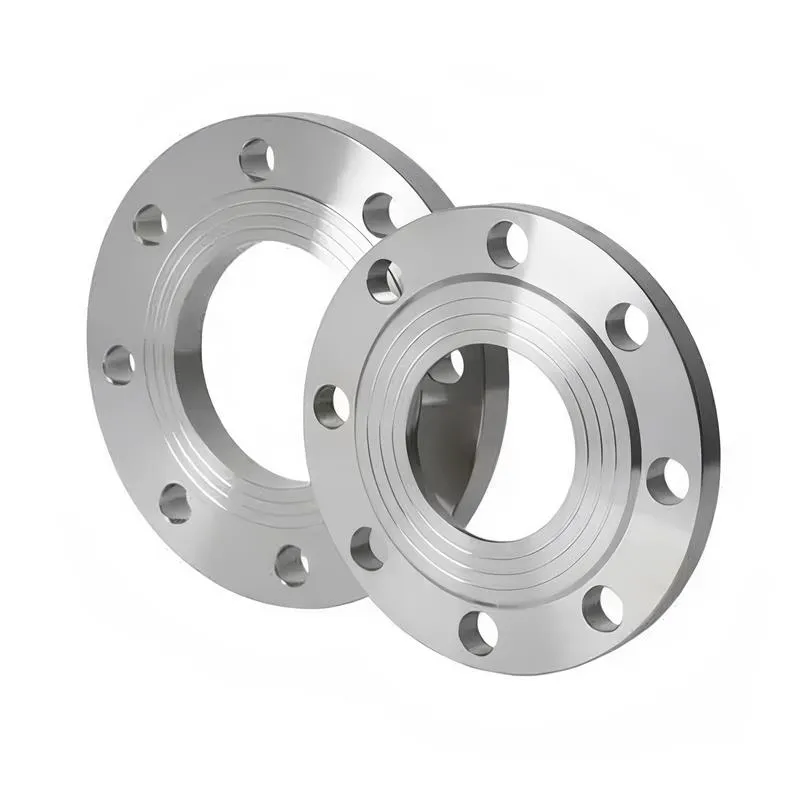
Plate Flat Welding Flange (PL), Necked Flat Welding Flange (SO), Necked Butt Welding Flange (WN), Integral Flange (IF), Socket Welding Flange (SW), Threaded Flange (Th), Butt Welding Ring Loose Flange (PJ/SE), Blind Flange (BL), Flat Welding Ring Loose Flange (PJ/PJ), and Lined Blind Flange (BL(s)).
2. **According to Petrochemical (SH) Industry Standards:** Flanges are classified as follows:
Threaded Flange (PL), Butt Welding Flange (WN), Flat Welding Flange (SO), Socket Welding Flange (SW), Loose Flange (LJ), and Blind Flange (no specific designation).
3. **According to Machinery (JB) Industry Standards:** Flanges are classified as follows:
Integral Flange, Butt Welding Flange, Plate Flat Welding Flange, Butt Welding Ring Plate Loose Flange, Flat Welding Ring Plate Loose Flange, Lap Joint Ring Plate Loose Flange, and Blind Flange.
4. **According to Connection Method/Type:** Flanges are classified as follows:
Plate Flat Welding Flange, Necked Flat Welding Flange, Necked Butt Welding Flange, Socket Welding Flange, Threaded Flange, Blind Flange, Necked Butt Welding Ring Loose Flange, Flat Welding Ring Loose Flange, Ring-Type Joint (RTJ) Flange and Blind Flange, Large-Diameter Plate Flange, Large-Diameter High-Neck Flange, Figure-8 Blind Plate, Butt Welding Ring Loose Flange, etc.
5. **According to the Component Being Connected:** Flanges can be classified into Vessel Flanges and Pipe Flanges.
6. **According to Structural Type:** Flanges include Integral Flanges, Threaded Flanges, Flat Welding Flanges, Butt Welding Flanges, Lap Joint (Loose/Swivel) Flanges, and Blind Flanges.
A flange—also referred to as a flange plate or rim—is a component used to connect shafts to one another, or, more commonly, to join the ends of pipes. Flanges are also utilized at the inlet and outlet ports of equipment to facilitate connections between two devices—for instance, the flange on a speed reducer. A "flange connection" or "flanged joint" refers to a detachable joint assembly comprising three interconnected elements—a flange, a gasket, and bolts—that together form a sealed structural unit. In the context of piping systems, a "pipe flange" specifically denotes a flange used for plumbing within the installation; when applied to equipment, it refers to the inlet or outlet flange of that specific device. Flanges feature a series of holes through which bolts are inserted to securely fasten the two flanges together, while a gasket placed between the flanges ensures a leak-proof seal. Flanges are broadly categorized into three types: threaded (screw-in) flanges, welded flanges, and clamp-type flanges. Flanges are invariably used in pairs; threaded flanges are suitable for low-pressure piping applications, whereas welded flanges are required for systems operating at pressures exceeding 4 kilograms per square centimeter. A sealing gasket is inserted between the two flange plates, which are then firmly secured using bolts. The thickness of a flange—as well as the specifications of the bolts used to fasten it—vary depending on the specific pressure rating required for the application. When connecting equipment such as water pumps or valves to piping systems, the corresponding connection points on these devices are often manufactured in the shape of a matching flange; this method of attachment is also referred to as a "flange connection." Generally, any connecting component that utilizes bolts to join and seal the perimeters of two flat surfaces—such as the joints in ventilation ducts—is termed a "flange"; such components may collectively be classified as "flange-type parts." However, since such a connection often constitutes merely a *portion* of a larger device—for instance, the interface between a flange and a water pump—it would be inappropriate to classify the entire water pump itself as a "flange-type part." Conversely, smaller components—such as valves—that feature such flanged interfaces may indeed be appropriately categorized as "flange-type parts."
-:-
For detailed product information, please contact sales.
-:
Latrobe LSS™ Chipper Knife Tool Steel Flange (ASTM A8 Mod.) Product Information
-:-
For detailed product information, please contact sales.
-:
Latrobe LSS™ Chipper Knife Tool Steel Flange (ASTM A8 Mod.) Synonyms
-:-
For detailed product information, please contact sales.
-:
Latrobe LSS™ Chipper Knife Tool Steel (ASTM A8 Mod.) Product Information
-:-
For detailed product information, please contact sales.
-:
# **Product Introduction: Latrobe LSS™ Chipper Knife Tool Steel (ASTM A8 Modified)**
**Latrobe LSS™ Chipper Knife Tool Steel** is a specialized, **air-hardening, medium-alloy tool steel** specifically formulated for the extreme demands of wood chipping, shredding, and size reduction applications. Based on a modified AISI A8 chemistry, this premium-grade material is engineered to deliver the optimal balance of **edge toughness, wear resistance, and impact absorption** required to withstand the abrasive, high-impact conditions of wood and biomass processing. Unlike general-purpose tool steels, this grade is precisely tuned to resist the unique combination of impact shock, abrasive wear, and occasional contaminants encountered in chipping operations.
The defining advantage of LSS™ Chipper Knife Steel lies in its **specialized alloy system that prioritizes edge integrity under cyclic impact loading**, while maintaining sufficient hardness to resist the abrasive wear from wood fibers, dirt, and silica. This focused performance profile ensures longer knife life, reduced downtime for changes and sharpening, and more consistent chip quality in industrial wood processing.
---
## **1. Chemical Composition**
Latrobe LSS™ Chipper Knife Steel features a modified A8-type composition optimized for wood cutting impact and abrasion:
| Element | Approximate Content (%) | Primary Function |
| :--- | :--- | :--- |
| Carbon (C) | 0.50 - 0.60 | Balances edge hardness with core toughness |
| Chromium (Cr) | 4.50 - 5.50 | Provides hardenability and moderate wear/corrosion resistance |
| Molybdenum (Mo)| 1.00 - 1.50 | Enhances toughness, hardenability, and tempering resistance |
| Vanadium (V) | 0.40 - 0.60 | Refines grain, improves wear resistance and toughness |
| Silicon (Si) | 0.80 - 1.20 | Increases strength and fatigue resistance |
| Manganese (Mn)| 0.40 - 0.70 | Aids hardenability |
| **Balance** | Iron (Fe) | |
*Note: This is a proprietary modification of ASTM A681 Grade A8 composition. Specific ratios are adjusted to maximize performance in chipper knife applications, particularly enhancing toughness and edge stability.*
---
## **2. Physical & Mechanical Properties**
### **Annealed Condition Properties:**
- **Hardness:** 190 - 230 HB (Brinell)
- **Machinability:** Good (approximately 50-55% of 1% carbon steel standard)
- **Microcleanliness:** Enhanced cleanliness for improved fatigue resistance
- **Forging Temperature Range:** 1050°C - 900°C (1920°F - 1650°F)
### **Heat Treatment Characteristics:**
- **Hardening Method:** Air hardening (standard) or oil quenching for maximum toughness
- **Austenitizing Temperature:** 955°C - 980°C (1750°F - 1800°F)
- **Preheating:** 650°C (1200°F) and 845°C (1550°F) recommended
- **Quenching:** Still air or forced air; oil for complex shapes or max toughness
- **Tempering Range:** 205°C - 540°C (400°F - 1000°F)
### **Hardened & Tempered Properties (Typical for Chipper Knives):**
- **Optimal Hardness Range:** **52 - 58 HRC** (Most commonly used at 54-56 HRC for ideal toughness/wear balance)
- **Charpy Impact Value (V-notch):** **40 - 70 J** (at 54-56 HRC) – Exceptionally high for this hardness level
- **Transverse Rupture Strength:** 3,400 - 4,000 MPa
- **Compressive Yield Strength:** 2,200 - 2,600 MPa
- **Endurance Limit:** ~1,000 MPa (for high-cycle fatigue from vibration/impact)
- **Key Characteristics for Chipper Service:**
- **High Impact Toughness:** Resists chipping and catastrophic breakage from knots, nails, or dirt.
- **Good Abrasive Wear Resistance:** Withstands constant abrasion from wood fibers and contaminants.
- **Resistance to Deformation:** Maintains edge geometry under high lateral pressure.
- **Uniform Hardness Profile:** Consistent properties through the knife cross-section.
- **Good Corrosion Resistance:** Moderate chromium content helps resist moisture in wood.
---
## **3. International Standards & Cross-Reference**
As a modified proprietary grade, it is benchmarked against relevant standards:
| Country/Region | Standard / Comparison | Designation / Similar Grade |
| :--- | :--- | :--- |
| **United States** | ASTM A681 (Modified) | Based on A8 type |
| **Proprietary Basis** | AISI | A8 Mod. |
| **Common Industry References** | – | Often compared to and exceeds performance of standard S7, A8, and L6 for chipper applications |
| **Europe** | DIN | Similar performance envelope to 1.2606 / 55NiCrMoV7 |
*Note: This is a Latrobe Specialty Steel proprietary grade. "ASTM A8 Mod." indicates its foundational chemistry aligns with the A8 class but is specifically modified for superior chipper knife performance.*
---
## **4. Product Applications**
### **Primary Wood & Biomass Processing:**
- **Disc and Drum Chipper Knives:** For pulpwood, sawmill residue, and whole-tree chipping.
- **Knives for Horizontal and Vertical Feed Chippers:** In forestry, landscaping, and recycling.
- **Flail Knives and Hammers:** In shredders and hammer mills for wood waste.
- **Knives for Knife Rings and Refiners:** In pulp and paper processing.
- **Mulcher Teeth and Cutting Tools:** For forestry mowers and brush cutters.
### **Specialized Size Reduction:**
- **Knives for Pallet and C&D (Construction & Demolition) Wood Grinders:** Where contamination risk is high.
- **Biomass Pre-processing Knives:** For fuel chip production.
- **Knives for Composite & Panel Waste Recycling.**
### **Performance Advantages in Service:**
- **Extended Edge Life:** Longer intervals between sharpening compared to standard steels.
- **Reduced Catastrophic Failure:** Lower risk of knife breakage from hidden contaminants.
- **Consistent Chip Quality:** Maintains sharp edge for cleaner cuts and uniform chip size.
- **Improved Grindability:** Easier and faster sharpening, reducing maintenance downtime.
---
## **5. Processing & Fabrication Guidelines**
### **Machining (Annealed State):**
- **Turning/Milling Speed:** 25-35 m/min (80-115 ft/min) with carbide tools.
- **Feed Rate:** Moderate; good chip control.
- **Key Consideration:** Drilling and tapping should be performed in the annealed state before hardening.
### **Optimal Heat Treatment for Chipper Knives:**
1. **Preheating:** Essential. Heat slowly to 650°C (1200°F), hold, then to 845°C (1550°F).
2. **Austenitizing:** 970°C (1775°F) for 20-30 minutes per inch of thickest section.
3. **Quenching:** Air cool in still or forced air. For very large or complex knives, oil quenching can be used (consult specific guidelines).
4. **Tempering:** **CRITICAL.** Double tempering is mandatory.
* First Temper: Immediately after knife reaches hand-warm. 425°C - 480°C (800°F - 900°F) for 2 hours, air cool to room temperature.
* Second Temper: 400°C - 450°C (750°F - 840°F) for 2 hours. Target final hardness of **54-56 HRC**.
### **Grinding & Sharpening:**
- **Wheel Selection:** Aluminum oxide (A/O) or ceramic (SG) wheels, medium grade.
- **Coolant:** Use ample coolant to avoid "burning" the edge (overheating causes softening or micro-cracks).
- **Technique:** Use lighter passes to minimize heat input. The steel is grindable but requires proper technique.
### **Welding (for Repair or Fabrication):**
- **Preheat:** 300°C - 400°C (570°F - 750°F).
- **Filler Metal:** Use a matching or high-toughness tool steel electrode (consult manufacturer).
- **Post-Weld Heat Treatment:** Must be retempered immediately after welding to restore toughness in the heat-affected zone.
---
## **6. Performance Comparison for Chipper Applications**
### **vs. Standard A8 or S7 Steel:**
- **LSS™ Chipper Knife Steel:** Higher optimized toughness at operating hardness, better balance for impact/abrasion.
- **A8/S7:** May be lower cost but often requires lower hardness (sacrificing wear life) to achieve similar impact resistance.
### **vs. High-Wear Steels (e.g., D2):**
- **LSS™ Chipper Knife Steel:** Far superior toughness (3-5x higher impact strength), much lower risk of breaking.
- **D2:** Higher wear resistance but too brittle for high-impact chipping; prone to chipping and catastrophic failure.
### **vs. Low-Alloy Steels:**
- **LSS™ Chipper Knife Steel:** Significantly longer edge life, holds hardness better, more resistant to deformation.
- **Low-Alloy Steels:** Require more frequent sharpening, lose edge quickly, may bend under load.
---
## **7. Knife Design & Service Recommendations**
### **Optimal Geometry:**
- **Edge Angle:** 30° - 40° included angle is typical, depending on wood species and machine type.
- **Clearance Angle:** Adequate clearance to prevent rubbing and heat buildup.
### **Operating Best Practices:**
- **Balancing:** Knife sets must be precisely balanced and installed with equal projection.
- **Sharpening:** Sharpen before excessive wear or damage occurs. A dull knife requires more force, increasing stress and risk of failure.
- **Inspection:** Regularly inspect for nicks, cracks, or wear patterns indicating misalignment or contamination.
### **Expected Service Life Indicators:**
- **Sharpening Interval:** Varies greatly with wood type, contamination, and machine parameters. This steel is designed to maximize this interval.
- **End of Life:** Typically due to wear reducing knife width beyond usable limit, not catastrophic failure.
---
**Technical Summary:** **Latrobe LSS™ Chipper Knife Tool Steel** is a purpose-engineered material that solves the core challenge in wood chipping: achieving **enough hardness to stay sharp against abrasion, while possessing enough toughness to survive relentless impact and occasional shocks.** By modifying the proven A8 alloy base, Latrobe delivers a grade that offers superior performance, reliability, and total cost-effectiveness for professional wood processing operations compared to adapted general-purpose tool steels.
**Disclaimer:** The information provided is for reference. Knife performance depends on correct heat treatment, proper machine operation, maintenance, and raw material conditions. Always consult Latrobe's official technical data sheets and work with experienced heat treaters and knife fabricators for optimal results. Safety is paramount when working with or around industrial chipping equipment.
-:-
For detailed product information, please contact sales.
-:
Latrobe LSS™ Chipper Knife Tool Steel (ASTM A8 Mod.) Specification
Dimensions
Size:
Diameter 20-1000 mm Length <7206 mm
Size:We can customized as required
Standard:
Per your request or drawing
We can customized as required
Properties(Theoretical)
Chemical Composition
-:-
For detailed product information, please contact sales.
-:
Latrobe LSS™ Chipper Knife Tool Steel (ASTM A8 Mod.) Properties
-:-
For detailed product information, please contact sales.
-:
Applications of Latrobe LSS™ Chipper Knife Tool Steel Flange (ASTM A8 Mod.)
-:-
For detailed product information, please contact sales.
-:
Chemical Identifiers Latrobe LSS™ Chipper Knife Tool Steel Flange (ASTM A8 Mod.)
-:-
For detailed product information, please contact sales.
-:
Packing of Latrobe LSS™ Chipper Knife Tool Steel Flange (ASTM A8 Mod.)
-:-
For detailed product information, please contact sales.
-:
Standard Packing:
-:-
For detailed product information, please contact sales.
-:
Typical bulk packaging includes palletized plastic 5 gallon/25 kg. pails, fiber and Steel Flange drums to 1 ton super sacks in full container (FCL) or truck load (T/L) quantities. Research and sample quantities and hygroscopic, oxidizing or other air sensitive materials may be packaged under argon or vacuum. Solutions are packaged in polypropylene, plastic or glass jars up to palletized 3677 gallon liquid totes Special package is available on request. E FORUs’ is carefully handled to minimize damage during storage and transportation and to preserve the quality of our products in their original condition