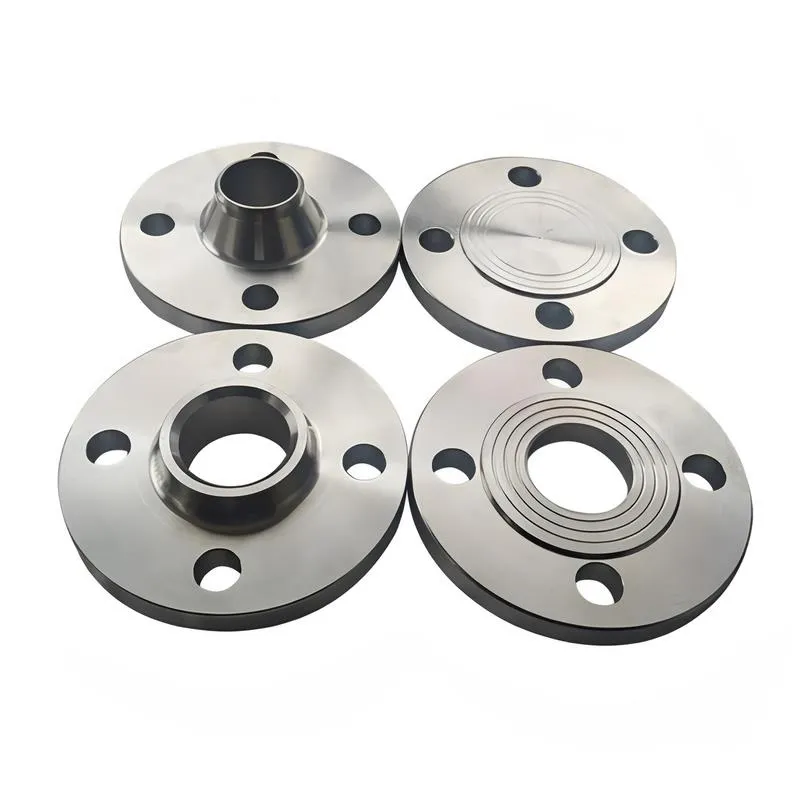
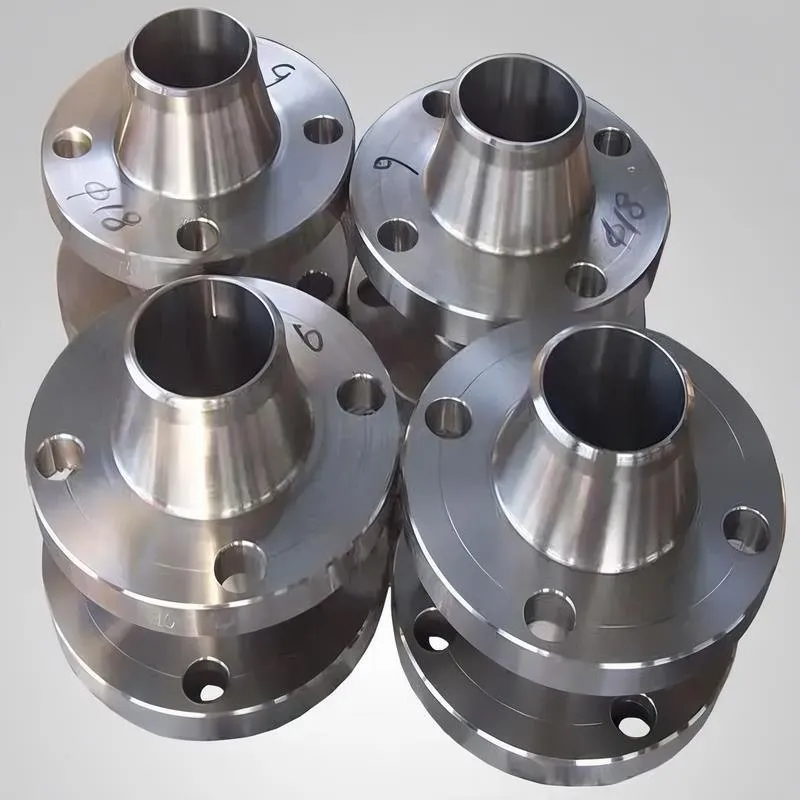
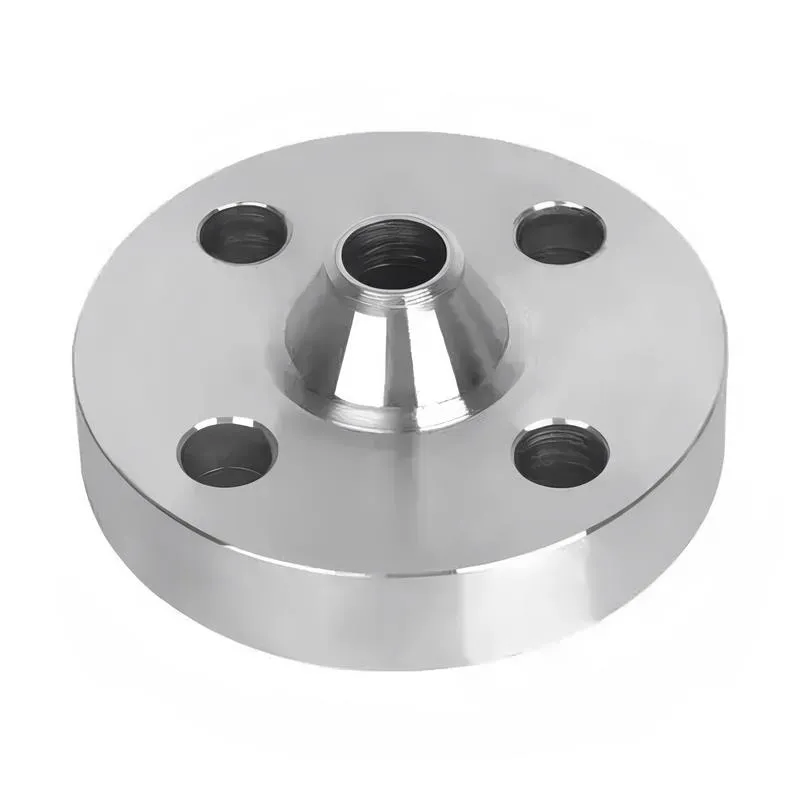
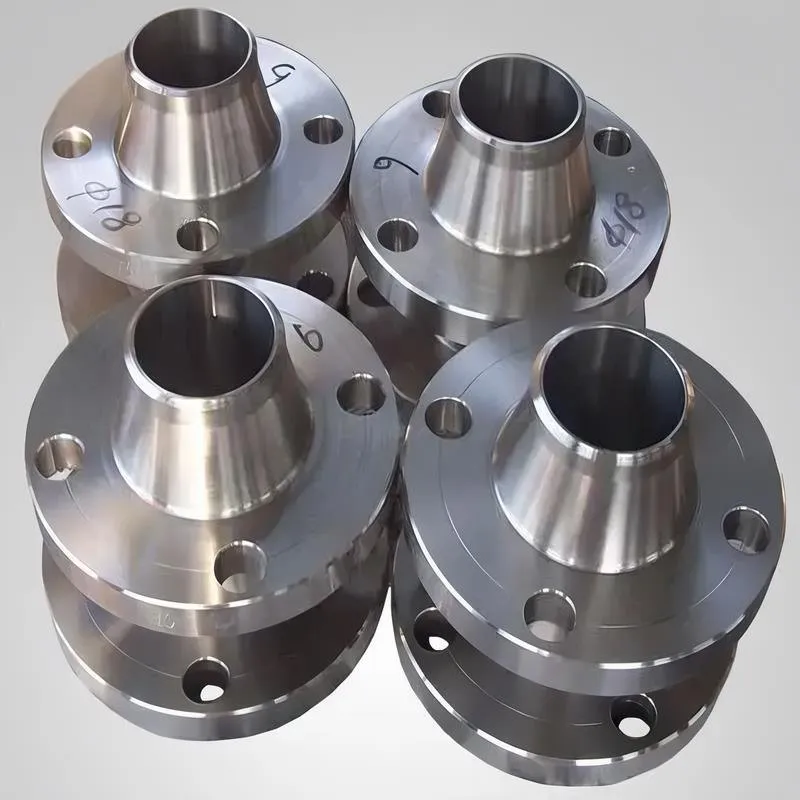
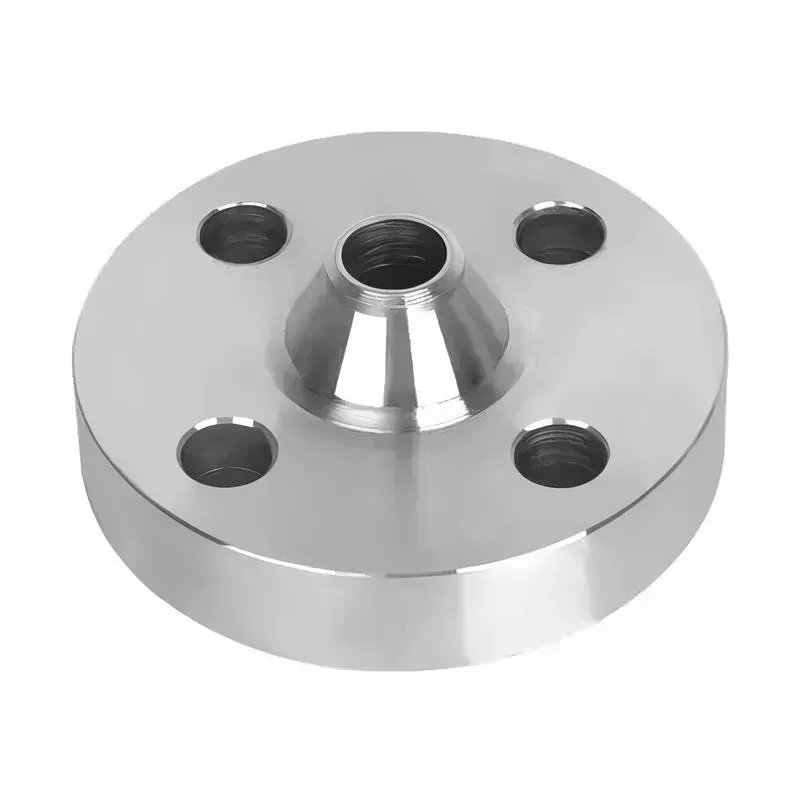
1,We Manufacturing processes are primarily classified into four types:
1:Forging,
2:Casting,
3:Cutting,
4:Rolling.
2,We can manufacture in accordance with these standards.
Standards:
GB Series (Chinese Standards), JB Series (Machinery Standards), HG Series (Chemical Industry Standards), ASME B16.5 (American Standards), BS4504 (British Standards), DIN (German Standards), and JIS (Japanese Standards).
Internationally, there are two primary systems of pipe flange standards: the European system, represented by the German DIN standards (including those of the former Soviet Union), and the American system, represented by the US ANSI pipe flange standards. Other common standards include: the Chinese Ministry of Machinery Industry standards (JB series), the Ministry of Chemical Industry standards (HG series), the Chinese National Standard *GB/T 9112–9124-2010 Steel Pipe Flanges*, as well as US standards (ASME B16.5), British standards (BS4504), German standards (DIN), Japanese standards (JIS), and marine standards (CBM), among others.
The nominal pressure ratings for the PN series are designated by "PN" and comprise the following nine levels: PN2.5, PN6, PN10, PN16, PN25, PN40, PN63, PN100, and PN160.
The nominal pressure ratings for the Class series are designated by "Class" and comprise the following six levels: Class150, Class300, Class600, Class900, Class1500, and Class2500.
Flange Classification
1. **According to Chemical Industry Standards:** Flanges are classified as follows:
Plate Flat Welding Flange (PL), Necked Flat Welding Flange (SO), Necked Butt Welding Flange (WN), Integral Flange (IF), Socket Welding Flange (SW), Threaded Flange (Th), Butt Welding Ring Loose Flange (PJ/SE), Blind Flange (BL), Flat Welding Ring Loose Flange (PJ/PJ), and Lined Blind Flange (BL(s)).
2. **According to Petrochemical (SH) Industry Standards:** Flanges are classified as follows:
Threaded Flange (PL), Butt Welding Flange (WN), Flat Welding Flange (SO), Socket Welding Flange (SW), Loose Flange (LJ), and Blind Flange (no specific designation).
3. **According to Machinery (JB) Industry Standards:** Flanges are classified as follows:
Integral Flange, Butt Welding Flange, Plate Flat Welding Flange, Butt Welding Ring Plate Loose Flange, Flat Welding Ring Plate Loose Flange, Lap Joint Ring Plate Loose Flange, and Blind Flange.
4. **According to Connection Method/Type:** Flanges are classified as follows:
Plate Flat Welding Flange, Necked Flat Welding Flange, Necked Butt Welding Flange, Socket Welding Flange, Threaded Flange, Blind Flange, Necked Butt Welding Ring Loose Flange, Flat Welding Ring Loose Flange, Ring-Type Joint (RTJ) Flange and Blind Flange, Large-Diameter Plate Flange, Large-Diameter High-Neck Flange, Figure-8 Blind Plate, Butt Welding Ring Loose Flange, etc.
5. **According to the Component Being Connected:** Flanges can be classified into Vessel Flanges and Pipe Flanges.
6. **According to Structural Type:** Flanges include Integral Flanges, Threaded Flanges, Flat Welding Flanges, Butt Welding Flanges, Lap Joint (Loose/Swivel) Flanges, and Blind Flanges.
A flange—also referred to as a flange plate or rim—is a component used to connect shafts to one another, or, more commonly, to join the ends of pipes. Flanges are also utilized at the inlet and outlet ports of equipment to facilitate connections between two devices—for instance, the flange on a speed reducer. A "flange connection" or "flanged joint" refers to a detachable joint assembly comprising three interconnected elements—a flange, a gasket, and bolts—that together form a sealed structural unit. In the context of piping systems, a "pipe flange" specifically denotes a flange used for plumbing within the installation; when applied to equipment, it refers to the inlet or outlet flange of that specific device. Flanges feature a series of holes through which bolts are inserted to securely fasten the two flanges together, while a gasket placed between the flanges ensures a leak-proof seal. Flanges are broadly categorized into three types: threaded (screw-in) flanges, welded flanges, and clamp-type flanges. Flanges are invariably used in pairs; threaded flanges are suitable for low-pressure piping applications, whereas welded flanges are required for systems operating at pressures exceeding 4 kilograms per square centimeter. A sealing gasket is inserted between the two flange plates, which are then firmly secured using bolts. The thickness of a flange—as well as the specifications of the bolts used to fasten it—vary depending on the specific pressure rating required for the application. When connecting equipment such as water pumps or valves to piping systems, the corresponding connection points on these devices are often manufactured in the shape of a matching flange; this method of attachment is also referred to as a "flange connection." Generally, any connecting component that utilizes bolts to join and seal the perimeters of two flat surfaces—such as the joints in ventilation ducts—is termed a "flange"; such components may collectively be classified as "flange-type parts." However, since such a connection often constitutes merely a *portion* of a larger device—for instance, the interface between a flange and a water pump—it would be inappropriate to classify the entire water pump itself as a "flange-type part." Conversely, smaller components—such as valves—that feature such flanged interfaces may indeed be appropriately categorized as "flange-type parts."
-:-
For detailed product information, please contact sales.
-:
Class II Type D 20% Cr-Mo-LC Martensitic White Cast Iron Flange Product Information
-:-
For detailed product information, please contact sales.
-:
Class II Type D 20% Cr-Mo-LC Martensitic White Cast Iron Flange Synonyms
-:-
For detailed product information, please contact sales.
-:
Class II Type D 20% Cr-Mo-LC Martensitic White Cast Iron Product Information
-:-
For detailed product information, please contact sales.
-:
## **Product Introduction: Class II Type D 20% Cr-Mo-LC Martensitic White Cast Iron**
Class II Type D 20% Cr-Mo-LC Martensitic White Cast Iron is a premium, highly alloyed abrasion-resistant material that represents the upper echelon of the ASTM A532 Class II family. Characterized by a high chromium content of approximately 20% and a low carbon ("LC") composition, this alloy is engineered to deliver an exceptional combination of wear resistance, corrosion/oxidation resistance, and improved toughness compared to standard high-carbon white irons. The elevated chromium level promotes the formation of a very high volume of hard carbides while also imparting superior resistance to chemical attack and high-temperature scaling. The deliberate reduction in carbon content refines the carbide structure, enhancing the material's ability to withstand impact and thermal shock. This makes it the material of choice for the most severe service environments where abrasion, corrosion, and moderate impact converge.
This grade bridges the gap between conventional high-chromium white irons and highly corrosion-resistant alloys, offering a balanced solution for extreme multi-mechanism wear applications.
---
### **1. Chemical Composition**
The composition is precisely balanced to maximize chromium's benefits while controlling carbide morphology through lower carbon and sufficient molybdenum for hardenability.
**Typical Composition Range (ASTM A532 Class II Type D):**
| Element | Content (%) | Primary Function |
| :--- | :--- | :--- |
| **Chromium (Cr)** | **18.0 - 23.0** | **Core alloying element.** Provides a very high volume of hard (Cr,Fe)₇C₃ and (Cr,Fe)₂₃C₆ carbides for abrasion resistance. Imparts outstanding resistance to oxidation, corrosion (including by acids and alkalis), and sulfidation at elevated temperatures. |
| **Molybdenum (Mo)** | **1.0 - 2.0** | **Hardenability agent.** Essential for achieving a fully martensitic matrix upon air quenching by countering the strong austenite-stabilizing effect of high chromium. Prevents pearlite formation. |
| **Carbon (C)** | **2.0 - 2.6** | **Controlled carbide former (Low Carbon).** The "LC" specification limits the volume and coarseness of chromium carbides, preventing the formation of a brittle, continuous carbide network. This significantly improves toughness and resistance to spalling. |
| **Manganese (Mn)** | 0.5 - 1.5 | Aids in deoxidation and provides moderate hardenability. |
| **Silicon (Si)** | 0.5 - 1.5 | Deoxidizer; controlled to prevent graphite formation. |
| **Nickel (Ni)** | **0 - 1.5** (Optional but common) | Frequently added (up to 1.5%) to further enhance hardenability, improve impact toughness, and stabilize the microstructure, particularly in heavy sections. |
| **Copper (Cu)** | 0 - 1.2 (Optional) | May be used to supplement hardenability and improve atmospheric corrosion resistance. |
| **Iron (Fe)** | Balance | Base metal. |
**Microstructural Note:** After a carefully controlled heat treatment (destabilization between 1000-1100°C followed by rapid air or oil quenching), the target microstructure is a **martensitic matrix** with a **high volume fraction (25-35%) of finely dispersed, blocky (Cr,Fe)₇C₃ carbides**. The high Cr/C ratio favors the formation of harder M₇C₃ over M₃C carbides. The matrix is martensitic, not retained austenite, ensuring high hardness and dimensional stability.
---
### **2. Physical & Mechanical Properties**
This alloy offers a premium property profile, combining very high wear resistance with respectable toughness for its class.
| Property | Typical Value / Description |
| :--- | :--- |
| **Microstructure (Heat-Treated)** | **Martensitic matrix with a fine dispersion of M₇C₃ carbides.** |
| **Density** | ~7.5 - 7.6 g/cm³ |
| **Macrohardness** | **600 - 700 HB** (58 - 63 HRC) – Very high hardness is maintained due to the martensitic matrix and fine carbides. |
| **Compressive Strength** | **Extremely High** – Capable of withstanding extreme crushing loads. |
| **Tensile Strength** | Low to Moderate (350 - 550 MPa) – Not a design criterion. |
| **Elongation** | **Negligible (< 0.5%)** – Brittle material. |
| **Fracture Toughness (K_IC)** | **Good for a high-Cr white iron (~18-28 MPa√m).** Significantly better than high-carbon (HC) grades of similar hardness due to the refined carbide structure. |
| **Impact Resistance (Charpy Unnotched)** | **12 - 25 J** – Adequate for many high-wear applications involving intermittent impact. |
| **Abrasion Resistance** | **Outstanding.** The high volume of hard chromium carbides provides exceptional resistance to gouging and grinding abrasion. Performance is sustained in corrosive environments where other materials may degrade. |
| **Corrosion & Oxidation Resistance** | **Excellent.** The 20% Cr content provides resistance comparable to many stainless steels, making it highly suitable for wet, acidic, alkaline, or high-temperature oxidizing conditions (up to ~950°C/1740°F). |
| **Thermal Shock Resistance** | **Good.** The refined microstructure and lower carbon content reduce susceptibility to cracking from rapid temperature changes compared to HC grades. |
| **Machinability** | **Extremely Poor.** Can only be finished by grinding. |
---
### **3. Key Product Advantages & Characteristics**
* **Superior Multi-Environment Resistance:** Uniquely combines top-tier abrasion resistance with excellent corrosion and oxidation resistance.
* **Optimized Toughness for High-Hardness Material:** The low-carbon approach provides the best possible fracture toughness in a 20% Cr white iron, reducing the risk of catastrophic failure.
* **High Temperature Capability:** Maintains hardness and resists scaling at elevated temperatures, suitable for hot processing applications.
* **Resistance to Corrosive Abrasion:** Excels in applications where the wear medium is also corrosive (e.g., acidic slurries, hot ashes).
---
### **4. Product Applications**
This premium material is specified for critical components in industries where wear and corrosion act synergistically.
* **Mining & Mineral Processing:** **Slurry pump components** (impellers, casings, liners) for highly abrasive and corrosive slurries (e.g., in copper, nickel, or gold processing with cyanide or acid), **hydrocyclone** liners, thickener rake blades.
* **Power Generation:** **Flue Gas Desulfurization (FGD) system components** (pump parts, agitators, mist eliminators), **biomass/waste-to-energy plant** grate bars and ash handling parts exposed to high heat and corrosive combustion products.
* **Cement Industry:** Pre-heater cyclones, cooler grates, and fans handling hot, abrasive, and alkaline dust.
* **Chemical & Petrochemical:** Mixer blades, valve components, and chutes handling abrasive and corrosive solid catalysts or by-products.
* **Pulp & Paper:** Deflaker plates, fan blades, and cyclones in chemical recovery processes.
---
### **5. International Standards**
Class II Type D is a distinct and less common grade under ASTM A532, but it is well-defined.
| Standard | Title / Scope | Common Designations / Notes |
| :--- | :--- | :--- |
| **ASTM A532/A532M** | *Standard Specification for Abrasion-Resistant Cast Irons* | **Class II Type D** is the defining standard. It is crucial to distinguish it from Class III types (e.g., 15% Cr, 3% Mo) which have different Cr/Mo balances and are more common. |
| **ISO 21988** | *Abrasion-resistant cast irons* | Can be cross-referenced, though a direct 20% Cr-LC equivalent may not be explicitly named in all national adoptions. |
| **Proprietary/Allied Specifications** | Often known as **"Super Corrosion-Resistant White Iron"** or **"High-Chromium-Low-Carbon White Iron."** | Many foundries produce proprietary alloys within this composition space for specific OEM applications, particularly in pumps and FGD systems. |
| **DIN EN 12513** | *Founding - Abrasion resistant cast irons* (European) | A grade like **G-X 250 CrMo 20 2** could be considered analogous, indicating low carbon (~2.5% C), 20% Cr, and 2% Mo. |
**Specification Note:** Procurement requires clear specification of **"ASTM A532, Class II Type D."** Given its application in corrosive and critical service, supplementary requirements are stringent:
* **Full Chemical Certification:** Mandatory verification of all alloying elements, especially Cr and C.
* **Minimum Hardness & Toughness:** Often both a minimum hardness (e.g., 600 HB) and a minimum Charpy impact value are specified.
* **Corrosion Test Requirements:** For critical applications, specific corrosion resistance tests (e.g., weight loss in a specified acidic slurry) may be required.
* **Rigorous NDT:** Extensive non-destructive testing (radiography, ultrasonic) to ensure internal soundness is common.
---
### **Conclusion**
Class II Type D 20% Cr-Mo-LC Martensitic White Cast Iron is a **highly specialized, premium engineering alloy** designed for the intersection of extreme abrasion and aggressive corrosion. Its **high-chromium, low-carbon chemistry** crafts a microstructure that delivers **exceptional wear resistance** while providing a **level of environmental durability typically found in stainless alloys**. This makes it an economically and technically compelling choice for the most challenging applications in mineral processing, power generation FGD systems, and chemical handling, where component failure leads to significant production loss and environmental risk. While it commands a higher cost, its extended service life and reliability in multi-failure-mode environments justify its selection for critical wear components.
-:-
For detailed product information, please contact sales.
-:
Class II Type D 20% Cr-Mo-LC Martensitic White Cast Iron Specification
Dimensions
Size:
Diameter 20-1000 mm Length <6496 mm
Size:We can customized as required
Standard:
Per your request or drawing
We can customized as required
Properties(Theoretical)
Chemical Composition
-:-
For detailed product information, please contact sales.
-:
Class II Type D 20% Cr-Mo-LC Martensitic White Cast Iron Properties
-:-
For detailed product information, please contact sales.
-:
Applications of Class II Type D 20% Cr-Mo-LC Martensitic White Cast Iron Flange
-:-
For detailed product information, please contact sales.
-:
Chemical Identifiers Class II Type D 20% Cr-Mo-LC Martensitic White Cast Iron Flange
-:-
For detailed product information, please contact sales.
-:
Packing of Class II Type D 20% Cr-Mo-LC Martensitic White Cast Iron Flange
-:-
For detailed product information, please contact sales.
-:
Standard Packing:
-:-
For detailed product information, please contact sales.
-:
Typical bulk packaging includes palletized plastic 5 gallon/25 kg. pails, fiber and Steel Flange drums to 1 ton super sacks in full container (FCL) or truck load (T/L) quantities. Research and sample quantities and hygroscopic, oxidizing or other air sensitive materials may be packaged under argon or vacuum. Solutions are packaged in polypropylene, plastic or glass jars up to palletized 2967 gallon liquid totes Special package is available on request. E FORUs’ is carefully handled to minimize damage during storage and transportation and to preserve the quality of our products in their original condition