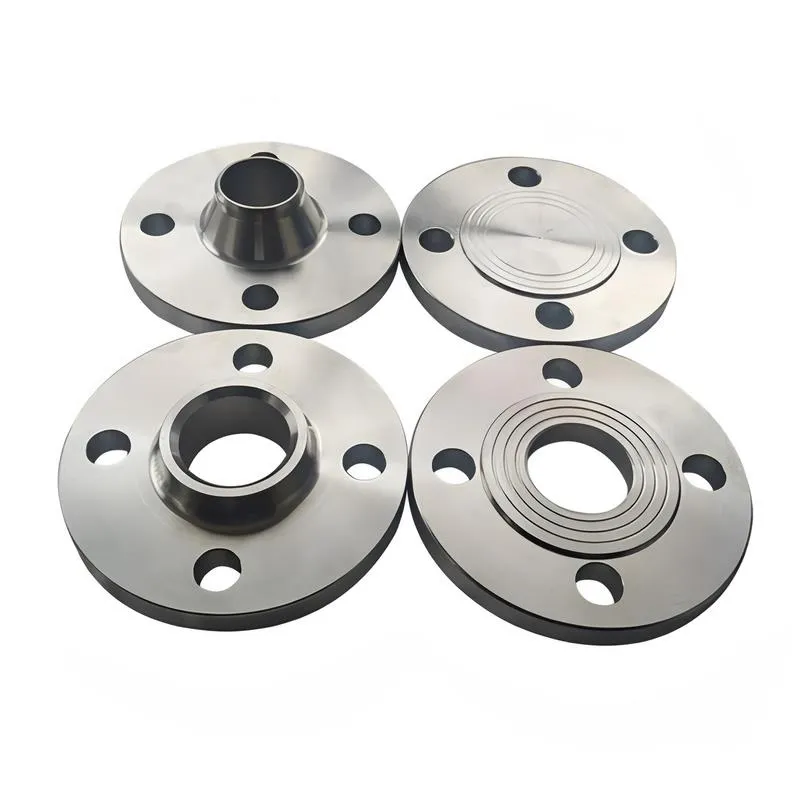
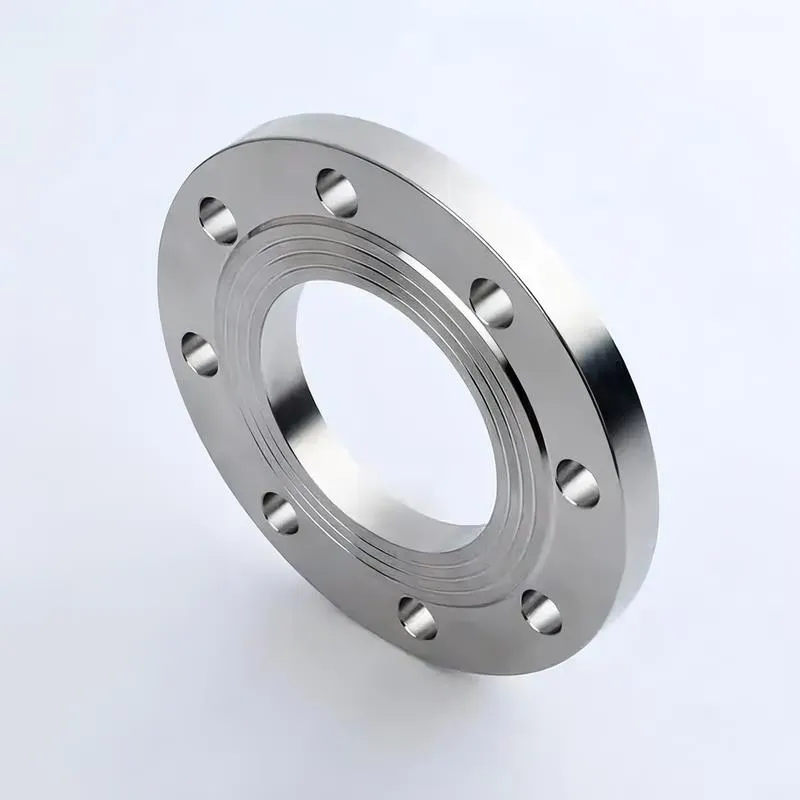
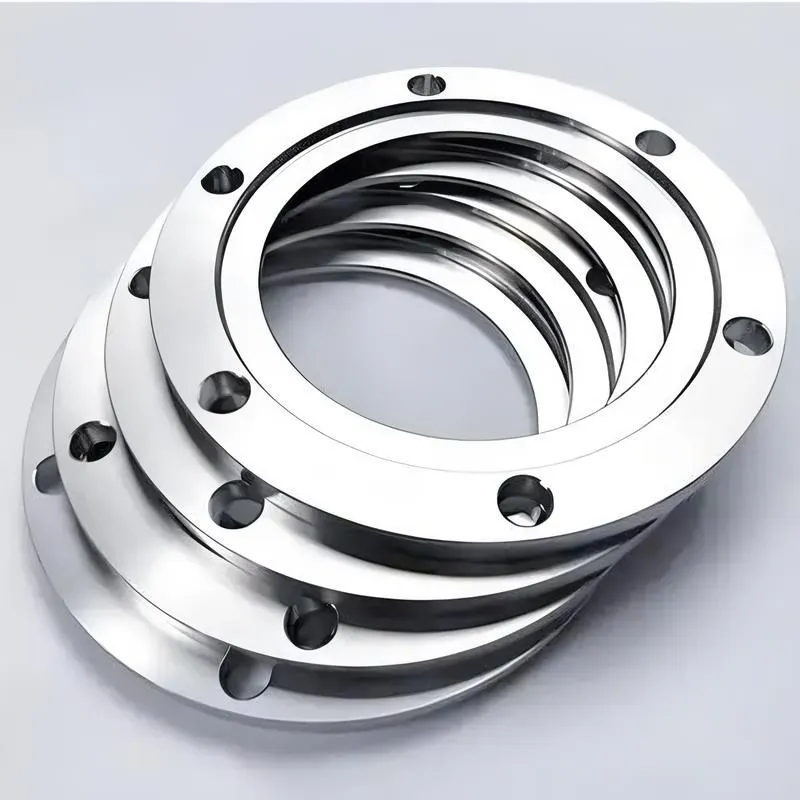
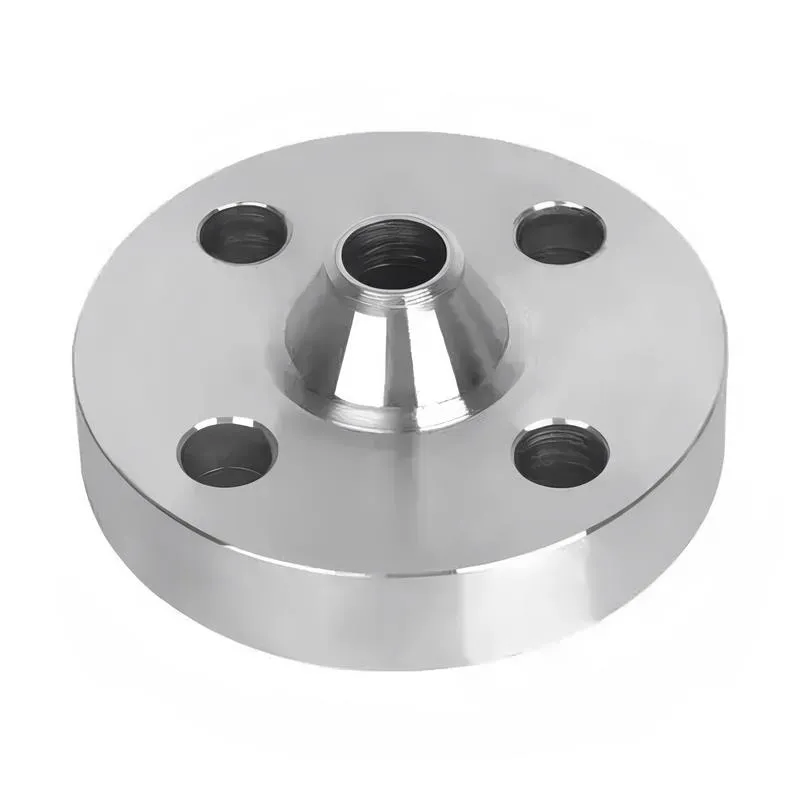
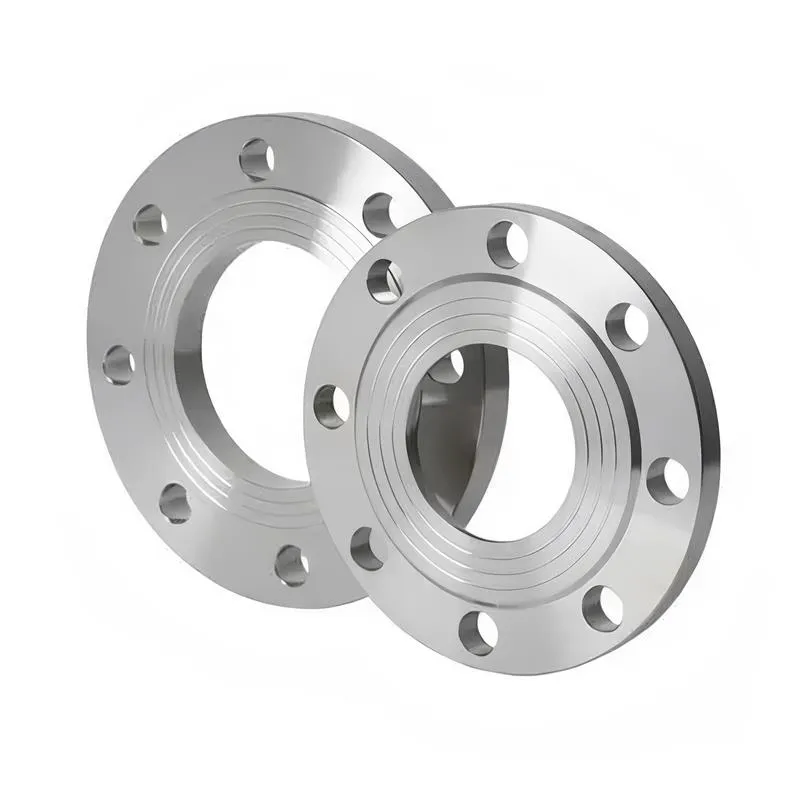
1,We Manufacturing processes are primarily classified into four types:
1:Forging,
2:Casting,
3:Cutting,
4:Rolling.
2,We can manufacture in accordance with these standards.
Standards:
GB Series (Chinese Standards), JB Series (Machinery Standards), HG Series (Chemical Industry Standards), ASME B16.5 (American Standards), BS4504 (British Standards), DIN (German Standards), and JIS (Japanese Standards).
Internationally, there are two primary systems of pipe flange standards: the European system, represented by the German DIN standards (including those of the former Soviet Union), and the American system, represented by the US ANSI pipe flange standards. Other common standards include: the Chinese Ministry of Machinery Industry standards (JB series), the Ministry of Chemical Industry standards (HG series), the Chinese National Standard *GB/T 9112–9124-2010 Steel Pipe Flanges*, as well as US standards (ASME B16.5), British standards (BS4504), German standards (DIN), Japanese standards (JIS), and marine standards (CBM), among others.
The nominal pressure ratings for the PN series are designated by "PN" and comprise the following nine levels: PN2.5, PN6, PN10, PN16, PN25, PN40, PN63, PN100, and PN160.
The nominal pressure ratings for the Class series are designated by "Class" and comprise the following six levels: Class150, Class300, Class600, Class900, Class1500, and Class2500.
Flange Classification
1. **According to Chemical Industry Standards:** Flanges are classified as follows:
Plate Flat Welding Flange (PL), Necked Flat Welding Flange (SO), Necked Butt Welding Flange (WN), Integral Flange (IF), Socket Welding Flange (SW), Threaded Flange (Th), Butt Welding Ring Loose Flange (PJ/SE), Blind Flange (BL), Flat Welding Ring Loose Flange (PJ/PJ), and Lined Blind Flange (BL(s)).
2. **According to Petrochemical (SH) Industry Standards:** Flanges are classified as follows:
Threaded Flange (PL), Butt Welding Flange (WN), Flat Welding Flange (SO), Socket Welding Flange (SW), Loose Flange (LJ), and Blind Flange (no specific designation).
3. **According to Machinery (JB) Industry Standards:** Flanges are classified as follows:
Integral Flange, Butt Welding Flange, Plate Flat Welding Flange, Butt Welding Ring Plate Loose Flange, Flat Welding Ring Plate Loose Flange, Lap Joint Ring Plate Loose Flange, and Blind Flange.
4. **According to Connection Method/Type:** Flanges are classified as follows:
Plate Flat Welding Flange, Necked Flat Welding Flange, Necked Butt Welding Flange, Socket Welding Flange, Threaded Flange, Blind Flange, Necked Butt Welding Ring Loose Flange, Flat Welding Ring Loose Flange, Ring-Type Joint (RTJ) Flange and Blind Flange, Large-Diameter Plate Flange, Large-Diameter High-Neck Flange, Figure-8 Blind Plate, Butt Welding Ring Loose Flange, etc.
5. **According to the Component Being Connected:** Flanges can be classified into Vessel Flanges and Pipe Flanges.
6. **According to Structural Type:** Flanges include Integral Flanges, Threaded Flanges, Flat Welding Flanges, Butt Welding Flanges, Lap Joint (Loose/Swivel) Flanges, and Blind Flanges.
A flange—also referred to as a flange plate or rim—is a component used to connect shafts to one another, or, more commonly, to join the ends of pipes. Flanges are also utilized at the inlet and outlet ports of equipment to facilitate connections between two devices—for instance, the flange on a speed reducer. A "flange connection" or "flanged joint" refers to a detachable joint assembly comprising three interconnected elements—a flange, a gasket, and bolts—that together form a sealed structural unit. In the context of piping systems, a "pipe flange" specifically denotes a flange used for plumbing within the installation; when applied to equipment, it refers to the inlet or outlet flange of that specific device. Flanges feature a series of holes through which bolts are inserted to securely fasten the two flanges together, while a gasket placed between the flanges ensures a leak-proof seal. Flanges are broadly categorized into three types: threaded (screw-in) flanges, welded flanges, and clamp-type flanges. Flanges are invariably used in pairs; threaded flanges are suitable for low-pressure piping applications, whereas welded flanges are required for systems operating at pressures exceeding 4 kilograms per square centimeter. A sealing gasket is inserted between the two flange plates, which are then firmly secured using bolts. The thickness of a flange—as well as the specifications of the bolts used to fasten it—vary depending on the specific pressure rating required for the application. When connecting equipment such as water pumps or valves to piping systems, the corresponding connection points on these devices are often manufactured in the shape of a matching flange; this method of attachment is also referred to as a "flange connection." Generally, any connecting component that utilizes bolts to join and seal the perimeters of two flat surfaces—such as the joints in ventilation ducts—is termed a "flange"; such components may collectively be classified as "flange-type parts." However, since such a connection often constitutes merely a *portion* of a larger device—for instance, the interface between a flange and a water pump—it would be inappropriate to classify the entire water pump itself as a "flange-type part." Conversely, smaller components—such as valves—that feature such flanged interfaces may indeed be appropriately categorized as "flange-type parts."
-:-
For detailed product information, please contact sales.
-:
UNS F33100 Cast Iron Flange Product Information
-:-
For detailed product information, please contact sales.
-:
UNS F33100 Cast Iron Flange Synonyms
-:-
For detailed product information, please contact sales.
-:
UNS F33100 Cast Iron Product Information
-:-
For detailed product information, please contact sales.
-:
## **UNS F33100 Cast Iron - Technical Specification**
### **1. Product Overview**
**UNS F33100** is a standardized designation for a medium-strength **Ferritic Malleable Iron** in the Unified Numbering System for Metals and Alloys. This material represents a classic grade of malleable iron known for its excellent combination of **good ductility, reliable strength, and superior machinability**. Characterized by its ferritic matrix structure with temper carbon aggregates, F33100 offers predictable performance for a wide range of industrial components where impact resistance and ease of manufacturing are prioritized over maximum strength.
The "F33" series in UNS specifically identifies malleable cast irons, with F33100 corresponding to traditional cupola-produced grades with tensile strength around 32,000-35,000 psi. This material undergoes an extensive annealing process (malleablization) that transforms the brittle white iron casting into a ductile ferritic structure, making it particularly suitable for parts requiring bending or deformation resistance without fracture.
### **2. International Standards & Equivalents**
#### **Primary Standard References:**
- **ASTM A47/A47M**: *Standard Specification for Ferritic Malleable Iron Castings* (Primary governing specification)
- **ASTM A197/A197M**: *Specification for Cupola Malleable Iron* (Traditional production method)
- **SAE J158**: *Malleable Iron Castings* (Automotive applications)
#### **International Grade Equivalents:**
| **Standard** | **Equivalent Grade** | **Region/Application** | **Notes** |
|--------------|----------------------|------------------------|-----------|
| **ISO 5922** | **JMA 325** or **JMB 325-10** | International | Whiteheart or Blackheart equivalents |
| **EN 1562** | EN-GJMW-350-4 or EN-GJMB-350-10 | European Union | Whiteheart or Blackheart malleable |
| **JIS G 5702** | WCB 320 | Japan | Whiteheart malleable iron |
| **JIS G 5705** | FCMB 325 | Japan | Blackheart malleable iron |
| **GB/T 9440** | JMA 325 or JMB 325 | China | Chinese national standards |
| **DIN 1692** | GTS-35 | Germany | German standard equivalent |
#### **UNS System Context:**
- **F33XXX Series**: Designates malleable cast irons in UNS system
- **F33100**: Specifically identifies ferritic/cupola malleable iron with ~32,000 psi tensile strength
- **Related UNS Codes**: F22200 (lower strength), F34800 (higher pearlitic grades)
### **3. Chemical Composition**
#### **Standard Composition Ranges (Weight %):**
| **Element** | **Typical Range** | **Maximum Limit** | **Metallurgical Function** |
|-------------|-------------------|-------------------|---------------------------|
| **Carbon (C)** | 2.20-2.90 | - | Primary carbon source for temper carbon formation |
| **Silicon (Si)** | 0.80-1.50 | 1.75% (A197) | Graphitizing agent, accelerates annealing |
| **Manganese (Mn)** | 0.25-0.55 | 0.55% (A197) | Neutralizes sulfur, improves strength |
| **Phosphorus (P)** | - | 0.12% | Controlled impurity, affects fluidity |
| **Sulfur (S)** | - | 0.12% | Controlled impurity, affects brittleness |
| **Chromium (Cr)** | - | 0.08% | Restricted, inhibits graphitization |
| **Copper (Cu)** | 0.10-0.40 | 0.30% (optional) | May improve corrosion resistance |
| **Nickel (Ni)** | Trace | - | May be present in small amounts |
#### **Cupola Process Characteristics:**
- **Higher Silicon Range**: Typically 0.90-1.50% for proper graphitization
- **Controlled Phosphorus**: May be 0.08-0.12% in traditional cupola practice
- **Carbon Content**: Generally 2.40-2.80% for optimal properties
- **Process Variation**: Cupola melting may show more batch-to-batch variation than electric furnace production
#### **Key Composition Ratios:**
- **Silicon-to-Carbon Ratio**: Typically 0.35-0.60
- **Manganese-to-Sulfur Ratio**: ≥ 2:1 to ensure sulfur neutralization
- **Carbon Equivalent**: Typically 3.6-4.1% (CE = %C + 0.33×%Si)
### **4. Physical & Mechanical Properties**
#### **Minimum Requirements (ASTM A47):**
| **Property** | **Minimum Value** | **Typical Range** | **Test Standard** |
|--------------|------------------|-------------------|------------------|
| **Tensile Strength** | 32,500 psi (224 MPa) | 32,500-38,000 psi | ASTM E8 |
| **Yield Strength (0.5% ext)** | - | 22,000-26,000 psi | ASTM E8 |
| **Elongation** | 10% in 2" (50 mm) | 10-15% | ASTM E8 |
| **Brinell Hardness** | Not specified | 110-156 HB | ASTM E10 |
#### **Comprehensive Property Profile:**
**Mechanical Properties:**
- **Tensile Strength**: 220-260 MPa (32,000-38,000 psi)
- **Yield Strength**: 150-180 MPa (22,000-26,000 psi) estimated
- **Yield Ratio**: 0.68-0.72
- **Elongation**: 10-15% in 50 mm
- **Reduction of Area**: 15-25%
- **Modulus of Elasticity**: 165-175 GPa (24.0-25.4 × 10⁶ psi)
- **Shear Modulus**: 64-68 GPa
- **Poisson's Ratio**: 0.26-0.28
- **Compressive Strength**: 500-650 MPa
**Hardness & Wear Characteristics:**
- **Brinell Hardness**: 110-156 HB (typically 120-140 HB)
- **Rockwell Hardness**: 65-80 HRB equivalent
- **Vickers Hardness**: 115-160 HV
- **Abrasion Resistance**: Fair, superior to mild steel but less than pearlitic grades
- **Surface Hardness**: Can be increased with work hardening or surface treatments
**Impact & Fatigue Properties:**
- **Charpy Impact (Unnotched)**: 20-30 J at 20°C
- **Charpy Impact (V-notch)**: 12-20 J at 20°C
- **Fatigue Limit (10⁷ cycles)**: 100-130 MPa (rotating bending)
- **Fatigue Ratio**: 0.45-0.50
- **Endurance Limit**: ~45% of tensile strength
- **Damping Capacity**: Excellent, 6-8× better than steel
**Physical & Thermal Properties:**
- **Density**: 7.25-7.35 g/cm³
- **Melting Range**: 1130-1200°C
- **Thermal Conductivity**: 44-50 W/m·K at 20°C
- **Specific Heat**: 480-520 J/kg·K
- **Thermal Expansion**: 11.0-11.5 × 10⁻⁶/°C (20-200°C)
- **Electrical Resistivity**: 0.28-0.35 μΩ·m
- **Magnetic Properties**: Ferromagnetic
- **Acoustic Damping**: Excellent for vibration reduction
### **5. Manufacturing & Processing Characteristics**
#### **Heat Treatment Process:**
**Complete Annealing Cycle (Malleablization):**
1. **Stage 1 - Graphitization**:
- Temperature: 900-950°C
- Time: 20-60 hours depending on section
- Atmosphere: Neutral or slightly oxidizing
- Result: Decomposition of cementite to temper carbon
2. **Stage 2 - Ferritization**:
- Temperature: 700-730°C
- Time: 10-30 hours
- Atmosphere: Controlled
- Result: Transformation to ferritic matrix
3. **Total Cycle Time**: 30-90 hours typical
4. **Cooling**: Controlled furnace cooling
#### **Final Microstructure:**
- **Matrix**: 100% ferritic (>95% ferrite)
- **Carbon Form**: Temper carbon aggregates (rosettes/nodules)
- **Grain Size**: ASTM 5-7
- **Decarburization**: Surface layer may show 1-3 mm decarburization
- **Temper Carbon Size**: 20-50 μm aggregates
- **No Pearlite or Cementite**: <5% maximum
#### **Machinability Characteristics:**
- **Machinability Rating**: 90-100% relative to B1112 steel
- **Cutting Speed**: 120-180 m/min with HSS tools
- **Feed Rate**: 0.20-0.40 mm/rev
- **Surface Finish**: Excellent, 1.6-3.2 μm Ra easily achievable
- **Tool Life**: Very good, minimal tool wear
- **Chip Formation**: Discontinuous, easy-to-handle chips
#### **Foundry Characteristics:**
- **Cupola Melting**: Traditional production method
- **Castability**: Good, excellent fluidity
- **Shrinkage**: 0.8-1.2% linear
- **Surface Finish**: Good as-cast appearance
- **Complex Shapes**: Suitable for intricate designs
### **6. Product Applications**
#### **Automotive & Transportation:**
- **Brake Components**: Pedals, levers, brackets
- **Steering Systems**: Linkages, tie rod ends (non-critical)
- **Suspension Parts**: Shackles, spring hangers
- **Drivetrain**: Universal joint yokes, differential cases
- **Accessories**: Mirror brackets, seat adjusters
#### **Agricultural Equipment:**
- **Tractor Components**: Linkages, pedal brackets, hitch parts
- **Implement Parts**: Cultivator frames, plow components
- **Harvesting Equipment**: Reel arms, auger brackets
#### **Pipe & Plumbing Fittings:**
- **Gas Pipe Fittings**: Elbows, tees, couplings
- **Water Pipe Fittings**: Adapters, unions, flanges
- **Plumbing Hardware**: Faucet bodies, valve components
#### **Electrical & Hardware:**
- **Electrical Fittings**: Conduit bodies, junction boxes
- **Hand Tools**: Wrench sockets, pipe wrenches, vise parts
- **Construction Hardware**: Hinges, brackets, fasteners
- **Ornamental Ironwork**: Decorative elements
#### **Industrial Applications:**
- **Valve Components**: Low-pressure valve bodies, bonnets
- **Pump Parts**: Housings, brackets, impellers
- **Material Handling**: Chain links, conveyor components
- **Mining Hardware**: Hook links, coupling components
### **7. Quality Assurance & Testing**
#### **Standard Testing Requirements:**
1. **Chemical Analysis**: Each heat or lot
2. **Tensile Testing**: From separately cast test bars
3. **Hardness Testing**: Multiple locations
4. **Microstructural Examination**: Verification of complete graphitization
5. **Visual Inspection**: Surface quality assessment
6. **Dimensional Verification**: Per drawing requirements
#### **Advanced Testing (When Specified):**
- **Impact Testing**: Charpy or Izod tests
- **Pressure Testing**: For fluid-containing components
- **Non-Destructive Testing**: Magnetic particle, dye penetrant
- **Metallographic Analysis**: Quantitative structure assessment
#### **Certification Requirements:**
- **Material Certificate**: Chemical and mechanical properties
- **Heat Treatment Records**: Annealing cycle documentation
- **Traceability**: Heat/lot identification
- **Foundry Certification**: ASTM or equivalent quality system
### **8. Design Considerations**
#### **Section Size Limitations:**
- **Optimal Wall Thickness**: 3-25 mm
- **Maximum Uniform Section**: 50 mm
- **Minimum Practical Section**: 2.5 mm
- **Property Uniformity**: Good through-section consistency
#### **Design Stress Recommendations:**
- **Static Design Stress**: 70-100 MPa (10,200-14,500 psi)
- **Fatigue Design Stress**: 40-60 MPa (5,800-8,700 psi)
- **Impact Applications**: Well-suited due to good toughness
- **Safety Factors**: 2.0-2.5 for general applications
#### **Geometric Guidelines:**
- **Fillet Radii**: Minimum 2 mm, preferred 3+ mm
- **Section Transitions**: Gradual changes recommended
- **Machining Allowances**: 1.5-3.0 mm typical
- **Dimensional Tolerance**: ±0.5% or ±0.8 mm
### **9. Comparative Analysis**
#### **vs. Other Malleable Irons:**
| **Property** | **F33100 vs. F22200** | **F33100 vs. F34800** |
|--------------|------------------------|------------------------|
| **Tensile Strength** | +15-20% higher | 20-30% lower |
| **Yield Strength** | +10-15% higher | 25-35% lower |
| **Elongation** | Similar or slightly lower | 100-150% higher |
| **Hardness** | Similar | 30-40% lower |
| **Impact Resistance** | Similar or slightly lower | 50-100% higher |
| **Wear Resistance** | Similar | 40-60% lower |
| **Machinability** | Similar | 20-30% better |
#### **vs. Alternative Materials:**
- **Gray Iron (ASTM A48 Class 35B)**: Better ductility, similar strength
- **Ductile Iron (65-45-12)**: Lower strength, better impact resistance
- **Mild Steel (A36)**: Better damping, similar strength, different manufacturing
- **Aluminum Alloys (356-T6)**: Higher density, better strength at temperature
### **10. Economic & Manufacturing Factors**
#### **Cost Structure:**
- **Raw Material Cost**: Low to moderate
- **Processing Cost**: Moderate due to extended annealing
- **Tooling Cost**: Low for standard castings
- **Secondary Processing**: Minimal often required
- **Total Cost**: Competitive for medium to high volumes
#### **Production Economics:**
- **Batch Sizes**: Economical at 100-10,000+ pieces
- **Lead Times**: 4-8 weeks typical (includes annealing time)
- **Setup Costs**: Moderate for new patterns
- **Scrap Rates**: 5-15% typical
- **Material Utilization**: 85-95% efficient
#### **Sustainability Factors:**
- **Recyclability**: 100% recyclable
- **Energy Consumption**: High due to extended annealing
- **Waste Generation**: Minimal with modern practices
- **Life Cycle**: Long service life in proper applications
### **11. Technical Limitations**
#### **Material Constraints:**
- **Maximum Service Temperature**: 400°C continuous
- **Weldability**: Poor, not recommended
- **Corrosion Resistance**: Similar to low-carbon steel
- **Strength Limitations**: Not for high-stress applications
- **Size Limitations**: Maximum ~50 kg single casting
#### **Processing Limitations:**
- **Long Annealing Cycles**: 30-90 hours required
- **Energy Intensive**: High thermal mass processing
- **Dimensional Changes**: During heat treatment
- **Process Control**: Requires experienced foundry
#### **Design Limitations:**
- **Not for Dynamic Loading**: Limited fatigue strength
- **Avoid High Stresses**: Yield strength relatively low
- **Consider Decarburization**: In surface-sensitive applications
- **Limited Modern Standards**: Few current specs reference F33100 directly
### **12. Future Outlook & Developments**
#### **Technical Trends:**
1. **Process Optimization**: Reduced annealing times through advanced controls
2. **Quality Improvement**: Better consistency through SPC implementation
3. **Alloy Refinement**: Minor modifications for specific applications
4. **Environmental Compliance**: Reduced energy consumption focus
#### **Market Position:**
- **Traditional Applications**: Continued use in established markets
- **Cost-Driven Segments**: Where modern alternatives are too expensive
- **Heritage Support**: Replacement parts for older equipment
- **Regional Manufacturing**: Areas with existing cupola foundry infrastructure
#### **Evolution:**
- **Gradual Phase-out**: In favor of more controlled processes
- **Niche Preservation**: For specific traditional applications
- **Knowledge Preservation**: Maintaining capability for heritage support
- **Integration**: With modern manufacturing technologies where possible
### **13. Implementation Guidelines**
#### **When to Specify F33100:**
1. **Traditional Applications**: Where historical precedent exists
2. **Cost-Sensitive Projects**: Where modern grades are cost-prohibitive
3. **Heritage Equipment**: Replacement parts for vintage machinery
4. **Regional Sourcing**: Where local foundries specialize in this material
#### **Specification Requirements:**
1. **Clear Standards Reference**: ASTM A47 or equivalent
2. **Property Requirements**: Minimum tensile and elongation
3. **Testing Protocol**: Required verification methods
4. **Acceptance Criteria**: Clearly defined quality standards
5. **Special Requirements**: Any additional customer needs
#### **Supplier Selection:**
1. **Experience Verification**: Proven capability with F33100
2. **Quality Systems**: Appropriate certifications
3. **Technical Support**: Metallurgical expertise available
4. **Capacity Assessment**: Ability to meet volume requirements
5. **Cost Competitiveness**: Reasonable pricing structure
### **14. Conclusion**
**UNS F33100** represents an important historical grade in the evolution of malleable iron technology, providing reliable performance with excellent ductility and good machinability. While largely superseded by more controlled modern processes (electric furnace production with tighter specifications), it maintains relevance in specific applications where its traditional characteristics, cost structure, or manufacturing heritage provide unique value.
This grade serves as a bridge between historical manufacturing methods and modern engineering requirements, offering predictable performance when properly specified and manufactured. For applications requiring good impact resistance, ease of machining, and moderate strength, F33100 continues to provide effective solutions.
However, for new designs and applications, engineers should generally consider modern equivalents (ASTM A47 32510 or similar) that offer better consistency, tighter property control, and more predictable performance. F33100 remains most appropriate for legacy support, cost-sensitive traditional applications, or specific regional manufacturing contexts where its characteristics are well-understood and properly accommodated.
The continued knowledge and capability associated with F33100 production contributes to the preservation of traditional metallurgical skills while supporting the maintenance of historical equipment and systems. As manufacturing continues to evolve, F33100 maintains its place as a proven, reliable material for appropriate applications while representing an important chapter in the development of cast iron technology.
-:-
For detailed product information, please contact sales.
-:
UNS F33100 Cast Iron Specification
Dimensions
Size:
Diameter 20-1000 mm Length <6590 mm
Size:We can customized as required
Standard:
Per your request or drawing
We can customized as required
Properties(Theoretical)
Chemical Composition
-:-
For detailed product information, please contact sales.
-:
UNS F33100 Cast Iron Properties
-:-
For detailed product information, please contact sales.
-:
Applications of UNS F33100 Cast Iron Flange
-:-
For detailed product information, please contact sales.
-:
Chemical Identifiers UNS F33100 Cast Iron Flange
-:-
For detailed product information, please contact sales.
-:
Packing of UNS F33100 Cast Iron Flange
-:-
For detailed product information, please contact sales.
-:
Standard Packing:
-:-
For detailed product information, please contact sales.
-:
Typical bulk packaging includes palletized plastic 5 gallon/25 kg. pails, fiber and Steel Flange drums to 1 ton super sacks in full container (FCL) or truck load (T/L) quantities. Research and sample quantities and hygroscopic, oxidizing or other air sensitive materials may be packaged under argon or vacuum. Solutions are packaged in polypropylene, plastic or glass jars up to palletized 3061 gallon liquid totes Special package is available on request. E FORUs’ is carefully handled to minimize damage during storage and transportation and to preserve the quality of our products in their original condition