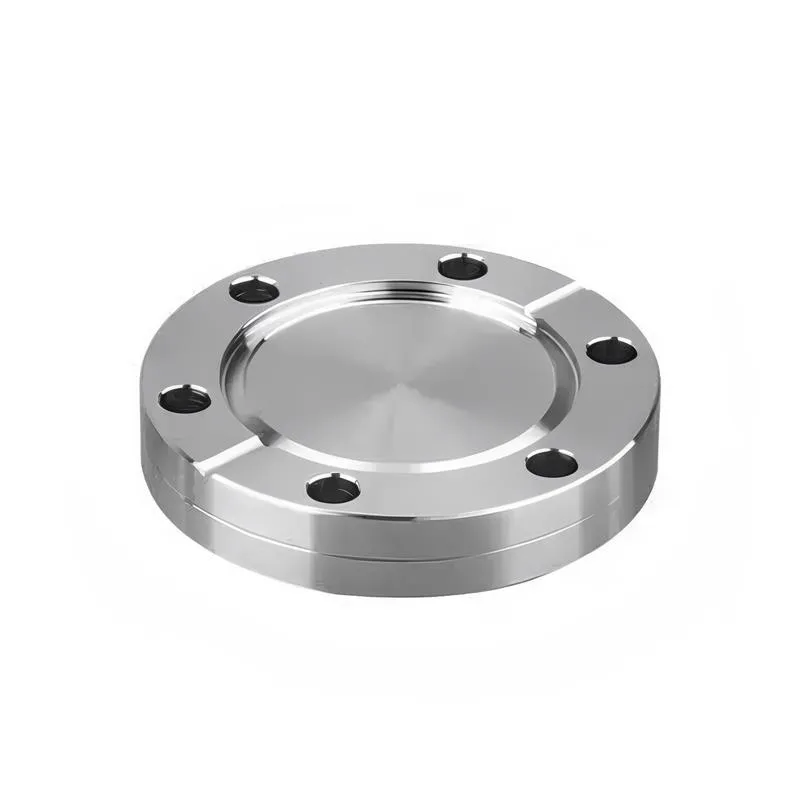
1,We Manufacturing processes are primarily classified into four types:
1:Forging,
2:Casting,
3:Cutting,
4:Rolling.
2,We can manufacture in accordance with these standards.
Standards:
GB Series (Chinese Standards), JB Series (Machinery Standards), HG Series (Chemical Industry Standards), ASME B16.5 (American Standards), BS4504 (British Standards), DIN (German Standards), and JIS (Japanese Standards).
Internationally, there are two primary systems of pipe flange standards: the European system, represented by the German DIN standards (including those of the former Soviet Union), and the American system, represented by the US ANSI pipe flange standards. Other common standards include: the Chinese Ministry of Machinery Industry standards (JB series), the Ministry of Chemical Industry standards (HG series), the Chinese National Standard *GB/T 9112–9124-2010 Steel Pipe Flanges*, as well as US standards (ASME B16.5), British standards (BS4504), German standards (DIN), Japanese standards (JIS), and marine standards (CBM), among others.
The nominal pressure ratings for the PN series are designated by "PN" and comprise the following nine levels: PN2.5, PN6, PN10, PN16, PN25, PN40, PN63, PN100, and PN160.
The nominal pressure ratings for the Class series are designated by "Class" and comprise the following six levels: Class150, Class300, Class600, Class900, Class1500, and Class2500.
Flange Classification
1. **According to Chemical Industry Standards:** Flanges are classified as follows:
Plate Flat Welding Flange (PL), Necked Flat Welding Flange (SO), Necked Butt Welding Flange (WN), Integral Flange (IF), Socket Welding Flange (SW), Threaded Flange (Th), Butt Welding Ring Loose Flange (PJ/SE), Blind Flange (BL), Flat Welding Ring Loose Flange (PJ/PJ), and Lined Blind Flange (BL(s)).
2. **According to Petrochemical (SH) Industry Standards:** Flanges are classified as follows:
Threaded Flange (PL), Butt Welding Flange (WN), Flat Welding Flange (SO), Socket Welding Flange (SW), Loose Flange (LJ), and Blind Flange (no specific designation).
3. **According to Machinery (JB) Industry Standards:** Flanges are classified as follows:
Integral Flange, Butt Welding Flange, Plate Flat Welding Flange, Butt Welding Ring Plate Loose Flange, Flat Welding Ring Plate Loose Flange, Lap Joint Ring Plate Loose Flange, and Blind Flange.
4. **According to Connection Method/Type:** Flanges are classified as follows:
Plate Flat Welding Flange, Necked Flat Welding Flange, Necked Butt Welding Flange, Socket Welding Flange, Threaded Flange, Blind Flange, Necked Butt Welding Ring Loose Flange, Flat Welding Ring Loose Flange, Ring-Type Joint (RTJ) Flange and Blind Flange, Large-Diameter Plate Flange, Large-Diameter High-Neck Flange, Figure-8 Blind Plate, Butt Welding Ring Loose Flange, etc.
5. **According to the Component Being Connected:** Flanges can be classified into Vessel Flanges and Pipe Flanges.
6. **According to Structural Type:** Flanges include Integral Flanges, Threaded Flanges, Flat Welding Flanges, Butt Welding Flanges, Lap Joint (Loose/Swivel) Flanges, and Blind Flanges.
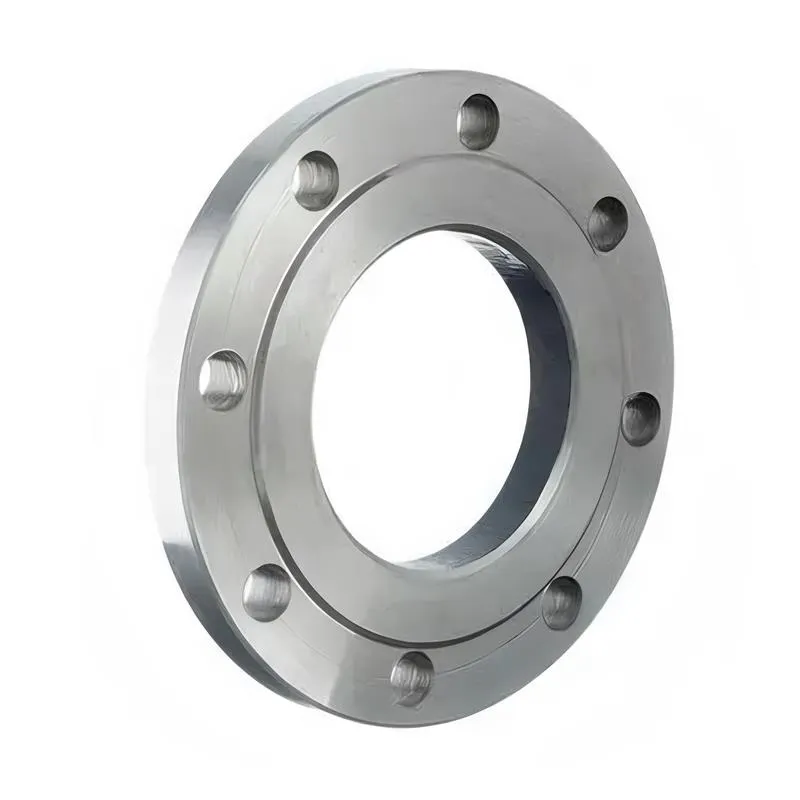
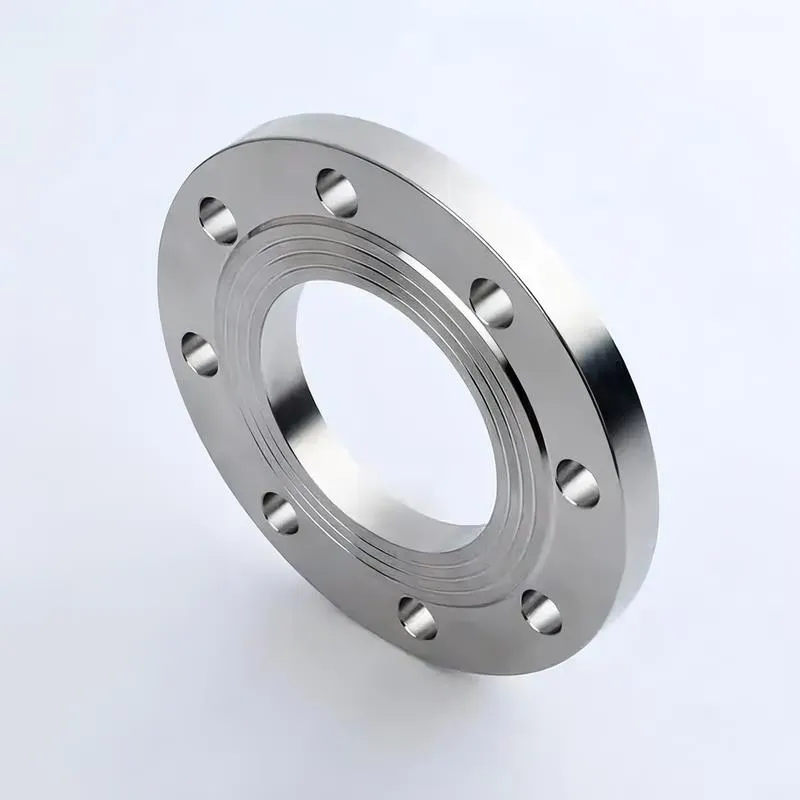
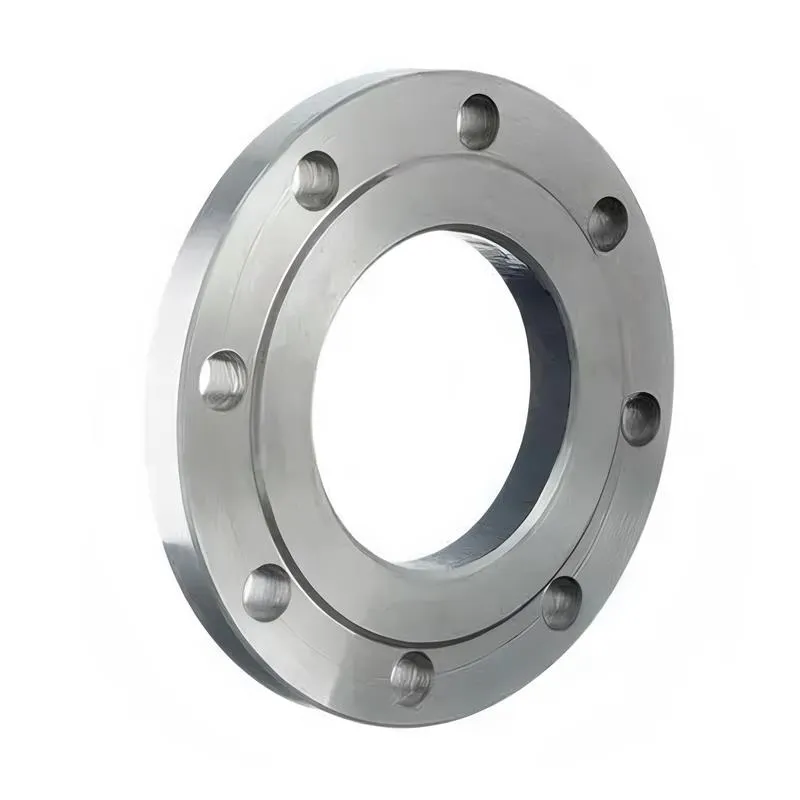
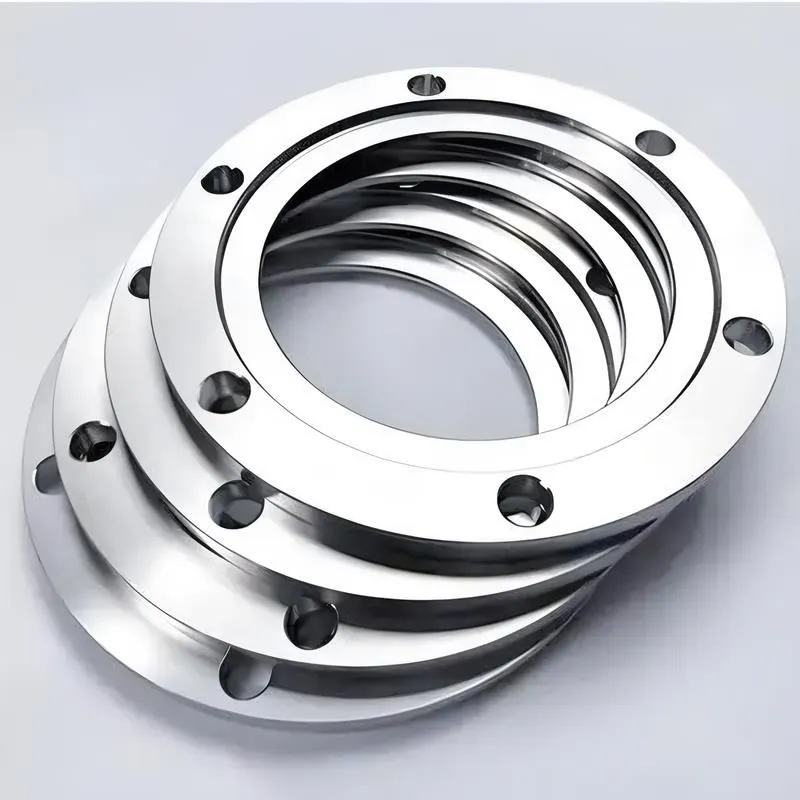
A flange—also referred to as a flange plate or rim—is a component used to connect shafts to one another, or, more commonly, to join the ends of pipes. Flanges are also utilized at the inlet and outlet ports of equipment to facilitate connections between two devices—for instance, the flange on a speed reducer. A "flange connection" or "flanged joint" refers to a detachable joint assembly comprising three interconnected elements—a flange, a gasket, and bolts—that together form a sealed structural unit. In the context of piping systems, a "pipe flange" specifically denotes a flange used for plumbing within the installation; when applied to equipment, it refers to the inlet or outlet flange of that specific device. Flanges feature a series of holes through which bolts are inserted to securely fasten the two flanges together, while a gasket placed between the flanges ensures a leak-proof seal. Flanges are broadly categorized into three types: threaded (screw-in) flanges, welded flanges, and clamp-type flanges. Flanges are invariably used in pairs; threaded flanges are suitable for low-pressure piping applications, whereas welded flanges are required for systems operating at pressures exceeding 4 kilograms per square centimeter. A sealing gasket is inserted between the two flange plates, which are then firmly secured using bolts. The thickness of a flange—as well as the specifications of the bolts used to fasten it—vary depending on the specific pressure rating required for the application. When connecting equipment such as water pumps or valves to piping systems, the corresponding connection points on these devices are often manufactured in the shape of a matching flange; this method of attachment is also referred to as a "flange connection." Generally, any connecting component that utilizes bolts to join and seal the perimeters of two flat surfaces—such as the joints in ventilation ducts—is termed a "flange"; such components may collectively be classified as "flange-type parts." However, since such a connection often constitutes merely a *portion* of a larger device—for instance, the interface between a flange and a water pump—it would be inappropriate to classify the entire water pump itself as a "flange-type part." Conversely, smaller components—such as valves—that feature such flanged interfaces may indeed be appropriately categorized as "flange-type parts."
-:-
For detailed product information, please contact sales.
-:
AISI 4820 Steel Flange, mock carburized, reheated to 800°C (1470°F), 230°C (450°F) temper, 100 mm (4 in.) round Product Information
-:-
For detailed product information, please contact sales.
-:
AISI 4820 Steel Flange, mock carburized, reheated to 800°C (1470°F), 230°C (450°F) temper, 100 mm (4 in.) round Synonyms
-:-
For detailed product information, please contact sales.
-:
AISI 4820 Steel, mock carburized, reheated to 800°C (1470°F), 230°C (450°F) temper, 100 mm (4 in.) round Product Information
-:-
For detailed product information, please contact sales.
-:
# **AISI 4820 Steel - Mock Carburized & Heat Treated**
## **100mm (4 inch) Round, Premium Nickel-Molybdenum Steel with Simulated Case Structure**
---
### **1. PRODUCT OVERVIEW**
**AISI 4820 Steel - Mock Carburized & Heat Treated Condition**
- **Product Form:** 100mm (4.0 inch) diameter round bar
- **Material Standard:** AISI 4820 / SAE 4820
- **Special Processing:** Mock carburizing simulation with controlled heat treatment
- **Applied Heat Treatment Sequence:**
1. **Mock Carburizing:** Simulated surface carbon enrichment
2. **Reheating:** 800°C (1470°F) austenitization
3. **Quenching:** Presumably oil quench (implied by subsequent temper)
4. **Tempering:** 230°C (450°F) moderate temperature temper
- **Resulting Structure:** Simulated case-core gradient with engineered carbon profile
- **Large Section Focus:** Optimized for heavy-section components requiring deep hardening capability
- **Primary Purpose:** Development, testing, and validation of large, heavy-duty case-hardened components
**Material Significance for Large Sections:**
- **High Nickel Advantage:** 3.5% nickel provides exceptional through-hardenability for 100mm sections
- **Carbon Optimization:** 0.20% nominal carbon balances case formation and core toughness
- **Large Diameter Capability:** Specifically processed for 100mm (4") diameter applications
- **Mock Carburizing:** Simulates carburized structure without full production cycle
---
### **2. CHEMICAL COMPOSITION**
| Element | AISI 4820 Standard Range (%) | Typical Composition for 100mm Rounds (%) | Metallurgical Function in Large Sections |
|---------|-----------------------------|-----------------------------------------|-----------------------------------------|
| **Carbon (C)** | 0.18-0.23 | 0.20-0.22 | Balanced for case hardening and core strength in thick sections |
| **Manganese (Mn)** | 0.50-0.70 | 0.60-0.65 | Enhances hardenability critical for 100mm diameter |
| **Phosphorus (P)** | ≤ 0.035 | ≤ 0.020 | Controlled for consistency in large masses |
| **Sulfur (S)** | ≤ 0.040 | 0.020-0.030 | Optimized for machinability in large stock |
| **Silicon (Si)** | 0.15-0.30 | 0.20-0.25 | Deoxidizer, important for soundness in heavy sections |
| **Nickel (Ni)** | 3.25-3.75 | 3.50-3.60 | **Critical for 100mm:** Provides deep hardenability and exceptional core toughness |
| **Molybdenum (Mo)** | 0.20-0.30 | 0.23-0.27 | Grain refinement, prevents temper embrittlement in heavy sections |
| **Chromium (Cr)** | - | ≤ 0.20 | Trace residual |
| **Copper (Cu)** | - | ≤ 0.35 | Trace residual |
| **Aluminum (Al)** | - | 0.020-0.040 | Grain size control, critical for large sections |
| **Iron (Fe)** | Balance | Balance | Matrix element |
**Mock Carburizing Effect for 100mm Sections:**
- **Surface Carbon Content:** Simulated to 0.75-0.85%
- **Carbon Gradient:** Engineered to penetrate deeper than standard for large diameters
- **Effective Case Depth:** Approximately 1.0-2.5mm simulated, optimized for 100mm diameter
- **Methodology:** Controlled atmosphere with extended time for large mass
- **Purpose:** Represents carburized structure for heavy components without full production cycle
**Large Section Chemistry Considerations:**
- **Homogeneity:** Critical for 100mm diameter to prevent segregation
- **Hardenability Elements:** Balanced for sufficient center hardness
- **Nickel Premium:** Justified by through-hardening requirements
- **Quality Level:** Typically premium quality with enhanced cleanliness for large sections
---
### **3. INTERNATIONAL STANDARDS & EQUIVALENTS**
| Standard System | Designation | Title / Description | Large Section Notes |
|----------------|-------------|---------------------|---------------------|
| **UNS** | G48200 | Unified Numbering System | Primary US designation |
| **AISI/SAE** | 4820 | SAE J404, J412 | Original specification |
| **ASTM** | A322 | Standard Specification for Steel Bars, Alloy | Grade 4820, includes large diameters |
| **ASTM** | A29/A29M | Steel Bars, Carbon and Alloy | Includes requirements for large rounds |
| **ASTM** | A534 | Carburizing Steels for Anti-Friction Bearings | Bearing quality for large sections |
| **AMS** | 6282 | Steel Bars and Forgings, 3.5Ni-0.25Mo (0.18-0.23C) | Aerospace specification for large parts |
| **ISO** | 683-11 | Heat-treatable steels | 20NiCrMo6-4 equivalent |
| **DIN** | 1.6568 | 20NiCrMo6-4 | German equivalent |
| **EN** | 1.6568 | 20NiCrMo6-4 | European designation |
| **JIS** | SNCM420 | Nickel-chromium-molybdenum steel | Japanese similar grade |
| **GB** | 20Ni2Mo | Chinese standard | Chinese equivalent |
**Large Section Specific Standards:**
- **ASTM A255:** Hardenability testing methodology applicable to large sections
- **ASTM E112:** Grain size testing important for large diameter quality
- **ASTM E45:** Inclusion ratings critical for large section integrity
- **ASTM E381:** Macroetch testing for center soundness in large rounds
---
### **4. PHYSICAL PROPERTIES (POST-TREATMENT)**
| Property | Value | Conditions / Notes for 100mm Section |
|----------|-------|--------------------------------------|
| **Density** | 7.85 g/cm³ (0.284 lb/in³) | At 20°C |
| **Melting Range** | 1480-1520°C | Liquidus to solidus temperature |
| **Thermal Conductivity** | 41.5 W/m·K | At 100°C, lower in center of large section |
| **Specific Heat Capacity** | 460 J/kg·K | At 20°C |
| **Coefficient of Thermal Expansion** | 12.3 × 10⁻⁶/K | 20-100°C; varies with position in section |
| **Electrical Resistivity** | 0.23 μΩ·m | At 20°C |
| **Modulus of Elasticity** | 205 GPa (29.7×10⁶ psi) | Surface; center may be slightly lower |
| **Shear Modulus** | 80 GPa (11.6×10⁶ psi) | - |
| **Poisson's Ratio** | 0.29 | Standard value for steel |
| **Thermal Diffusivity** | 11.5 mm²/s | Important for heat treatment of large sections |
**Transformation Characteristics for 100mm Section:**
- **Surface Ac₁:** ~710°C (1310°F) - lowered by simulated high carbon
- **Center Ac₁:** ~730°C (1345°F) - base material composition
- **Surface Ms:** ~180°C (355°F) - lowered by high carbon
- **Center Ms:** ~350°C (660°F) - critical for through-hardening
- **Surface Mf:** ~0°C (32°F)
- **Center Mf:** ~200°C (390°F)
**Large Section Heat Treatment Considerations:**
- **800°C Reheat:** Slightly lower than typical to minimize distortion in 100mm section
- **Quenching Medium:** Oil with strong agitation required for 100mm diameter
- **230°C Temper:** Moderate temperature balances hardness and toughness in large section
- **Cooling Rates:** Significantly slower at center than surface in 100mm round
---
### **5. HEAT TREATMENT PROCESS DETAILS**
#### **Applied Thermal Processing Sequence for 100mm Round:**
1. **Mock Carburizing Simulation:**
- **Method:** Extended time atmosphere control for large mass
- **Temperature:** 920-930°C (1690-1710°F)
- **Duration:** 12-24 hours for proper gradient in 100mm section
- **Surface Carbon Target:** 0.78-0.83%
- **Gradient Control:** Engineered for deep penetration appropriate for large diameter
2. **Reheating for Hardening:**
- **Temperature:** 800°C (1470°F) ±10°C
- **Soak Time:** 120-180 minutes for 100mm diameter (longer for center transformation)
- **Atmosphere:** Protective to prevent decarburization
- **Heating Rate:** Controlled to minimize thermal stress in large section
3. **Quenching Process (Implied):**
- **Medium:** Fast oil with strong agitation
- **Temperature:** 50-60°C (122-140°F) controlled
- **Agitation:** High velocity for maximum heat extraction
- **Cooling Rate:** Surface ~50°C/s, Center ~5-10°C/s (estimated)
4. **Tempering Cycle:**
- **Temperature:** 230°C (450°F) ±5°C
- **Duration:** 180-240 minutes for 100mm diameter
- **Cooling:** Still air to room temperature (slow for large mass)
- **Purpose:** Achieve optimal balance of hardness and toughness for large section
#### **Resulting Microstructural Gradient in 100mm Round:**
| Radial Position | Distance from Surface | Hardness (HRC) | Microstructure | Carbon Content (%) |
|-----------------|-----------------------|----------------|---------------|-------------------|
| **Surface** | 0mm | 58-62 | High-carbon martensite + carbides | 0.78-0.83 |
| **Quarter Radius** | 12.5mm | 52-56 | Medium-carbon martensite | 0.45-0.55 |
| **Mid-Radius** | 25mm | 46-50 | Transition zone | 0.30-0.40 |
| **Three-Quarter Radius** | 37.5mm | 42-46 | Low-carbon martensite/bainite | 0.22-0.25 |
| **Center** | 50mm | 38-42 | Low-carbon martensite/bainite | 0.20-0.22 |
---
### **6. MECHANICAL PROPERTIES**
#### **Hardness Gradient (100mm Round - Typical):**
| Radial Position | Hardness (HRC) | Equivalent HV | Microstructure Description |
|-----------------|----------------|---------------|---------------------------|
| **Surface (0mm)** | 58-62 | 650-750 | High-carbon martensite with fine carbides |
| **10mm Depth** | 56-60 | 600-700 | High-carbon martensite, some retained austenite |
| **20mm Depth** | 50-54 | 525-600 | Medium-carbon transition zone |
| **30mm Depth** | 46-50 | 475-525 | Case-core transition region |
| **40mm Depth** | 42-46 | 425-475 | Core region with good toughness |
| **Center (50mm)** | 38-42 | 375-425 | Core with excellent toughness properties |
#### **Tensile Properties by Position (Typical):**
| Property | Surface Region | Center Region | Testing Standard |
|----------|----------------|---------------|------------------|
| **Ultimate Tensile Strength** | 1800-2000 MPa | 1200-1400 MPa | ASTM E8/E8M |
| **Yield Strength (0.2%)** | 1500-1700 MPa | 1000-1200 MPa | ASTM E8/E8M |
| **Elongation in 4D** | 5-8% | 10-15% | ASTM E8/E8M |
| **Reduction of Area** | 15-25% | 35-45% | ASTM E8/E8M |
| **True Fracture Strength** | 2000-2200 MPa | 1400-1600 MPa | Calculated |
#### **Toughness Properties (Exceptional Due to Nickel):**
| Property | Surface Region | Center Region | Testing Method | Importance for 100mm Section |
|----------|----------------|---------------|---------------|------------------------------|
| **Charpy V-Notch (20°C)** | 12-20 J | **45-70 J** | ASTM E23 | Critical for heavy section integrity |
| **Charpy V-Notch (-40°C)** | 8-15 J | **35-55 J** | ASTM E23 | Important for low temperature applications |
| **Fracture Toughness (KIC)** | 30-40 MPa√m | **70-100 MPa√m** | ASTM E399 | Essential for large component design |
| **Fatigue Crack Growth Threshold** | 5-7 MPa√m | 9-12 MPa√m | ASTM E647 | Important for fatigue design |
#### **Fatigue Performance for Large Sections:**
- **Rotating Bending Fatigue Limit:** 550-650 MPa (surface influenced)
- **Contact Fatigue Strength:** Excellent for large gear applications
- **Size Effect:** Fatigue strength typically lower in larger sections
- **Surface Finish Effect:** More critical for fatigue in large components
---
### **7. RESIDUAL STRESS DISTRIBUTION IN 100mm ROUND**
#### **Characteristic Residual Stress Profile:**
| Depth from Surface | Residual Stress (MPa) | Stress Type | Factors in Large Sections |
|-------------------|------------------------|-------------|---------------------------|
| **Surface (0mm)** | -250 to -400 | Compressive | Less compressive than smaller sections |
| **10mm Depth** | -300 to -450 | Maximum Compression | Affected by slower cooling in center |
| **20mm Depth** | -200 to -350 | Compressive | Transition zone in large diameter |
| **30mm Depth** | -50 to -150 | Compressive/Tensile | Stress reversal region |
| **40mm Depth** | +50 to +150 | Tensile | Balancing stresses |
| **Center (50mm)** | +100 to +200 | Tensile | Higher tensile stresses due to size |
**Large Section Residual Stress Considerations:**
1. **Lower Surface Compression:** Due to slower cooling in large sections
2. **Higher Center Tension:** Balancing requirement for large mass
3. **Stress Magnitudes:** Generally lower than in smaller sections
4. **Distribution Width:** Broader stress gradients in 100mm diameter
---
### **8. TYPICAL APPLICATIONS FOR 100mm SECTIONS**
#### **Heavy-Duty Applications Using 100mm 4820:**
1. **Large Gear Manufacturing:**
- Mining equipment main drive gears
- Wind turbine main gearbox components
- Heavy industrial reducer gears
- Marine propulsion reduction gears
- *Benefit:* Deep hardening capability for large tooth profiles
2. **Heavy Shafting and Axles:**
- Steel mill roll shafts
- Large marine propeller shafts
- Heavy equipment axle shafts
- Large generator shafts
- *Benefit:* Through-hardening with tough core
3. **Large Bearing Components:**
- Oversize bearing races (ID > 150mm)
- Large roller bearings for heavy machinery
- Crane swing bearing components
- *Benefit:* Hard wear surface with tough substrate
4. **Heavy Construction Equipment:**
- Excavator swing mechanism components
- Large crane gear components
- Mining shovel drive elements
- *Benefit:* Impact resistance in heavy sections
5. **Energy Sector Heavy Components:**
- Large hydraulic cylinder rods
- Turbine shaft couplings
- Heavy valve stems and components
- *Benefit:* Reliability in critical large components
#### **Why Mock Carburized 4820 for Large Sections:**
| Application Requirement | Benefit of This Material/Process |
|------------------------|----------------------------------|
| **Deep Case Requirement** | Simulated deep case for large components |
| **Through-Hardening Need** | Nickel ensures good center properties |
| **Development Testing** | Eliminates full carburizing cycle for large parts |
| **Material Qualification** | Represents production material behavior |
| **Cost-effective R&D** | Lower cost than processing full-size components |
#### **Economic Considerations for 100mm Applications:**
- **Material Cost:** High due to nickel content and large section premium
- **Processing Cost:** Mock carburizing reduces development costs
- **Value Proposition:** Essential for qualifying large component designs
- **Risk Reduction:** Testing with representative material reduces production risks
---
### **9. PROCESSING CHARACTERISTICS FOR 100mm SECTIONS**
#### **Machining Considerations (Before Treatment):**
- **Power Requirements:** Significant for 100mm diameter machining
- **Tool Rigidity:** Critical for maintaining accuracy in large stock
- **Chip Control:** Important for safe and efficient machining
- **Thermal Management:** Heat buildup more significant in large sections
- **Recommended Parameters:**
- Turning: 30-50 m/min with heavy-duty carbide tools
- Drilling: 15-25 m/min with coolant-through drills
- Milling: 25-40 m/min with indexable cutters
- Feed rates: Conservative to maintain tool life
#### **Heat Treatment Challenges for 100mm Sections:**
1. **Temperature Uniformity:** Difficult to achieve in large mass
2. **Quenching Effectiveness:** Center cools much slower than surface
3. **Distortion Control:** More challenging in large diameters
4. **Residual Stresses:** Higher and more complex in large sections
5. **Quality Assurance:** Testing more difficult and expensive
#### **Post-Treatment Processing Limitations:**
- **Machining:** Extremely difficult after hardening
- **Grinding:** Requires heavy-duty equipment for 100mm rounds
- **Measurement:** Dimensional verification more complex
- **Handling:** Special equipment needed for heavy, hard material
#### **Non-Destructive Testing Requirements:**
- **Ultrasonic Testing:** Essential for center soundness in 100mm sections
- **Magnetic Particle:** For surface and near-surface defects
- **Dimensional Verification:** Critical for large precision components
- **Hardness Mapping:** Multiple points required for large sections
---
### **10. QUALITY ASSURANCE FOR 100mm SECTIONS**
#### **Comprehensive Testing Protocol:**
1. **Hardness Gradient Mapping:**
- Method: Multiple radial traverses (minimum 4 quadrants)
- Depths: 0, 10, 20, 30, 40, 50mm from surface
- Standard: ASTM E384 with statistical analysis
- Documentation: Complete radial hardness profiles
2. **Microstructural Examination at Multiple Depths:**
- Surface, quarter-radius, center examinations
- Case depth measurement (to 550 HV)
- Grain size variation through section
- Inclusion distribution assessment
3. **Chemical Analysis:**
- Surface carbon verification
- Radial segregation assessment
- Center chemistry confirmation
- Nickel content verification (critical parameter)
4. **Macroscopic Examination:**
- Macroetch per ASTM E381
- Center soundness verification
- Segregation pattern assessment
- Forging flow line examination (if forged)
#### **Acceptance Criteria for 100mm Rounds:**
| Parameter | Requirement | Measurement Method | Special Considerations for 100mm |
|-----------|-------------|-------------------|----------------------------------|
| **Surface Hardness** | 58-62 HRC | Rockwell C scale | Multiple circumferential points |
| **Center Hardness** | 38-42 HRC | Rockwell C scale | Critical for through-hardening |
| **Hardness Gradient** | Smooth transition | Microhardness traverse | Must show proper case-core transition |
| **Case Depth** | 1.0-2.0mm at 550 HV | Multiple traverses | Deeper than typical for large section |
| **Center Quality** | Sound, minimal segregation | Macroetch, UT | Critical for large section integrity |
#### **Certification Package:**
- Material Test Certificate 3.2 per EN 10204
- Complete heat treatment record with cycle charts
- Hardness gradient maps with multiple radial profiles
- Microstructural examination at multiple depths
- Chemical analysis including radial segregation assessment
- Non-destructive testing reports (UT, MPI)
- Traceability documentation for large section
---
### **11. COMPARISON WITH OTHER LARGE SECTION MATERIALS**
#### **Comparison for 100mm Applications:**
| Grade | Ni% Range | Max Practical Diameter | Center Toughness in 100mm | Relative Cost | Best Large Section Application |
|-------|-----------|------------------------|---------------------------|---------------|-------------------------------|
| **AISI 4820** | 3.25-3.75 | 150mm | **Excellent** | 100 | Optimal balance for heavy sections |
| **AISI 4320** | 1.65-2.00 | 100mm | Very Good | 75 | Cost-effective for medium sections |
| **AISI 9310** | 3.00-3.50 | 200mm | **Exceptional** | 130 | Premium aerospace large components |
| **AISI 4140** | - | 75mm | Good | 50 | Cost-effective for smaller sections |
| **AISI 4340** | 1.65-2.00 | 125mm | Very Good | 90 | Through-hardening applications |
#### **Large Section Performance Comparison:**
| Property | 4820 in 100mm | 4320 in 100mm | 9310 in 100mm | 4820 Advantage |
|----------|---------------|---------------|---------------|----------------|
| **Center Hardness** | 38-42 HRC | 32-38 HRC | 35-40 HRC | Good through-hardening |
| **Center Toughness** | **45-70 J** | 30-50 J | **50-80 J** | **Excellent** |
| **Case Depth Capacity** | 1.0-2.5mm | 0.8-1.5mm | 1.0-2.0mm | Good for large teeth |
| **Distortion in Large Sections** | Moderate | Moderate-High | Moderate | Good control |
| **Cost for Large Sections** | High | Medium | Very High | **Good value** |
#### **Selection Guidelines for Large Sections:**
- **Choose 4820 over 4320:** When maximum toughness is needed in large sections
- **Choose 4820 over 9310:** For cost-sensitive critical large components
- **Choose 4820 over 4140/4340:** When case hardening is required for large parts
- **Consider H-grade (4820H):** When hardenability consistency is critical for large production runs
---
### **12. DESIGN CONSIDERATIONS FOR 100mm COMPONENTS**
#### **Design Parameters for Large Sections:**
1. **Case Depth Recommendations for 100mm:**
- Minimum case depth: 1.0mm for significant load carrying
- Optimal case depth: 1.5-2.0mm for heavy-duty applications
- Maximum practical: 2.5mm with extended carburizing
- Case-core ratio: Case depth should be ≤5% of radius for large sections
2. **Core Size Considerations:**
- Minimum core diameter: 60mm in 100mm round
- Core hardness target: 38-42 HRC for optimal properties
- Core strength: Must support case without plastic deformation
3. **Large Component Geometry Guidelines:**
- Fillet radii: Minimum 5mm, preferably 8-10mm
- Section transitions: Gradual with generous radii
- Symmetry: Critical to minimize distortion
- Machining allowances: Larger than for small components
#### **Fatigue Design for Large Sections:**
- **Size Effect Factor:** Typically 0.8-0.9 for 100mm diameter
- **Surface Finish:** Critical - Ra < 1.6μm recommended
- **Residual Stress Benefits:** Less pronounced in large sections
- **Stress Concentration:** More critical in large components
#### **Manufacturing Considerations:**
- **Machining Sequence:** Multiple operations with stress relief
- **Heat Treatment Fixturing:** Critical for distortion control
- **Handling:** Special equipment for heavy, hard material
- **Inspection:** More extensive for large critical components
---
### **13. TECHNICAL SPECIFICATION RECOMMENDATIONS**
#### **Procurement Specification for 100mm Mock Carburized 4820:**
```
MATERIAL: AISI 4820 Steel, Mock Carburized & Heat Treated
SIZE: 100.0mm diameter round bar (+0.0/-0.25mm)
HEAT TREATMENT:
- Mock carburized to 0.78-0.83% surface carbon
- Reheated to 800°C (1470°F) ±10°C
- Quenched (oil implied)
- Tempered at 230°C (450°F) ±5°C
PROPERTIES:
- Surface Hardness: 58-62 HRC
- Center Hardness: 38-42 HRC
- Effective Case Depth: 1.0-2.0mm at 550 HV
- Center Charpy Impact: ≥45 J at 20°C
TESTING REQUIREMENTS:
- Hardness gradient mapping (4 radial traverses minimum)
- Microstructural examination at surface and center
- Surface carbon analysis
- Center chemistry verification
- Macroetch examination for center soundness
- Ultrasonic testing for internal defects
CERTIFICATION: EN 10204 3.2 with all test results
TRACEABILITY: Full heat number and processing traceability
```
#### **Quality Documentation Required:**
- Material Test Certificate 3.2 (EN 10204)
- Complete heat treatment record with temperature charts
- Hardness gradient maps showing radial profiles
- Microstructural examination at multiple depths
- Chemical analysis including radial carbon profile
- Non-destructive testing reports
- Macroetch photographs showing center quality
- Traceability documentation
---
### **14. RESEARCH AND DEVELOPMENT APPLICATIONS**
#### **Standard Test Configurations for 100mm Material:**
| Test Type | Sample Configuration | Critical Dimensions | Testing Standards |
|-----------|---------------------|---------------------|-------------------|
| **Large Component Fatigue** | Reduced-scale gear teeth | Full case depth simulation | AGMA, ISO 6336 |
| **Contact Fatigue** | Large disk specimens | 100mm diameter, 20mm thick | ASTM STP 771 |
| **Fracture Toughness** | Large CT specimens | Appropriately sized for large section | ASTM E399 |
| **Wear Testing** | Large pin-on-disk | Representative of large component contact | ASTM G99 |
| **Residual Stress** | Sectioned samples | Full radial stress profiling | XRD methods |
#### **Research Applications for Large Section Material:**
1. **Size Effect Studies:**
- Property variation with section size
- Cooling rate effects in large sections
- Residual stress development in heavy sections
2. **Large Component Design Validation:**
- Gear tooth bending strength verification
- Contact fatigue life prediction
- Distortion behavior in large parts
3. **Manufacturing Process Development:**
- Heat treatment optimization for large sections
- Distortion control methods
- Machining strategies for large hardened components
#### **Benefits for Large Component Development:**
- **Representative Material:** Properties similar to production large components
- **Cost-effective Testing:** Lower cost than processing full-size production parts
- **Controlled Conditions:** Reproducible for comparison studies
- **Risk Reduction:** Identifies potential issues before production commitment
---
**TECHNICAL SUMMARY:**
AISI 4820 in this mock carburized and heat-treated condition for 100mm diameter represents a premium material solution for large, heavy-duty case-hardened components. The high nickel content (3.25-3.75%) ensures exceptional through-hardening capability and core toughness in large sections, while the specific heat treatment (800°C reheat, 230°C temper) creates a simulated case-hardened structure optimized for heavy-section applications. This material is particularly valuable for developing and validating large gear, shaft, and bearing components where size effects significantly influence material behavior and performance.
**KEY ADVANTAGES FOR LARGE SECTIONS:**
1. **Exceptional Through-Hardening:** Nickel ensures good properties at center of 100mm sections
2. **Deep Case Capability:** Suitable for large gear teeth and heavy wear surfaces
3. **Superior Toughness:** Essential for impact resistance in large components
4. **Development Efficiency:** Mock carburizing reduces cost for large component testing
5. **Risk Reduction:** Identifies material behavior before production commitment
**PRIMARY APPLICATIONS:**
- Large gear and gearbox component development
- Heavy shafting and axle validation
- Large bearing component testing
- Heavy equipment component qualification
- Energy sector large component development
**VALUE PROPOSITION:**
1. **Technical Validation:** Confirms material behavior in large sections
2. **Cost Efficiency:** Lower development cost than full production processing
3. **Risk Management:** Reduces technical risk in large component design
4. **Performance Prediction:** Enables accurate life prediction for large components
---
**QUALITY ASSURANCE:**
This material is processed under controlled conditions with comprehensive testing to ensure representative properties for large-section applications. Each batch includes extensive documentation of properties through the 100mm cross-section, providing valuable data for large component design and validation.
**DISCLAIMER:** This material is intended for development, testing, research, and validation applications for large components. It is not suitable for production components without additional processing and qualification. Properties are specific to the described heat treatment and 100mm diameter. For production applications, proper carburizing processes should be followed using appropriate material specifications. Always consult with qualified materials engineering professionals for specific large component applications. Maintain all certification and test documentation for technical validation purposes.
-:-
For detailed product information, please contact sales.
-:
AISI 4820 Steel, mock carburized, reheated to 800°C (1470°F), 230°C (450°F) temper, 100 mm (4 in.) round Specification
Dimensions
Size:
Diameter 20-1000 mm Length <4089 mm
Size:We can customized as required
Standard:
Per your request or drawing
We can customized as required
Properties(Theoretical)
Chemical Composition
-:-
For detailed product information, please contact sales.
-:
AISI 4820 Steel, mock carburized, reheated to 800°C (1470°F), 230°C (450°F) temper, 100 mm (4 in.) round Properties
-:-
For detailed product information, please contact sales.
-:
Applications of AISI 4820 Steel Flange, mock carburized, reheated to 800°C (1470°F), 230°C (450°F) temper, 100 mm (4 in.) round
-:-
For detailed product information, please contact sales.
-:
Chemical Identifiers AISI 4820 Steel Flange, mock carburized, reheated to 800°C (1470°F), 230°C (450°F) temper, 100 mm (4 in.) round
-:-
For detailed product information, please contact sales.
-:
Packing of AISI 4820 Steel Flange, mock carburized, reheated to 800°C (1470°F), 230°C (450°F) temper, 100 mm (4 in.) round
-:-
For detailed product information, please contact sales.
-:
Standard Packing:
-:-
For detailed product information, please contact sales.
-:
Typical bulk packaging includes palletized plastic 5 gallon/25 kg. pails, fiber and Steel Flange drums to 1 ton super sacks in full container (FCL) or truck load (T/L) quantities. Research and sample quantities and hygroscopic, oxidizing or other air sensitive materials may be packaged under argon or vacuum. Solutions are packaged in polypropylene, plastic or glass jars up to palletized 560 gallon liquid totes Special package is available on request. E FORUs’ is carefully handled to minimize damage during storage and transportation and to preserve the quality of our products in their original condition