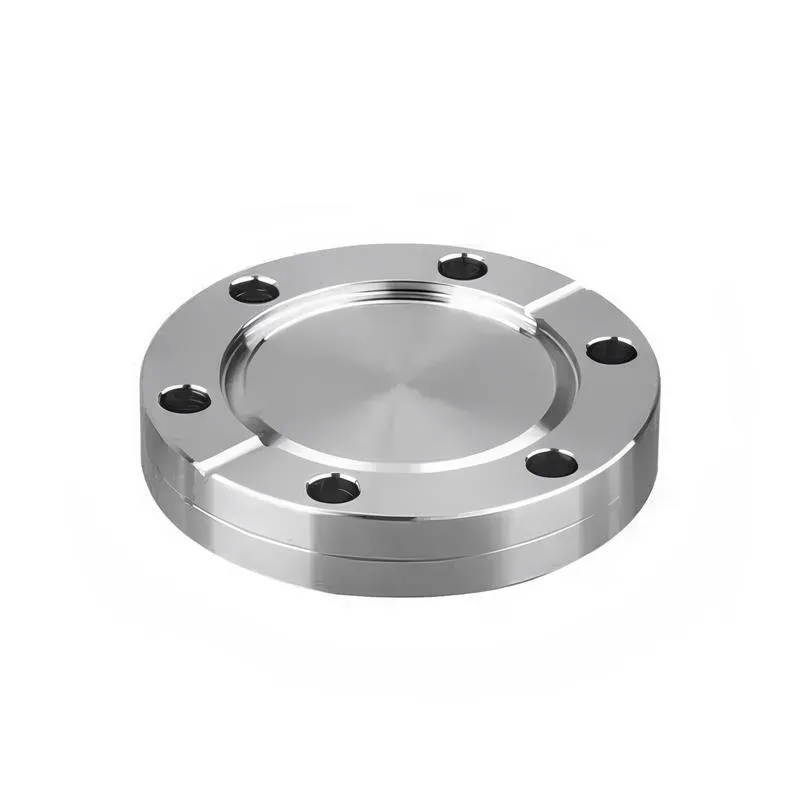
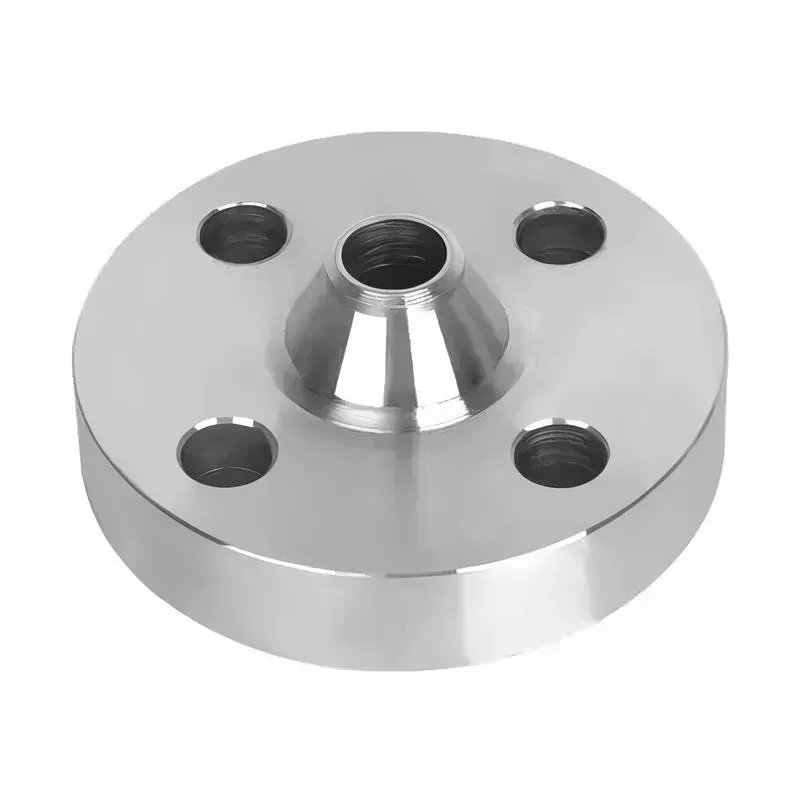
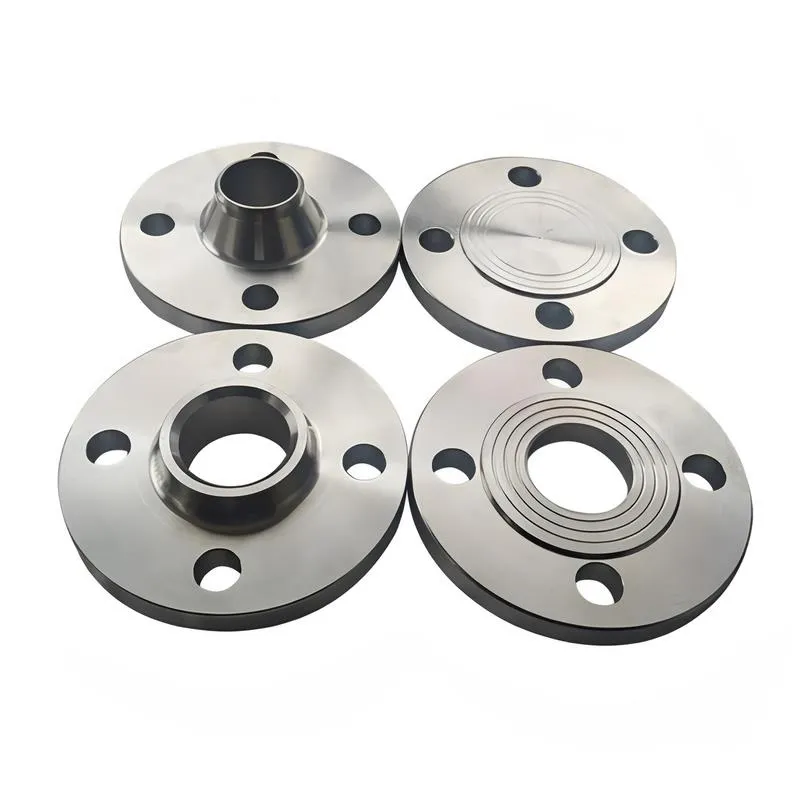
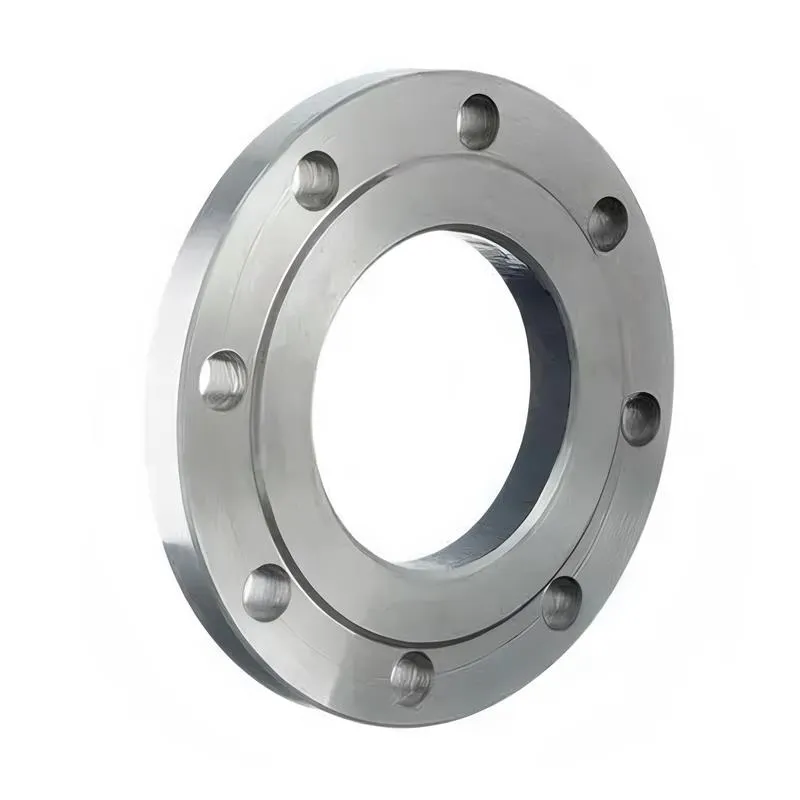
ASTM A446 Steel Flange, grade D
Product Code : FL-Steel-246-CU
We provide ASTM A446 Steel Flange, grade D Manufacturing types: Forging, Casting, Cutting, Rolling.We can manufacture in accordance with these standards.GB/T 9112–9124-2010 Steel Pipe Flanges , JB Series , HG Series, ASME B16.5, BS4504, DIN , JIS,CBM,etc
1,We Manufacturing processes are primarily classified into four types:
1:Forging,
2:Casting,
3:Cutting,
4:Rolling.
2,We can manufacture in accordance with these standards.
Standards:
GB Series (Chinese Standards), JB Series (Machinery Standards), HG Series (Chemical Industry Standards), ASME B16.5 (American Standards), BS4504 (British Standards), DIN (German Standards), and JIS (Japanese Standards).
Internationally, there are two primary systems of pipe flange standards: the European system, represented by the German DIN standards (including those of the former Soviet Union), and the American system, represented by the US ANSI pipe flange standards. Other common standards include: the Chinese Ministry of Machinery Industry standards (JB series), the Ministry of Chemical Industry standards (HG series), the Chinese National Standard *GB/T 9112–9124-2010 Steel Pipe Flanges*, as well as US standards (ASME B16.5), British standards (BS4504), German standards (DIN), Japanese standards (JIS), and marine standards (CBM), among others.
The nominal pressure ratings for the PN series are designated by "PN" and comprise the following nine levels: PN2.5, PN6, PN10, PN16, PN25, PN40, PN63, PN100, and PN160.
The nominal pressure ratings for the Class series are designated by "Class" and comprise the following six levels: Class150, Class300, Class600, Class900, Class1500, and Class2500.
Flange Classification
1. **According to Chemical Industry Standards:** Flanges are classified as follows:
Plate Flat Welding Flange (PL), Necked Flat Welding Flange (SO), Necked Butt Welding Flange (WN), Integral Flange (IF), Socket Welding Flange (SW), Threaded Flange (Th), Butt Welding Ring Loose Flange (PJ/SE), Blind Flange (BL), Flat Welding Ring Loose Flange (PJ/PJ), and Lined Blind Flange (BL(s)).
2. **According to Petrochemical (SH) Industry Standards:** Flanges are classified as follows:
Threaded Flange (PL), Butt Welding Flange (WN), Flat Welding Flange (SO), Socket Welding Flange (SW), Loose Flange (LJ), and Blind Flange (no specific designation).
3. **According to Machinery (JB) Industry Standards:** Flanges are classified as follows:
Integral Flange, Butt Welding Flange, Plate Flat Welding Flange, Butt Welding Ring Plate Loose Flange, Flat Welding Ring Plate Loose Flange, Lap Joint Ring Plate Loose Flange, and Blind Flange.
4. **According to Connection Method/Type:** Flanges are classified as follows:
Plate Flat Welding Flange, Necked Flat Welding Flange, Necked Butt Welding Flange, Socket Welding Flange, Threaded Flange, Blind Flange, Necked Butt Welding Ring Loose Flange, Flat Welding Ring Loose Flange, Ring-Type Joint (RTJ) Flange and Blind Flange, Large-Diameter Plate Flange, Large-Diameter High-Neck Flange, Figure-8 Blind Plate, Butt Welding Ring Loose Flange, etc.
5. **According to the Component Being Connected:** Flanges can be classified into Vessel Flanges and Pipe Flanges.
6. **According to Structural Type:** Flanges include Integral Flanges, Threaded Flanges, Flat Welding Flanges, Butt Welding Flanges, Lap Joint (Loose/Swivel) Flanges, and Blind Flanges.
A flange—also referred to as a flange plate or rim—is a component used to connect shafts to one another, or, more commonly, to join the ends of pipes. Flanges are also utilized at the inlet and outlet ports of equipment to facilitate connections between two devices—for instance, the flange on a speed reducer. A "flange connection" or "flanged joint" refers to a detachable joint assembly comprising three interconnected elements—a flange, a gasket, and bolts—that together form a sealed structural unit. In the context of piping systems, a "pipe flange" specifically denotes a flange used for plumbing within the installation; when applied to equipment, it refers to the inlet or outlet flange of that specific device. Flanges feature a series of holes through which bolts are inserted to securely fasten the two flanges together, while a gasket placed between the flanges ensures a leak-proof seal. Flanges are broadly categorized into three types: threaded (screw-in) flanges, welded flanges, and clamp-type flanges. Flanges are invariably used in pairs; threaded flanges are suitable for low-pressure piping applications, whereas welded flanges are required for systems operating at pressures exceeding 4 kilograms per square centimeter. A sealing gasket is inserted between the two flange plates, which are then firmly secured using bolts. The thickness of a flange—as well as the specifications of the bolts used to fasten it—vary depending on the specific pressure rating required for the application. When connecting equipment such as water pumps or valves to piping systems, the corresponding connection points on these devices are often manufactured in the shape of a matching flange; this method of attachment is also referred to as a "flange connection." Generally, any connecting component that utilizes bolts to join and seal the perimeters of two flat surfaces—such as the joints in ventilation ducts—is termed a "flange"; such components may collectively be classified as "flange-type parts." However, since such a connection often constitutes merely a *portion* of a larger device—for instance, the interface between a flange and a water pump—it would be inappropriate to classify the entire water pump itself as a "flange-type part." Conversely, smaller components—such as valves—that feature such flanged interfaces may indeed be appropriately categorized as "flange-type parts."
-:-
For detailed product information, please contact sales.
-:
ASTM A446 Steel Flange, grade D Product Information
-:-
For detailed product information, please contact sales.
-:
ASTM A446 Steel Flange, grade D Synonyms
-:-
For detailed product information, please contact sales.
-:
ASTM A446 Steel, grade D Product Information
-:-
For detailed product information, please contact sales.
-:
### **Technical Data Sheet: ASTM A446 Steel, Grade D**
---
#### **1. Product Overview**
ASTM A446 Grade D is a **ultra-high-strength zinc-coated (galvanized) structural steel sheet** representing the highest strength level in the A446 standard series. This grade is specifically engineered for extreme applications in corrugated steel pipe, structural plate structures, and other heavy civil engineering projects where maximum load-bearing capacity and structural performance are required. Grade D offers exceptional mechanical properties while maintaining the corrosion protection benefits of hot-dip galvanizing.
---
#### **2. International Standards & Equivalents**
| Standard Organization | Designation |
|-----------------------|-------------|
| **ASTM International** | **A446 Grade D** |
| **UNS Number** | **K02600** |
| **ISO International Standard** | **ISO 3575** |
| **European Norm (EN)** | **EN 10346 DX56D+Z** |
| **Japanese (JIS)** | **G 3302 SGH440** |
| **Chinese GB** | **GB/T 2518** |
| **Australian/New Zealand** | **AS/NZS 1397 G550** |
---
#### **3. Chemical Composition (Weight %)**
| Element | Composition (%) |
|---------|-----------------|
| **Carbon (C)** | 0.30 max |
| **Manganese (Mn)** | 1.35 max |
| **Phosphorus (P)** | 0.035 max |
| **Sulfur (S)** | 0.035 max |
| **Silicon (Si)** | 0.30 max |
| **Copper (Cu)** | 0.20 min (when required) |
| **Niobium (Nb)** | 0.005-0.05 |
| **Vanadium (V)** | 0.01-0.10 |
| **Titanium (Ti)** | 0.005-0.03 (when used) |
| **Iron (Fe)** | Balance |
**Key Composition Features:**
- **Optimized Carbon Content**: Maximum 0.30% for ultimate strength
- **High Manganese**: Up to 1.35% for maximum strength enhancement
- **Microalloying System**: Niobium and vanadium for grain refinement and precipitation strengthening
- **Advanced Chemistry**: Precisely controlled for superior mechanical properties
---
#### **4. Mechanical Properties**
**Tensile Properties:**
- **Tensile Strength**: 480 MPa (70,000 psi) min
- **Yield Strength**: 415 MPa (60,000 psi) min
- **Elongation in 50 mm (2 in)**: 14% min
**Hardness Properties:**
- **Brinell Hardness**: 145-200 HB typical
- **Rockwell Hardness**: 85-100 HRB typical
**Coating Properties:**
- **Coating Weight**: 275 g/m² (0.90 oz/ft²) min
- **Coating Adhesion**: Excellent - maintains integrity through forming
---
#### **5. Physical Properties**
| Property | Value |
|----------|-------|
| **Density** | 7.85 g/cm³ (0.284 lb/in³) |
| **Modulus of Elasticity** | 200 GPa (29,000 ksi) |
| **Shear Modulus** | 77 GPa (11,200 ksi) |
| **Poisson's Ratio** | 0.29 |
| **Thermal Conductivity** | 50.5 W/m·K at 20°C |
| **Coefficient of Thermal Expansion** | 11.5 × 10⁻⁶ /K (20-100°C) |
| **Specific Heat Capacity** | 465 J/kg·K |
---
#### **6. Product Applications**
**Extreme Civil Engineering Applications:**
- **Mega Culvert Systems**: Extra-large diameter drainage structures
- **Deep Burial Applications**: Structures under extreme soil cover (≥30 feet)
- **Long-Span Structural Plate Bridges**: Major bridge replacement systems
- **Heavy-Duty Retaining Walls**: Critical slope stabilization projects
**Critical Infrastructure Projects:**
- **Major Flood Control Systems**: Dam outlet works and spillway conduits
- **Transportation Infrastructure**: Highway and railway underpasses
- **Mining and Tunneling**: Heavy-duty access tunnels and shaft linings
- **Industrial Complexes**: Critical drainage and utility conduits
**Special Applications:**
- **Seismic Zone Construction**: Structures in high earthquake risk areas
- **Coastal and Marine Structures**: Harbor infrastructure and sea outfalls
- **Heavy Industrial Sites**: Mining, petroleum, and chemical plant infrastructure
- **Emergency and Disaster Relief**: Rapid deployment bridge systems
---
#### **7. Manufacturing & Fabrication**
**Forming Characteristics:**
- **Controlled Formability**: Suitable for structural plate forming with proper equipment
- **Minimum Bend Radius**: 2.5 × thickness for 90° bends
- **Coating Adhesion**: Excellent performance through fabrication processes
- **Special Considerations**: May require specialized equipment for forming
**Welding Performance:**
- **Weldable**: With strict procedure qualification and controls
- **Recommended Processes**: GMAW with micro-alloyed filler metals
- **Pre-heat Requirements**: Essential for most applications
- **Post-weld Treatment**: Stress relief may be required
**Fabrication Considerations:**
- **High-Strength Bolting**: Compatible with ASTM A325 or higher grade bolts
- **Specialized Tooling**: May be required for field modification
- **Quality Control**: Enhanced inspection and testing recommended
---
#### **8. Quality Assurance & Testing**
**Comprehensive Testing Protocol:**
- Full chemical analysis with microalloy verification
- Multiple tension tests per heat
- Enhanced bend testing
- Coating weight and adhesion testing
- Hardness testing and mapping
**Advanced Quality Requirements:**
- Microstructural examination
- Grain size determination
- Impact testing (when specified)
- Non-destructive testing capabilities
---
#### **9. Corrosion Performance**
- **Maximum Protection**: Heavy zinc coating for extended service life
- **Aggressive Environments**: Suitable for challenging soil and water conditions
- **Design Life Expectancy**: 50-100+ years with proper design and installation
- **Advanced Protection**: Combined barrier and cathodic protection systems
---
#### **10. Available Product Forms**
**Premium Dimensions:**
- **Thickness Range**: 2.0 mm to 6.0 mm (0.079" to 0.236")
- **Width Range**: 600 mm to 1500 mm (24" to 60")
- **Length Range**: Precision cut lengths or coils
**Surface Conditions:**
- Premium hot-dip galvanized coating
- Minimum coating weight 275 g/m²
- Minimized spangle or surface-treated finishes available
---
#### **11. Technical Specifications**
**Premium Coating Requirements:**
- **Coating Weight**: 275 g/m² (0.90 oz/ft²) minimum
- **Coating Uniformity**: Premium quality coverage required
- **Adhesion Performance**: Must withstand all fabrication processes
**Stringent Dimensional Tolerances:**
- **Thickness Tolerance**: ±0.10 mm
- **Width Tolerance**: +5 mm, -0 mm
- **Length Tolerance**: +8 mm, -0 mm
- **Flatness**: Premium requirements for structural applications
---
**Technical Notes:**
- Grade D provides approximately 80% higher yield strength than Grade A
- Designed for the most extreme structural applications and loading conditions
- Requires specialized engineering design and analysis
- Microalloying technology provides enhanced strength without compromising weldability
- Must comply with AASHTO LRFD Bridge Design Specifications
- All structural applications require professional engineering design and certification
*This information is for reference purposes. For complete technical specifications and design requirements, consult the latest ASTM A446 standard, AASHTO LRFD Bridge Design Specifications, and applicable structural design codes. All applications must be designed and certified by qualified professional engineers.*
-:-
For detailed product information, please contact sales.
-:
ASTM A446 Steel, grade D Specification
Dimensions
Size:
Diameter 20-1000 mm Length <4254 mm
Size:We can customized as required
Standard:
Per your request or drawing
We can customized as required
Properties(Theoretical)
Chemical Composition
-:-
For detailed product information, please contact sales.
-:
ASTM A446 Steel, grade D Properties
-:-
For detailed product information, please contact sales.
-:
Applications of ASTM A446 Steel Flange, grade D
-:-
For detailed product information, please contact sales.
-:
Chemical Identifiers ASTM A446 Steel Flange, grade D
-:-
For detailed product information, please contact sales.
-:
Packing of ASTM A446 Steel Flange, grade D
-:-
For detailed product information, please contact sales.
-:
Standard Packing:
-:-
For detailed product information, please contact sales.
-:
Typical bulk packaging includes palletized plastic 5 gallon/25 kg. pails, fiber and Steel Flange drums to 1 ton super sacks in full container (FCL) or truck load (T/L) quantities. Research and sample quantities and hygroscopic, oxidizing or other air sensitive materials may be packaged under argon or vacuum. Solutions are packaged in polypropylene, plastic or glass jars up to palletized 725 gallon liquid totes Special package is available on request. E FORUs’ is carefully handled to minimize damage during storage and transportation and to preserve the quality of our products in their original condition