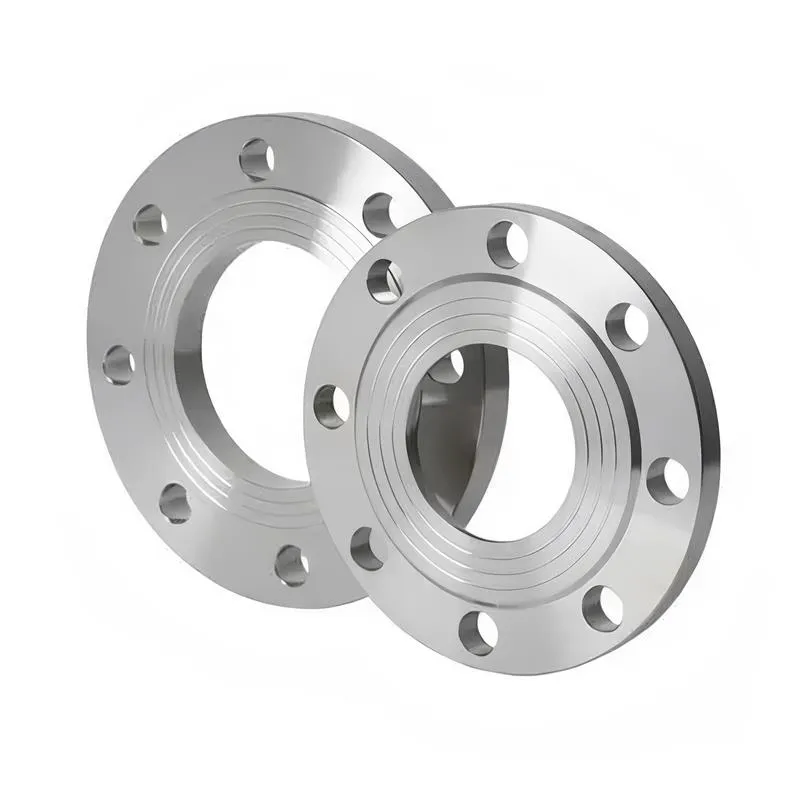
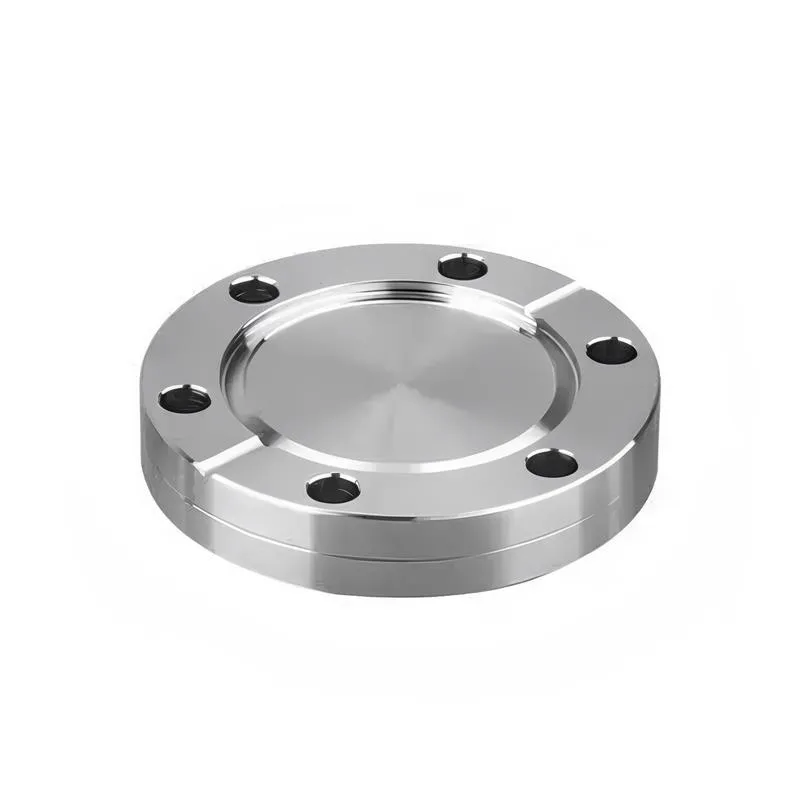
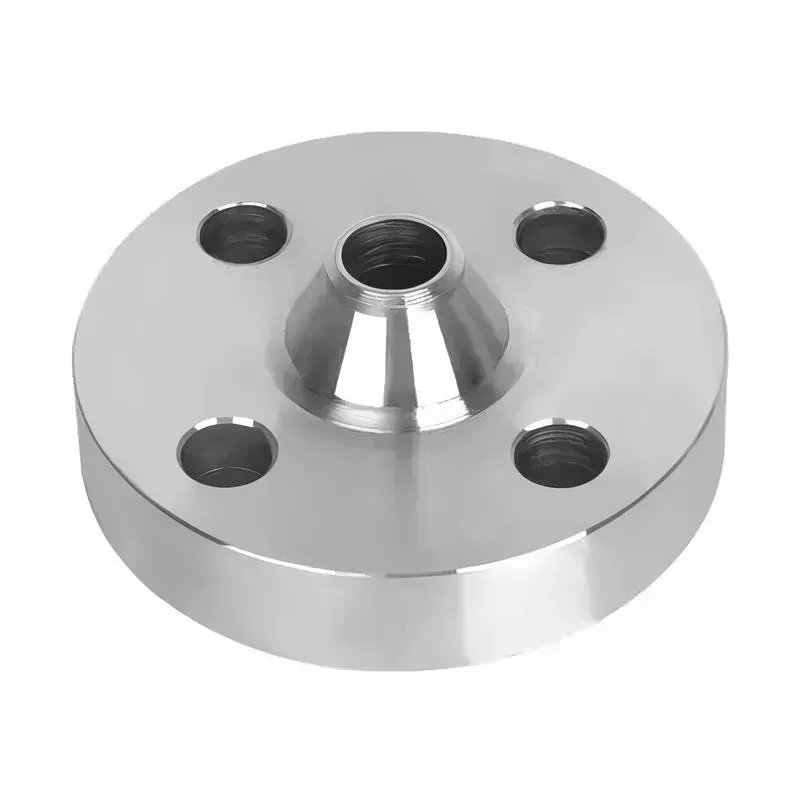
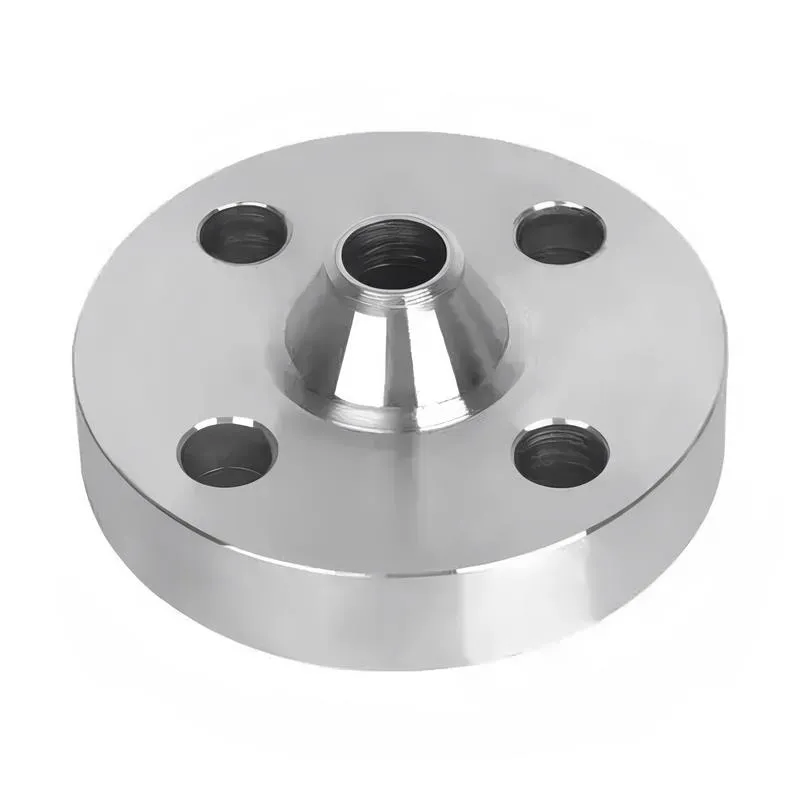
1,We Manufacturing processes are primarily classified into four types:
1:Forging,
2:Casting,
3:Cutting,
4:Rolling.
2,We can manufacture in accordance with these standards.
Standards:
GB Series (Chinese Standards), JB Series (Machinery Standards), HG Series (Chemical Industry Standards), ASME B16.5 (American Standards), BS4504 (British Standards), DIN (German Standards), and JIS (Japanese Standards).
Internationally, there are two primary systems of pipe flange standards: the European system, represented by the German DIN standards (including those of the former Soviet Union), and the American system, represented by the US ANSI pipe flange standards. Other common standards include: the Chinese Ministry of Machinery Industry standards (JB series), the Ministry of Chemical Industry standards (HG series), the Chinese National Standard *GB/T 9112–9124-2010 Steel Pipe Flanges*, as well as US standards (ASME B16.5), British standards (BS4504), German standards (DIN), Japanese standards (JIS), and marine standards (CBM), among others.
The nominal pressure ratings for the PN series are designated by "PN" and comprise the following nine levels: PN2.5, PN6, PN10, PN16, PN25, PN40, PN63, PN100, and PN160.
The nominal pressure ratings for the Class series are designated by "Class" and comprise the following six levels: Class150, Class300, Class600, Class900, Class1500, and Class2500.
Flange Classification
1. **According to Chemical Industry Standards:** Flanges are classified as follows:
Plate Flat Welding Flange (PL), Necked Flat Welding Flange (SO), Necked Butt Welding Flange (WN), Integral Flange (IF), Socket Welding Flange (SW), Threaded Flange (Th), Butt Welding Ring Loose Flange (PJ/SE), Blind Flange (BL), Flat Welding Ring Loose Flange (PJ/PJ), and Lined Blind Flange (BL(s)).
2. **According to Petrochemical (SH) Industry Standards:** Flanges are classified as follows:
Threaded Flange (PL), Butt Welding Flange (WN), Flat Welding Flange (SO), Socket Welding Flange (SW), Loose Flange (LJ), and Blind Flange (no specific designation).
3. **According to Machinery (JB) Industry Standards:** Flanges are classified as follows:
Integral Flange, Butt Welding Flange, Plate Flat Welding Flange, Butt Welding Ring Plate Loose Flange, Flat Welding Ring Plate Loose Flange, Lap Joint Ring Plate Loose Flange, and Blind Flange.
4. **According to Connection Method/Type:** Flanges are classified as follows:
Plate Flat Welding Flange, Necked Flat Welding Flange, Necked Butt Welding Flange, Socket Welding Flange, Threaded Flange, Blind Flange, Necked Butt Welding Ring Loose Flange, Flat Welding Ring Loose Flange, Ring-Type Joint (RTJ) Flange and Blind Flange, Large-Diameter Plate Flange, Large-Diameter High-Neck Flange, Figure-8 Blind Plate, Butt Welding Ring Loose Flange, etc.
5. **According to the Component Being Connected:** Flanges can be classified into Vessel Flanges and Pipe Flanges.
6. **According to Structural Type:** Flanges include Integral Flanges, Threaded Flanges, Flat Welding Flanges, Butt Welding Flanges, Lap Joint (Loose/Swivel) Flanges, and Blind Flanges.
A flange—also referred to as a flange plate or rim—is a component used to connect shafts to one another, or, more commonly, to join the ends of pipes. Flanges are also utilized at the inlet and outlet ports of equipment to facilitate connections between two devices—for instance, the flange on a speed reducer. A "flange connection" or "flanged joint" refers to a detachable joint assembly comprising three interconnected elements—a flange, a gasket, and bolts—that together form a sealed structural unit. In the context of piping systems, a "pipe flange" specifically denotes a flange used for plumbing within the installation; when applied to equipment, it refers to the inlet or outlet flange of that specific device. Flanges feature a series of holes through which bolts are inserted to securely fasten the two flanges together, while a gasket placed between the flanges ensures a leak-proof seal. Flanges are broadly categorized into three types: threaded (screw-in) flanges, welded flanges, and clamp-type flanges. Flanges are invariably used in pairs; threaded flanges are suitable for low-pressure piping applications, whereas welded flanges are required for systems operating at pressures exceeding 4 kilograms per square centimeter. A sealing gasket is inserted between the two flange plates, which are then firmly secured using bolts. The thickness of a flange—as well as the specifications of the bolts used to fasten it—vary depending on the specific pressure rating required for the application. When connecting equipment such as water pumps or valves to piping systems, the corresponding connection points on these devices are often manufactured in the shape of a matching flange; this method of attachment is also referred to as a "flange connection." Generally, any connecting component that utilizes bolts to join and seal the perimeters of two flat surfaces—such as the joints in ventilation ducts—is termed a "flange"; such components may collectively be classified as "flange-type parts." However, since such a connection often constitutes merely a *portion* of a larger device—for instance, the interface between a flange and a water pump—it would be inappropriate to classify the entire water pump itself as a "flange-type part." Conversely, smaller components—such as valves—that feature such flanged interfaces may indeed be appropriately categorized as "flange-type parts."
-:-
For detailed product information, please contact sales.
-:
International Mold Steel Flange Porcerax II Sintered, Porous Mold Steel Flange Product Information
-:-
For detailed product information, please contact sales.
-:
International Mold Steel Flange Porcerax II Sintered, Porous Mold Steel Flange Synonyms
-:-
For detailed product information, please contact sales.
-:
International Mold Steel Porcerax II Sintered, Porous Mold Steel Product Information
-:-
For detailed product information, please contact sales.
-:
# **Product Introduction: Porcerax® II Sintered, Porous Mold Steel**
---
## **1. Overview**
**Porcerax® II** is an innovative **sintered, porous, stainless mold steel** specifically engineered to solve critical venting challenges in plastic injection molding and die casting. Unlike conventional solid steels, Porcerax® II features a **uniform, interconnected microscopic pore structure** (typically 20-30% porosity) throughout its entire volume, allowing gases and air to escape during mold filling while completely blocking the passage of molten plastic or metal. This unique property eliminates the need for traditional venting methods such as vents, ejector pins, or parting lines, enabling the production of defect-free components with complex geometries and deep ribs. The material combines the **venting functionality of porous metal with the strength, polishability, and durability of premium mold steel**, making it an essential tool for advanced mold design.
---
## **2. International Standards & Specifications**
As a proprietary engineered material, Porcerax® II is defined by the manufacturer's specifications, but its properties align with key industry requirements.
* **Primary Manufacturer Standard:**
* **International Mold Steel (IMS) Porcerax® II:** Proprietary specification for the porous sintered steel material.
* **Material Classification & Related Standards:**
* **ASTM B963:** Standard Specification for Zinc and Tin Alloy Die Castings (referencing venting materials).
* **Industry Practice:** Recognized and specified in automotive, electronics, and precision molding industries for solving venting challenges.
* **Base Material Equivalent:** The solid matrix is comparable to a **400-series martensitic stainless steel** (similar to 420 Stainless, ~1.2083), providing corrosion resistance and hardenability.
---
## **3. Chemical Composition (Weight %, Matrix Typical)**
The base steel matrix is designed for strength, corrosion resistance, and compatibility with the sintering process.
| Element | Typical Range (%) | Role & Benefit |
| :--- | :--- | :--- |
| **Iron (Fe)** | Balance | Primary matrix element. |
| **Chromium (Cr)** | 12.0 – 14.0 | Provides **stainless characteristics**, offering good corrosion resistance against coolants, moisture, and some plastics. |
| **Carbon (C)** | 0.30 – 0.40 | Provides hardness and strength after heat treatment. |
| **Molybdenum (Mo)** | 0.50 – 1.00 | Enhances hardenability, strength, and dimensional stability during heat treatment. |
| **Other Alloys** | (Ni, Mn, Si) | Balanced for sintering process and final properties. |
| **Key Feature:** | **Uniform Porosity** | **20-30% by volume.** Interconnected pores (typical pore size: 7-20 microns) create a permanent, micro-scale venting network. |
---
## **4. Typical Physical & Mechanical Properties**
* **Porosity & Structure:** 20-30% vol., interconnected spherical pores. Pore size grades available (e.g., P7: ~7µm, P20: ~20µm).
* **Delivery Condition:** Typically supplied in a **soft-annealed condition** (~25-30 HRC) for machinability.
* **Final Hardness (After Heat Treatment):** Can be heat treated (harden and temper) to achieve **40-52 HRC** for high-wear applications.
* **Tensile Strength:** 350 – 500 MPa (50,000 – 72,500 psi) *[in annealed condition]*. Lower than solid steel due to porosity.
* **Compressive Strength:** Excellent, suitable for injection and die-casting pressures.
* **Density:** 5.6 – 6.3 g/cm³ (varies with porosity level).
* **Thermal Conductivity:** ~15-20 W/m·K (lower than solid steel due to porosity, but sufficient for mold applications).
* **Permeability:** Allows air/gas to pass through while blocking plastics (up to typical injection pressures). Performance varies with pore size selection.
* **Machinability:** **Good** in annealed condition. Can be milled, turned, drilled, ground, and EDM'd. Requires sharp tools and proper techniques to avoid smearing metal over pores.
* **Polishability:** **Good.** Can be polished to a high finish (SPI #A1-A3), though the surface will retain a matte, non-glossy appearance due to the porous structure.
* **Weldability:** Possible with specialized techniques (e.g., laser welding) but challenging as welding can seal the surface pores. Not generally recommended.
---
## **5. Product Application**
Porcerax® II is a problem-solving material used in specific, challenging molding situations.
* **Plastic Injection Molding:**
* **Cores for Deep Ribs, Bosses, and Thin Walls:** Prevents gas traps and burns (diesel effect).
* **Molds for Medical Devices:** Where vents could trap bacteria or create cleaning issues.
* **Optical Lens Molds:** Eliminates flow lines and vent marks on critical surfaces.
* **Molds for Micro-sized or High-Precision Parts:** Where traditional vents are impractical.
* **Die Casting (Zinc, Aluminum, Magnesium):**
* **Overflows and Vent Pockets:** Dramatically improves venting efficiency, reducing porosity in castings.
* **Cores for Complex Cavities.**
* **General Tooling:** Used as **inserts** in specific areas of a mold (cavity or core) rather than for the entire mold base.
---
## **6. Key Features & Advantages**
* **Eliminates Venting Defects:** Solves gas burns, short shots, poor weld lines, and high cavity pressure issues by providing **3D, volumetric venting**.
* **Enables Innovative Design:** Allows designers to create parts with previously unmoldable features (extreme depth-to-thickness ratios).
* **Improves Part Quality & Consistency:** Produces parts with better surface finish, higher dimensional accuracy, and reduced internal stress.
* **Increases Productivity:** Allows for faster injection speeds, lower clamp tonnage, and reduced cycle times by improving fill dynamics.
* **Reduces Mold Maintenance:** Eliminates clogged or damaged traditional vents. The pores are **self-cleaning** to a degree; trapped residues can be removed by baking, solvent flushing, or ultrasonic cleaning.
* **Durable & Long-Lasting:** Functions indefinitely as the pore structure is intrinsic to the material and does not wear out under normal use.
* **Customizable Pore Size:** Available in different micron ratings (e.g., P-7, P-20) to optimize for specific plastics (viscosity) or casting alloys.
---
## **7. Processing Guidelines**
1. **Design:** Use as a strategic insert. Must be properly sealed on sides and bottom (using seals or press fits) to force gas through the porous body.
2. **Machining:** Perform in the soft state. Use sharp tools, appropriate speeds/feeds, and avoid coolant types that could clog pores.
3. **Heat Treatment:** Optional. If hardening is required, follow specific guidelines to prevent surface sealing.
4. **Surface Finishing:** Polishable. Avoid processes that peen or smear the surface shut.
5. **Maintenance:** Clean periodically with solvents, hot alkaline solutions, or by baking to burn out contaminants.
---
**In summary, Porcerax® II is a highly specialized, engineered mold material that revolutionizes venting technology. It is not a general-purpose steel but a critical tool for overcoming fundamental limitations in injection molding and die casting, enabling the production of higher quality, more complex components with greater efficiency and reliability.**
-:-
For detailed product information, please contact sales.
-:
International Mold Steel Porcerax II Sintered, Porous Mold Steel Specification
Dimensions
Size:
Diameter 20-1000 mm Length <7026 mm
Size:We can customized as required
Standard:
Per your request or drawing
We can customized as required
Properties(Theoretical)
Chemical Composition
-:-
For detailed product information, please contact sales.
-:
International Mold Steel Porcerax II Sintered, Porous Mold Steel Properties
-:-
For detailed product information, please contact sales.
-:
Applications of International Mold Steel Flange Porcerax II Sintered, Porous Mold Steel Flange
-:-
For detailed product information, please contact sales.
-:
Chemical Identifiers International Mold Steel Flange Porcerax II Sintered, Porous Mold Steel Flange
-:-
For detailed product information, please contact sales.
-:
Packing of International Mold Steel Flange Porcerax II Sintered, Porous Mold Steel Flange
-:-
For detailed product information, please contact sales.
-:
Standard Packing:
-:-
For detailed product information, please contact sales.
-:
Typical bulk packaging includes palletized plastic 5 gallon/25 kg. pails, fiber and Steel Flange drums to 1 ton super sacks in full container (FCL) or truck load (T/L) quantities. Research and sample quantities and hygroscopic, oxidizing or other air sensitive materials may be packaged under argon or vacuum. Solutions are packaged in polypropylene, plastic or glass jars up to palletized 3497 gallon liquid totes Special package is available on request. E FORUs’ is carefully handled to minimize damage during storage and transportation and to preserve the quality of our products in their original condition