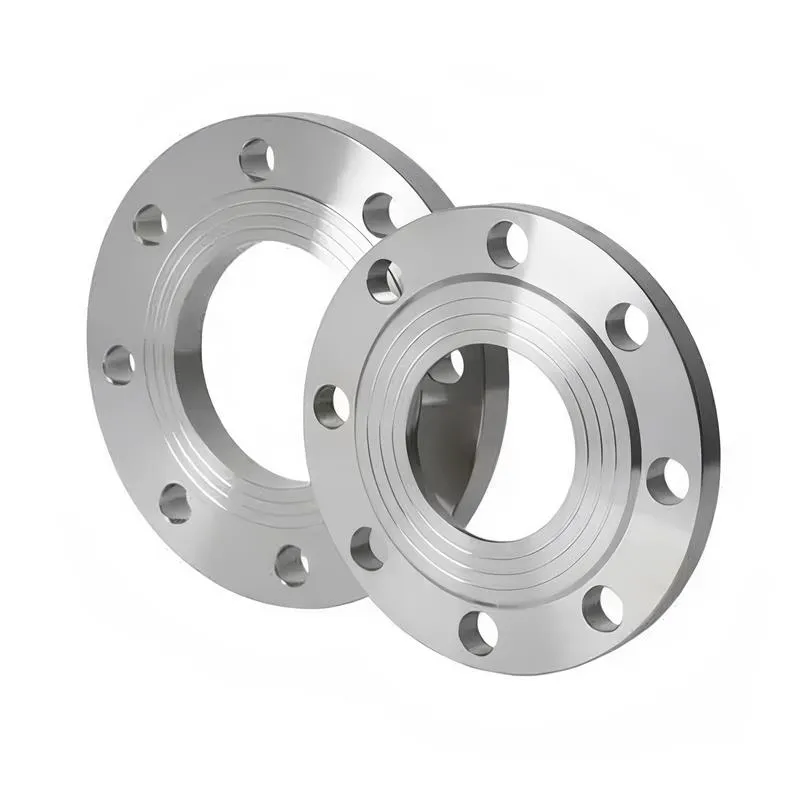
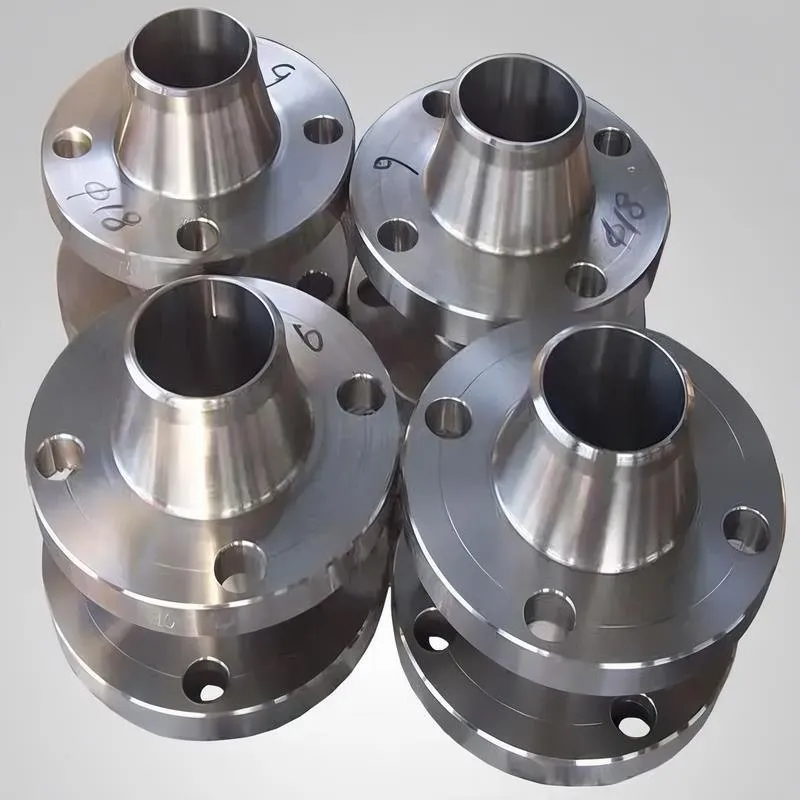
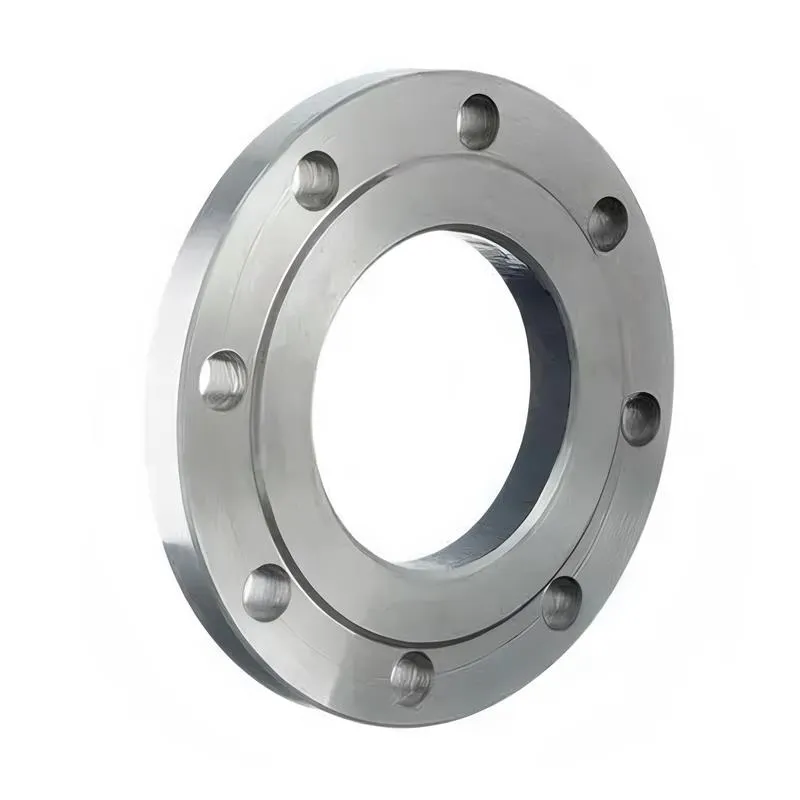
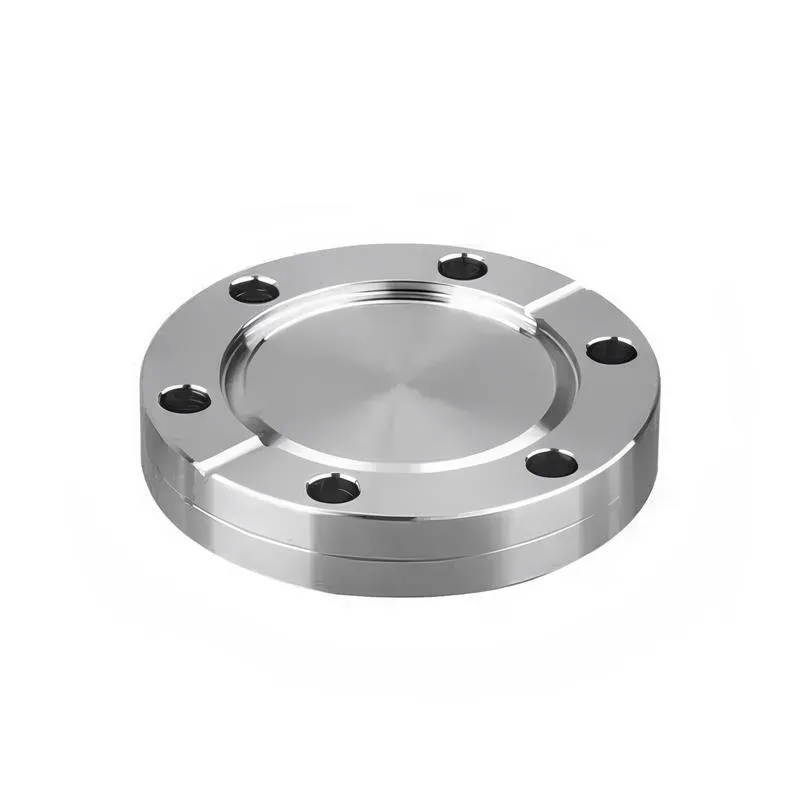
1,We Manufacturing processes are primarily classified into four types:
1:Forging,
2:Casting,
3:Cutting,
4:Rolling.
2,We can manufacture in accordance with these standards.
Standards:
GB Series (Chinese Standards), JB Series (Machinery Standards), HG Series (Chemical Industry Standards), ASME B16.5 (American Standards), BS4504 (British Standards), DIN (German Standards), and JIS (Japanese Standards).
Internationally, there are two primary systems of pipe flange standards: the European system, represented by the German DIN standards (including those of the former Soviet Union), and the American system, represented by the US ANSI pipe flange standards. Other common standards include: the Chinese Ministry of Machinery Industry standards (JB series), the Ministry of Chemical Industry standards (HG series), the Chinese National Standard *GB/T 9112–9124-2010 Steel Pipe Flanges*, as well as US standards (ASME B16.5), British standards (BS4504), German standards (DIN), Japanese standards (JIS), and marine standards (CBM), among others.
The nominal pressure ratings for the PN series are designated by "PN" and comprise the following nine levels: PN2.5, PN6, PN10, PN16, PN25, PN40, PN63, PN100, and PN160.
The nominal pressure ratings for the Class series are designated by "Class" and comprise the following six levels: Class150, Class300, Class600, Class900, Class1500, and Class2500.
Flange Classification
1. **According to Chemical Industry Standards:** Flanges are classified as follows:
Plate Flat Welding Flange (PL), Necked Flat Welding Flange (SO), Necked Butt Welding Flange (WN), Integral Flange (IF), Socket Welding Flange (SW), Threaded Flange (Th), Butt Welding Ring Loose Flange (PJ/SE), Blind Flange (BL), Flat Welding Ring Loose Flange (PJ/PJ), and Lined Blind Flange (BL(s)).
2. **According to Petrochemical (SH) Industry Standards:** Flanges are classified as follows:
Threaded Flange (PL), Butt Welding Flange (WN), Flat Welding Flange (SO), Socket Welding Flange (SW), Loose Flange (LJ), and Blind Flange (no specific designation).
3. **According to Machinery (JB) Industry Standards:** Flanges are classified as follows:
Integral Flange, Butt Welding Flange, Plate Flat Welding Flange, Butt Welding Ring Plate Loose Flange, Flat Welding Ring Plate Loose Flange, Lap Joint Ring Plate Loose Flange, and Blind Flange.
4. **According to Connection Method/Type:** Flanges are classified as follows:
Plate Flat Welding Flange, Necked Flat Welding Flange, Necked Butt Welding Flange, Socket Welding Flange, Threaded Flange, Blind Flange, Necked Butt Welding Ring Loose Flange, Flat Welding Ring Loose Flange, Ring-Type Joint (RTJ) Flange and Blind Flange, Large-Diameter Plate Flange, Large-Diameter High-Neck Flange, Figure-8 Blind Plate, Butt Welding Ring Loose Flange, etc.
5. **According to the Component Being Connected:** Flanges can be classified into Vessel Flanges and Pipe Flanges.
6. **According to Structural Type:** Flanges include Integral Flanges, Threaded Flanges, Flat Welding Flanges, Butt Welding Flanges, Lap Joint (Loose/Swivel) Flanges, and Blind Flanges.
A flange—also referred to as a flange plate or rim—is a component used to connect shafts to one another, or, more commonly, to join the ends of pipes. Flanges are also utilized at the inlet and outlet ports of equipment to facilitate connections between two devices—for instance, the flange on a speed reducer. A "flange connection" or "flanged joint" refers to a detachable joint assembly comprising three interconnected elements—a flange, a gasket, and bolts—that together form a sealed structural unit. In the context of piping systems, a "pipe flange" specifically denotes a flange used for plumbing within the installation; when applied to equipment, it refers to the inlet or outlet flange of that specific device. Flanges feature a series of holes through which bolts are inserted to securely fasten the two flanges together, while a gasket placed between the flanges ensures a leak-proof seal. Flanges are broadly categorized into three types: threaded (screw-in) flanges, welded flanges, and clamp-type flanges. Flanges are invariably used in pairs; threaded flanges are suitable for low-pressure piping applications, whereas welded flanges are required for systems operating at pressures exceeding 4 kilograms per square centimeter. A sealing gasket is inserted between the two flange plates, which are then firmly secured using bolts. The thickness of a flange—as well as the specifications of the bolts used to fasten it—vary depending on the specific pressure rating required for the application. When connecting equipment such as water pumps or valves to piping systems, the corresponding connection points on these devices are often manufactured in the shape of a matching flange; this method of attachment is also referred to as a "flange connection." Generally, any connecting component that utilizes bolts to join and seal the perimeters of two flat surfaces—such as the joints in ventilation ducts—is termed a "flange"; such components may collectively be classified as "flange-type parts." However, since such a connection often constitutes merely a *portion* of a larger device—for instance, the interface between a flange and a water pump—it would be inappropriate to classify the entire water pump itself as a "flange-type part." Conversely, smaller components—such as valves—that feature such flanged interfaces may indeed be appropriately categorized as "flange-type parts."
-:-
For detailed product information, please contact sales.
-:
JIS S45C Steel Flange, Normalized Product Information
-:-
For detailed product information, please contact sales.
-:
JIS S45C Steel Flange, Normalized Synonyms
-:-
For detailed product information, please contact sales.
-:
JIS S45C Steel, Normalized Product Information
-:-
For detailed product information, please contact sales.
-:
# **Product Technical Specification: JIS S45C Steel (Normalized Condition)**
## **1. Overview and Material Classification**
**JIS S45C** is a widely used medium-carbon structural steel standardized by the Japanese Industrial Standards (JIS). Designated as **S45C** under JIS G4051 (Carbon steels for machine structural use), this grade is characterized by its balanced composition that provides an excellent combination of strength, toughness, and machinability.
The **"Normalized"** condition refers to the specific heat treatment where the steel is heated to approximately 850-900°C, held at this austenitizing temperature, then air-cooled to room temperature. This process refines the grain structure, homogenizes the microstructure, relieves internal stresses, and enhances mechanical properties, particularly toughness and ductility. Normalized S45C offers consistent, ready-to-use properties without requiring further heat treatment by end-users in many applications.
## **2. Chemical Composition (Weight %)**
According to JIS G4051 Standard:
| Element | Standard Range (%) | Typical Control Range (%) |
|----------------|--------------------|---------------------------|
| Carbon (C) | 0.42 - 0.48 | 0.44 - 0.46 |
| Silicon (Si) | 0.15 - 0.35 | 0.20 - 0.25 |
| Manganese (Mn) | 0.60 - 0.90 | 0.70 - 0.85 |
| Phosphorus (P) | ≤ 0.030 | ≤ 0.025 |
| Sulfur (S) | ≤ 0.035 | ≤ 0.025 |
| Iron (Fe) | Balance | Balance |
**Quality Notes:**
- Lower sulfur and phosphorus contents compared to resulfurized grades ensure better transverse properties and weldability
- The carbon content is carefully controlled to balance strength and toughness after normalizing
- Silicon content contributes to deoxidation and strength through solid solution strengthening
## **3. Physical and Mechanical Properties**
### **A. Typical Properties in Normalized Condition**
| Property | Value Range (25mm diameter) | Test Standard |
|-----------------------------------|-----------------------------|-----------------------|
| **Tensile Strength (Rm)** | 570 - 700 MPa | JIS Z 2241 |
| **Yield Strength (Rp0.2)** | 345 - 450 MPa | JIS Z 2241 |
| **Elongation (A)** | 18% - 25% | JIS Z 2241 |
| **Reduction of Area (Z)** | 45% - 60% | JIS Z 2241 |
| **Hardness (Brinell HB)** | 170 - 220 HB | JIS Z 2243 |
| **Impact Value (Charpy)** | 40 - 60 J (at 20°C) | JIS Z 2242 |
| **Modulus of Elasticity (E)** | 205 - 210 GPa | |
| **Poisson's Ratio (ν)** | 0.28 - 0.30 | |
| **Density (ρ)** | 7.85 g/cm³ | |
### **B. Physical Properties**
| Property | Value | Conditions |
|------------------------------------|---------------------------|-----------------------------|
| **Thermal Conductivity** | 46 - 52 W/m·K | At 100°C |
| **Specific Heat Capacity** | 460 - 480 J/kg·K | At 20-100°C |
| **Coefficient of Thermal Expansion** | 11.5 × 10⁻⁶/K | 20-100°C range |
| **Electrical Resistivity** | 0.18 - 0.22 μΩ·m | At 20°C |
| **Magnetic Properties** | Ferromagnetic | |
### **C. Microstructural Characteristics**
- **Structure:** Fine, uniform ferrite-pearlite microstructure
- **Grain Size:** Typically ASTM No. 7-9 (fine grain structure)
- **Pearlite Content:** Approximately 50-60%
- **Band Structure:** Minimal segregation and banding due to normalizing treatment
- **Inclusion Rating:** Typically JK 1.0-2.0 for clean steel grades
## **4. Manufacturing Process and Normalizing Treatment**
### **Normalizing Process Parameters:**
1. **Heating Rate:** Gradual heating to prevent thermal shock (typically 100-150°C/hour)
2. **Austenitizing Temperature:** 850-900°C (dependent on section size)
3. **Soaking Time:** 1 hour per 25mm of thickness (minimum)
4. **Cooling Method:** Still air cooling in a uniform environment
5. **Atmosphere:** Air or slightly protective atmosphere to minimize decarburization
### **Typical Decarburization Depth:**
- **Total Decarburization:** ≤ 0.25mm for diameters up to 50mm
- **Partial Decarburization:** ≤ 0.50mm for larger sections
## **5. Product Applications**
Normalized JIS S45C is extensively used across multiple industries due to its balanced properties and consistency:
### **Automotive Industry:**
- Transmission gears and shafts (for induction hardening)
- Axle shafts and drive components
- Steering linkage parts
- Engine mounting brackets
- Suspension components
### **General Machinery and Equipment:**
- Machine tool beds and frames
- Gear blanks and pinions
- Hydraulic cylinder rods and barrels
- Press frames and platens
- Rollers and guide rails
### **Construction and Agricultural Machinery:**
- Tractor components
- Excavator linkage parts
- Agricultural implement frames
- Crane and hoist components
### **Precision Components:**
- Precision shafts and spindles
- Bearing housings and retainers
- Fastener blanks for high-strength bolts
- Tool holders and fixtures
### **Special Applications:**
- Molds and dies for plastic injection
- Fixtures and jigs in manufacturing
- Structural members in precision equipment
- Components for surface hardening processes
## **6. Machining and Fabrication Characteristics**
### **Machinability:**
- **Relative Machinability:** 65-70% (compared to 100% for free-cutting steel)
- **Recommended Cutting Speeds:**
- High-Speed Steel Tools: 25-40 m/min
- Carbide Tools: 100-150 m/min
- **Surface Finish:** Can achieve Ra 1.6-3.2 μm with proper machining parameters
- **Chip Formation:** Continuous chips with good breakability
### **Welding Characteristics:**
- **Weldability Rating:** Fair to Good (with proper precautions)
- **Preheat Temperature:** 150-200°C (for thickness > 25mm)
- **Recommended Processes:**
- Shielded Metal Arc Welding (SMAW) with low-hydrogen electrodes
- Gas Metal Arc Welding (GMAW)
- Submerged Arc Welding (SAW) for thicker sections
- **Post-Weld Heat Treatment:** Stress relieving at 550-600°C is recommended
### **Formability:**
- **Cold Bending:** Good for moderate bends (minimum bend radius ≈ 2 × thickness)
- **Hot Working Temperature Range:** 1150-850°C
- **Forging:** Excellent in the hot condition
## **7. International Standards and Cross-References**
### **Direct Equivalent Grades:**
| Standard System | Equivalent Grade | Condition Specification | Remarks |
|-----------------|------------------|-------------------------|---------|
| **JIS** | S45C | Normalized | Original specification (JIS G4051) |
| **ISO** | C45E | Normalized | ISO 683-18: Heat-treatable steels |
| **DIN/EN** | 1.0503 / C45 | Normalized | EN 10083-2: Steels for quenching and tempering |
| **ASTM/SAE** | 1045 | Normalized | ASTM A29 / SAE J403 |
| **GB** | 45# | Normalized | Chinese standard GB/T 699 |
| **BS** | 080M46 | Normalized | BS 970: Wrought steels |
| **UNS** | G10450 | Normalized | Unified Numbering System |
### **Related JIS Standards:**
- **JIS G4051:** Carbon steels for machine structural use
- **JIS G0551:** Microscopic testing method for steel
- **JIS G0565:** Method of high frequency induction hardened layer depth test
- **JIS G3191:** Dimensions, mass and permissible variations of hot rolled steel bars
## **8. Heat Treatment Capabilities**
### **Additional Heat Treatment Options:**
1. **Quenching and Tempering:**
- Hardening temperature: 820-850°C (water or oil quench)
- Tempering range: 400-600°C for required hardness
- Achievable hardness: 25-55 HRC
2. **Induction Hardening:**
- Surface hardness: 55-60 HRC
- Case depth: 1-5 mm (adjustable)
- Excellent for wear-resistant surfaces
3. **Annealing:**
- Full annealing: 800-850°C, furnace cooling
- Process annealing: 650-700°C
- Resulting hardness: 150-180 HB
## **9. Quality Assurance and Testing**
### **Standard Testing:**
- **Chemical Analysis:** Ladle analysis and product verification
- **Tensile Testing:** Per batch/lot as per JIS Z 2241
- **Hardness Testing:** Brinell or Rockwell scale
- **Impact Testing:** Charpy V-notch as required
- **Microstructural Examination:** Grain size and inclusion rating
### **Special Tests Available:**
- **Hardenability Test (Jominy):** To determine depth of hardening
- **Non-Destructive Testing:** Ultrasonic, magnetic particle, or dye penetrant
- **Decarburization Depth Measurement:** Metallographic examination
## **10. Advantages and Limitations**
### **Advantages:**
1. **Excellent Balance:** Optimal combination of strength, toughness, and ductility
2. **Good Machinability:** Suitable for high-volume production machining
3. **Wide Availability:** Readily available in various forms and sizes
4. **Heat Treatment Versatility:** Responds well to various heat treatments
5. **Cost-Effective:** Economical choice for many structural applications
6. **Consistent Quality:** Normalizing ensures uniform properties throughout
### **Limitations:**
1. **Limited Corrosion Resistance:** Requires protective coatings for corrosive environments
2. **Moderate Hardenability:** Not suitable for very large sections requiring through-hardening
3. **Not for High-Temperature Service:** Limited strength at elevated temperatures (>400°C)
## **11. Supply Forms and Specifications**
### **Available Forms:**
- Round bars (black, bright, or turned)
- Square and flat bars
- Plates and sheets
- Forged blocks and shapes
- Wire rods
### **Standard Sizes:**
- **Diameter Range:** 10mm to 300mm for bars
- **Plate Thickness:** 6mm to 150mm
- **Length:** Standard random lengths or cut-to-size
### **Surface Conditions:**
- **Hot Rolled:** With mill scale
- **Pickled and Oiled:** Scale-free surface
- **Turned/Bright:** Precision machined surface
- **Polished/Ground:** High surface finish
## **12. Storage and Handling Recommendations**
1. **Storage Conditions:** Dry, covered storage to prevent rust formation
2. **Handling:** Use appropriate lifting equipment to prevent bending or surface damage
3. **Identification:** Maintain heat number traceability throughout processing
4. **Surface Protection:** Apply rust preventive oil for long-term storage
5. **Stacking:** Proper support and separation to prevent distortion
## **Conclusion**
JIS S45C in normalized condition represents one of the most versatile and widely used medium-carbon steels in the manufacturing industry. Its balanced composition, combined with the normalizing heat treatment, provides engineers with a material offering predictable mechanical properties, good manufacturability, and reliable performance in service.
The material's compatibility with various secondary processes (machining, welding, surface hardening) makes it suitable for diverse applications ranging from automotive components to general machinery parts. While newer alloy steels offer specialized properties, normalized S45C continues to be a preferred choice for applications requiring a cost-effective balance of strength, toughness, and processability.
For applications demanding specific property combinations, S45C can be further optimized through quenching and tempering or surface hardening processes, making it a truly versatile material in the engineer's selection toolkit.
-:-
For detailed product information, please contact sales.
-:
JIS S45C Steel, Normalized Specification
Dimensions
Size:
Diameter 20-1000 mm Length <5057 mm
Size:We can customized as required
Standard:
Per your request or drawing
We can customized as required
Properties(Theoretical)
Chemical Composition
-:-
For detailed product information, please contact sales.
-:
JIS S45C Steel, Normalized Properties
-:-
For detailed product information, please contact sales.
-:
Applications of JIS S45C Steel Flange, Normalized
-:-
For detailed product information, please contact sales.
-:
Chemical Identifiers JIS S45C Steel Flange, Normalized
-:-
For detailed product information, please contact sales.
-:
Packing of JIS S45C Steel Flange, Normalized
-:-
For detailed product information, please contact sales.
-:
Standard Packing:
-:-
For detailed product information, please contact sales.
-:
Typical bulk packaging includes palletized plastic 5 gallon/25 kg. pails, fiber and Steel Flange drums to 1 ton super sacks in full container (FCL) or truck load (T/L) quantities. Research and sample quantities and hygroscopic, oxidizing or other air sensitive materials may be packaged under argon or vacuum. Solutions are packaged in polypropylene, plastic or glass jars up to palletized 1528 gallon liquid totes Special package is available on request. E FORUs’ is carefully handled to minimize damage during storage and transportation and to preserve the quality of our products in their original condition