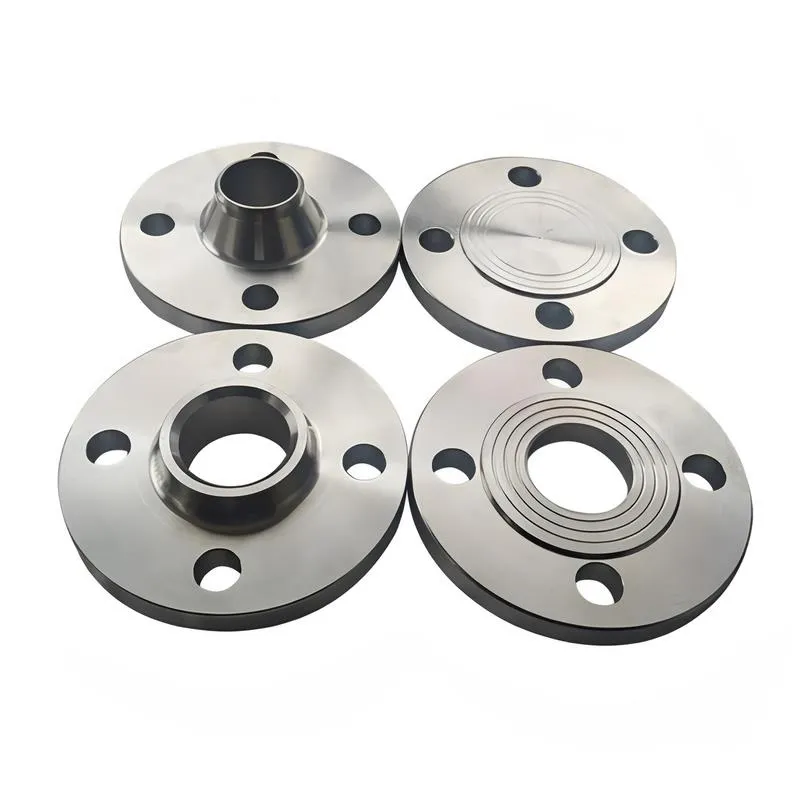
1,We Manufacturing processes are primarily classified into four types:
1:Forging,
2:Casting,
3:Cutting,
4:Rolling.
2,We can manufacture in accordance with these standards.
Standards:
GB Series (Chinese Standards), JB Series (Machinery Standards), HG Series (Chemical Industry Standards), ASME B16.5 (American Standards), BS4504 (British Standards), DIN (German Standards), and JIS (Japanese Standards).
Internationally, there are two primary systems of pipe flange standards: the European system, represented by the German DIN standards (including those of the former Soviet Union), and the American system, represented by the US ANSI pipe flange standards. Other common standards include: the Chinese Ministry of Machinery Industry standards (JB series), the Ministry of Chemical Industry standards (HG series), the Chinese National Standard *GB/T 9112–9124-2010 Steel Pipe Flanges*, as well as US standards (ASME B16.5), British standards (BS4504), German standards (DIN), Japanese standards (JIS), and marine standards (CBM), among others.
The nominal pressure ratings for the PN series are designated by "PN" and comprise the following nine levels: PN2.5, PN6, PN10, PN16, PN25, PN40, PN63, PN100, and PN160.
The nominal pressure ratings for the Class series are designated by "Class" and comprise the following six levels: Class150, Class300, Class600, Class900, Class1500, and Class2500.
Flange Classification
1. **According to Chemical Industry Standards:** Flanges are classified as follows:
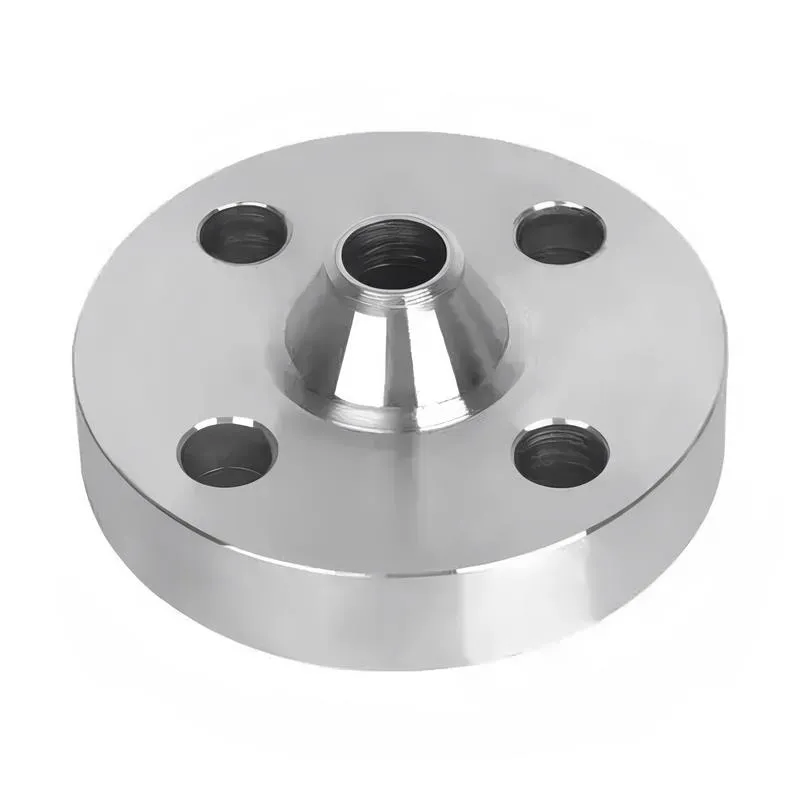
Plate Flat Welding Flange (PL), Necked Flat Welding Flange (SO), Necked Butt Welding Flange (WN), Integral Flange (IF), Socket Welding Flange (SW), Threaded Flange (Th), Butt Welding Ring Loose Flange (PJ/SE), Blind Flange (BL), Flat Welding Ring Loose Flange (PJ/PJ), and Lined Blind Flange (BL(s)).
2. **According to Petrochemical (SH) Industry Standards:** Flanges are classified as follows:
Threaded Flange (PL), Butt Welding Flange (WN), Flat Welding Flange (SO), Socket Welding Flange (SW), Loose Flange (LJ), and Blind Flange (no specific designation).
3. **According to Machinery (JB) Industry Standards:** Flanges are classified as follows:
Integral Flange, Butt Welding Flange, Plate Flat Welding Flange, Butt Welding Ring Plate Loose Flange, Flat Welding Ring Plate Loose Flange, Lap Joint Ring Plate Loose Flange, and Blind Flange.
4. **According to Connection Method/Type:** Flanges are classified as follows:
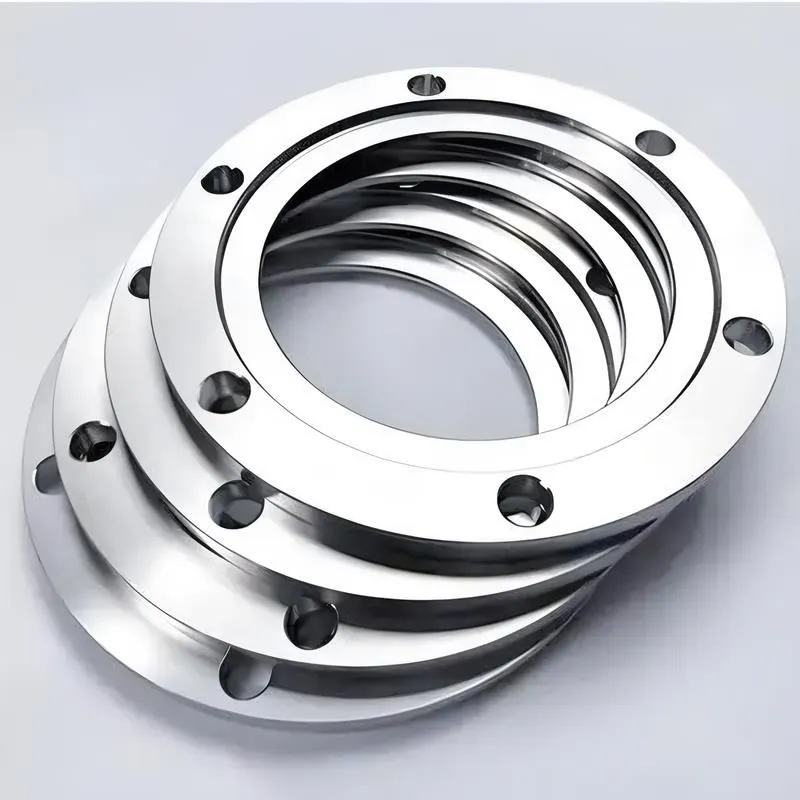
Plate Flat Welding Flange, Necked Flat Welding Flange, Necked Butt Welding Flange, Socket Welding Flange, Threaded Flange, Blind Flange, Necked Butt Welding Ring Loose Flange, Flat Welding Ring Loose Flange, Ring-Type Joint (RTJ) Flange and Blind Flange, Large-Diameter Plate Flange, Large-Diameter High-Neck Flange, Figure-8 Blind Plate, Butt Welding Ring Loose Flange, etc.
5. **According to the Component Being Connected:** Flanges can be classified into Vessel Flanges and Pipe Flanges.
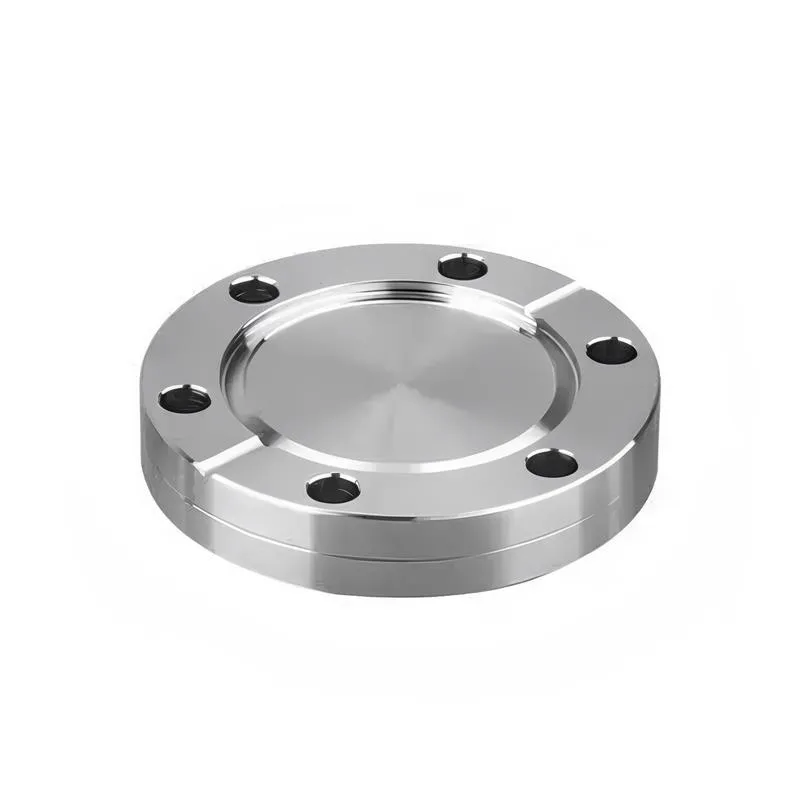
6. **According to Structural Type:** Flanges include Integral Flanges, Threaded Flanges, Flat Welding Flanges, Butt Welding Flanges, Lap Joint (Loose/Swivel) Flanges, and Blind Flanges.
A flange—also referred to as a flange plate or rim—is a component used to connect shafts to one another, or, more commonly, to join the ends of pipes. Flanges are also utilized at the inlet and outlet ports of equipment to facilitate connections between two devices—for instance, the flange on a speed reducer. A "flange connection" or "flanged joint" refers to a detachable joint assembly comprising three interconnected elements—a flange, a gasket, and bolts—that together form a sealed structural unit. In the context of piping systems, a "pipe flange" specifically denotes a flange used for plumbing within the installation; when applied to equipment, it refers to the inlet or outlet flange of that specific device. Flanges feature a series of holes through which bolts are inserted to securely fasten the two flanges together, while a gasket placed between the flanges ensures a leak-proof seal. Flanges are broadly categorized into three types: threaded (screw-in) flanges, welded flanges, and clamp-type flanges. Flanges are invariably used in pairs; threaded flanges are suitable for low-pressure piping applications, whereas welded flanges are required for systems operating at pressures exceeding 4 kilograms per square centimeter. A sealing gasket is inserted between the two flange plates, which are then firmly secured using bolts. The thickness of a flange—as well as the specifications of the bolts used to fasten it—vary depending on the specific pressure rating required for the application. When connecting equipment such as water pumps or valves to piping systems, the corresponding connection points on these devices are often manufactured in the shape of a matching flange; this method of attachment is also referred to as a "flange connection." Generally, any connecting component that utilizes bolts to join and seal the perimeters of two flat surfaces—such as the joints in ventilation ducts—is termed a "flange"; such components may collectively be classified as "flange-type parts." However, since such a connection often constitutes merely a *portion* of a larger device—for instance, the interface between a flange and a water pump—it would be inappropriate to classify the entire water pump itself as a "flange-type part." Conversely, smaller components—such as valves—that feature such flanged interfaces may indeed be appropriately categorized as "flange-type parts."
-:-
For detailed product information, please contact sales.
-:
Meehanite CC Corrosion Resisting Cast Iron Flange Product Information
-:-
For detailed product information, please contact sales.
-:
Meehanite CC Corrosion Resisting Cast Iron Flange Synonyms
-:-
For detailed product information, please contact sales.
-:
Meehanite CC Corrosion Resisting Cast Iron Product Information
-:-
For detailed product information, please contact sales.
-:
# **Meehanite CC Series: Corrosion Resistant Cast Iron**
## **Product Overview**
Meehanite CC represents a family of premium corrosion-resistant cast irons engineered to withstand aggressive chemical environments, saline conditions, and acidic/alkaline media. The "CC" designation specifically denotes **Corrosion Control** capabilities, distinguishing these alloys from standard cast irons through carefully balanced alloying elements that form protective passive layers and stable microstructures in corrosive environments. These materials bridge the gap between standard cast iron and high-alloy stainless steels, offering superior corrosion resistance at a more economical cost point for numerous industrial applications.
---
## **1. Chemical Composition**
Meehanite CC grades encompass two primary alloy families with distinct chemical profiles tailored for different corrosive environments:
### **High-Silicon Corrosion Resistant Iron (CC-Si Series)**
- **Silicon (Si):** 14.5–16.5% (Forms highly protective SiO₂ surface layer)
- **Carbon (C):** 0.6–1.0% (Lowered to improve corrosion resistance)
- **Manganese (Mn):** 0.3–0.8%
- **Chromium (Cr):** 0.3–1.5% (Enhances passivation in oxidizing acids)
- **Sulfur (S):** <0.05%
- **Phosphorus (P):** <0.15%
### **Nickel-Chromium Austenitic Iron (CC-NiCr Series)**
- **Nickel (Ni):** 13.5–36% (Provides austenitic structure, improves overall corrosion resistance)
- **Chromium (Cr):** 1.5–5.5% (Essential for passivation in oxidizing environments)
- **Copper (Cu):** 5.5–7.5% (Often added for sulfuric acid resistance)
- **Carbon (C):** 2.5–3.2%
- **Silicon (Si):** 1.0–2.5%
- **Molybdenum (Mo):** 0–3.0% (Added for chloride/pitting resistance)
**Microstructural Features:**
- **CC-Si Grades:** Primary ferritic matrix with fine graphite dispersion and silicon-rich intermetallic phases
- **CC-NiCr Grades:** Stable austenitic matrix (flake or spheroidal graphite) providing both corrosion resistance and dimensional stability
---
## **2. Physical & Mechanical Properties**
### **General Properties (Room Temperature):**
- **Tensile Strength:** 120–350 MPa (varies significantly by grade and graphite morphology)
- **Compressive Strength:** 500–850 MPa (typically 3–5× tensile strength)
- **Elongation:** 0–25% (spheroidal graphite grades offer higher ductility)
- **Hardness:** 180–350 HB
- **Modulus of Elasticity:** 85–150 GPa
- **Thermal Expansion:** 10–18 ×10⁻⁶/°C (dependent on nickel content)
### **Key Performance Characteristics:**
#### **Corrosion Resistance:**
- **Acid Resistance:** Excellent resistance to oxidizing acids (nitric, chromic) and many organic acids; good to moderate resistance to reducing acids (hydrochloric, sulfuric - particularly with copper addition)
- **Alkali Resistance:** Good resistance to alkaline solutions up to moderate temperatures and concentrations
- **Pitting/Crevice Resistance:** Superior to carbon steels; molybdenum-bearing grades offer enhanced resistance in chloride environments
- **Galvanic Compatibility:** Careful selection required when coupling with other metals
#### **Physical Properties:**
- **Machinability:** Fair to difficult (high-silicon grades are particularly abrasive)
- **Weldability:** Poor to very poor (specialized techniques required)
- **Thermal Conductivity:** Low to moderate (15–25 W/m·K)
- **Electrical Resistivity:** High (70–150 μΩ·cm)
---
## **3. Product Applications**
### **Chemical Processing Industry:**
- **Acid Handling:** Pumps, valves, impellers, and housings for sulfuric, nitric, and phosphoric acid systems
- **Reaction Vessels:** Liners, agitators, and mixing components
- **Pipeline Components:** Fittings, elbows, and special connections in corrosive service lines
### **Pollution Control & Environmental Systems:**
- **Scrubber Systems:** Tower packing, mist eliminators, spray nozzles
- **Wastewater Treatment:** Aerator components, sludge scrapers, weirs
- **Flue Gas Desulfurization:** Dampers, ducting, support structures
### **Marine & Offshore Applications:**
- **Seawater Systems:** Pump casings, valve bodies, seawater cooling parts
- **Desalination:** Brine handling components, evaporator parts
### **Pulp & Paper Industry:**
- **Digester Systems:** Chip feeders, circulation piping, blow valves
- **Bleach Plant Equipment:** Mixers, washers, chemical feed systems
### **Other Specialized Applications:**
- **Pharmaceutical:** Equipment for corrosive chemical processing
- **Food Processing:** Equipment requiring acid resistance for cleaning/processing
- **Mining & Metallurgy:** Acid leaching equipment, electrolyte handling systems
---
## **4. International & Relevant Standards**
### **Primary Material Standards:**
#### **High-Silicon Irons:**
- **ASTM A518/A518M:** *Standard Specification for Corrosion-Resistant High-Silicon Iron Castings*
- **Grade 1:** 14.2–14.75% Si
- **Grade 2:** 14.5–15.0% Si
- **Grade 3:** 14.2–14.75% Si with 3.25–5.00% Cr
- **ISO 2893:1973:** *High silicon cast irons (Withdrawn but referenced)*
#### **Nickel-Chromium Austenitic Irons:**
- **ASTM A436/A436M:** *Austenitic Gray Iron Castings*
- **Type 1:** Ni 13.5–17.5%, Cr 1.0–2.5%, Cu 5.5–7.5%
- **Type 1b:** Similar with adjusted chromium
- **ASTM A439/A439M:** *Austenitic Ductile Iron Castings*
- **D-2:** Ni 18–22%, Cr 1.5–2.5%
- **D-2M:** Ni 19–22%, Cr 1.5–2.5%, Mo 1.0–1.5%
- **EN 13835:** *Austenitic cast irons*
- **EN-GJLA-XNiCuCr15-6-2:** Standard Ni-Resist
- **EN-GJSA-XNiCr20-2:** Austenitic ductile
### **Additional Reference Standards:**
- **ISO 2892:** *Austenitic cast irons*
- **DIN 1694:** *Cast iron with spheroidal graphite*
- **JIS G5504:** *Ni-resist cast irons*
### **Application-Specific Standards:**
- **API 610/ISO 13709:** *Centrifugal pumps for petroleum, petrochemical and natural gas industries*
- **ISO 2858:** *End-suction centrifugal pumps (rating 16 bar)*
- **ANSI/ASME B16.1:** *Gray Iron Pipe Flanges and Flanged Fittings*
- **MSS SP-85:** *Cast Iron Globe and Angle Valves*
---
## **5. Design & Fabrication Considerations**
### **Material Selection Guidelines:**
1. **Chemical Environment:** Match alloy composition to specific corrosive media
2. **Temperature Limitations:** Most grades limited to 200–300°C maximum
3. **Mechanical Requirements:** Consider strength, hardness, and wear needs
4. **Galvanic Considerations:** Avoid unfavorable metal pairings
5. **Cost vs. Performance:** Balance initial cost against service life expectancy
### **Manufacturing Notes:**
- **Casting Design:** Account for high shrinkage and lower fluidity
- **Machining:** Use carbide tools, low speeds, adequate cooling
- **Joining:** Generally not recommended for welding; use mechanical fastening
- **Surface Treatment:** Passivation treatments may enhance performance
### **Limitations:**
- **Brittleness:** High-silicon grades are particularly brittle
- **Thermal Shock:** Poor resistance to rapid temperature changes
- **Mechanical Strength:** Lower than many corrosion-resistant alloys
- **Fabrication Difficulty:** Challenging to machine and join
---
## **6. Comparative Advantages**
**vs. Standard Cast Irons:**
- Superior corrosion resistance in most environments
- Maintains properties in elevated temperature corrosive service
- Longer service life in aggressive chemical applications
**vs. Stainless Steels:**
- Lower initial material cost
- Better castability for complex shapes
- Superior resistance to certain acids (particularly sulfuric)
- Good galling and wear resistance
**vs. High-Nickel Alloys:**
- Significantly lower cost
- Adequate performance for many moderate-corrosion applications
- Established foundry experience and supply chain
---
## **Conclusion**
Meehanite CC corrosion-resistant cast irons provide engineered solutions for applications where chemical attack limits the service life of standard cast materials. With formulations ranging from high-silicon to nickel-chromium austenitic grades, these alloys offer proven performance across diverse corrosive environments. While mechanical properties and fabrication characteristics present certain design challenges, the combination of corrosion resistance, relative economy, and castability makes Meehanite CC grades a technically sound and commercially viable choice for numerous industrial applications requiring durable performance in corrosive service.
-:-
For detailed product information, please contact sales.
-:
Meehanite CC Corrosion Resisting Cast Iron Specification
Dimensions
Size:
Diameter 20-1000 mm Length <6635 mm
Size:We can customized as required
Standard:
Per your request or drawing
We can customized as required
Properties(Theoretical)
Chemical Composition
-:-
For detailed product information, please contact sales.
-:
Meehanite CC Corrosion Resisting Cast Iron Properties
-:-
For detailed product information, please contact sales.
-:
Applications of Meehanite CC Corrosion Resisting Cast Iron Flange
-:-
For detailed product information, please contact sales.
-:
Chemical Identifiers Meehanite CC Corrosion Resisting Cast Iron Flange
-:-
For detailed product information, please contact sales.
-:
Packing of Meehanite CC Corrosion Resisting Cast Iron Flange
-:-
For detailed product information, please contact sales.
-:
Standard Packing:
-:-
For detailed product information, please contact sales.
-:
Typical bulk packaging includes palletized plastic 5 gallon/25 kg. pails, fiber and Steel Flange drums to 1 ton super sacks in full container (FCL) or truck load (T/L) quantities. Research and sample quantities and hygroscopic, oxidizing or other air sensitive materials may be packaged under argon or vacuum. Solutions are packaged in polypropylene, plastic or glass jars up to palletized 3106 gallon liquid totes Special package is available on request. E FORUs’ is carefully handled to minimize damage during storage and transportation and to preserve the quality of our products in their original condition