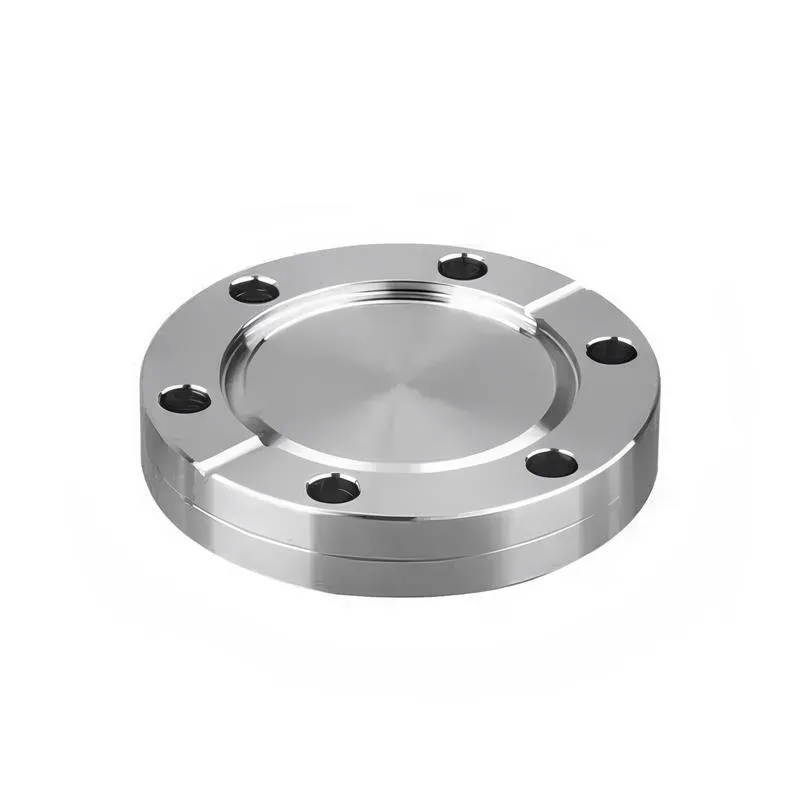
1,We Manufacturing processes are primarily classified into four types:
1:Forging,
2:Casting,
3:Cutting,
4:Rolling.
2,We can manufacture in accordance with these standards.
Standards:
GB Series (Chinese Standards), JB Series (Machinery Standards), HG Series (Chemical Industry Standards), ASME B16.5 (American Standards), BS4504 (British Standards), DIN (German Standards), and JIS (Japanese Standards).
Internationally, there are two primary systems of pipe flange standards: the European system, represented by the German DIN standards (including those of the former Soviet Union), and the American system, represented by the US ANSI pipe flange standards. Other common standards include: the Chinese Ministry of Machinery Industry standards (JB series), the Ministry of Chemical Industry standards (HG series), the Chinese National Standard *GB/T 9112–9124-2010 Steel Pipe Flanges*, as well as US standards (ASME B16.5), British standards (BS4504), German standards (DIN), Japanese standards (JIS), and marine standards (CBM), among others.
The nominal pressure ratings for the PN series are designated by "PN" and comprise the following nine levels: PN2.5, PN6, PN10, PN16, PN25, PN40, PN63, PN100, and PN160.
The nominal pressure ratings for the Class series are designated by "Class" and comprise the following six levels: Class150, Class300, Class600, Class900, Class1500, and Class2500.
Flange Classification
1. **According to Chemical Industry Standards:** Flanges are classified as follows:
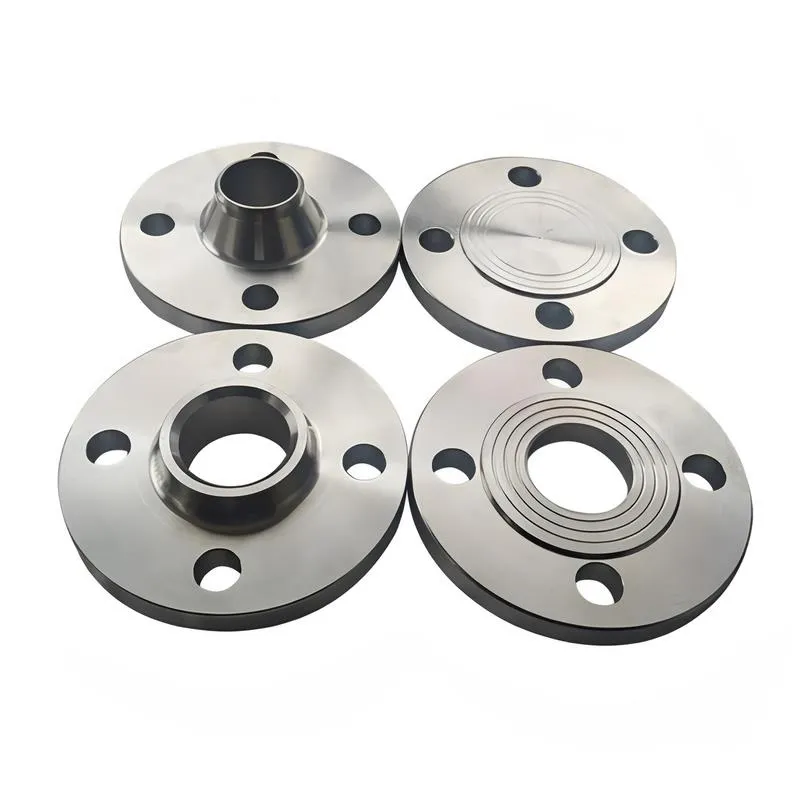
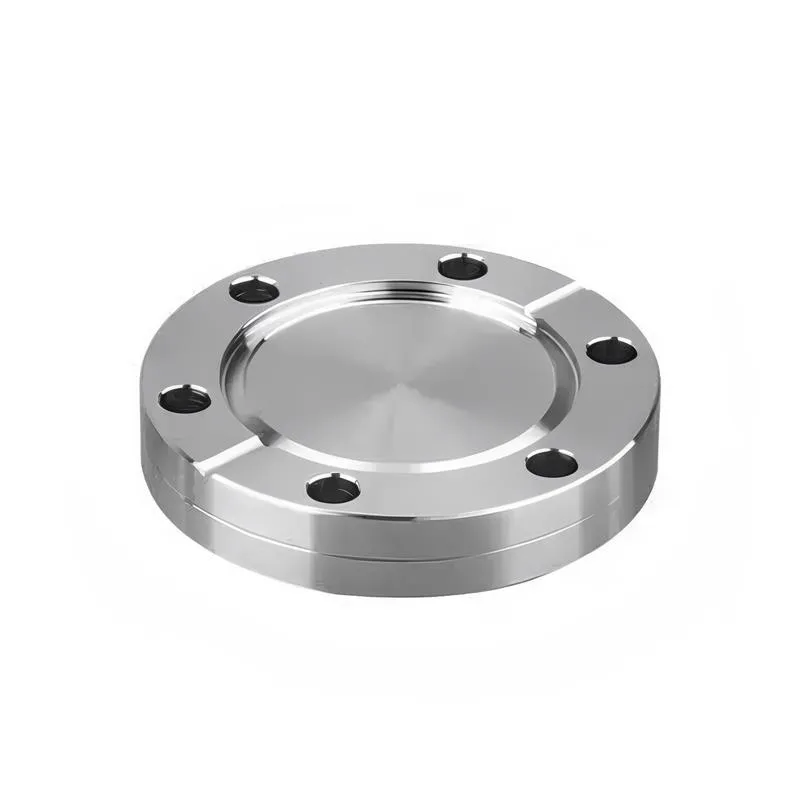
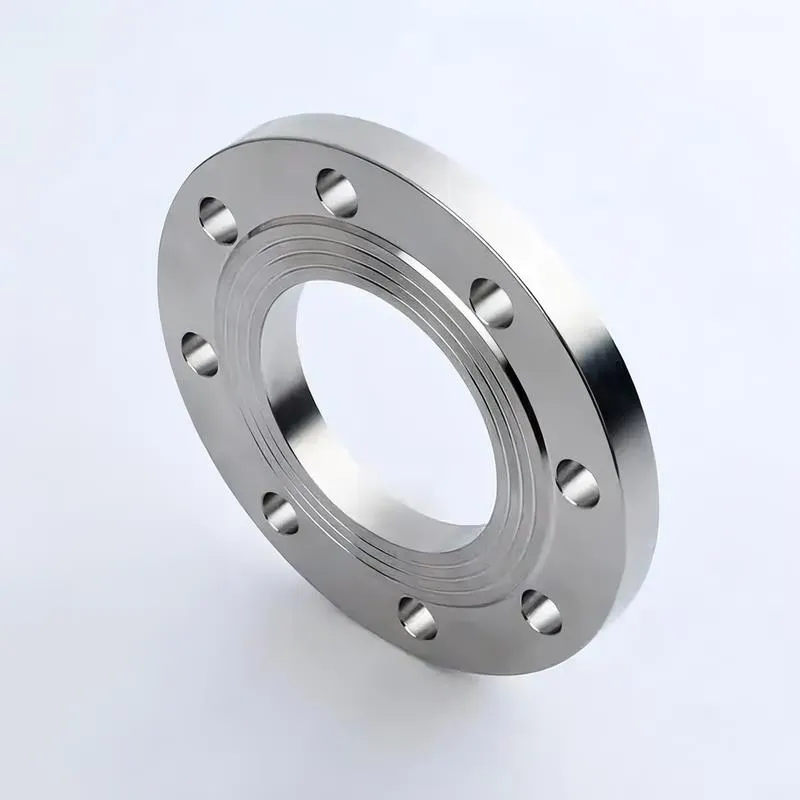
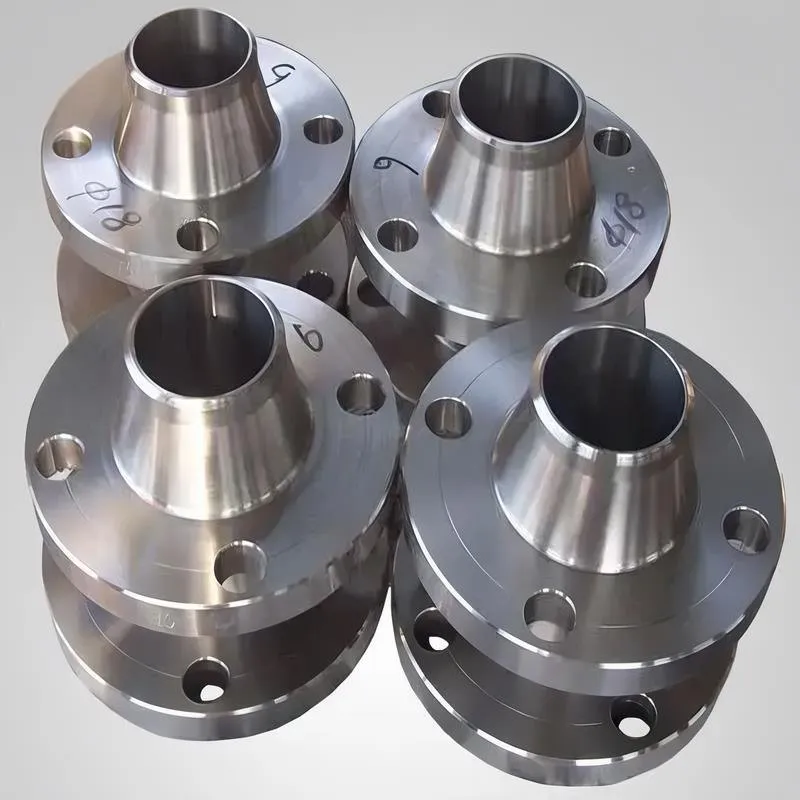
Plate Flat Welding Flange (PL), Necked Flat Welding Flange (SO), Necked Butt Welding Flange (WN), Integral Flange (IF), Socket Welding Flange (SW), Threaded Flange (Th), Butt Welding Ring Loose Flange (PJ/SE), Blind Flange (BL), Flat Welding Ring Loose Flange (PJ/PJ), and Lined Blind Flange (BL(s)).
2. **According to Petrochemical (SH) Industry Standards:** Flanges are classified as follows:
Threaded Flange (PL), Butt Welding Flange (WN), Flat Welding Flange (SO), Socket Welding Flange (SW), Loose Flange (LJ), and Blind Flange (no specific designation).
3. **According to Machinery (JB) Industry Standards:** Flanges are classified as follows:
Integral Flange, Butt Welding Flange, Plate Flat Welding Flange, Butt Welding Ring Plate Loose Flange, Flat Welding Ring Plate Loose Flange, Lap Joint Ring Plate Loose Flange, and Blind Flange.
4. **According to Connection Method/Type:** Flanges are classified as follows:
Plate Flat Welding Flange, Necked Flat Welding Flange, Necked Butt Welding Flange, Socket Welding Flange, Threaded Flange, Blind Flange, Necked Butt Welding Ring Loose Flange, Flat Welding Ring Loose Flange, Ring-Type Joint (RTJ) Flange and Blind Flange, Large-Diameter Plate Flange, Large-Diameter High-Neck Flange, Figure-8 Blind Plate, Butt Welding Ring Loose Flange, etc.
5. **According to the Component Being Connected:** Flanges can be classified into Vessel Flanges and Pipe Flanges.
6. **According to Structural Type:** Flanges include Integral Flanges, Threaded Flanges, Flat Welding Flanges, Butt Welding Flanges, Lap Joint (Loose/Swivel) Flanges, and Blind Flanges.
A flange—also referred to as a flange plate or rim—is a component used to connect shafts to one another, or, more commonly, to join the ends of pipes. Flanges are also utilized at the inlet and outlet ports of equipment to facilitate connections between two devices—for instance, the flange on a speed reducer. A "flange connection" or "flanged joint" refers to a detachable joint assembly comprising three interconnected elements—a flange, a gasket, and bolts—that together form a sealed structural unit. In the context of piping systems, a "pipe flange" specifically denotes a flange used for plumbing within the installation; when applied to equipment, it refers to the inlet or outlet flange of that specific device. Flanges feature a series of holes through which bolts are inserted to securely fasten the two flanges together, while a gasket placed between the flanges ensures a leak-proof seal. Flanges are broadly categorized into three types: threaded (screw-in) flanges, welded flanges, and clamp-type flanges. Flanges are invariably used in pairs; threaded flanges are suitable for low-pressure piping applications, whereas welded flanges are required for systems operating at pressures exceeding 4 kilograms per square centimeter. A sealing gasket is inserted between the two flange plates, which are then firmly secured using bolts. The thickness of a flange—as well as the specifications of the bolts used to fasten it—vary depending on the specific pressure rating required for the application. When connecting equipment such as water pumps or valves to piping systems, the corresponding connection points on these devices are often manufactured in the shape of a matching flange; this method of attachment is also referred to as a "flange connection." Generally, any connecting component that utilizes bolts to join and seal the perimeters of two flat surfaces—such as the joints in ventilation ducts—is termed a "flange"; such components may collectively be classified as "flange-type parts." However, since such a connection often constitutes merely a *portion* of a larger device—for instance, the interface between a flange and a water pump—it would be inappropriate to classify the entire water pump itself as a "flange-type part." Conversely, smaller components—such as valves—that feature such flanged interfaces may indeed be appropriately categorized as "flange-type parts."
-:-
For detailed product information, please contact sales.
-:
Meehanite HE Heat Resisting Cast Iron Flange Product Information
-:-
For detailed product information, please contact sales.
-:
Meehanite HE Heat Resisting Cast Iron Flange Synonyms
-:-
For detailed product information, please contact sales.
-:
Meehanite HE Heat Resisting Cast Iron Product Information
-:-
For detailed product information, please contact sales.
-:
## **Meehanite HE Series: High-Performance Heat & Corrosion Resisting Cast Iron**
### **1. Product Overview**
Meehanite HE (Heat and Environment resistant) represents a premium category of austenitic cast iron specifically engineered to deliver exceptional performance in demanding environments involving **elevated temperatures, corrosive media, and cyclic thermal stresses**. Unlike ferritic or pearlitic grades, HE irons possess a stable **austenitic matrix structure** that provides outstanding dimensional stability, corrosion resistance, and maintained mechanical properties at extreme temperatures far beyond standard heat-resistant irons.
These alloys combine **high nickel and chromium content** with carefully balanced alloying elements to create materials suitable for the most aggressive industrial applications where conventional irons would rapidly degrade. The Meehanite production process ensures consistent microstructure and reliable performance in critical applications.
---
### **2. Chemical Composition (Typical Ranges)**
Meehanite HE encompasses several specific alloy formulations, with two primary families:
#### **HE-1/Ni-Resist Type (Standard Austenitic)**
- **Carbon (C):** 2.8-3.2%
- **Silicon (Si):** 1.5-2.5%
- **Nickel (Ni):** 13.5-17.5% (Primary austenite stabilizer)
- **Chromium (Cr):** 1.5-2.5% (Enhances scaling resistance)
- **Manganese (Mn):** 0.5-1.5%
- **Copper (Cu):** 5.0-7.0% (Optional in some grades for enhanced corrosion resistance)
#### **HE-2/High-Chromium Austenitic (Superior Heat Resistance)**
- **Carbon (C):** 2.6-3.0%
- **Silicon (Si):** 1.5-2.0%
- **Nickel (Ni):** 18.0-22.0%
- **Chromium (Cr):** 2.5-3.5%
- **Manganese (Mn):** 0.5-1.5%
- **Special Additions:** May include niobium (Nb) or molybdenum (Mo) for carbide stabilization
**Microstructural Characteristic:** Consistent austenitic matrix with either flake graphite (Type A) or spheroidal graphite structure, depending on grade and application requirements. The austenitic structure remains stable from cryogenic temperatures up to the critical service limit.
---
### **3. Physical & Mechanical Properties**
#### **Room Temperature Properties:**
- **Tensile Strength:** 170-450 MPa (varies with graphite morphology)
- **Yield Strength (0.2%):** 140-350 MPa
- **Elongation:** 3-25% (spheroidal graphite grades offer higher ductility)
- **Hardness:** 150-250 HB
- **Impact Resistance:** Good to excellent (retains toughness at low temperatures)
- **Thermal Expansion:** High (~18×10⁻⁶/°C) – requires design consideration
- **Thermal Conductivity:** Low (approximately 12-15 W/m·K) – provides natural insulation
#### **Elevated Temperature Performance:**
- **Maximum Continuous Service:** **800-950°C (1472-1742°F)** depending on grade
- **Short-Term Exposure:** Up to **1050°C (1922°F)** for select grades
- **Exceptional Scaling Resistance:** Superior to most steels up to 1100°C due to protective Cr₂O₃/SiO₂ oxide layers
- **Creep Strength:** Good to excellent at temperatures up to 900°C
- **Thermal Fatigue Resistance:** Outstanding resistance to crack initiation and propagation during thermal cycling
- **Growth Resistance:** Minimal permanent dimensional change even after prolonged high-temperature exposure
#### **Corrosion Resistance:**
- Excellent resistance to oxidizing acids, alkaline solutions, and saltwater corrosion
- Good resistance to reducing acids and pitting corrosion
- Superior performance in sulfidizing, carburizing, and nitriding atmospheres
---
### **4. Product Applications**
Meehanite HE grades serve in extreme environments across multiple industries:
#### **High-Temperature Processing:**
- **Glass Manufacturing:** Moulds, plungers, gob distributors, forming tools (especially for borosilicate glass)
- **Heat Treatment:** Carburizing boxes, retorts, furnace rolls, radiant tubes, fixtures
- **Petrochemical:** Reformer furnace components, pyrolysis tubes, burner nozzles
- **Cement & Lime:** Kiln inlet segments, cooler grates, burner pipes
#### **Corrosion-Intensive Applications:**
- **Chemical Processing:** Pumps, valves, impellers, agitators for corrosive media
- **Marine & Offshore:** Seawater pump components, valve bodies, fittings
- **Pollution Control:** Scrubber components, flue gas desulfurization parts
#### **Dual Challenge Environments:**
- **Waste Incineration:** Grate bars, ash conveyors, heat exchanger parts
- **Power Generation:** Boiler baffles, sootblower elements, ash handling components
- **Automotive:** Exhaust system components for high-performance/turbocharged engines
---
### **5. International & Relevant Standards**
Meehanite HE grades correspond directly to established international standards for austenitic cast irons:
#### **Primary Standards:**
- **ASTM A436/A436M-18:** *Standard Specification for Austenitic Gray Iron Castings*
- **Type 1/1b:** Standard Ni-Resist (13.5-17.5% Ni, 1.0-2.5% Cr)
- **Type 2:** Higher nickel variant (18-22% Ni)
- **ASTM A439/A439M-18:** *Standard Specification for Austenitic Ductile Iron Castings*
- **D-2/D-2B:** Austenitic ductile iron (18-22% Ni, 1.5-2.5% Cr)
- **D-3:** Higher chromium variant for improved heat resistance
#### **European/ISO Standards:**
- **EN 13835:2012:** *Founding — Austenitic cast irons*
- **EN-GJLA-XNiCuCr15-6-2** (Standard austenitic with flake graphite)
- **EN-GJSA-XNiCr20-2** (Austenitic with spheroidal graphite)
- **ISO 2892:2007:** *Austenitic cast irons — Classification*
#### **Additional References:**
- **SAE J434:** Automotive standard for austenitic ductile iron
- **BS 3468:** British Standard for austenitic cast iron
- **DIN 1694:** German standard covering austenitic cast materials
#### **Grade Cross-Reference:**
- **Meehanite HE-1:** Typically corresponds to ASTM A436 Type 1b / EN-GJLA-XNiCuCr15-6-2
- **Meehanite HE-2:** Typically corresponds to ASTM A439 D-2 / EN-GJSA-XNiCr20-2
- **Special Grades:** Available to meet specific customer requirements beyond standard specifications
---
### **6. Advantages & Selection Considerations**
**Key Advantages:**
1. **Temperature Capability:** Unmatched high-temperature performance among cast irons
2. **Corrosion Versatility:** Resists both oxidizing and reducing environments
3. **Thermal Stability:** Maintains properties through thousands of thermal cycles
4. **Machinability:** Good machinability despite high alloy content
5. **Castability:** Can be cast into complex shapes with reasonable foundry yields
**Design Considerations:**
- High thermal expansion requires careful allowance in assembly design
- Lower thermal conductivity than ferritic irons – consider heat transfer requirements
- Premium material cost justified by extended service life in aggressive environments
- Material selection should be based on specific temperature, atmosphere, and mechanical stress conditions
---
**Conclusion:**
Meehanite HE austenitic cast irons provide engineered solutions for applications where conventional materials fail due to extreme temperatures, corrosive environments, or the combination of both. With documented performance to international standards and the quality assurance of the Meehanite process, these materials offer reliable, cost-effective performance in the world's most demanding industrial applications. For specific application engineering, consultation with a licensed Meehanite foundry is recommended to select the optimal HE grade and heat treatment protocol.
-:-
For detailed product information, please contact sales.
-:
Meehanite HE Heat Resisting Cast Iron Specification
Dimensions
Size:
Diameter 20-1000 mm Length <6634 mm
Size:We can customized as required
Standard:
Per your request or drawing
We can customized as required
Properties(Theoretical)
Chemical Composition
-:-
For detailed product information, please contact sales.
-:
Meehanite HE Heat Resisting Cast Iron Properties
-:-
For detailed product information, please contact sales.
-:
Applications of Meehanite HE Heat Resisting Cast Iron Flange
-:-
For detailed product information, please contact sales.
-:
Chemical Identifiers Meehanite HE Heat Resisting Cast Iron Flange
-:-
For detailed product information, please contact sales.
-:
Packing of Meehanite HE Heat Resisting Cast Iron Flange
-:-
For detailed product information, please contact sales.
-:
Standard Packing:
-:-
For detailed product information, please contact sales.
-:
Typical bulk packaging includes palletized plastic 5 gallon/25 kg. pails, fiber and Steel Flange drums to 1 ton super sacks in full container (FCL) or truck load (T/L) quantities. Research and sample quantities and hygroscopic, oxidizing or other air sensitive materials may be packaged under argon or vacuum. Solutions are packaged in polypropylene, plastic or glass jars up to palletized 3105 gallon liquid totes Special package is available on request. E FORUs’ is carefully handled to minimize damage during storage and transportation and to preserve the quality of our products in their original condition