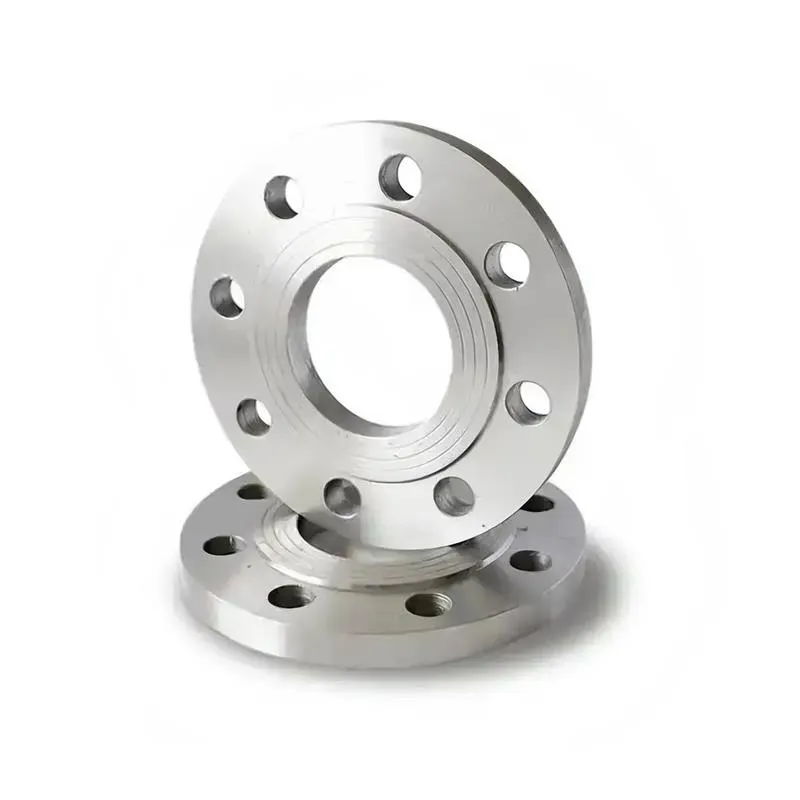
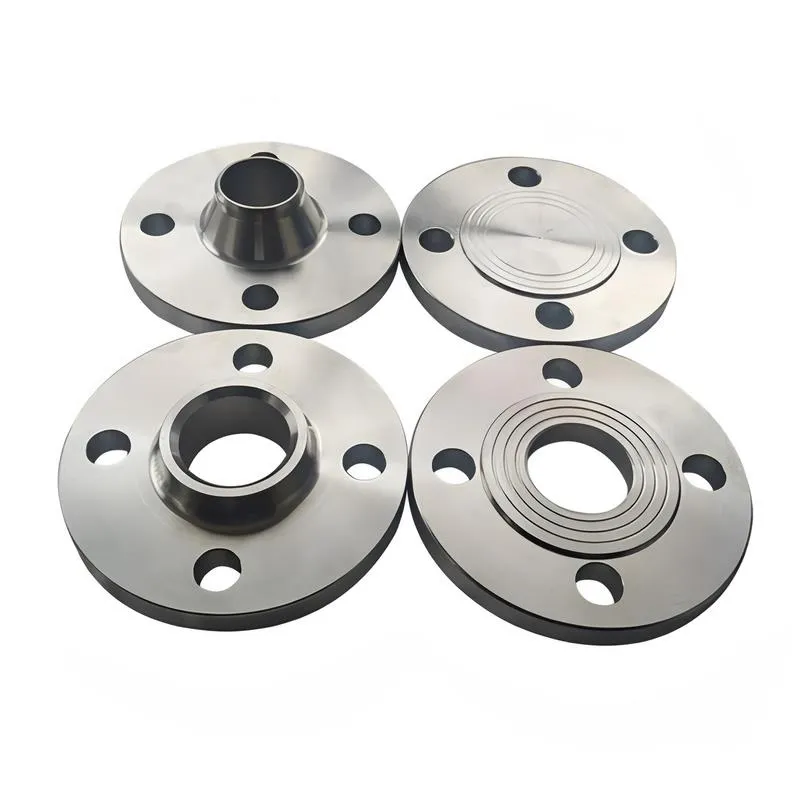
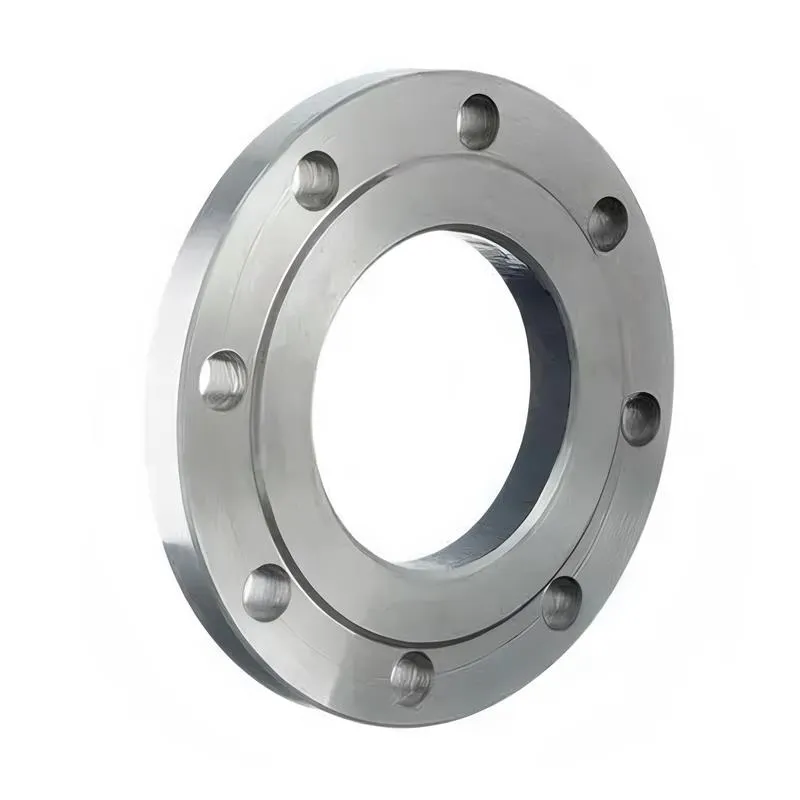
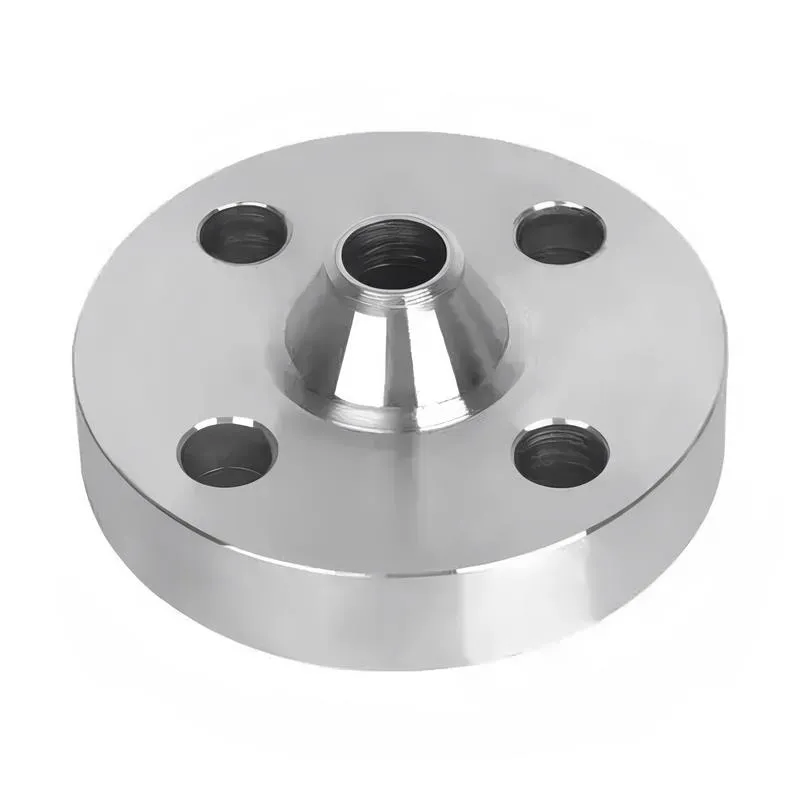
1,We Manufacturing processes are primarily classified into four types:
1:Forging,
2:Casting,
3:Cutting,
4:Rolling.
2,We can manufacture in accordance with these standards.
Standards:
GB Series (Chinese Standards), JB Series (Machinery Standards), HG Series (Chemical Industry Standards), ASME B16.5 (American Standards), BS4504 (British Standards), DIN (German Standards), and JIS (Japanese Standards).
Internationally, there are two primary systems of pipe flange standards: the European system, represented by the German DIN standards (including those of the former Soviet Union), and the American system, represented by the US ANSI pipe flange standards. Other common standards include: the Chinese Ministry of Machinery Industry standards (JB series), the Ministry of Chemical Industry standards (HG series), the Chinese National Standard *GB/T 9112–9124-2010 Steel Pipe Flanges*, as well as US standards (ASME B16.5), British standards (BS4504), German standards (DIN), Japanese standards (JIS), and marine standards (CBM), among others.
The nominal pressure ratings for the PN series are designated by "PN" and comprise the following nine levels: PN2.5, PN6, PN10, PN16, PN25, PN40, PN63, PN100, and PN160.
The nominal pressure ratings for the Class series are designated by "Class" and comprise the following six levels: Class150, Class300, Class600, Class900, Class1500, and Class2500.
Flange Classification
1. **According to Chemical Industry Standards:** Flanges are classified as follows:
Plate Flat Welding Flange (PL), Necked Flat Welding Flange (SO), Necked Butt Welding Flange (WN), Integral Flange (IF), Socket Welding Flange (SW), Threaded Flange (Th), Butt Welding Ring Loose Flange (PJ/SE), Blind Flange (BL), Flat Welding Ring Loose Flange (PJ/PJ), and Lined Blind Flange (BL(s)).
2. **According to Petrochemical (SH) Industry Standards:** Flanges are classified as follows:
Threaded Flange (PL), Butt Welding Flange (WN), Flat Welding Flange (SO), Socket Welding Flange (SW), Loose Flange (LJ), and Blind Flange (no specific designation).
3. **According to Machinery (JB) Industry Standards:** Flanges are classified as follows:
Integral Flange, Butt Welding Flange, Plate Flat Welding Flange, Butt Welding Ring Plate Loose Flange, Flat Welding Ring Plate Loose Flange, Lap Joint Ring Plate Loose Flange, and Blind Flange.
4. **According to Connection Method/Type:** Flanges are classified as follows:
Plate Flat Welding Flange, Necked Flat Welding Flange, Necked Butt Welding Flange, Socket Welding Flange, Threaded Flange, Blind Flange, Necked Butt Welding Ring Loose Flange, Flat Welding Ring Loose Flange, Ring-Type Joint (RTJ) Flange and Blind Flange, Large-Diameter Plate Flange, Large-Diameter High-Neck Flange, Figure-8 Blind Plate, Butt Welding Ring Loose Flange, etc.
5. **According to the Component Being Connected:** Flanges can be classified into Vessel Flanges and Pipe Flanges.
6. **According to Structural Type:** Flanges include Integral Flanges, Threaded Flanges, Flat Welding Flanges, Butt Welding Flanges, Lap Joint (Loose/Swivel) Flanges, and Blind Flanges.
A flange—also referred to as a flange plate or rim—is a component used to connect shafts to one another, or, more commonly, to join the ends of pipes. Flanges are also utilized at the inlet and outlet ports of equipment to facilitate connections between two devices—for instance, the flange on a speed reducer. A "flange connection" or "flanged joint" refers to a detachable joint assembly comprising three interconnected elements—a flange, a gasket, and bolts—that together form a sealed structural unit. In the context of piping systems, a "pipe flange" specifically denotes a flange used for plumbing within the installation; when applied to equipment, it refers to the inlet or outlet flange of that specific device. Flanges feature a series of holes through which bolts are inserted to securely fasten the two flanges together, while a gasket placed between the flanges ensures a leak-proof seal. Flanges are broadly categorized into three types: threaded (screw-in) flanges, welded flanges, and clamp-type flanges. Flanges are invariably used in pairs; threaded flanges are suitable for low-pressure piping applications, whereas welded flanges are required for systems operating at pressures exceeding 4 kilograms per square centimeter. A sealing gasket is inserted between the two flange plates, which are then firmly secured using bolts. The thickness of a flange—as well as the specifications of the bolts used to fasten it—vary depending on the specific pressure rating required for the application. When connecting equipment such as water pumps or valves to piping systems, the corresponding connection points on these devices are often manufactured in the shape of a matching flange; this method of attachment is also referred to as a "flange connection." Generally, any connecting component that utilizes bolts to join and seal the perimeters of two flat surfaces—such as the joints in ventilation ducts—is termed a "flange"; such components may collectively be classified as "flange-type parts." However, since such a connection often constitutes merely a *portion* of a larger device—for instance, the interface between a flange and a water pump—it would be inappropriate to classify the entire water pump itself as a "flange-type part." Conversely, smaller components—such as valves—that feature such flanged interfaces may indeed be appropriately categorized as "flange-type parts."
-:-
For detailed product information, please contact sales.
-:
Sandvik Osprey D2 Tool Steel Flange Powder (Grade 80% - 22) Product Information
-:-
For detailed product information, please contact sales.
-:
Sandvik Osprey D2 Tool Steel Flange Powder (Grade 80% - 22) Synonyms
-:-
For detailed product information, please contact sales.
-:
Sandvik Osprey D2 Tool Steel Powder (Grade 80% - 22) Product Information
-:-
For detailed product information, please contact sales.
-:
# **Sandvik Osprey® D2 Tool Steel Powder (Grade 80% - 22 µm)**
## **Product Overview**
Sandvik Osprey® D2 (Grade 80% - 22 µm) is a gas-atomized, pre-alloyed metal powder specifically engineered for **Additive Manufacturing (AM)** and **Metal Injection Molding (MIM)** processes. It reproduces the chemistry of the classic AISI D2 cold work tool steel in a spherical powder form, offering exceptional flowability, high packing density, and consistent particle size distribution. This powder enables the production of complex, high-performance tooling components with superior wear resistance, high hardness, and good dimensional stability directly from digital designs, bypassing many limitations of conventional machining.
## **Key Features & Benefits**
* **High-Quality Powder Morphology:** Produced via inert gas atomization, the powder features highly spherical particles with minimal satellites, ensuring excellent flowability essential for consistent layer spreading in Powder Bed Fusion (PBF) processes like Laser Beam Powder Bed Fusion (LB-PBF) and high feedstock loading in MIM.
* **Tailored for AM/MIM:** The powder chemistry and particle characteristics (size distribution, morphology) are optimized for processing in AM and MIM, leading to high-density, high-integrity as-built parts.
* **Inherited D2 Properties:** After appropriate post-processing heat treatment, components achieve the renowned properties of wrought D2 steel: exceptional wear resistance due to high primary carbide volume, good compressive strength, and moderate toughness.
* **Design Freedom & Tooling Optimization:** Enables the manufacture of conformal cooling channels in injection molds, lightweight lattice structures, and complex geometries that are impossible or prohibitively expensive to produce with conventional methods, leading to improved tool performance and productivity.
* **Material Consistency:** Tight control over particle size distribution (PSD) and chemical composition ensures batch-to-bust reproducibility, critical for industrial production.
## **International Standards & Designations**
This powder is designed to yield components meeting the specifications of conventional D2 tool steel after proper sintering (MIM) or building and heat treatment (AM).
| Material System | Standard Designation | Comparable Standards for Final Properties |
| :--- | :--- | :--- |
| **Sandvik Osprey®** | **D2 Powder (80% < 22 µm)** | **AISI: D2 | EUR (EN): 1.2379 | JIS: SKD11** |
| **Particle Naming** | **Grade 80% - 22** | Indicates **80% of particles are below 22 micrometers** (typical D50 ~15-18 µm). |
**Note:** "80% - 22" is a key powder specification indicating a fine powder cut suitable for most laser-based PBF systems and MIM. "Osprey®" is a registered trademark of Sandvik.
## **Chemical Composition (Typical - % by weight)**
The composition is tailored to match standard D2 while considering AM processability.
| Element | Content (%) | Role |
| :--- | :--- | :--- |
| **Carbon (C)** | 1.50 - 1.60 | Forms hard chromium carbides for wear resistance; provides matrix hardness. |
| **Chromium (Cr)** | 11.0 - 12.0 | Primary carbide former (M₇C₃); provides corrosion/oxidation resistance. |
| **Molybdenum (Mo)** | 0.70 - 0.90 | Enhances hardenability, refines grain, improves toughness and tempering resistance. |
| **Vanadium (V)** | 0.90 - 1.10 | Forms hard, fine MC carbides; inhibits grain growth, increases wear resistance. |
| **Silicon (Si)** | 0.10 - 0.40 | Deoxidizer, solid solution strengthener. |
| **Manganese (Mn)** | 0.20 - 0.40 | Aids hardenability, combats sulfur embrittlement. |
| **Sulfur (S)** | ≤ 0.010 | Very low to ensure good toughness and polishability. |
| **Phosphorus (P)** | ≤ 0.020 | Very low to ensure good toughness. |
| **Oxygen (O)** | < 100 ppm | Tightly controlled to minimize oxide inclusions in final part. |
| **Iron (Fe)** | Balance | |
## **Powder Characteristics & Physical Properties**
* **Particle Size Distribution (PSD):** **D10: ~8 µm | D50: ~15-18 µm | D90: ~25-30 µm** (80% < 22 µm).
* **Particle Morphology:** Highly spherical.
* **Apparent Density:** ~4.2 - 4.5 g/cm³.
* **Tap Density:** ~4.8 - 5.1 g/cm³.
* **Flowability (Hall Flowmeter):** Typically < 25 s/50g (Excellent).
* **Satellite Content:** Low.
## **Final Part Mechanical Properties (After AM Build & Heat Treatment)**
Properties are highly dependent on the AM process parameters (e.g., laser power, scan speed) and the specific heat treatment cycle. The following are achievable targets for a fully dense LB-PBF part after proper hardening and tempering.
* **As-Built Hardness:** Typically 50-55 HRC (contains retained austenite).
* **Hardened & Tempered Hardness:** **58 - 62 HRC** (Standard for D2; double tempering at 520-540°C is common).
* **Ultimate Tensile Strength (UTS):** ~1900 - 2200 MPa.
* **Yield Strength (Rp0.2):** ~1600 - 1900 MPa.
* **Elongation at Break:** ~1 - 3% (Brittle material class).
* **Impact Toughness:** Lower than wrought D2 due to inherent AM microstructure; typically in the range of 5-15 J (Charpy unnotched).
* **Relative Density (as-built):** > 99.5% achievable with optimized parameters.
* **Wear Resistance:** Excellent, comparable to wrought D2, due to high volume fraction of hard carbides.
## **Typical Applications**
This powder is used to manufacture advanced tooling and wear parts via AM and MIM:
* **AM for Tooling:**
* **Plastic Injection Molds:** Core and cavity inserts with **conformal cooling channels** for reduced cycle times and warpage.
* **Stamping, Blanking, and Forming Dies:** Complex die inserts, punches, and wear plates.
* **Cutting Tools & Knives:** Specialized cutting inserts and blades with complex geometries.
* **Metal Injection Molding (MIM):**
* **Small, Complex Wear Parts:** Surgical instrument components, watch parts, firearm components, precision gears, and industrial cutting inserts.
* **Other AM Processes:** Suitable for Directed Energy Deposition (DED) for repair or coating of existing D2 tooling.
## **Processing Considerations**
* **AM (LB-PBF) Processing:** Requires high laser energy density. Preheating the build plate (200-400°C) is highly recommended to reduce residual stresses and cracking risk. Process in an inert atmosphere (Argon or Nitrogen) with low oxygen content (< 1000 ppm).
* **Heat Treatment:** **Critical for performance.** Standard D2 heat treatment cycles apply: Preheating (~800°C), Austenitizing (1020-1050°C), quenching (forced air or gas), and **Double/Triple Tempering** (500-540°C). Stress relieving (600-650°C) before rough machining is advised.
* **Machining & Finishing:** Best machined in the soft annealed or stress-relieved state. Final machining after hardening is difficult (grinding/EDM only). AM surfaces may require machining, polishing, or abrasive flow finishing for mold applications.
* **Support Structures:** Required in AM due to high hardness and cracking tendency; design for easy removal.
## **Summary**
**Sandvik Osprey® D2 Powder (80% - 22 µm)** bridges the gap between a classic, high-performance tool steel and the transformative capabilities of additive manufacturing. By providing a high-quality, consistent feedstock, it allows for the production of next-generation tooling with internal complexity and optimized thermal management that dramatically improves productivity. While final parts require careful heat treatment to achieve optimal properties, this material unlocks new design paradigms for durable, wear-resistant components in demanding industrial applications.
-:-
For detailed product information, please contact sales.
-:
Sandvik Osprey D2 Tool Steel Powder (Grade 80% - 22) Specification
Dimensions
Size:
Diameter 20-1000 mm Length <5247 mm
Size:We can customized as required
Standard:
Per your request or drawing
We can customized as required
Properties(Theoretical)
Chemical Composition
-:-
For detailed product information, please contact sales.
-:
Sandvik Osprey D2 Tool Steel Powder (Grade 80% - 22) Properties
-:-
For detailed product information, please contact sales.
-:
Applications of Sandvik Osprey D2 Tool Steel Flange Powder (Grade 80% - 22)
-:-
For detailed product information, please contact sales.
-:
Chemical Identifiers Sandvik Osprey D2 Tool Steel Flange Powder (Grade 80% - 22)
-:-
For detailed product information, please contact sales.
-:
Packing of Sandvik Osprey D2 Tool Steel Flange Powder (Grade 80% - 22)
-:-
For detailed product information, please contact sales.
-:
Standard Packing:
-:-
For detailed product information, please contact sales.
-:
Typical bulk packaging includes palletized plastic 5 gallon/25 kg. pails, fiber and Steel Flange drums to 1 ton super sacks in full container (FCL) or truck load (T/L) quantities. Research and sample quantities and hygroscopic, oxidizing or other air sensitive materials may be packaged under argon or vacuum. Solutions are packaged in polypropylene, plastic or glass jars up to palletized 1718 gallon liquid totes Special package is available on request. E FORUs’ is carefully handled to minimize damage during storage and transportation and to preserve the quality of our products in their original condition