AISI 1013 Carbon Steel Composition Spec
Product Code : STI-CSTI-680-CU
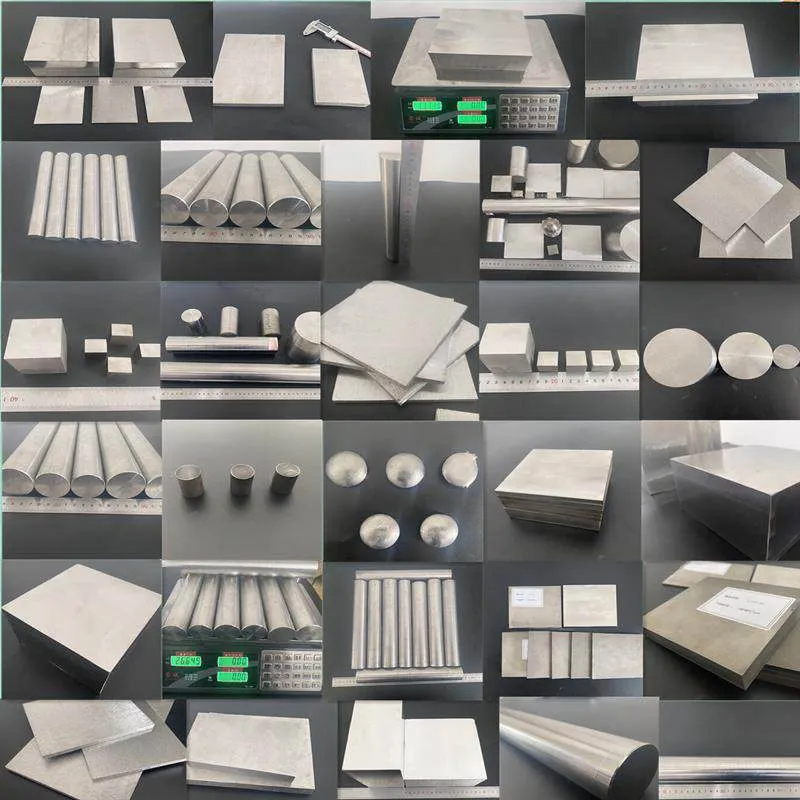
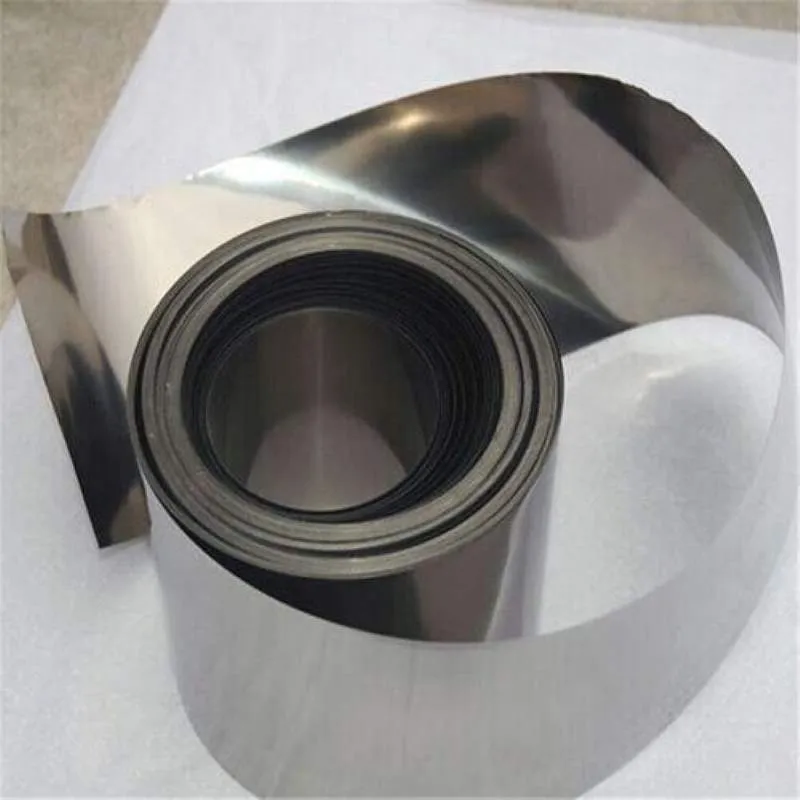
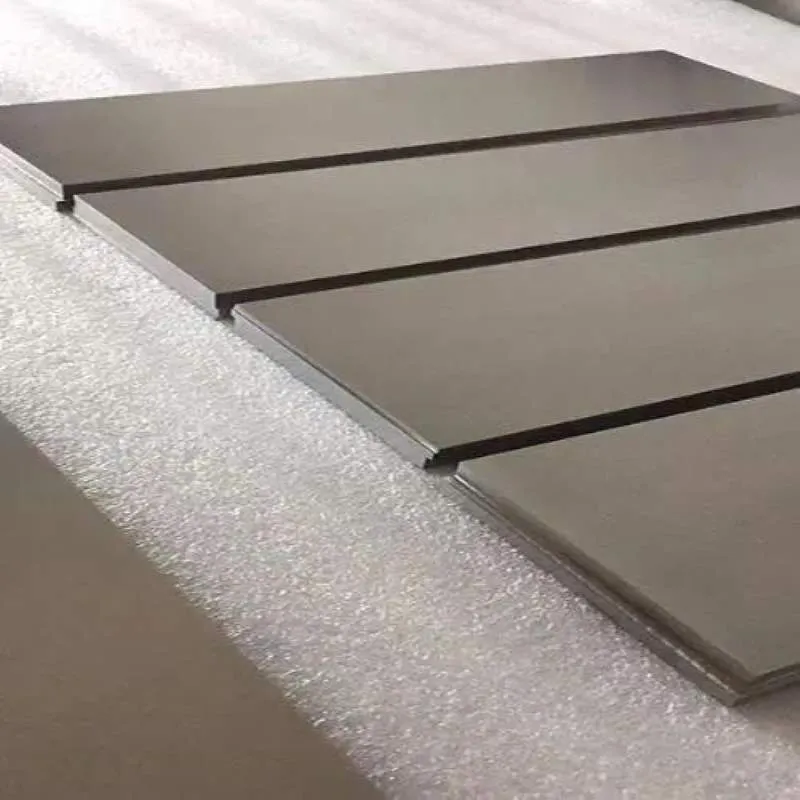
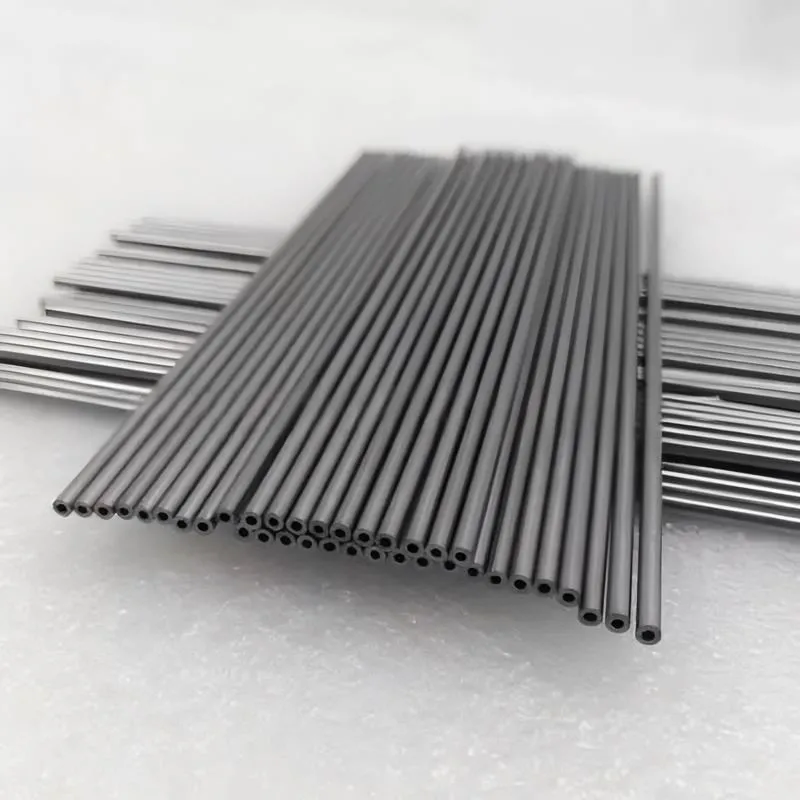
We provide AISI 1013 Carbon Steel Composition Spec is available in Bar (Round bar, Flat bar), Ribbon, Wire, Rods, Tube,Seamless Tube,Pipe, Ingots, Plate, Sheet, Strip and Forging Stock.,Purity, chemical composition, size, etc. can all be customized to meet specific requirements.
Please contact us if you need customized services. We will contact you with the price and availability in 24 hours.
AISI 1013 Carbon Steel Composition Spec Product Information
-:-
For detailed product information, please contact sales.
-:
AISI 1013 Carbon Steel Composition Spec Synonyms
-:-
For detailed product information, please contact sales.
-:
AISI 1013 Carbon Steel Composition Spec Product Information
-:-
For detailed product information, please contact sales.
-:
# Product Datasheet: AISI 1013 Carbon Steel - Composition Specification
## 1. Product Overview
**AISI 1013 Carbon Steel** is a low-carbon, non-alloy steel grade positioned within the AISI 10xx series of standard carbon steels. Characterized by its moderate carbon content, this steel offers a practical balance between formability, weldability, and strength. As a composition-specified grade, AISI 1013 is primarily defined by its chemical limits rather than guaranteed mechanical properties, making it suitable for a wide range of general manufacturing and fabrication applications where consistent material response is more critical than specific strength values.
This grade serves as a versatile, cost-effective material for components requiring moderate strength with good manufacturing characteristics, particularly where cold forming or machining operations are involved.
## 2. Key Specifications & International Standards
* **AISI/SAE Designation:** 1013
* **UNS Designation:** G10130
* **Governing Standards:**
* **SAE J403** - Chemical Compositions of SAE Carbon Steels
* **SAE J412** - Standard Carbon Steels
* **ASTM A29/A29M** - Steel Bars, Carbon and Alloy, Hot-Wrought and Cold-Finished (when specified)
* **ASTM A510** - Standard Specification for General Requirements for Wire Rods and Coarse Round Wire, Carbon Steel
* **Common Product Forms:** Hot-rolled and cold-drawn bars, wire rods, forging stock, sheets, and strips
* **Quality Variants:** Available in Commercial Quality (CQ), Drawing Quality (DQ), and Special Quality (SQ) depending on manufacturing process and intended application
**International Equivalents:**
* **Europe (EN):** 1.0403 (C23) according to EN 10083-2
* **Germany (DIN):** C15, Ck15 (DIN 17210)
* **Japan (JIS):** S15C, SWRCH15K
* **China (GB):** 15#
* **ISO:** ISO 683-18 Grade 1.0403
## 3. Chemical Composition (%, Standard Requirements)
The chemical composition is the primary defining characteristic of AISI 1013 steel, ensuring consistent material behavior in manufacturing processes.
| Element | Composition Range | Specification Basis | Effect on Material Properties |
|---------|------------------|---------------------|-------------------------------|
| **Carbon (C)** | 0.11% - 0.16% | SAE J403/J412 | Primary strengthening element; provides basic hardness and tensile strength while maintaining reasonable ductility |
| **Manganese (Mn)** | 0.30% - 0.60% | SAE J403/J412 | Enhances strength and hardenability; improves hot-working characteristics; combines with sulfur to form beneficial manganese sulfides |
| **Phosphorus (P)** | ≤ 0.040% max | SAE J403/J412 | Residual element; improves machinability but reduces ductility and impact toughness at elevated levels |
| **Sulfur (S)** | ≤ 0.050% max | SAE J403/J412 | Residual element; enhances machinability but may cause hot shortness during welding; forms inclusions with manganese |
| **Silicon (Si)** | 0.10% - 0.20% (typical) | Process dependent | Deoxidizer during steelmaking; contributes to strength through solid solution strengthening |
| **Copper (Cu)** | ≤ 0.20% (when specified) | Optional | Improves atmospheric corrosion resistance when minimum 0.20% is required |
| **Iron (Fe)** | Balance | - | Base element constituting the matrix |
**Key Composition Notes:**
* Carbon content is deliberately controlled to provide approximately 15-20% higher strength potential than 1008/1010 grades while maintaining good cold forming characteristics
* Manganese-to-sulfur ratio typically exceeds 5:1, ensuring formation of manganese sulfides rather than detrimental iron sulfides
* Silicon content may vary based on deoxidation practice (rimmed, capped, or killed steel)
## 4. Physical & Mechanical Properties
### Typical Mechanical Properties (Hot-Rolled Condition):
| Property | Typical Value Range | Testing Standard | Notes |
|----------|---------------------|------------------|-------|
| **Tensile Strength** | 390 - 500 MPa (57 - 73 ksi) | ASTM A370 | Varies with section size and processing |
| **Yield Strength (0.2% Offset)** | 260 - 320 MPa (38 - 46 ksi) | ASTM A370 | Higher than 1010/1012 grades |
| **Elongation in 50 mm (2 in)** | 23% - 30% | ASTM A370 | Good ductility for forming operations |
| **Reduction of Area** | 40% - 50% | ASTM A370 | Moderate formability |
| **Hardness (Brinell)** | 115 - 140 HB | ASTM E10 | Suitable for many machining applications |
| **Hardness (Rockwell B)** | 65 - 80 HRB | ASTM E18 | Cold-drawn material will be higher |
| **Modulus of Elasticity** | 200 GPa (29,000 ksi) | - | Standard for carbon steels |
| **Shear Strength** | 280 - 350 MPa (41 - 51 ksi) | - | Approximately 0.72 × tensile strength |
| **Fatigue Strength (Rotating Beam)** | 180 - 230 MPa (26 - 33 ksi) | - | 10⁷ cycles, polished specimen |
### Physical Properties:
| Property | Value | Conditions |
|----------|-------|------------|
| **Density** | 7.87 g/cm³ (0.284 lb/in³) | At 20°C (68°F) |
| **Melting Point** | 1485 - 1520°C (2705 - 2768°F) | - |
| **Thermal Conductivity** | 50.0 W/m·K | At 100°C |
| **Electrical Resistivity** | 0.171 μΩ·m | At 20°C |
| **Coefficient of Thermal Expansion** | 11.6 × 10⁻⁶/°C | 20-100°C range |
| **Specific Heat Capacity** | 485 J/kg·K | At 20°C |
| **Magnetic Properties** | Ferromagnetic | Up to Curie temperature (770°C) |
### Properties in Cold-Drawn Condition:
* **Tensile Strength:** 450 - 550 MPa (65 - 80 ksi)
* **Yield Strength:** 370 - 470 MPa (54 - 68 ksi)
* **Elongation:** 15% - 22%
* **Surface Finish:** Bright, smooth (1.6-3.2 μm Ra typical)
* **Dimensional Accuracy:** High precision with tight tolerances
## 5. Material Characteristics & Performance
### Manufacturing Characteristics:
* **Machinability:** Good (rated 65-70% compared to 1212 free-machining steel as 100%)
* **Weldability:** Excellent - all common welding methods applicable without preheat for most thicknesses
* **Formability:** Good for moderate bending and forming; less ductile than 1008/1010 grades
* **Hardenability:** Low - responds poorly to through-hardening; excellent candidate for case hardening (carburizing)
* **Forgability:** Good - suitable for hot forging operations
* **Surface Treatability:** Excellent substrate for carburizing, carbonitriding, plating, and painting
### Heat Treatment Response:
* **Annealing:** 870-925°C (1600-1700°F), furnace cool - Restores maximum ductility
* **Normalizing:** 900-950°C (1650-1740°F), air cool - Refines grain structure
* **Stress Relieving:** 550-650°C (1020-1200°F), 1 hour per inch of thickness
* **Carburizing:** 900-925°C (1650-1700°F) - Produces hard, wear-resistant surface (typically 0.5-1.5 mm case depth)
* **Through-Hardening:** Not recommended - insufficient carbon for effective quenching
## 6. Typical Applications
AISI 1013 steel is utilized across multiple industries for components requiring moderate strength combined with good manufacturing characteristics:
### Automotive Industry:
* Gear blanks and pinions (after carburizing)
* Clutch components and linkage parts
* Brake system pins and rods
* Engine valve guides and tappets
* Suspension bushings and brackets
### General Manufacturing:
* Shafts and axles for light to medium duty
* Fastener blanks (bolts, screws, studs)
* Machine parts and components
* Tool holders and fixtures
* Agricultural equipment components
### Construction & Hardware:
* Structural brackets and supports
* Building hardware components
* Furniture mechanisms and parts
* Hand tools (wrenches, pliers, hammer heads)
* Lock components and security hardware
### Consumer Products:
* Appliance components and mechanisms
* Bicycle parts (chainrings, crank arms after treatment)
* Sporting goods components
* Exercise equipment parts
* Hardware and DIY components
### Specialized Applications:
* Wire products and formed wire components
* Cold-headed fasteners and special bolts
* Forged components requiring subsequent machining
* Bushings and bearings (after case hardening)
## 7. Comparison with Similar Carbon Steel Grades
| Grade | Carbon Range | Typical Tensile (HR) | Primary Characteristics | Common Applications |
|-------|--------------|----------------------|------------------------|---------------------|
| **1010** | 0.08-0.13% | 325-415 MPa | Maximum formability, lowest strength | Deep drawing, forming |
| **1012** | 0.10-0.15% | 380-480 MPa | Balanced properties | General purpose |
| **1013** | 0.11-0.16% | 390-500 MPa | Slightly higher strength | Machined parts, fasteners |
| **1015** | 0.13-0.18% | 400-500 MPa | Higher strength | Gears, shafts |
| **1018** | 0.15-0.20% | 440-550 MPa | Good for case hardening | High-strength parts |
## 8. Processing Guidelines
### Machining Recommendations:
* **Cutting Tools:** Use sharp tools with positive rake angles
* **Cutting Speeds:** 100-150 m/min for turning, 25-40 m/min for drilling
* **Coolants:** Use soluble oil or synthetic coolants for improved tool life
* **Chip Control:** Produces continuous chips; chipbreakers recommended
### Welding Procedures:
* **Preheat:** Generally not required for thickness < 25 mm (1 inch)
* **Interpass Temperature:** Maintain below 200°C (400°F)
* **Filler Metals:** ER70S-2, ER70S-6 for GMAW; E7018 for SMAW
* **Post-Weld Heat Treatment:** Stress relieving recommended for complex assemblies
### Forming Operations:
* **Cold Bending:** Minimum bend radius = 1.0 × material thickness
* **Hot Forming:** Recommended for severe deformation
* **Forging Temperature Range:** 1150-1260°C (2100-2300°F)
## 9. Quality Standards & Testing
### Standard Testing Requirements:
* **Chemical Analysis:** Optical emission spectroscopy or wet chemical methods per ASTM E415/E1086
* **Mechanical Testing:** Tensile testing per ASTM A370, hardness testing per ASTM E10/E18
* **Microstructural Examination:** Grain size assessment per ASTM E112
* **Non-Destructive Testing:** Ultrasonic, magnetic particle, or dye penetrant as specified
### Common Specifications:
* **Bar Products:** ASTM A29, ASTM A576, SAE J1397
* **Wire Products:** ASTM A510, ASTM A853
* **Sheet/Strip:** ASTM A109, ASTM A366
* **Forging Quality:** ASTM A668
## 10. Environmental & Safety Considerations
### Environmental Aspects:
* **Recyclability:** 100% recyclable without degradation of properties
* **Energy Consumption:** Moderate energy requirement for production
* **Coating Compatibility:** Works with all common industrial coatings and plating processes
* **Waste Management:** Standard industrial metal waste protocols apply
### Safety Precautions:
* **Machining:** Use appropriate guards and personal protective equipment
* **Welding:** Ensure adequate ventilation and use proper respiratory protection
* **Material Handling:** Use appropriate lifting equipment for heavy sections
* **Storage:** Store in dry conditions to prevent corrosion
## 11. Technical Remarks
### Advantages of AISI 1013:
1. **Cost-Effective Strength:** Provides higher strength than 1010/1012 at minimal additional cost
2. **Manufacturing Versatility:** Suitable for machining, welding, forming, and heat treatment
3. **Case Hardening Response:** Excellent candidate for carburizing applications
4. **Consistent Quality:** Standardized composition ensures predictable material behavior
5. **Wide Availability:** Readily available through steel service centers
### Limitations:
* Not suitable for high-temperature applications (>400°C/750°F)
* Limited wear resistance in abrasive environments without surface treatment
* Lower impact strength at sub-zero temperatures compared to alloy steels
* Not recommended for through-hardening applications
### Selection Guidance:
* Choose AISI 1013 over 1010/1012 when additional strength is needed without moving to higher-carbon grades
* Specify appropriate quality designation (CQ, DQ, SQ) based on application requirements
* Consider cold-drawn material for precision components requiring good surface finish
* For critical applications, request material certification and conduct incoming inspection
---
*This technical datasheet provides general information about AISI 1013 Carbon Steel based on standard industry specifications and typical manufacturing practices. Actual properties may vary depending on manufacturer, production methods, heat treatment, and product form. For specific applications, consult with material engineers and conduct appropriate testing. Always verify current specifications with suppliers and refer to official standards for definitive requirements.*
-:-
For detailed product information, please contact sales.
-:
AISI 1013 Carbon Steel Composition Spec Specification
Dimensions
Size:
Diameter 20-1000 mm Length <5412 mm
Size:We can customized as required
Standard:
Per your request or drawing
We can customized as required
Properties(Theoretical)
Chemical Composition
-:-
For detailed product information, please contact sales.
-:
AISI 1013 Carbon Steel Composition Spec Properties
-:-
For detailed product information, please contact sales.
-:
Applications of AISI 1013 Carbon Steel Composition Spec
-:-
For detailed product information, please contact sales.
-:
Chemical Identifiers AISI 1013 Carbon Steel Composition Spec
-:-
For detailed product information, please contact sales.
-:
Packing of AISI 1013 Carbon Steel Composition Spec
-:-
For detailed product information, please contact sales.
-:
Standard Packing:
-:-
For detailed product information, please contact sales.
-:
Typical bulk packaging includes palletized plastic 5 gallon/25 kg. pails, fiber and steel drums to 1 ton super sacks in full container (FCL) or truck load (T/L) quantities. Research and sample quantities and hygroscopic, oxidizing or other air sensitive materials may be packaged under argon or vacuum. Solutions are packaged in polypropylene, plastic or glass jars up to palletized 1883 gallon liquid totes Special package is available on request. E FORUs’ is carefully handled to minimize damage during storage and transportation and to preserve the quality of our products in their original condition