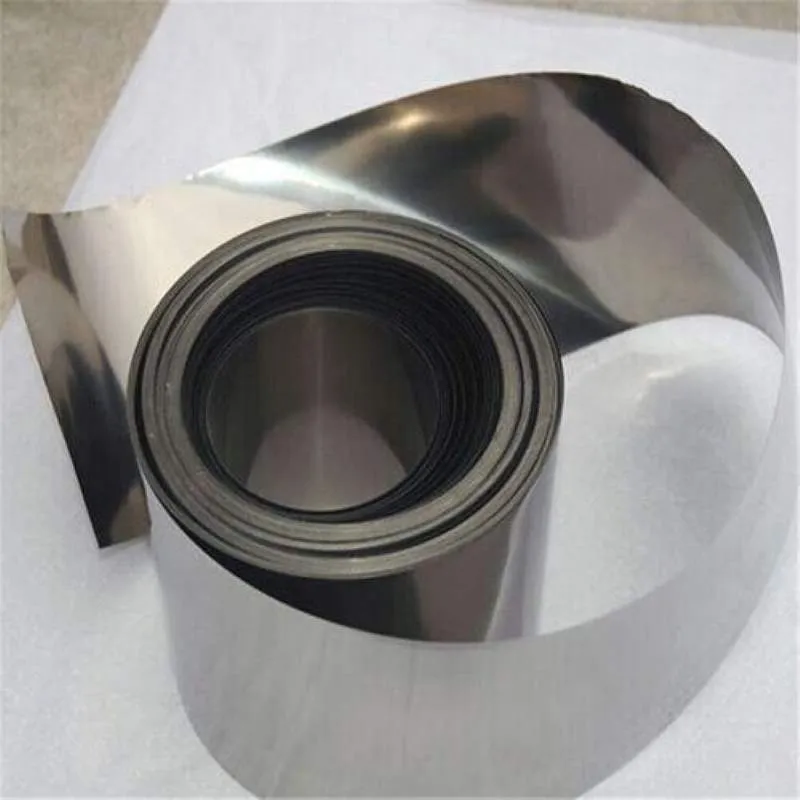
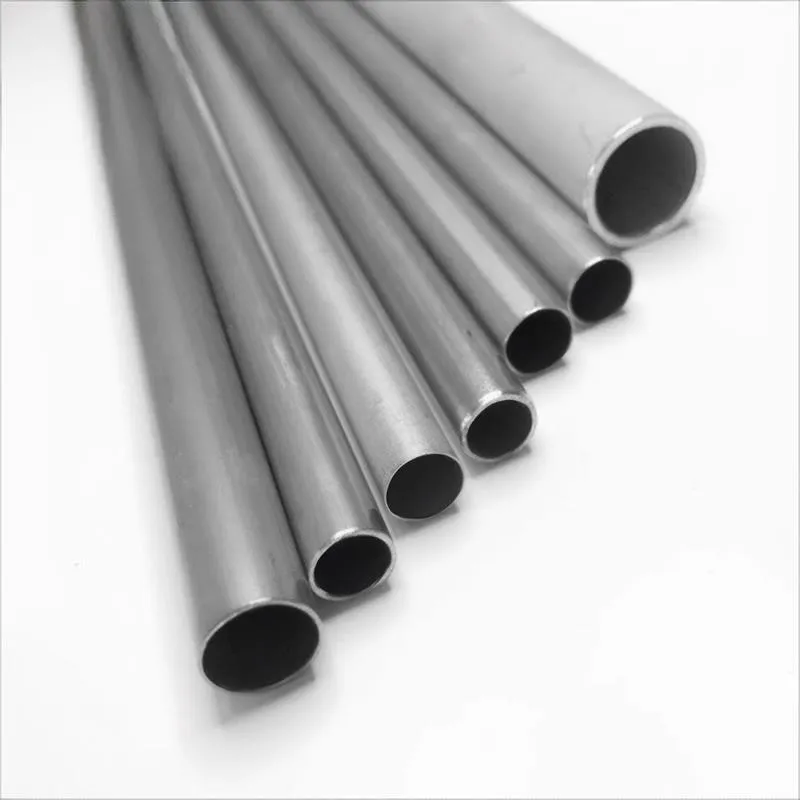
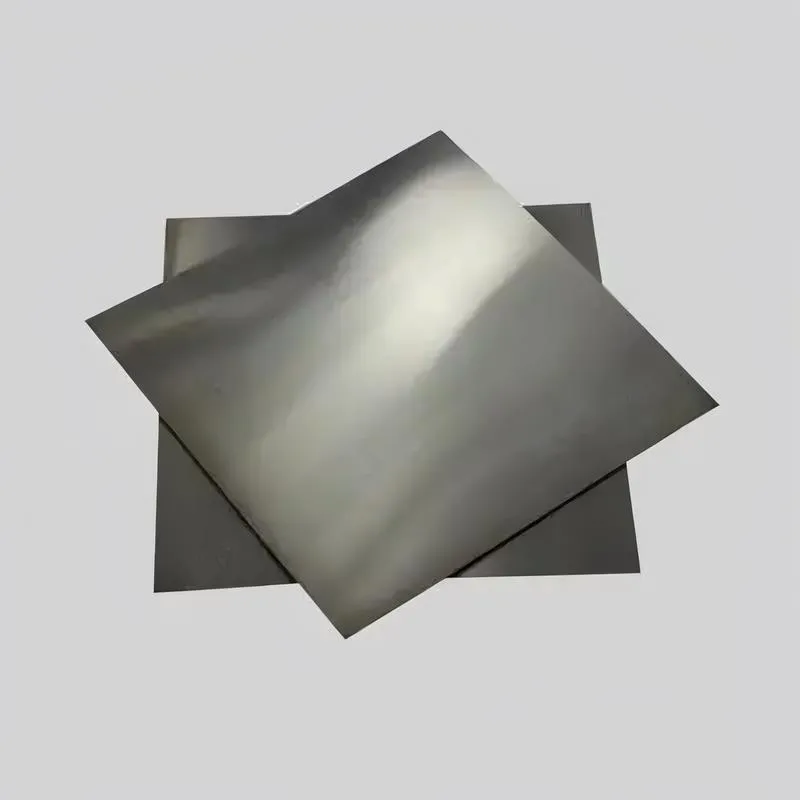
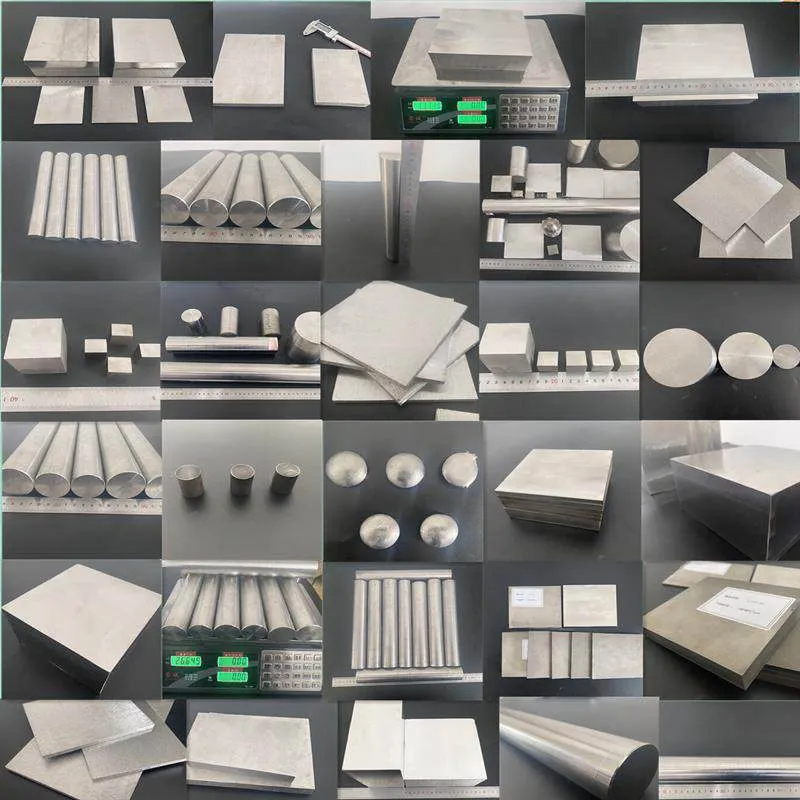
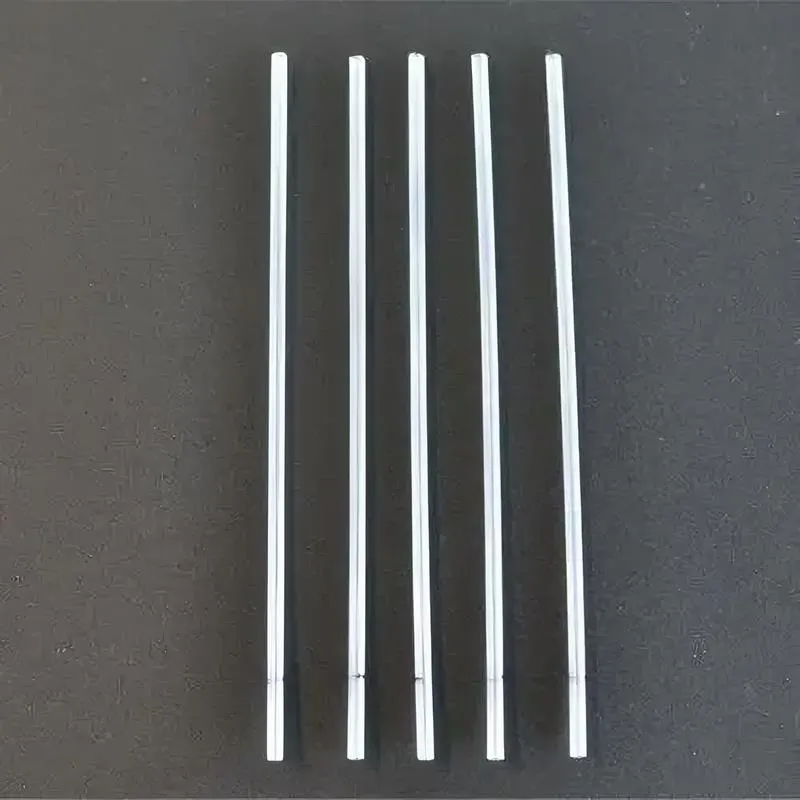
AISI 4037H Steel Foil/Strip
Product Code : STI-CSTI-1456-CU
We provide AISI 4037H Steel Foil/Strip is available in Bar (Round bar, Flat bar), Ribbon, Wire, Rods, Tube,Seamless Tube,Pipe, Ingots, Plate, Sheet, Strip and Forging Stock.,Purity, chemical composition, size, etc. can all be customized to meet specific requirements.
Please contact us if you need customized services. We will contact you with the price and availability in 24 hours.
AISI 4037H Steel Foil Product Information
-:-
For detailed product information, please contact sales.
-:
AISI 4037H Steel Foil Synonyms
-:-
For detailed product information, please contact sales.
-:
AISI 4037H Steel Product Information
-:-
For detailed product information, please contact sales.
-:
# **Product Datasheet: AISI 4037H Steel (UNS G40370H)**
## **Product Overview**
AISI 4037H is a **hardenability-controlled chromium-molybdenum alloy steel** designed for applications requiring predictable and consistent heat treatment response. The "H" designation indicates compliance with specific hardenability bands as defined by SAE standards, ensuring uniform mechanical properties across different production lots and heat treatment cycles. This medium-carbon alloy steel combines the excellent strength and toughness characteristics of AISI 4037 with the added assurance of controlled hardenability, making it particularly valuable for critical components where consistent performance and reliable heat treatment results are essential.
## **Key Features & Benefits**
- **Guaranteed Hardenability**: Meets specific SAE hardenability bands for predictable heat treatment
- **Consistent Performance**: Reduced lot-to-lot variation in mechanical properties
- **Excellent Strength-to-Weight Ratio**: High strength potential with proper heat treatment
- **Good Toughness**: Balanced alloy content ensures reliable impact resistance
- **Superior Fatigue Strength**: Suitable for dynamically loaded components
- **Reduced Manufacturing Risk**: Minimizes heat treatment failures and scrap rates
- **Quality Assurance**: Additional testing and certification provides higher confidence
- **Cost-Effective Reliability**: Premium properties without premium alloy costs
---
## **1. Chemical Composition**
### **Standard Composition Ranges (SAE J404, J1268)**
| Element | Composition Range (%) | Typical Analysis (%) | Primary Function & Control Importance |
|---------|----------------------|---------------------|---------------------------------------|
| **Carbon (C)** | 0.35 - 0.40 | 0.37 | Primary hardenability control; narrow effective range within total |
| **Manganese (Mn)** | 0.70 - 0.90 | 0.80 | Secondary hardenability control; tightly controlled for consistency |
| **Phosphorus (P)** | ≤ 0.035 | 0.018 | Kept very low for optimal ductility and impact resistance |
| **Sulfur (S)** | ≤ 0.040 | 0.022 | Controlled for improved machinability within H-grade limits |
| **Silicon (Si)** | 0.20 - 0.35 | 0.25 | Deoxidizer; contributes to hardenability consistency |
| **Chromium (Cr)** | 0.80 - 1.10 | 0.95 | Primary alloying element; tightly controlled for hardenability |
| **Molybdenum (Mo)** | 0.15 - 0.25 | 0.20 | Enhances hardenability; reduces temper embrittlement |
| **Iron (Fe)** | Balance | Balance | Base metal |
### **Hardenability Control Specifications**
| Control Parameter | Specification | Purpose |
|------------------|---------------|---------|
| **Carbon Effective Range** | Narrower than total range | Primary hardenability control |
| **Manganese Control** | Tight within range | Secondary hardenability adjustment |
| **Chromium Consistency** | Enhanced control | Hardenability uniformity |
| **Hardenability Band** | SAE J1268 compliance | Guaranteed heat treatment response |
### **Hardenability Band Classifications**
| Band Designation | Jominy Hardness Range at 9/16" (J9) | Typical Applications |
|------------------|-------------------------------------|---------------------|
| **H1 (Low)** | 24-30 HRC | Light sections, shallow hardening requirements |
| **H2 (Medium)** | 30-36 HRC | General purpose, balanced applications |
| **H3 (High)** | 36-42 HRC | Heavy sections, deep hardening needs |
| **H4 (Very High)** | 42-48 HRC | Maximum hardenability applications |
### **Critical Calculations & Control Parameters**
| Parameter | Formula/Value | Significance for H-Grade |
|-----------|--------------|--------------------------|
| **Carbon Equivalent (CEIIW)** | 0.70-0.80 | Controlled for consistent weldability prediction |
| **Ideal Critical Diameter (Dᵢ)** | 75-90mm (3.0-3.5") in oil | Guaranteed within band specifications |
| **Hardenability Factor** | High with controlled range | Predictable within ±3 HRC points |
| **Statistical Process Control** | ±2σ limits | Ensures lot-to-lot consistency |
---
## **2. Physical Properties**
### **Basic Physical Properties**
| Property | Value | Conditions/Notes |
|----------|-------|------------------|
| **Density** | 7.85 g/cm³ | At 20°C (68°F) |
| **Melting Point** | 1480-1520°C | 2696-2768°F |
| **Specific Heat Capacity** | 475 J/kg·K | At 20°C |
| **Thermal Conductivity** | 46.5 W/m·K | At 100°C |
| **Coefficient of Thermal Expansion** | 11.5 ×10⁻⁶/°C | 20-100°C range |
| **Electrical Resistivity** | 0.23 μΩ·m | At 20°C |
| **Modulus of Elasticity (E)** | 205-210 GPa | 29.7-30.5 ×10⁶ psi |
| **Shear Modulus (G)** | 80-82 GPa | 11.6-11.9 ×10⁶ psi |
| **Poisson's Ratio (ν)** | 0.29 | - |
| **Magnetic Properties** | Ferromagnetic | Curie temperature: ~770°C |
### **Critical Transformation Temperatures**
| Temperature Point | Value | Metallurgical Significance |
|------------------|-------|---------------------------|
| **Ac₁ (Lower Critical)** | 735°C (1355°F) | Austenite formation begins |
| **Ac₃ (Upper Critical)** | 785°C (1445°F) | Complete austenitization |
| **Ms (Martensite Start)** | 330-350°C (626-662°F) | Consistent within ±5°C for H-grade |
| **Mf (Martensite Finish)** | 160-190°C (320-374°F) | Martensite transformation completes |
### **Heat Treatment Parameters with H-Grade Assurance**
| Process | Temperature Range | H-Grade Benefit |
|---------|------------------|-----------------|
| **Austenitizing** | 830-860°C ±10°C | Consistent solution of alloying elements |
| **Quenching** | Oil, 40-60°C with agitation | Predictable cooling curve |
| **Tempering** | 150-650°C ±10°C | Reliable hardness-toughness relationship |
| **Stress Relief** | 550-600°C ±15°C | Dimensional stability assurance |
---
## **3. Hardenability Characteristics**
### **Jominy Hardenability Bands (SAE J1268)**
| Distance from Quenched End | H1 Band (HRC) | H2 Band (HRC) | H3 Band (HRC) | H4 Band (HRC) |
|----------------------------|---------------|---------------|---------------|---------------|
| **1.5mm (1/16")** | 38-44 | 42-48 | 46-52 | 50-56 |
| **3mm (1/8")** | 36-42 | 40-46 | 44-50 | 48-54 |
| **6mm (1/4")** | 32-38 | 36-42 | 40-46 | 44-50 |
| **10mm (3/8")** | 28-34 | 32-38 | 36-42 | 40-46 |
| **15mm (5/8")** | 24-30 | 28-34 | 32-38 | 36-42 |
| **20mm (3/4")** | 22-28 | 26-32 | 30-36 | 34-40 |
| **30mm (1-3/16")** | 20-26 | 24-30 | 28-34 | 32-38 |
### **Section Hardening Capability (H2 Band Typical)**
| Section Diameter | Oil Quench Result | Effective Case Depth (50 HRC) | Recommended Tempering |
|------------------|-------------------|-------------------------------|------------------------|
| **25mm (1")** | Uniform 42-48 HRC | Full section | 540-600°C |
| **50mm (2")** | Surface 40-46 HRC, Core 32-38 HRC | ~40mm | 500-560°C |
| **75mm (3")** | Surface 36-42 HRC, Core 28-34 HRC | ~25mm | 540-600°C |
| **100mm (4")** | Surface 32-38 HRC, Core 24-30 HRC | ~15mm | 580-650°C |
### **Ideal Critical Diameters by H-Band**
| H-Band | 50% Martensite in Oil (mm) | 90% Martensite in Oil (mm) | Water Quench 50% Martensite (mm) |
|--------|----------------------------|----------------------------|----------------------------------|
| **H1** | 50-60 | 30-40 | 60-70 |
| **H2** | 60-70 | 40-50 | 70-80 |
| **H3** | 70-80 | 50-60 | 80-90 |
| **H4** | 80-90 | 60-70 | 90-100 |
---
## **4. Mechanical Properties**
### **Guaranteed Properties by H-Band (Oil Quenched & Tempered 540°C)**
| H-Band | Hardness (HRC) | Tensile Strength (MPa) | Yield Strength (MPa) | Impact Energy (J) |
|--------|---------------|-----------------------|---------------------|------------------|
| **H1** | 28-32 | 930-1070 | 825-970 | 50-70 |
| **H2** | 30-34 | 1000-1170 | 860-1030 | 45-65 |
| **H3** | 32-36 | 1070-1240 | 930-1100 | 40-60 |
| **H4** | 34-38 | 1170-1380 | 1000-1170 | 35-55 |
### **Fatigue Properties with H-Grade Consistency**
| Condition | Surface Finish | Fatigue Limit (10⁷ cycles) | Consistency Improvement |
|-----------|---------------|----------------------------|-------------------------|
| **Standard 4037** | Ground | 430-520 MPa | ±15% variation |
| **4037H (H2)** | Ground | 450-500 MPa | ±5% variation |
| **Benefit** | - | +5% reliability | 67% reduction in variation |
### **Statistical Property Distribution**
| Property | Standard Deviation Reduction | Process Capability (Cpk) | Quality Improvement |
|----------|-----------------------------|--------------------------|---------------------|
| **Hardness** | 40% reduction | ≥1.67 vs ≥1.33 | Higher confidence |
| **Tensile Strength** | 35% reduction | ≥1.50 vs ≥1.00 | Reduced testing |
-| **Impact Energy** | 30% reduction | ≥1.33 vs ≥0.67 | Fewer rejects |
| **Fatigue Life** | 25% reduction | Statistical assurance | Extended service life |
### **High Temperature Performance Consistency**
| Temperature | Strength Retention | Variation Reduction | Benefit |
|-------------|-------------------|---------------------|---------|
| **200°C** | 90-95% of RT | ±2% vs ±5% | Better design margins |
| **400°C** | 70-75% of RT | ±3% vs ±8% | Improved reliability |
| **500°C** | 55-60% of RT | ±4% vs ±10% | Extended service life |
---
## **5. Product Specifications & Standards**
### **Primary Specifications**
| Standard | Number | Title/Scope | H-Grade Requirements |
|----------|--------|-------------|----------------------|
| **SAE** | J404 | Chemical Compositions | Must include H-grade controls |
| **SAE** | J1268 | Hardenability Bands | Mandatory compliance |
| **ASTM** | A304 | Steel Bars with Hardenability Requirements | Full compliance |
| **ASTM** | A29/A29M | General Requirements | Additional H-grade provisions |
| **UNS** | G40370H | Unified Numbering System | H-grade designation |
| **AMS** | AMS 6320H | Aerospace Material Specification | H-grade version |
### **International H-Grade Equivalents**
| Standard | Equivalent Designation | H-Grade System |
|----------|------------------------|----------------|
| **ISO** | ISO 683-11: 34CrMo4H | ISO H-band system |
| **EN** | EN 10083-3: 1.7220H | European H-grade |
| **DIN** | DIN 17200: 34CrMo4H | German H-grade |
| **JIS** | JIS G4105: SCM435H | Japanese H-grade |
| **GB** | GB/T 5216: 35CrMoH | Chinese H-grade |
### **Certification Requirements**
| Certificate Type | Content Included | Mandatory for H-Grade |
|-----------------|------------------|----------------------|
| **Chemical Analysis** | Full element analysis | Yes |
| **Hardenability Report** | Jominy test data | Yes |
| **Band Certification** | H-band verification | Yes |
| **Statistical Data** | Process capability | Recommended |
| **Traceability** | Full production history | Yes |
### **Quality Designations for H-Grade**
| Designation | Meaning | Testing Requirements |
|-------------|---------|---------------------|
| **4037H** | Standard H-grade | Chemistry + Jominy test |
| **4037H + QT** | Quenched & tempered | Additional mechanical tests |
| **4037H + Z** | Special cleanliness | Inclusion control + H-test |
| **4037H + UT** | Ultrasonic tested | Internal quality + H-grade |
---
## **6. Typical Applications**
### **Automotive Industry (Critical Components)**
- **Transmission Gears**: Requiring consistent hardening depth
- **Crankshafts**: Needing predictable heat treatment response
- **Axle Shafts**: Where uniform properties prevent premature failure
- **Steering Components**: Safety-critical applications
### **Aerospace & Defense**
- **Landing Gear Components**: Where reliability is paramount
- **Engine Mounts**: Requiring consistent strength properties
- **Structural Fasteners**: High-reliability applications
- **Weapon Systems**: Components needing predictable performance
### **Industrial Machinery (High-Reliability)**
- **Gearbox Components**: Large industrial gear sets
- **Machine Tool Spindles**: Precision machining applications
- **Heavy-Duty Shafting**: Critical power transmission
- **Hydraulic Cylinders**: High-pressure applications
### **Oil & Gas (Critical Service)**
- **Drill String Components**: Downhole tools requiring reliability
- **Valve Stems**: High-pressure service
- **Pump Shafts**: Continuous operation demands
- **Connector Components**: Safety-critical connections
### **Application Selection by H-Band**
| Application Type | Recommended H-Band | Reason for Selection |
|------------------|-------------------|----------------------|
| **Light Automotive Gears** | H1 | Controlled shallow hardening |
| **General Machine Parts** | H2 | Balanced properties |
| **Heavy-Duty Axles** | H3 | Deeper hardening needed |
| **Large Industrial Gears** | H4 | Maximum hardenability |
---
## **7. Processing Advantages with H-Grade**
### **Heat Treatment Benefits**
| Aspect | Standard 4037 | 4037H (H2) | Improvement |
|--------|---------------|------------|-------------|
| **Hardness Variation** | ±5 HRC | ±2 HRC | 60% reduction |
| **Tempering Response** | Variable | Predictable | Reduced testing |
| **Distortion Control** | Less predictable | More consistent | Better fit-up |
| **Scrap Rate** | Higher | Lower | Cost savings |
### **Manufacturing Efficiency**
| Process Step | H-Grade Benefit | Economic Impact |
|--------------|----------------|----------------|
| **Heat Treatment Setup** | Reduced trial runs | Faster setup time |
| **Quality Control** | Reduced testing frequency | Lower QC costs |
| **Inventory Management** | Consistent properties | Reduced safety stock |
| **Warranty Claims** | Fewer failures | Lower liability |
### **Design Advantages**
| Design Aspect | H-Grade Benefit | Engineering Impact |
|---------------|----------------|-------------------|
| **Safety Factors** | Reduced uncertainty | Optimized designs |
| **Performance Prediction** | More accurate | Better simulations |
| **Life Cycle Analysis** | Consistent data | Accurate predictions |
| **Maintenance Scheduling** | Predictable wear | Optimized intervals |
---
## **8. Quality Assurance & Testing**
### **Mandatory Testing Requirements**
| Test | Standard | Frequency | H-Grade Specifics |
|------|----------|-----------|-------------------|
| **Chemical Analysis** | ASTM E415 | Each heat | Full analysis with tighter controls |
| **Jominy Hardenability** | ASTM A255 | Each heat | Full curve with band verification |
| **Statistical Analysis** | SAE J1268 | Each heat | Band compliance certification |
| **Traceability** | Customer requirements | Each lot | Enhanced documentation |
### **Optional Enhanced Testing**
| Test | Purpose | When Required |
|------|---------|--------------|
| **End-Quench Verification** | Customer verification | Critical applications |
| **Section Hardening Test** | Application validation | New designs |
| **Microcleanliness** | Internal quality | Aerospace/defense |
| **Grain Size Analysis** | Heat treatment response | Optimizing processes |
### **Certification Package**
| Document | Content | Purpose |
|----------|---------|---------|
| **Hardenability Certificate** | Jominy data, band compliance | Heat treatment planning |
| **Chemical Certificate** | Full analysis with statistics | Material verification |
| **Process Capability Report** | Statistical performance | Quality system compliance |
| **Traceability Document** | Complete production history | Regulatory compliance |
### **Statistical Process Control for H-Grade**
| Control Parameter | Target | Control Limits | Monitoring Frequency |
|-------------------|--------|----------------|---------------------|
| **Carbon Content** | Mid-range | ±0.015% | Continuous |
| **Hardenability at J9** | Band center | ±3 HRC | Each heat |
| **Hardness Uniformity** | Specification | ±10 HB | Each lot |
| **Dimensional Consistency** | Nominal | 50% of standard tolerance | Continuous |
---
## **9. Technical Guidelines for H-Grade Utilization**
### **Material Selection Guidelines**
1. **H-Band Selection**: Choose based on section size and required hardening depth
2. **Application Criticality**: Higher bands for more critical applications
3. **Cost-Benefit Analysis**: Consider premium vs. reduced risk
4. **Supplier Qualification**: Verify H-grade certification capability
### **Heat Treatment Optimization**
- **Use Provided Data**: Utilize Jominy curves for process development
- **Reduce Safety Margins**: Take advantage of predictable properties
- **Optimize Processes**: Fine-tune based on consistent response
- **Document Results**: Build historical database for continuous improvement
### **Design Engineering Benefits**
- **Reduce Over-Design**: Use accurate property data
- **Improve Predictability**: Enhanced FEA and simulation accuracy
- **Extend Service Life**: Consistent properties improve reliability
- **Reduce Testing**: Less prototype testing required
### **Quality System Integration**
| System Aspect | H-Grade Integration | Benefits |
|---------------|---------------------|----------|
| **PPAP Documentation** | Enhanced data packages | Faster approval |
| **APQP Processes** | Predictable material behavior | Reduced development time |
| **SPC Implementation** | Tighter control parameters | Improved process capability |
| **Continuous Improvement** | Reliable baseline data | Meaningful improvement tracking |
---
## **10. Economic Justification**
### **Cost-Benefit Analysis**
| Cost Factor | Standard 4037 | 4037H | Savings/Premium |
|-------------|---------------|-------|-----------------|
| **Material Cost** | Base | +5-15% | Premium |
| **Heat Treatment Cost** | Base | -10-20% | Savings |
| **QC Testing Cost** | Base | -15-25% | Savings |
| **Scrap & Rework** | Base | -30-50% | Significant savings |
| **Warranty Costs** | Base | -20-40% | Risk reduction |
| **Total Cost of Ownership** | Base | -5-15% | Net benefit |
### **Return on Investment Factors**
| Investment Area | ROI Timeframe | Justification |
|-----------------|---------------|---------------|
| **Material Premium** | 6-18 months | Reduced processing costs |
| **Process Optimization** | 3-12 months | Improved efficiency |
| **Quality System** | 12-24 months | Reduced failures |
| **Customer Satisfaction** | Immediate | Enhanced reputation |
### **Industry-Specific Justifications**
| Industry | Primary Justification | Secondary Benefits |
|----------|----------------------|-------------------|
| **Automotive** | Reduced warranty claims | Improved safety |
| **Aerospace** | Certification compliance | Extended service life |
| **Oil & Gas** | Reduced downtime | Safety improvement |
| **Heavy Equipment** | Lower maintenance costs | Improved reliability |
---
## **11. Ordering & Specification**
### **Standard Order Requirements**
| Specification | Requirement | Notes |
|---------------|-------------|-------|
| **Grade Designation** | AISI 4037H | Must include "H" |
| **H-Band Specification** | H1, H2, H3, or H4 | Based on application |
| **Certification Level** | Standard or enhanced | Define requirements |
| **Testing Requirements** | Beyond standard | Specify if needed |
| **Traceability** | Level required | Define documentation |
### **Special Requirements**
| Requirement | Specification Method | Typical Applications |
|-------------|---------------------|---------------------|
| **Enhanced Cleanliness** | Inclusion rating specified | Aerospace, bearings |
| **Grain Size Control** | ASTM number specified | Critical fatigue applications |
| **Surface Quality** | Special requirements | Precision components |
| **Dimensional Tolerances** | Tighter than standard | Machining applications |
### **Supplier Qualification**
| Qualification Aspect | Requirement | Verification Method |
|---------------------|-------------|-------------------|
| **H-Grade Capability** | Demonstrated experience | Audit, sample testing |
| **Certification Systems** | Proper documentation | System audit |
| **Statistical Control** | SPC implementation | Data review |
| **Technical Support** | Application engineering | Reference checks |
---
## **12. Limitations & Considerations**
### **Technical Limitations**
- **Maximum Size Limitations**: Hardenability bands have practical limits
- **Cost Premium**: Higher initial material cost
- **Availability**: Limited suppliers with true H-grade capability
- **Documentation Requirements**: More extensive paperwork
### **Application Considerations**
- **Not Always Necessary**: Evaluate cost-benefit for each application
- **Over-Specification Risk**: Don't specify higher band than needed
- **Supplier Capability**: Verify true H-grade production, not just testing
- **Industry Standards**: Ensure compatibility with industry requirements
### **Future Developments**
| Trend | Impact on 4037H | Timeframe |
|-------|----------------|-----------|
| **Digitalization** | Enhanced traceability | Current |
| **Industry 4.0** | Real-time monitoring | Near-term |
| **Advanced Analytics** | Predictive quality | Developing |
| **Sustainability** | Reduced waste | Ongoing |
---
**Disclaimer**: The information provided in this datasheet is for general reference purposes. Actual properties may vary within the specified hardenability bands. For critical applications, conduct appropriate testing and consult with materials engineering professionals. Always refer to the latest edition of applicable standards and material specifications.
**Revision**: 1.0 | **Date**: October 2023 | **Classification**: Commercial Technical Data
-:-
For detailed product information, please contact sales.
-:
AISI 4037H Steel Specification
Dimensions
Size:
Diameter 20-1000 mm Length <6188 mm
Size:We can customized as required
Standard:
Per your request or drawing
We can customized as required
Properties(Theoretical)
Chemical Composition
-:-
For detailed product information, please contact sales.
-:
AISI 4037H Steel Properties
-:-
For detailed product information, please contact sales.
-:
Applications of AISI 4037H Steel Foil
-:-
For detailed product information, please contact sales.
-:
Chemical Identifiers AISI 4037H Steel Foil
-:-
For detailed product information, please contact sales.
-:
Packing of AISI 4037H Steel Foil/Strip
-:-
For detailed product information, please contact sales.
-:
Standard Packing:
-:-
For detailed product information, please contact sales.
-:
Typical bulk packaging includes palletized plastic 5 gallon/25 kg. pails, fiber and Steel Foil/Strip drums to 1 ton super sacks in full container (FCL) or truck load (T/L) quantities. Research and sample quantities and hygroscopic, oxidizing or other air sensitive materials may be packaged under argon or vacuum. Solutions are packaged in polypropylene, plastic or glass jars up to palletized 2659 gallon liquid totes Special package is available on request. E FORUs’ is carefully handled to minimize damage during storage and transportation and to preserve the quality of our products in their original condition