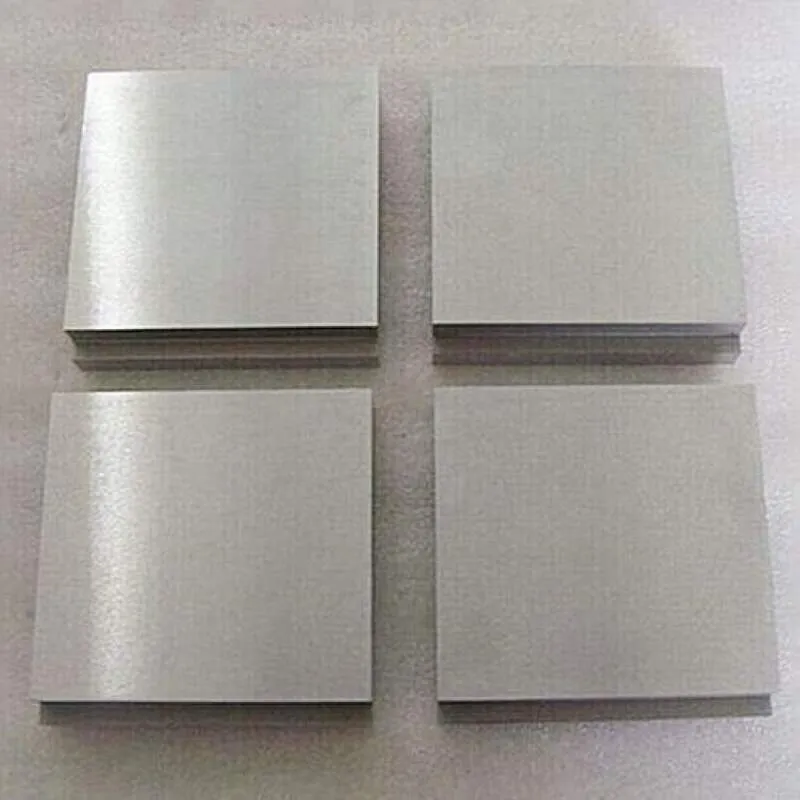
SAE 1518 Carbon Steel Sheet,Plate
Product Code : STI-CSTI-813-CU
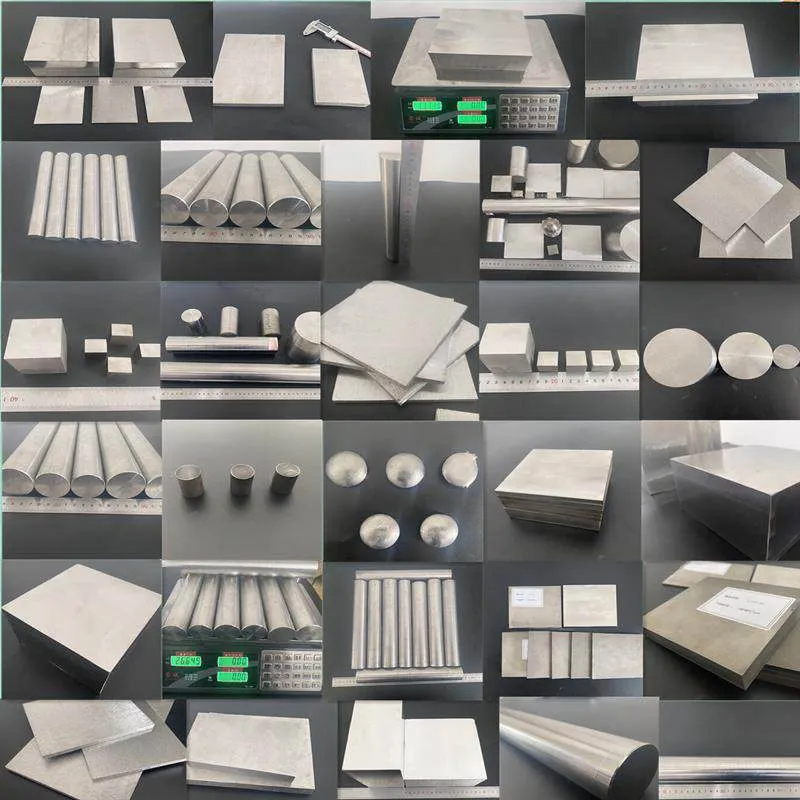
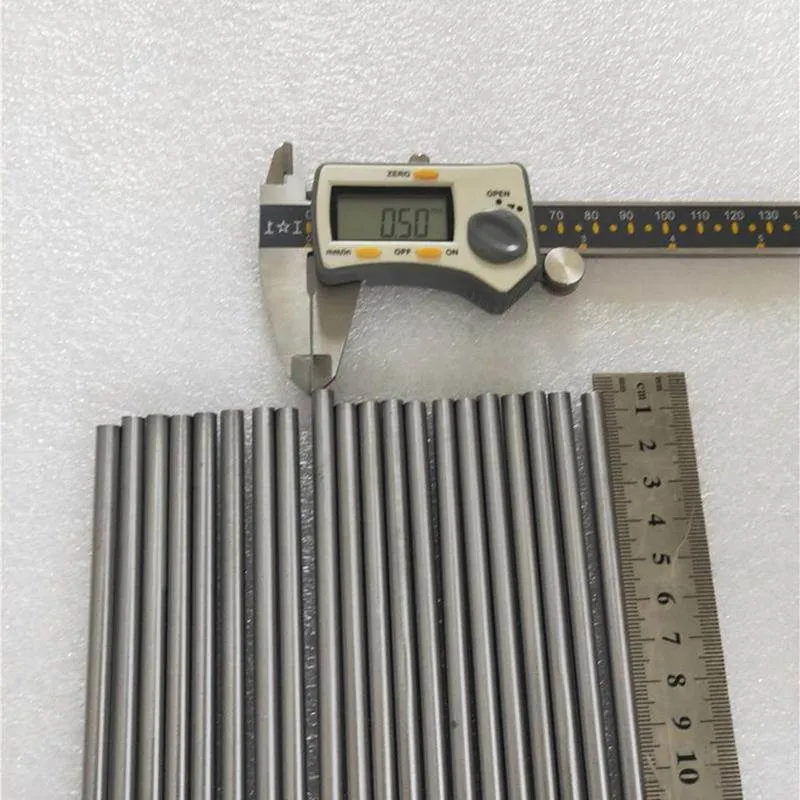
We provide SAE 1518 Carbon Steel Sheet/Plate, Composition Spec is available in Bar (Round bar, Flat bar), Ribbon, Wire, Rods, Tube,Seamless Tube,Pipe, Ingots, Plate, Sheet/Plate, Strip and Forging Stock.,Purity, chemical composition, size, etc. can all be customized to meet specific requirements.
Please contact us if you need customized services. We will contact you with the price and availability in 24 hours.
SAE 1518 Carbon Steel Sheet/Plate, Composition Spec Product Information
-:-
For detailed product information, please contact sales.
-:
SAE 1518 Carbon Steel Sheet/Plate, Composition Spec Synonyms
-:-
For detailed product information, please contact sales.
-:
SAE 1518 Carbon Steel, Composition Spec Product Information
-:-
For detailed product information, please contact sales.
-:
# **Technical Data Sheet: SAE 1518 Carbon Steel (Composition Specification)**
## **1. MATERIAL OVERVIEW**
**SAE 1518** is a **low-carbon, medium-manganese carbon steel** classified under the 1500 series of SAE standard steels. It is specifically designed to offer improved hardenability over plain carbon steels through controlled manganese addition while maintaining good formability and weldability. This grade is commonly supplied in various conditions including hot-rolled, cold-drawn, and annealed states, serving as a versatile material for general engineering applications requiring moderate strength and good machinability.
## **2. INTERNATIONAL STANDARD DESIGNATIONS**
| Standard System | Designation | Equivalent Standard |
|----------------|-------------|---------------------|
| **SAE/AISI** | **1518** | SAE J403 |
| **UNS** | **G15180** | Unified Numbering System |
| **ASTM** | **A29/A29M** | Grade 1518 |
| **EN (Europe)** | **17Mn4** (Closest) | EN 10083-2 (1.0844) |
| **DIN (Germany)** | **17Mn4** | DIN EN 10083-2 |
| **JIS (Japan)** | **SMnC420** (Similar) | JIS G4052 |
| **ISO** | **Type 17Mn4** | ISO 683-18 |
| **GB (China)** | **15Mn** | GB/T 699 |
## **3. CHEMICAL COMPOSITION SPECIFICATION**
### **Standard Composition Ranges (SAE J403)**
| Element | Minimum (%) | Maximum (%) | Typical (%) | Metallurgical Function |
|---------|-------------|-------------|-------------|------------------------|
| **Carbon (C)** | 0.15 | 0.21 | 0.18 | Primary strengthening element |
| **Manganese (Mn)** | 1.10 | 1.40 | 1.25 | Enhances hardenability, strength |
| **Phosphorus (P)** | - | 0.040 | 0.020 | Residual impurity (controlled) |
| **Sulfur (S)** | - | 0.050 | 0.025 | Residual impurity (controlled) |
| **Silicon (Si)** | 0.15 | 0.35 | 0.25 | Deoxidizer, solid solution strengthening |
| **Iron (Fe)** | Balance | Balance | Balance | Base metal |
### **Composition Notes:**
- **Manganese-to-Carbon Ratio**: Approximately 7:1, providing good hardenability
- **Sulfur Content**: Controlled to ensure adequate hot workability
- **Silicon Range**: Standard for killed steel production
### **Modified/Variant Grades:**
- **SAE 1518H**: Hardenability-controlled version with guaranteed Jominy bands
- **Boron-Treated 1518**: 0.0005-0.003% B for enhanced hardenability
- **Resulturized 1518**: Higher sulfur (0.08-0.13%) for improved machinability
## **4. PHYSICAL PROPERTIES**
| Property | Value | Unit | Conditions/Notes |
|----------|-------|------|------------------|
| **Density** | 7.85 | g/cm³ | At 20°C (68°F) |
| **Melting Point** | 1510-1530 | °C | Liquidus temperature range |
| **Modulus of Elasticity** | 200-205 | GPa | 29,000-29,700 ksi |
| **Shear Modulus** | 78-80 | GPa | 11,300-11,600 ksi |
| **Poisson's Ratio** | 0.29 | - | Typical for steel |
| **Thermal Conductivity** | 49-52 | W/m·K | At 20°C |
| **Coefficient of Thermal Expansion** | 11.7 | μm/m·°C | 20-200°C range |
| **Specific Heat Capacity** | 475 | J/kg·K | At 20°C |
| **Electrical Resistivity** | 0.19 | μΩ·m | At 20°C |
| **Magnetic Properties** | Ferromagnetic | - | Below 770°C Curie point |
| **Density** | 7.85 | g/cm³ | 0.284 lb/in³ |
## **5. MECHANICAL PROPERTIES**
### **As-Hot Rolled Condition**
| Property | Value Range | Typical | Unit |
|----------|-------------|---------|------|
| **Tensile Strength** | 470-580 | 525 | MPa |
| **Yield Strength (Rp0.2)** | 310-380 | 345 | MPa |
| **Elongation (A50mm)** | 25-32 | 28 | % |
| **Reduction of Area** | 50-60 | 55 | % |
| **Brinell Hardness** | 140-180 | 160 | HB |
| **Impact Energy (Charpy V)** | 70-100 | 85 | J @ 20°C |
### **Cold Drawn Condition**
| Property | Value Range | Typical | Unit |
|----------|-------------|---------|------|
| **Tensile Strength** | 550-650 | 600 | MPa |
| **Yield Strength** | 450-550 | 500 | MPa |
| **Elongation** | 15-22 | 18 | % |
| **Hardness** | 170-210 | 190 | HB |
### **Normalized Condition (900°C, air cooled)**
| Property | Value Range | Unit |
|----------|-------------|------|
| **Tensile Strength** | 480-570 | MPa |
| **Yield Strength** | 320-400 | MPa |
| **Elongation** | 26-32 | % |
| **Hardness** | 145-175 | HB |
### **Heat Treated Properties (Quenched & Tempered)**
| Tempering Temperature | Tensile Strength | Yield Strength | Hardness |
|----------------------|-----------------|---------------|----------|
| **205°C (400°F)** | 900-1050 MPa | 750-900 MPa | 28-32 HRC |
| **425°C (800°F)** | 700-850 MPa | 550-700 MPa | 22-26 HRC |
| **540°C (1000°F)** | 550-650 MPa | 450-550 MPa | 18-22 HRC |
## **6. HEAT TREATMENT CHARACTERISTICS**
### **Critical Temperatures**
| Transformation | Temperature Range |
|---------------|------------------|
| **Ac1** | 720-740°C |
| **Ac3** | 850-870°C |
| **Ar1** | 680-700°C |
| **Ar3** | 780-800°C |
### **Recommended Heat Treatments**
1. **Annealing**
- Temperature: 845-900°C (1550-1650°F)
- Cooling: Furnace cool to 600°C, then air cool
- Resulting hardness: 140-160 HB
2. **Normalizing**
- Temperature: 870-920°C (1600-1680°F)
- Cooling: Air cool
- Resulting hardness: 150-175 HB
3. **Hardening**
- Austenitizing: 830-870°C (1525-1600°F)
- Quenching medium: Oil (water for thin sections)
- As-quenched hardness: 40-45 HRC
4. **Tempering**
- Temperature: 205-650°C (400-1200°F)
- Time: 1 hour per inch of thickness minimum
### **Hardenability Data (Jominy Test - Typical)**
| Distance from Quenched End (1/16") | Hardness (HRC) |
|------------------------------------|----------------|
| 1 | 38-42 |
| 2 | 35-40 |
| 4 | 28-33 |
| 8 | 22-26 |
| 12 | 19-23 |
| 16 | 17-21 |
| 20 | 16-19 |
## **7. MANUFACTURING & PROCESSING PROPERTIES**
### **Machinability**
- **Machinability Rating**: 65% of B1112 steel (annealed condition)
- **Relative Machinability Index**: 0.70 (compared to 1.0 for 1212)
- **Tool Life Expectancy**: Good with proper tool selection
**Recommended Machining Parameters:**
- Cutting speed: 30-45 m/min (HSS tools, annealed)
- Feed rate: 0.20-0.35 mm/rev
- Depth of cut: Up to 5 mm for roughing
- Tool materials: Carbide or coated carbide recommended
- Coolant: Soluble oil or sulfurized oils
### **Forming Characteristics**
| Process | Suitability | Recommended Conditions |
|---------|-------------|------------------------|
| **Cold Forming** | Good | Annealed condition |
| **Hot Forming** | Excellent | 1100-900°C range |
| **Forging** | Excellent | Start 1200°C, finish 850°C |
| **Bending** | Good | Minimum bend radius: 1t (t=thickness) |
### **Welding Properties**
| Parameter | Rating/Value | Notes |
|-----------|--------------|-------|
| **Weldability** | Good | Preferable to 1018 |
| **Preheat Temperature** | 100-150°C | For thickness >20mm |
| **Post-Weld Heat Treatment** | Recommended | 590-650°C for stress relief |
| **Suitable Processes** | SMAW, GMAW, GTAW | |
| **Electrode Selection** | E7018, ER70S-6 | Low hydrogen preferred |
## **8. PRIMARY APPLICATIONS**
### **Automotive Industry**
- Chassis components and brackets
- Suspension parts (non-critical)
- Steering linkage components
- Engine mounts and brackets
- Transmission support parts
- Brake system components
### **Industrial Machinery**
- General purpose shafts
- Gears and sprockets (heat treated)
- Machine tool components
- Agricultural equipment parts
- Material handling equipment
- Fasteners and brackets
### **Construction & Infrastructure**
- Structural connectors
- Support brackets
- Hardware components
- Non-critical fasteners
- Scaffolding components
### **Consumer Products**
- Appliance components
- Furniture hardware
- Hand tool components
- Bicycle parts
- Recreational equipment
## **9. COMPARATIVE ANALYSIS**
### **Comparison with Similar Grades**
| Grade | C (%) | Mn (%) | Key Characteristics | Typical Uses |
|-------|-------|--------|---------------------|-------------|
| **SAE 1018** | 0.15-0.20 | 0.60-0.90 | Lower hardenability | General purpose |
| **SAE 1518** | 0.15-0.21 | 1.10-1.40 | Better hardenability | Light-medium duty parts |
| **SAE 1524** | 0.19-0.25 | 1.35-1.65 | Higher strength | Medium duty components |
| **SAE 8620** | 0.18-0.23 | 0.70-0.90 | Alloy steel | Critical, high-strength parts |
### **Advantages of SAE 1518**
1. Better hardenability than plain carbon steels
2. Good combination of strength and ductility
3. Cost-effective alternative to alloy steels for many applications
4. Good machinability in annealed condition
5. Suitable for various heat treatments
### **Limitations**
1. Not suitable for high-temperature applications (>400°C)
2. Limited corrosion resistance (requires protection)
3. Maximum hardness limited compared to alloy steels
4. Not recommended for severe impact applications
## **10. QUALITY STANDARDS & TESTING**
### **Applicable Standards**
- **Chemical Analysis**: ASTM A751, SAE J408
- **Tensile Testing**: ASTM A370, ISO 6892-1
- **Hardness Testing**: ASTM E10 (Brinell), E18 (Rockwell)
- **Impact Testing**: ASTM E23 (Charpy)
- **Microstructure**: ASTM E112 (Grain size), E45 (Inclusions)
### **Inspection Requirements**
- Chemical composition verification
- Tensile testing (minimum per heat treatment lot)
- Hardness testing
- Dimensional verification
- Surface quality inspection
### **Certification**
- Mill Test Certificate per EN 10204 3.1
- Heat number traceability
- Processing history documentation
## **11. ENVIRONMENTAL & SAFETY INFORMATION**
- **Material Classification**: Non-hazardous carbon steel
- **Recyclability**: 100% recyclable as ferrous scrap
- **RoHS/REACH Compliance**: Fully compliant
- **Machining Safety**: Standard machine shop precautions
- **Welding Safety**: Adequate ventilation required
- **Disposal**: Classify as non-hazardous metal waste
## **12. STORAGE & HANDLING**
1. Store in dry, covered conditions
2. Protect from corrosion with oil coating if necessary
3. Stack properly to prevent deformation
4. Use appropriate lifting equipment
5. Maintain proper inventory rotation
## **13. TECHNICAL NOTES**
### **Selection Considerations**
1. **Section Size**: Consider hardenability limitations for thick sections
2. **Heat Treatment**: Specify required condition clearly
3. **Machining Requirements**: Consider annealed condition for complex parts
4. **Welding Needs**: May require pre/post heat treatment for thick sections
5. **Cost vs Performance**: Evaluate against alloy steel alternatives
### **Design Recommendations**
1. Allow for heat treatment distortion
2. Consider stress concentrations in design
3. Specify appropriate surface finishes
4. Consider corrosion protection requirements
5. Account for material variability in critical applications
## **14. TYPICAL PRODUCT FORMS**
- Round bars: 3-250 mm diameter
- Flat bars: Various thicknesses and widths
- Square and hexagonal bars
- Wire and rod products
- Plates and sheets
- Forging stock
- Tubing (seamless and welded)
## **15. SUPPLIER SPECIFICATIONS**
When ordering SAE 1518, specify:
- Desired condition (hot rolled, cold drawn, annealed, etc.)
- Dimensional tolerances
- Heat treatment requirements (if any)
- Testing and certification needs
- Packaging requirements
- Surface finish specifications
---
**Disclaimer**: The information provided is based on standard specifications and typical material behavior. Actual properties may vary depending on manufacturing processes, heat treatment parameters, and specific application conditions. Always consult certified material test reports for critical applications and conduct appropriate validation testing.
**References**:
- SAE J403: Chemical Composition of SAE Carbon Steels
- ASTM A29/A29M: Standard Specification for Steel Bars, Carbon and Alloy
- ISO 683-18: Heat-treatable steels, alloy steels and free-cutting steels
**Document Version**: 1.0
**Last Updated**: October 2023
-:-
For detailed product information, please contact sales.
-:
SAE 1518 Carbon Steel, Composition Spec Specification
Dimensions
Size:
Diameter 20-1000 mm Length <5545 mm
Size:We can customized as required
Standard:
Per your request or drawing
We can customized as required
Properties(Theoretical)
Chemical Composition
-:-
For detailed product information, please contact sales.
-:
SAE 1518 Carbon Steel, Composition Spec Properties
-:-
For detailed product information, please contact sales.
-:
Applications of SAE 1518 Carbon Steel Sheet,Plate, Composition Spec
-:-
For detailed product information, please contact sales.
-:
Chemical Identifiers SAE 1518 Carbon Steel Sheet,Plate, Composition Spec
-:-
For detailed product information, please contact sales.
-:
Packing of SAE 1518 Carbon Steel Sheet/Plate, Composition Spec
-:-
For detailed product information, please contact sales.
-:
Standard Packing:
-:-
For detailed product information, please contact sales.
-:
Typical bulk packaging includes palletized plastic 5 gallon/25 kg. pails, fiber and Steel Sheet/Plate drums to 1 ton super sacks in full container (FCL) or truck load (T/L) quantities. Research and sample quantities and hygroscopic, oxidizing or other air sensitive materials may be packaged under argon or vacuum. Solutions are packaged in polypropylene, plastic or glass jars up to palletized 2016 gallon liquid totes Special package is available on request. E FORUs’ is carefully handled to minimize damage during storage and transportation and to preserve the quality of our products in their original condition