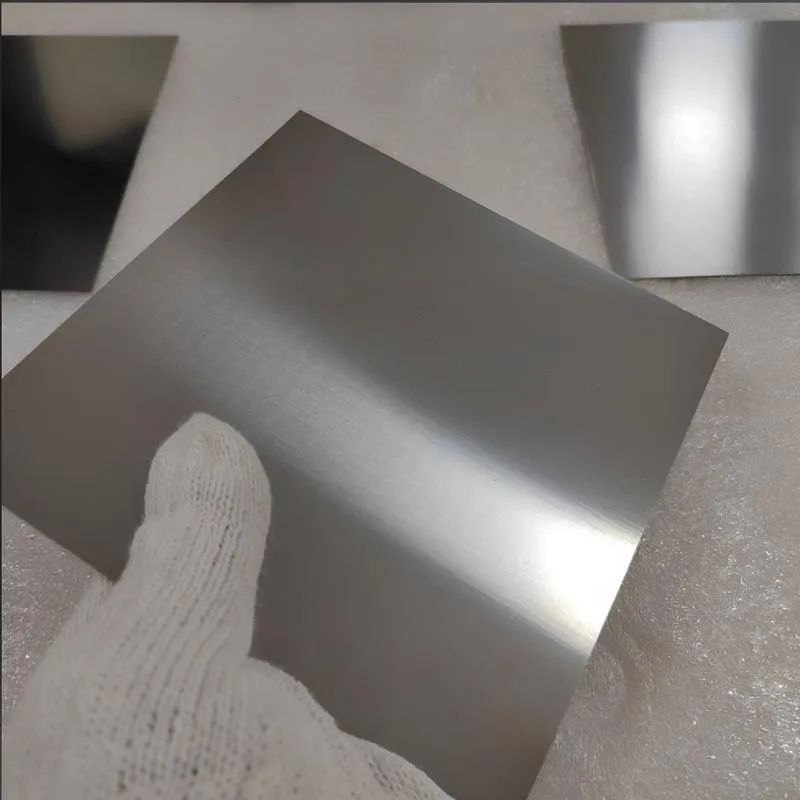
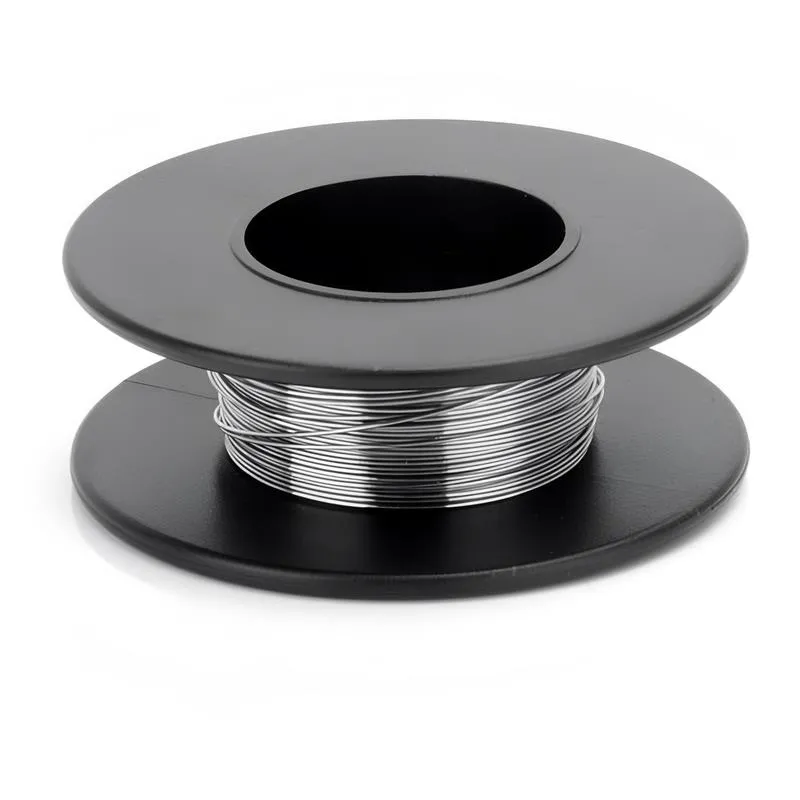
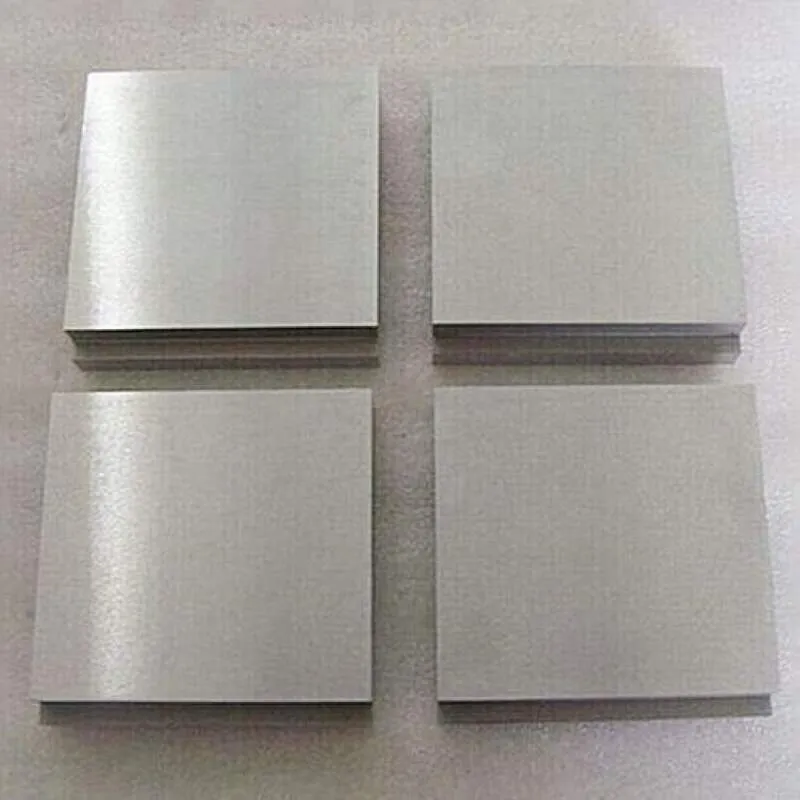
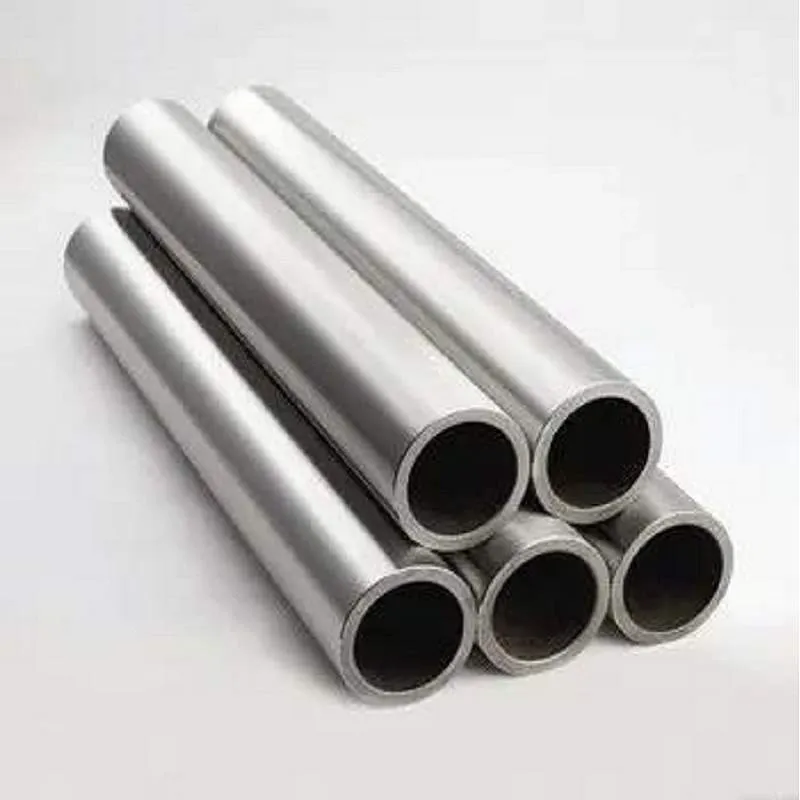
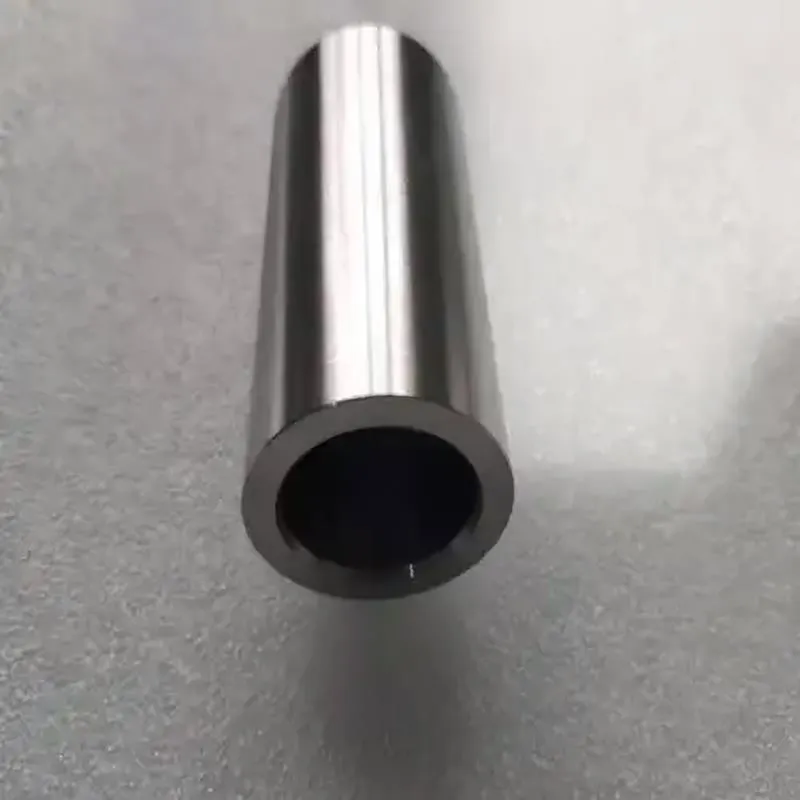
Malleable Iron Sheet,Plate casting, Class M5503
Product Code : STI-IFe-112-CU
We provide Malleable Iron Sheet/Plate casting, Class M5503 liquid quenched and tempered is available in Bar (Round bar, Flat bar), Ribbon, Wire, Rods, Tube,Seamless Tube,Pipe, Ingots, Plate, Sheet/Plate, Strip and Forging Stock.,Purity, chemical composition, size, etc. can all be customized to meet specific requirements.
Please contact us if you need customized services. We will contact you with the price and availability in 24 hours.
Malleable Iron Sheet/Plate casting, Class M5503 liquid quenched and tempered Product Information
-:-
For detailed product information, please contact sales.
-:
Malleable Iron Sheet/Plate casting, Class M5503 liquid quenched and tempered Synonyms
-:-
For detailed product information, please contact sales.
-:
Malleable iron casting, Class M5503 liquid quenched and tempered Product Information
-:-
For detailed product information, please contact sales.
-:
## **Malleable Iron Casting - Class M5503 Liquid Quenched & Tempered**
### **1. Overview**
**Class M5503 Liquid Quenched & Tempered** is a **premium ultra-high-strength grade** of pearlitic malleable iron, achieving a **minimum tensile strength of 550 MPa (80,000 psi)** with **3% minimum elongation**. This designation specifically indicates the application of a **liquid quenching medium (typically oil or polymer) followed by tempering** to obtain its final properties. The liquid quenching process enables rapid and uniform heat extraction, facilitating the formation of a high-strength martensitic or bainitic microstructure throughout the casting section. This grade represents the pinnacle of conventional quenched & tempered malleable iron technology, offering a compelling balance of very high strength, good wear resistance, and controlled ductility for the most demanding structural and wear applications.
---
### **2. International Standards & Designations**
**Primary Standard Reference:**
* **ASTM A220/A220M** - *Standard Specification for Pearlitic Malleable Iron Castings*. Class M5503 aligns with the performance requirements for high-strength grades within this specification, though "M5503" itself is often a **proprietary or customer-specific designation** denoting the specific process route.
* **ASTM A602** - *Automotive Malleable Iron Castings*.
**Common Equivalent Performance Grades:**
| Standard | Common Grade Designation | Approximate Equivalent/Performance Match |
| :--- | :--- | :--- |
| **ISO 5922** | **JMB 550-3** or **JMB 500-3** | Closest international standard grade |
| **EN 1562** | EN-GJMB-500-5 / EN-GJMB-600-3 | European grades with similar strength-ductility balance |
| **JIS G 5705** | FCMB 550 | Japanese Industrial Standard |
| **GB/T 9440** | JMB 550 | Chinese National Standard |
| **SAE J158** | (Refer to ASTM A602) | Automotive nomenclature |
**Process Designation:** The **"Liquid Quenched and Tempered"** suffix is a critical process specification, often detailed in supplementary purchase specifications or foundry internal standards (e.g., "Q&T Process per Specification XYZ"). It mandates a quenching process using oil, polymer, or water-based media, differentiating it from air-quenched or as-annealed grades.
---
### **3. Chemical Composition**
The chemical composition is rigorously controlled and often highly alloyed to ensure sufficient hardenability for complete transformation during liquid quenching, especially in thicker sections.
**Typical Composition Ranges (Weight %):**
| Element | Target Range | Metallurgical Rationale |
| :--- | :--- | :--- |
| **Carbon (C)** | 2.50 – 2.90 | Primary strengthening element; forms hardening carbides. |
| **Silicon (Si)** | 1.60 – 2.20 | Promotes graphitization during first-stage annealing and provides solid solution strengthening. |
| **Manganese (Mn)** | **1.00 – 1.60** | **Primary hardenability agent.** Essential for achieving martensitic transformation in the core of sections. |
| **Chromium (Cr)** | **0.20 – 0.50** | **Secondary hardenability agent.** Increases depth of hardening, refines grain, and enhances wear resistance. |
| **Molybdenum (Mo)** | **0.15 – 0.35** | Powerful hardenability element, particularly effective in heavier cross-sections; improves tempering resistance. |
| **Copper (Cu)** | 0.30 – 0.80 | Enhances hardenability and can improve atmospheric corrosion resistance. |
| **Nickel (Ni)** | 0.10 – 0.40 (Optional) | Improves toughness and contributes to hardenability without increasing brittleness. |
| **Phosphorus (P)** | ≤ 0.08 max | Kept low to maximize impact toughness. |
| **Sulfur (S)** | ≤ 0.08 max | Controlled to ensure good machinability and mechanical properties. |
**Hardenability Consideration:** The combined "hardenability factor" (Mn, Cr, Mo, Ni) is designed to achieve a specific **Ideal Critical Diameter (Dᵢ)**, typically targeting full hardening in sections up to **50-75 mm (2-3 inches)** for oil quenching.
---
### **4. Physical & Mechanical Properties**
**Minimum Specified Properties (Representative):**
| Property | Minimum Requirement | Typical Achieved Range |
| :--- | :--- | :--- |
| **Tensile Strength** | 550 MPa (80,000 psi) | 550 – 650 MPa |
| **Yield Strength (0.2% offset)** | 380 MPa (55,000 psi) | 380 – 480 MPa |
| **Elongation (in 50mm / 2")** | 3% | 3 – 6% |
| **Brinell Hardness (as-tempered)** | 255 – 321 HB | 269 – 302 HB |
**Comprehensive Property Profile:**
* **Strength:** Very high tensile and yield strength, comparable to many quenched and tempered alloy steels (e.g., 4140).
* **Ductility/Toughness:** Maintains a minimum of 3% elongation, providing a margin of safety against brittle fracture. Charpy V-notch impact values are moderate (typically 10-20 J at room temperature).
* **Fatigue Strength:** Excellent. The fine, tempered martensitic structure provides high fatigue limits, often 40-45% of tensile strength.
* **Wear Resistance:** Superior due to high hardness and the presence of hard carbides in the matrix.
* **Damping Capacity:** Significantly better than steel, aiding in noise and vibration reduction.
* **Density:** ~7.3 g/cm³, offering a weight advantage over steel.
**Effect of Liquid Quenching & Tempering:**
1. **Quenching:** Rapid cooling in oil/polymer "freezes" the high-temperature austenitic structure, transforming it into martensite—an extremely hard but brittle phase.
2. **Tempering:** The subsequent heating (typically 450-600°C) reduces brittleness, relieves internal stresses, and precipitates fine carbides, resulting in the optimal combination of strength and toughness.
---
### **5. Product Applications**
Class M5503 Liquid Q&T is specified for **highly stressed, safety-critical components** subjected to significant static, dynamic, and wear loads.
**Primary Application Sectors:**
* **Heavy-Duty Automotive & Truck:**
* **Steering Knuckles & Spindles**
* **Differential Carriers & Ring Gear Blanks**
* **Wheel Hubs for Severe Service**
* **Suspension Links & Yokes**
* **Crankshafts for Medium-Duty Diesel Engines**
* **Agricultural & Construction Machinery:**
* **Final Drive Gears & Housings**
* **Track Rollers, Idlers, and Sprockets**
* **Articulation Pins & High-Load Brackets**
* **Planter & Harvester Drive Components**
* **Industrial Equipment:**
* **Heavy-Duty Gearbox Gears & Shafts**
* **Pump & Compressor Crankshafts**
* **Mining & Material Handling Chain Links and Sprockets**
* **High-Pressure Valve Bodies**
---
### **6. Advantages and Limitations**
**Advantages:**
* **Exceptional Strength-to-Weight Ratio:** The highest strength levels achievable in standard malleable iron.
* **Superior Wear & Fatigue Performance:** Ideal for components in rolling/sliding contact under high load.
* **Good Castability:** Can be cast into complex geometries more economically than equivalent steel forgings.
* **Proven Reliability:** Well-established material and process with predictable performance.
**Limitations & Considerations:**
* **Quenching Distortion & Cracking Risk:** The rapid cooling of liquid quenching induces high stresses, requiring careful design (uniform sections, generous radii) and process control.
* **Section Size Limitation:** Properties are optimal within a defined range of section thicknesses; very thick sections may not harden completely, and very thin sections may distort excessively.
* **Lower Impact Toughness:** Compared to lower-strength ferritic or pearlitic grades, it has lower resistance to severe shock loads.
* **Process Complexity & Cost:** Requires precise control of quenching parameters (medium, temperature, agitation) and tempering, adding to manufacturing cost and lead time.
---
### **7. Conclusion**
**Class M5503 Liquid Quenched & Tempered Malleable Iron** is a **high-performance engineered material** that pushes the boundaries of cast iron properties. By leveraging the rapid cooling of liquid quenching followed by precision tempering, it delivers a unique combination of **castability, high strength, and wear resistance**. It is the material of choice when component design demands the geometric freedom of casting alongside mechanical properties approaching those of forged steel. Successful application requires close collaboration between designer and foundry to optimize geometry for the quenching process and to ensure the resulting properties meet the rigorous demands of heavy-duty service in automotive, off-highway, and industrial sectors.
-:-
For detailed product information, please contact sales.
-:
Malleable iron casting, Class M5503 liquid quenched and tempered Specification
Dimensions
Size:
Diameter 20-1000 mm Length <6587 mm
Size:We can customized as required
Standard:
Per your request or drawing
We can customized as required
Properties(Theoretical)
Chemical Composition
-:-
For detailed product information, please contact sales.
-:
Malleable iron casting, Class M5503 liquid quenched and tempered Properties
-:-
For detailed product information, please contact sales.
-:
Applications of Malleable Iron Sheet,Plate casting, Class M5503 liquid quenched and tempered
-:-
For detailed product information, please contact sales.
-:
Chemical Identifiers Malleable Iron Sheet,Plate casting, Class M5503 liquid quenched and tempered
-:-
For detailed product information, please contact sales.
-:
Packing of Malleable Iron Sheet/Plate casting, Class M5503 liquid quenched and tempered
-:-
For detailed product information, please contact sales.
-:
Standard Packing:
-:-
For detailed product information, please contact sales.
-:
Typical bulk packaging includes palletized plastic 5 gallon/25 kg. pails, fiber and Steel Sheet/Plate drums to 1 ton super sacks in full container (FCL) or truck load (T/L) quantities. Research and sample quantities and hygroscopic, oxidizing or other air sensitive materials may be packaged under argon or vacuum. Solutions are packaged in polypropylene, plastic or glass jars up to palletized 3058 gallon liquid totes Special package is available on request. E FORUs’ is carefully handled to minimize damage during storage and transportation and to preserve the quality of our products in their original condition