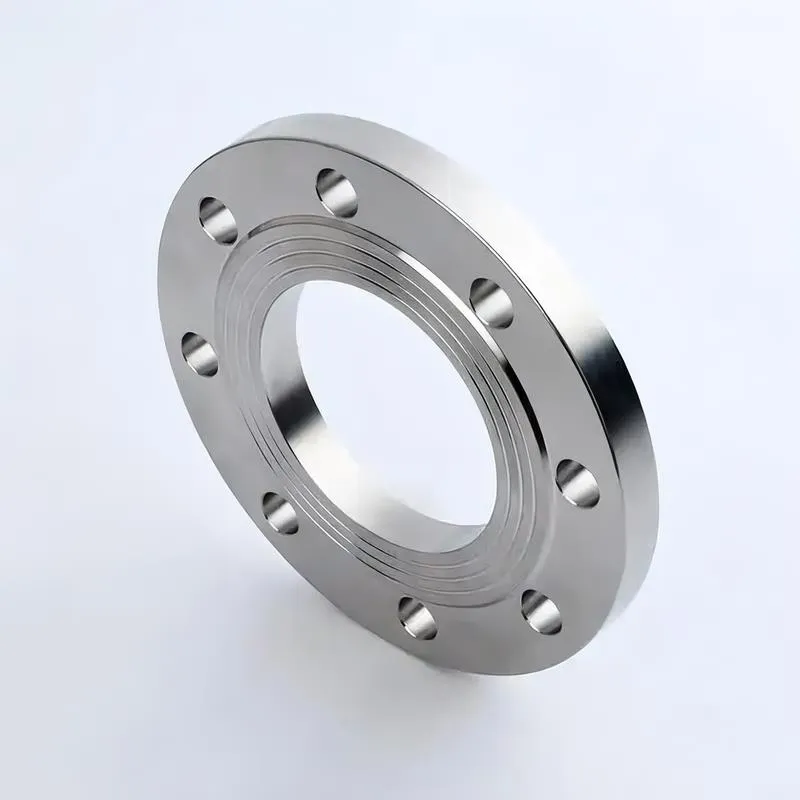
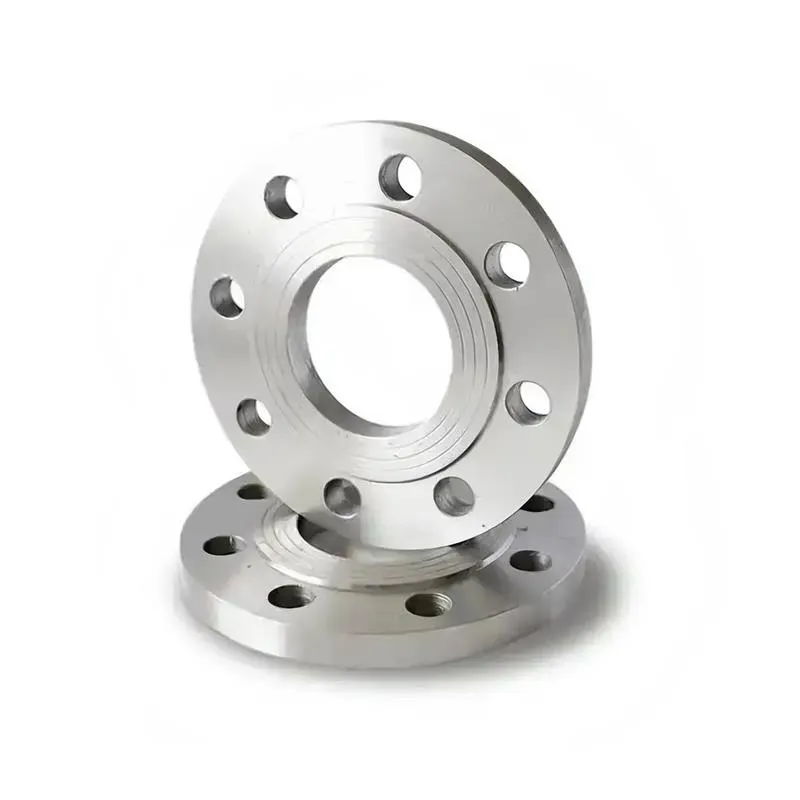
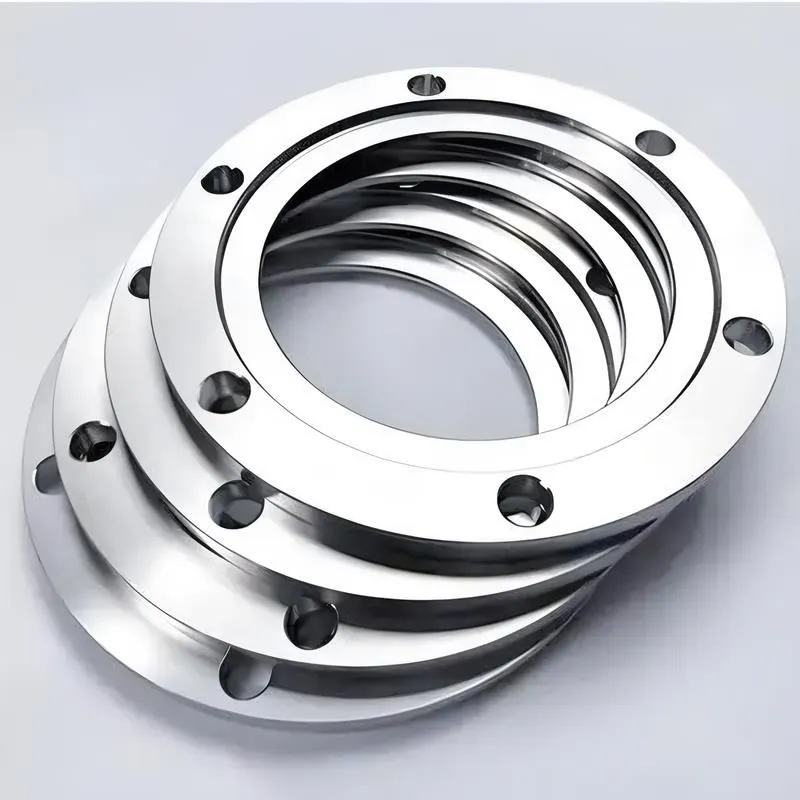
1,We Manufacturing processes are primarily classified into four types:
1:Forging,
2:Casting,
3:Cutting,
4:Rolling.
2,We can manufacture in accordance with these standards.
Standards:
GB Series (Chinese Standards), JB Series (Machinery Standards), HG Series (Chemical Industry Standards), ASME B16.5 (American Standards), BS4504 (British Standards), DIN (German Standards), and JIS (Japanese Standards).
Internationally, there are two primary systems of pipe flange standards: the European system, represented by the German DIN standards (including those of the former Soviet Union), and the American system, represented by the US ANSI pipe flange standards. Other common standards include: the Chinese Ministry of Machinery Industry standards (JB series), the Ministry of Chemical Industry standards (HG series), the Chinese National Standard *GB/T 9112–9124-2010 Steel Pipe Flanges*, as well as US standards (ASME B16.5), British standards (BS4504), German standards (DIN), Japanese standards (JIS), and marine standards (CBM), among others.
The nominal pressure ratings for the PN series are designated by "PN" and comprise the following nine levels: PN2.5, PN6, PN10, PN16, PN25, PN40, PN63, PN100, and PN160.
The nominal pressure ratings for the Class series are designated by "Class" and comprise the following six levels: Class150, Class300, Class600, Class900, Class1500, and Class2500.
Flange Classification
1. **According to Chemical Industry Standards:** Flanges are classified as follows:
Plate Flat Welding Flange (PL), Necked Flat Welding Flange (SO), Necked Butt Welding Flange (WN), Integral Flange (IF), Socket Welding Flange (SW), Threaded Flange (Th), Butt Welding Ring Loose Flange (PJ/SE), Blind Flange (BL), Flat Welding Ring Loose Flange (PJ/PJ), and Lined Blind Flange (BL(s)).
2. **According to Petrochemical (SH) Industry Standards:** Flanges are classified as follows:
Threaded Flange (PL), Butt Welding Flange (WN), Flat Welding Flange (SO), Socket Welding Flange (SW), Loose Flange (LJ), and Blind Flange (no specific designation).
3. **According to Machinery (JB) Industry Standards:** Flanges are classified as follows:
Integral Flange, Butt Welding Flange, Plate Flat Welding Flange, Butt Welding Ring Plate Loose Flange, Flat Welding Ring Plate Loose Flange, Lap Joint Ring Plate Loose Flange, and Blind Flange.
4. **According to Connection Method/Type:** Flanges are classified as follows:
Plate Flat Welding Flange, Necked Flat Welding Flange, Necked Butt Welding Flange, Socket Welding Flange, Threaded Flange, Blind Flange, Necked Butt Welding Ring Loose Flange, Flat Welding Ring Loose Flange, Ring-Type Joint (RTJ) Flange and Blind Flange, Large-Diameter Plate Flange, Large-Diameter High-Neck Flange, Figure-8 Blind Plate, Butt Welding Ring Loose Flange, etc.
5. **According to the Component Being Connected:** Flanges can be classified into Vessel Flanges and Pipe Flanges.
6. **According to Structural Type:** Flanges include Integral Flanges, Threaded Flanges, Flat Welding Flanges, Butt Welding Flanges, Lap Joint (Loose/Swivel) Flanges, and Blind Flanges.
A flange—also referred to as a flange plate or rim—is a component used to connect shafts to one another, or, more commonly, to join the ends of pipes. Flanges are also utilized at the inlet and outlet ports of equipment to facilitate connections between two devices—for instance, the flange on a speed reducer. A "flange connection" or "flanged joint" refers to a detachable joint assembly comprising three interconnected elements—a flange, a gasket, and bolts—that together form a sealed structural unit. In the context of piping systems, a "pipe flange" specifically denotes a flange used for plumbing within the installation; when applied to equipment, it refers to the inlet or outlet flange of that specific device. Flanges feature a series of holes through which bolts are inserted to securely fasten the two flanges together, while a gasket placed between the flanges ensures a leak-proof seal. Flanges are broadly categorized into three types: threaded (screw-in) flanges, welded flanges, and clamp-type flanges. Flanges are invariably used in pairs; threaded flanges are suitable for low-pressure piping applications, whereas welded flanges are required for systems operating at pressures exceeding 4 kilograms per square centimeter. A sealing gasket is inserted between the two flange plates, which are then firmly secured using bolts. The thickness of a flange—as well as the specifications of the bolts used to fasten it—vary depending on the specific pressure rating required for the application. When connecting equipment such as water pumps or valves to piping systems, the corresponding connection points on these devices are often manufactured in the shape of a matching flange; this method of attachment is also referred to as a "flange connection." Generally, any connecting component that utilizes bolts to join and seal the perimeters of two flat surfaces—such as the joints in ventilation ducts—is termed a "flange"; such components may collectively be classified as "flange-type parts." However, since such a connection often constitutes merely a *portion* of a larger device—for instance, the interface between a flange and a water pump—it would be inappropriate to classify the entire water pump itself as a "flange-type part." Conversely, smaller components—such as valves—that feature such flanged interfaces may indeed be appropriately categorized as "flange-type parts."
-:-
For detailed product information, please contact sales.
-:
ASTM A148 Grade 160-145 Cast Steel Flange Product Information
-:-
For detailed product information, please contact sales.
-:
ASTM A148 Grade 160-145 Cast Steel Flange Synonyms
-:-
For detailed product information, please contact sales.
-:
ASTM A148 Grade 160-145 Cast Steel Product Information
-:-
For detailed product information, please contact sales.
-:
### **Product Technical Datasheet: ASTM A148 Grade 160-145 Cast Steel**
**1. Product Overview**
ASTM A148 Grade 160-145 represents the absolute apex of high-strength structural steel castings within the ASTM A148 specification. It is a proprietary, ultra-high-strength, low-alloy steel designed for the most critical applications where extreme mechanical properties, superior wear resistance, and maximum weight reduction are mandatory. The designation "160-145" sets an exceptionally high performance bar, requiring a minimum **160 ksi (1105 MPa) tensile strength** and a **145 ksi (1000 MPa) yield strength**. Achieving these properties necessitates a precisely engineered chemical composition coupled with a meticulously controlled quenching and tempering heat treatment process.
**2. Governing International Standard**
This grade falls under the purview of the **ASTM A148 / A148M - Standard Specification for Steel Castings, High Strength, for Structural Purposes**. It is crucial to note that while this standard provides the framework, the specific composition and processing for Grade 160-145 are often proprietary to the foundry, representing a specialized advancement beyond standard grades. Purchasers should collaborate directly with qualified foundries for detailed technical agreements.
**3. Chemical Composition**
The chemistry for this grade is highly specialized, designed for deep hardenability and secondary hardening potential to achieve its unprecedented strength. A typical, generalized composition range is as follows (in weight %):
* **Carbon (C):** 0.42 - 0.52% (Balanced for strength and toughness)
* **Manganese (Mn):** 0.70 - 1.10%
* **Silicon (Si):** 0.30 - 0.60%
* **Phosphorus (P):** 0.020% max
* **Sulfur (S):** 0.015% max (often lower for improved toughness)
* **Chromium (Cr):** 1.00 - 1.50%
* **Nickel (Ni):** 1.80 - 2.50% (for core toughness and hardenability)
* **Molybdenum (Mo):** 0.35 - 0.55% (for high-temperature strength and hardenability)
* **Vanadium (V):** 0.05 - 0.15% (for grain refinement and precipitation hardening)
* **(Potential Additions):** Trace amounts of **Niobium (Nb)** or **Boron (B)** may be used for enhanced hardenability in thick sections.
**Note:** This is a general guideline. Exact proprietary compositions are developed and optimized by individual foundries to guarantee consistent property achievement in specific casting geometries.
**4. Physical & Mechanical Properties**
* **Minimum Mechanical Properties (as per ASTM A148 Designation):**
* **Tensile Strength:** 160 ksi (1105 MPa)
* **Yield Strength (0.2% Offset):** 145 ksi (1000 MPa)
* **Elongation in 2" (50 mm):** 5% min (Typically 6-8% achieved)
* **Reduction of Area:** 20% min (Typically 25-35% achieved)
* **Typical Achieved & Supplemental Properties:**
* **Hardness:** 360 - 420 HBW (Brinell Hardness)
* **Modulus of Elasticity:** 29 x 10⁶ psi (200 GPa)
* **Charpy V-Notch Impact Energy:** 15 - 25 J @ 70°F (21°C) (Subject to supplementary requirement specification)
* **Density:** 7.85 g/cm³
* **Mandatory Heat Treatment:** **Quenching and High-Temperature Tempering** is essential. The process typically involves austenitizing followed by a rapid quench (often in oil or polymer) to form martensite, and a subsequent high-temperature temper to achieve the optimal balance of ultra-high strength and necessary toughness.
**5. Key Characteristics & Engineering Considerations**
* **Ultimate Strength-to-Weight Ratio:** Enables the most aggressive lightweight design for components under extreme static and dynamic loads.
* **High Wear and Abrasion Resistance:** The combination of extreme hardness and strength provides exceptional service life in abrasive environments.
* **Good Fracture Toughness:** Maintains a critical level of toughness for its strength class, resisting catastrophic brittle fracture.
* **Machinability:** **Very Difficult.** Machining is only feasible in the annealed or tempered condition and requires powerful equipment, premium-grade carbide or ceramic tools, and specialized machining parameters.
* **Weldability:** **Extremely Poor / Not Recommended for Fabrication.** This grade is highly susceptible to hydrogen-induced cracking and severe HAZ softening/embrittlement. If repair welding is absolutely necessary, it requires an expert-approved procedure involving very high preheat (400-500°F / 200-260°C), stringent interpass control, specific high-nickel filler metals, and mandatory, immediate Post-Weld Heat Treatment (PWHT).
**6. Typical Applications**
Grade 160-145 is reserved for the most severe service conditions across heavy industries, often replacing forged components or enabling radical design improvements.
* **Mining & Mineral Processing:** Critical components for high-pressure grinding rolls (HPGRs), cone crusher mantles for hardest ores, largest shovel dipper teeth and adapter systems, heavy-duty ball mill trunnions.
* **Oil & Gas Drilling:** Ultra-high-strength components for offshore mooring systems, large blast-proof valve bodies, critical drill string tools.
* **Defense & Aerospace:** Critical armored vehicle components (hatches, turret rings), landing gear components for heavy-lift aircraft, high-stress missile launch system parts.
* **Metalforming & Heavy Machinery:** Anvil blocks for high-energy forging hammers, back-up rolls for cold rolling mills, extremely high-load gear blanks, and press frames.
* **Advanced Energy:** Structural components for next-generation wind turbine hubs and bedplates, fusion reactor experimental components.
**7. Summary**
ASTM A148 Grade 160-145 is a specialist, ultra-high-performance casting alloy representing the frontier of commercial cast steel strength. It is not a general-purpose material but an engineered solution for specific, mission-critical applications where its exceptional properties justify the stringent manufacturing and handling requirements. Successful implementation demands close collaboration between the designer, purchaser, and a highly capable foundry with proven expertise in this premium grade.
-:-
For detailed product information, please contact sales.
-:
ASTM A148 Grade 160-145 Cast Steel Specification
Dimensions
Size:
Diameter 20-1000 mm Length <5853 mm
Size:We can customized as required
Standard:
Per your request or drawing
We can customized as required
Properties(Theoretical)
Chemical Composition
-:-
For detailed product information, please contact sales.
-:
ASTM A148 Grade 160-145 Cast Steel Properties
-:-
For detailed product information, please contact sales.
-:
Applications of ASTM A148 Grade 160-145 Cast Steel Flange
-:-
For detailed product information, please contact sales.
-:
Chemical Identifiers ASTM A148 Grade 160-145 Cast Steel Flange
-:-
For detailed product information, please contact sales.
-:
Packing of ASTM A148 Grade 160-145 Cast Steel Flange
-:-
For detailed product information, please contact sales.
-:
Standard Packing:
-:-
For detailed product information, please contact sales.
-:
Typical bulk packaging includes palletized plastic 5 gallon/25 kg. pails, fiber and Steel Flange drums to 1 ton super sacks in full container (FCL) or truck load (T/L) quantities. Research and sample quantities and hygroscopic, oxidizing or other air sensitive materials may be packaged under argon or vacuum. Solutions are packaged in polypropylene, plastic or glass jars up to palletized 2324 gallon liquid totes Special package is available on request. E FORUs’ is carefully handled to minimize damage during storage and transportation and to preserve the quality of our products in their original condition